Contact Us

Use the form on the right to contact us.

You can edit the text in this area, and change where the contact form on the right submits to, by entering edit mode using the modes on the bottom right. 


123 Street Avenue, City Town, 99999

(123) 555-6789

email@address.com


You can set your address, phone number, email and site description in the settings tab.
Link to read me page with more information.

CONTENT

The Cake That Always Showed Up

Ashley Evans

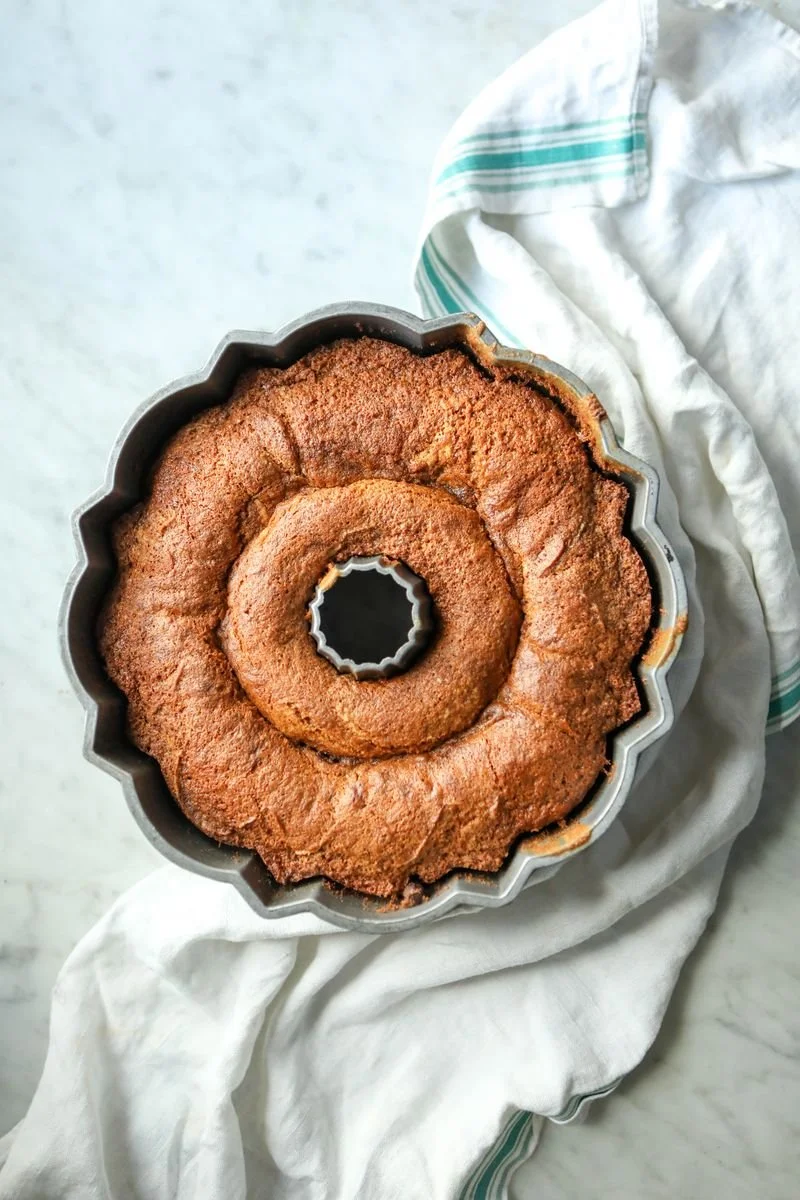
This is the cake that showed up without needing an invitation. It sat quietly on long folding tables at church potlucks, tucked between casseroles and paper plates. It came wrapped in foil to funeral dinners, carried with care, offered without words. It was the everyday cake too—the one made just because the house felt a little empty without something sweet cooling on the counter.

It’s humble. Familiar. The kind of cake that feels like home before you even take a bite. Super moist, almost like a pound cake, with that soft citrus sweetness that lingers and makes you reach for a second slice without realizing it.

This cake doesn’t try to be fancy—it just shows up and does its job beautifully.

Orange Juice Cake

You’ll need:

  • 1 box yellow cake mix

  • 1 box instant vanilla pudding

  • 4 eggs

  • ½ cup vegetable oil

  • 1 cup orange juice

  • ¼ cup brown sugar

  • ¼ cup chopped pecans

Glaze:

  • ½ cup butter

  • 1 cup sugar

  • ¼ cup orange juice

How to Make It

  1. Preheat oven to 325°F. In a large bowl, mix cake mix, pudding mix, eggs, oil, and orange juice until smooth.

  2. Grease a Bundt pan well. Sprinkle brown sugar and chopped pecans evenly in the bottom.

  3. Pour batter into the pan and bake for 35–40 minutes, until set and golden.

  4. While the cake bakes, melt butter in a saucepan. Add sugar and orange juice, bring to a gentle boil, stirring constantly.

  5. When the cake comes out of the oven, pour the warm glaze slowly over the cake. Let it rest 15–20 minutes, then carefully invert onto a plate.

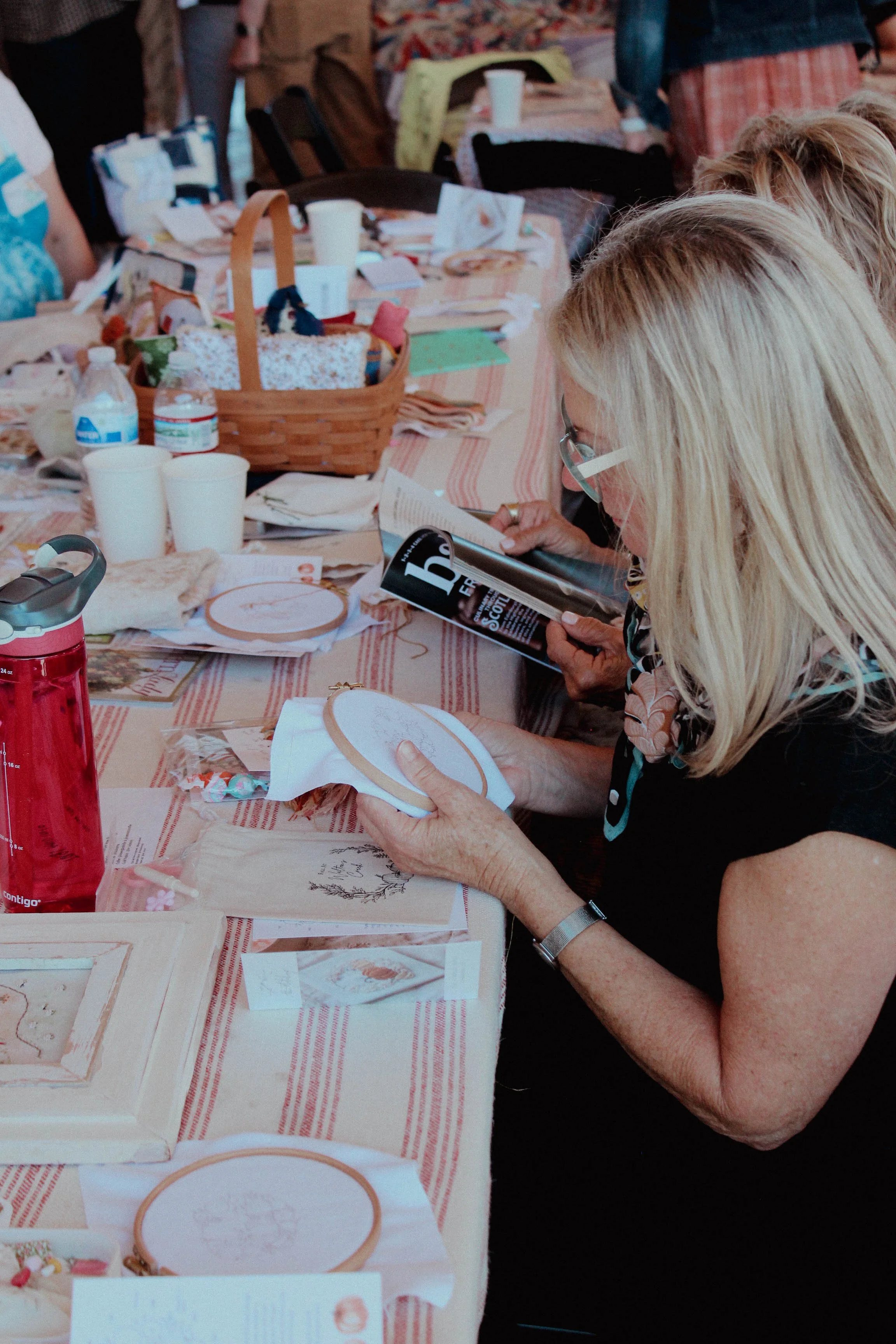
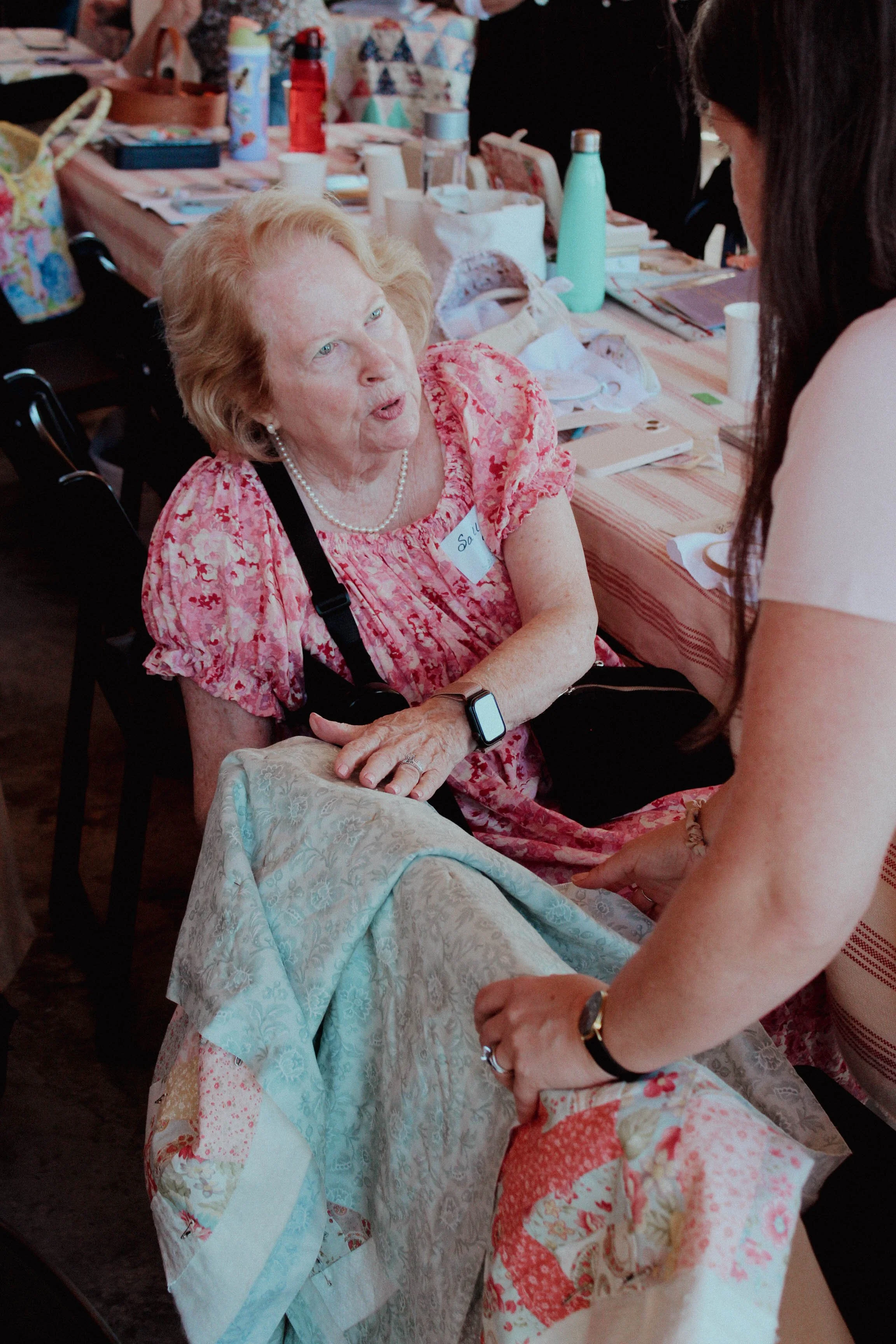
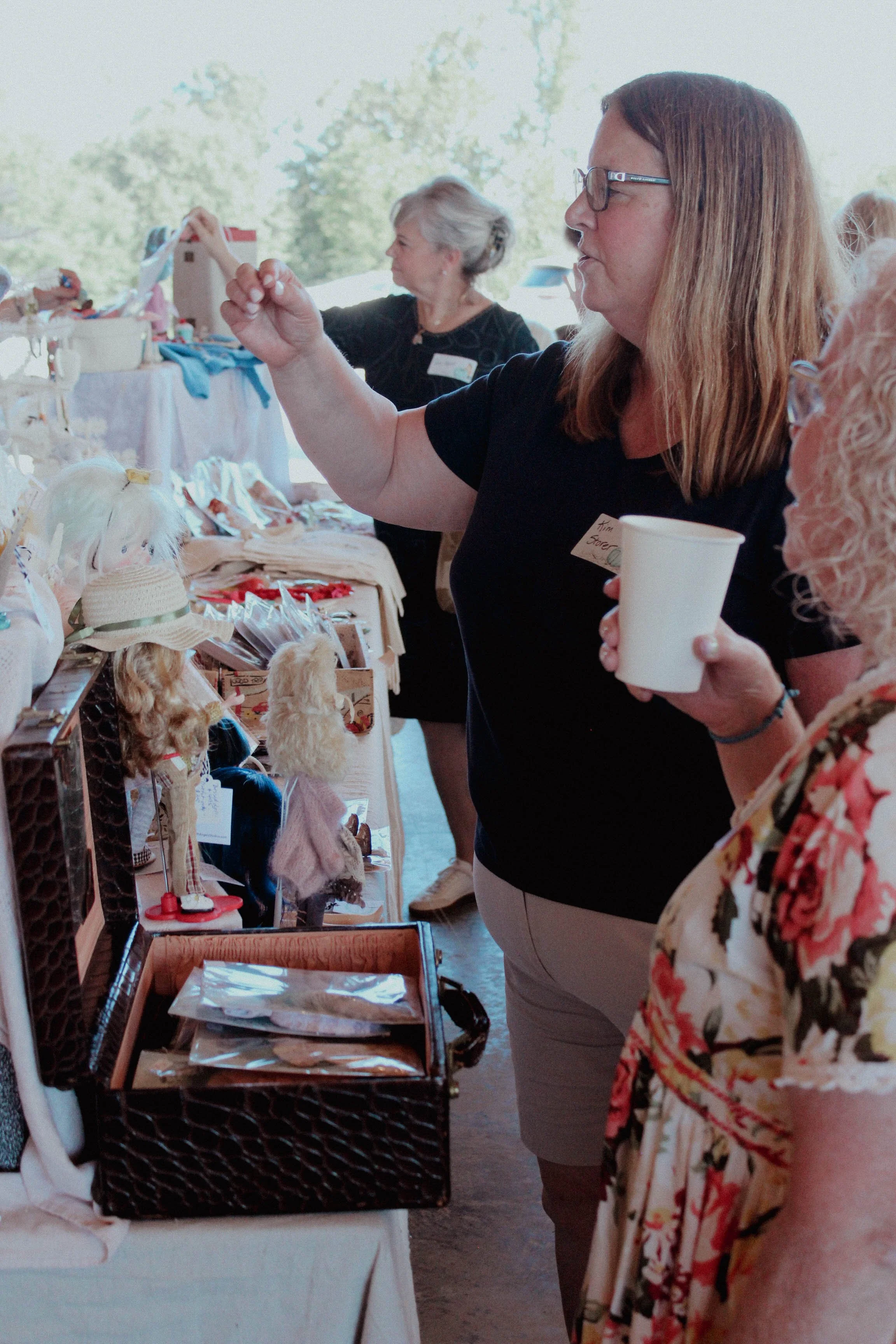
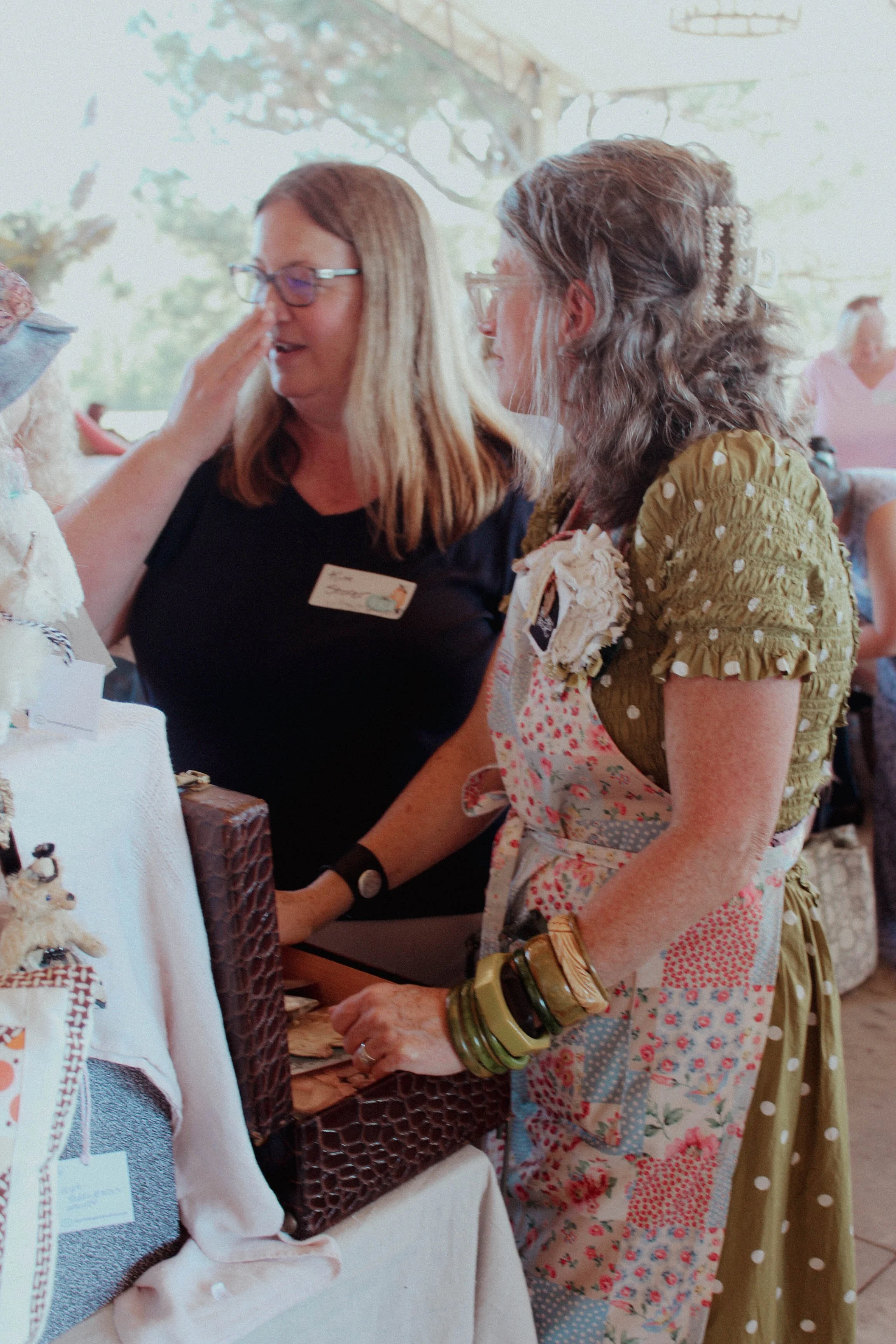
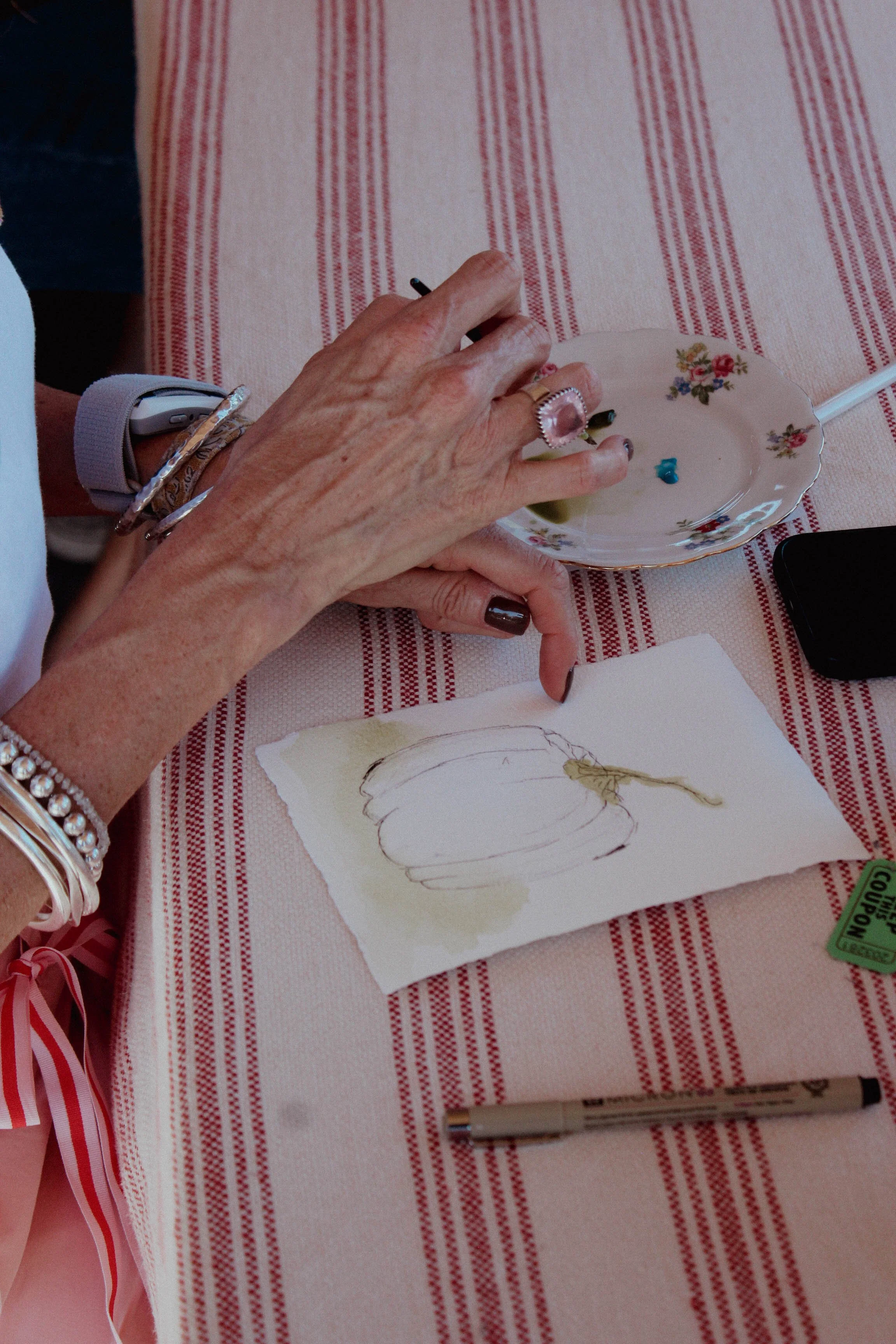
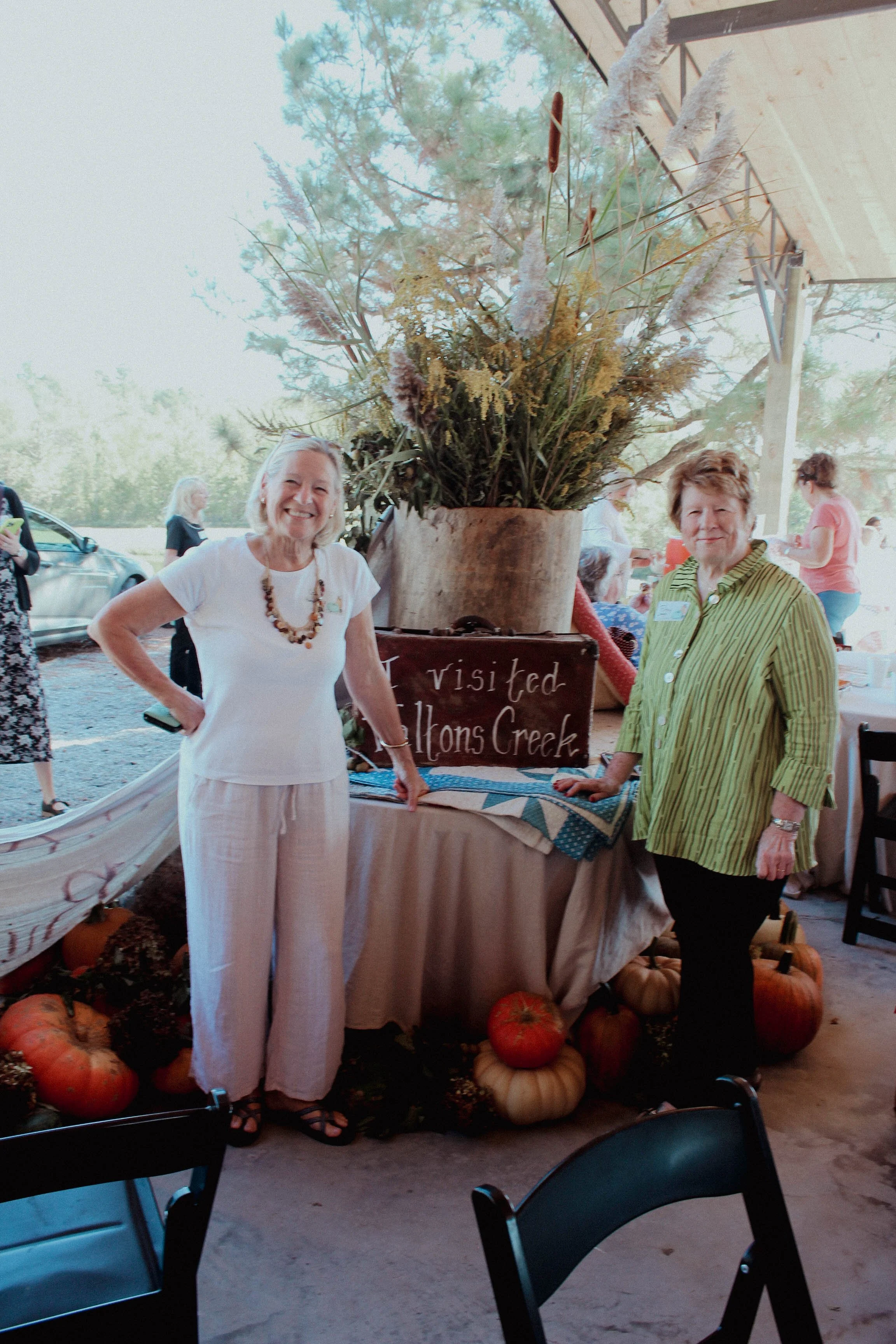
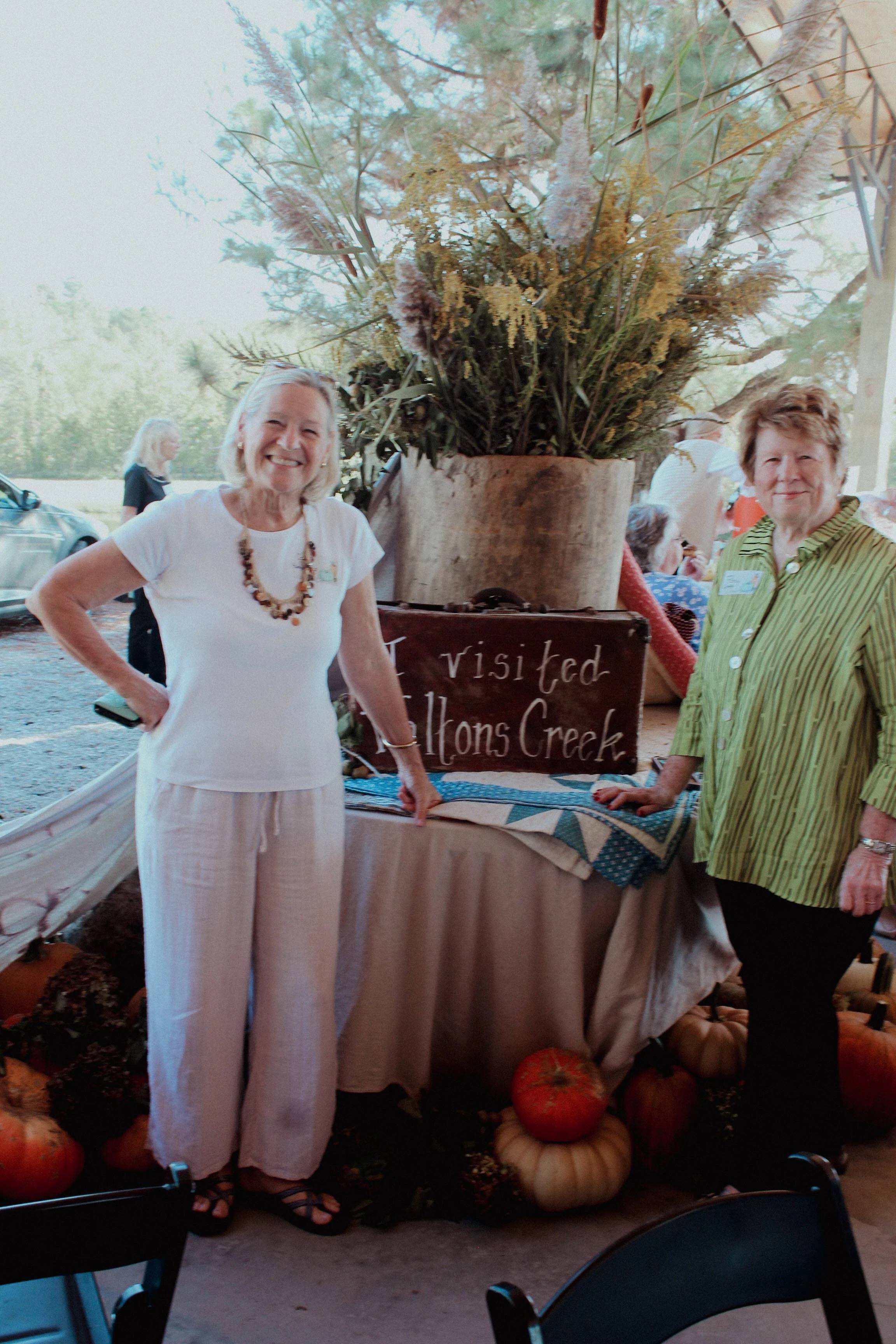
Workshops at Waltons Creek 2025 — Photo Gallery

Ben Ashby

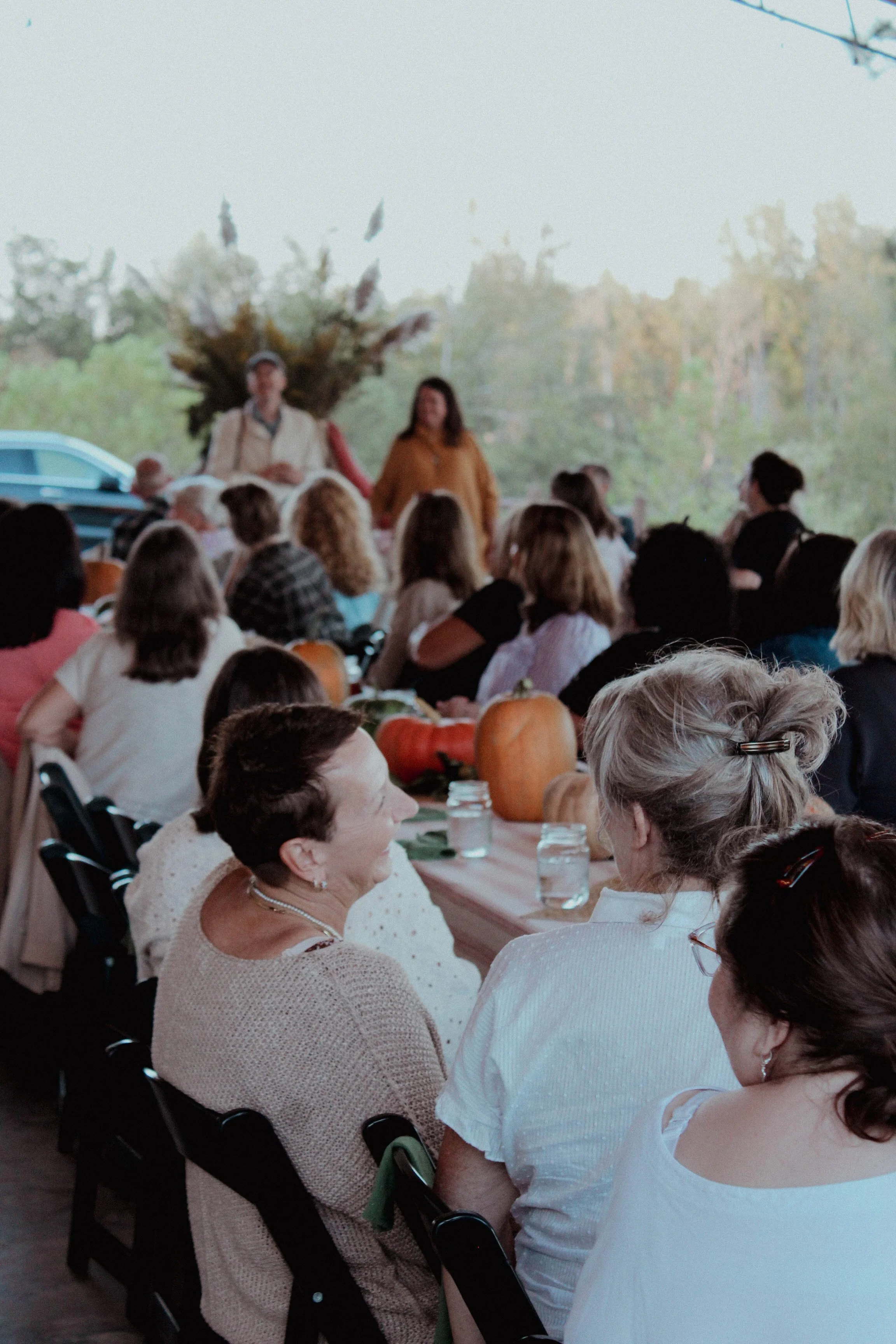
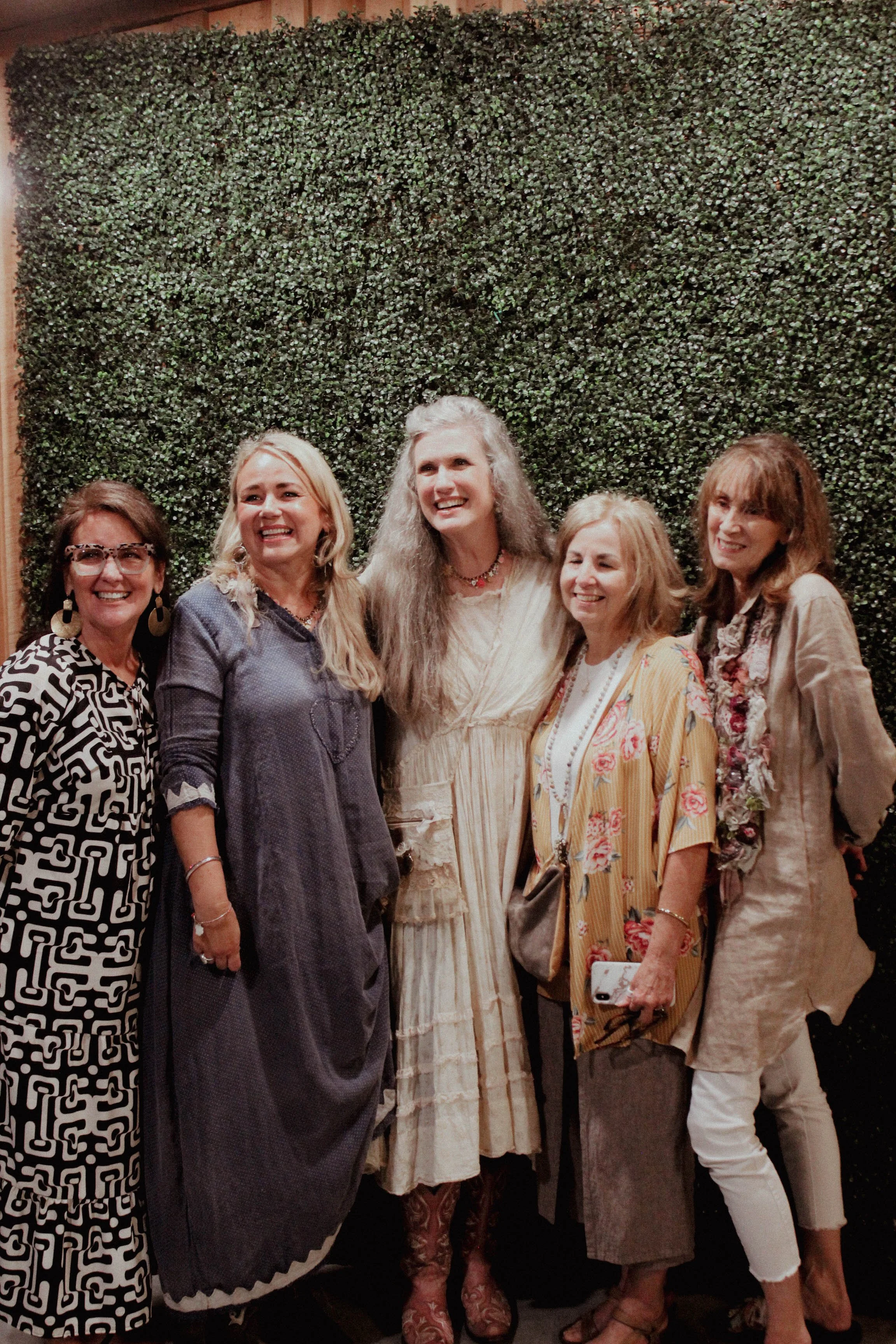
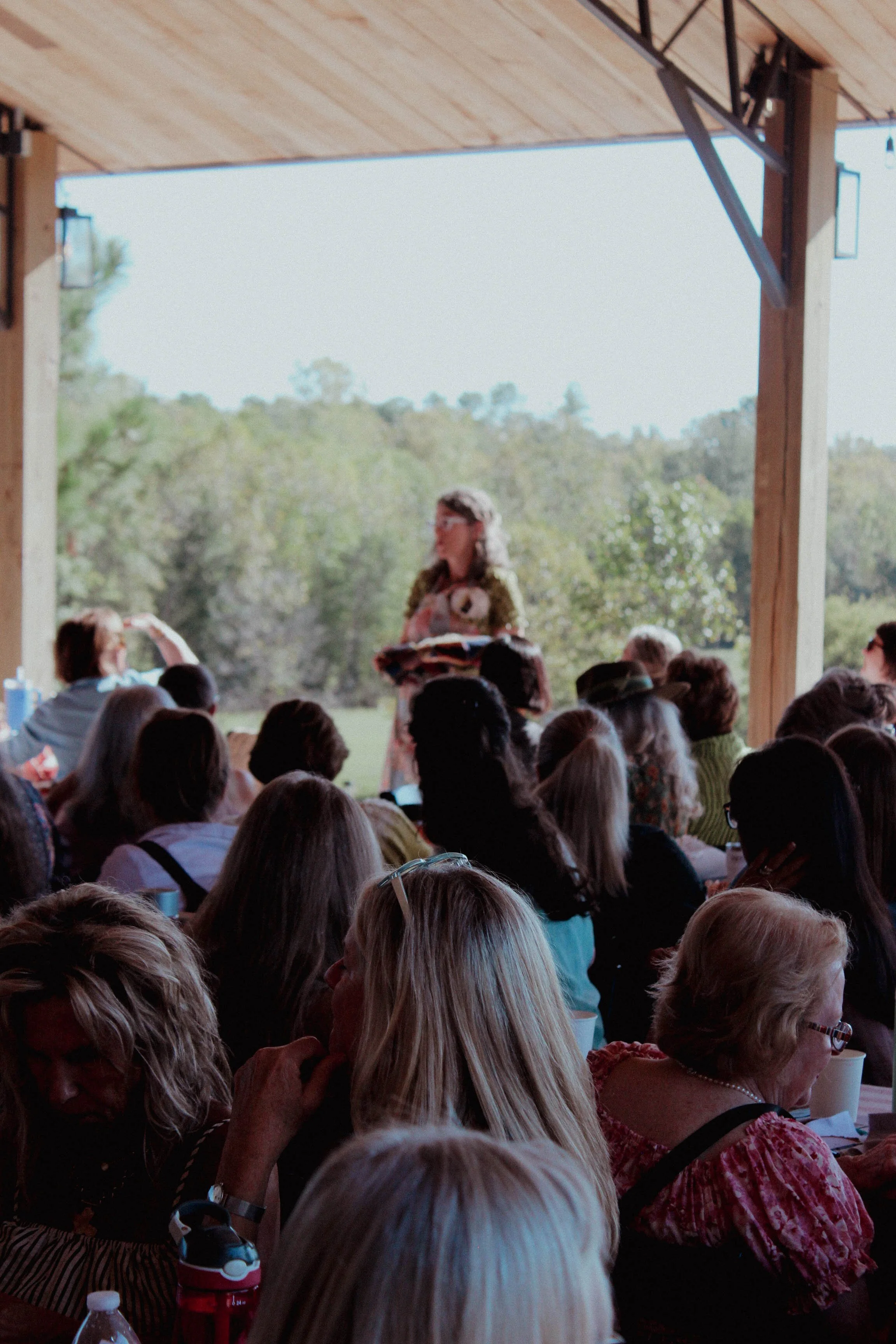
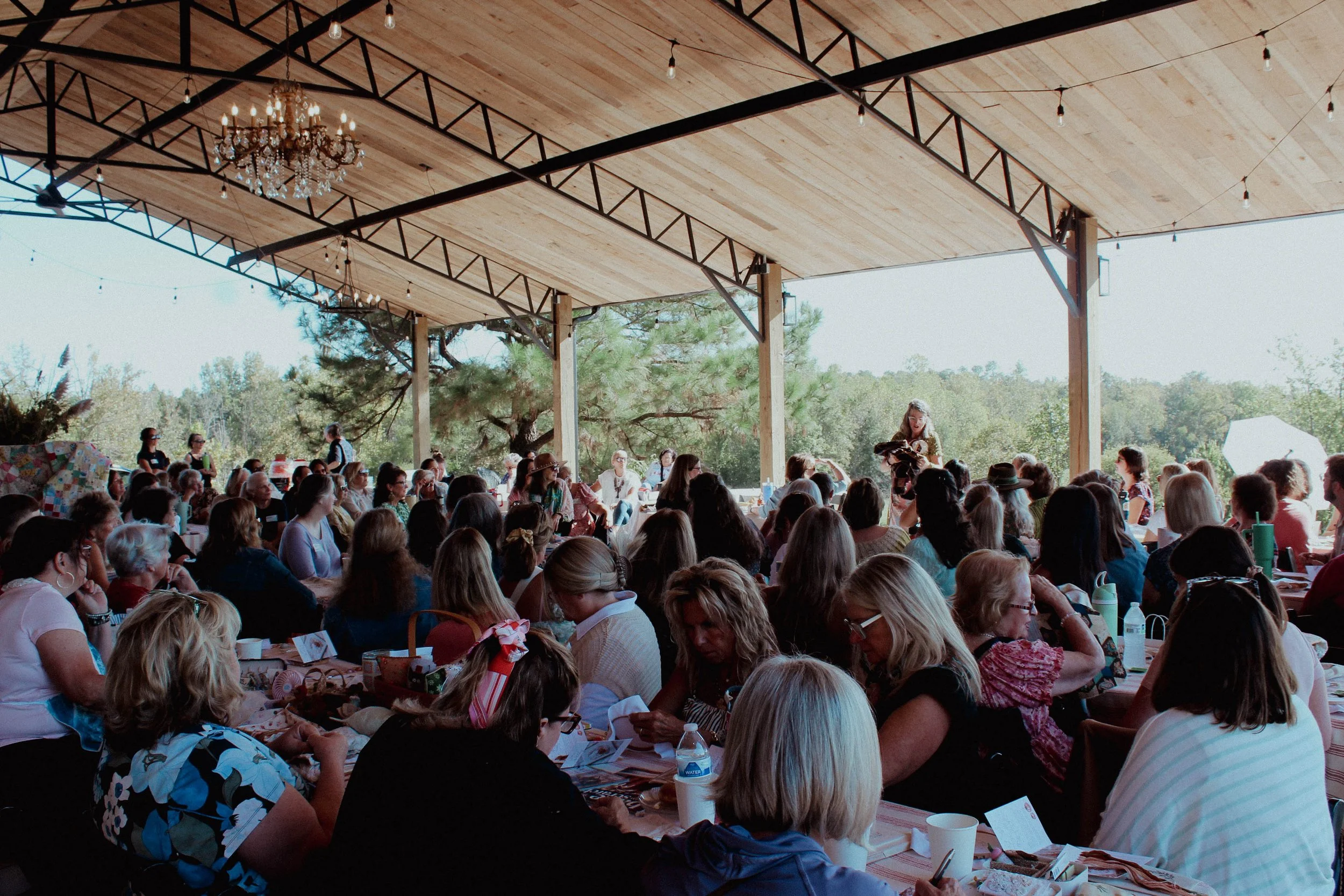
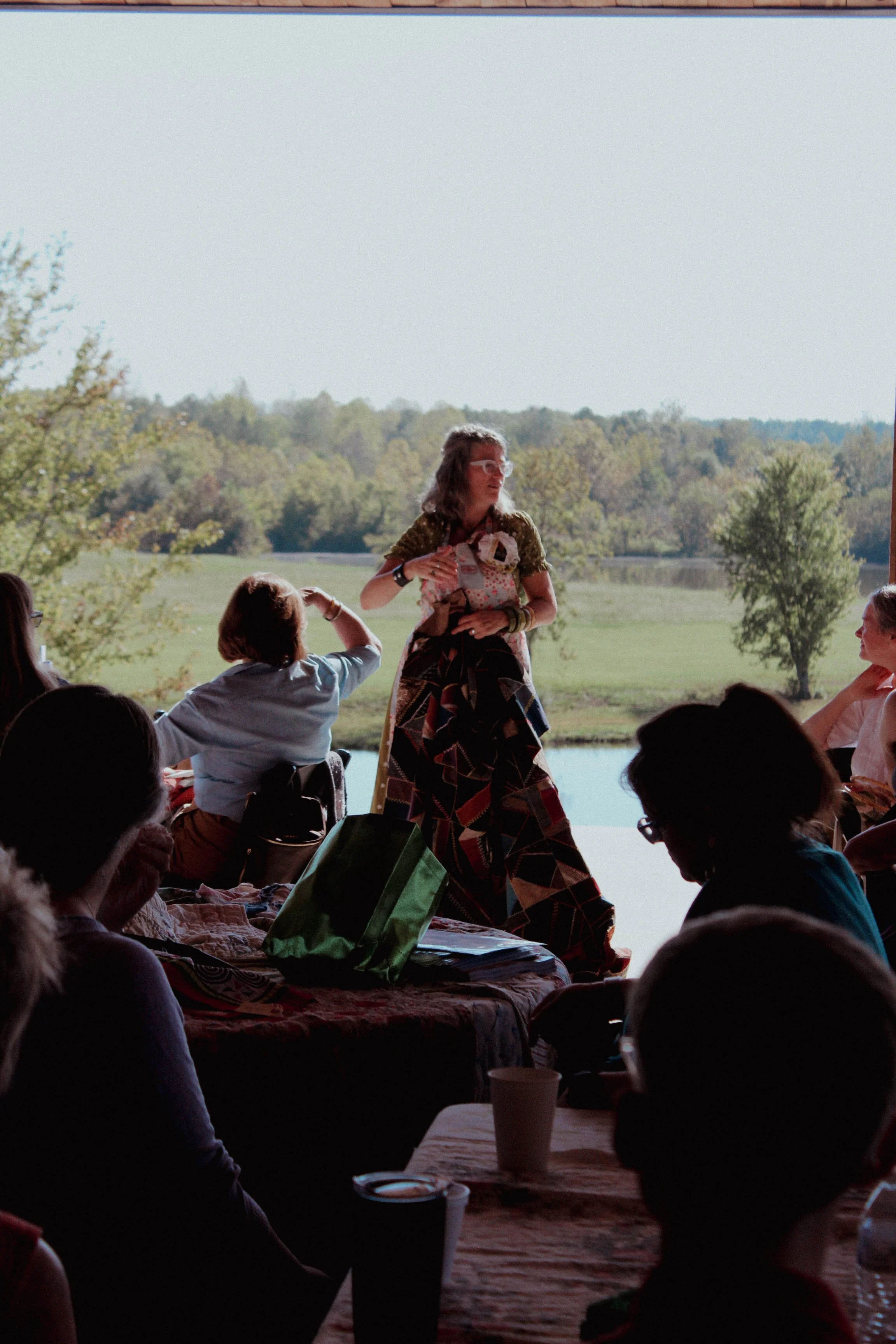
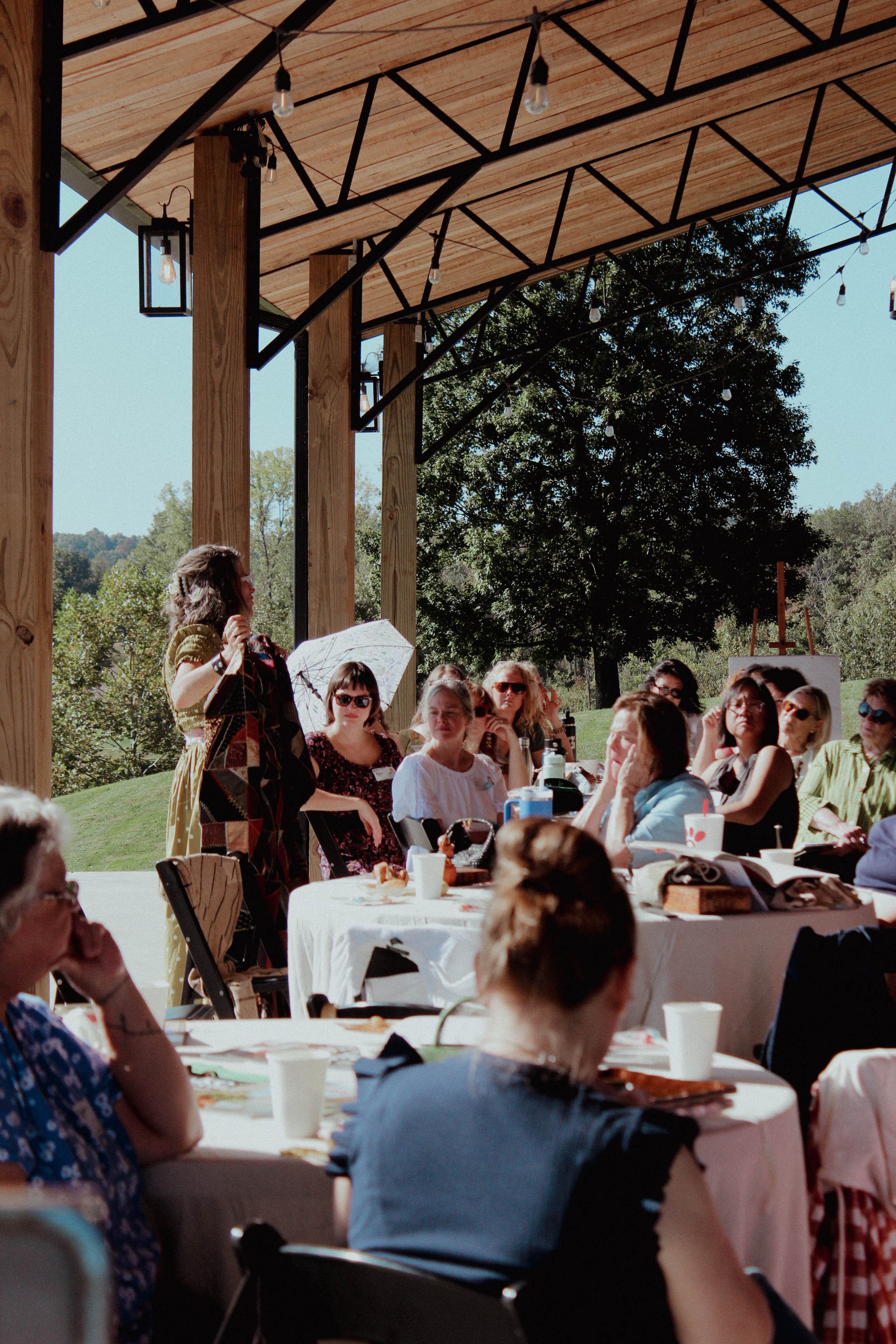
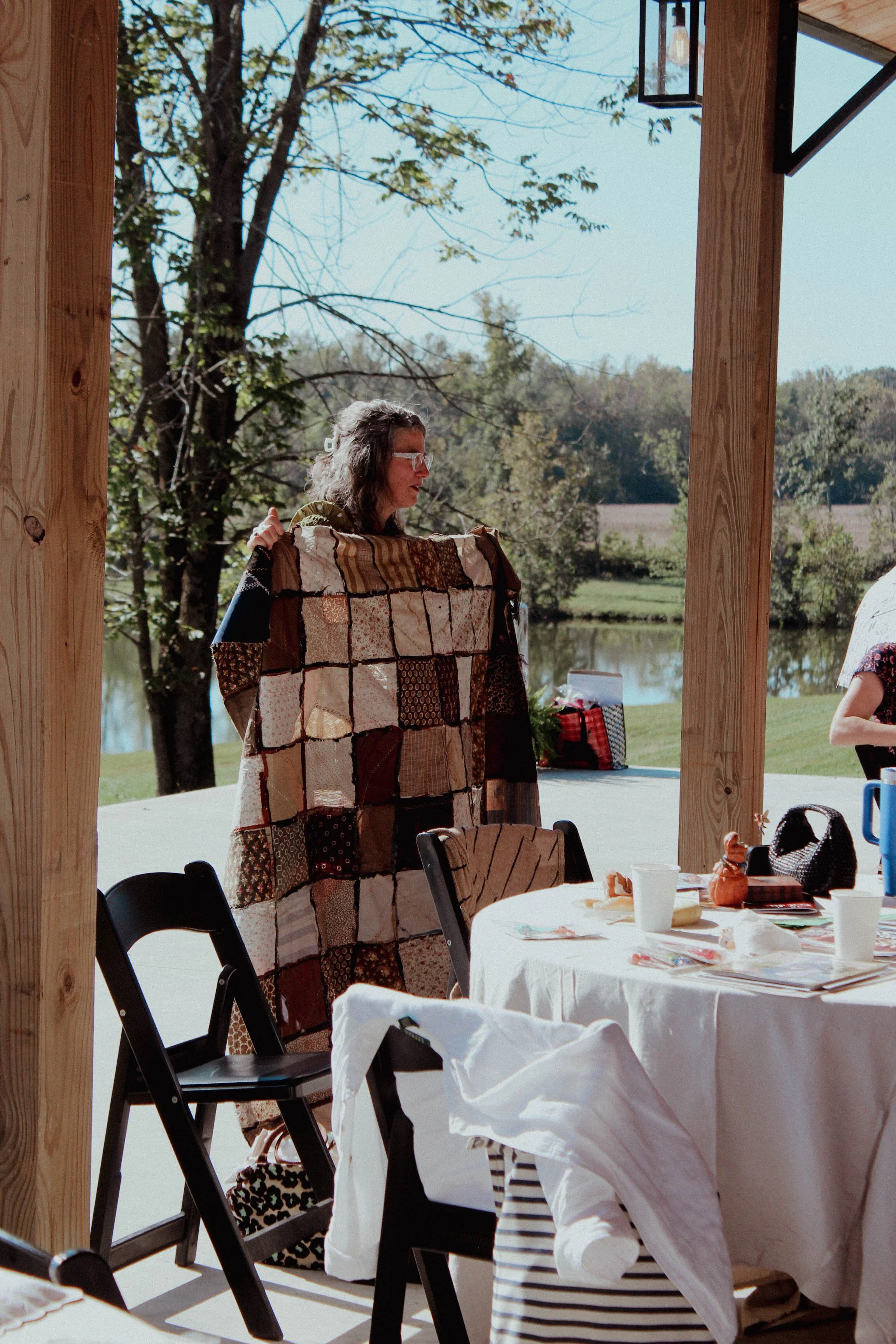
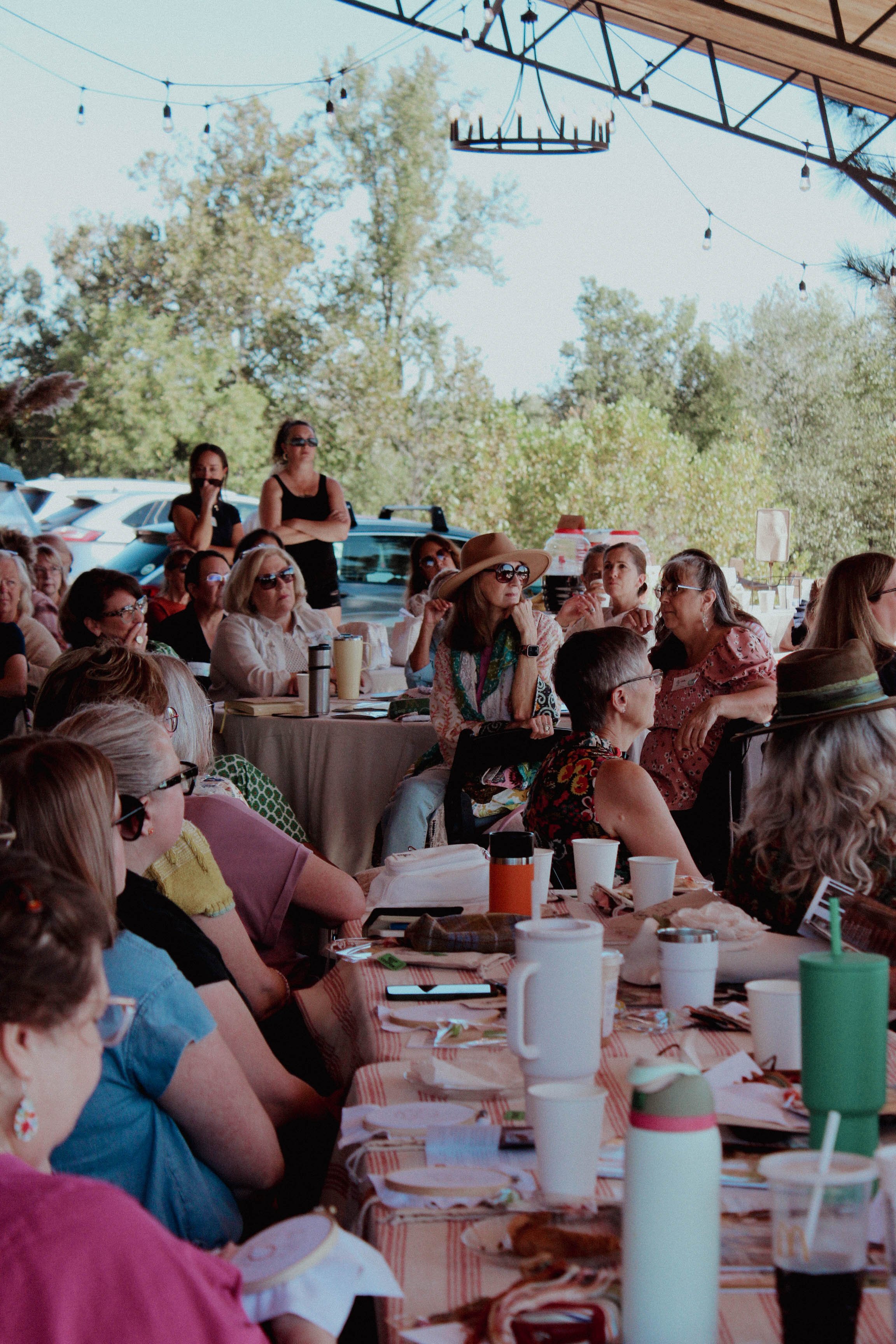
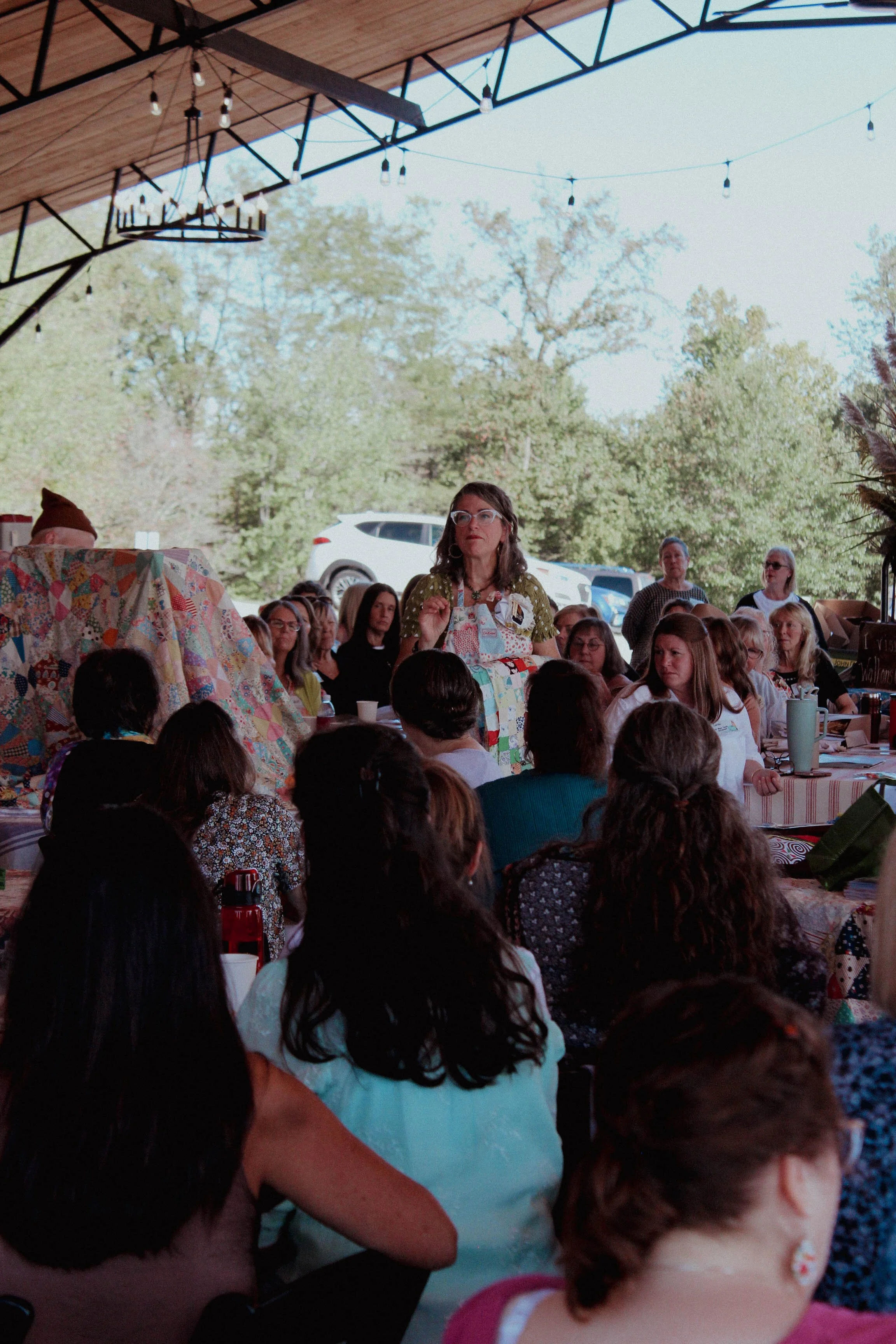
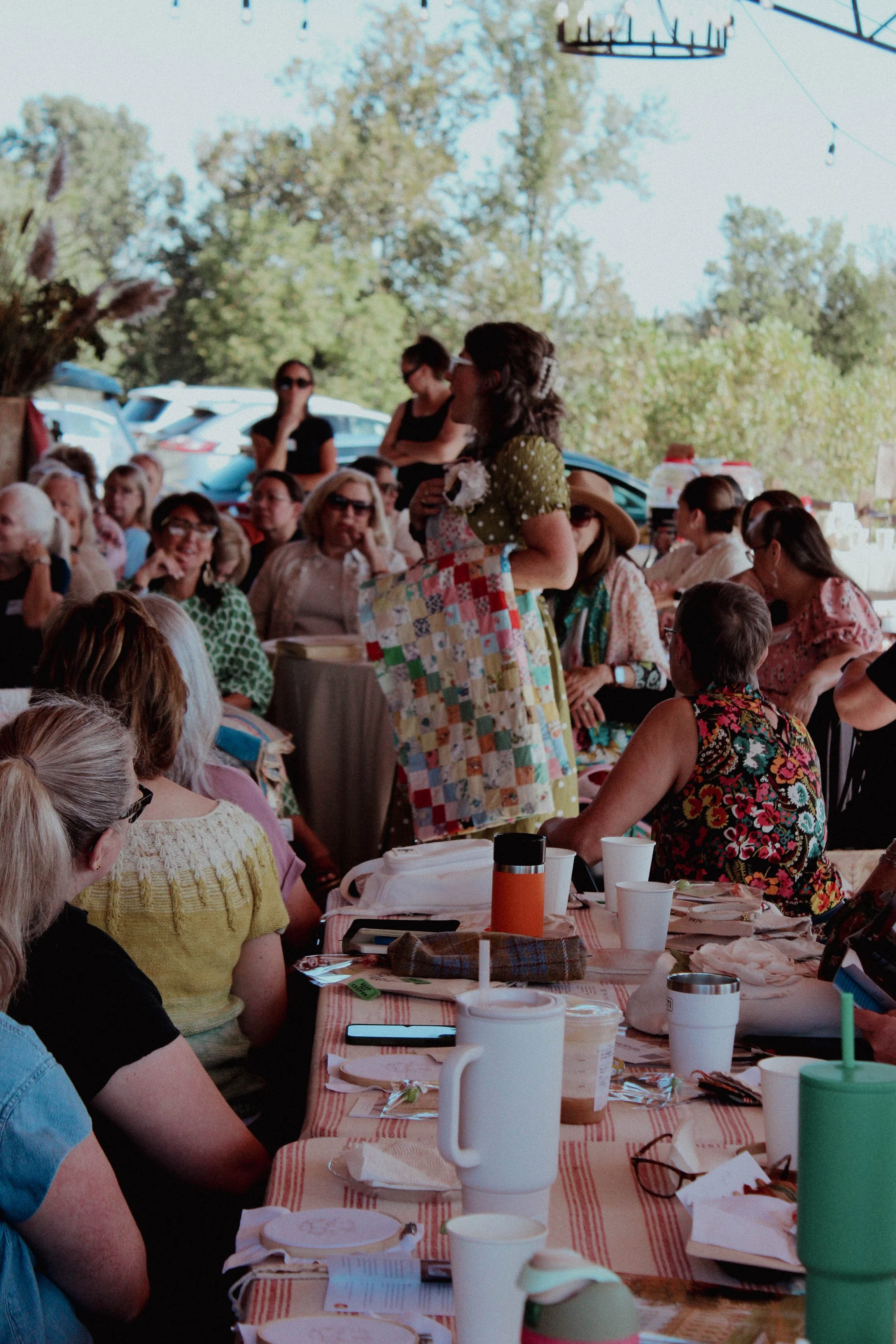
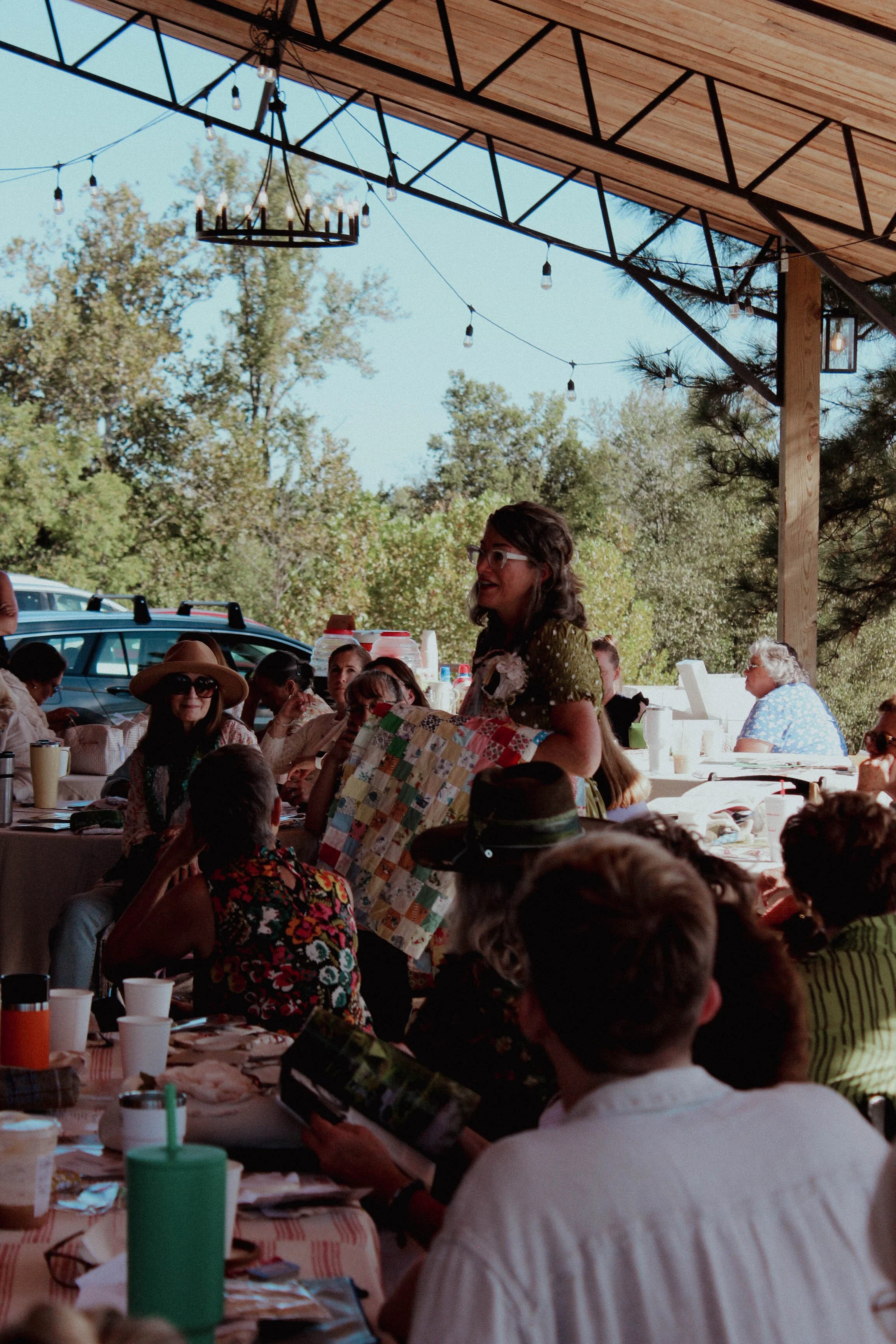
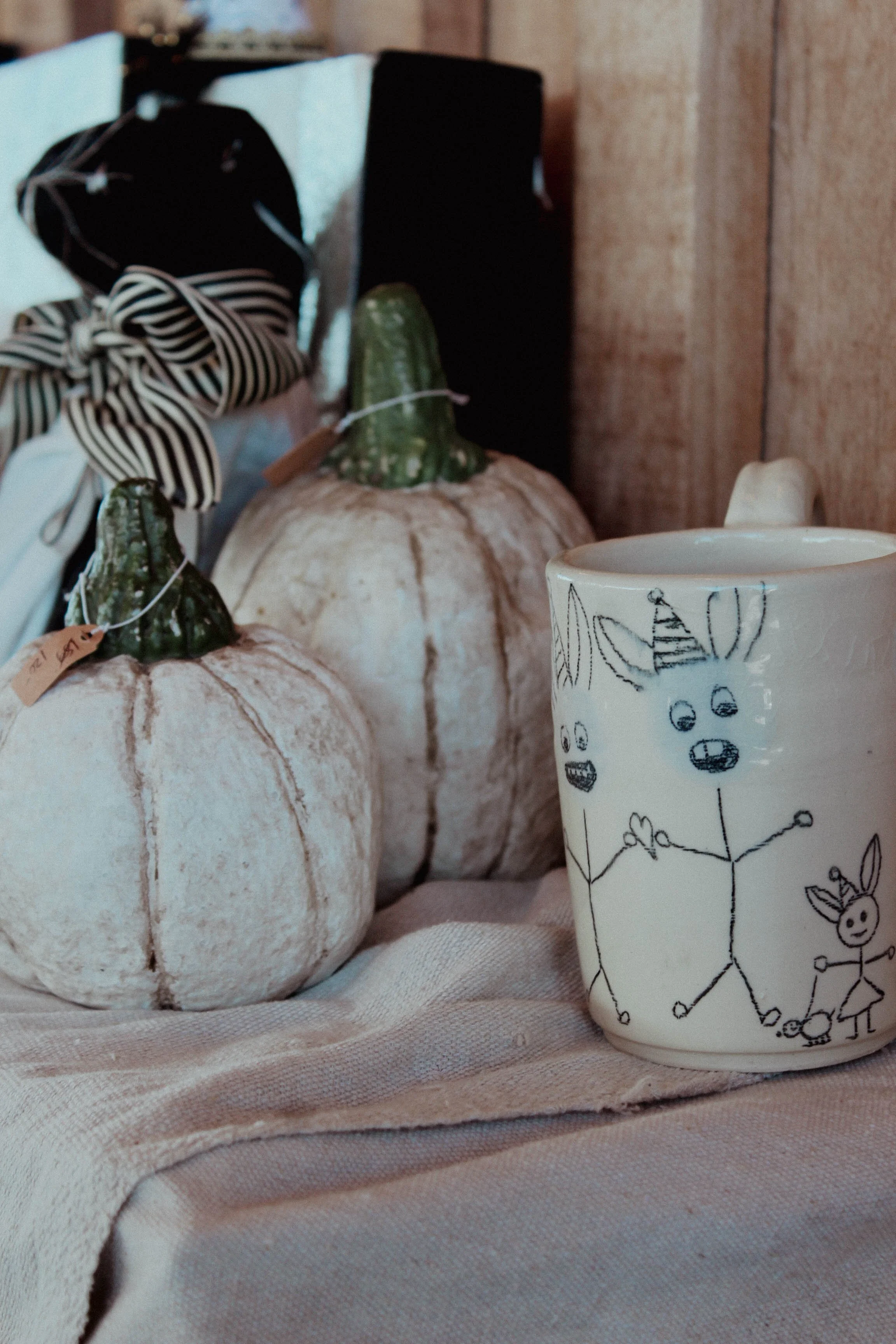
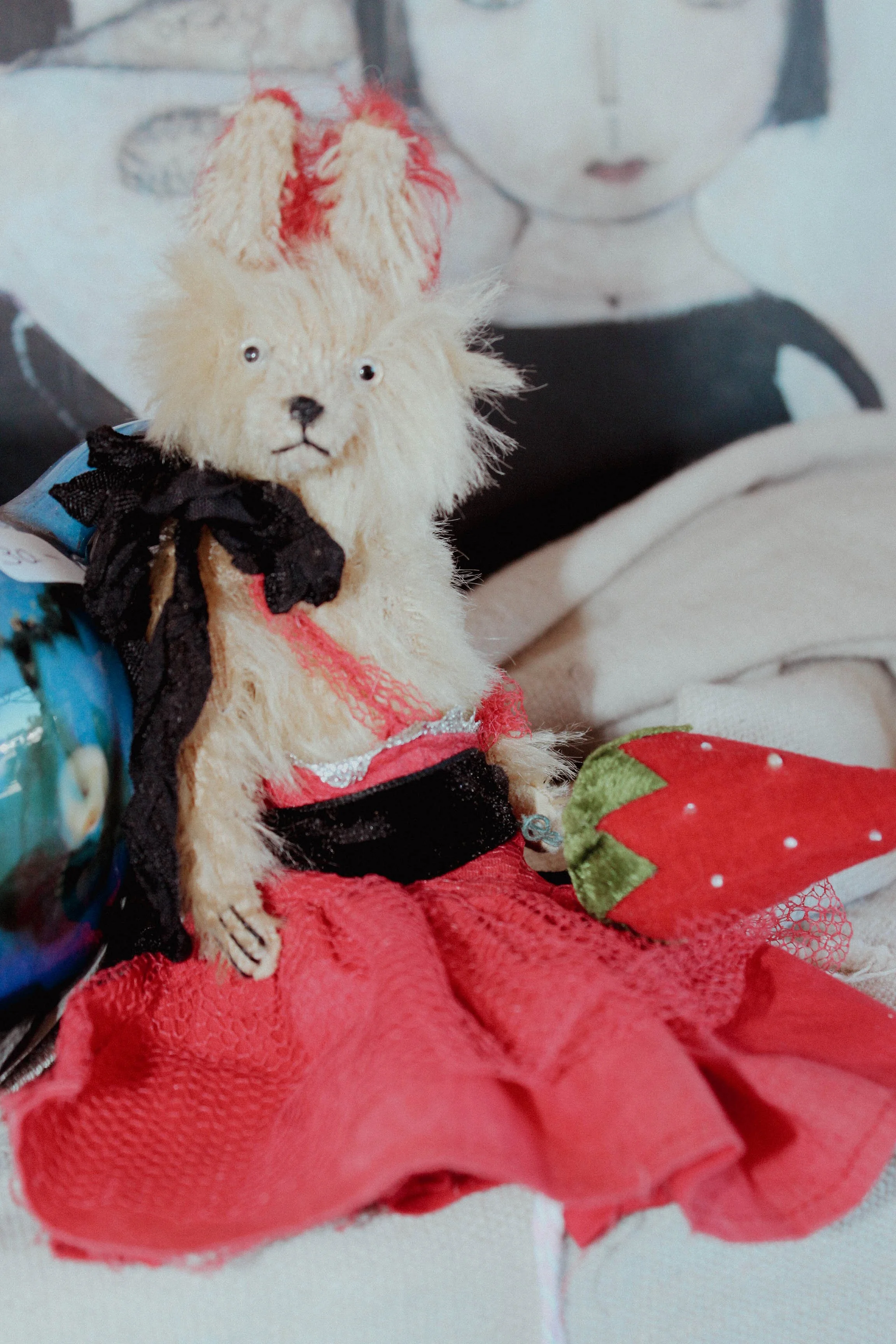
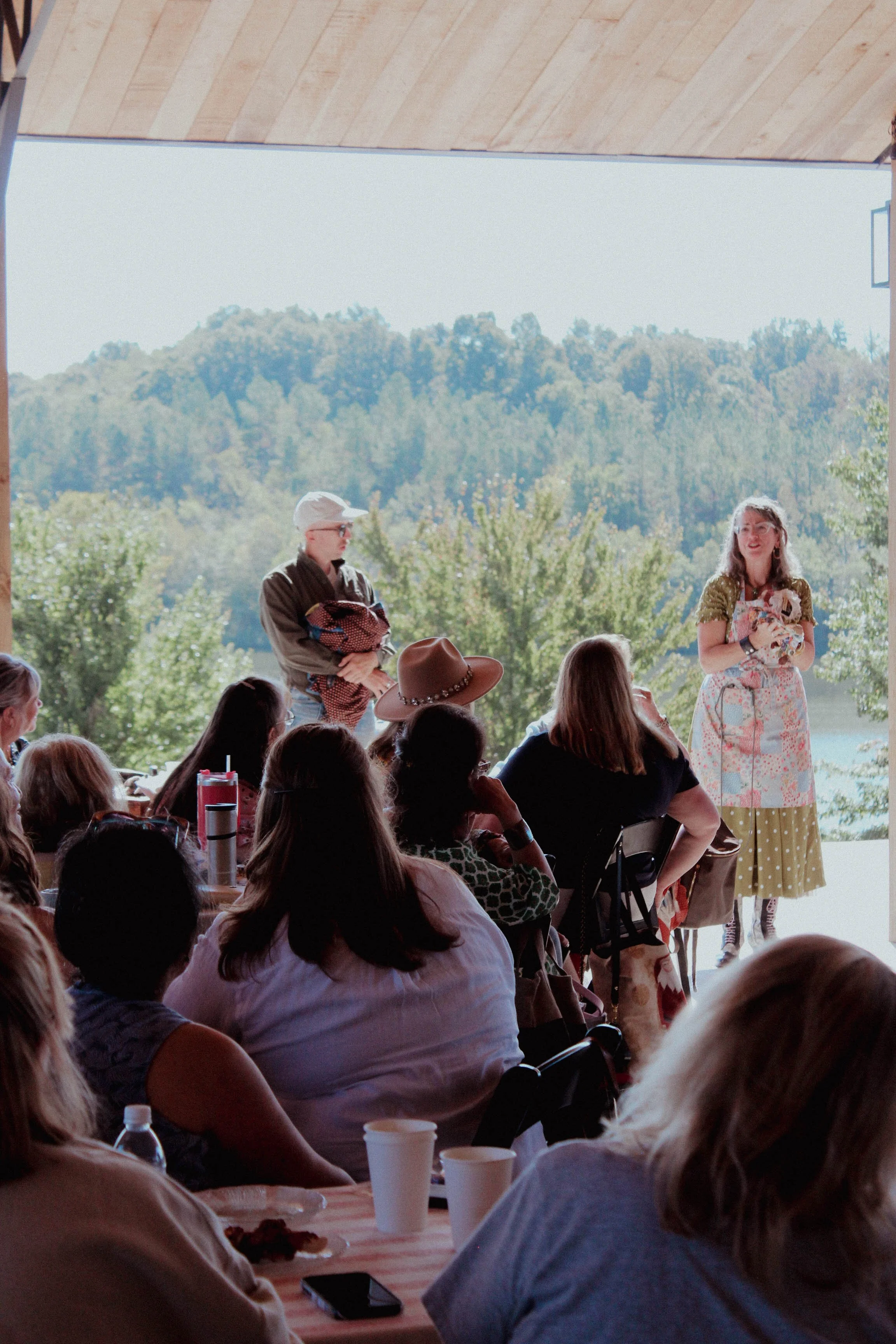
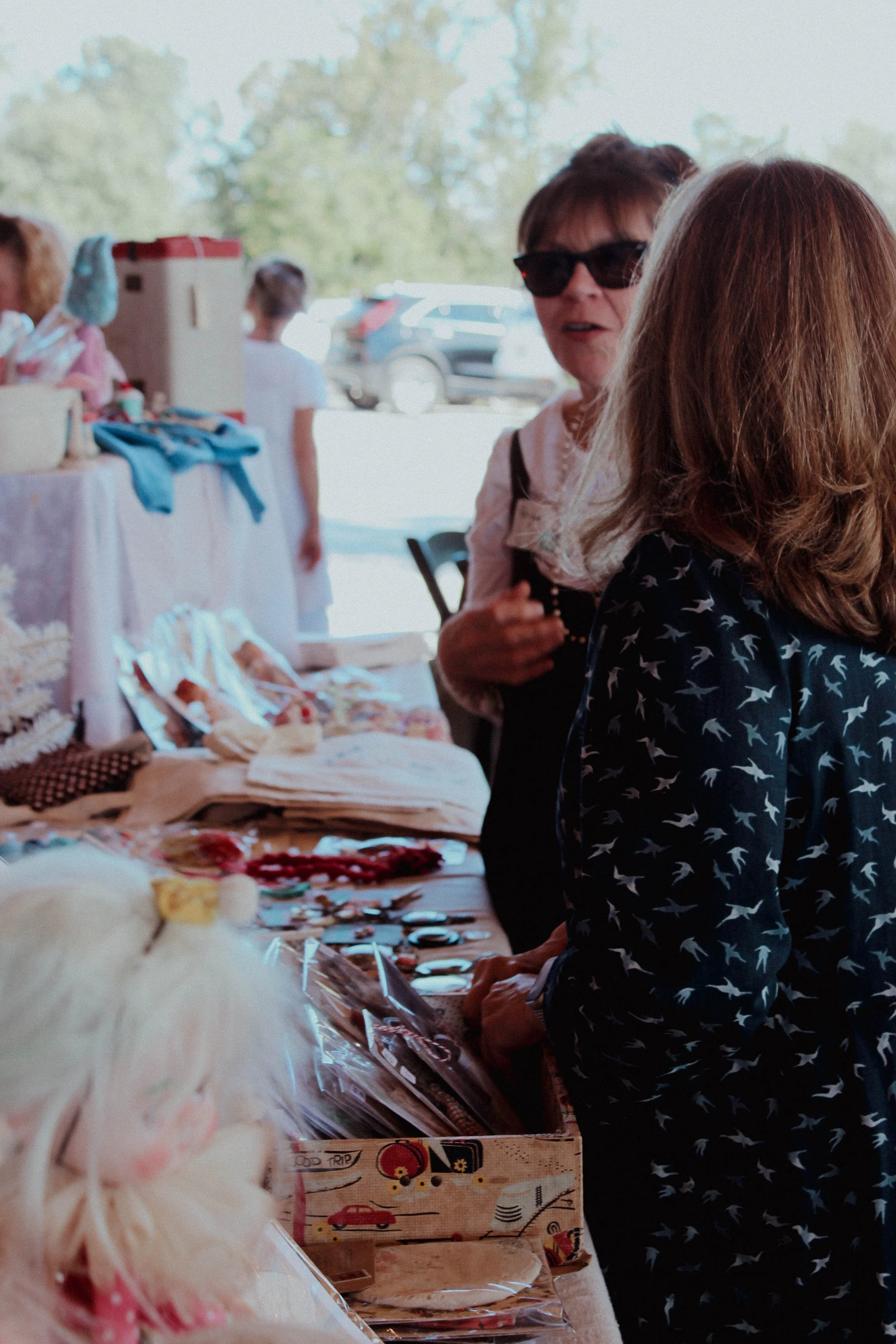
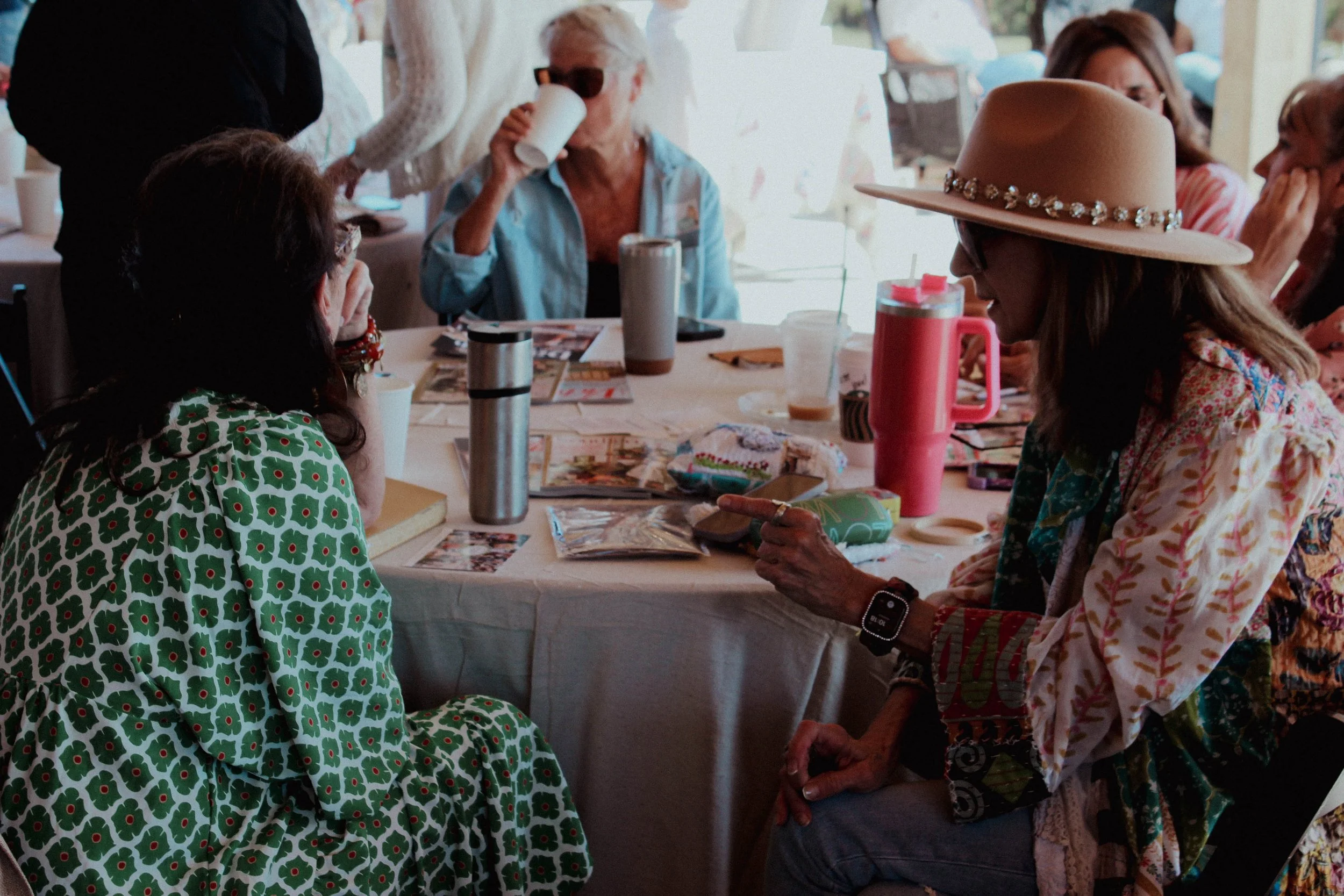
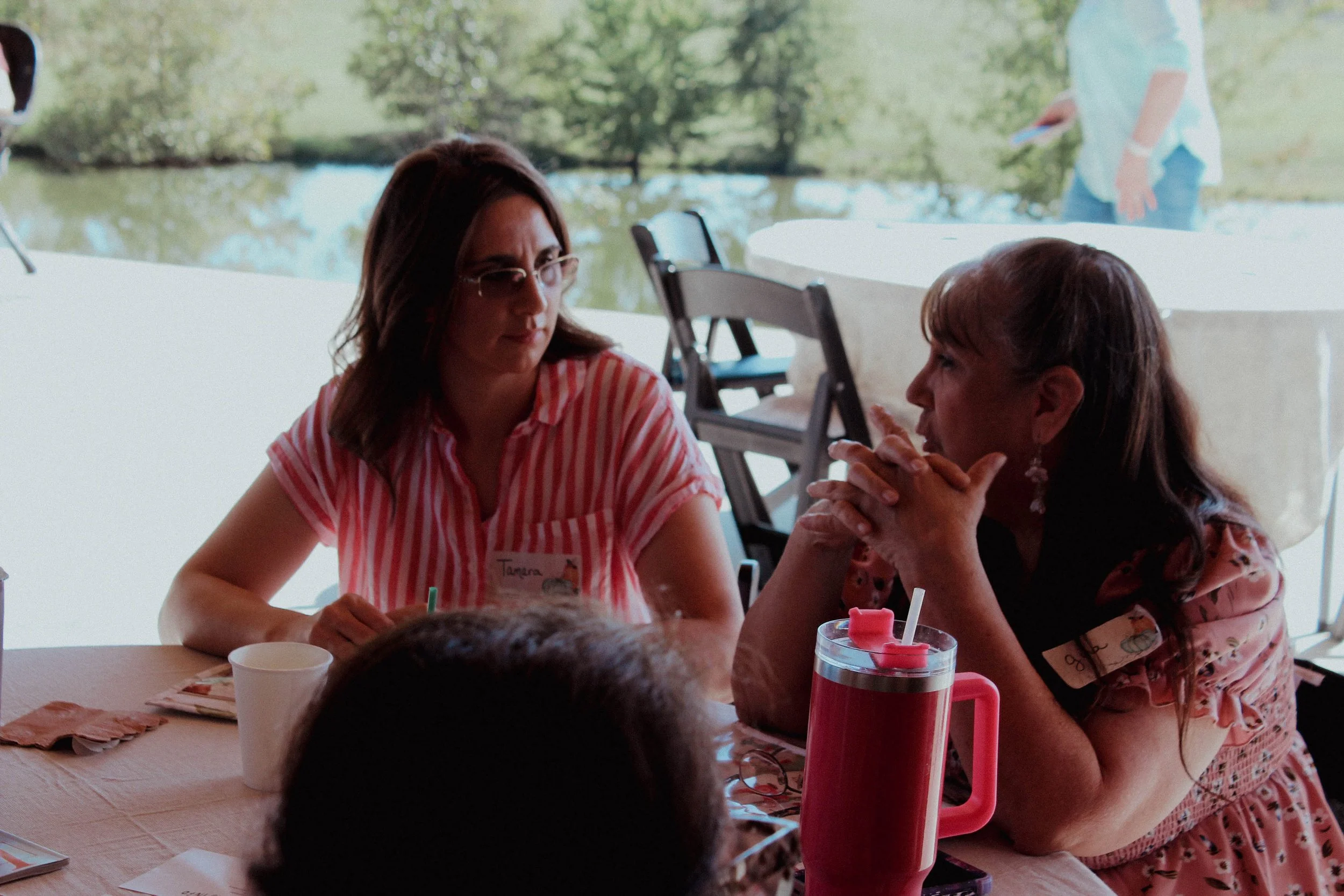
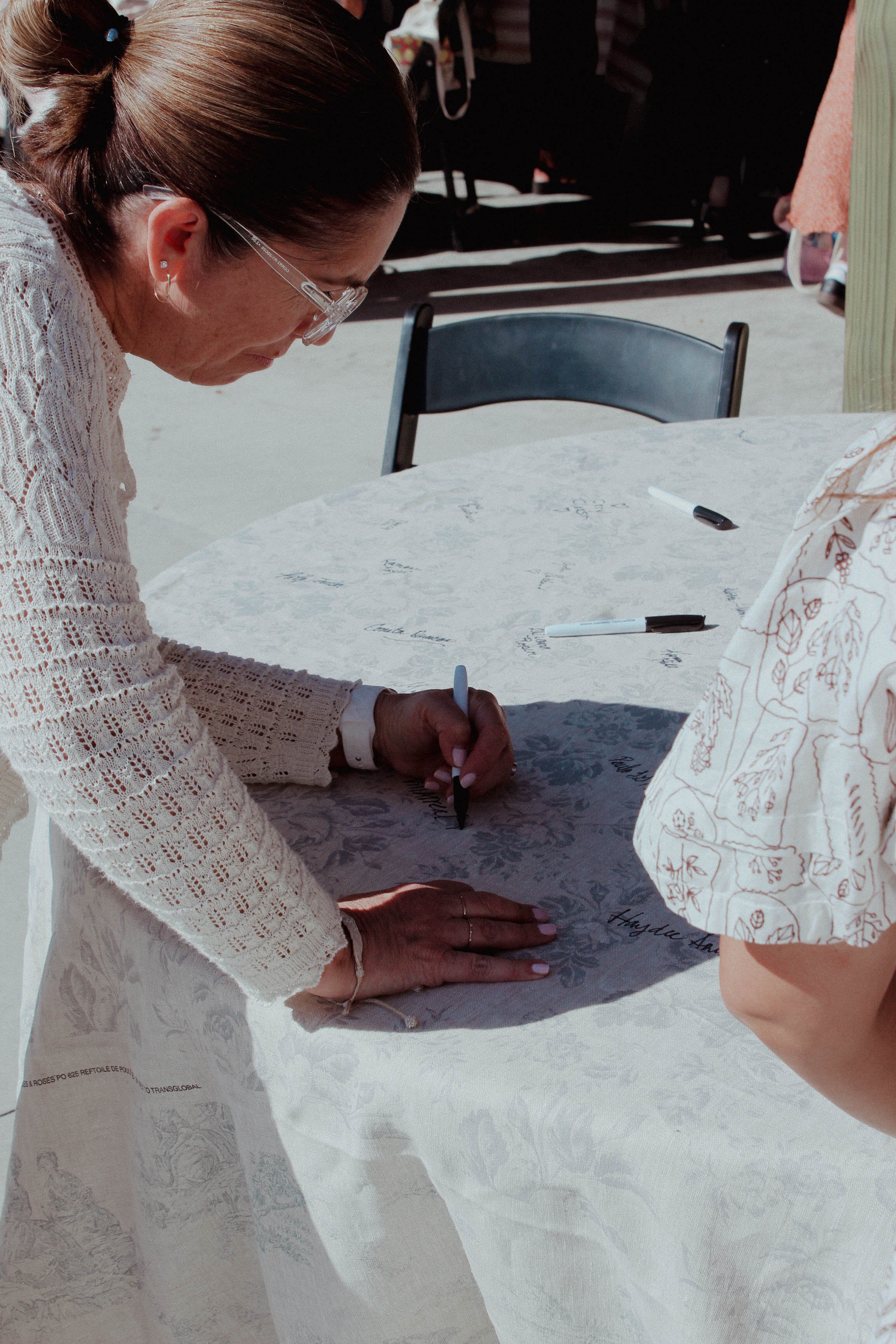
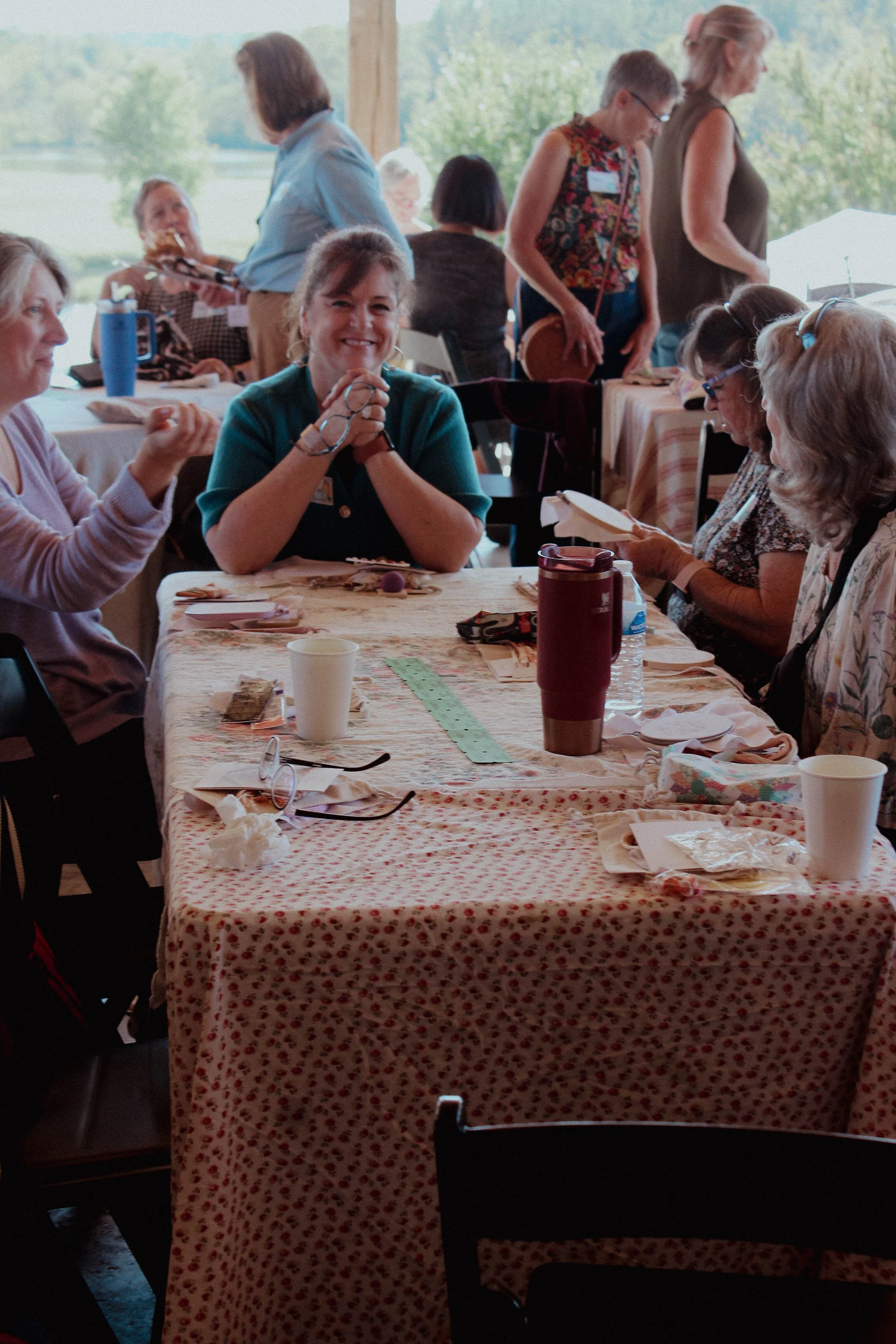
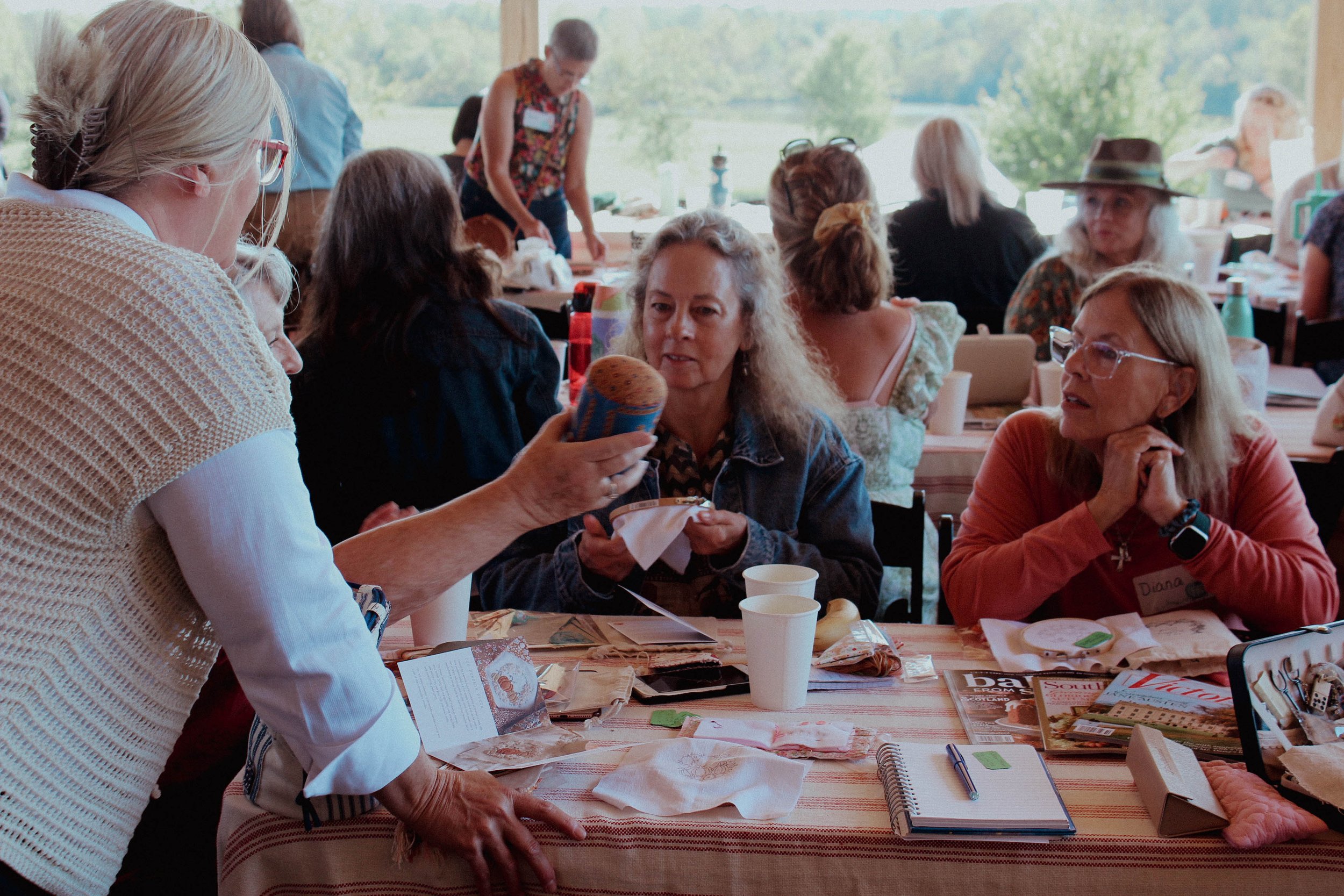
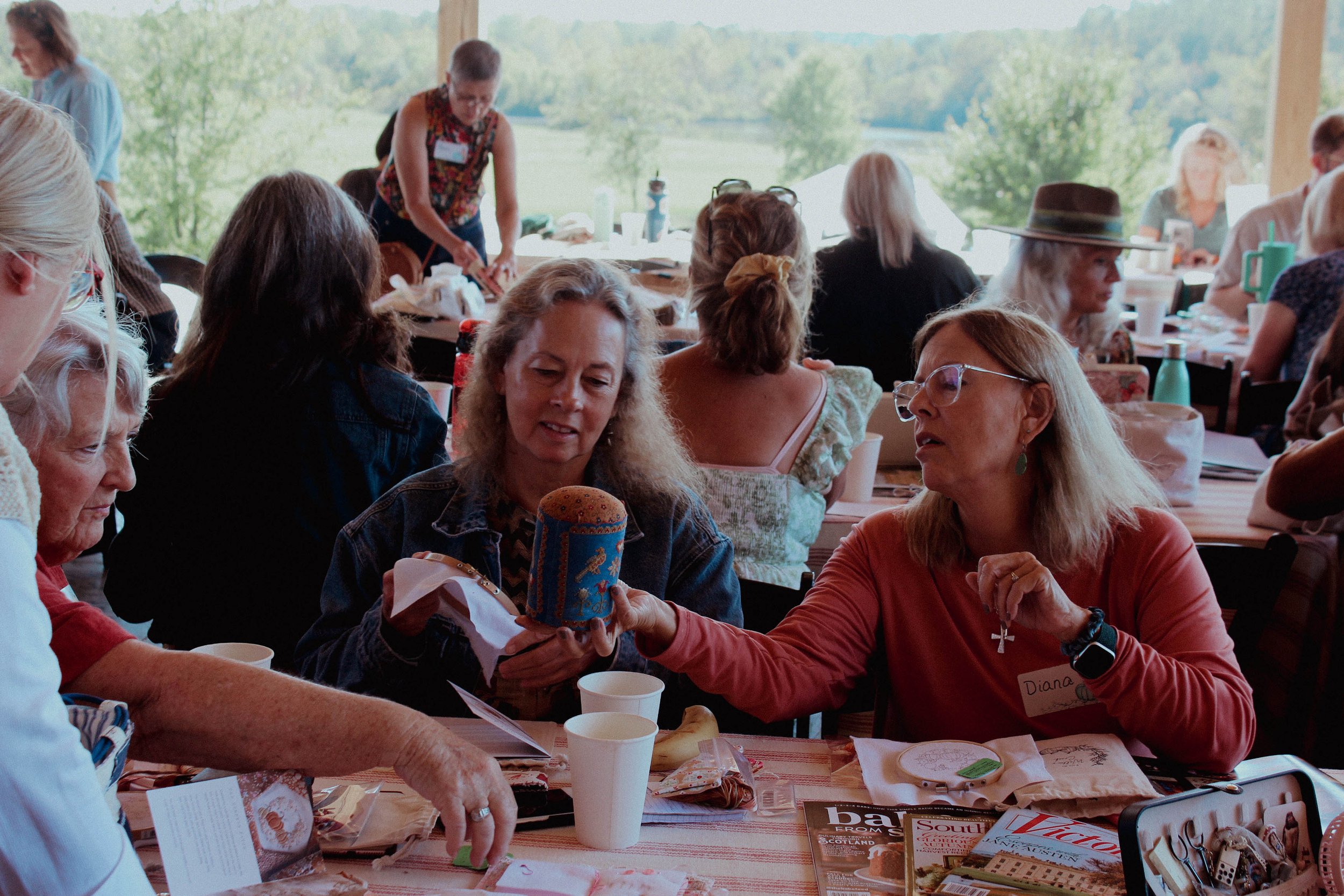
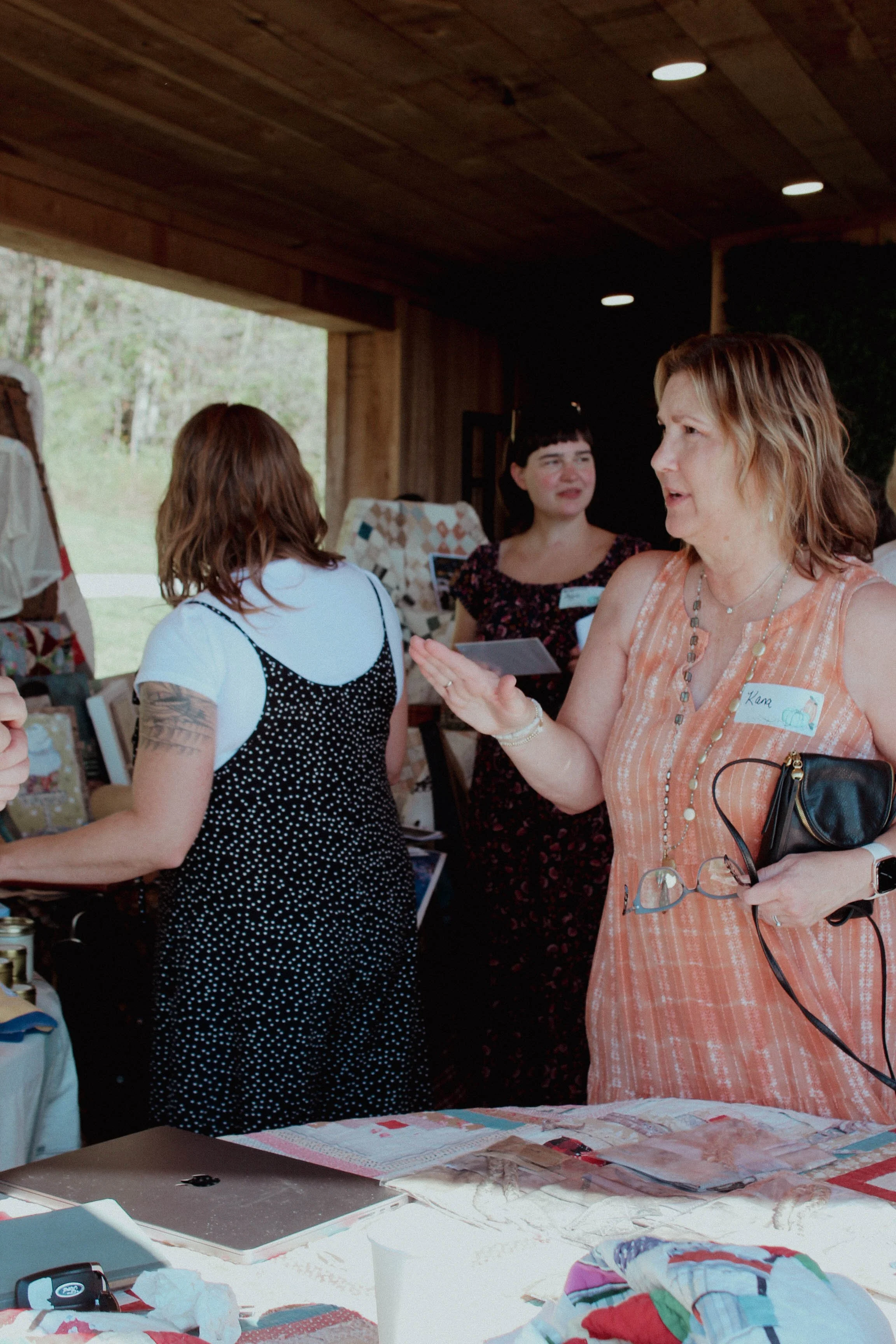
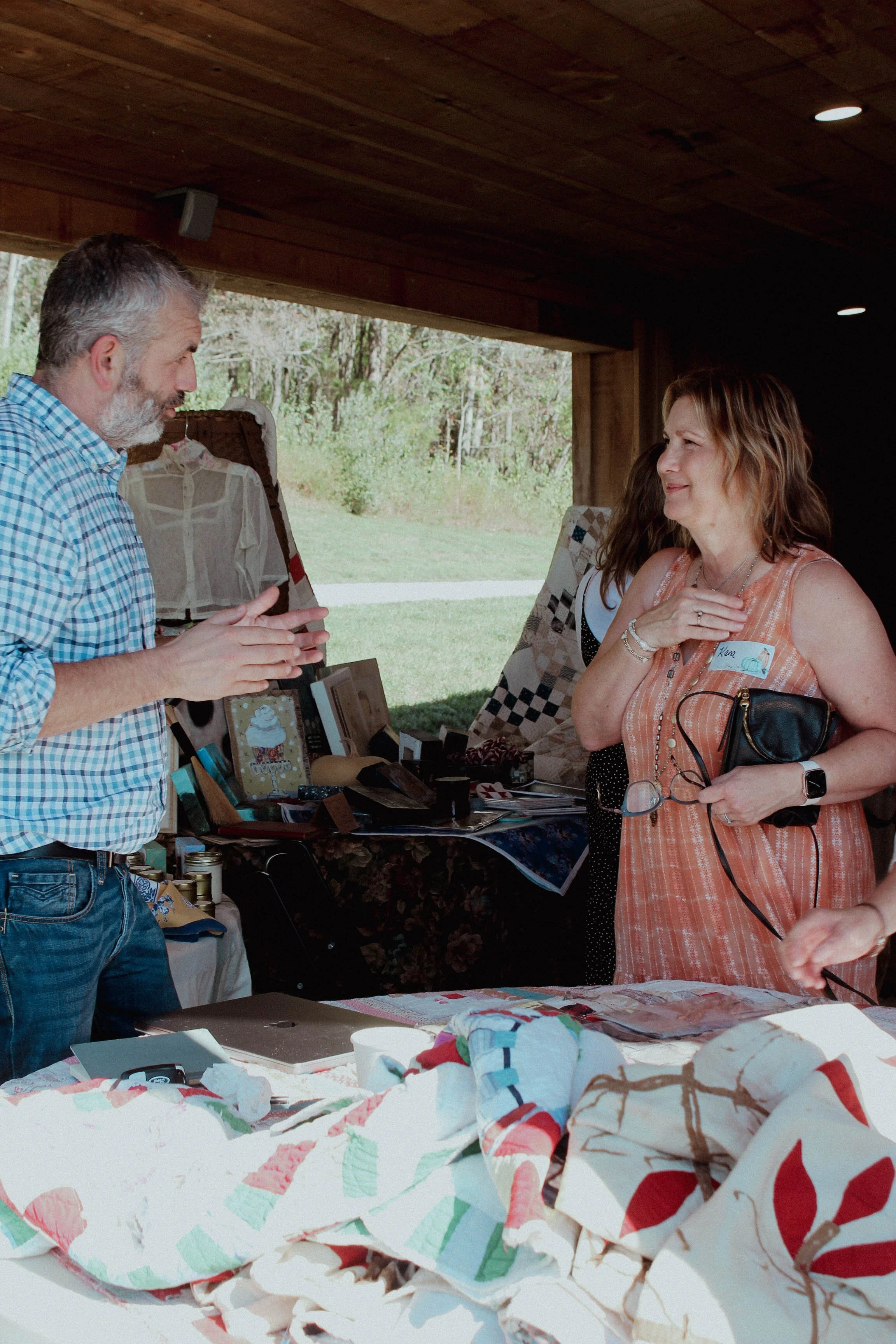
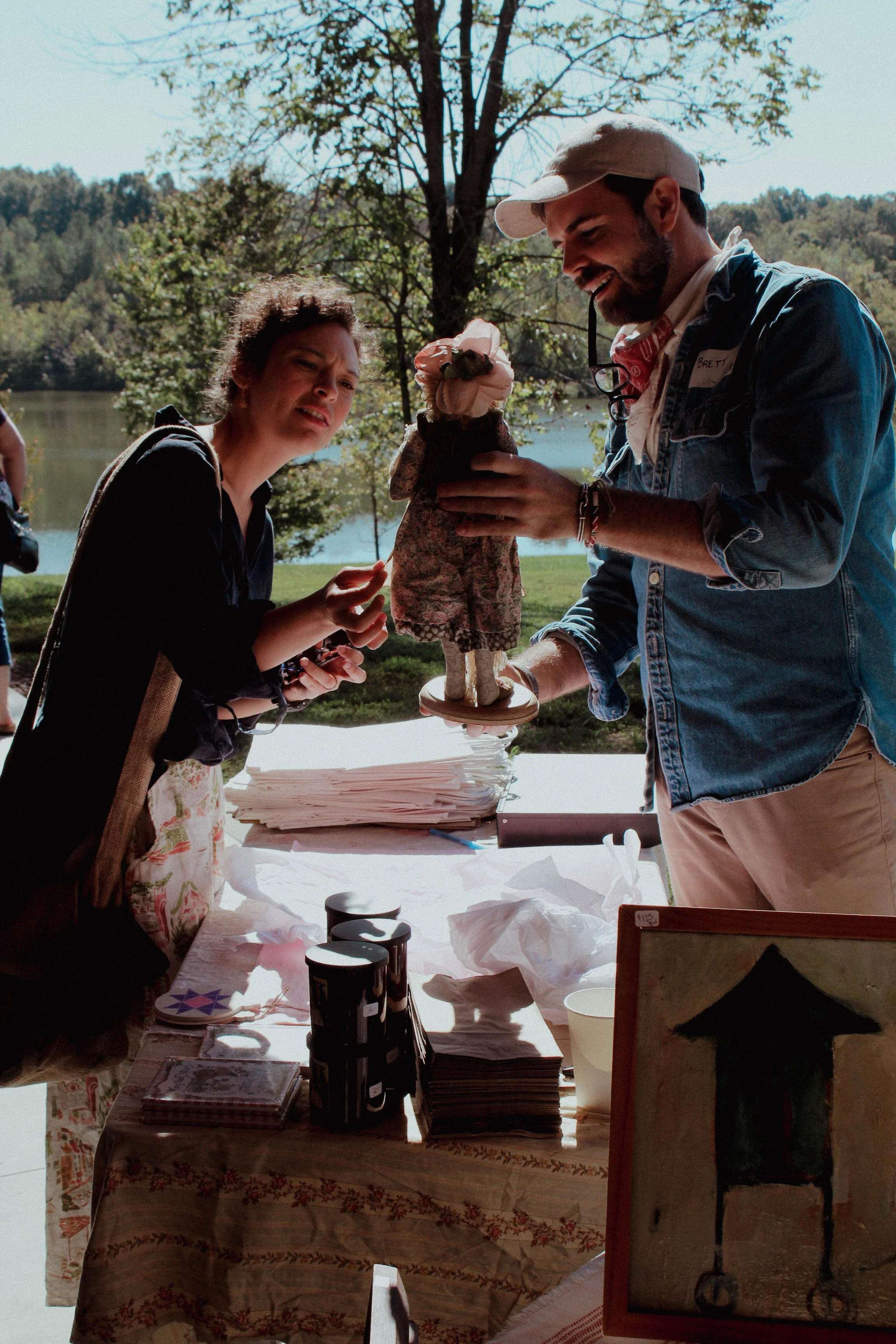
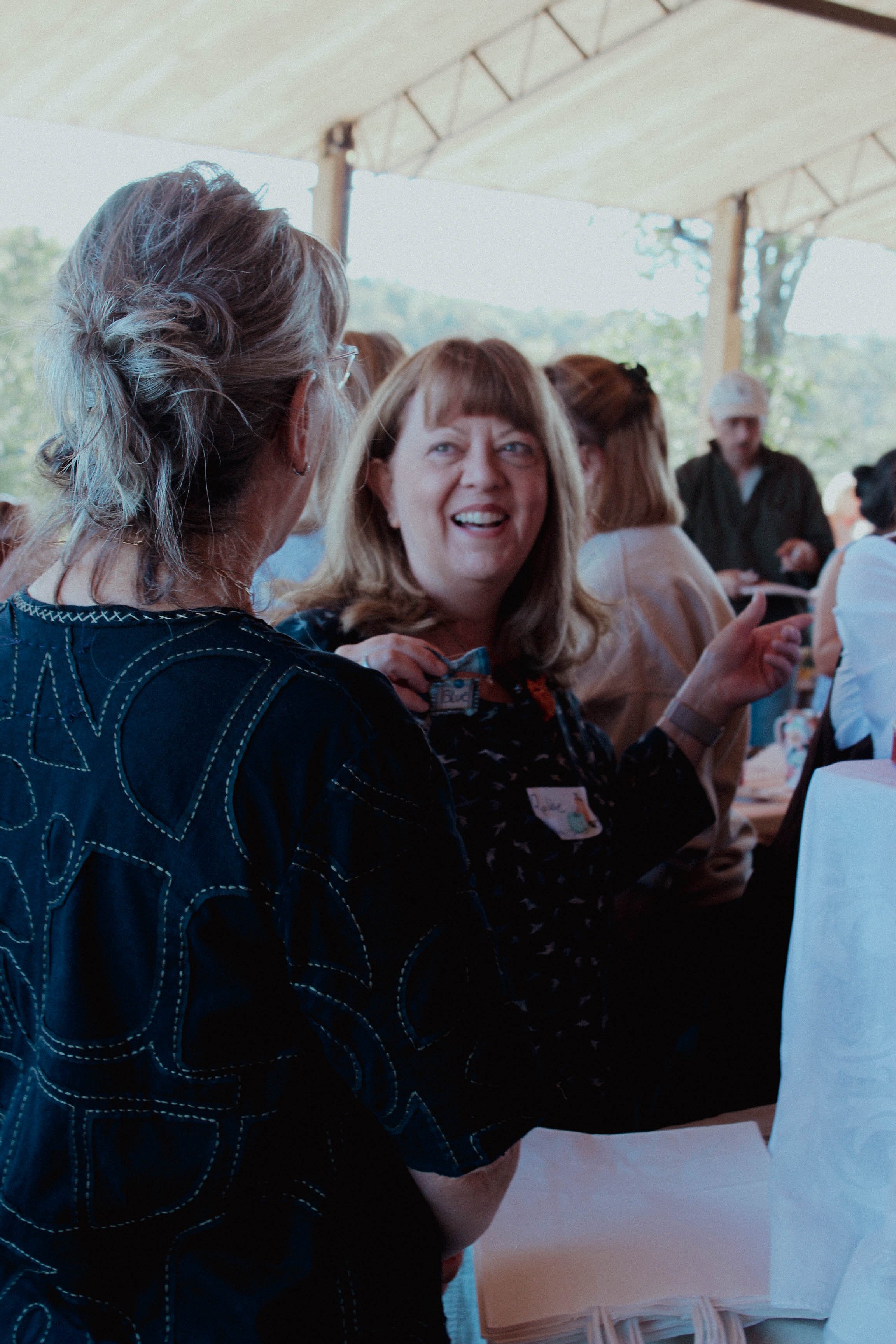
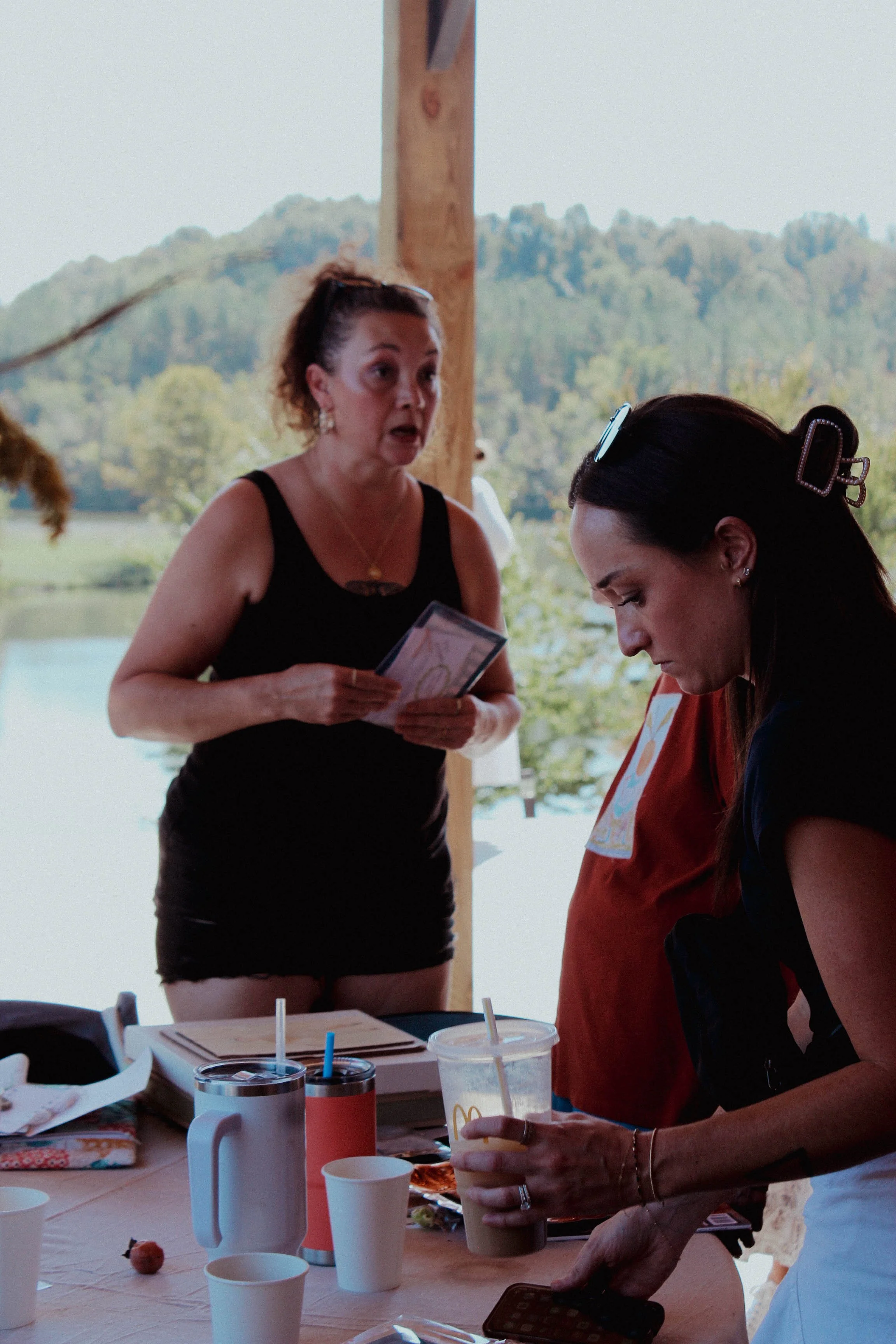
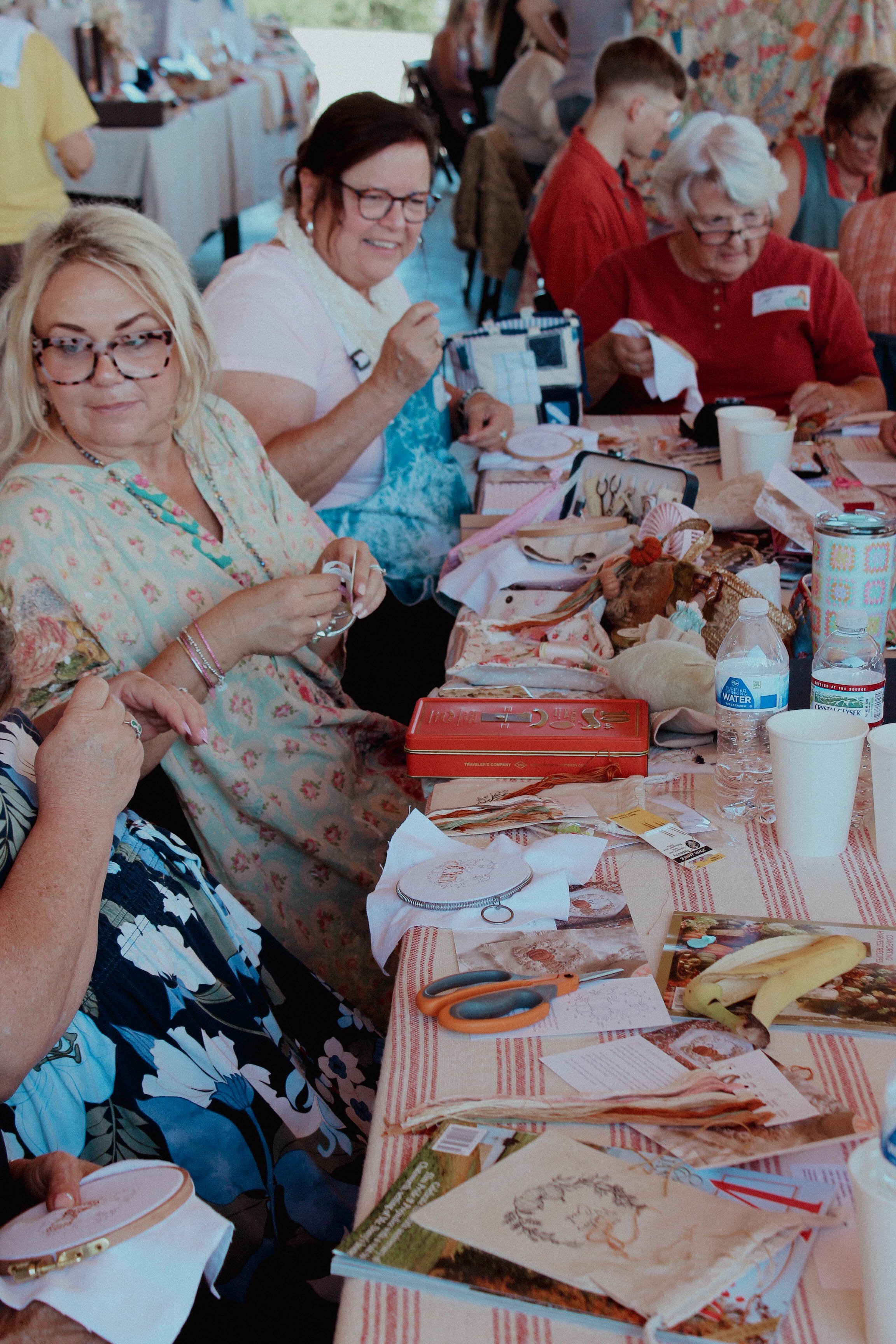
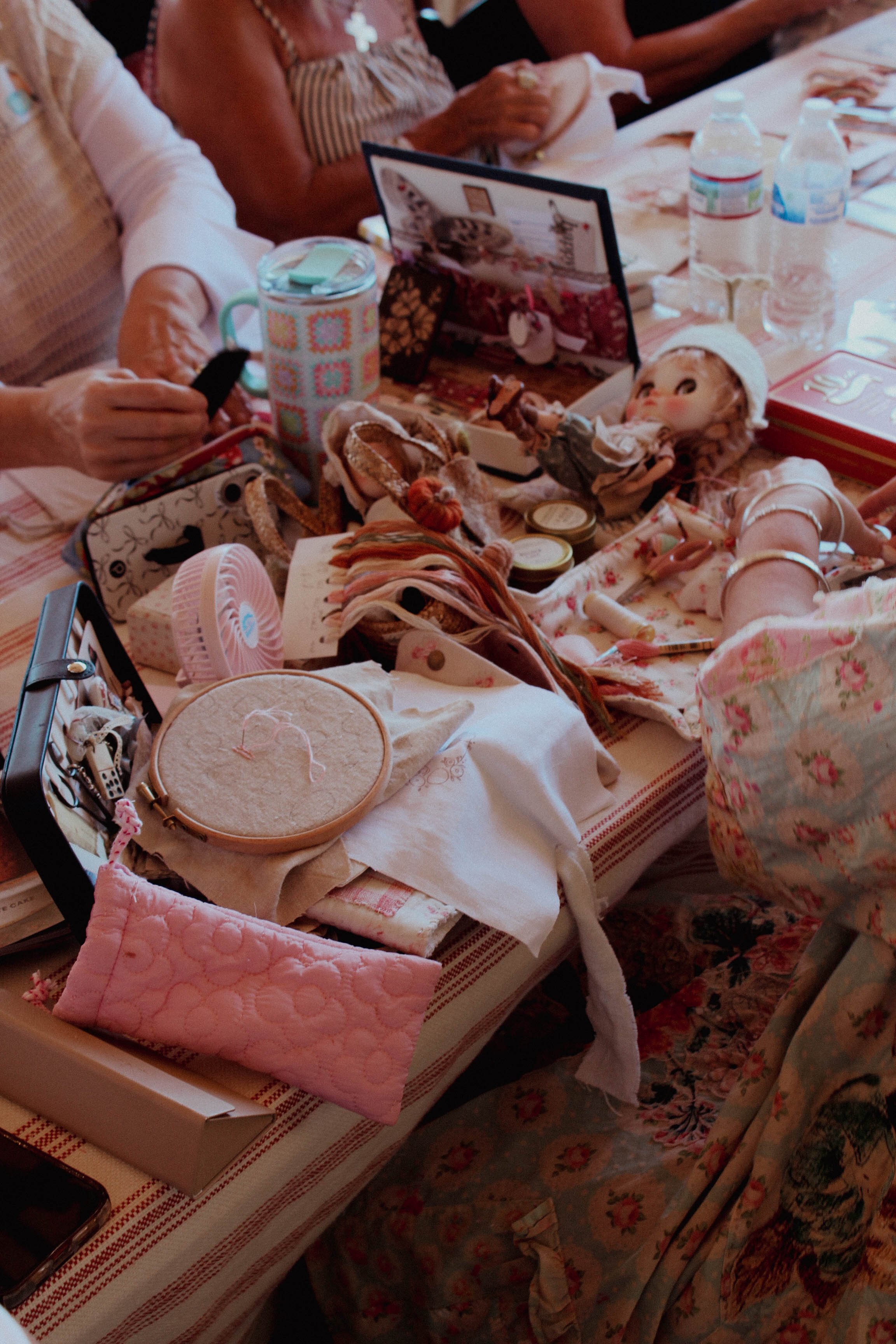
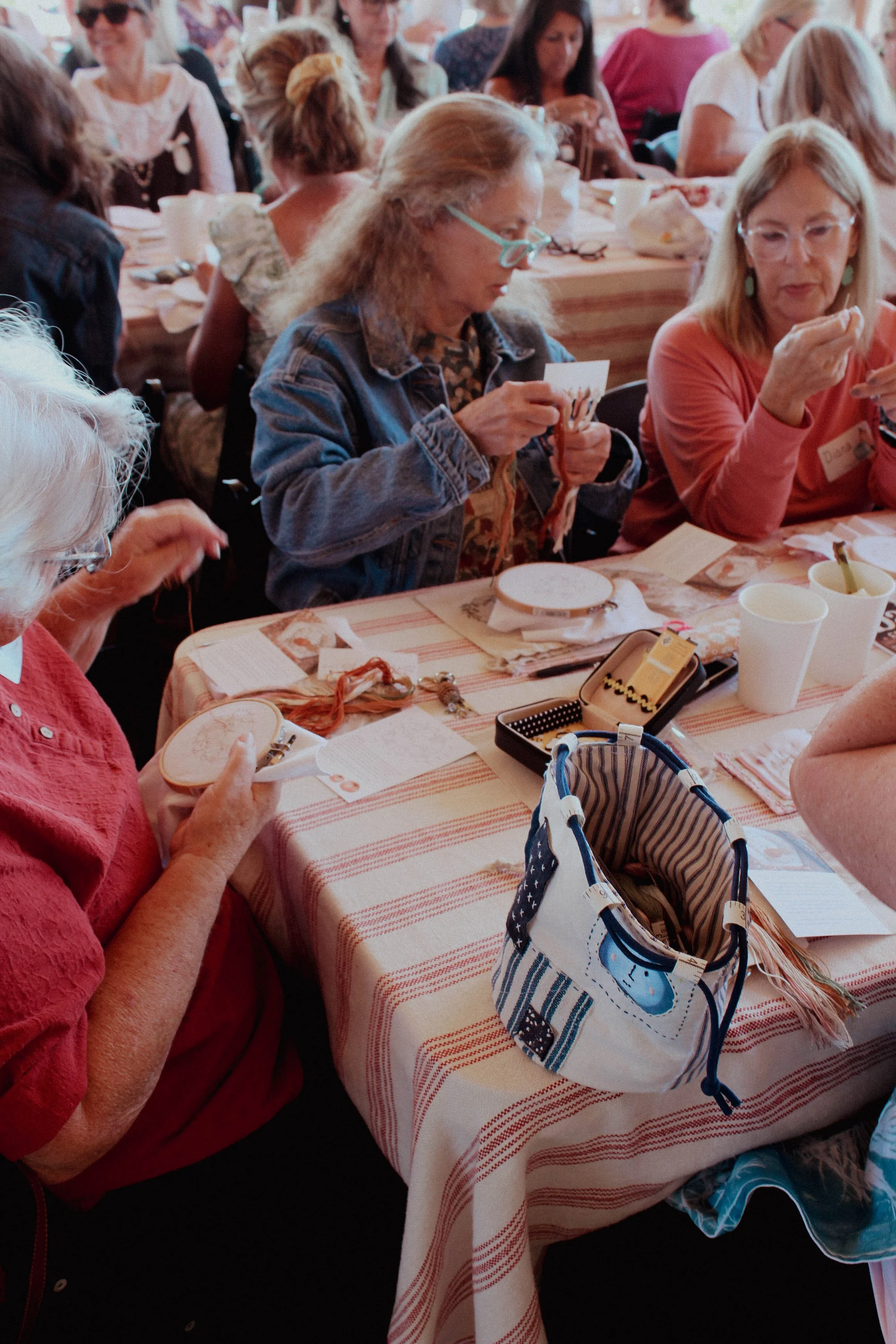
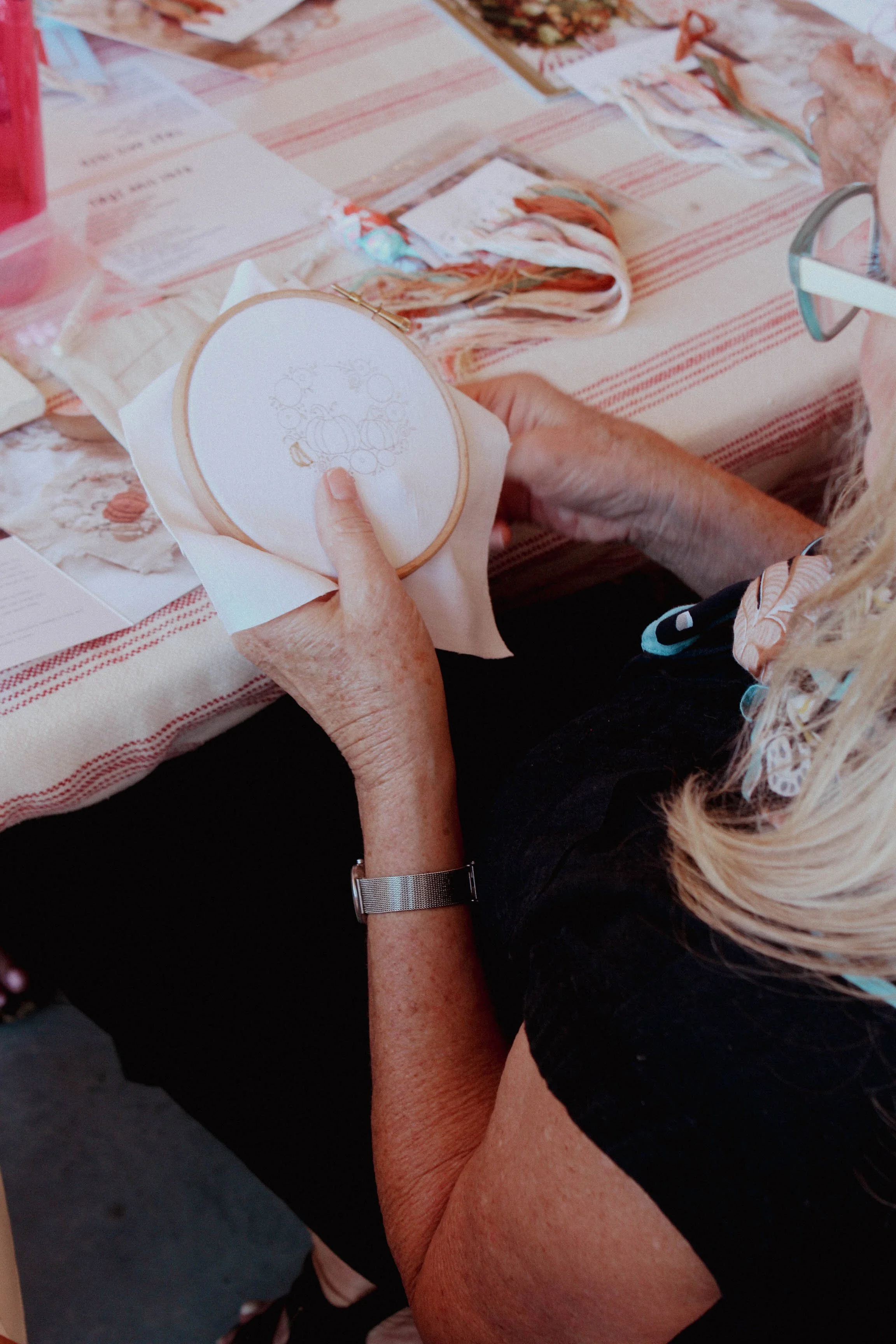
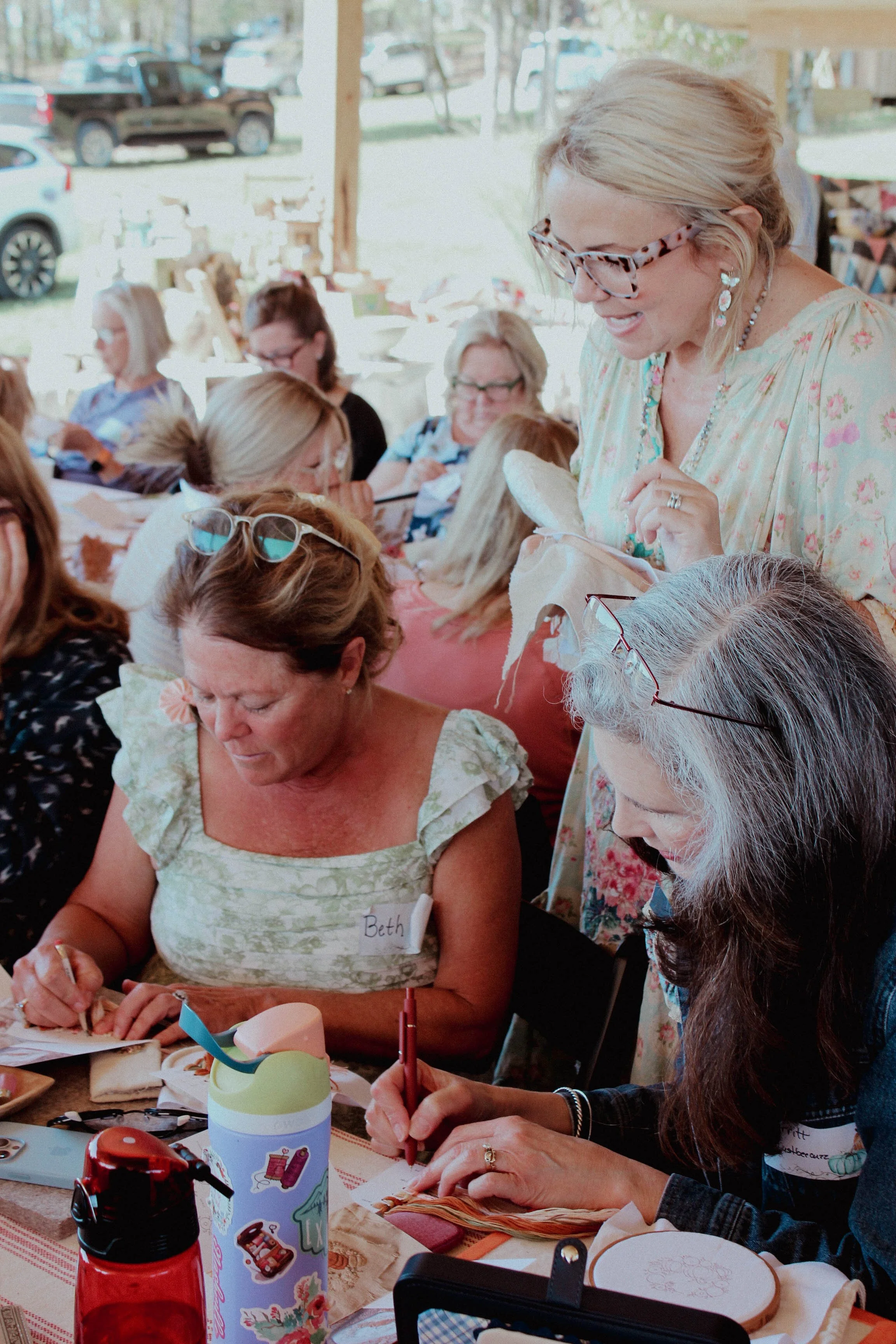
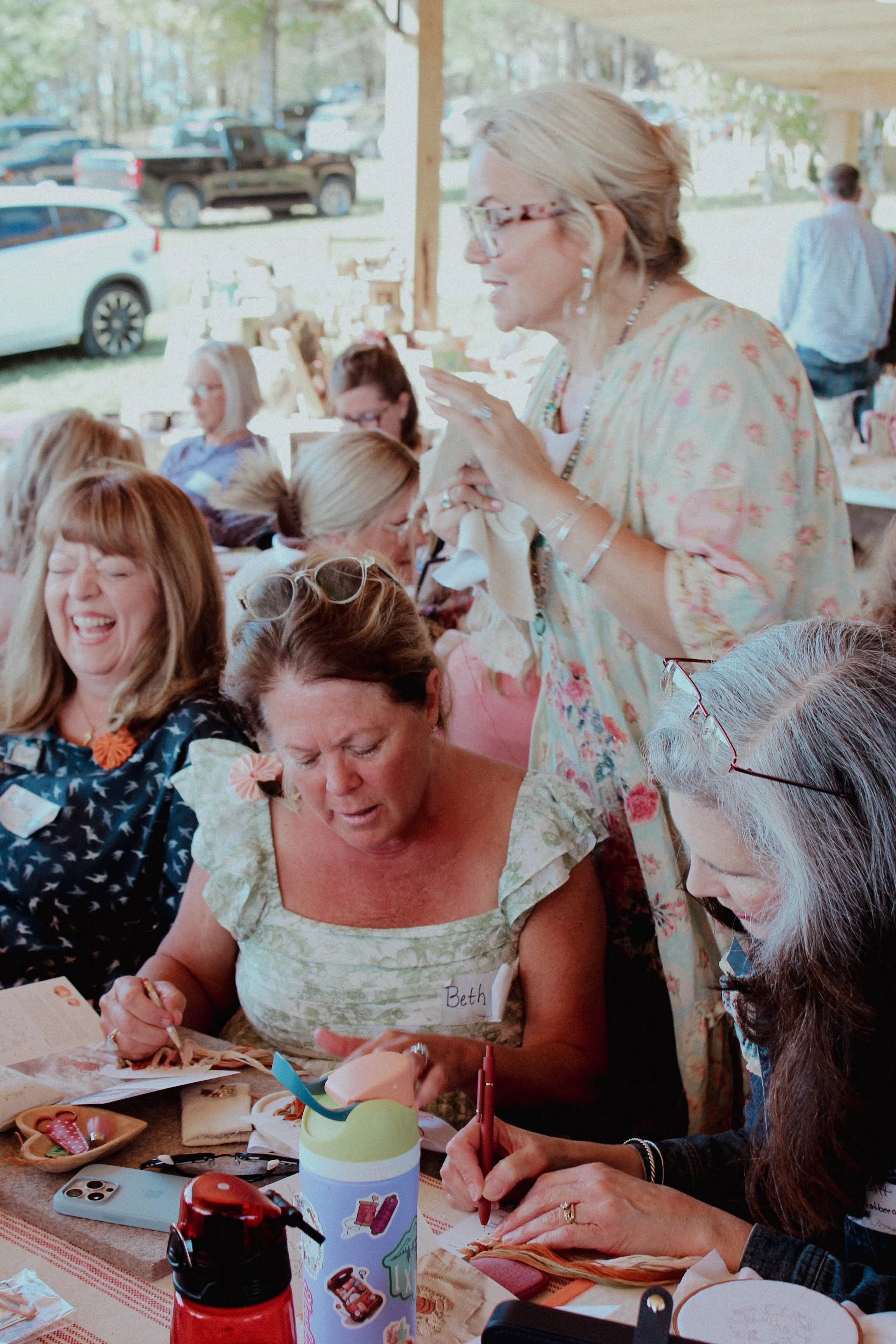
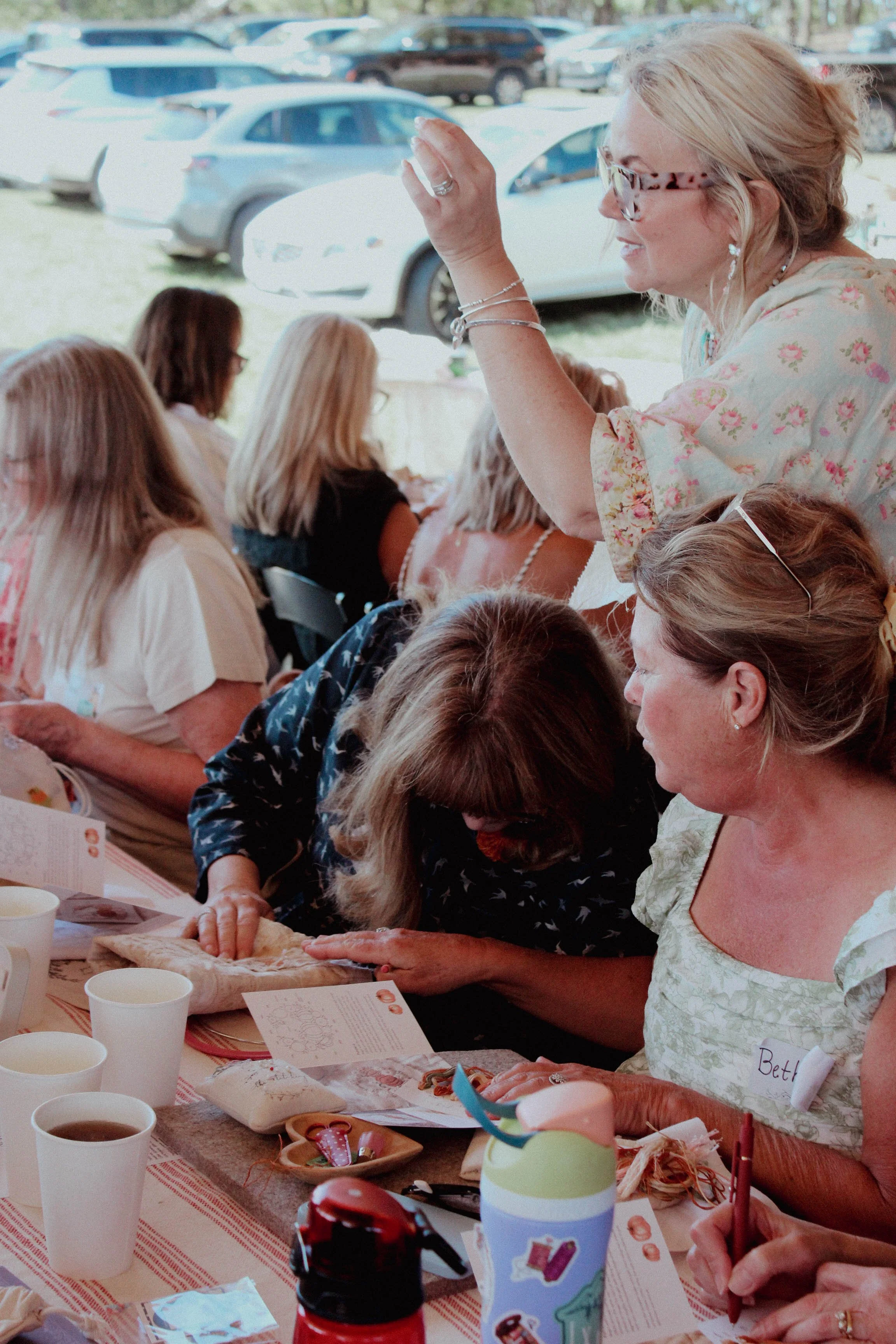
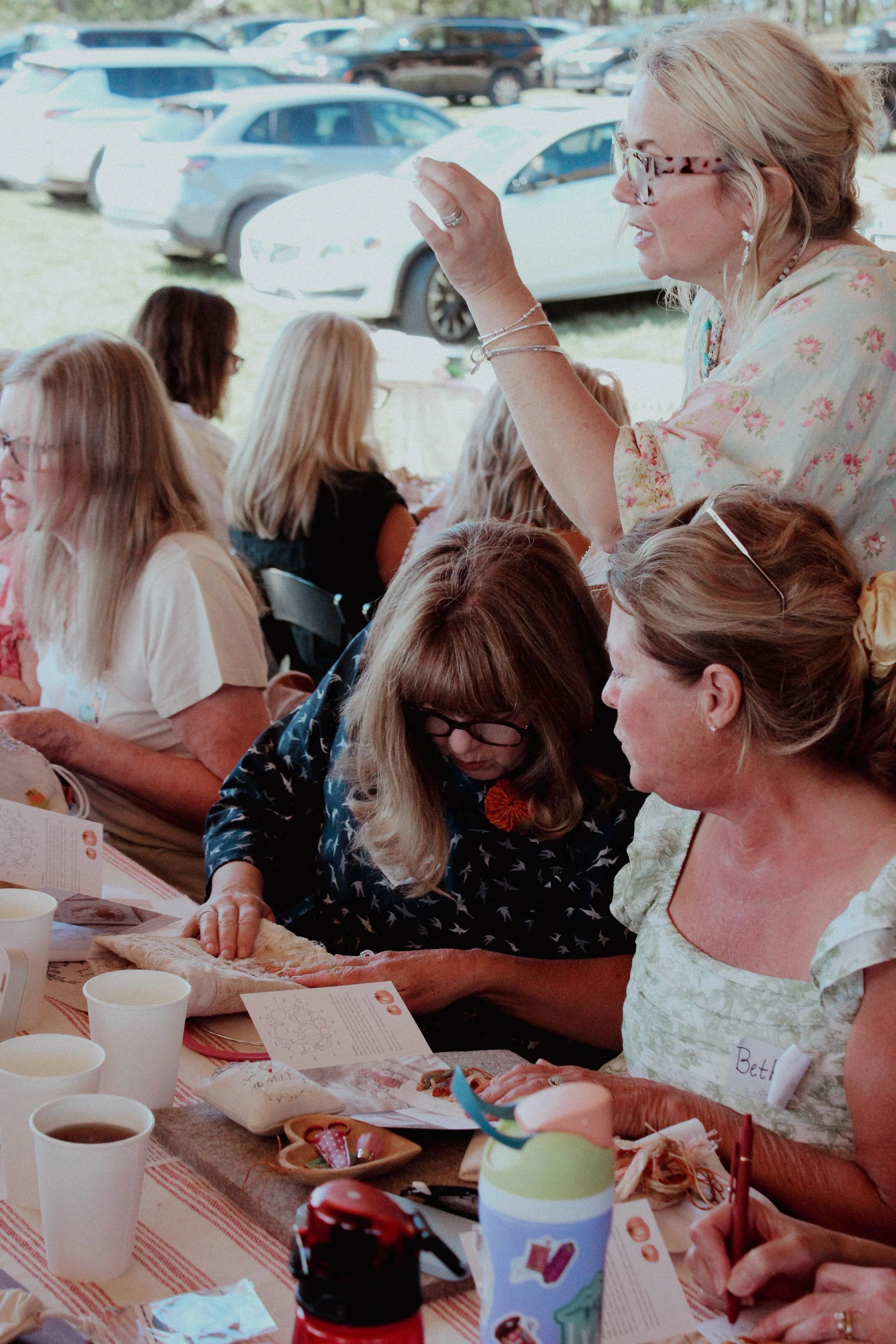
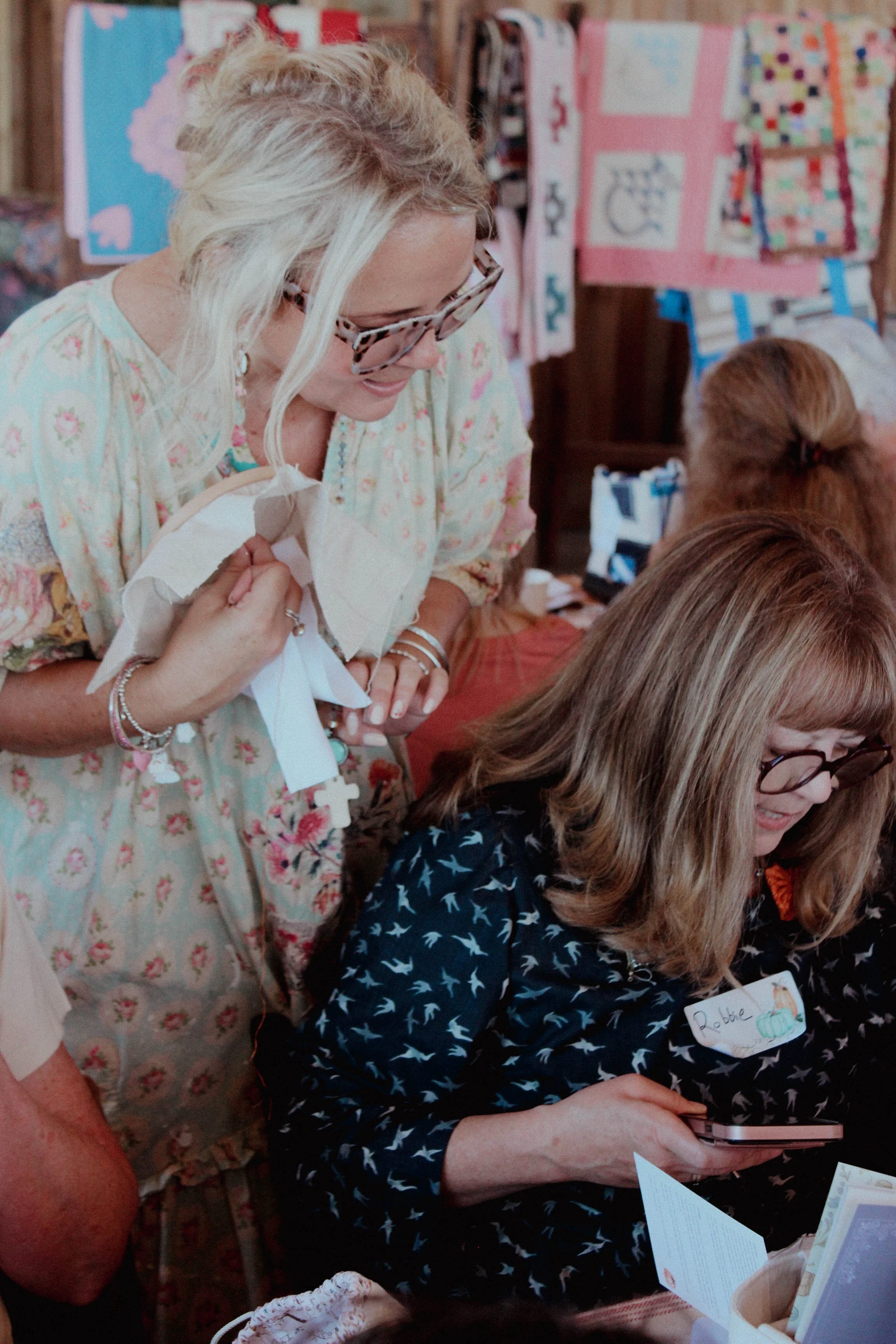
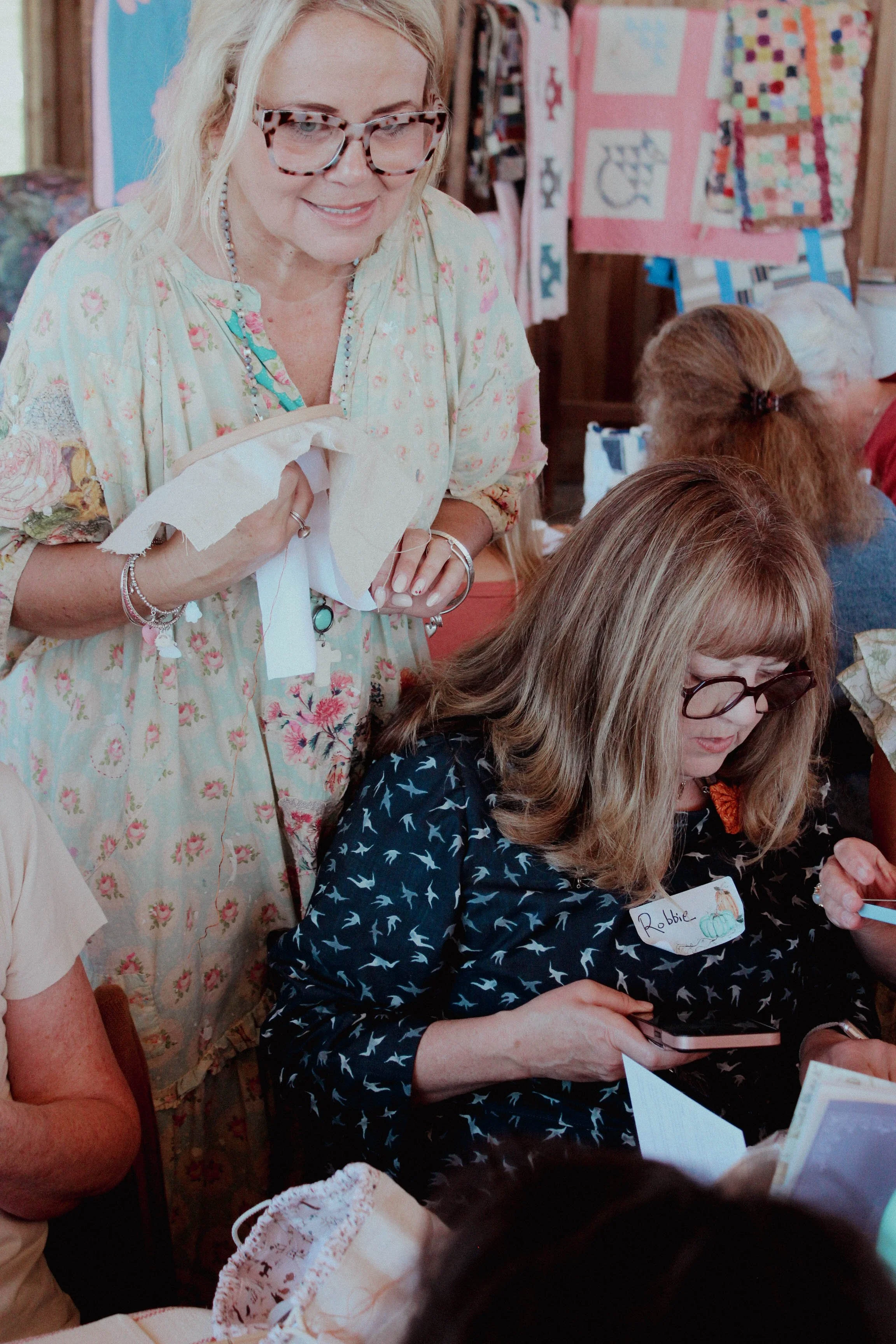
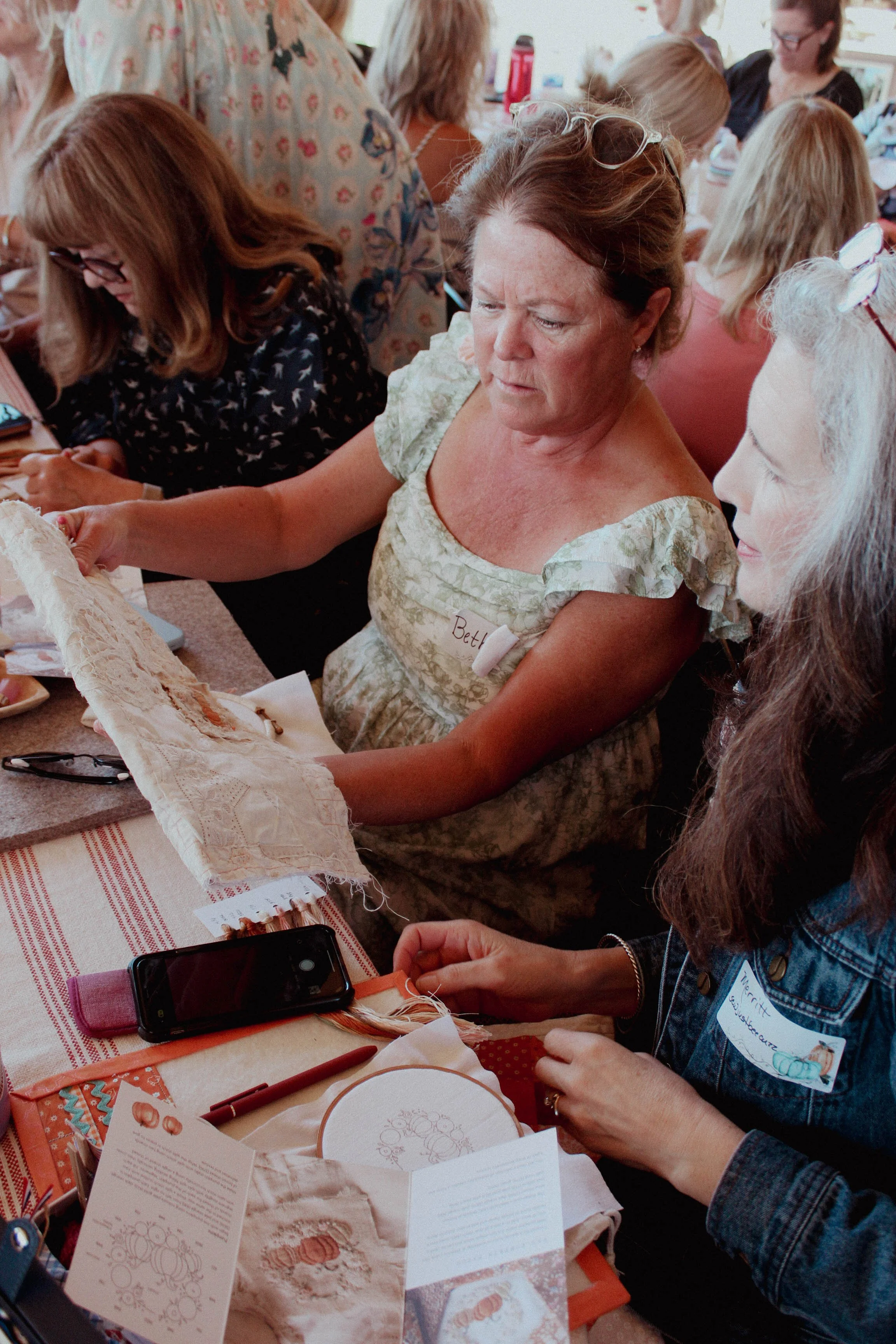
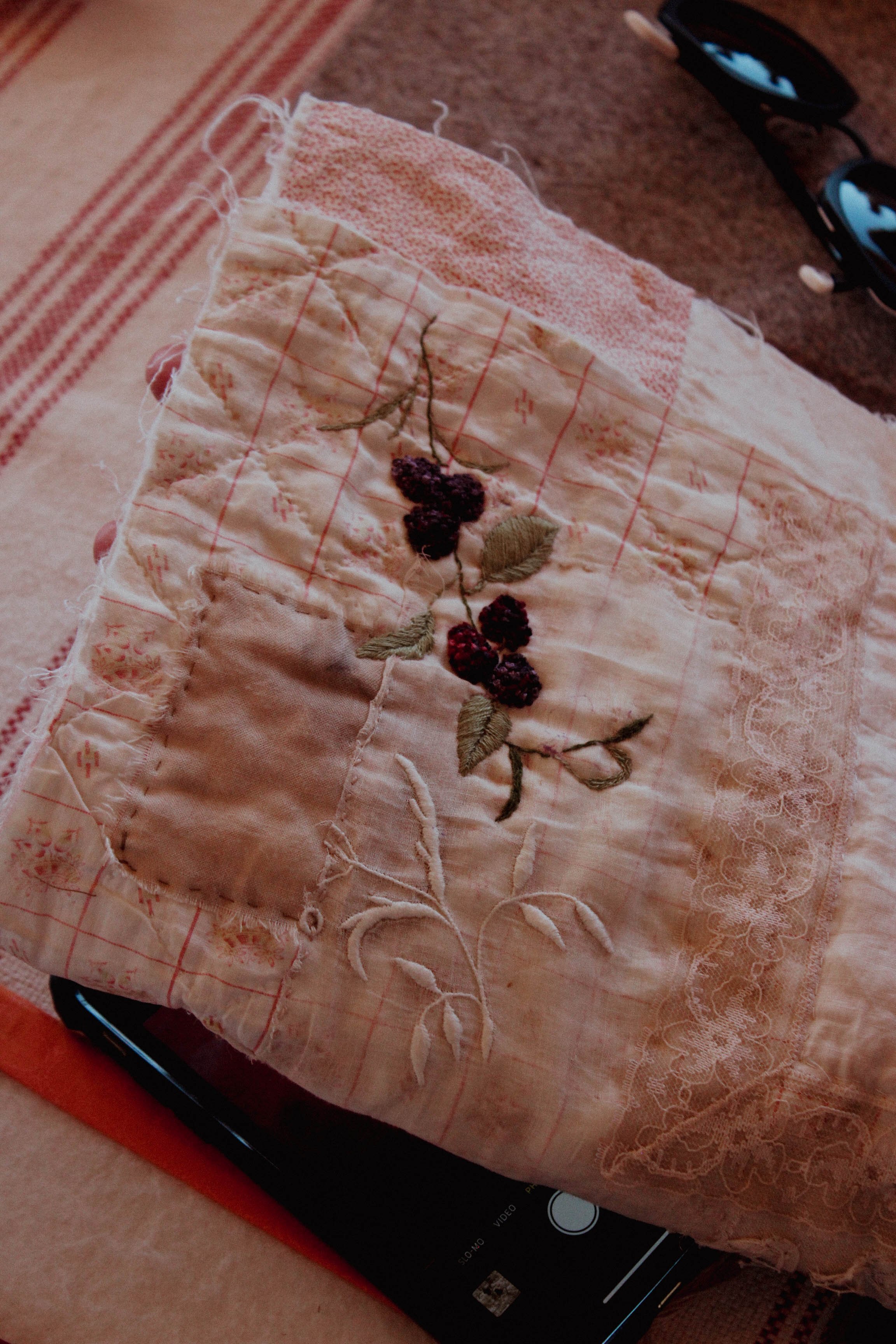
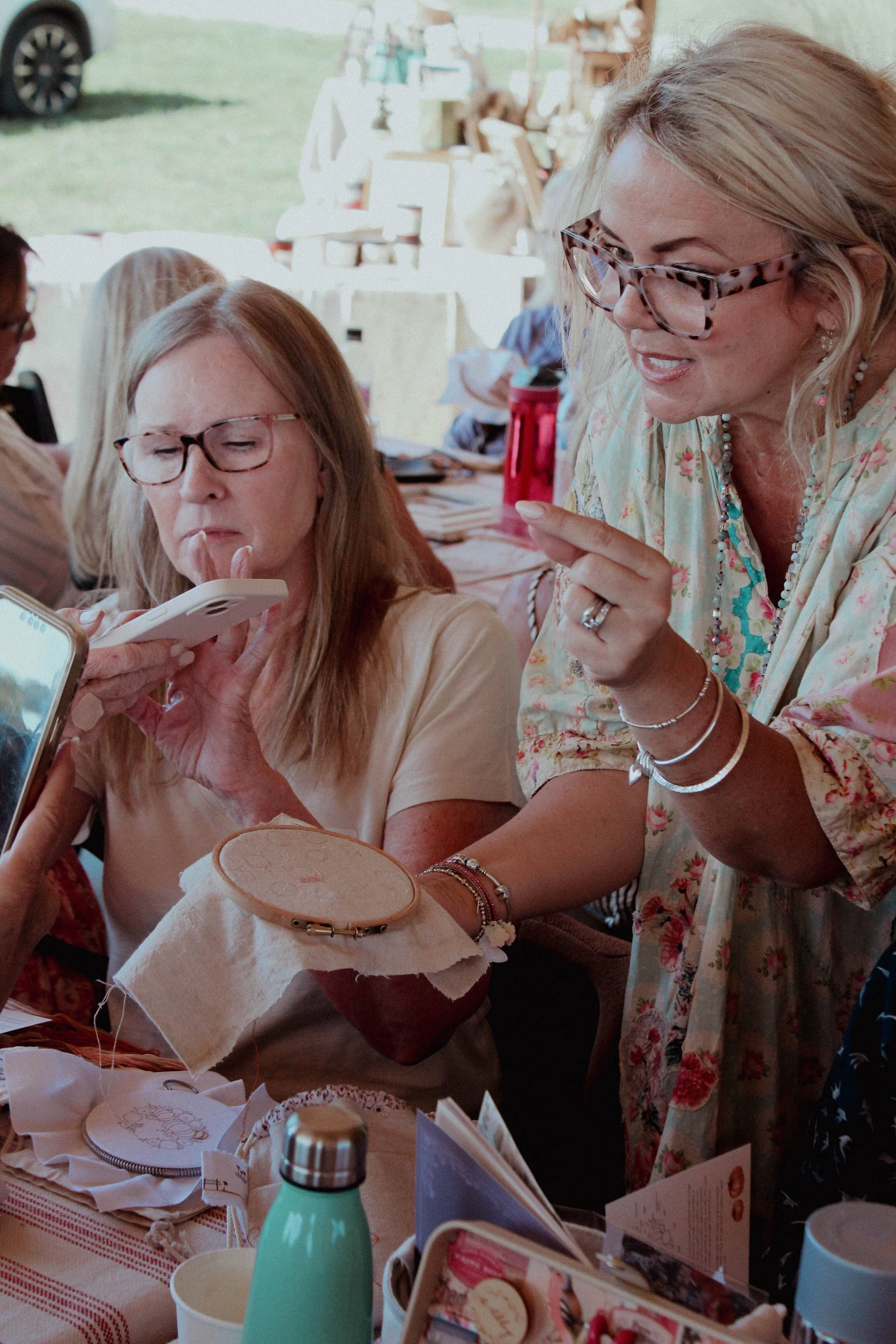
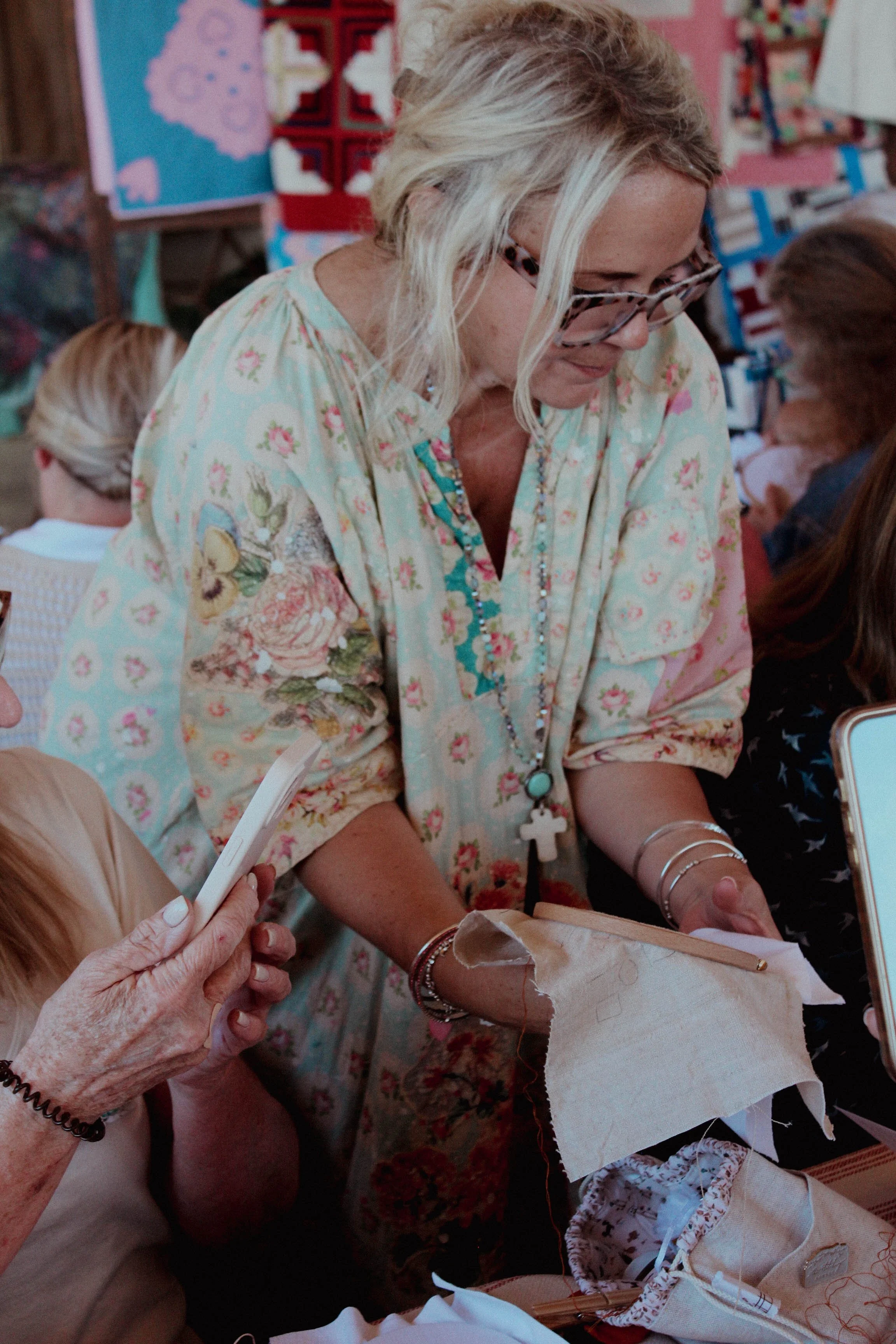
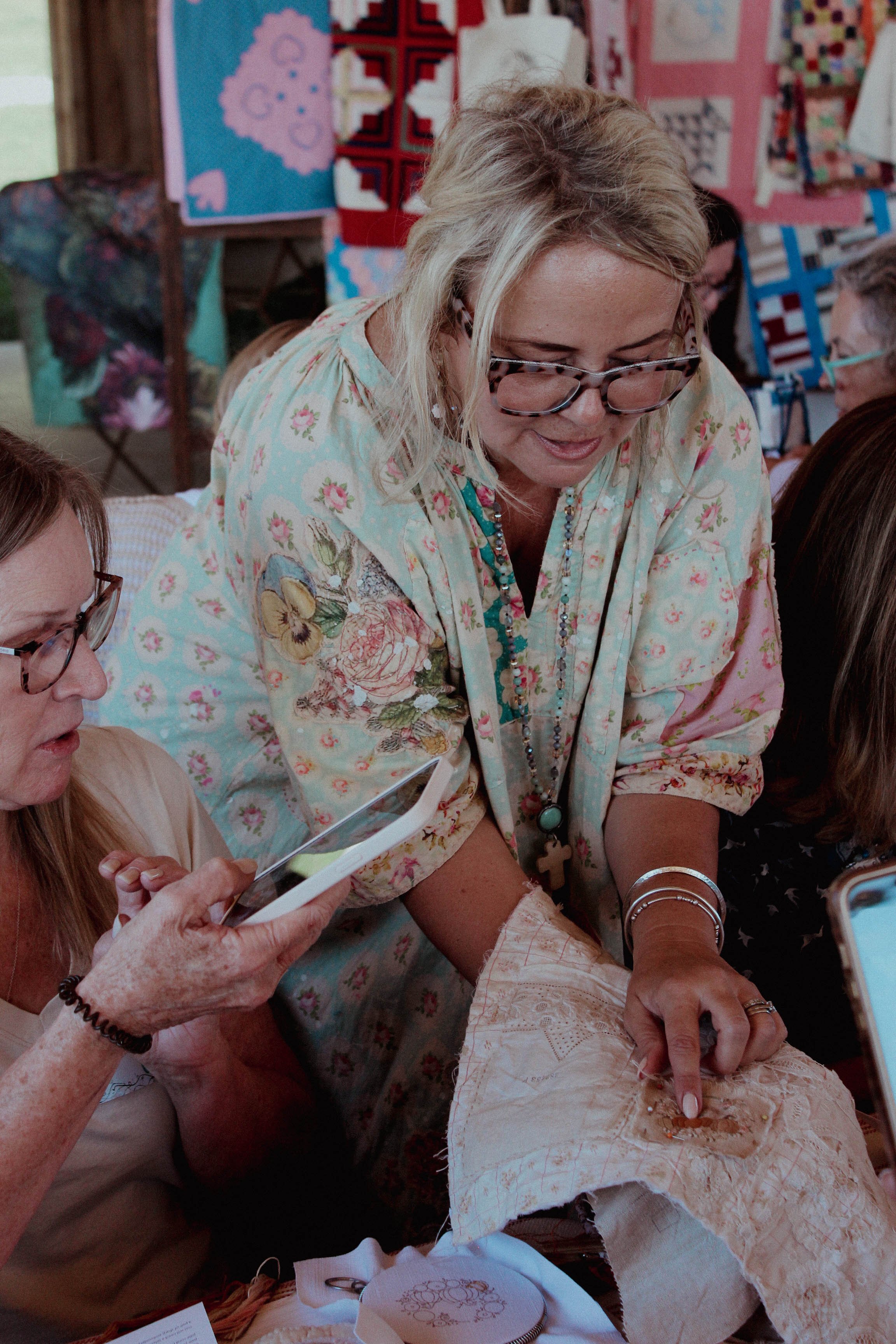
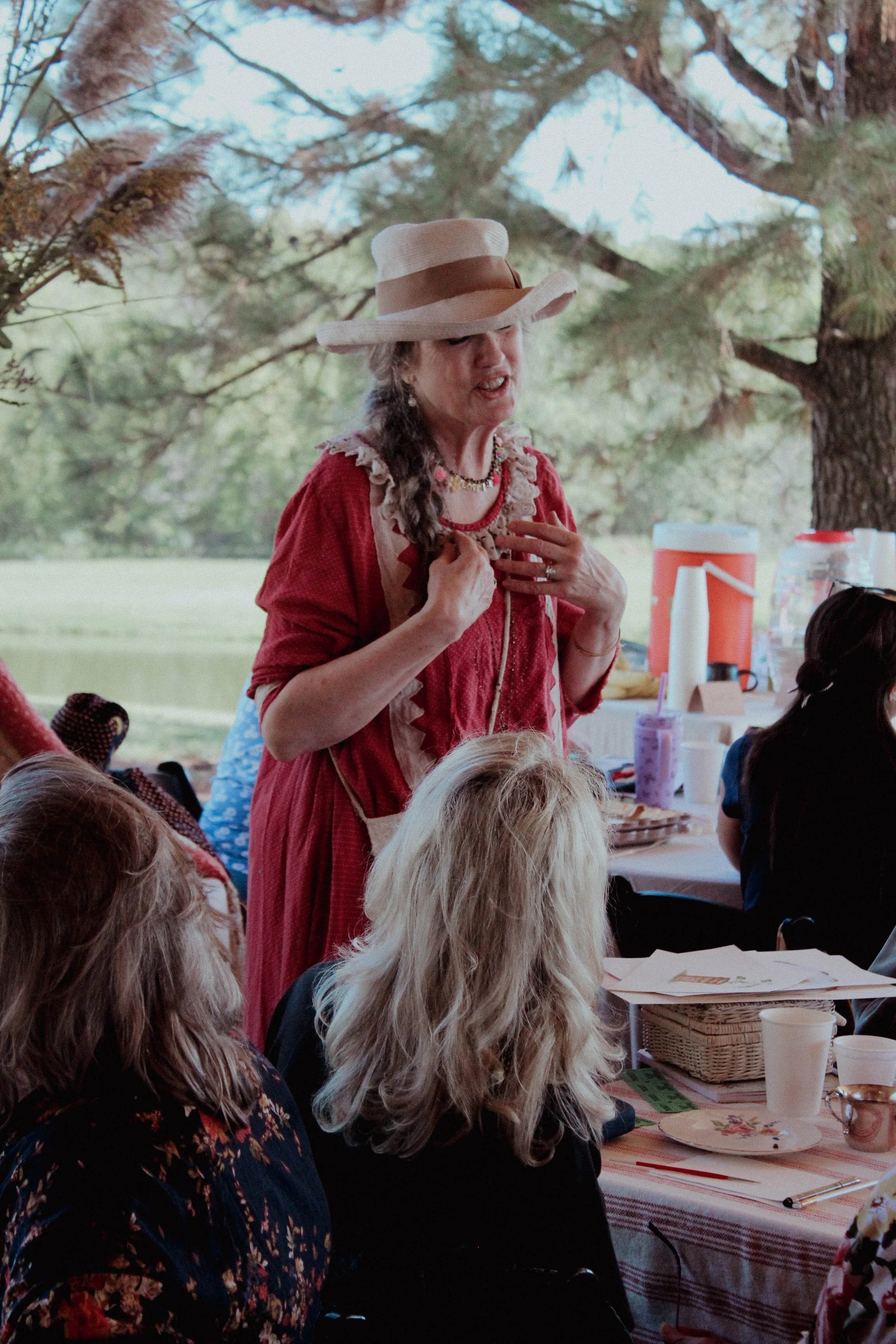
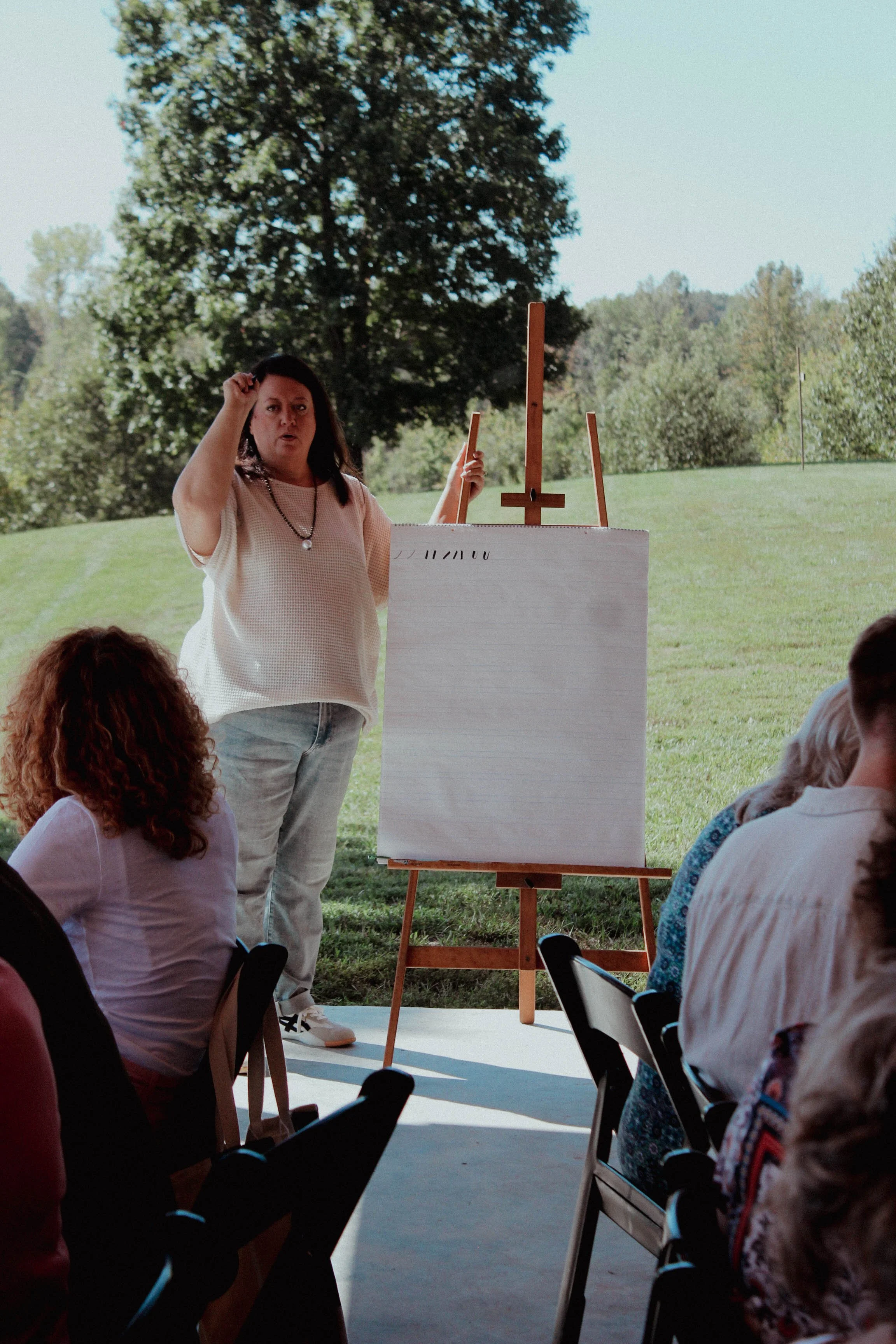
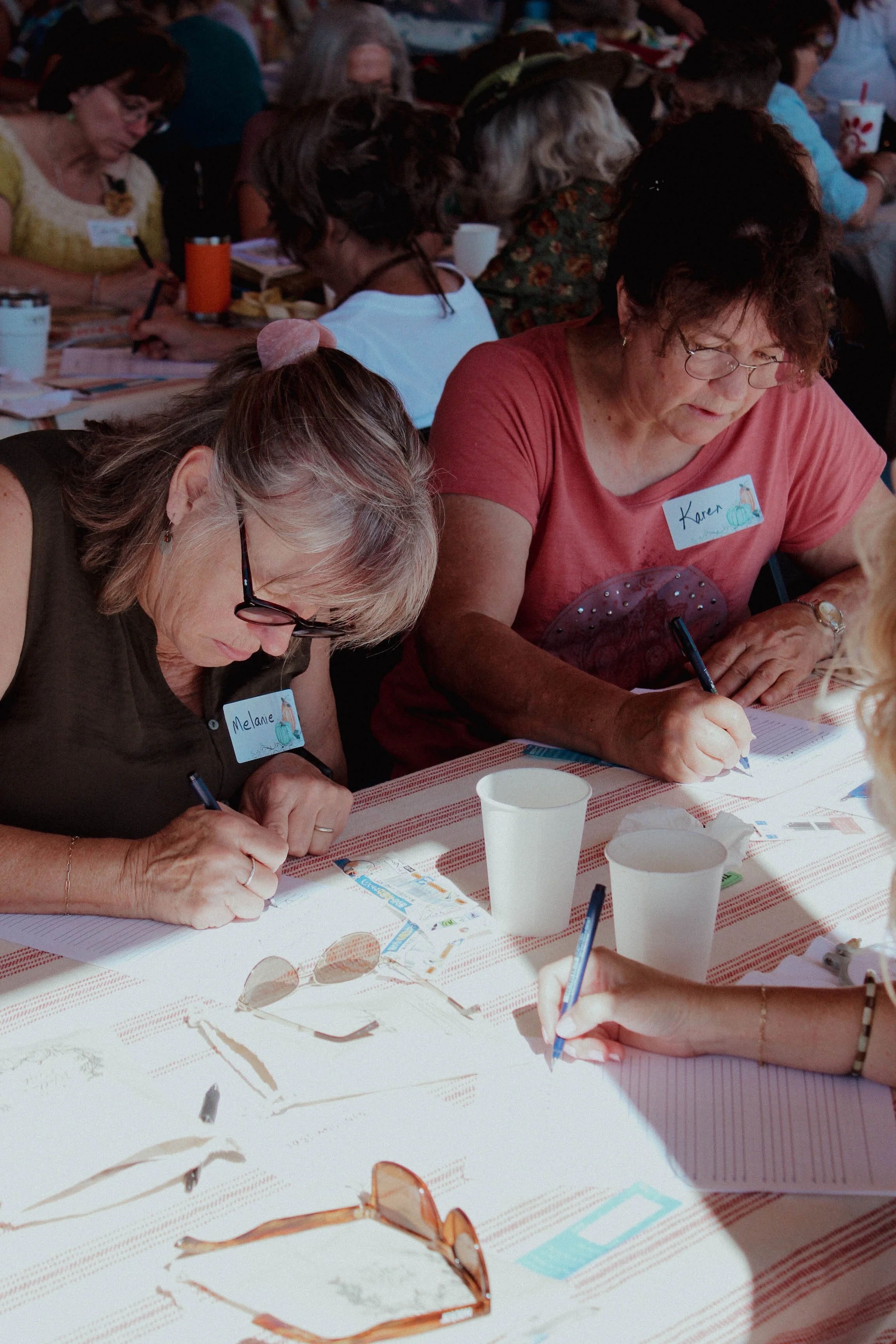
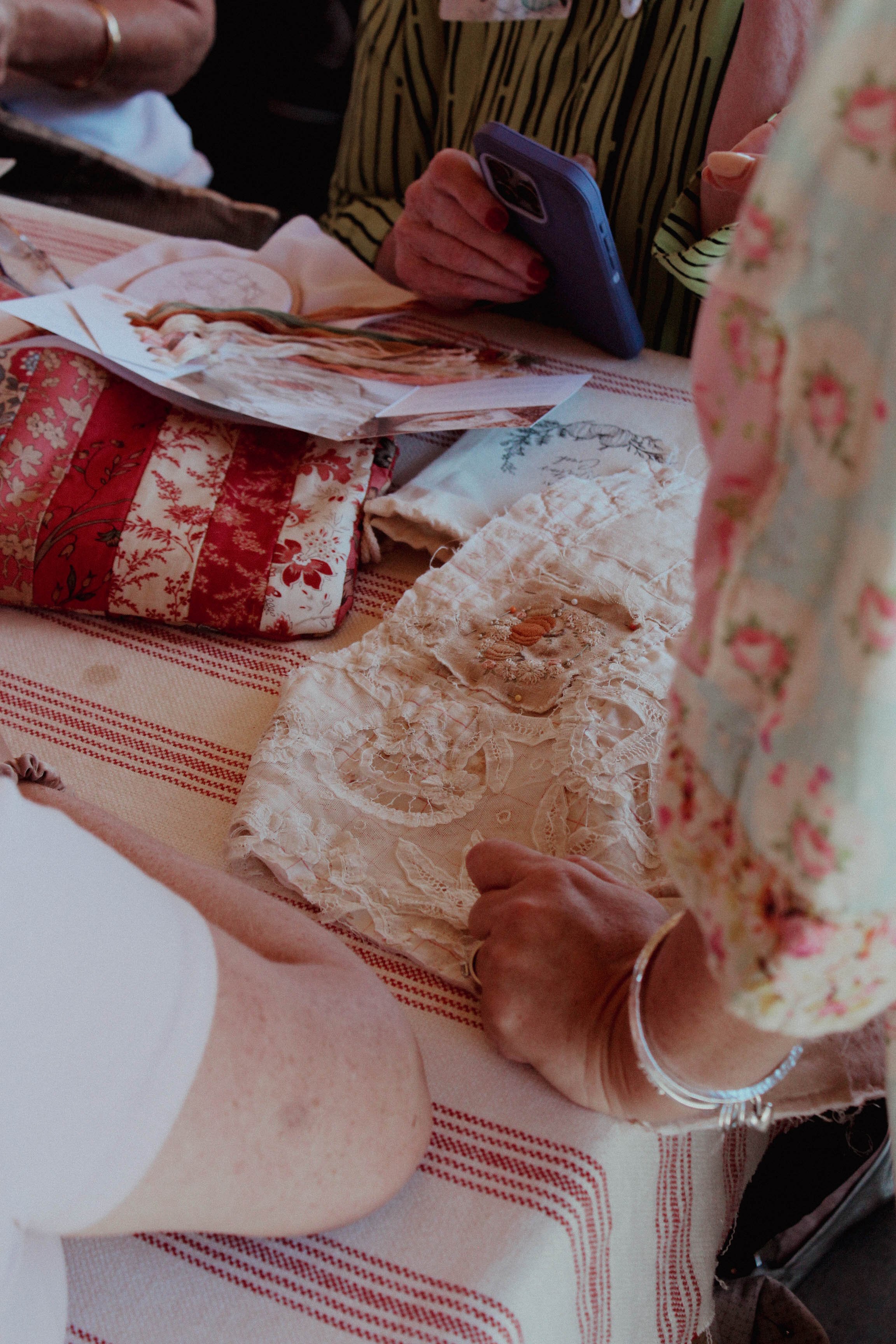
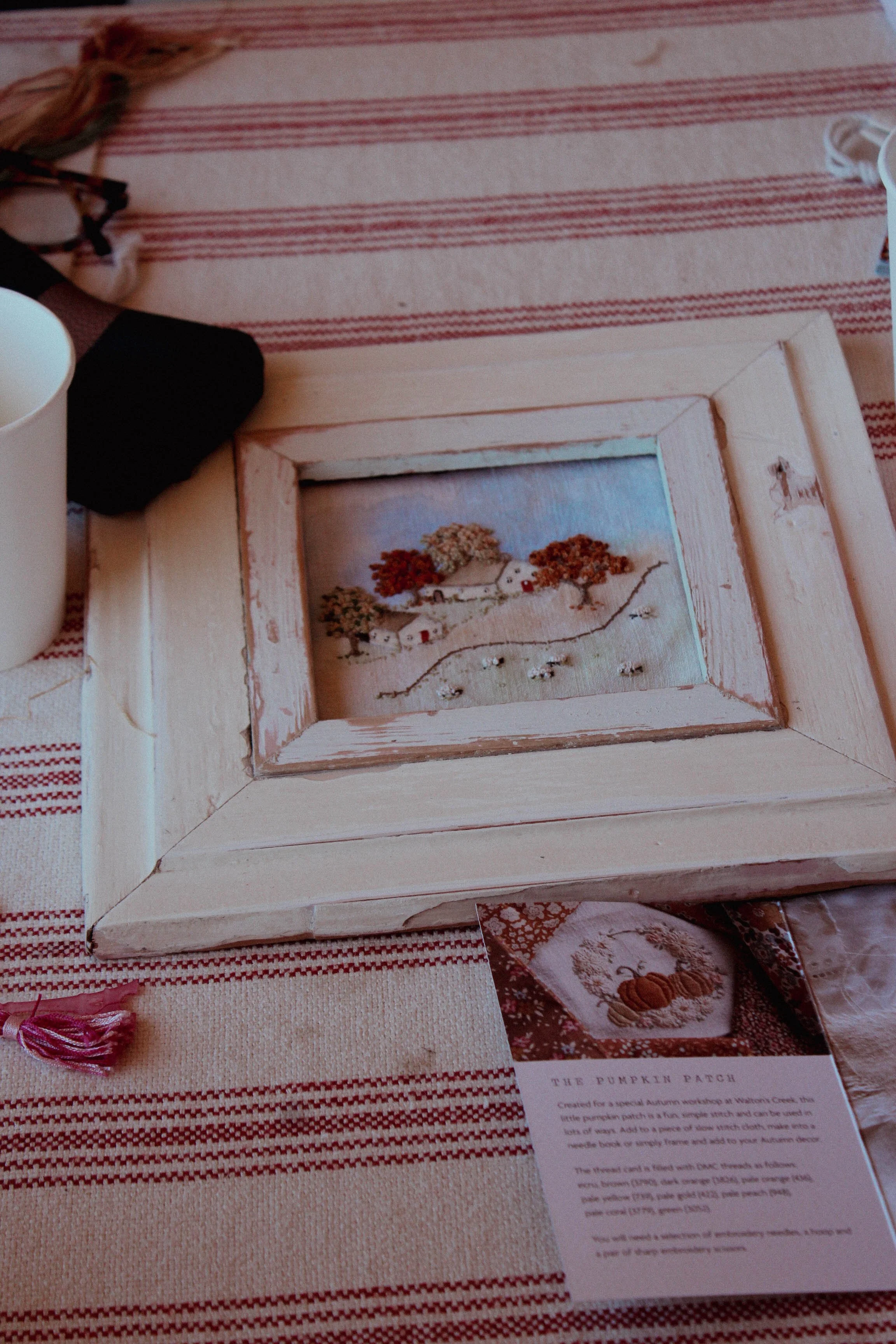
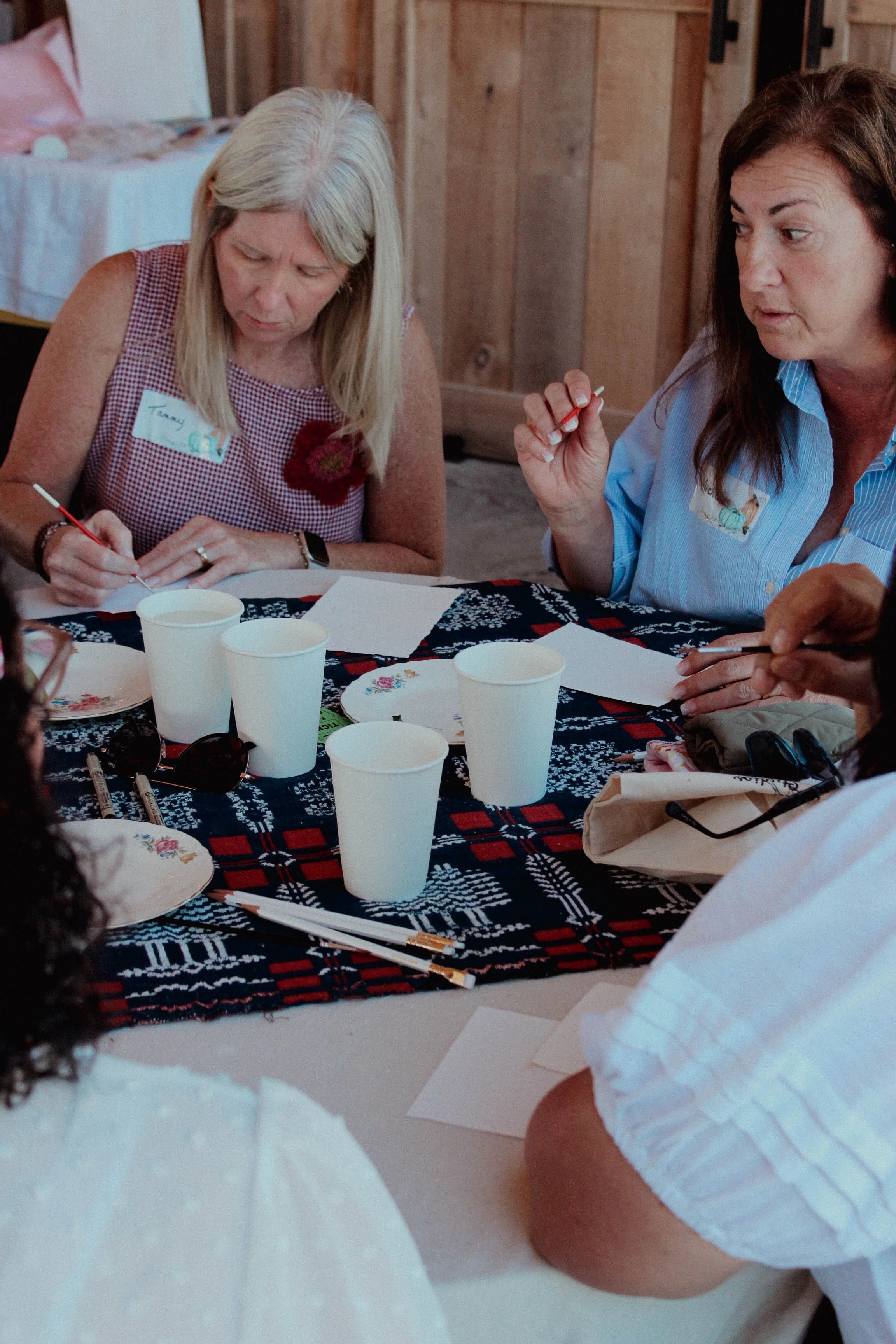
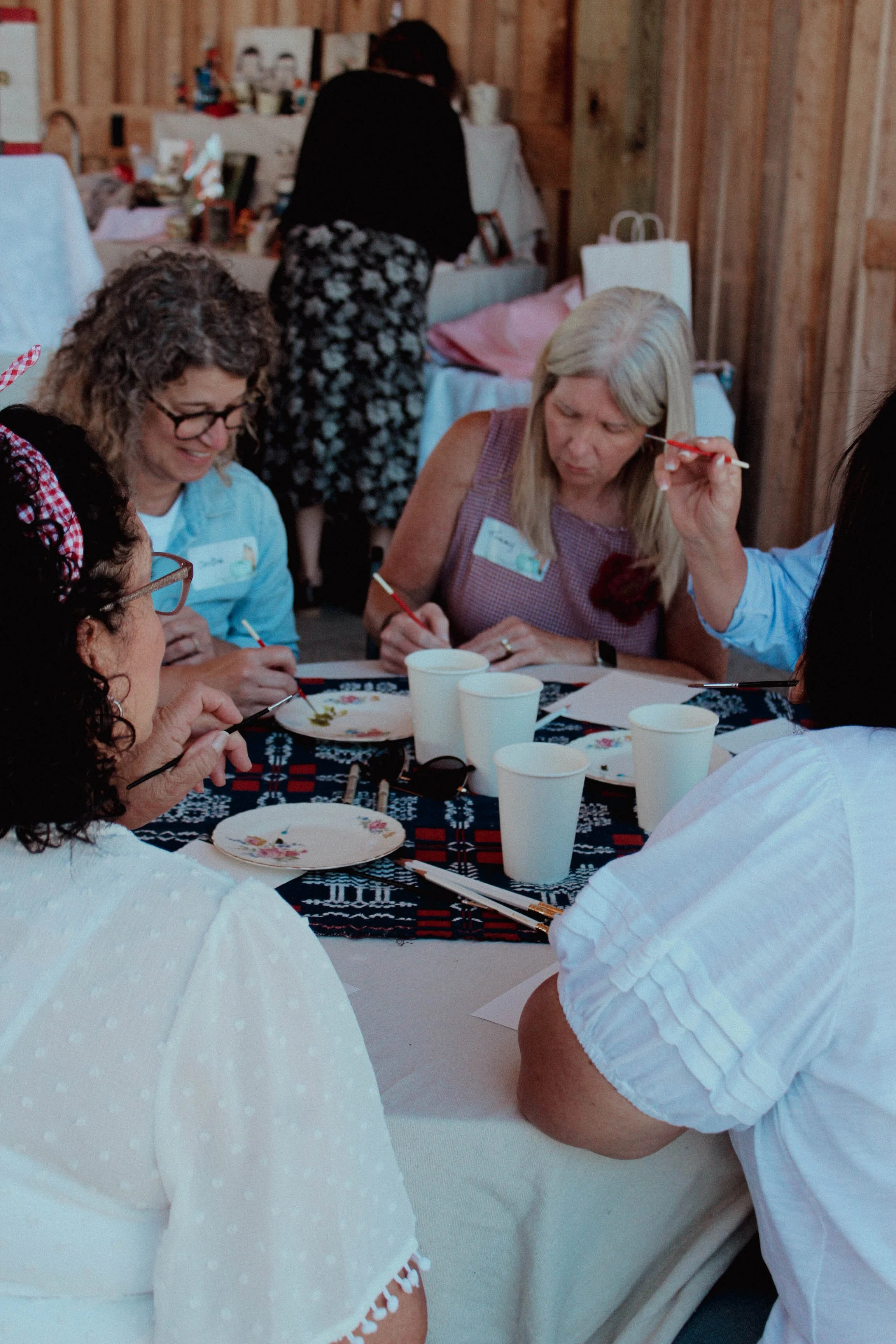
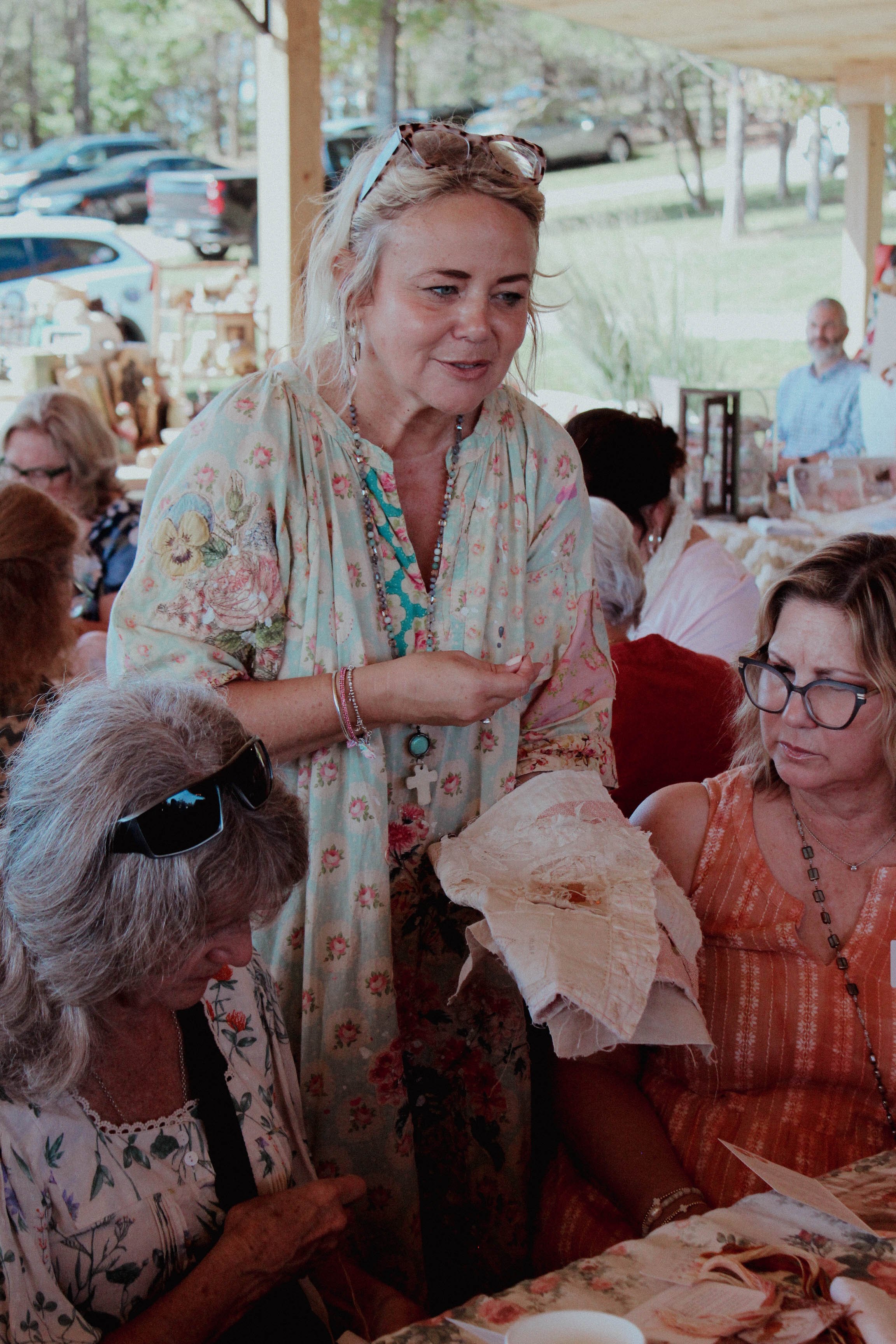
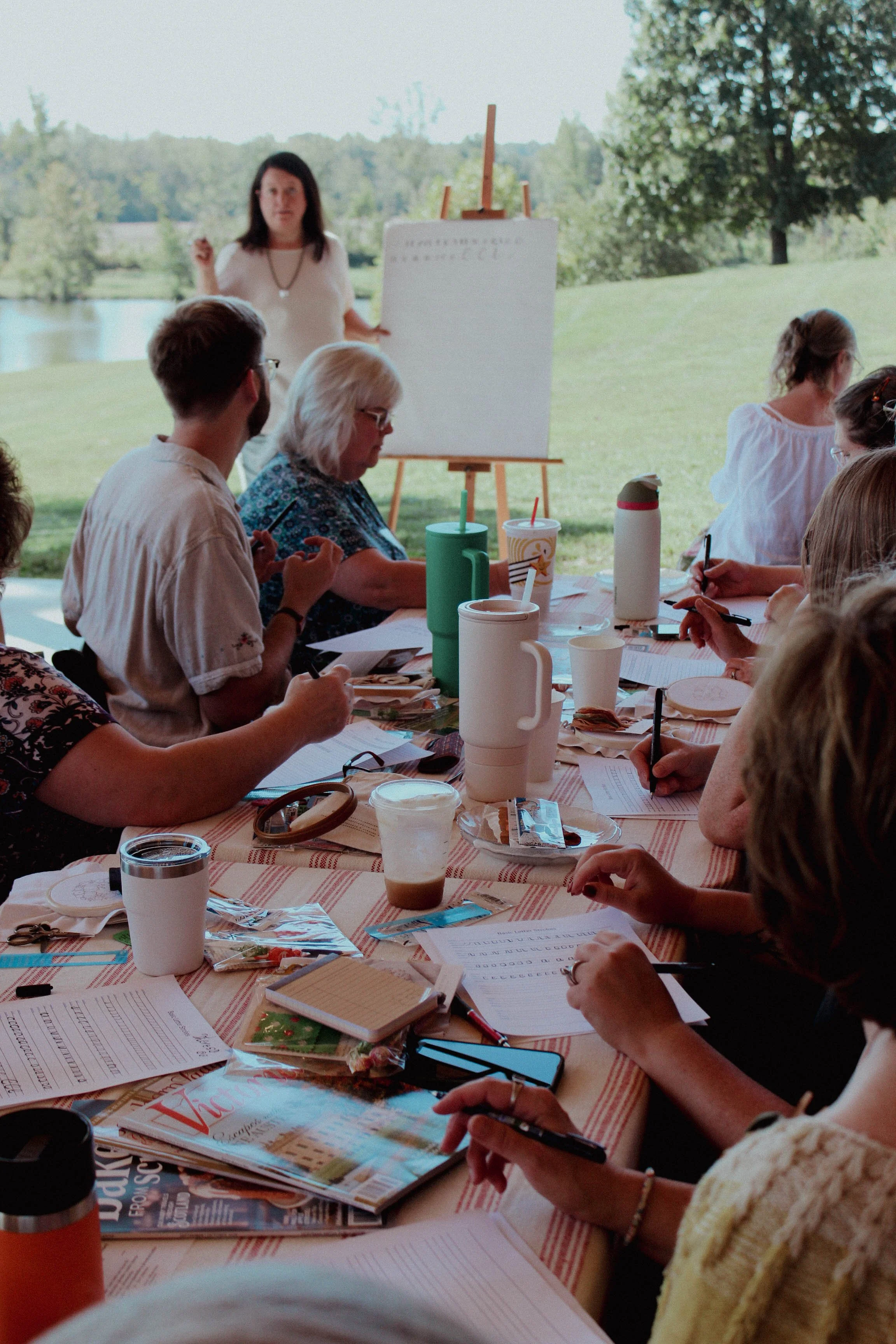
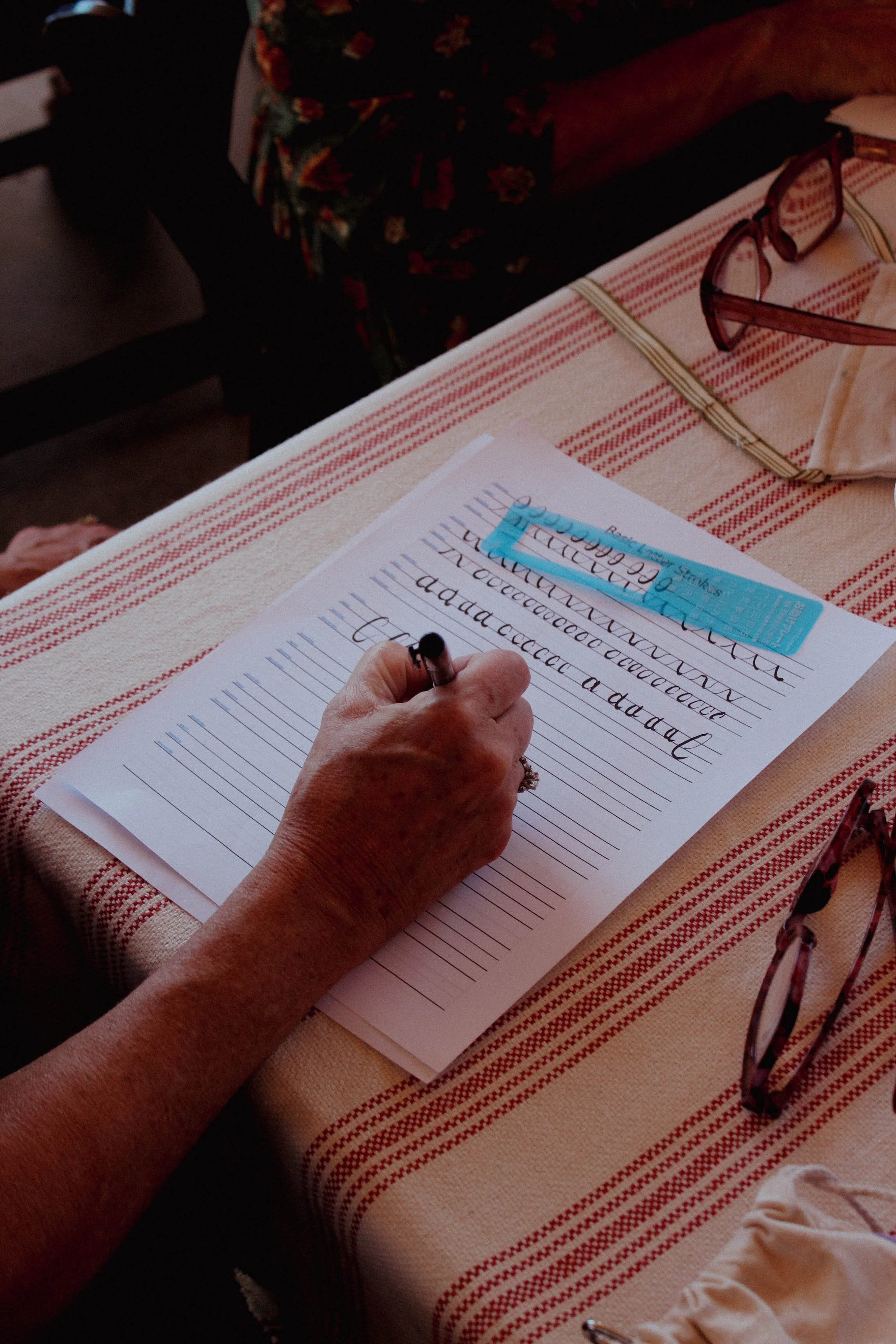
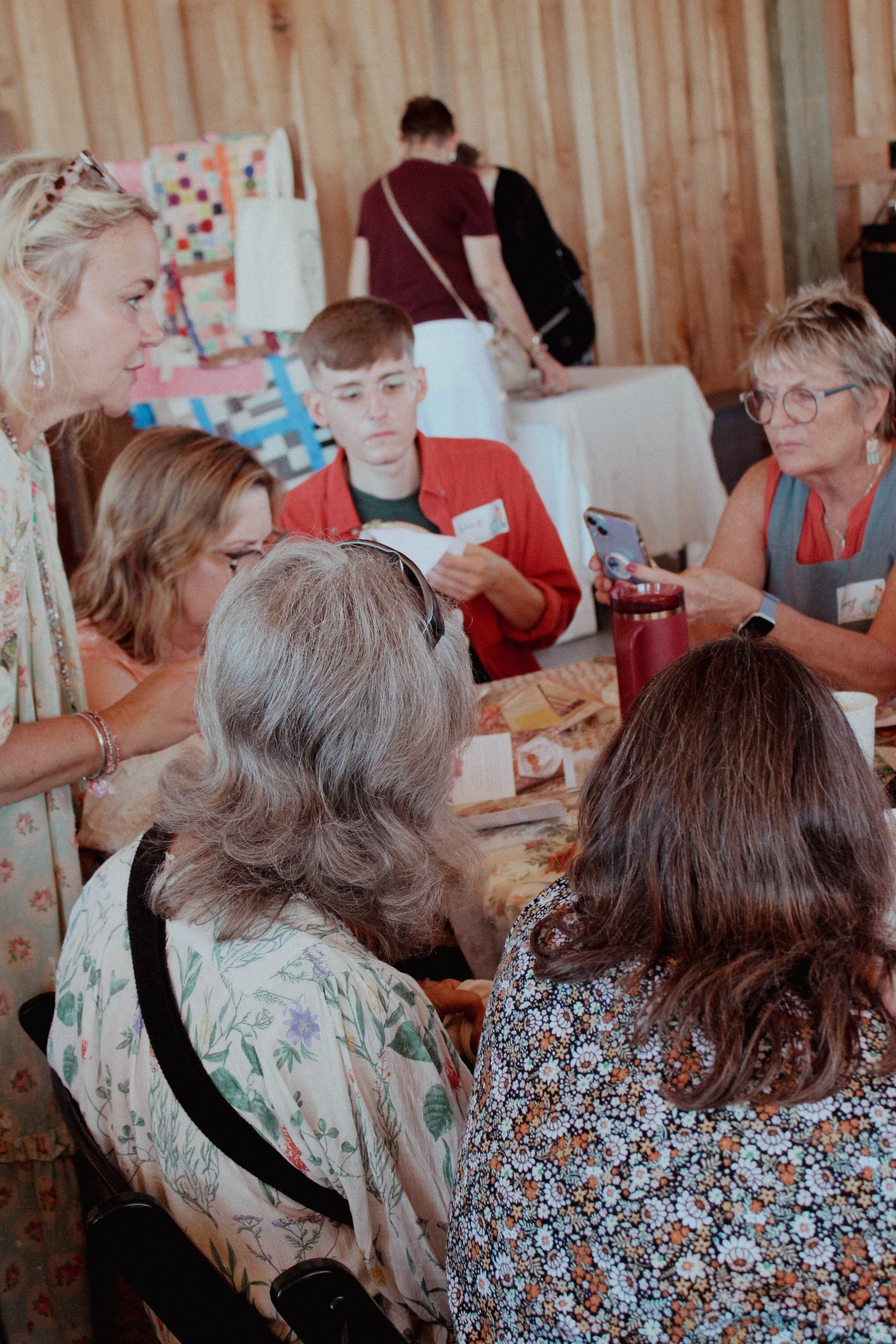
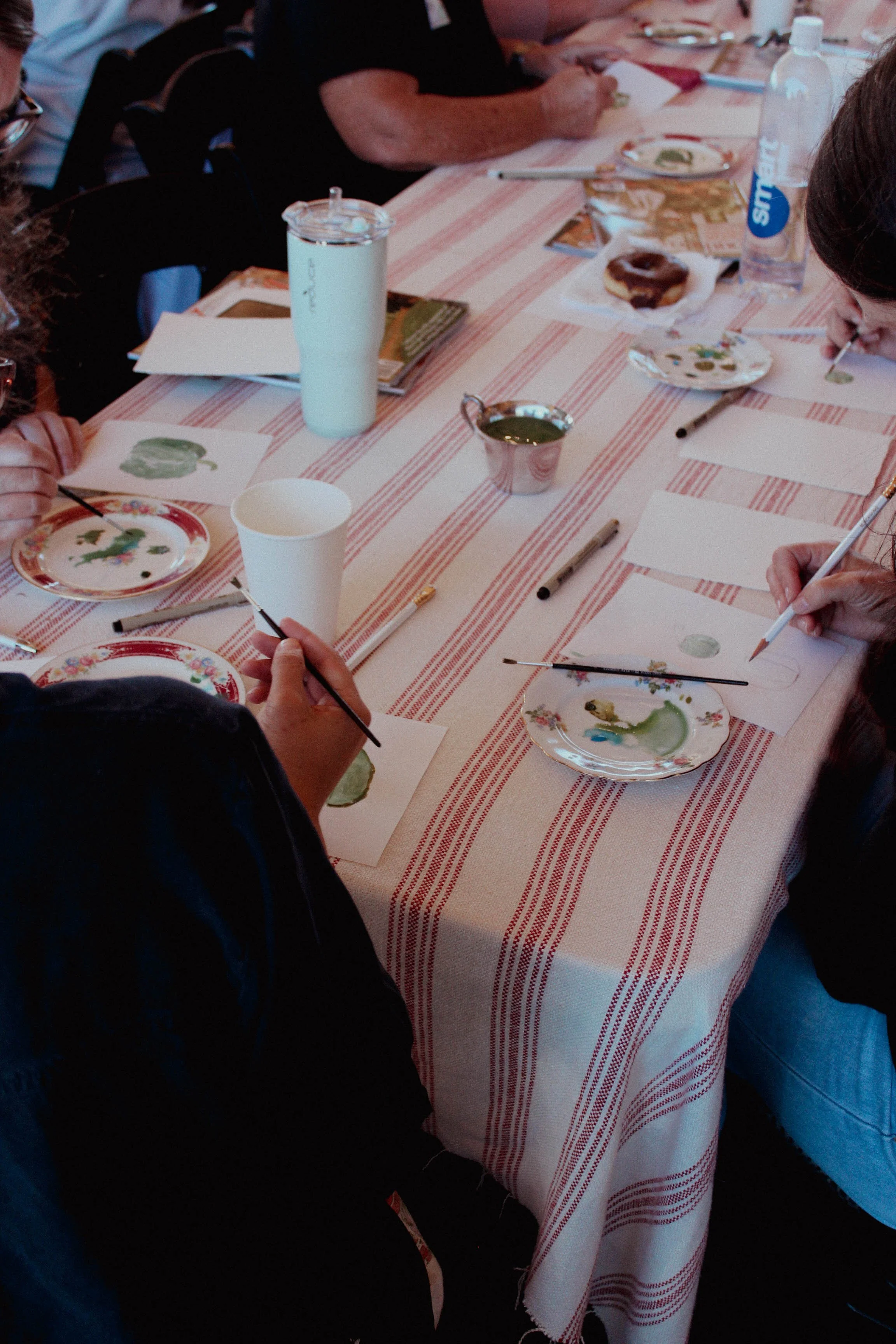
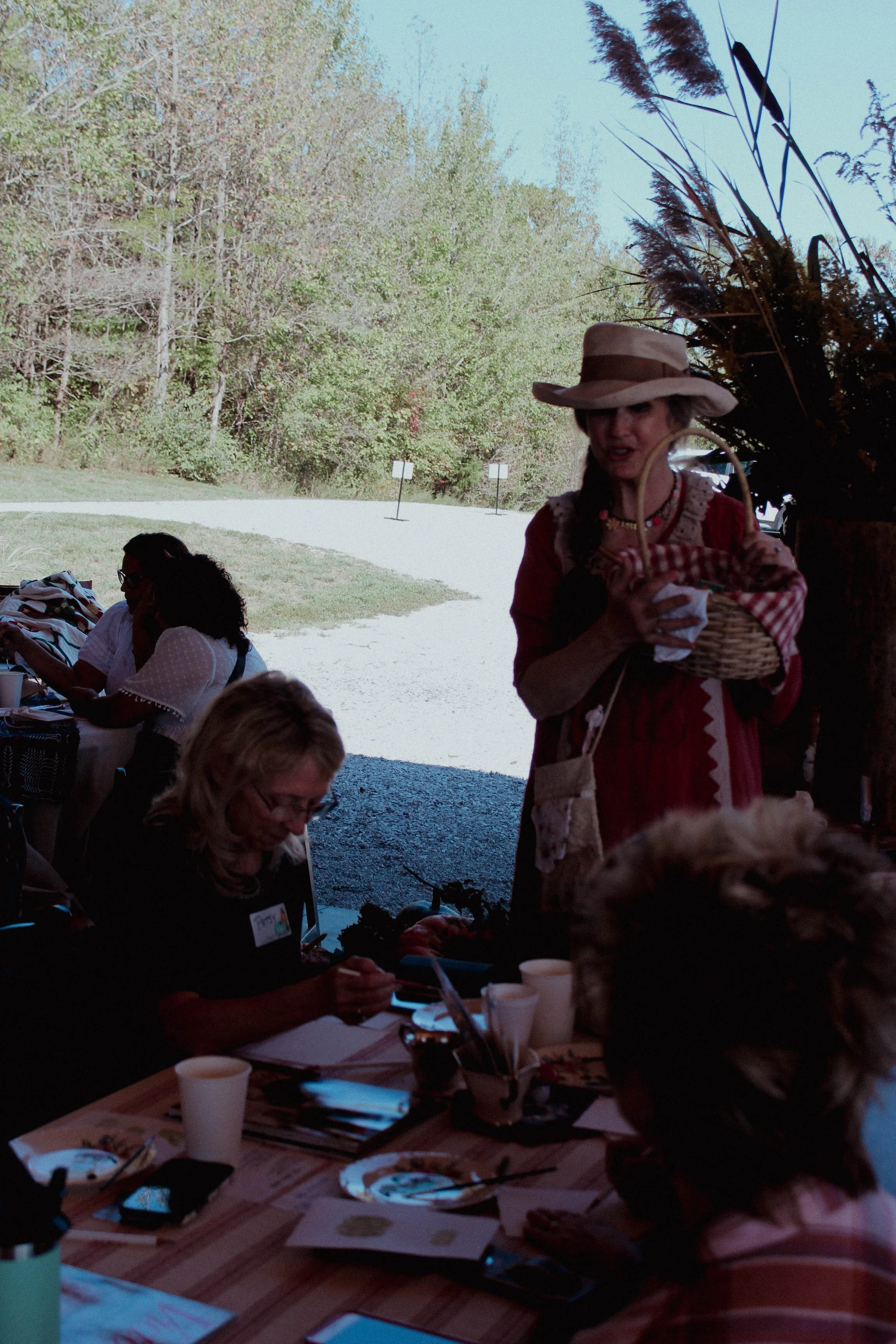
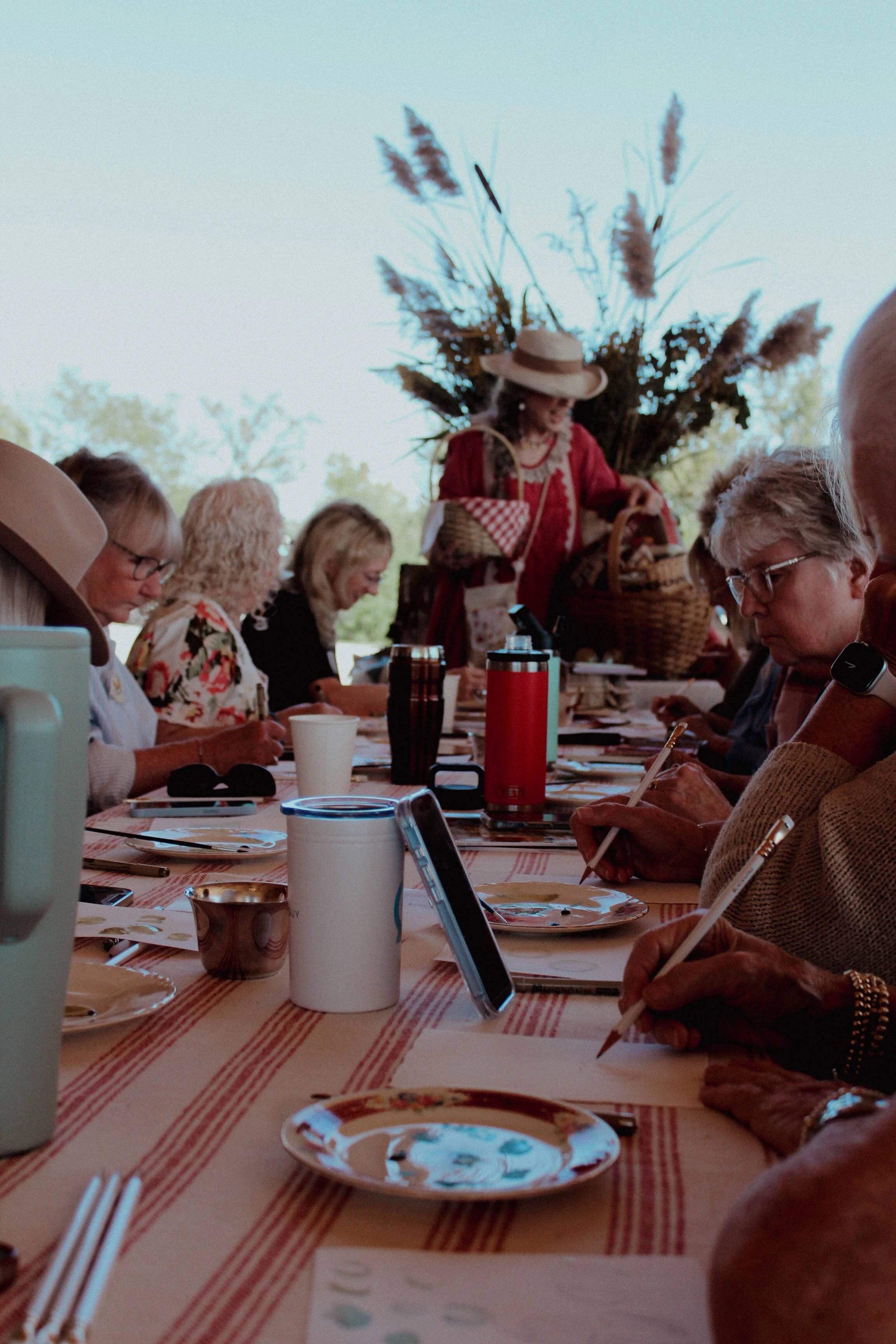
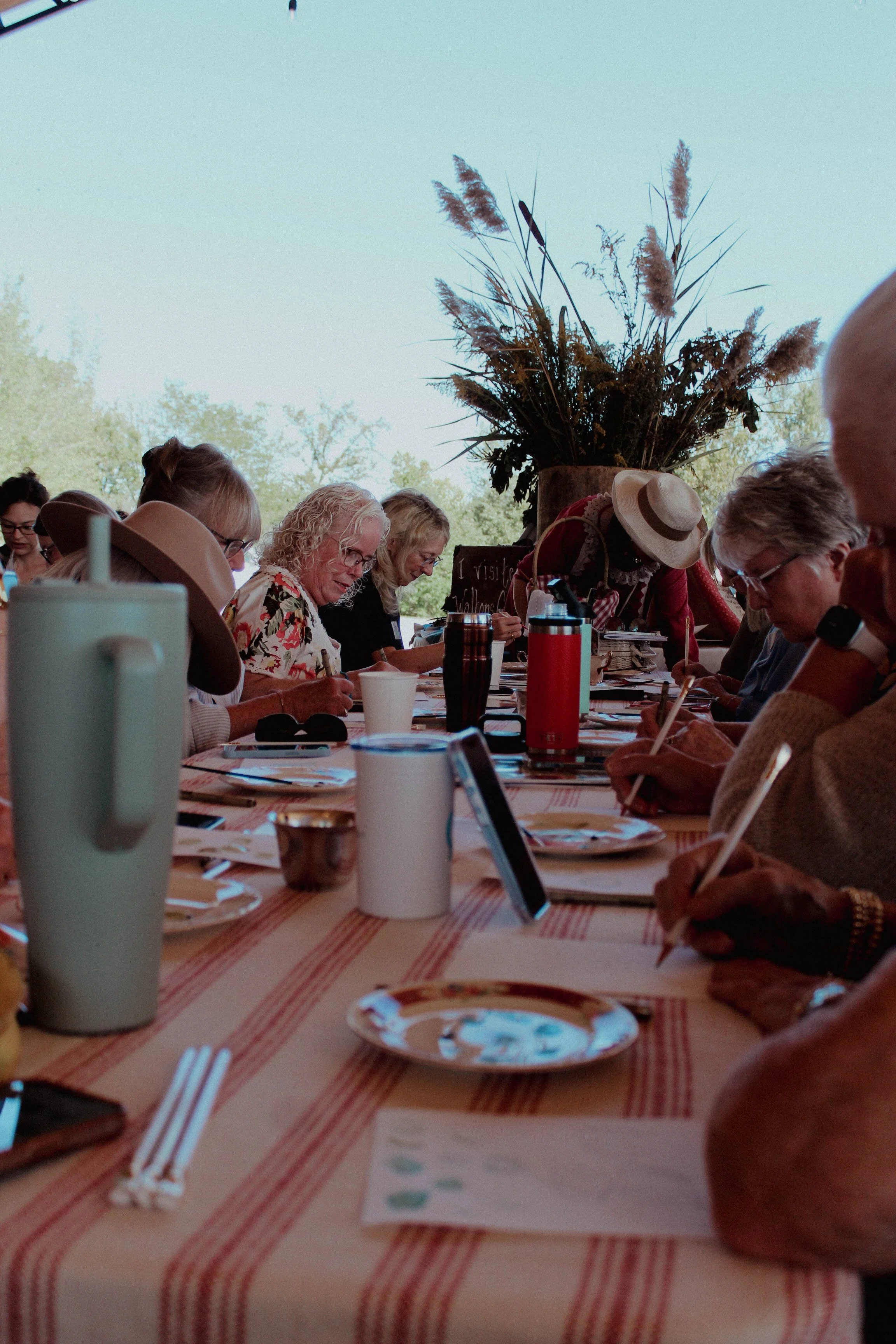
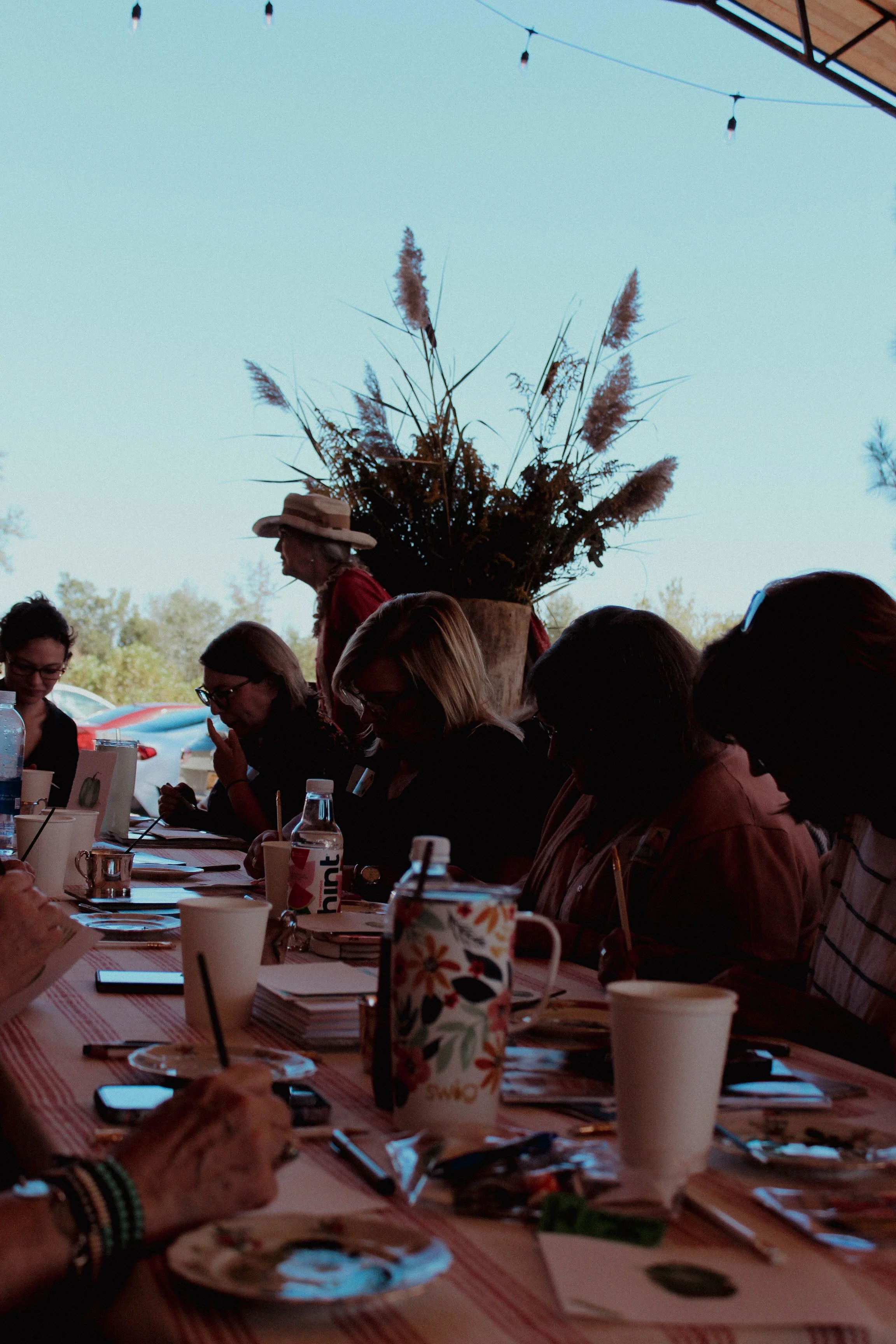
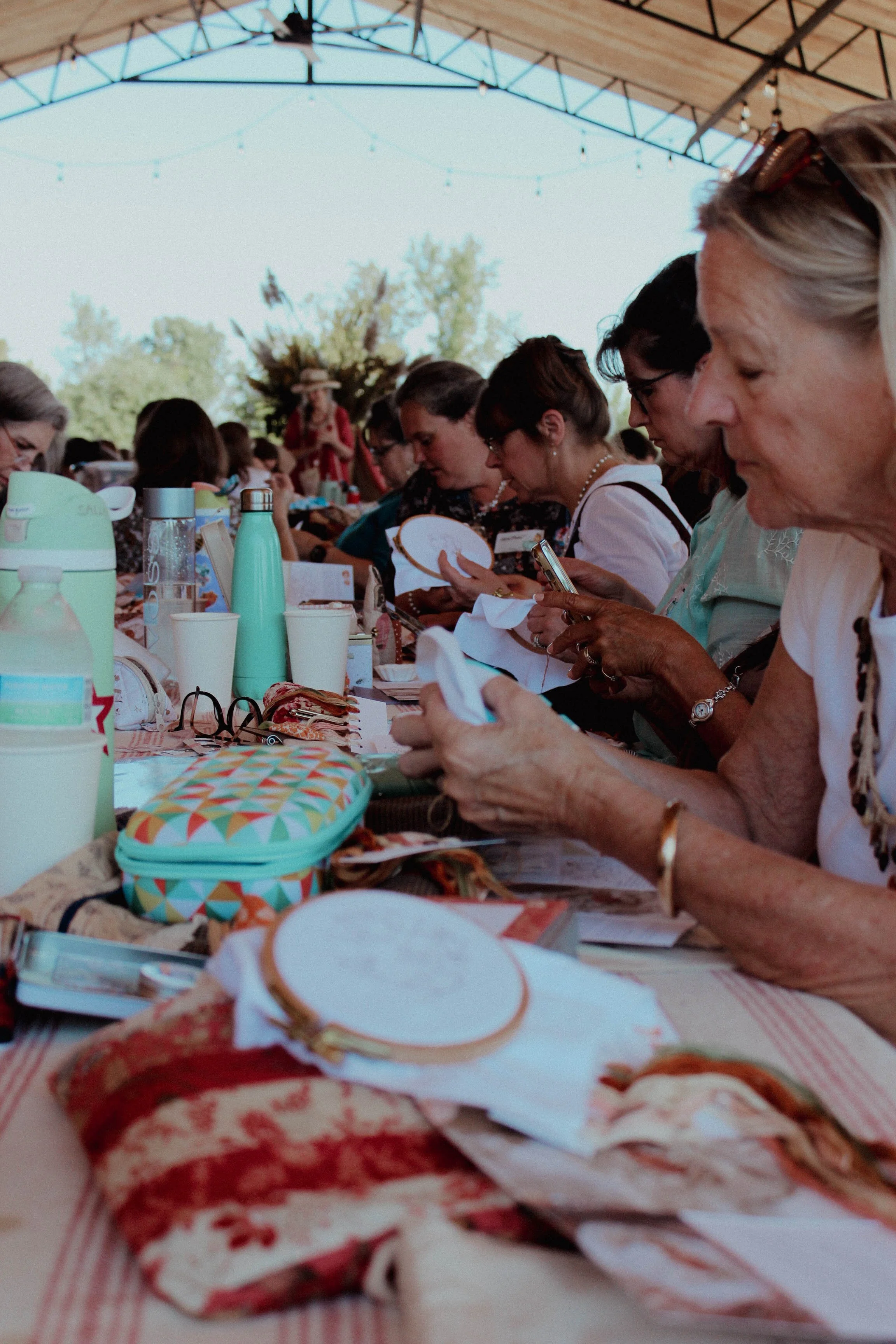
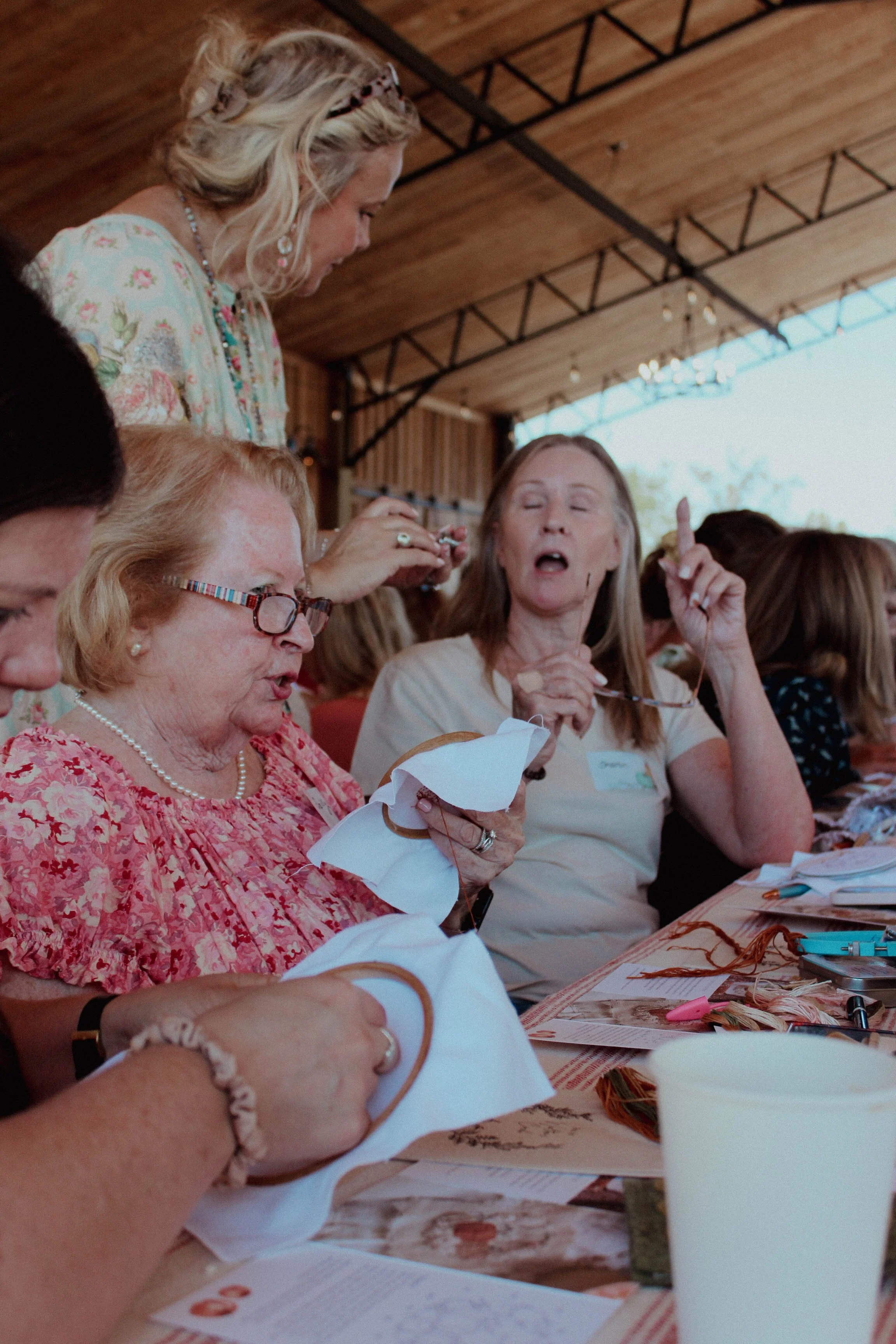
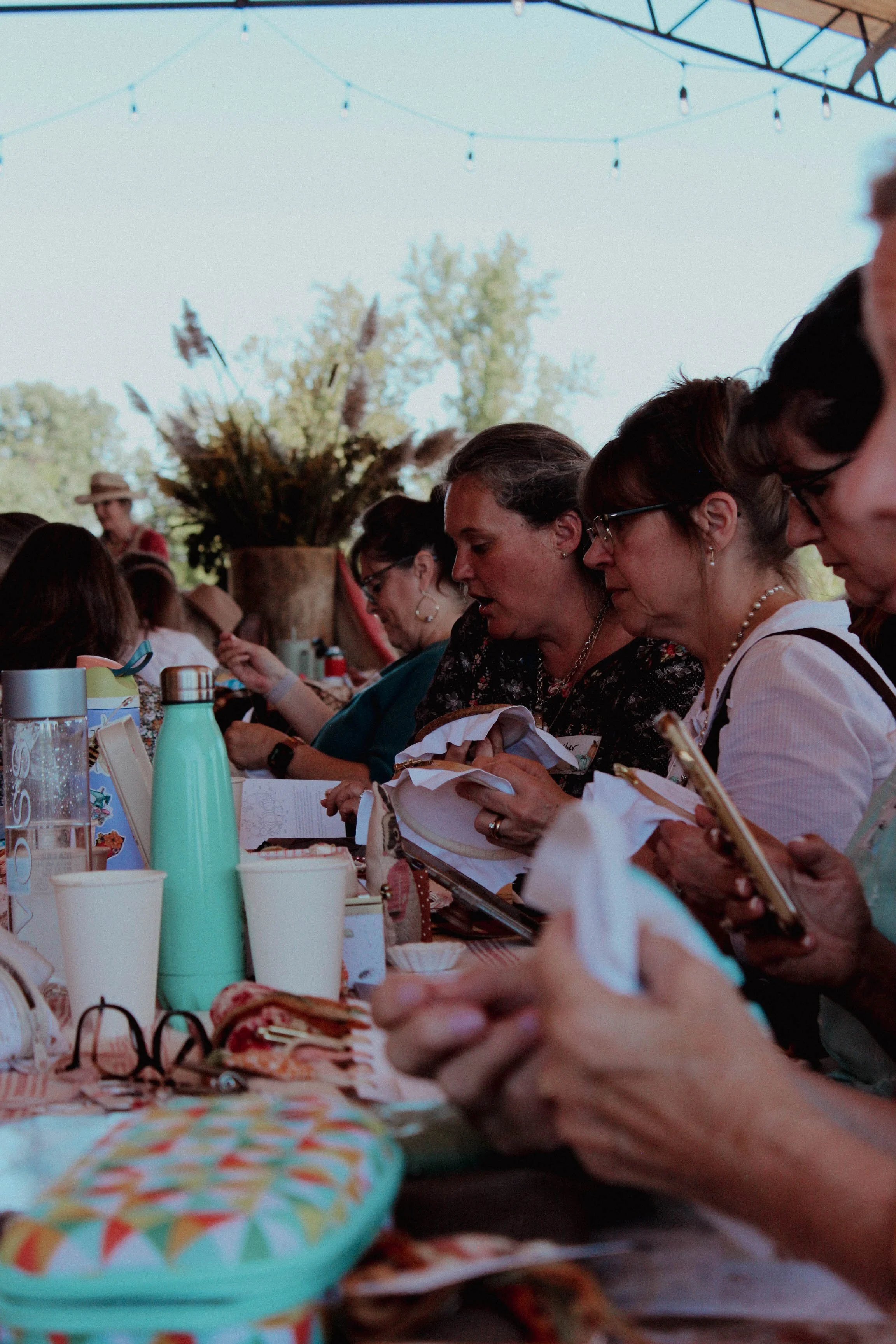
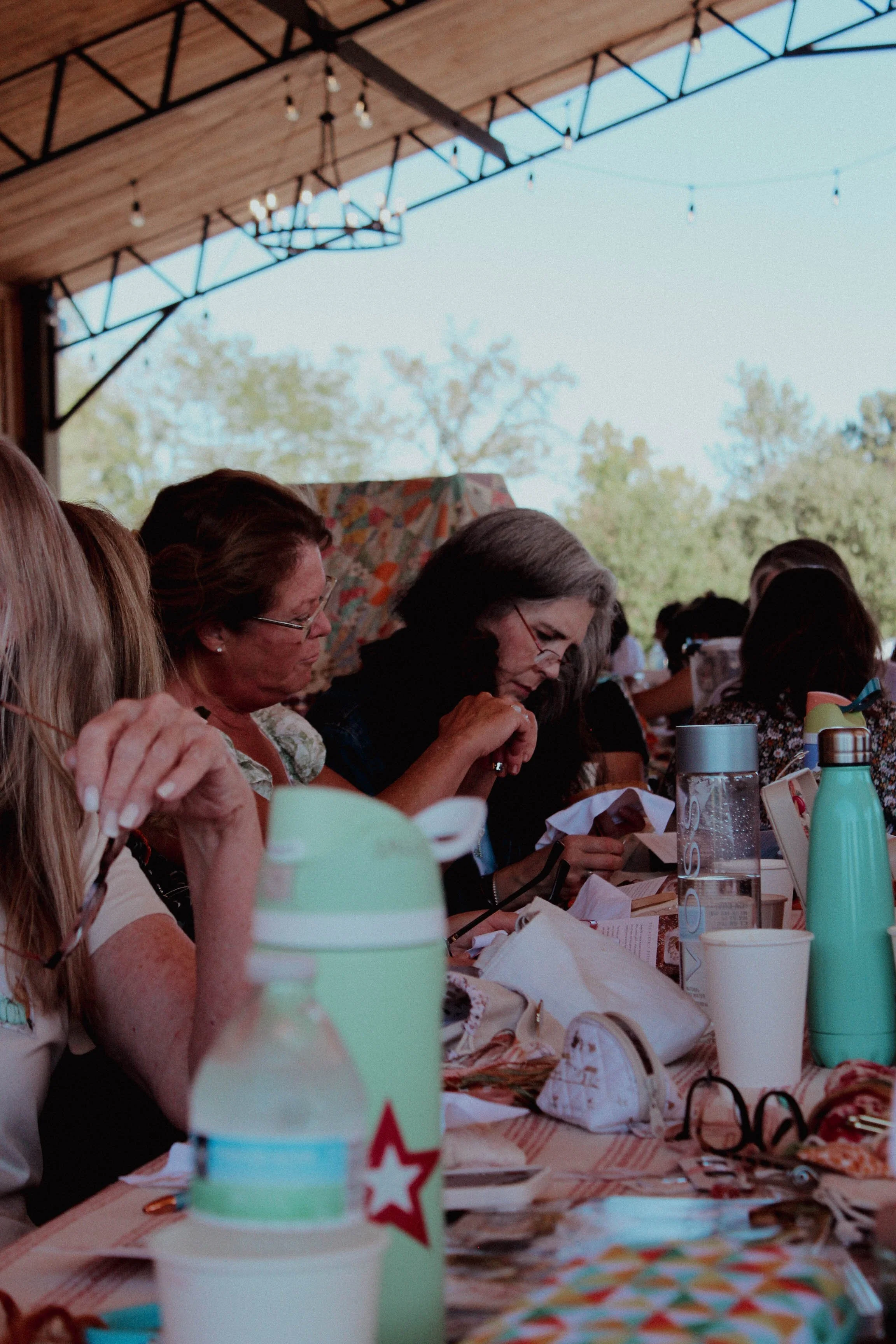
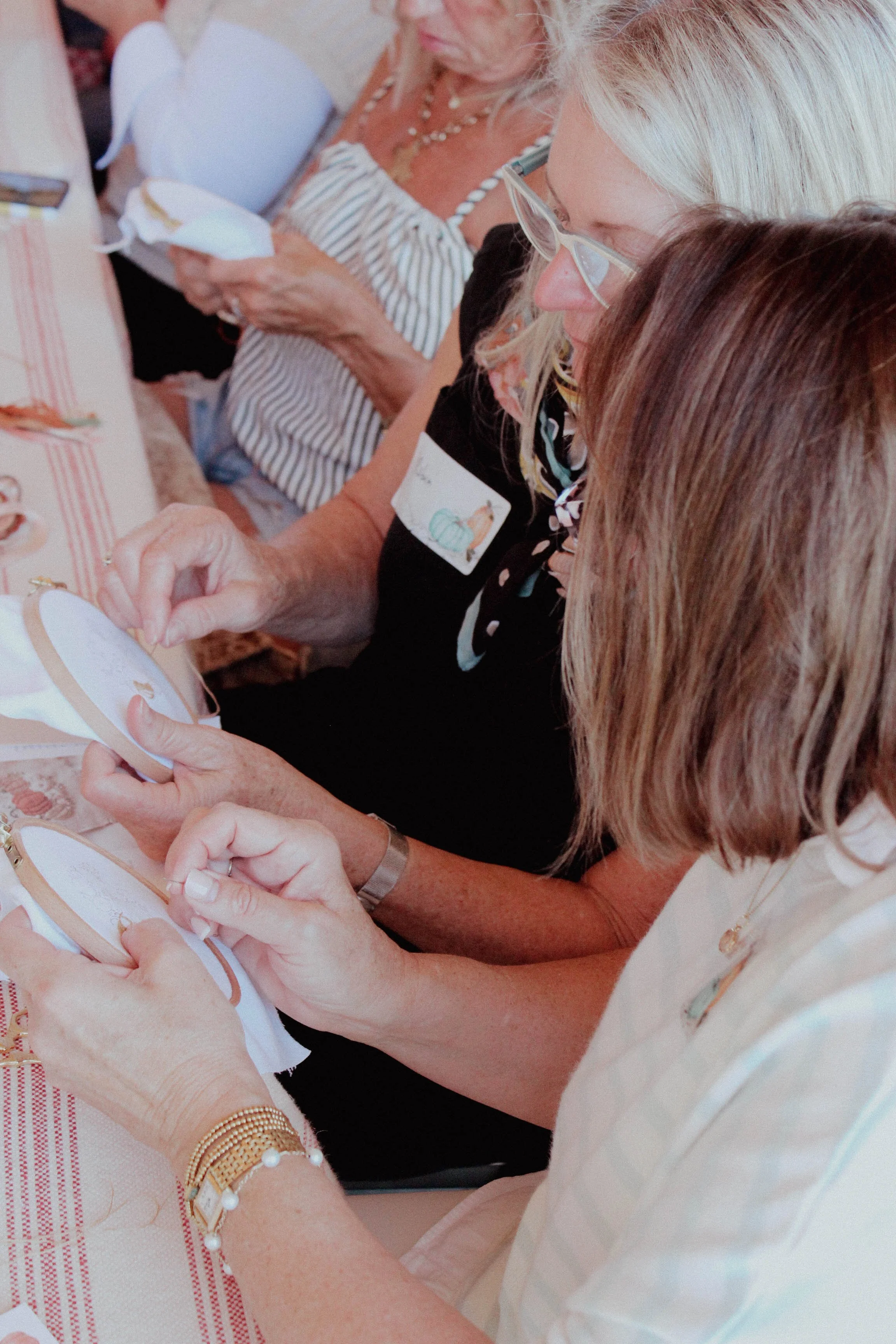
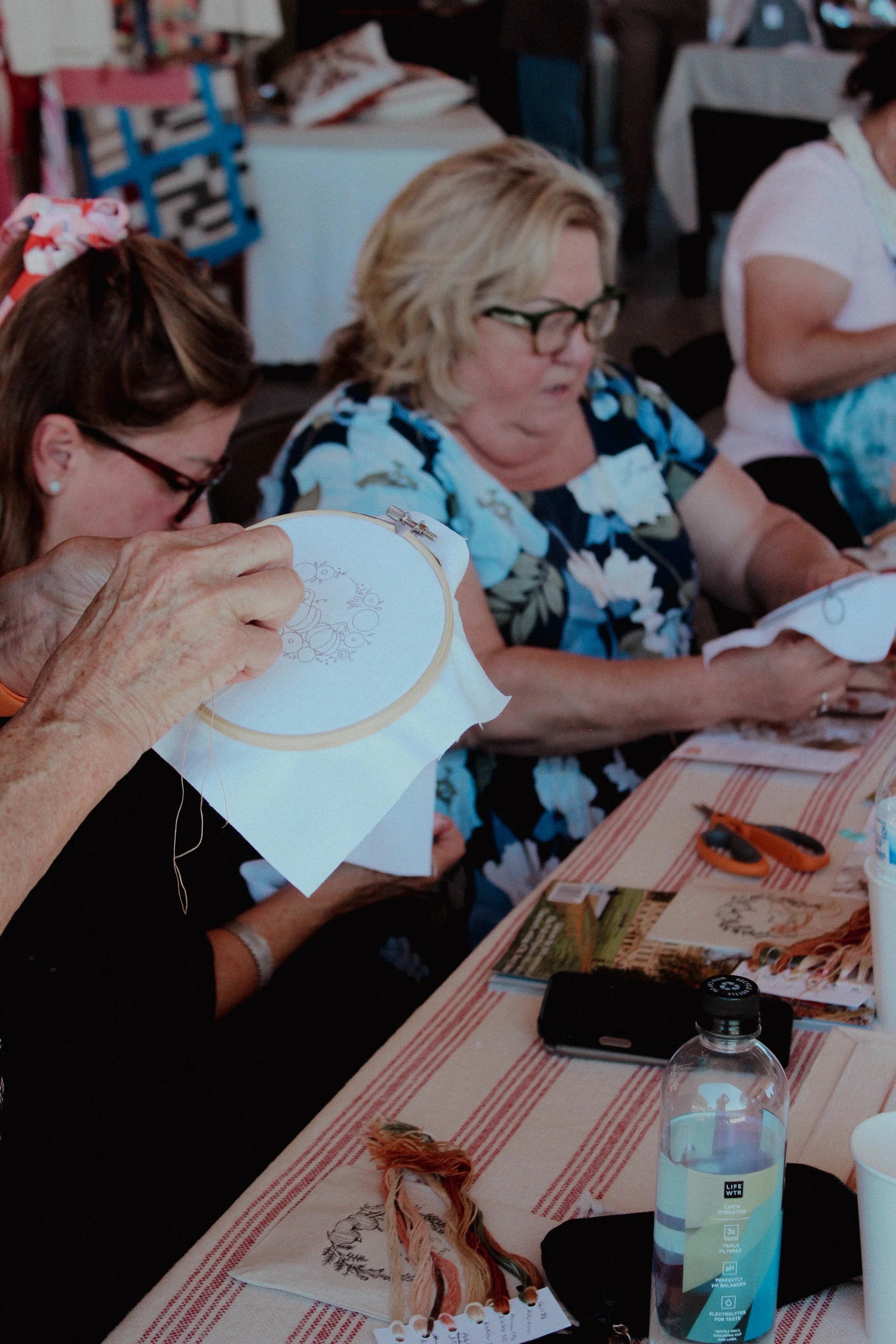
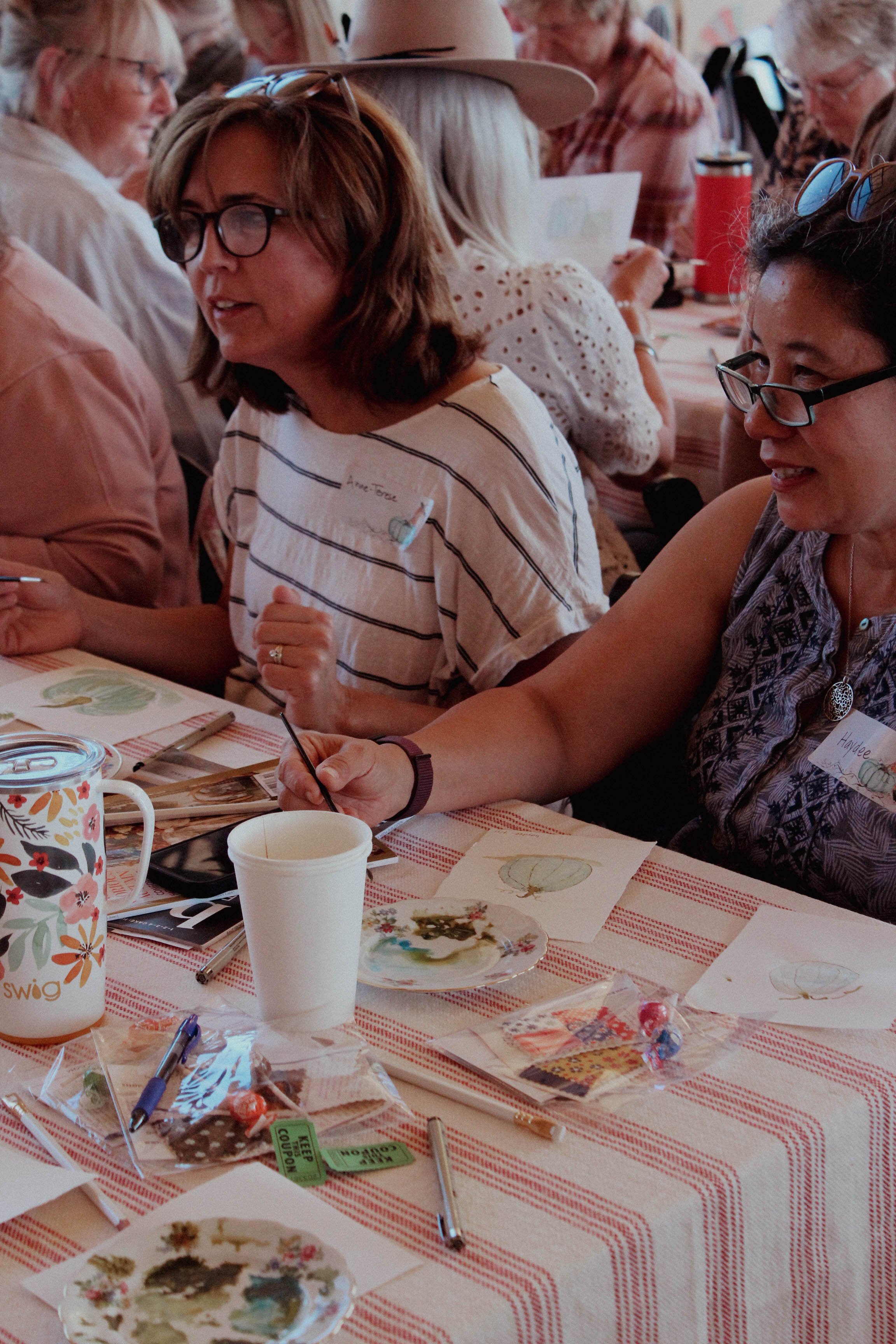
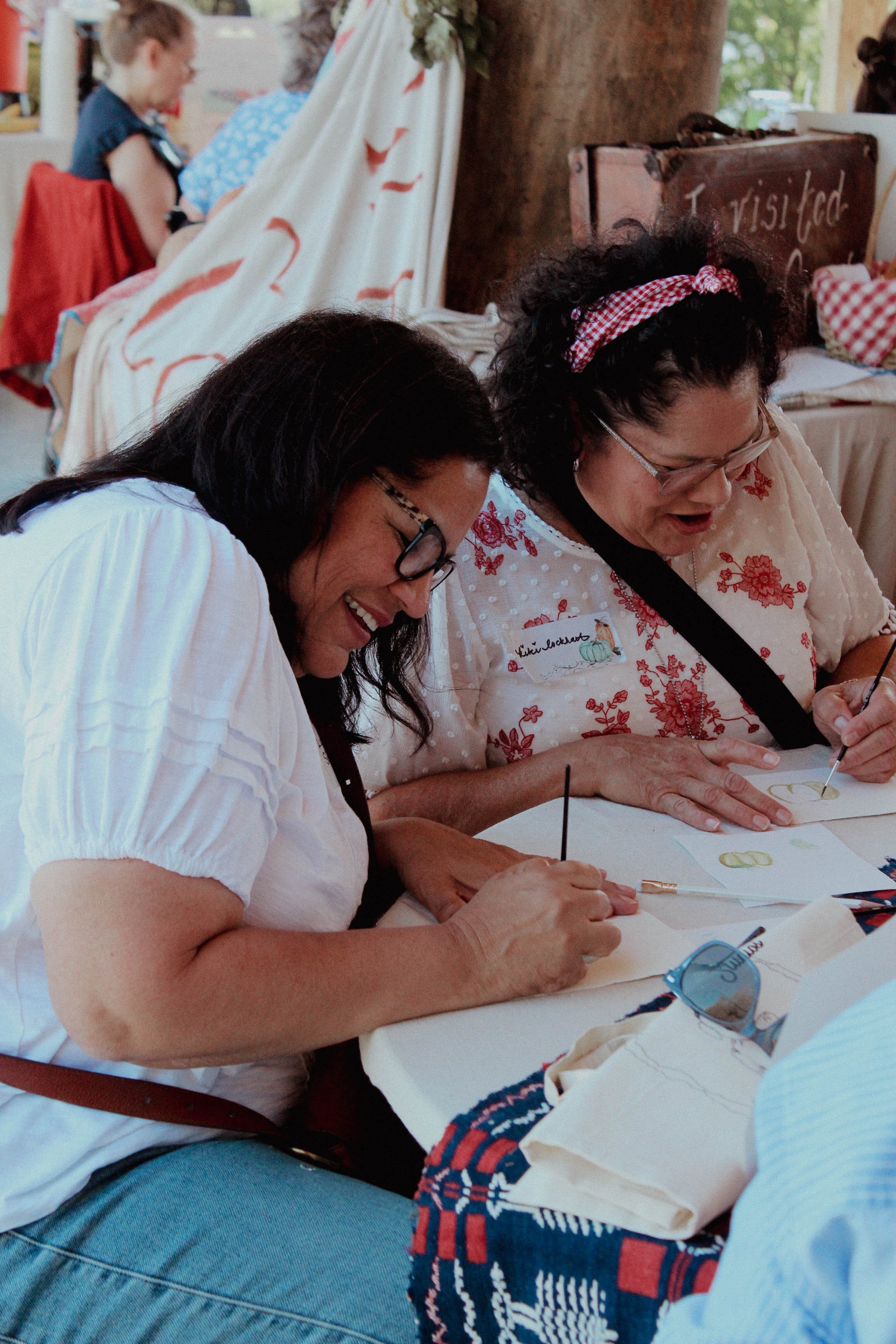
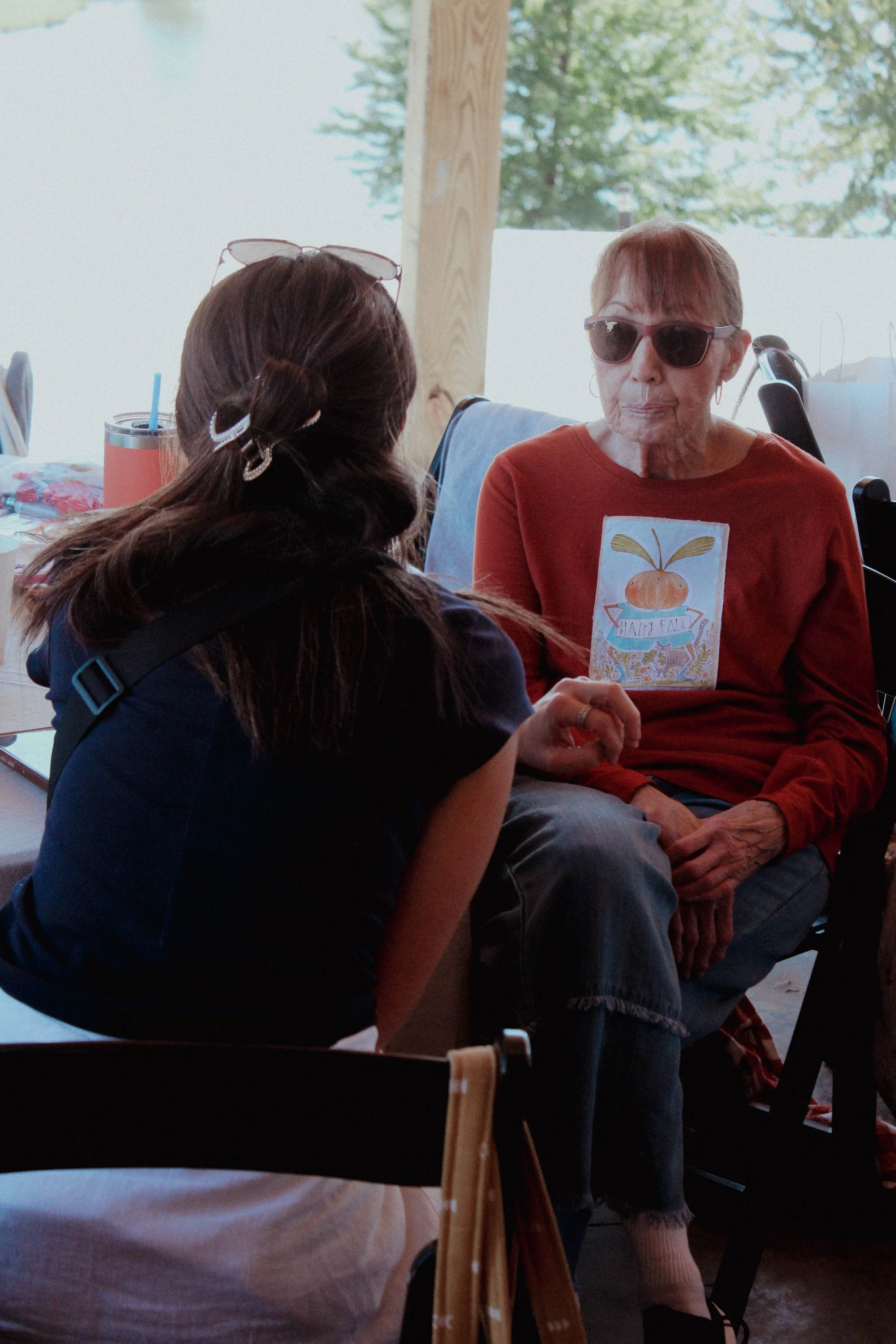
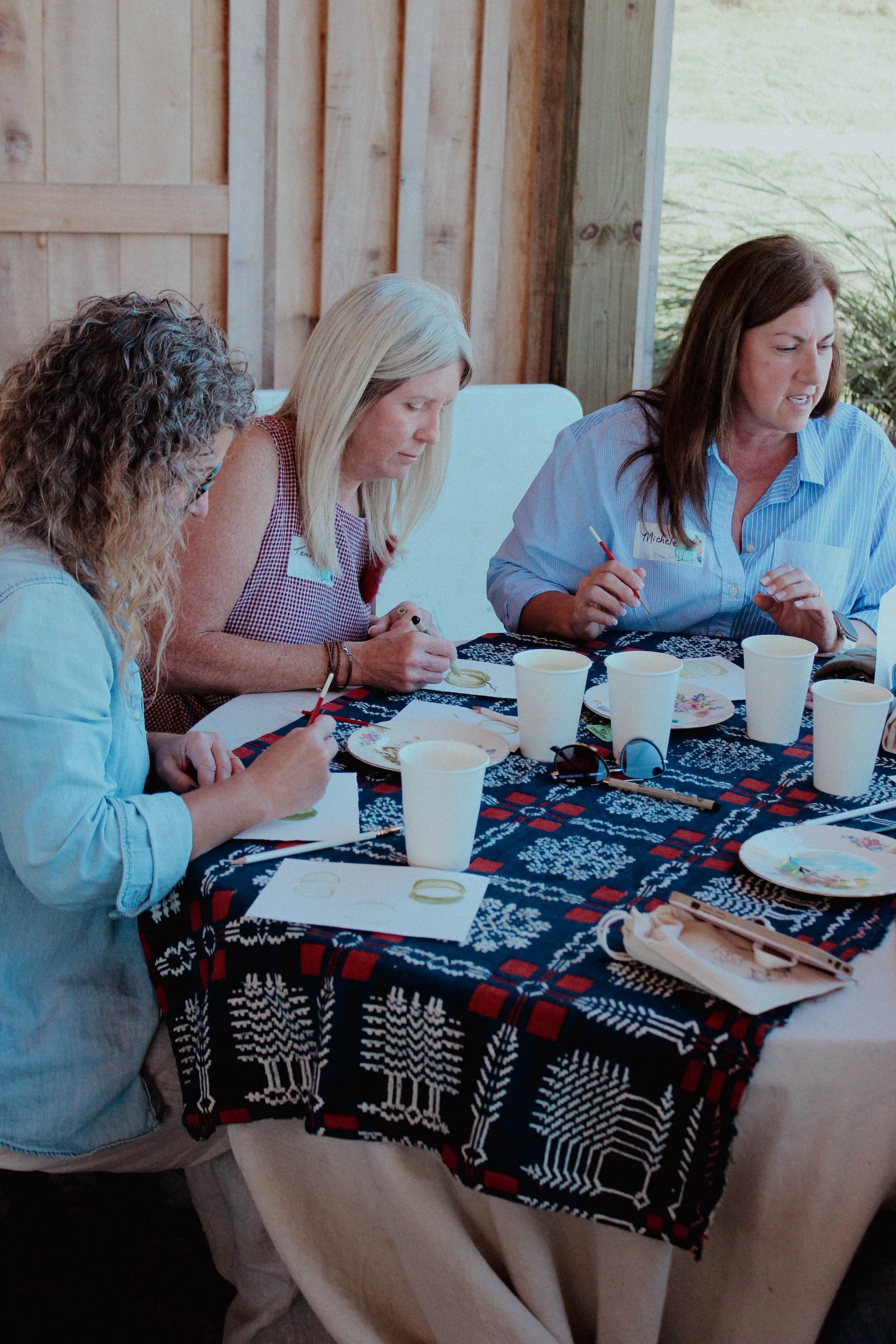
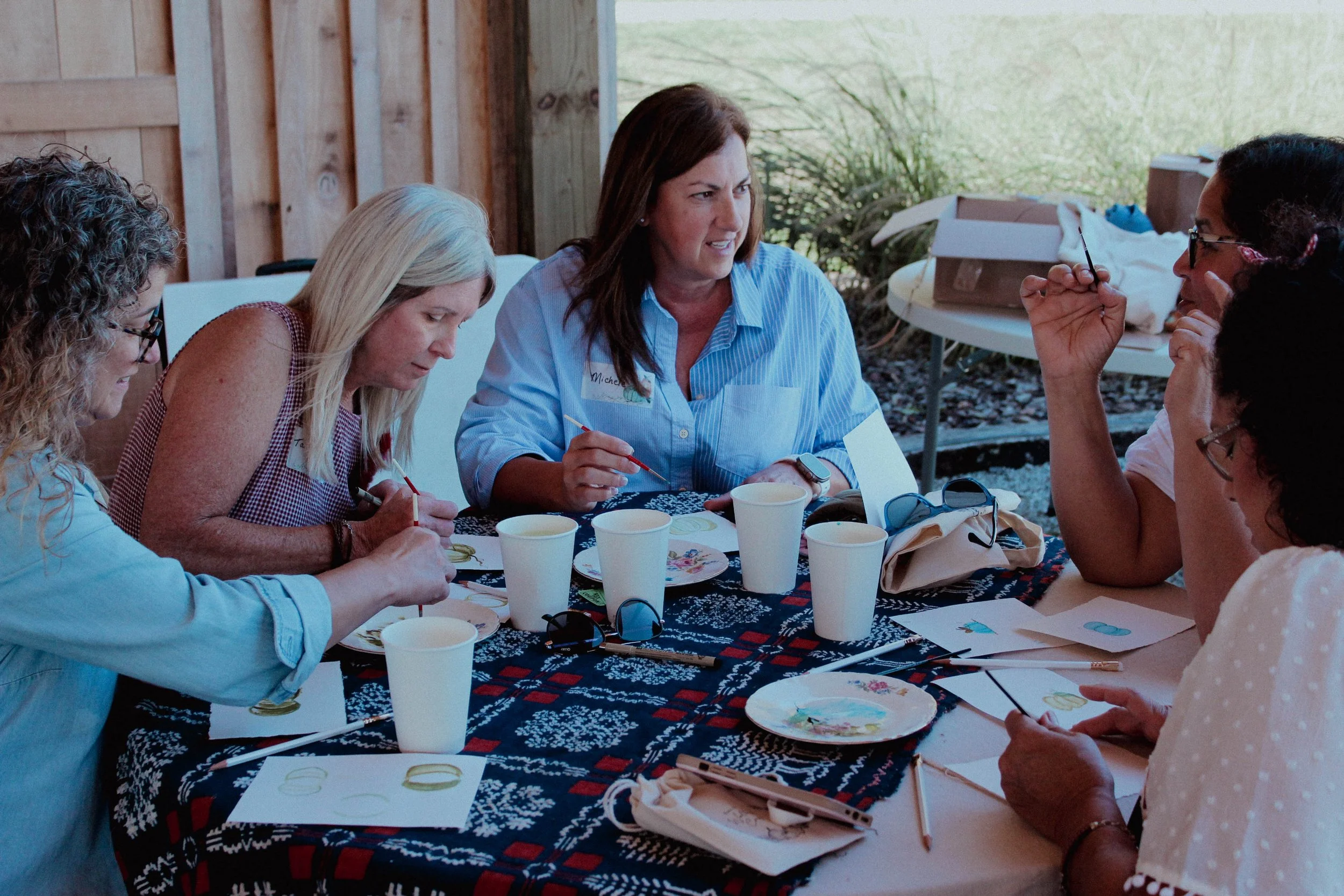
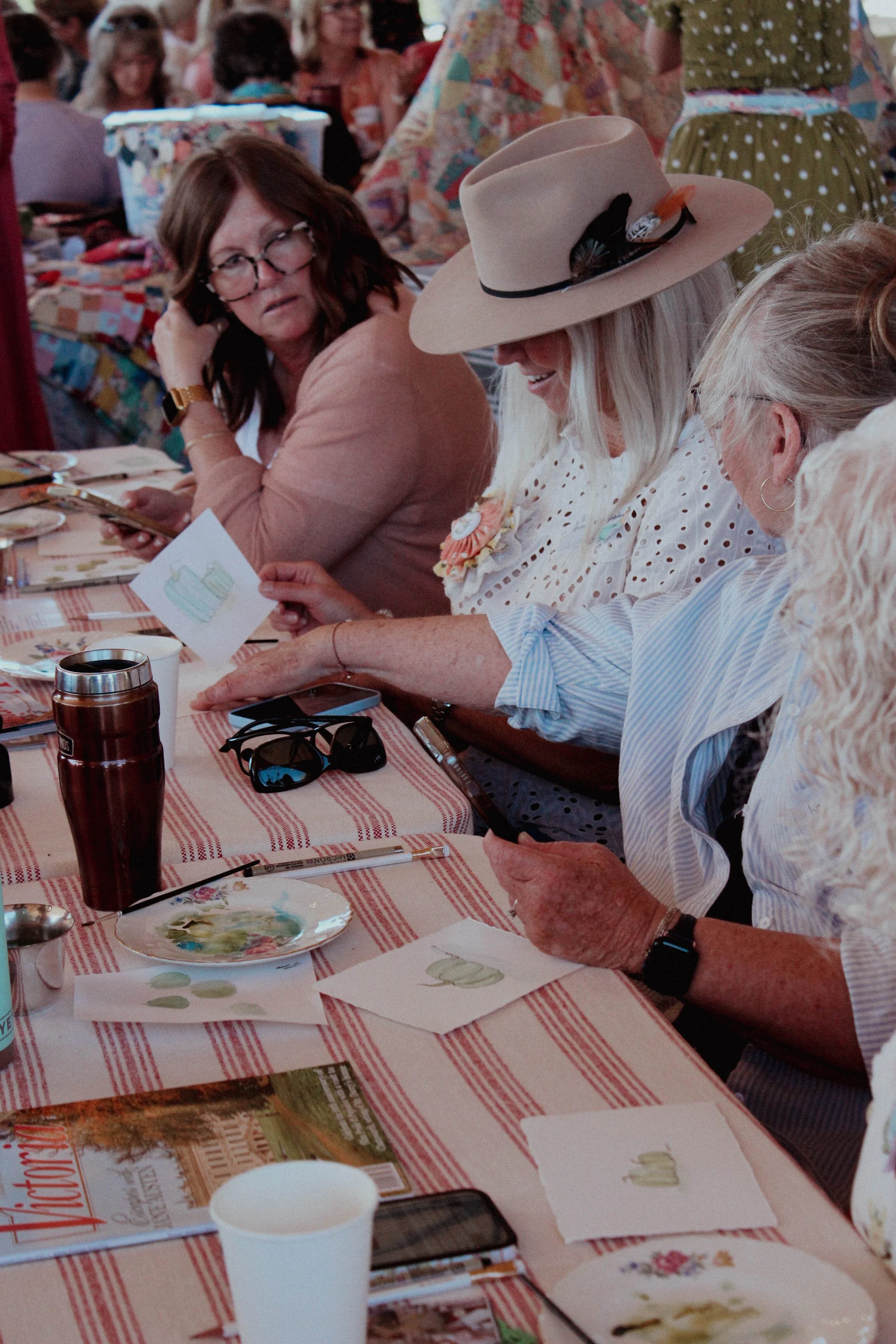
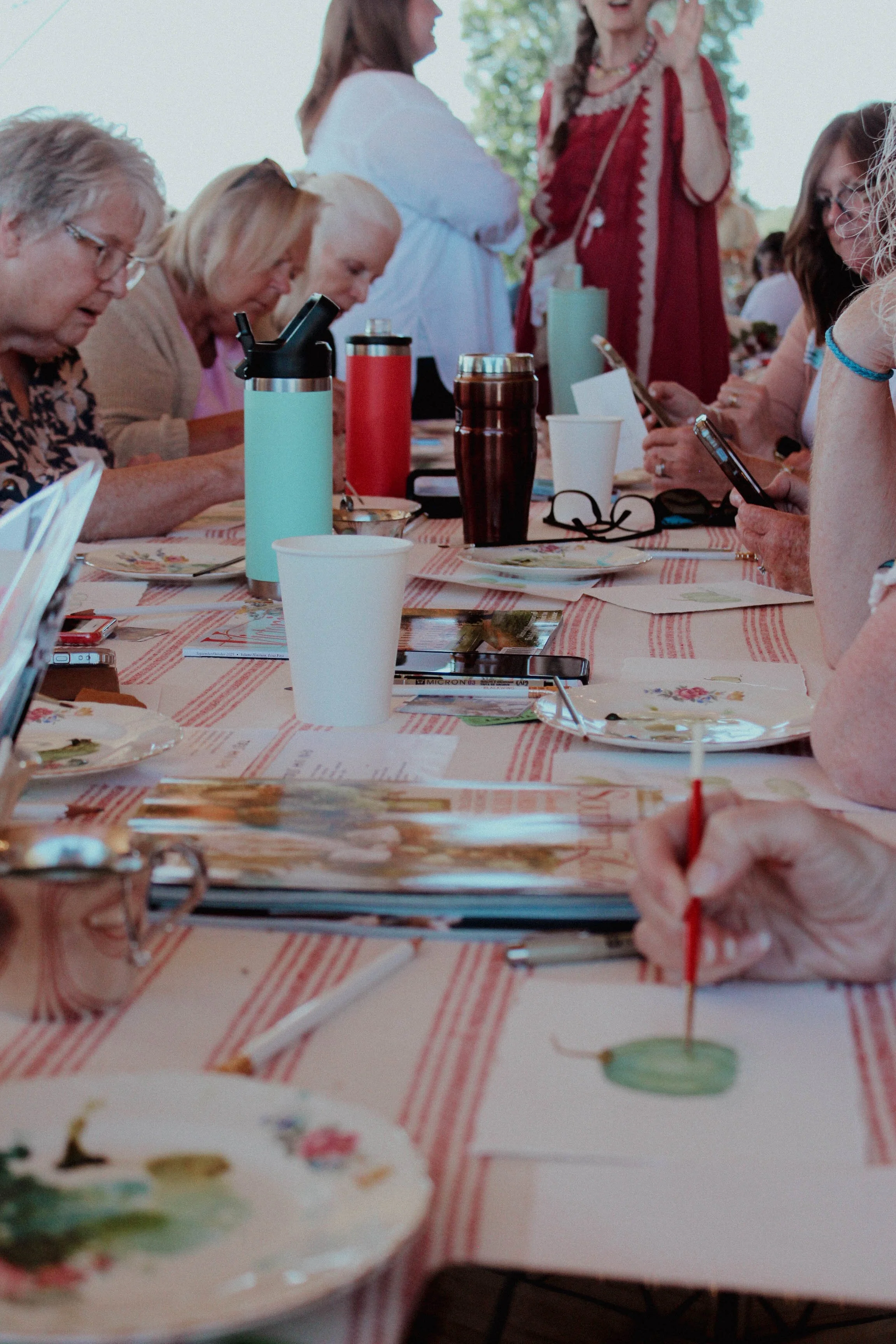
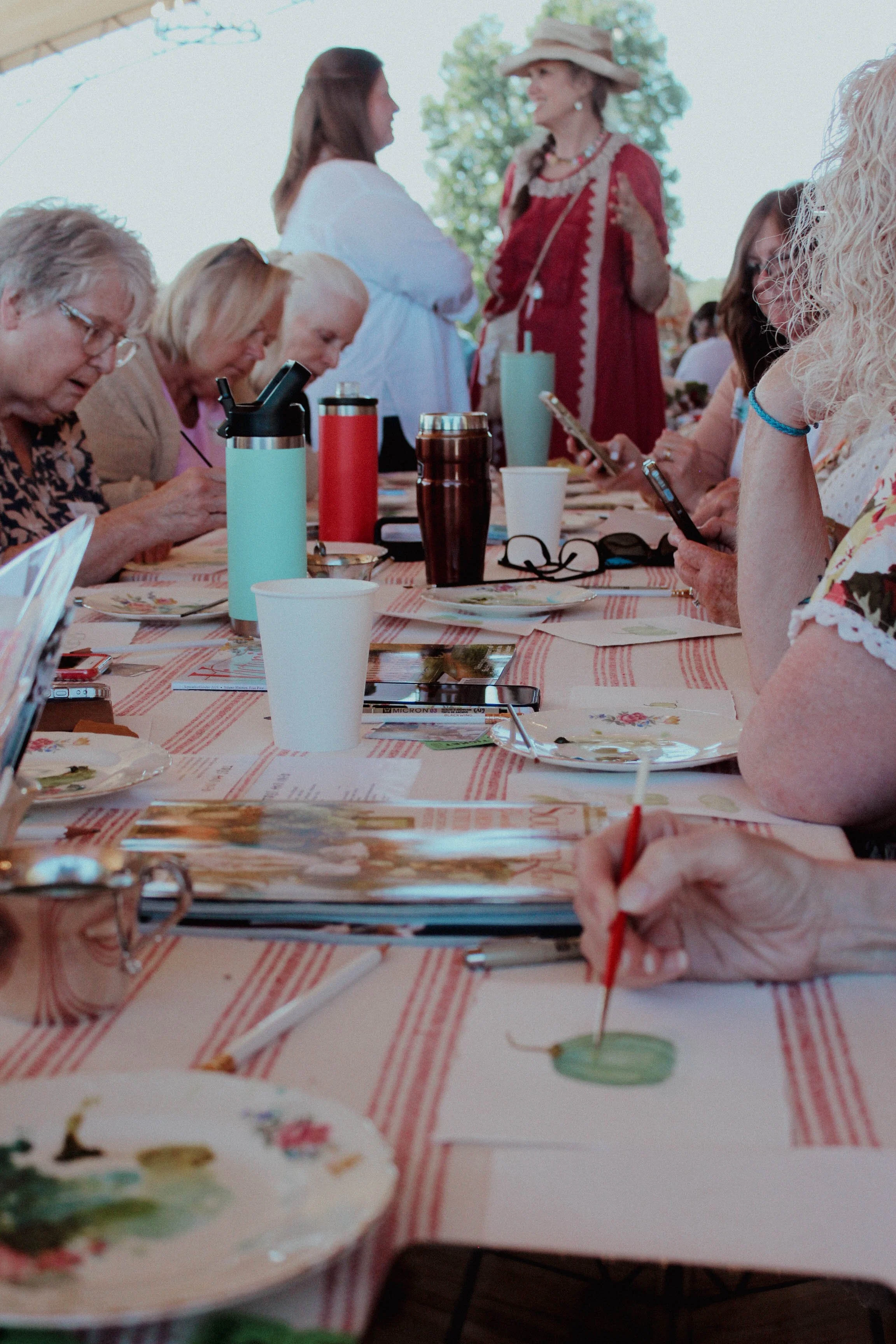
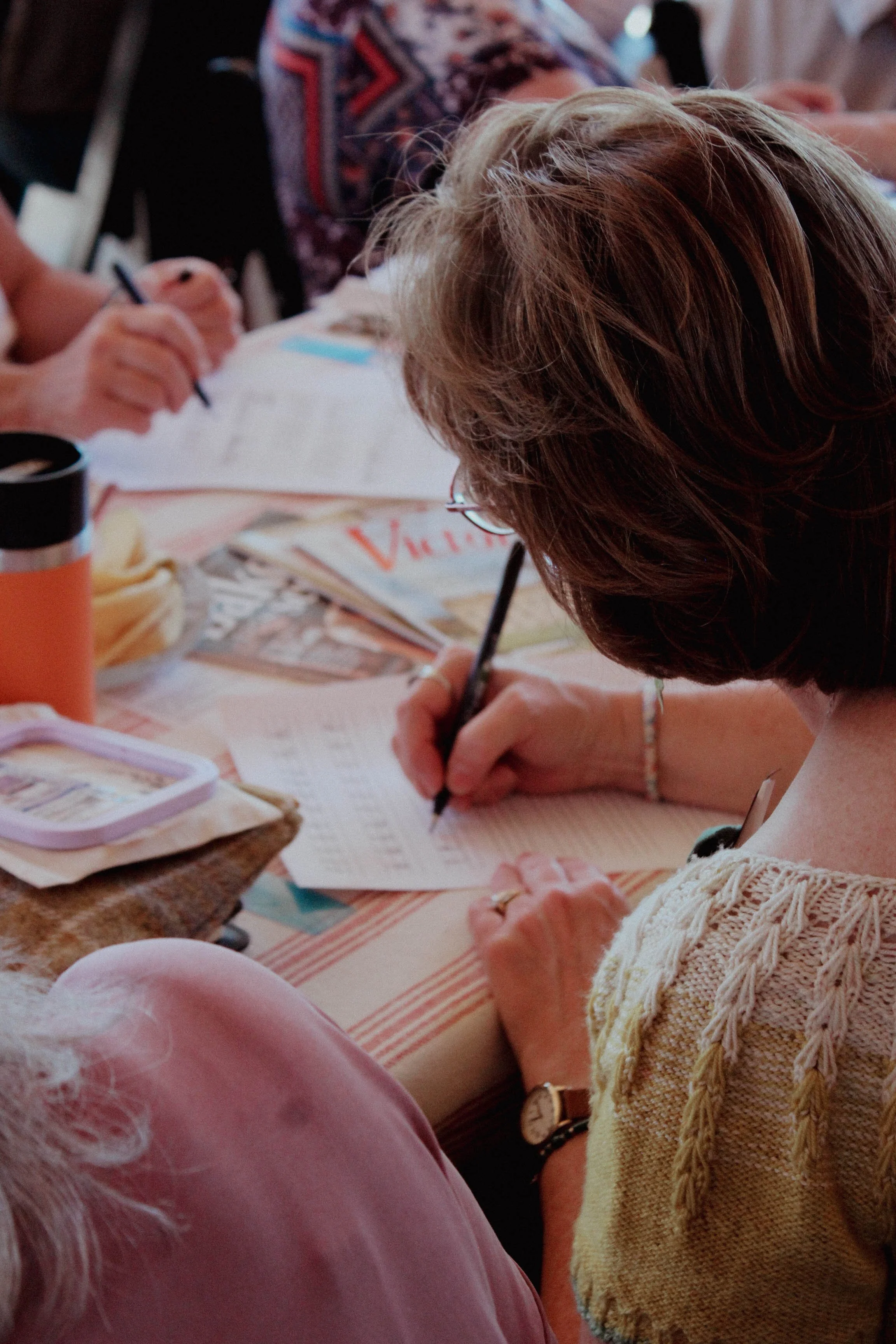
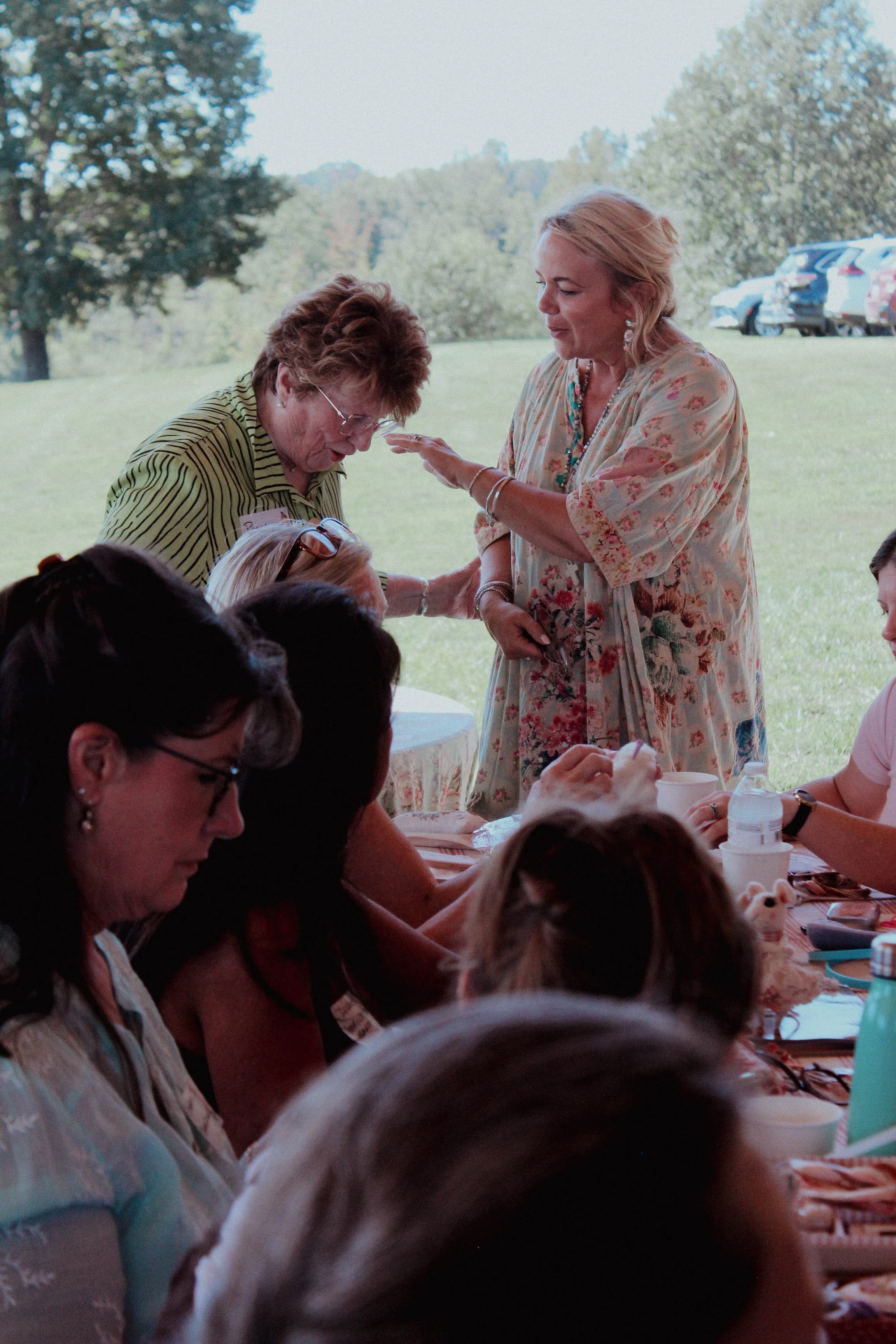
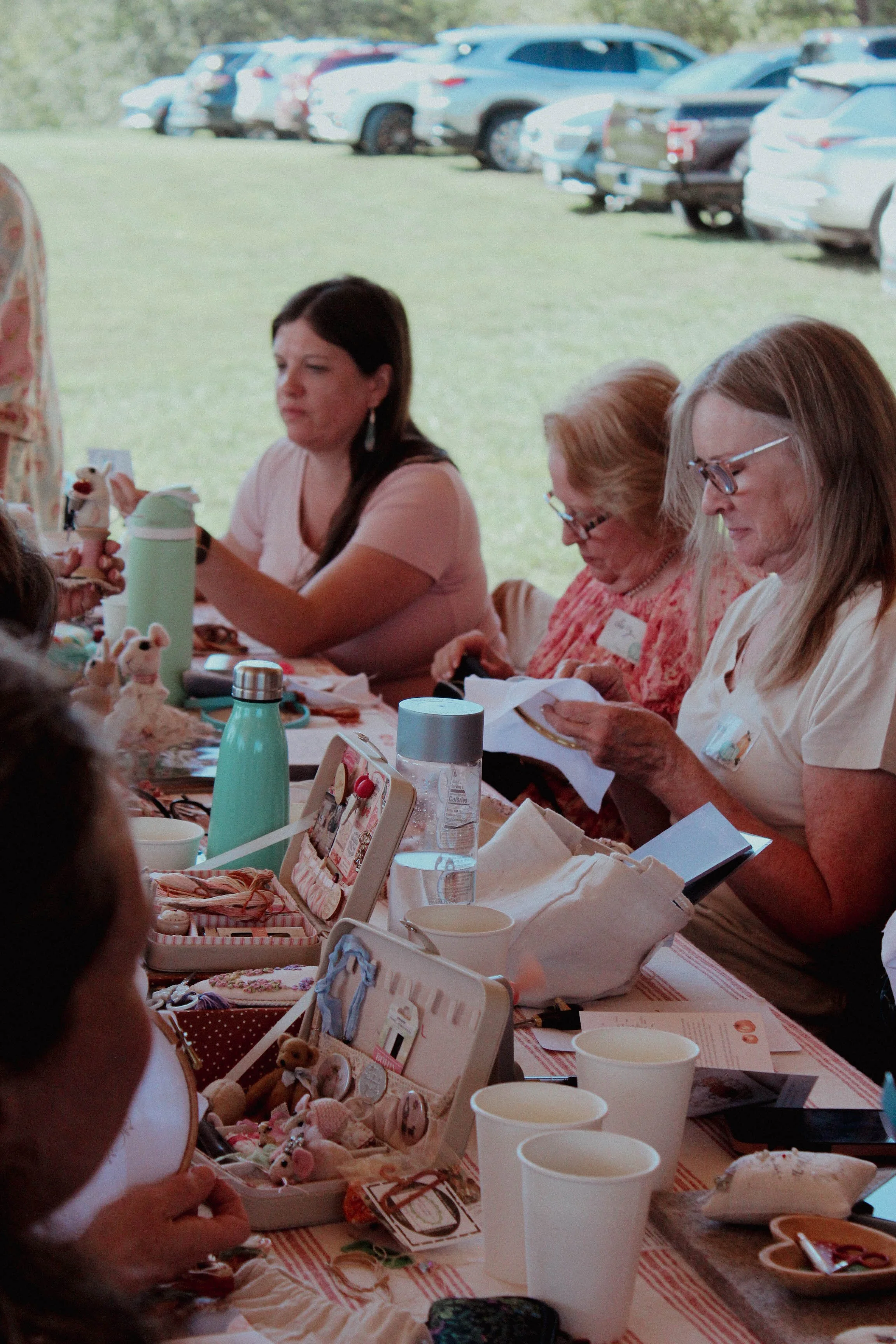
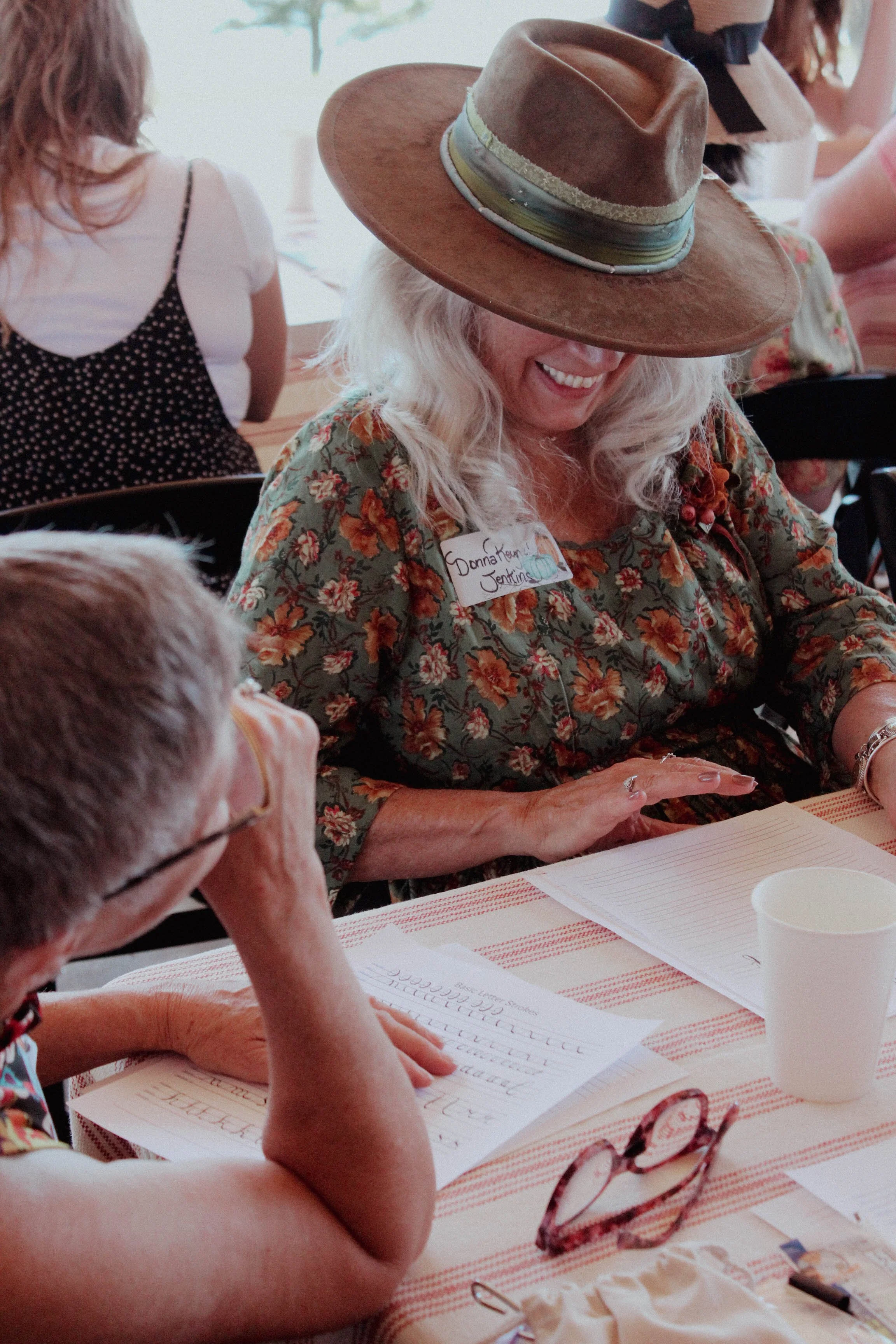
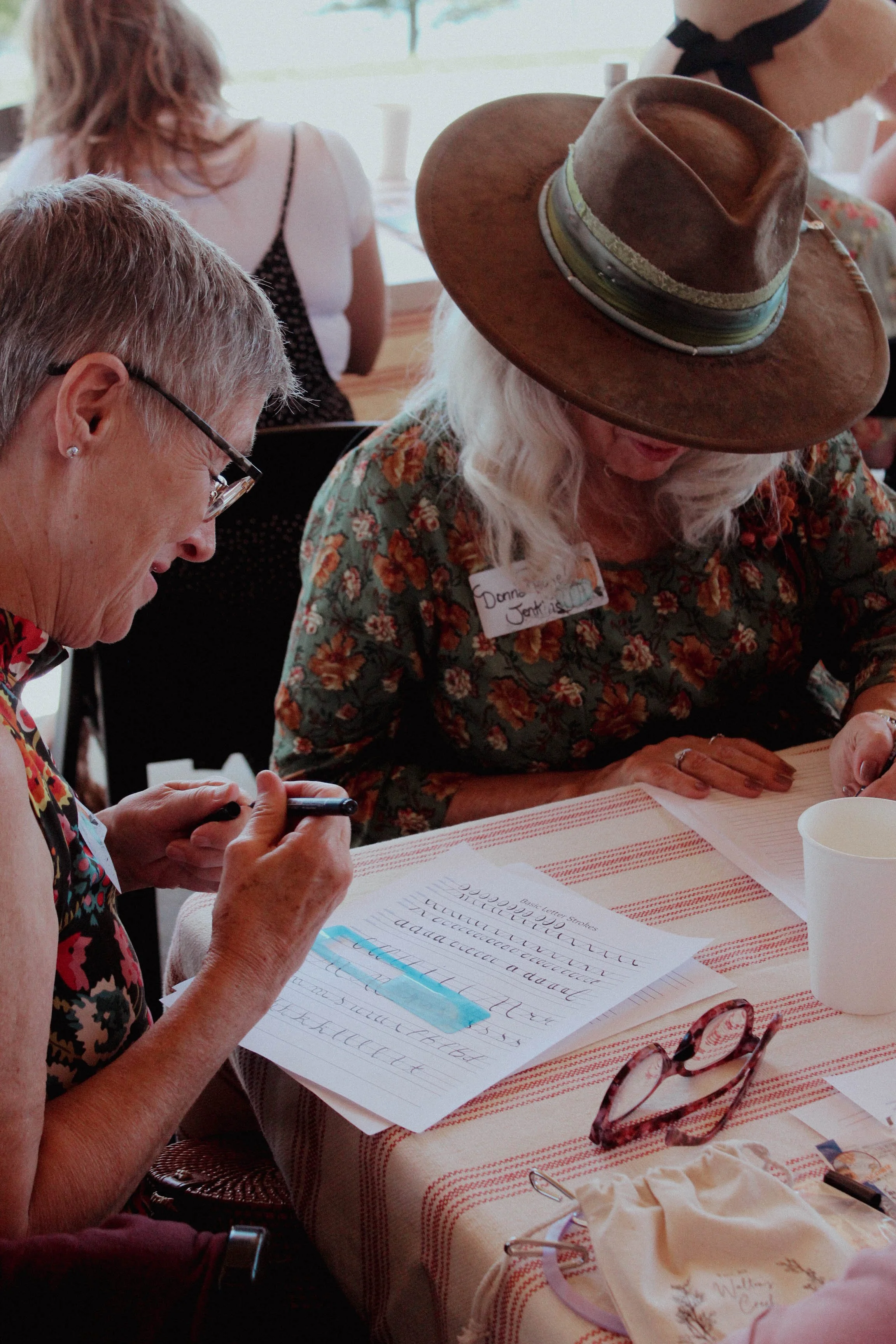
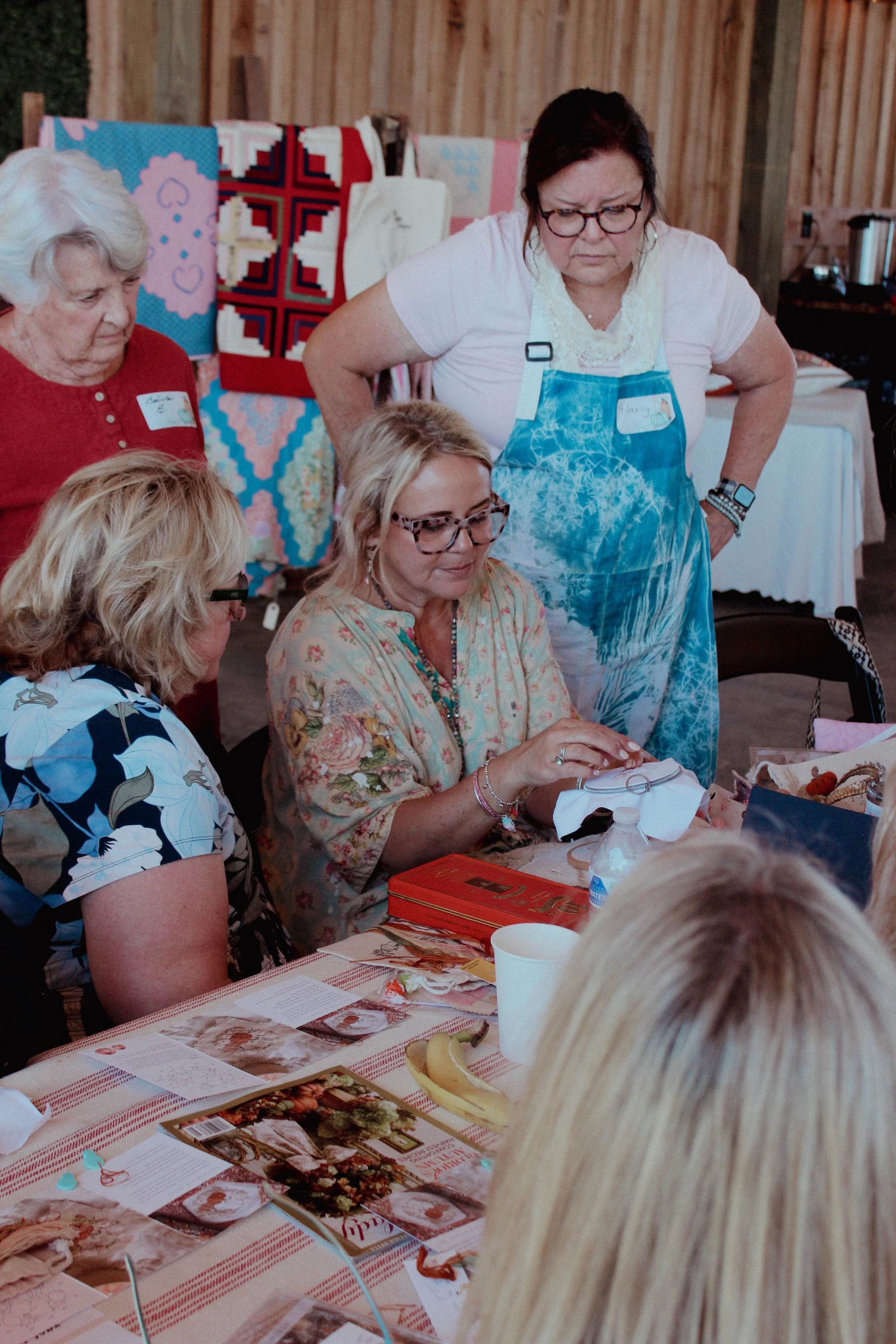
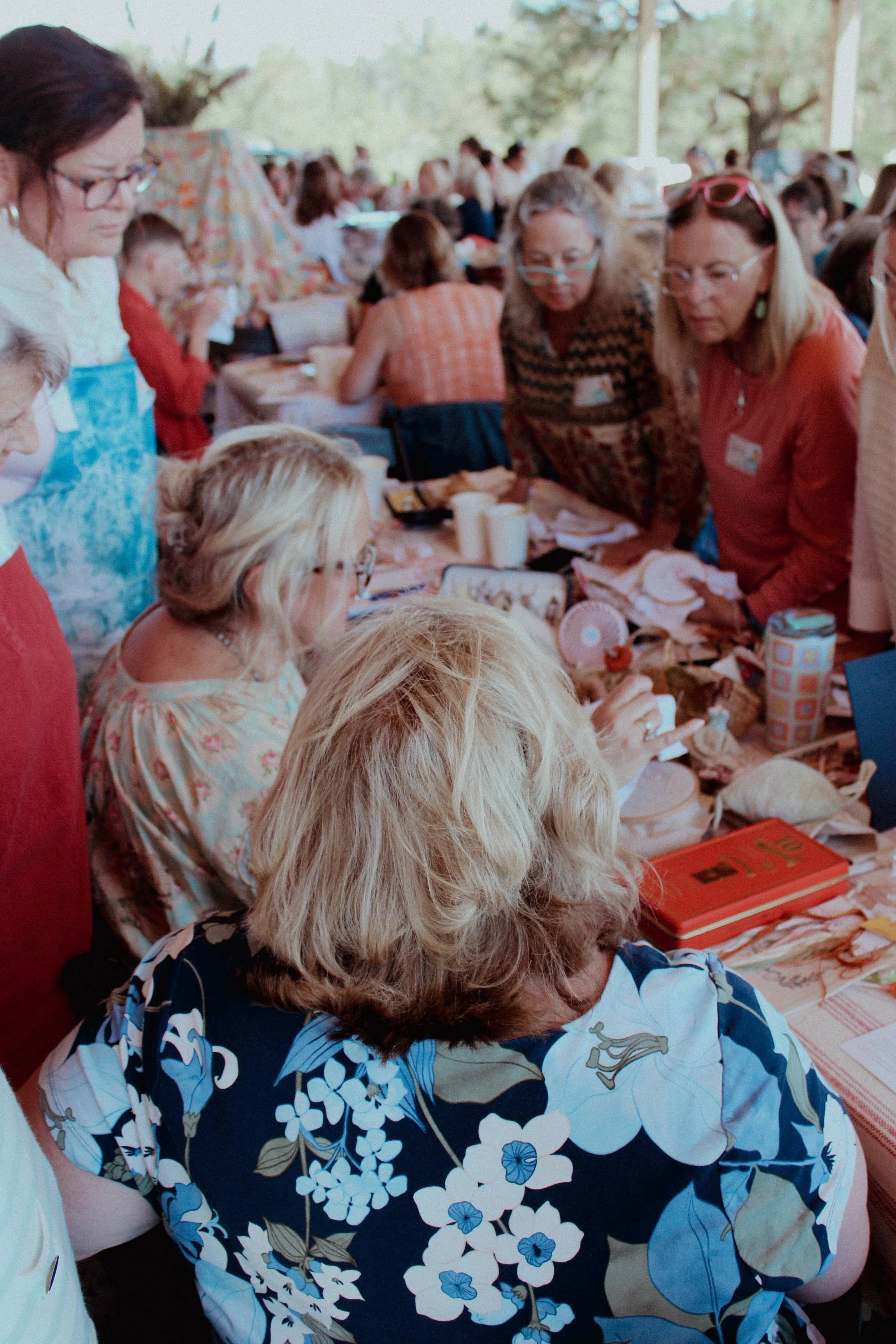
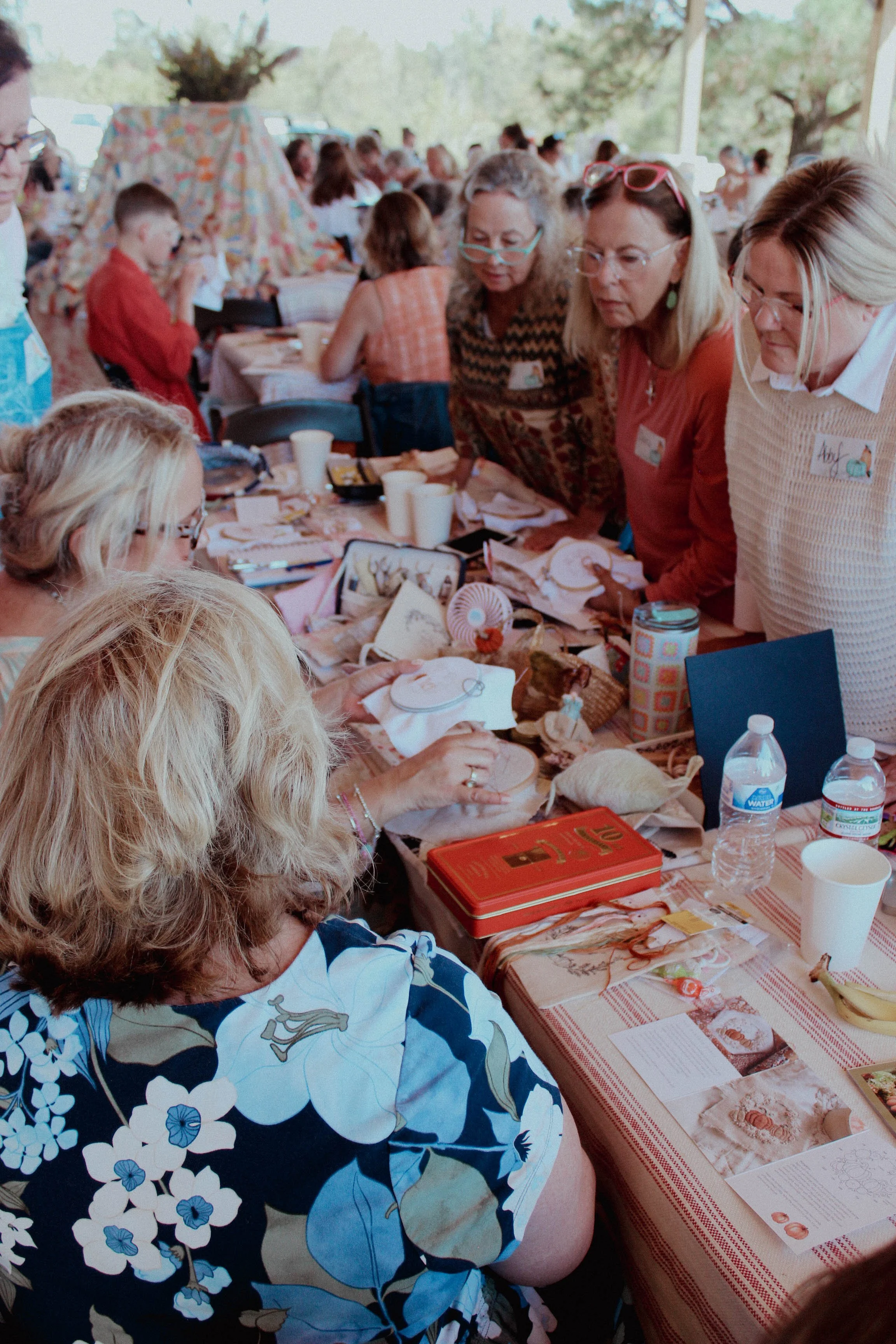
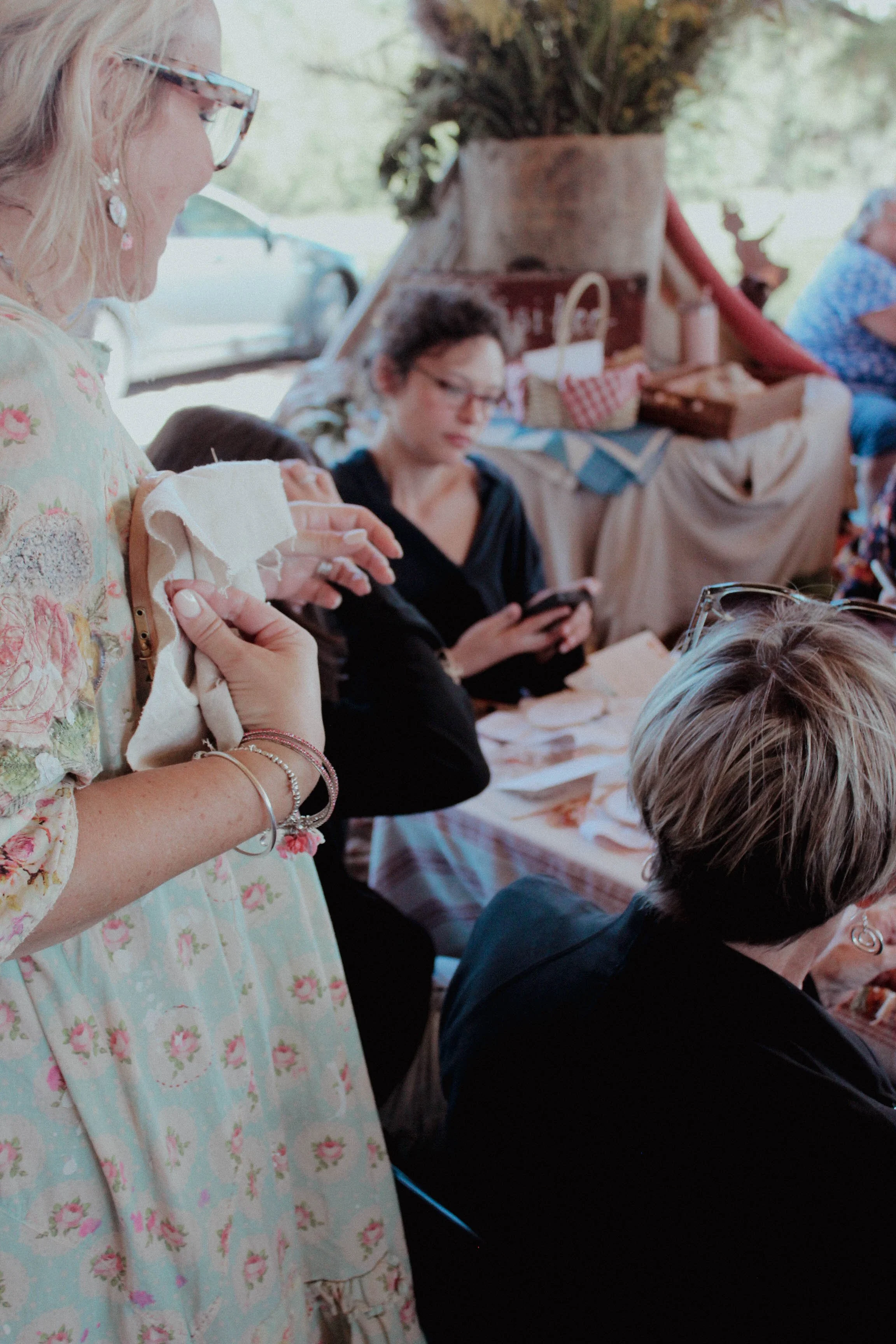
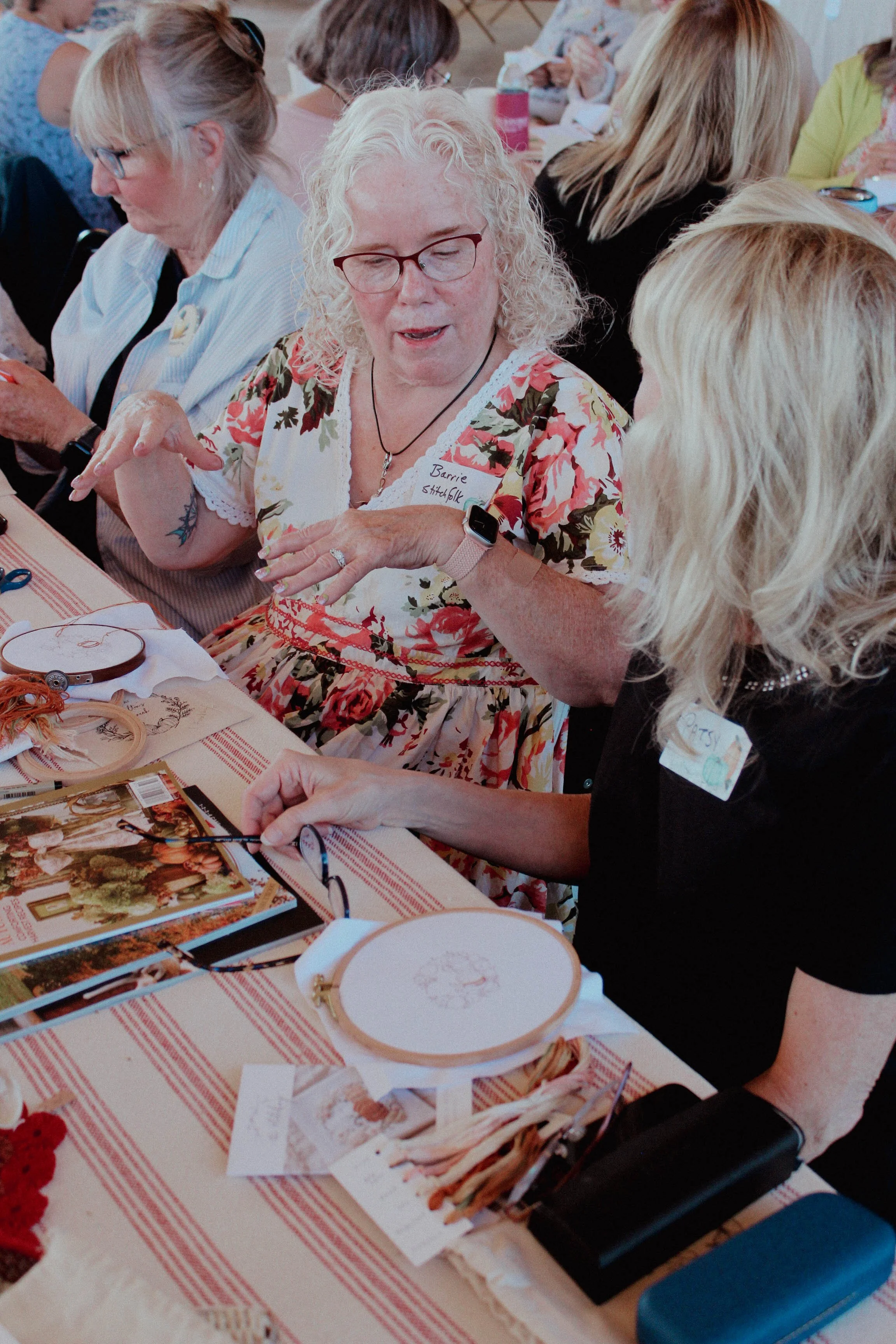
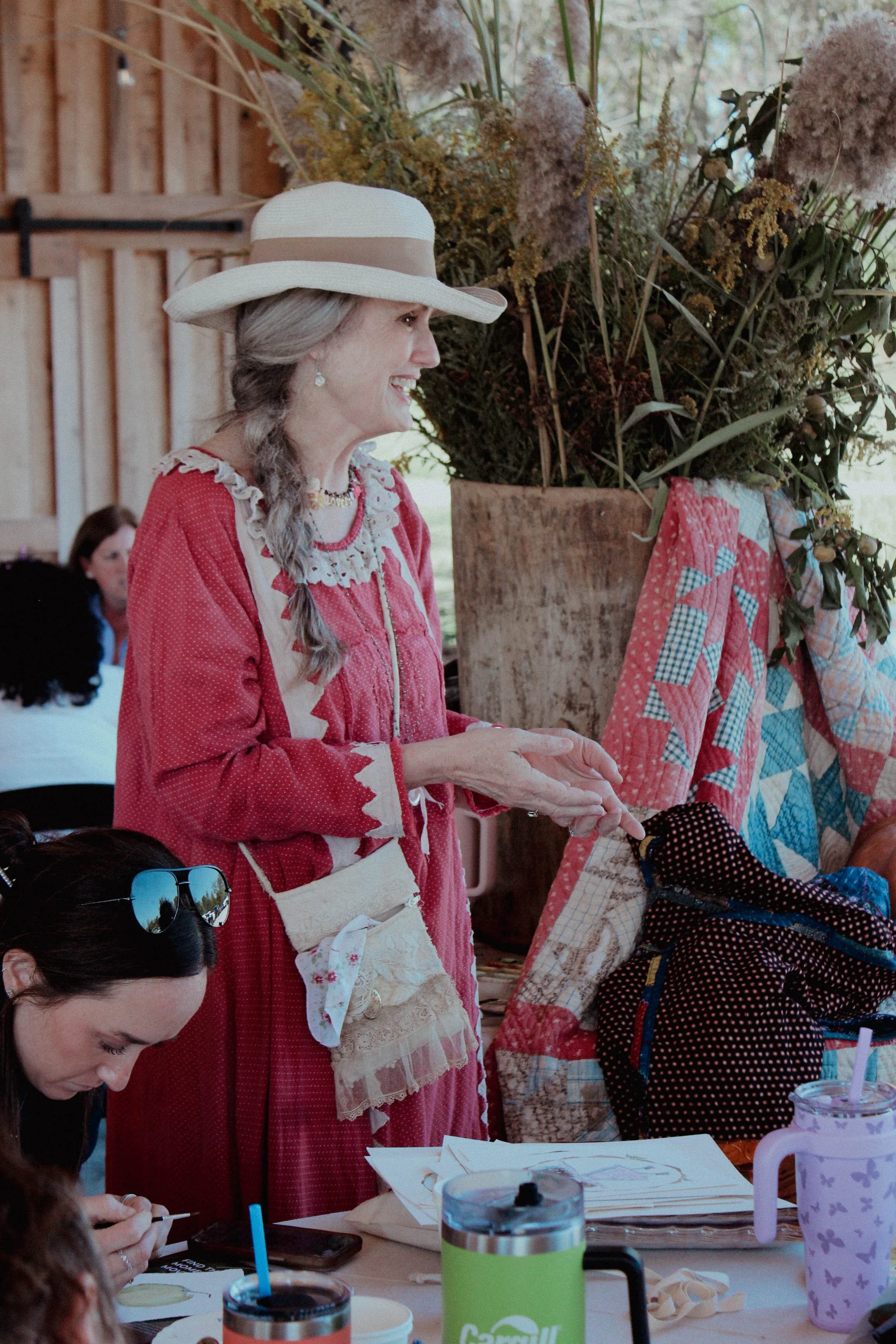
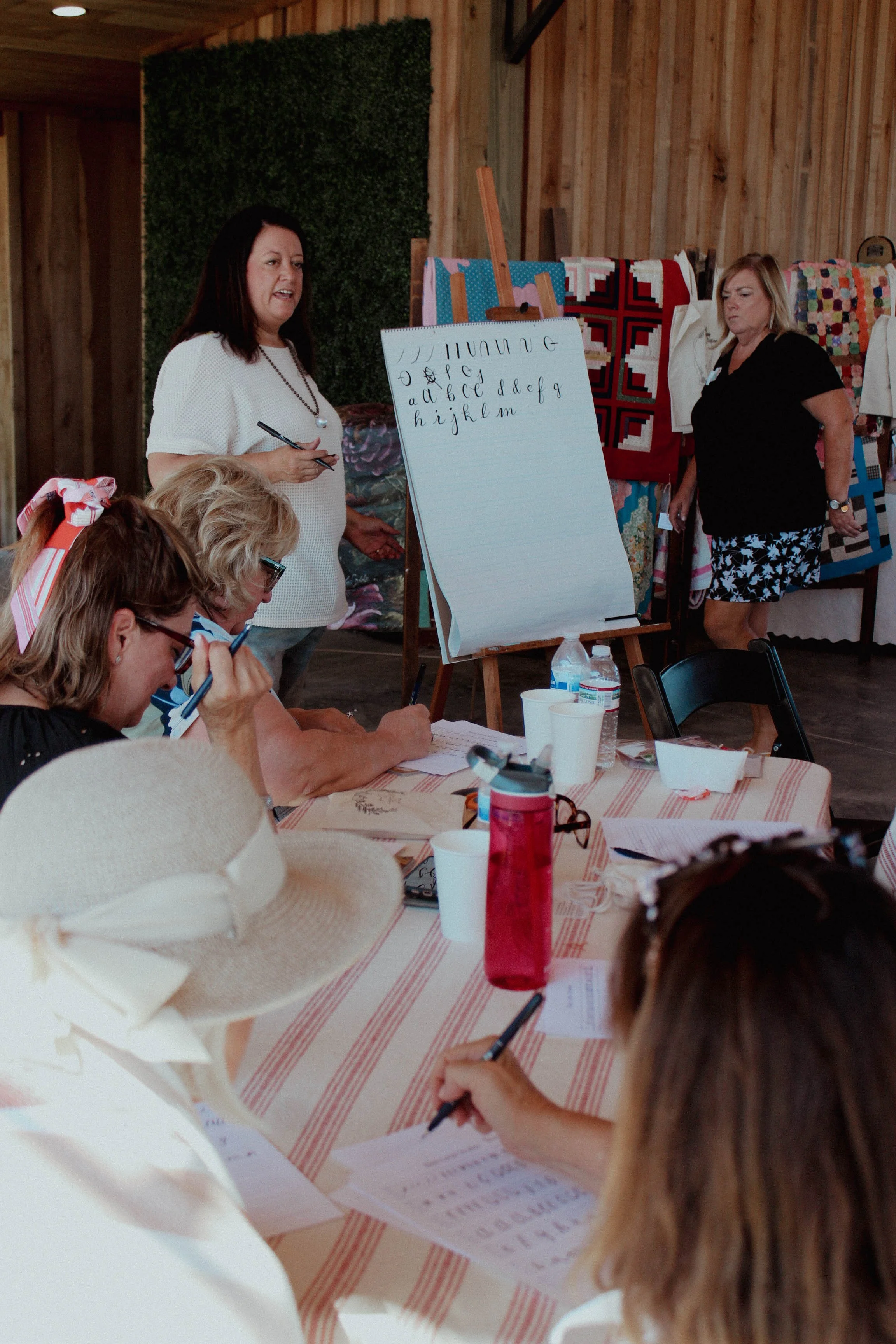
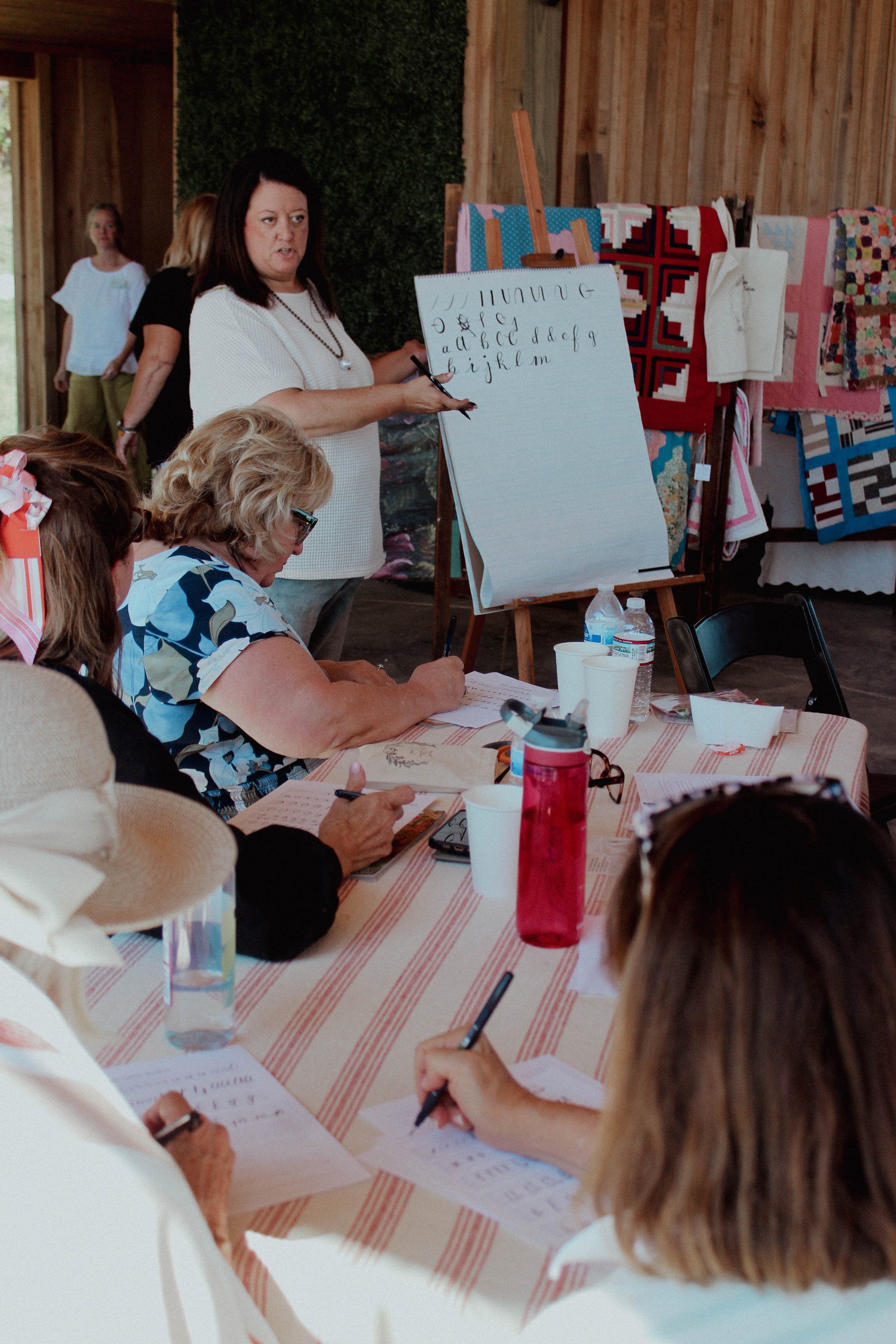
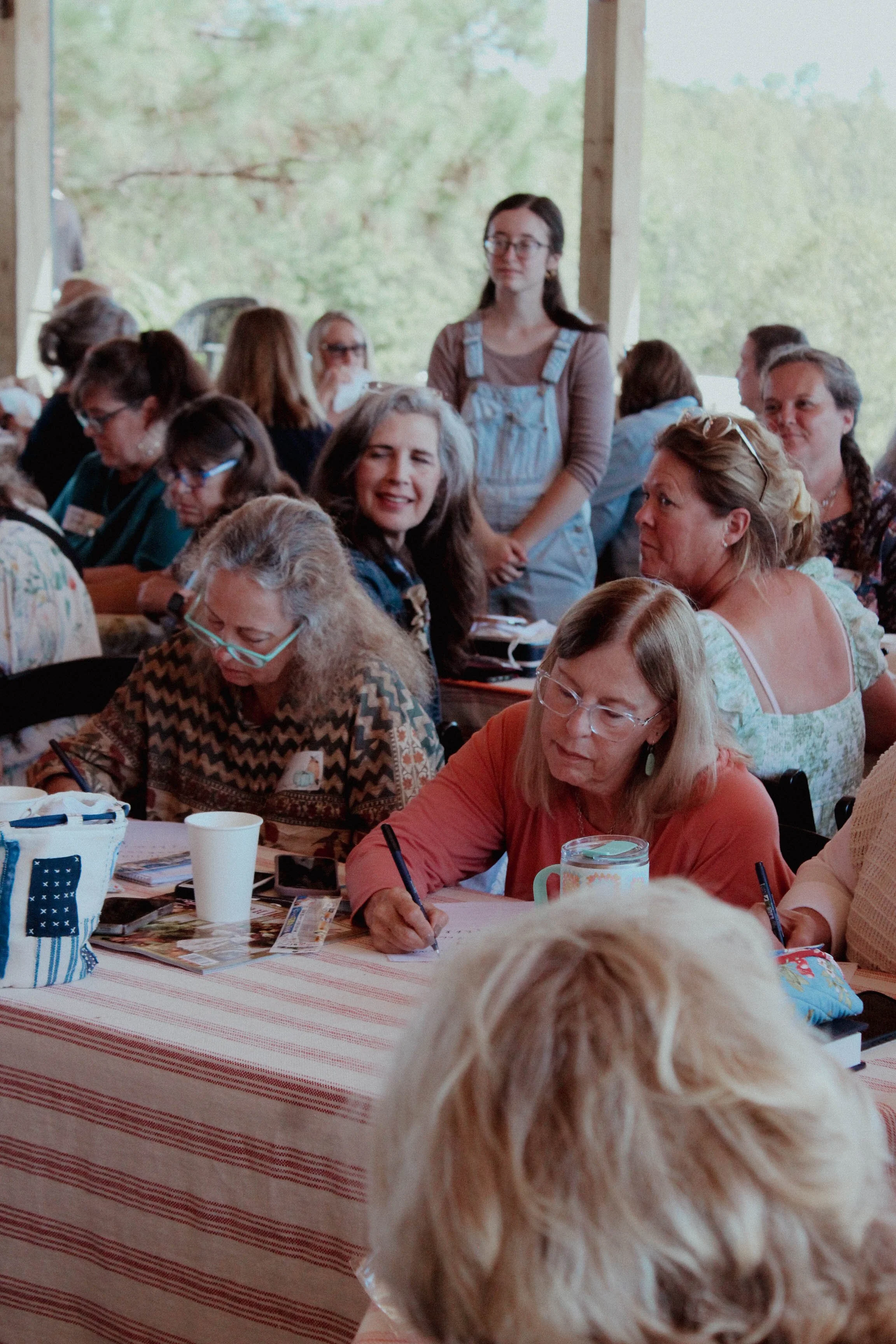
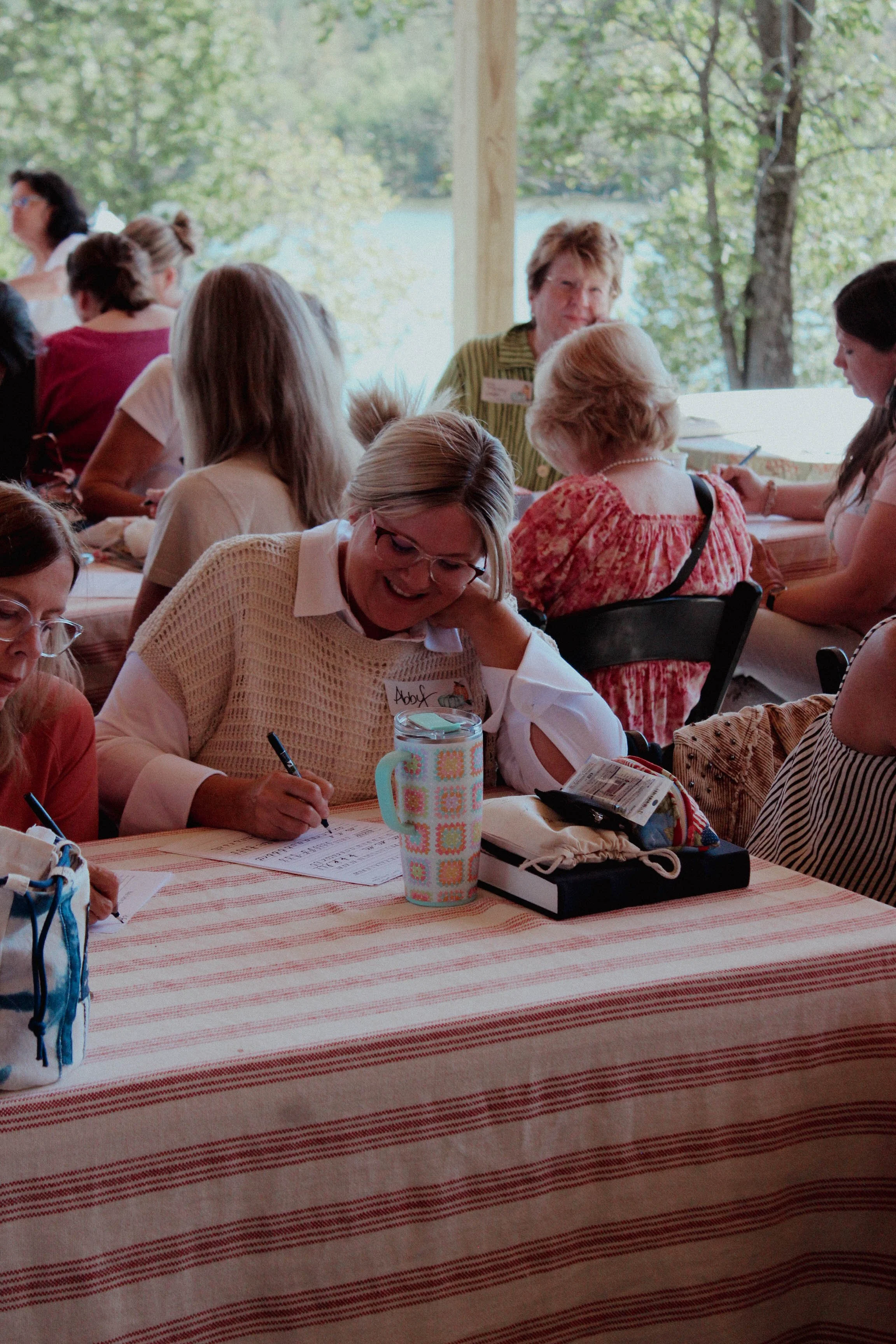
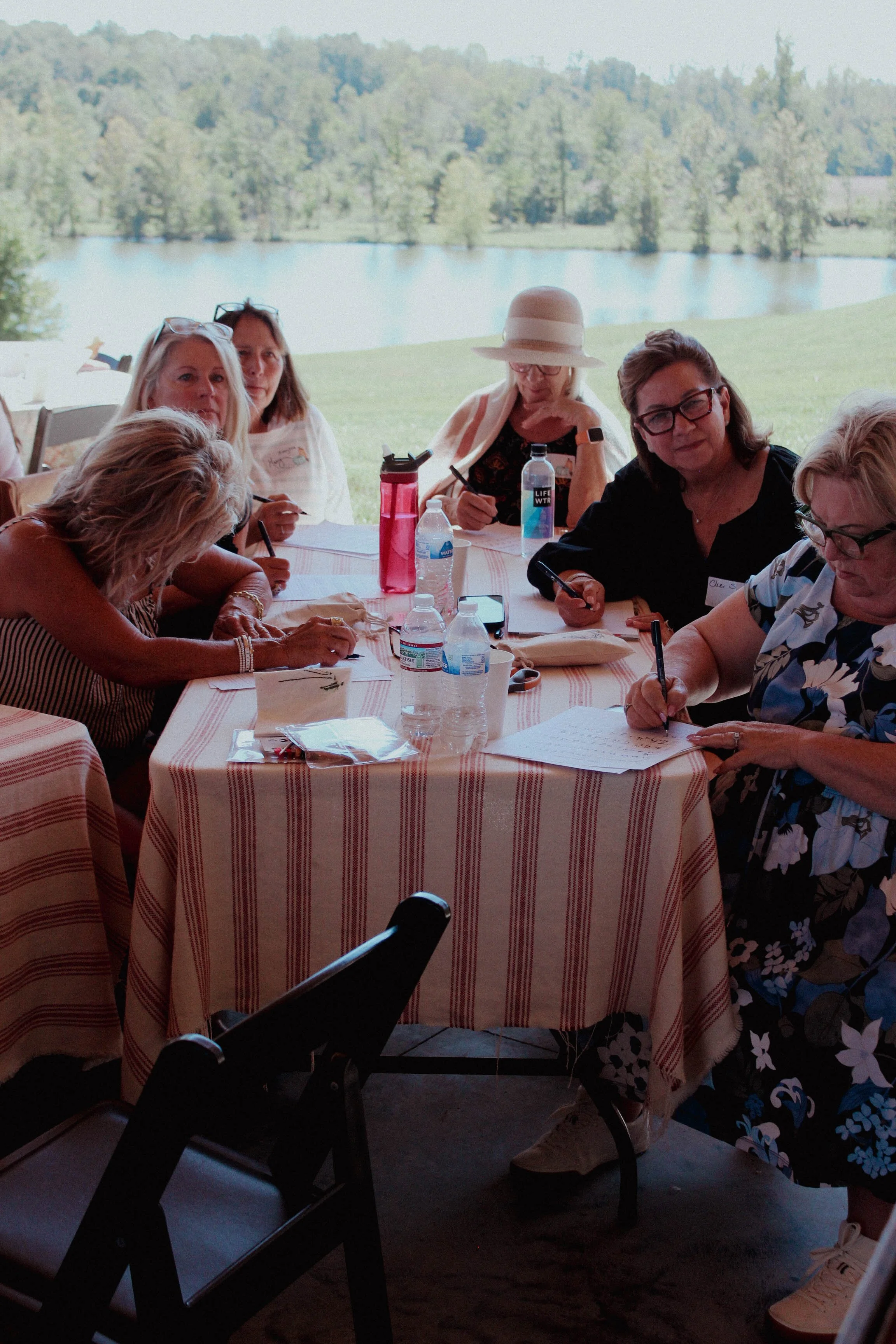
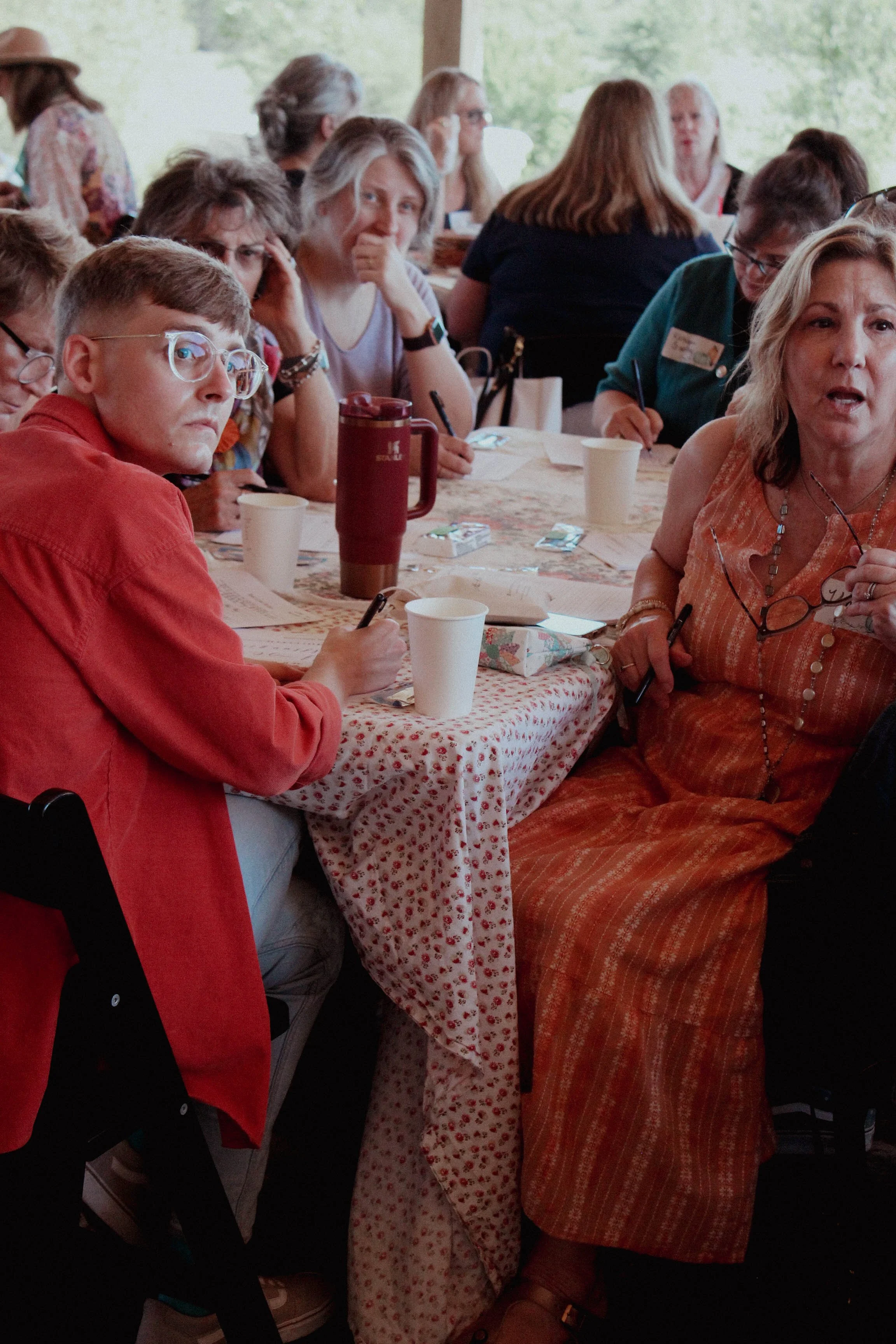
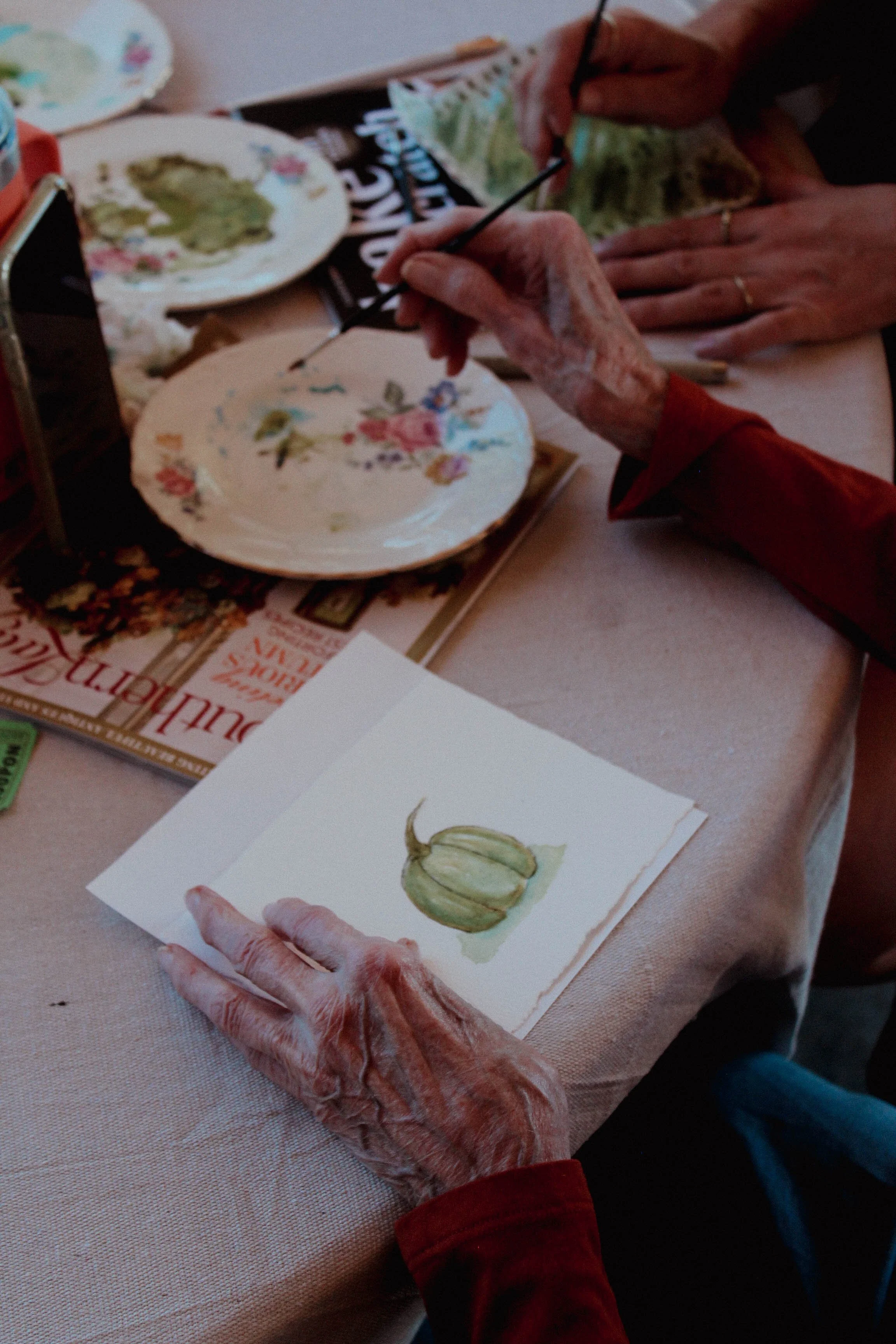
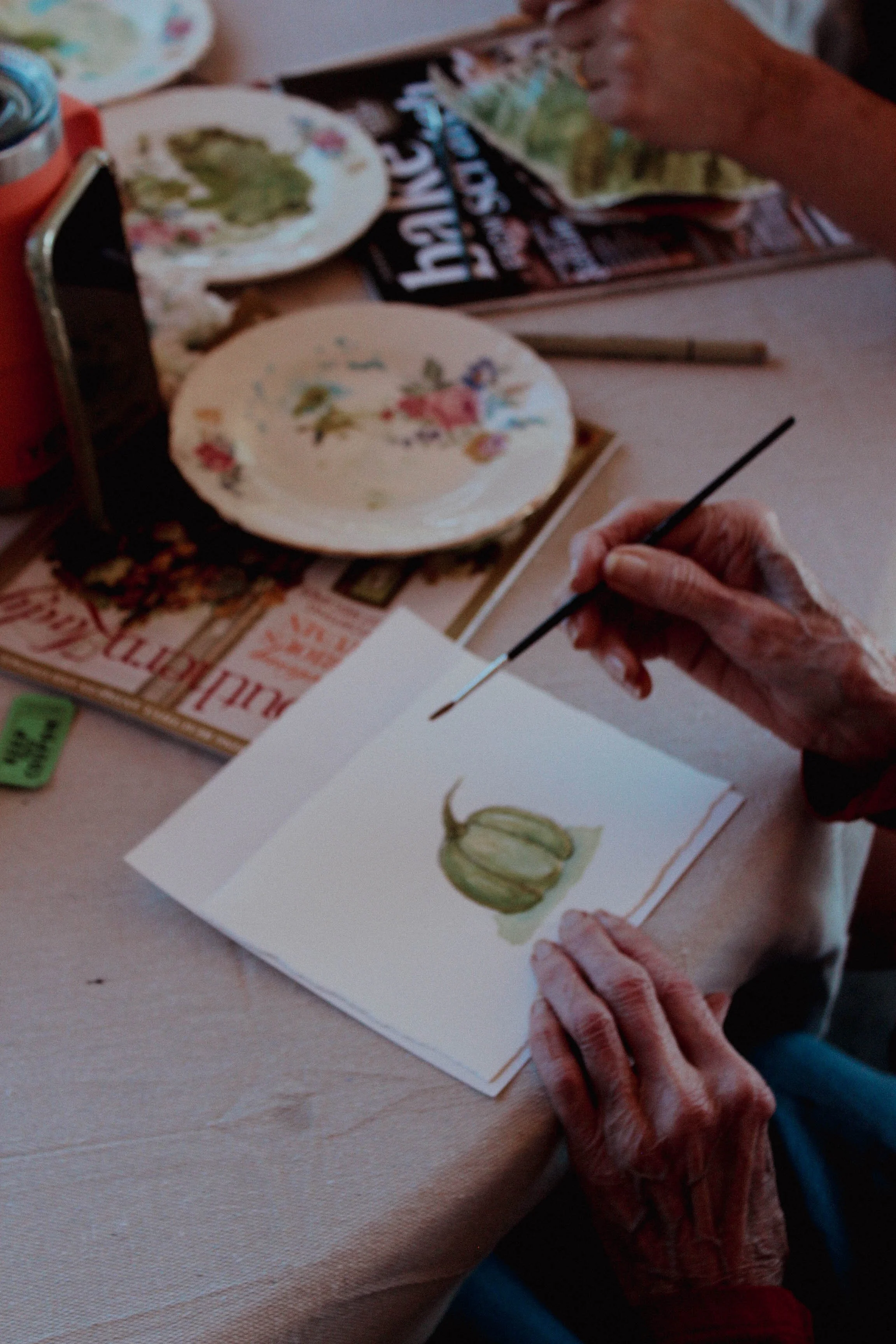
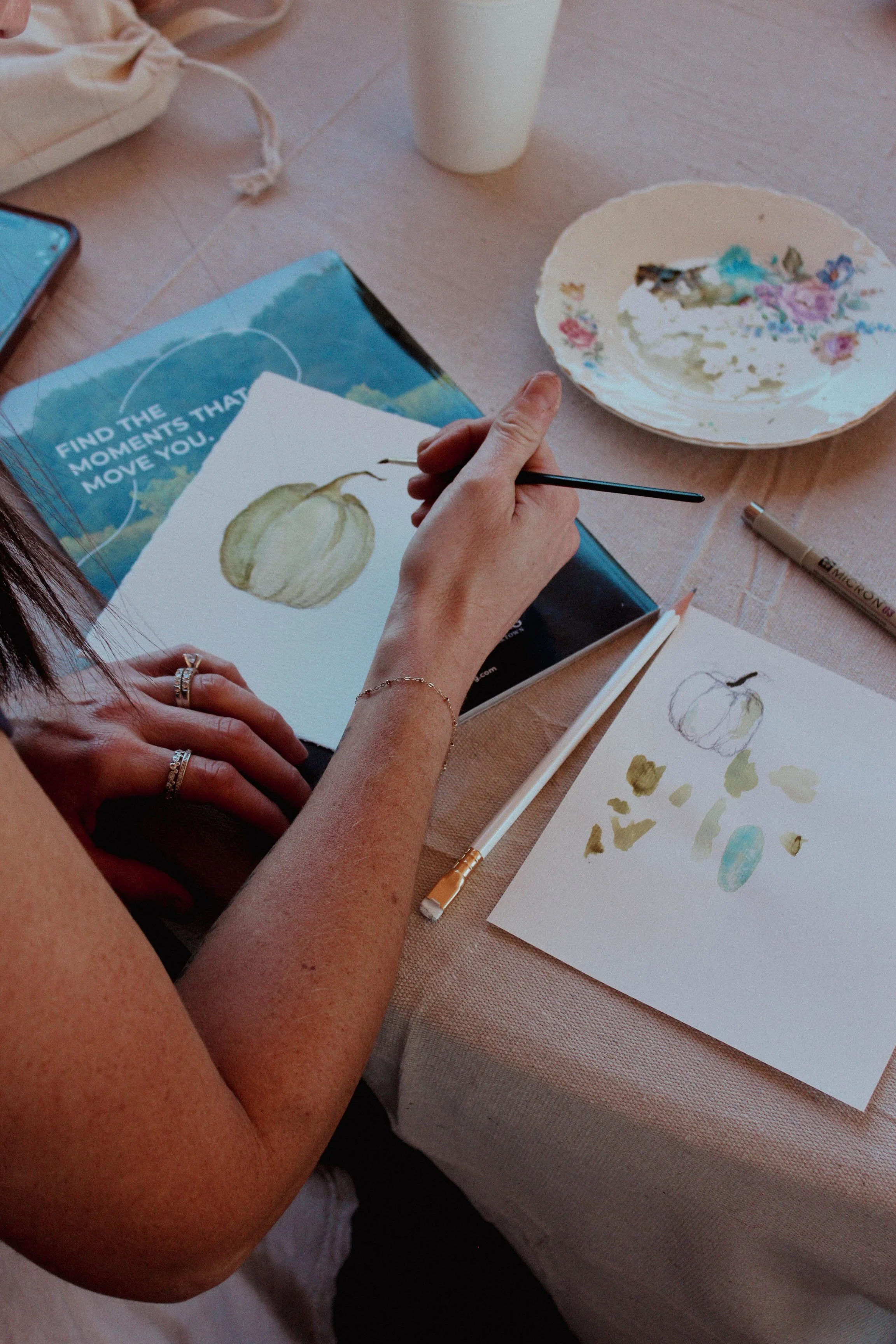
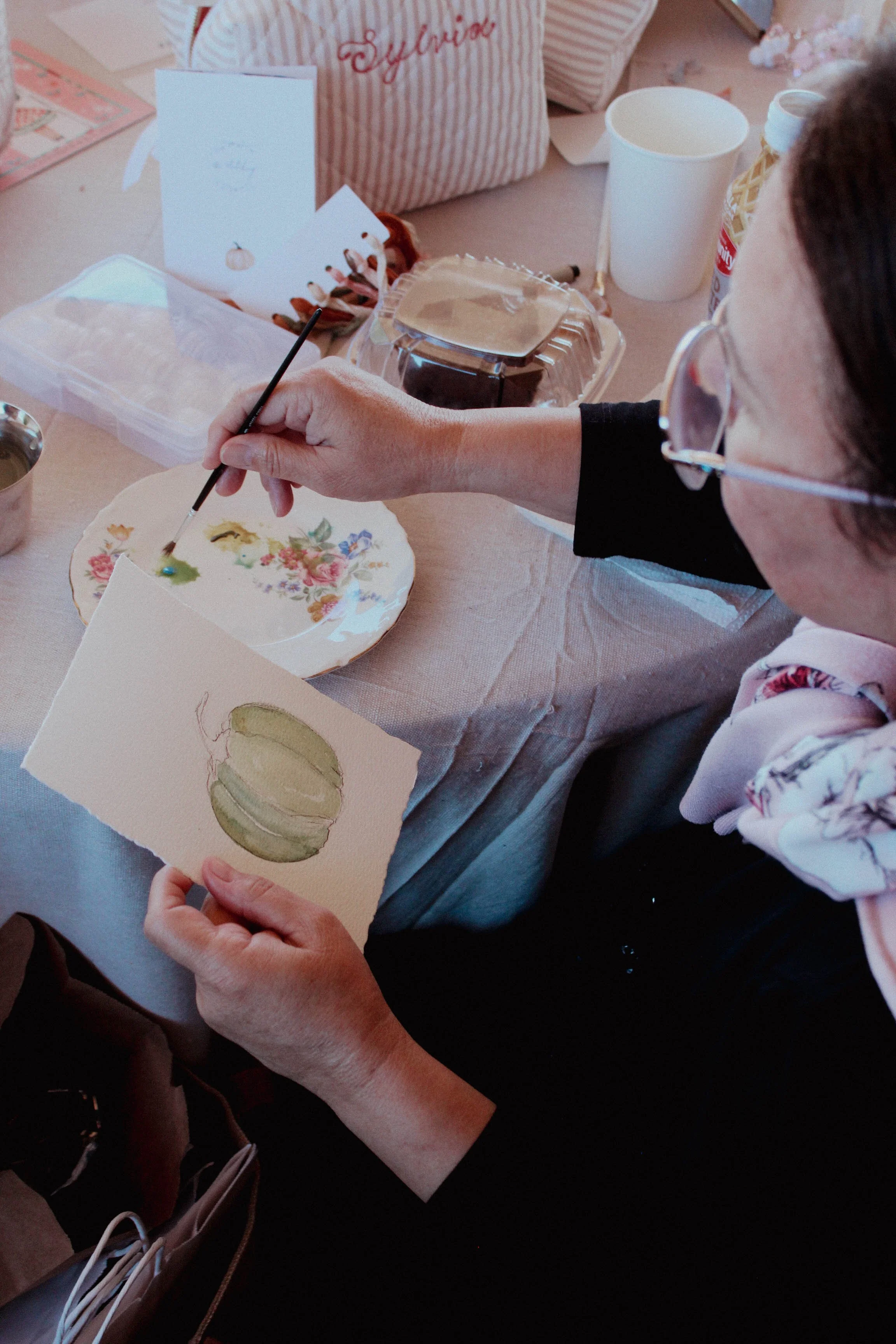
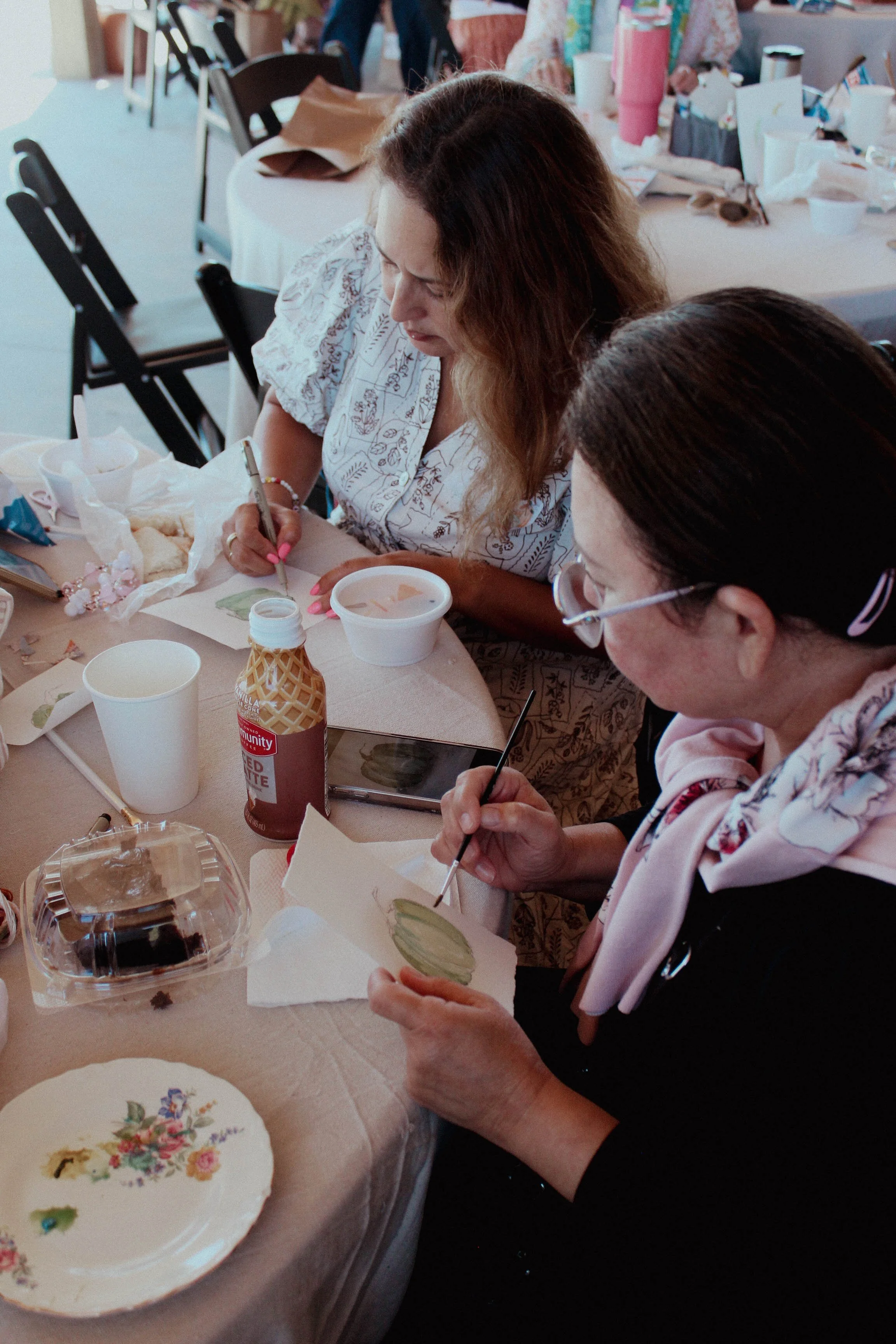
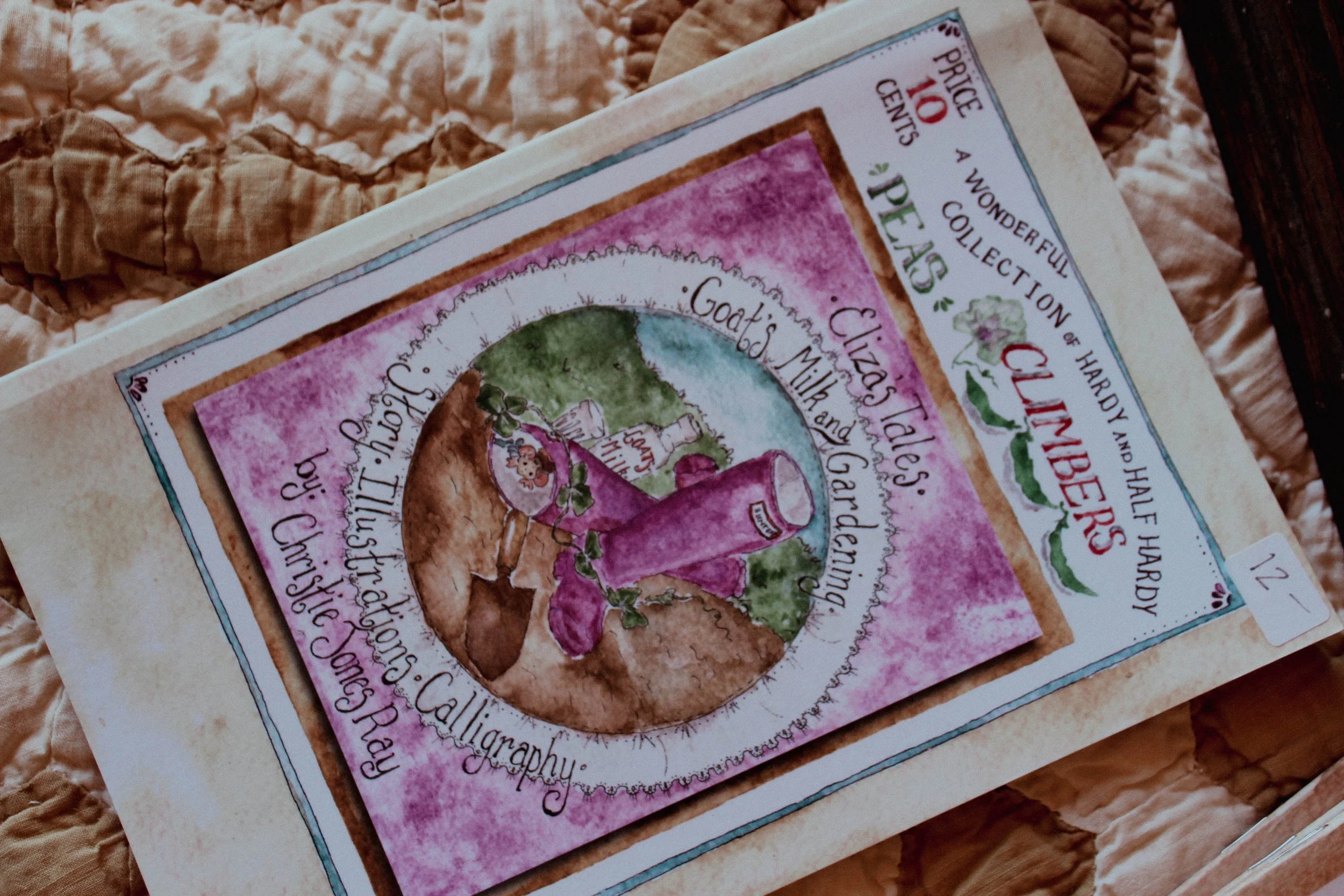
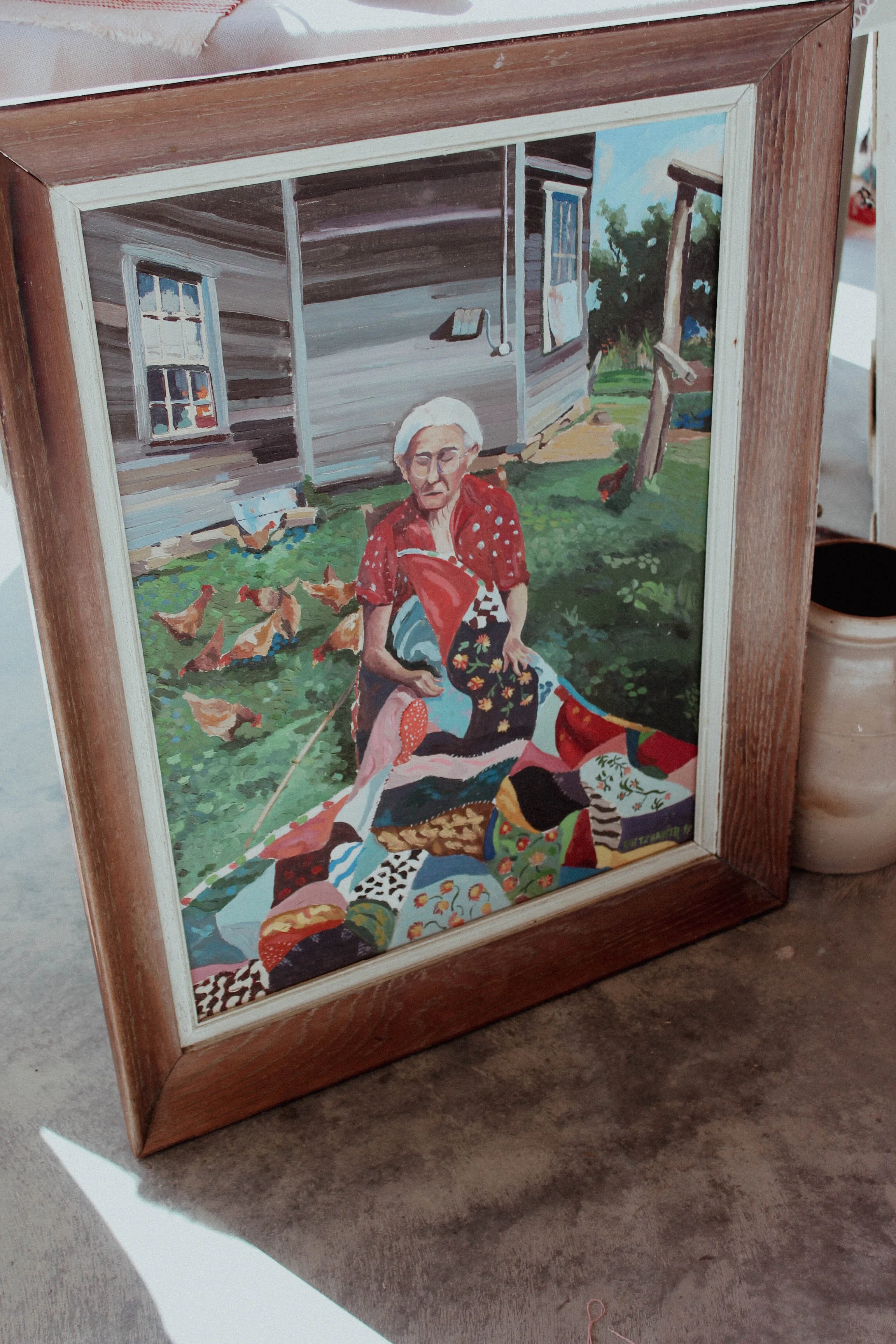
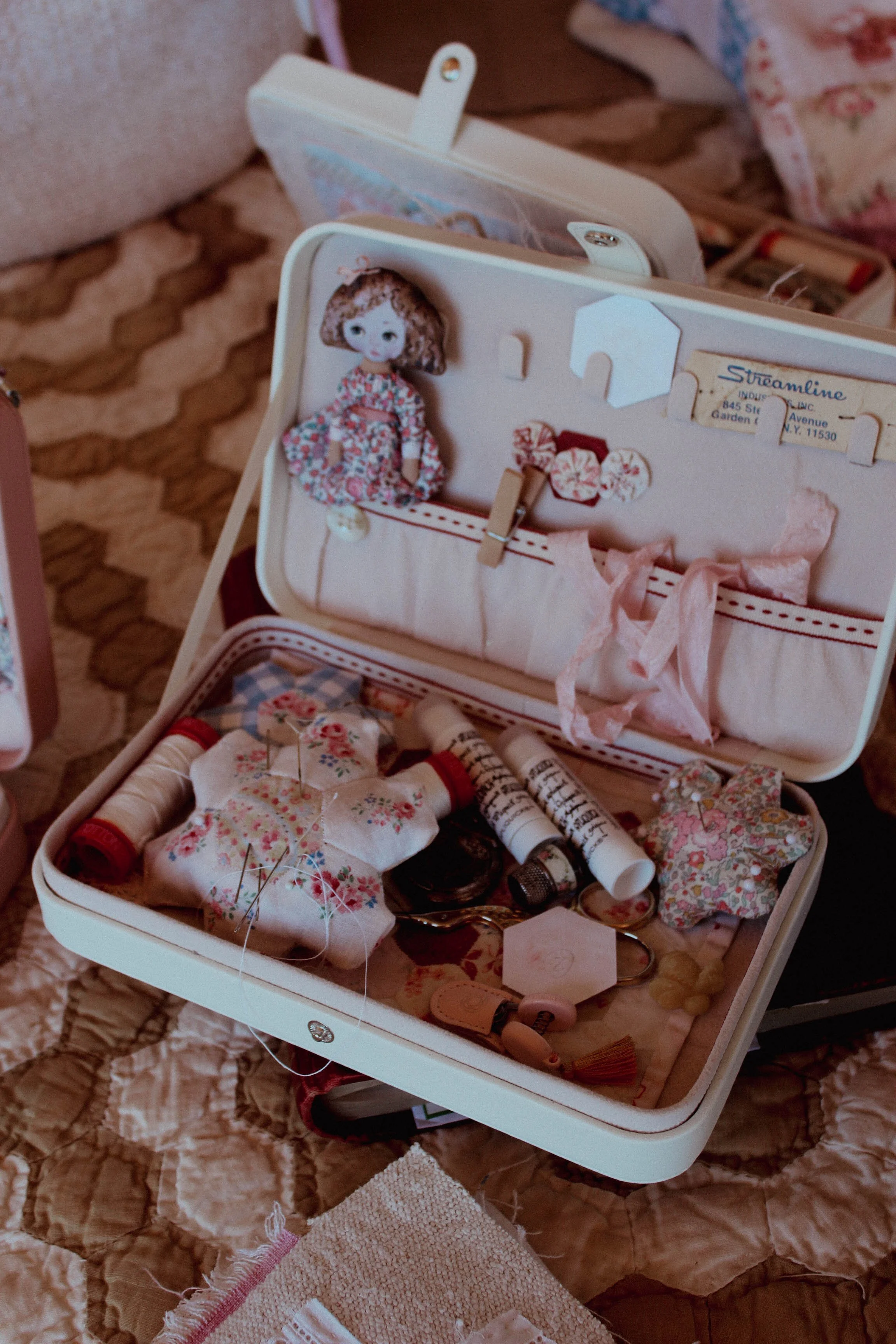
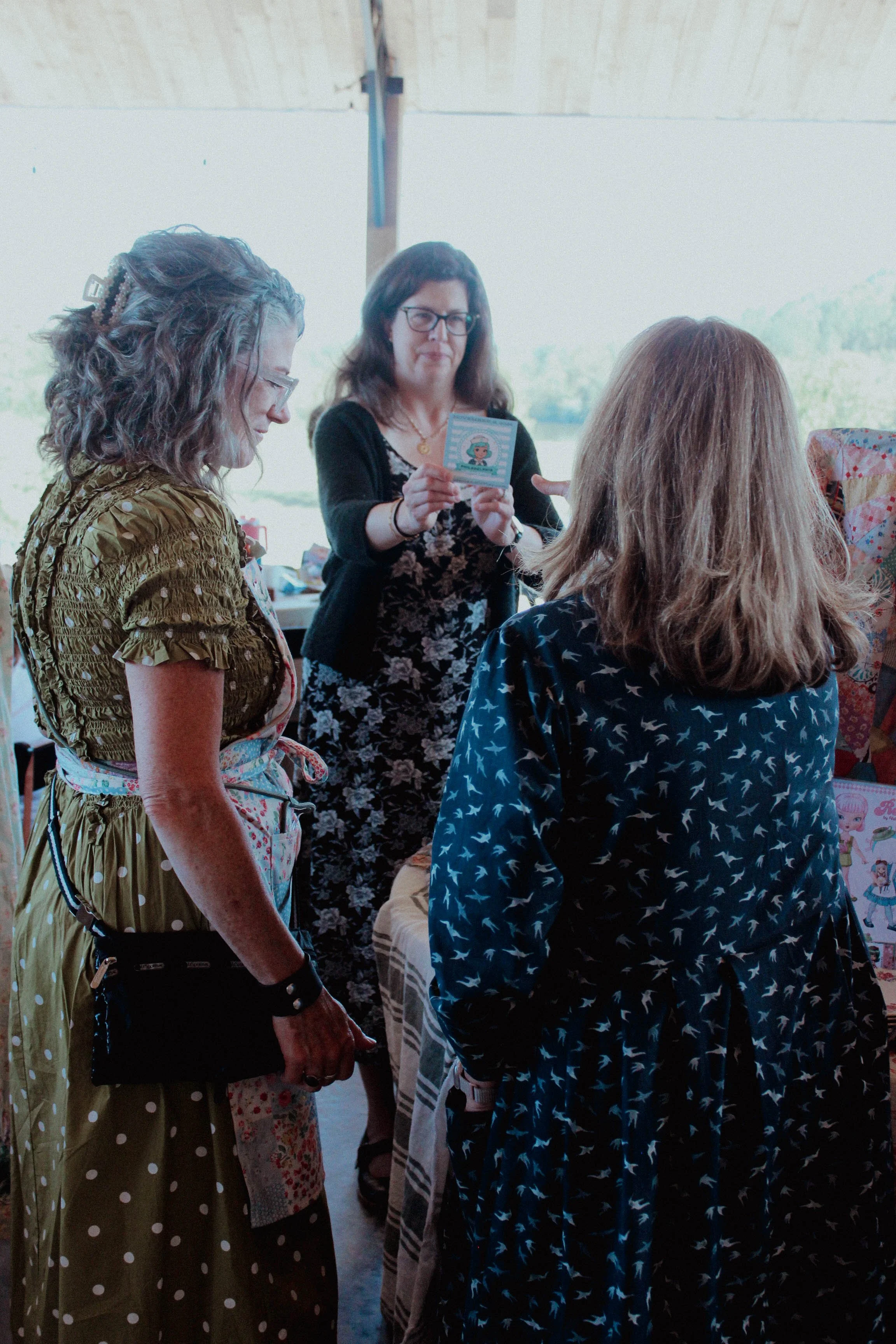
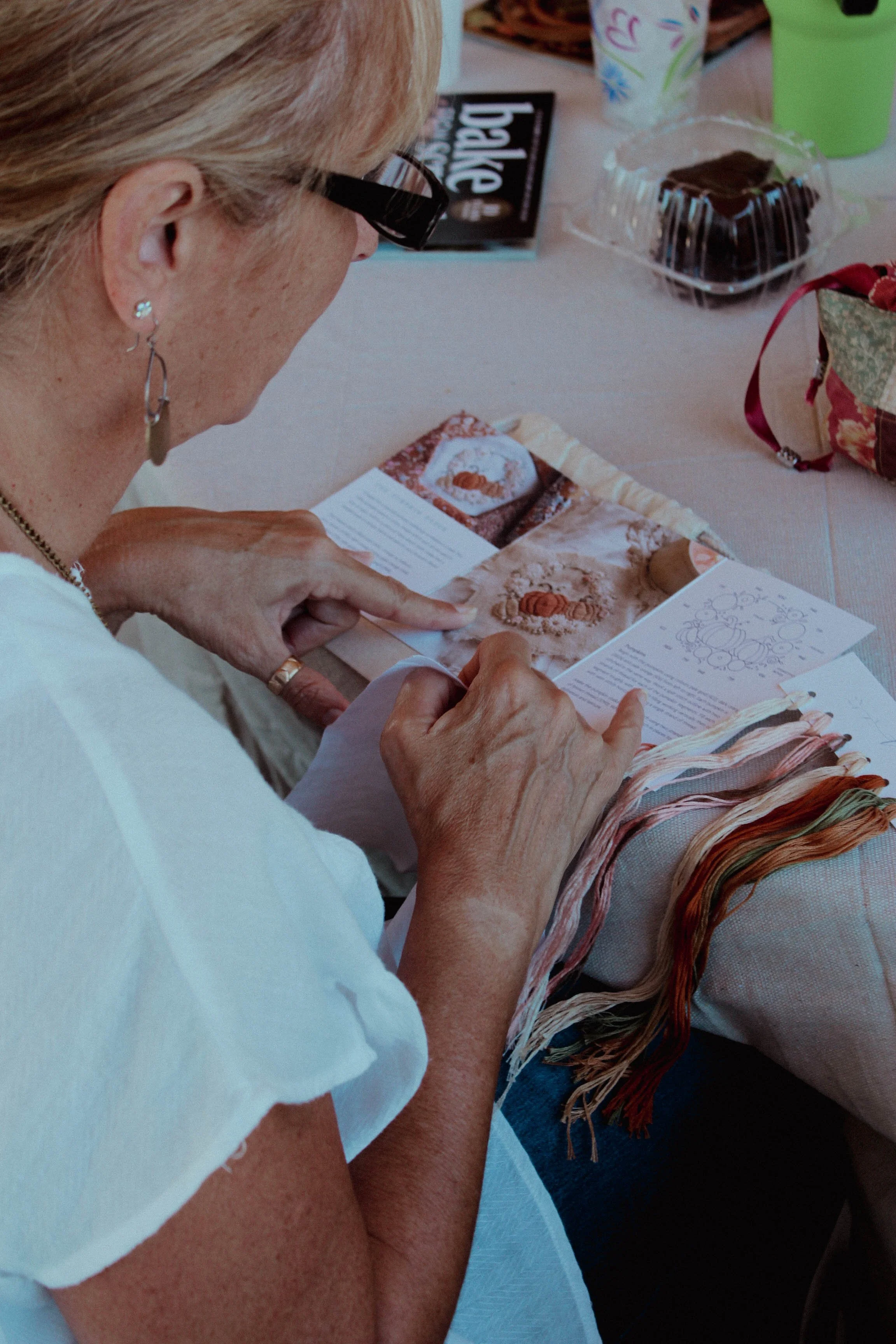
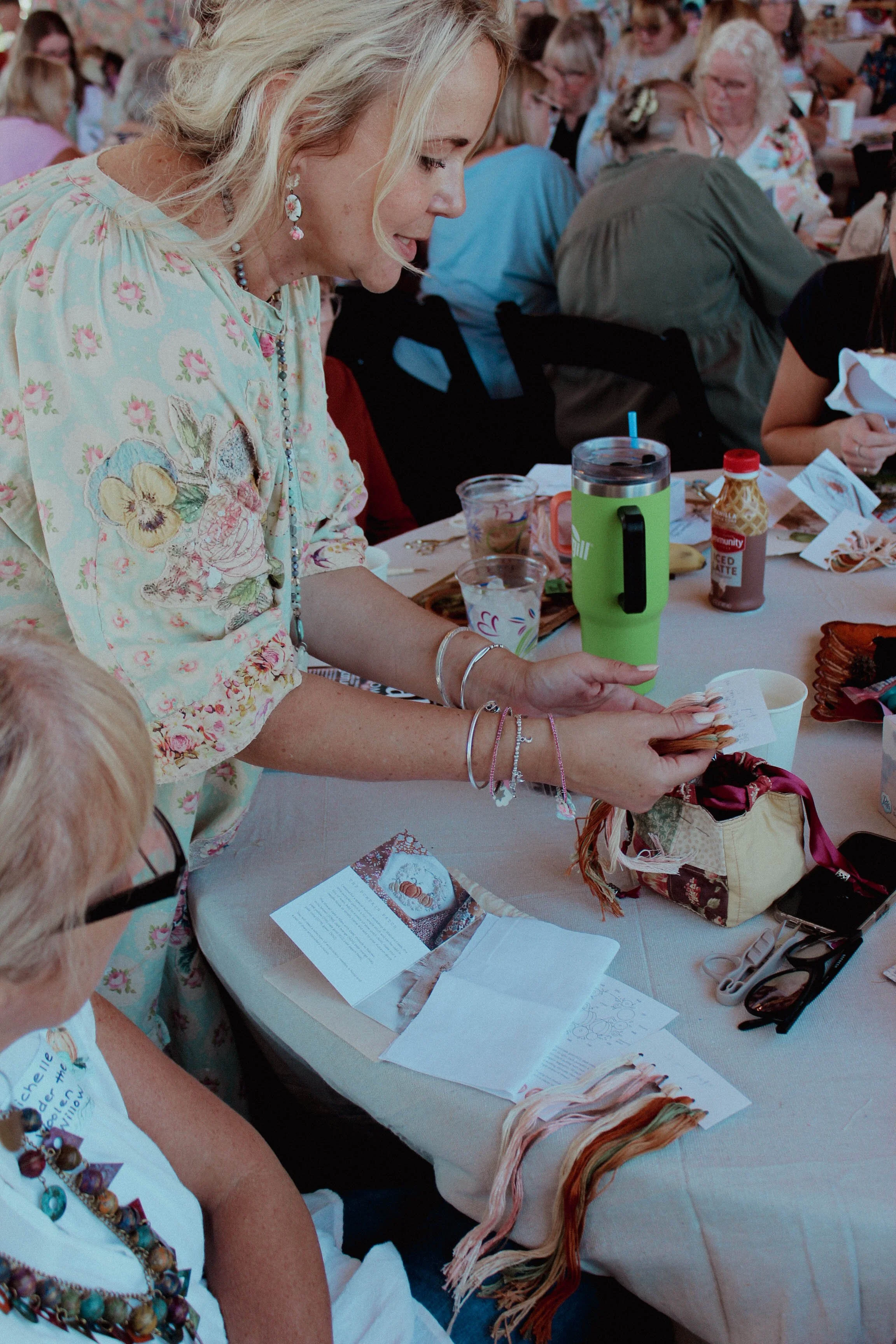
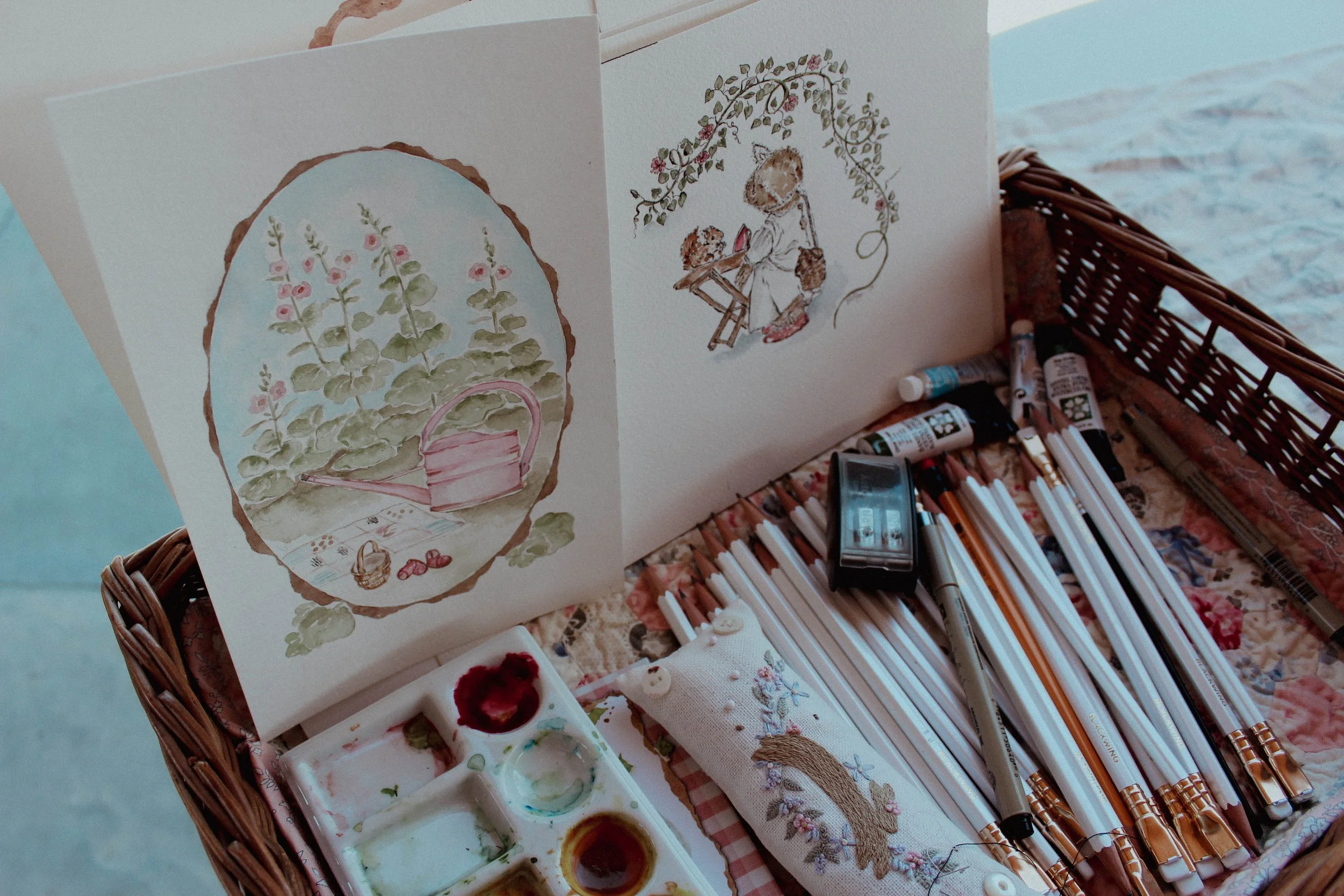
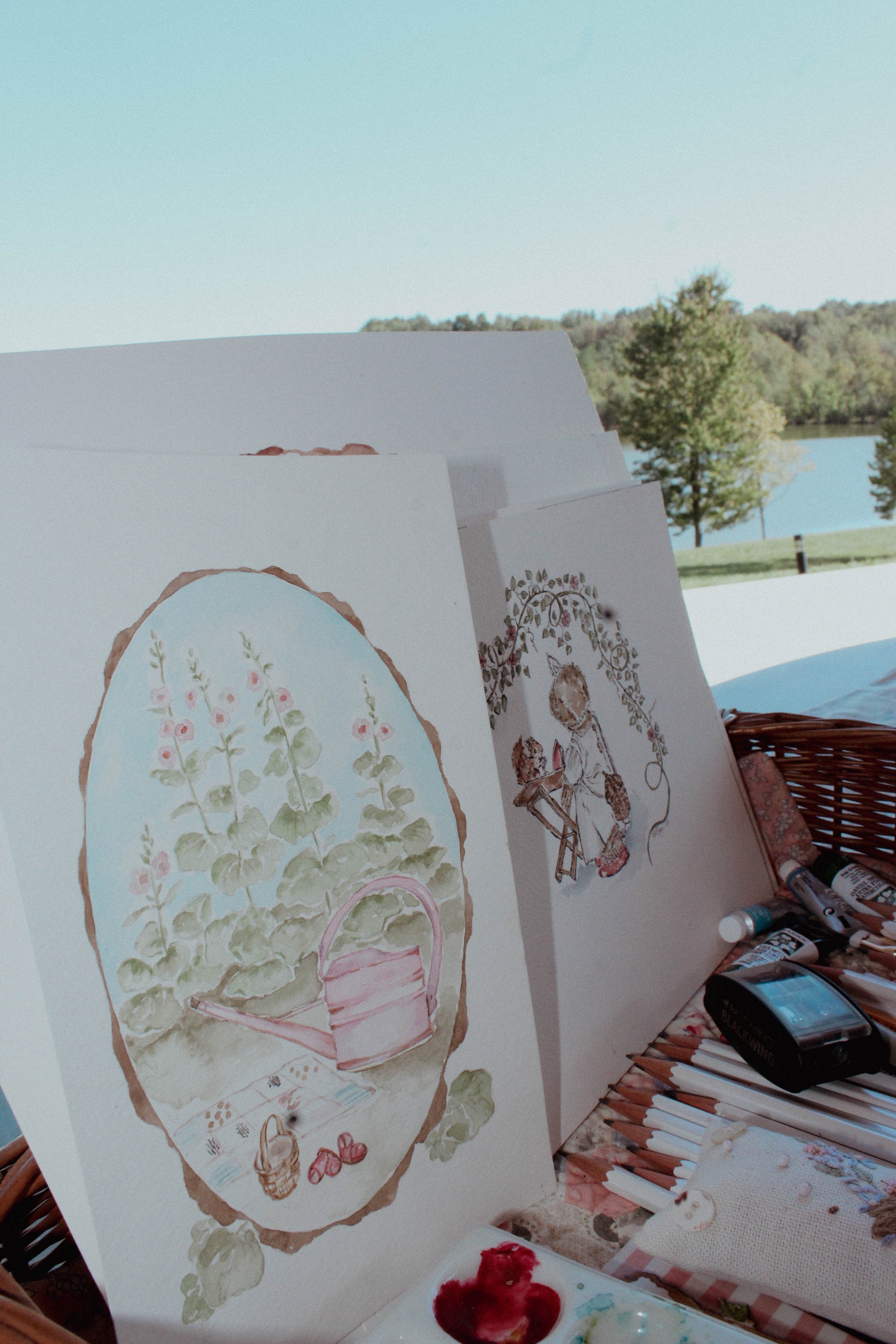
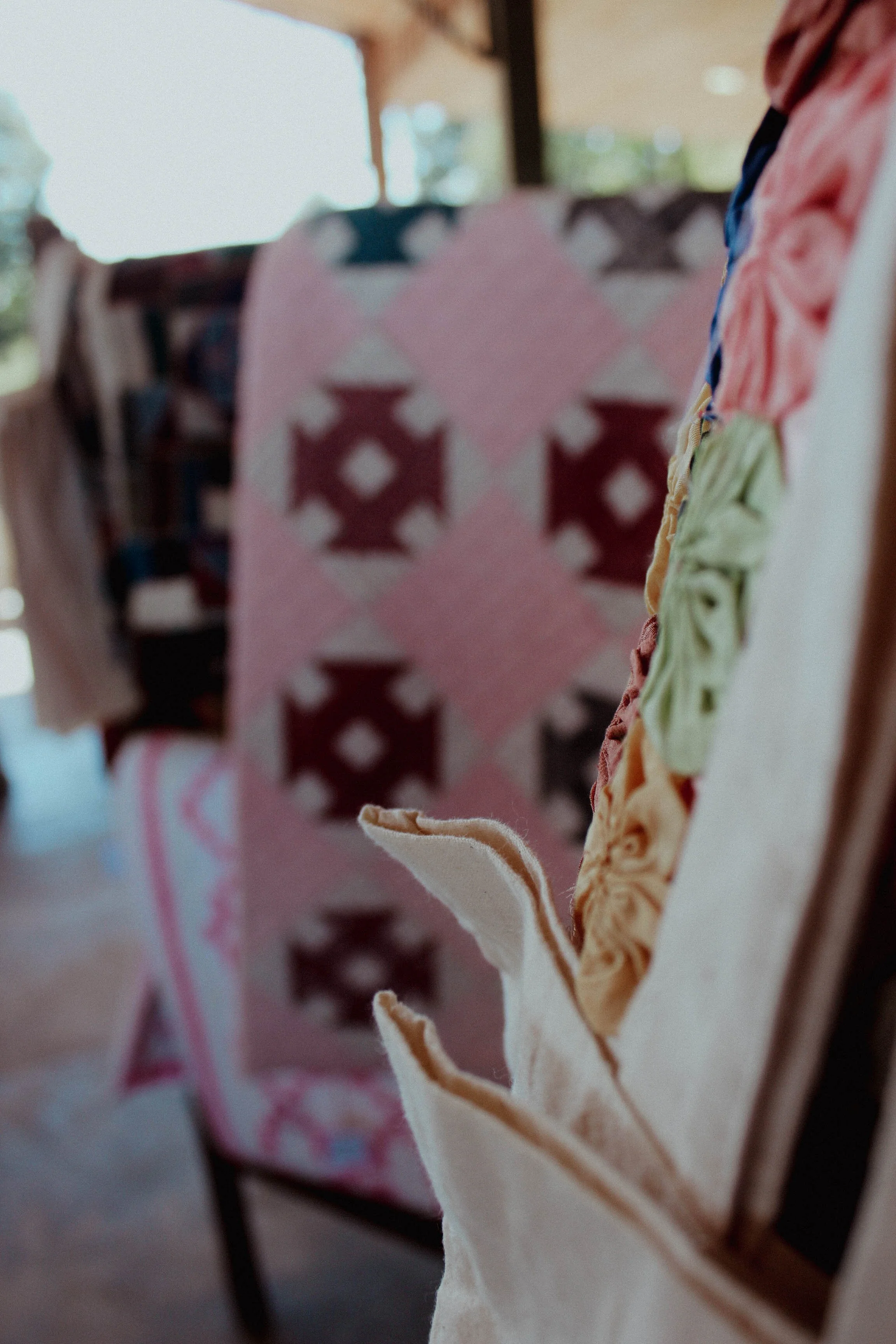
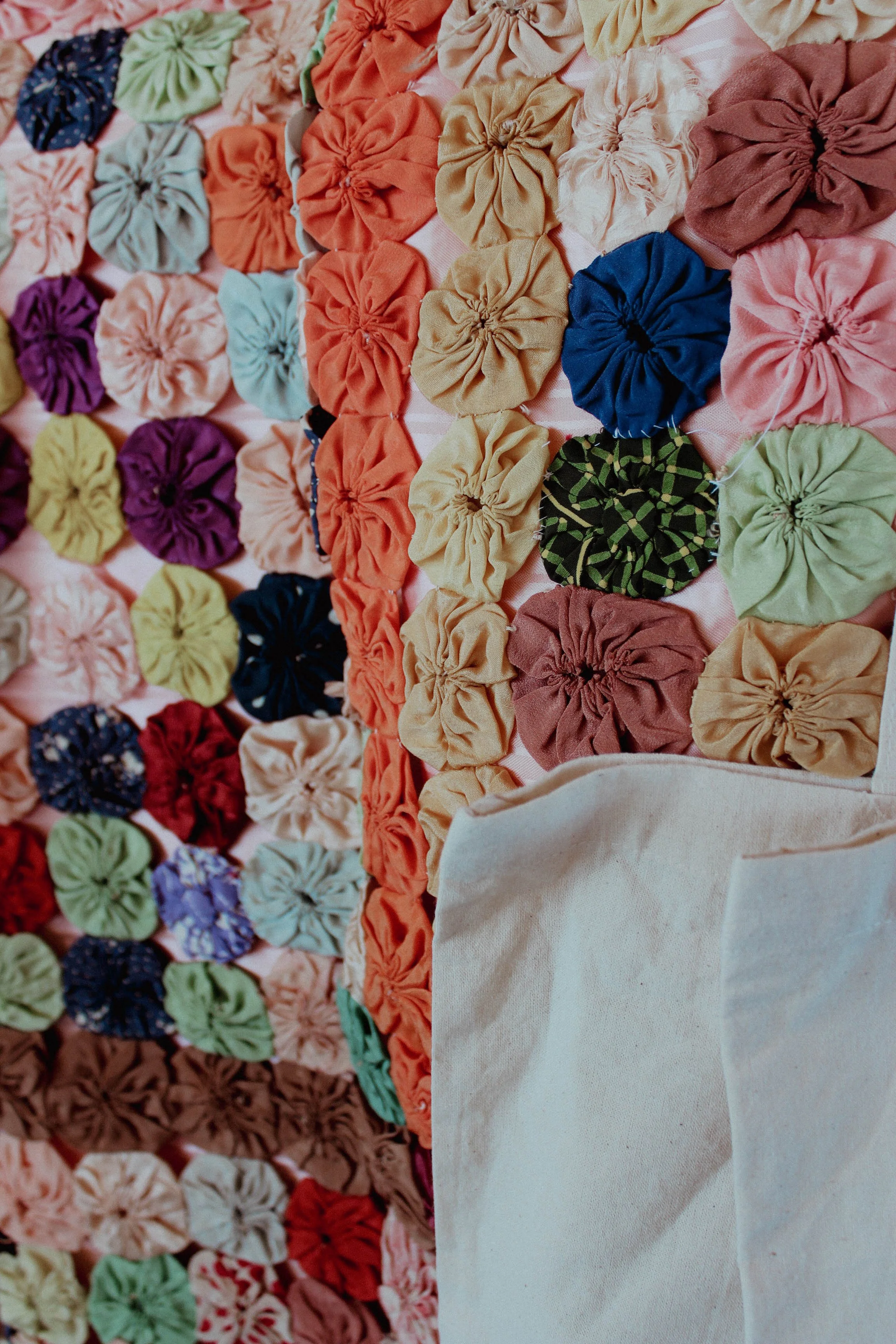
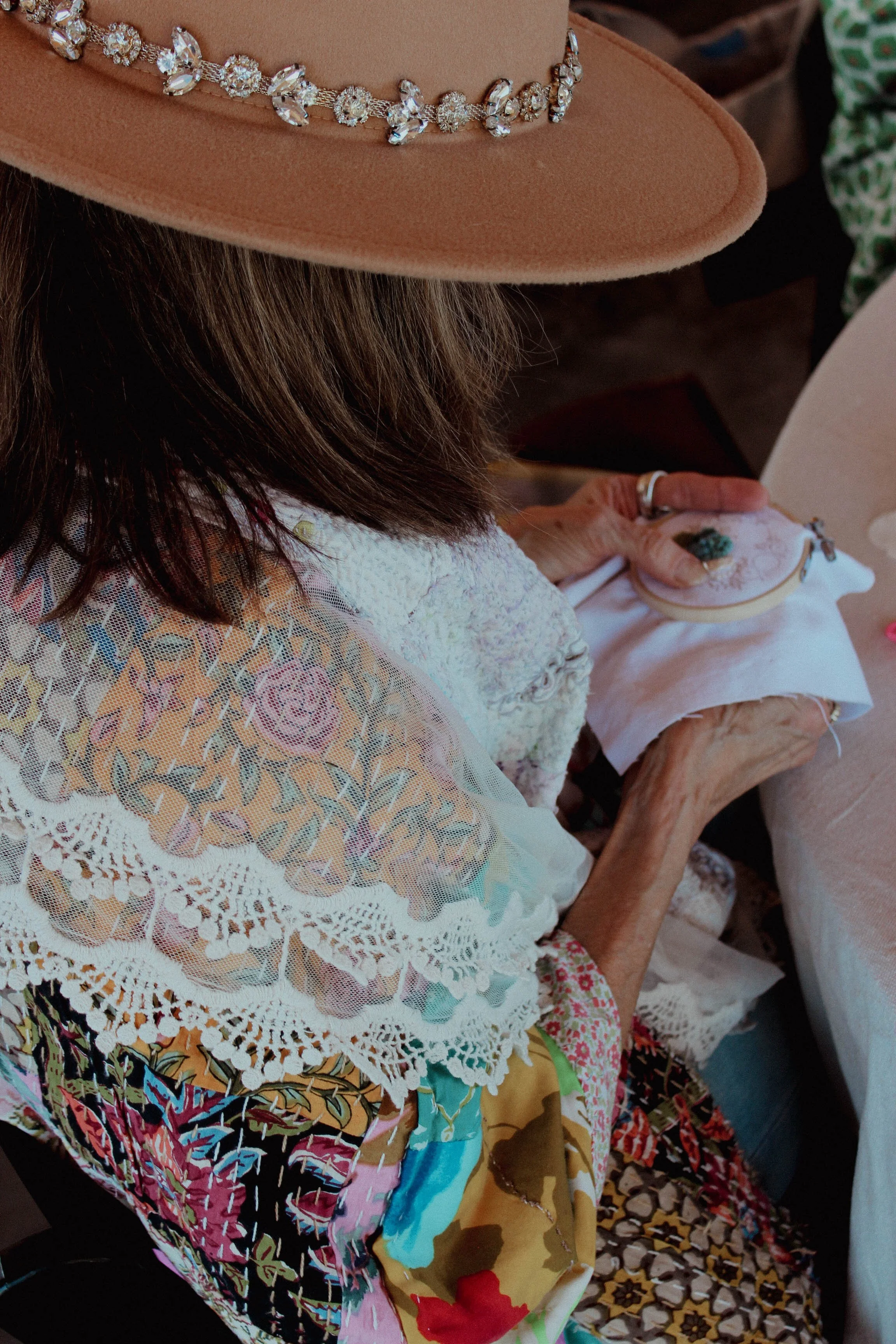
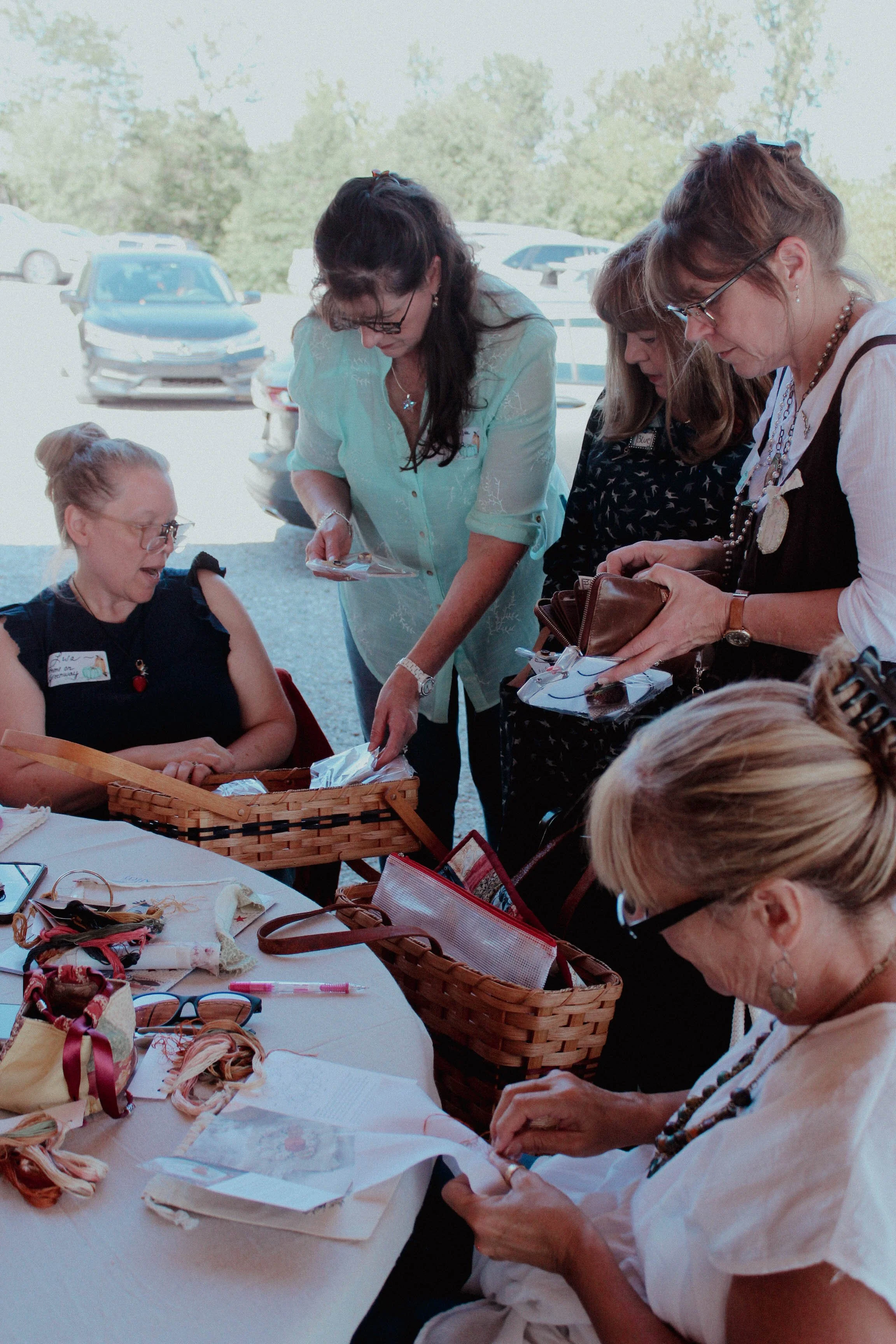
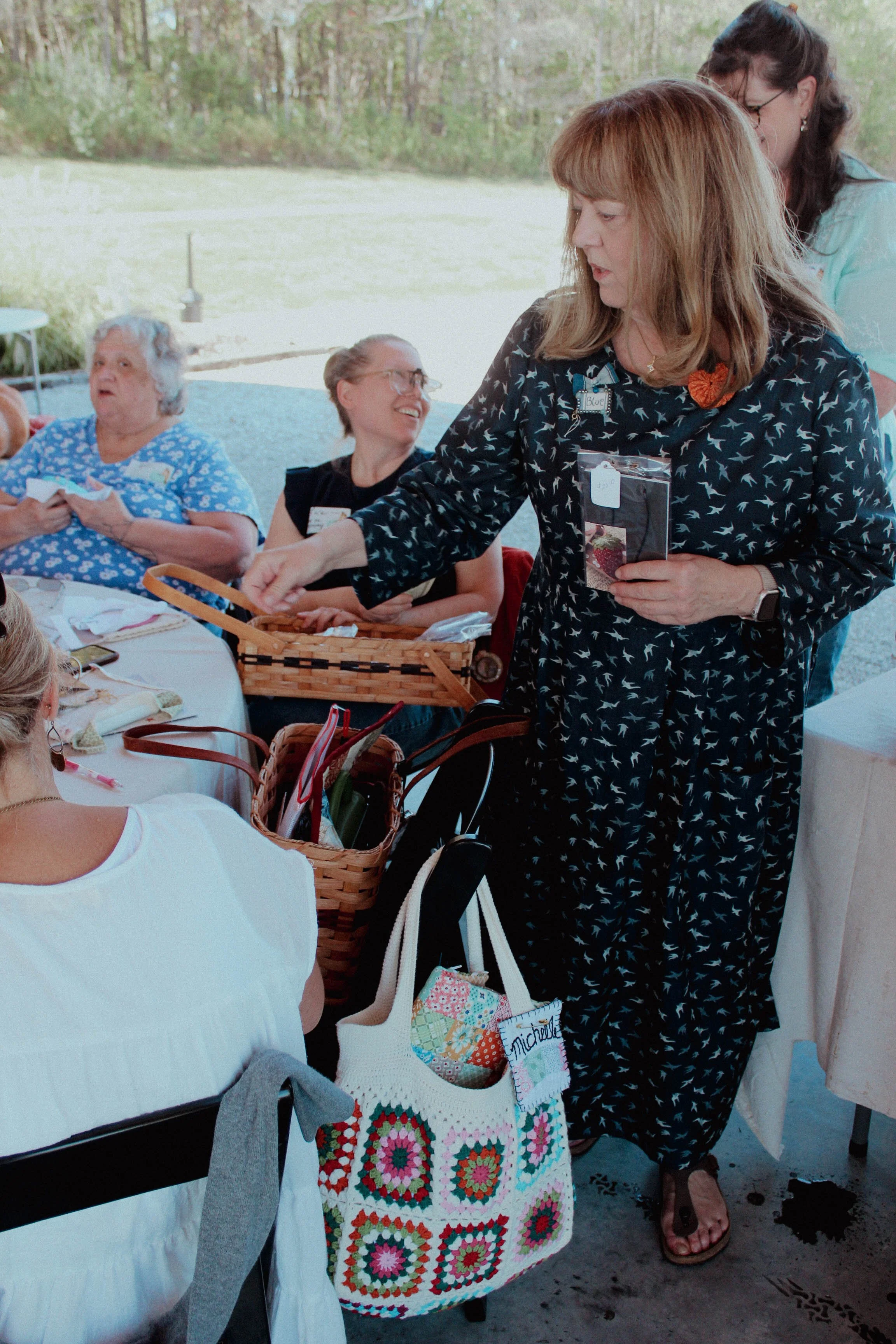
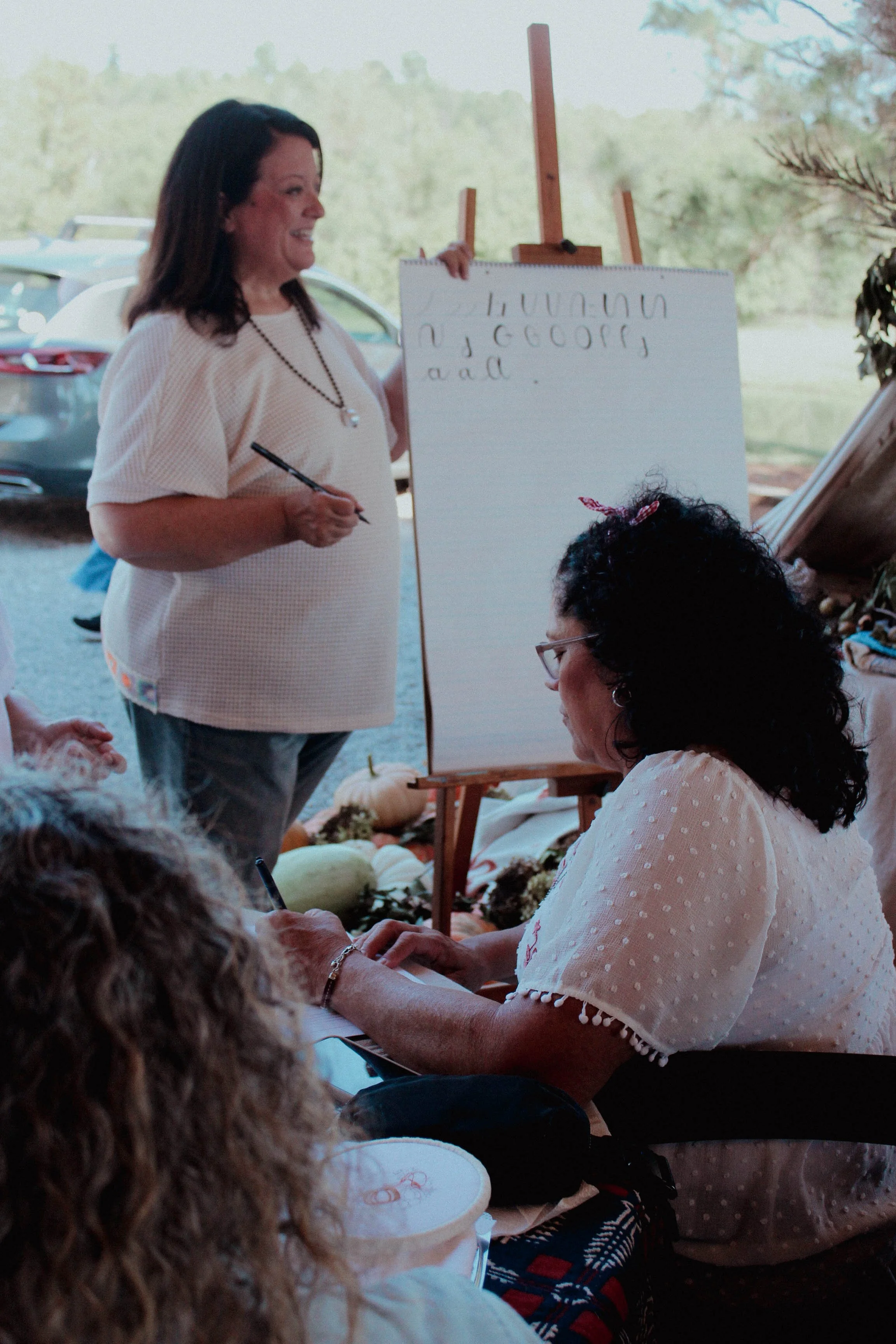
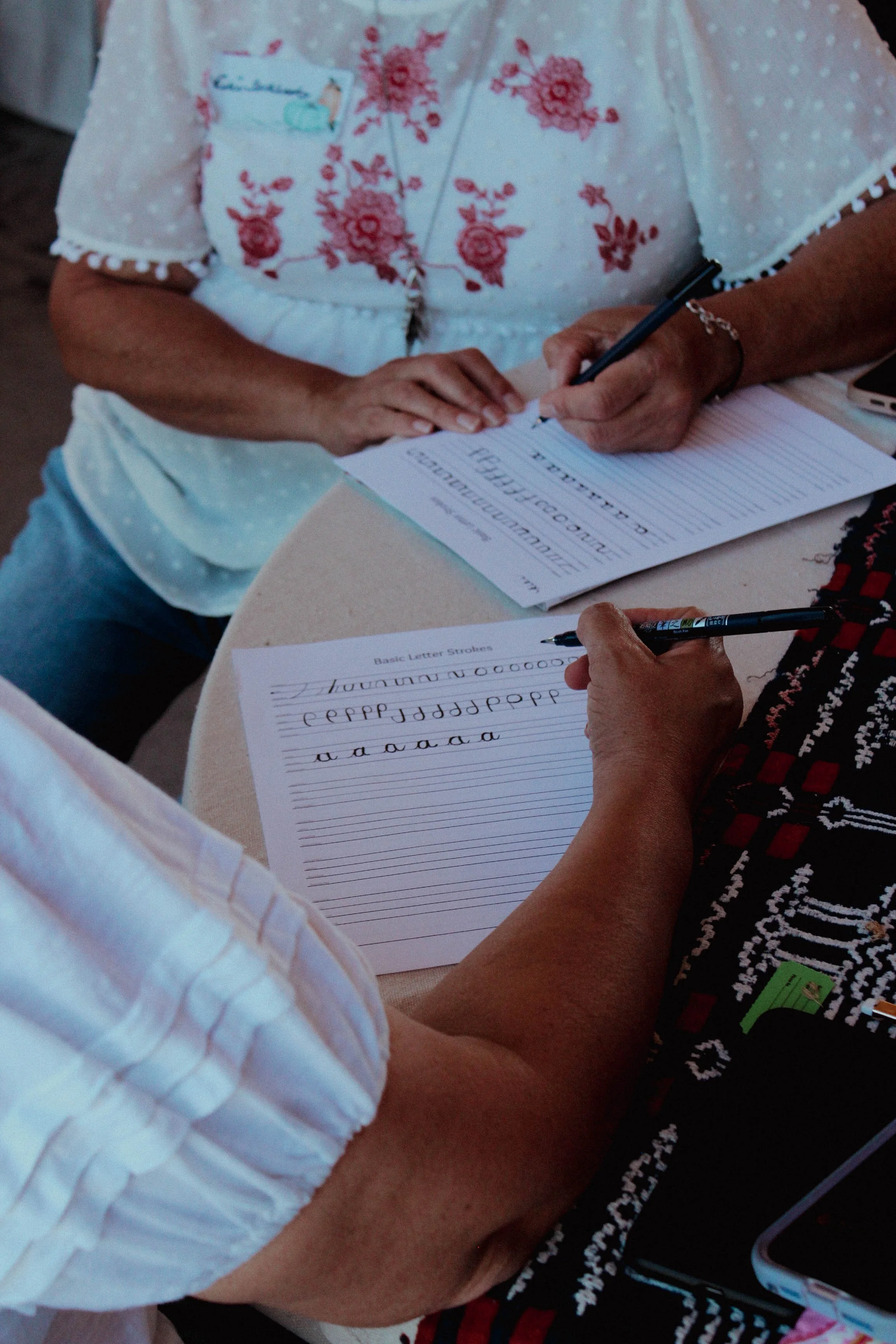
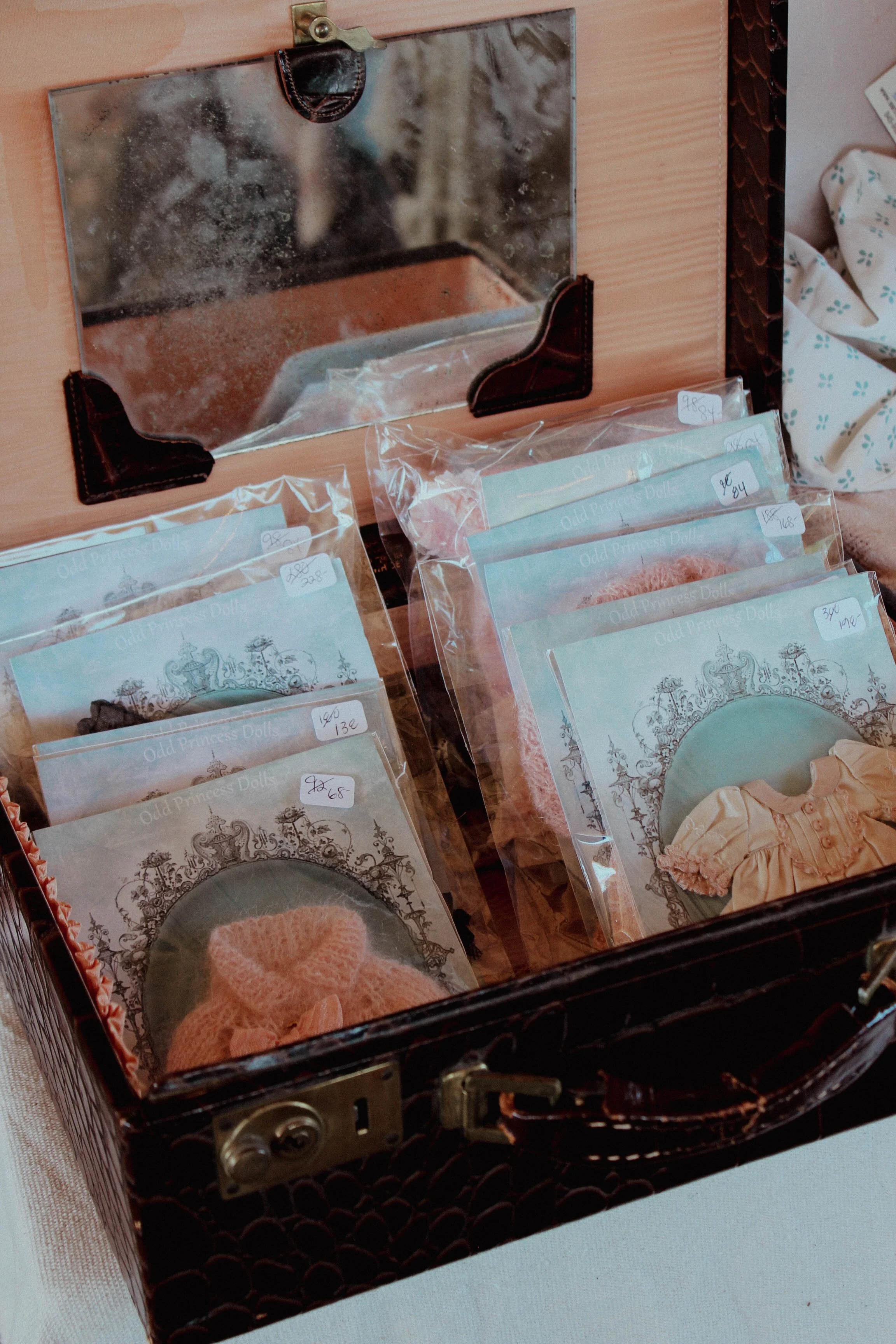
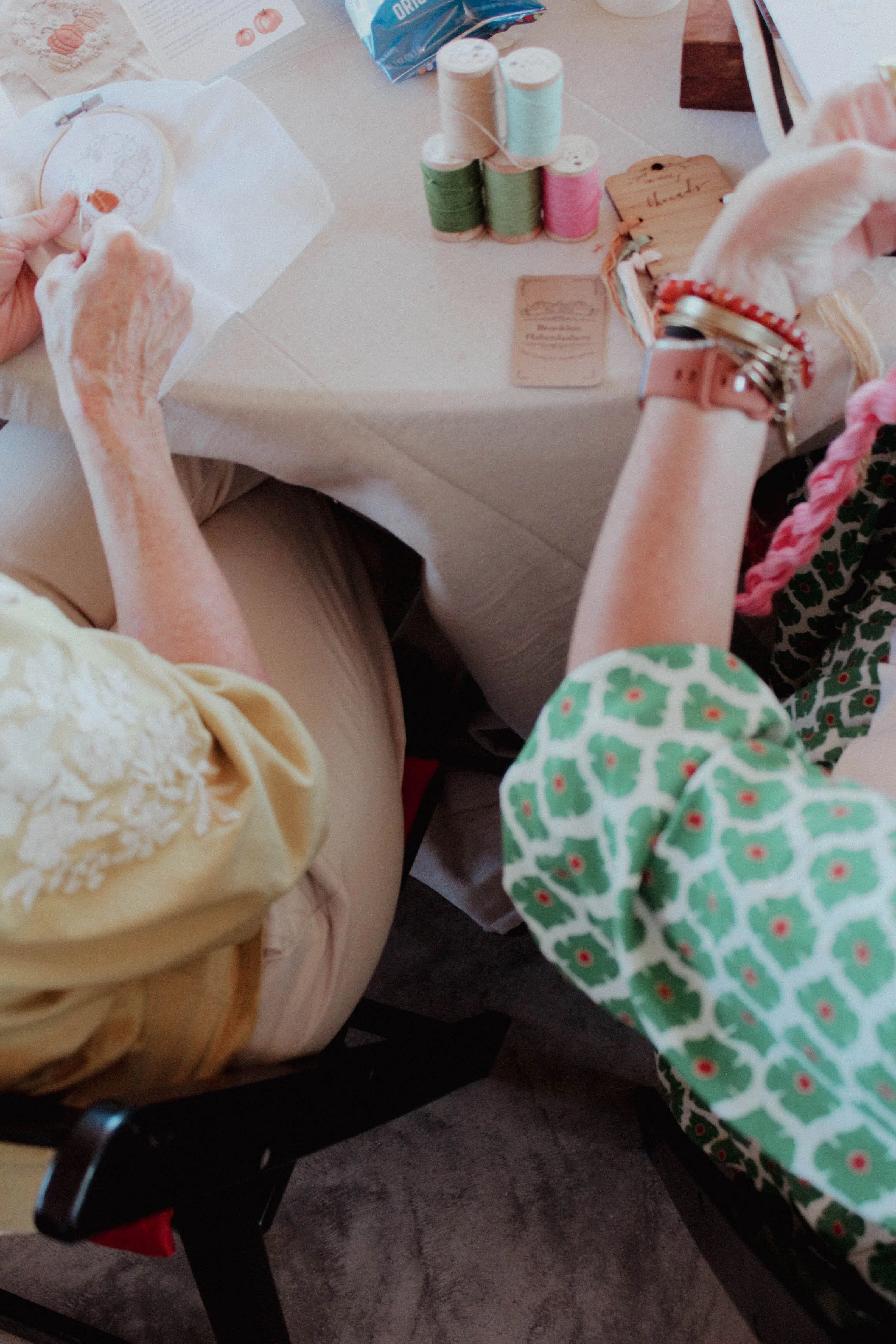
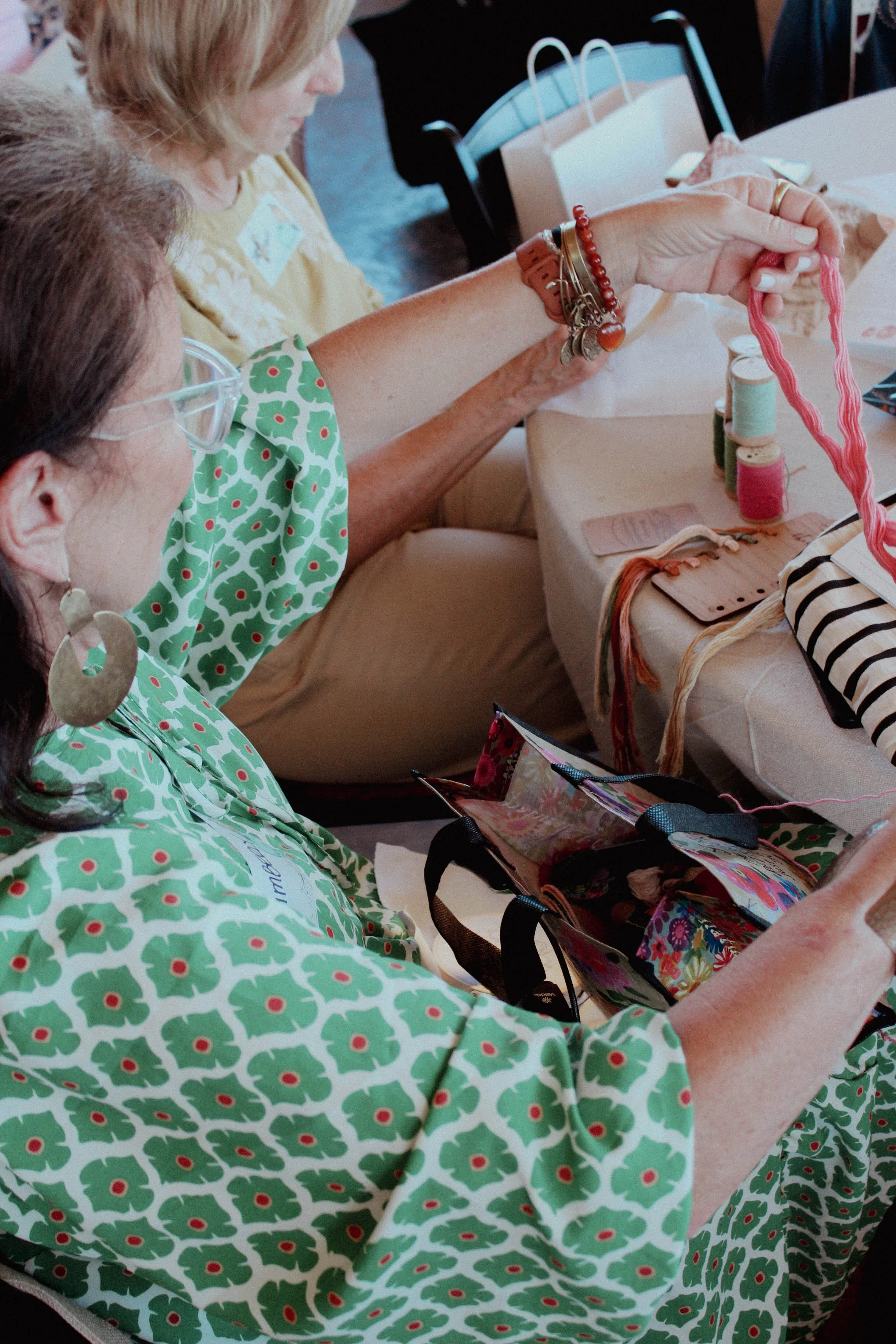
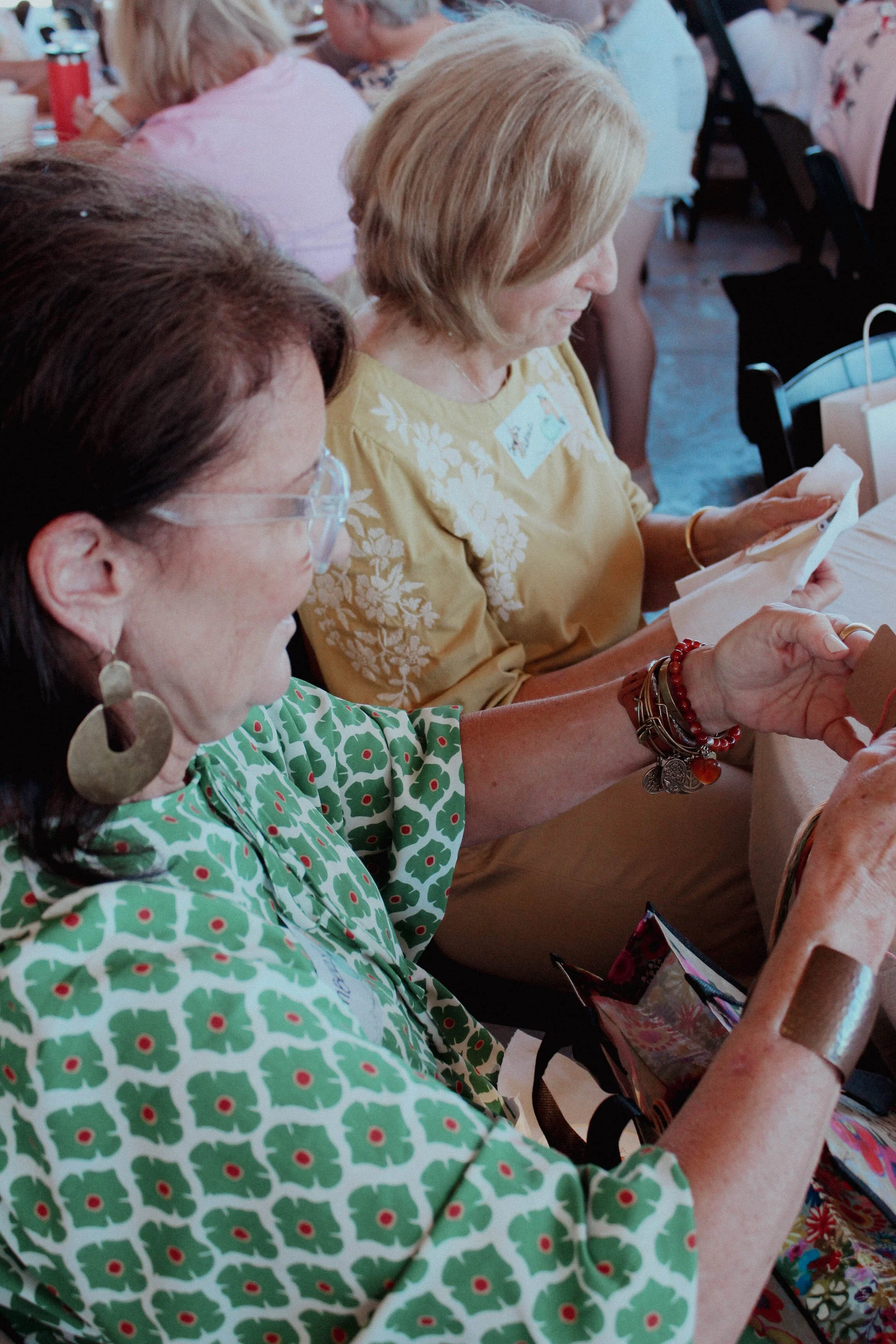
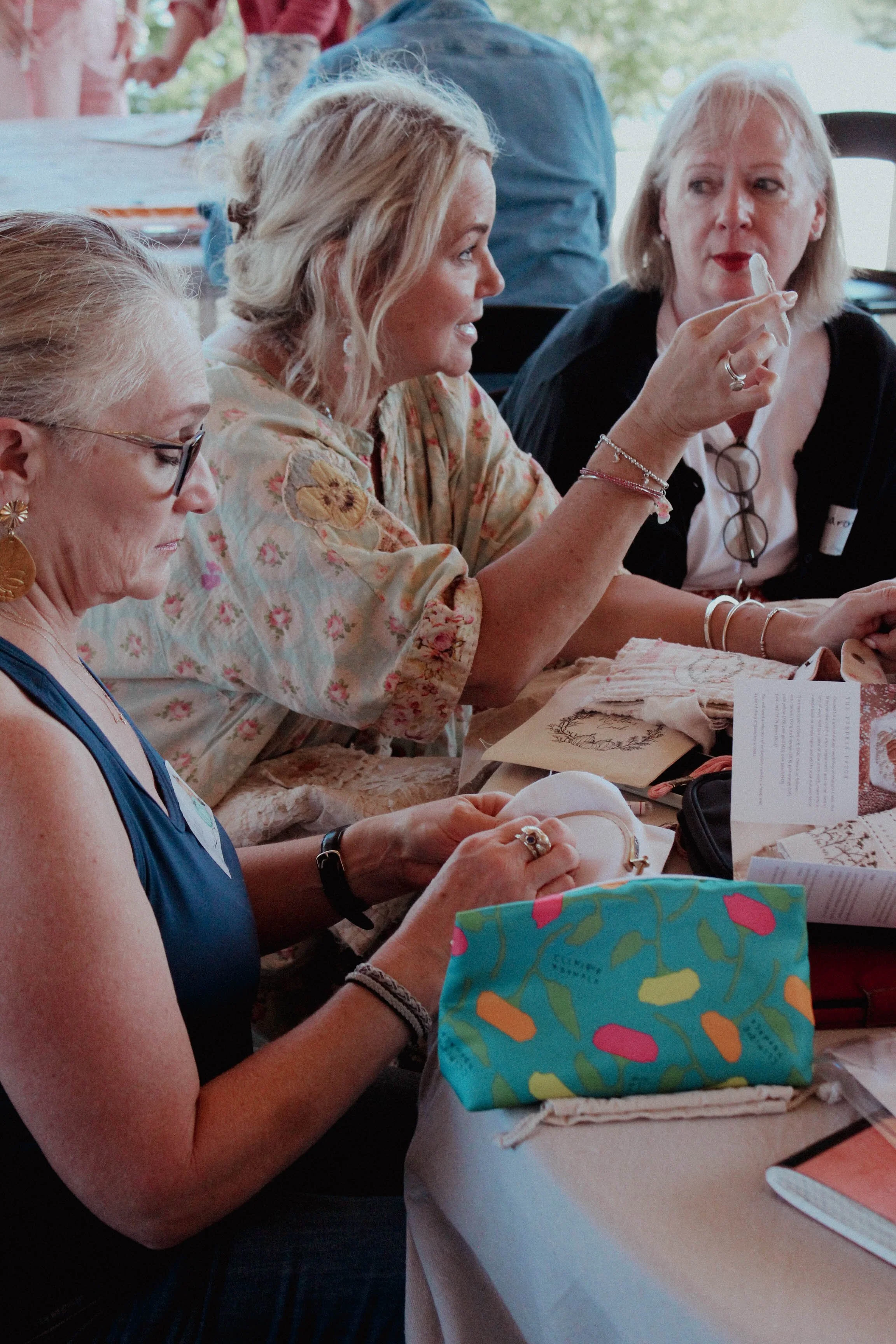
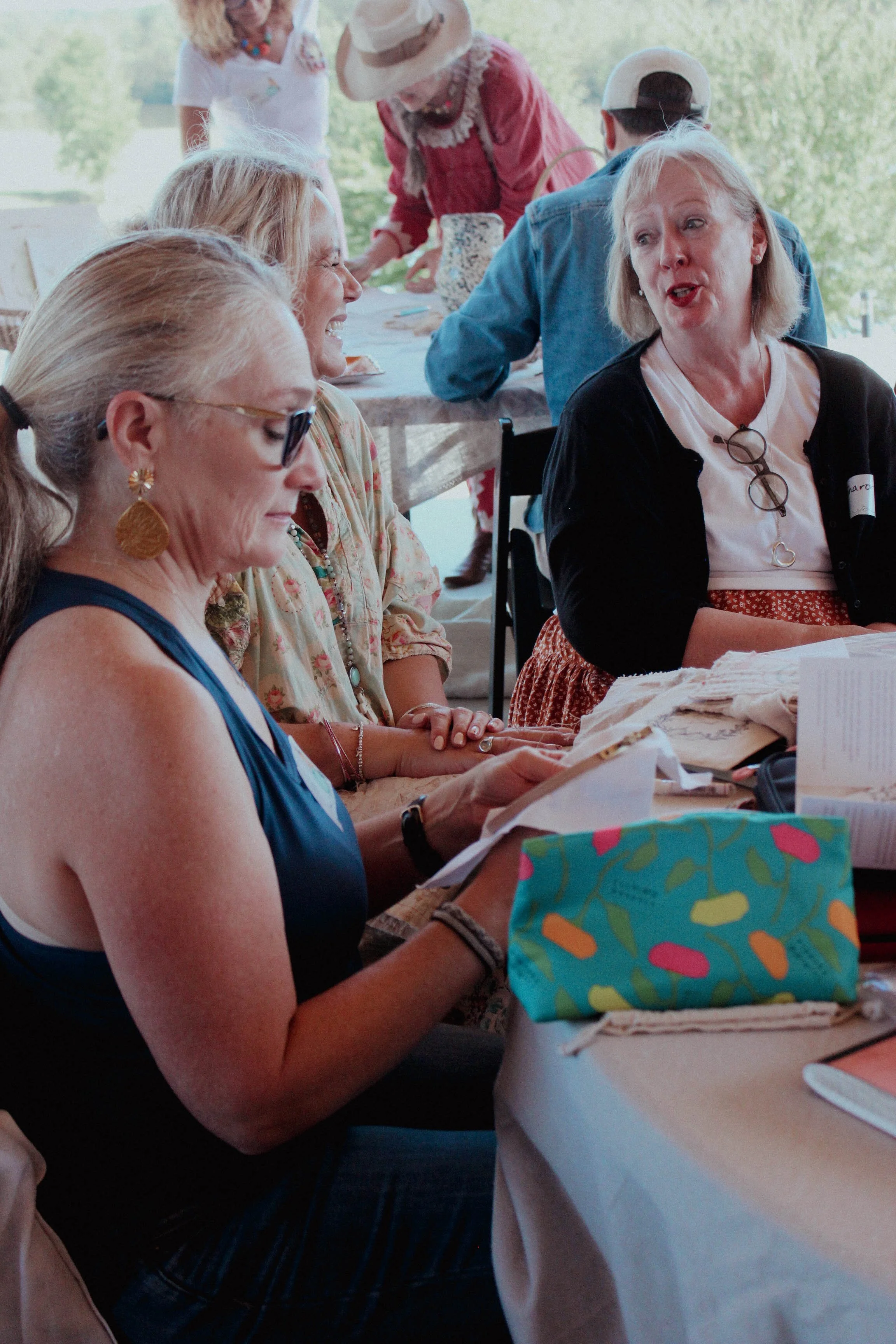
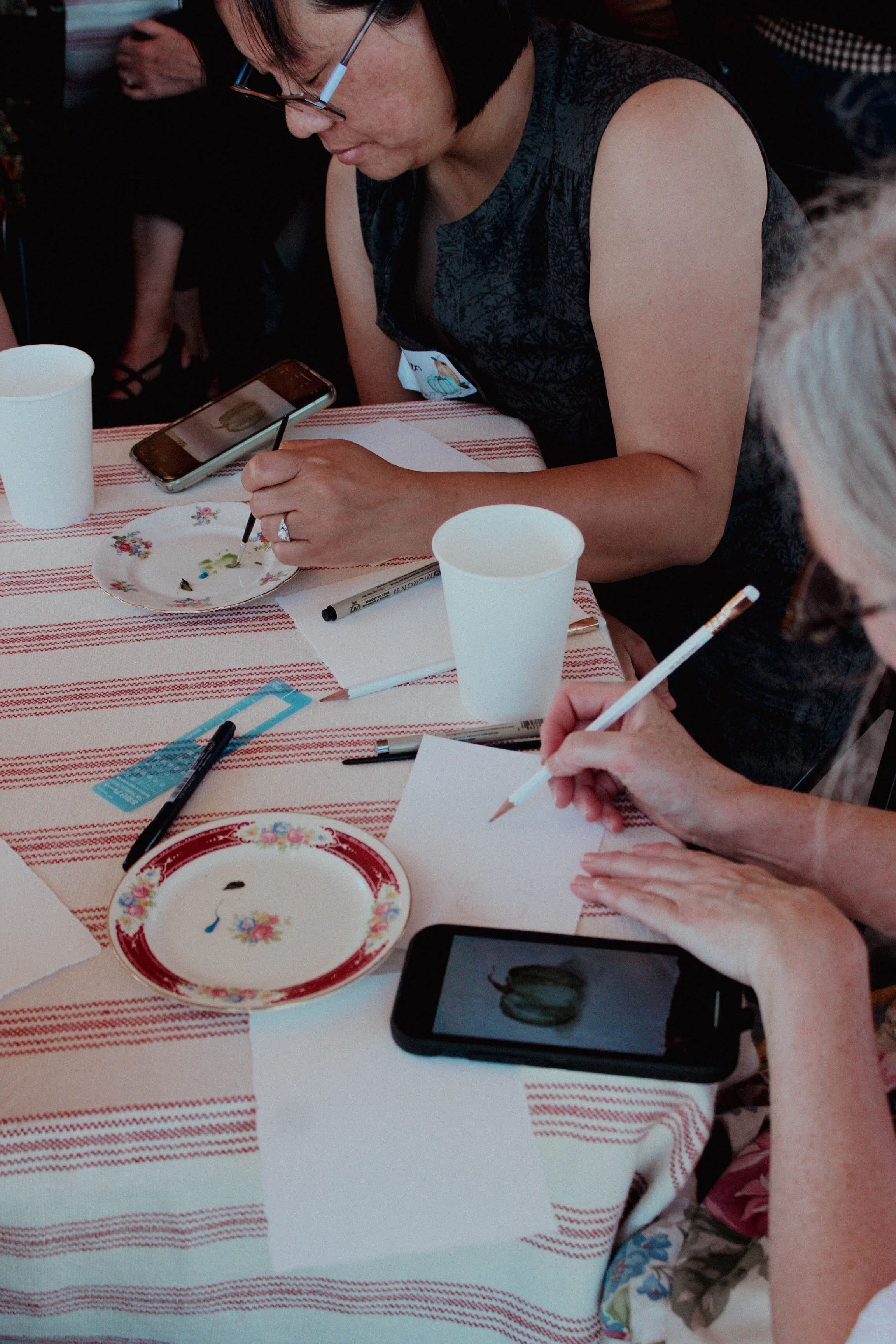
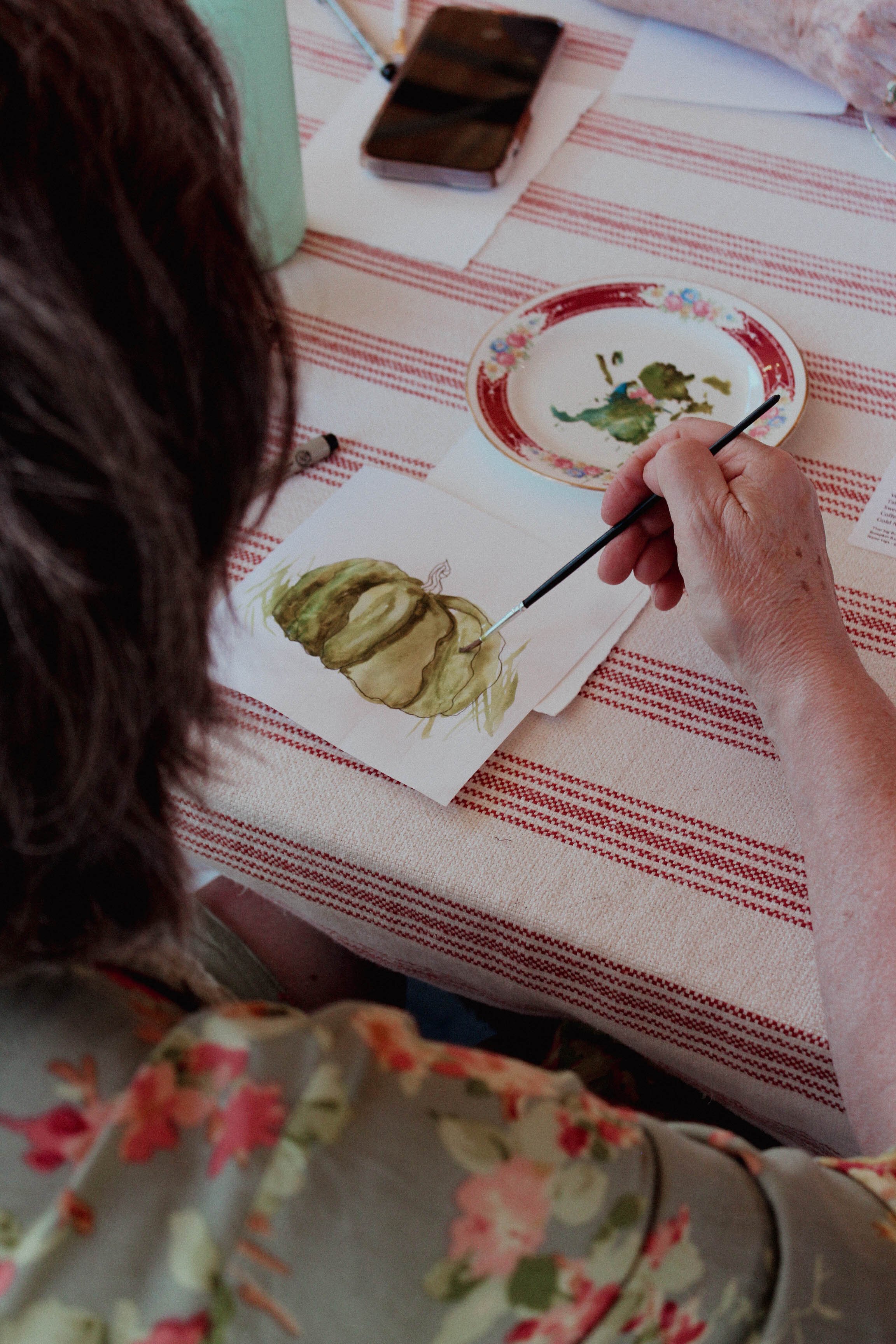
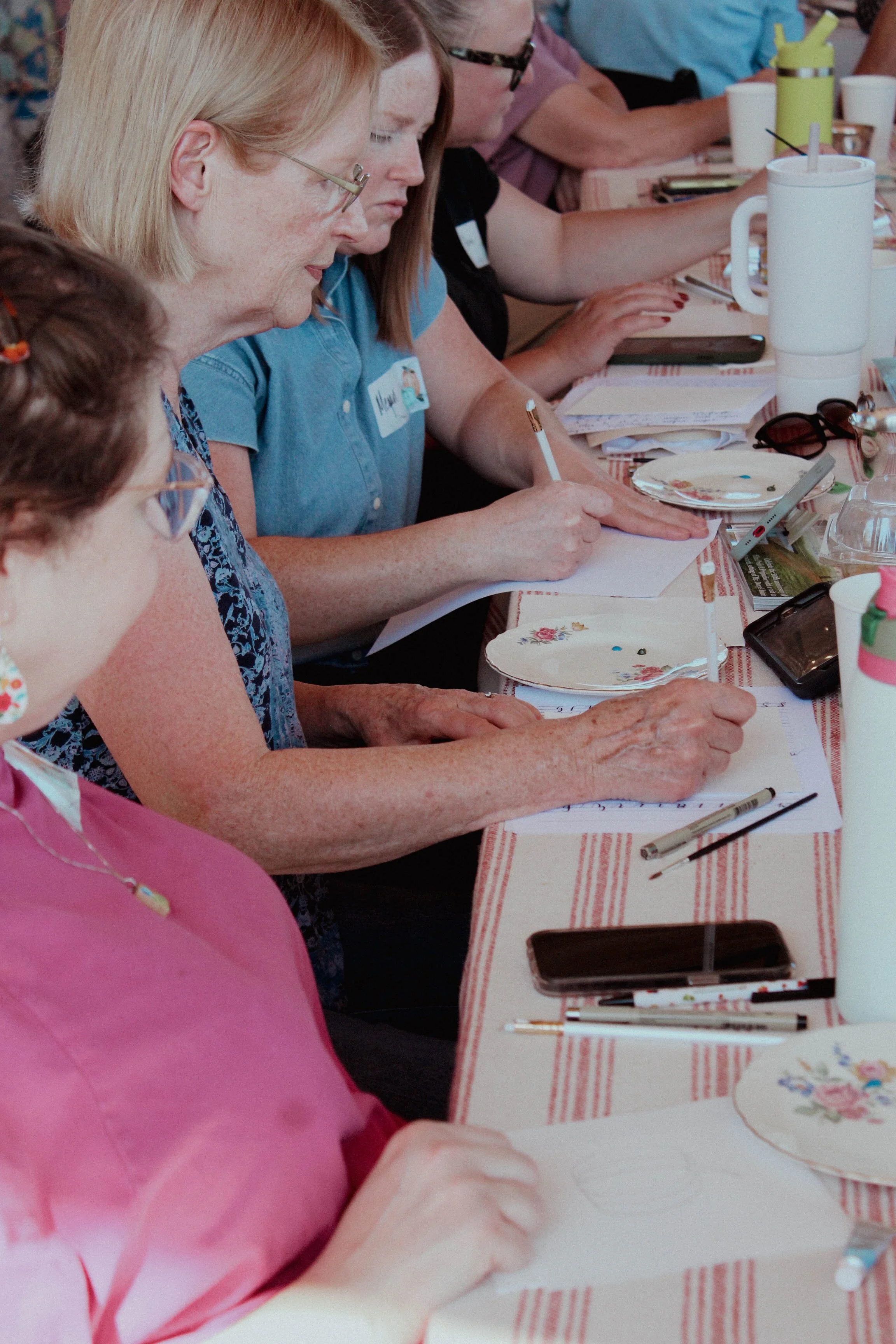
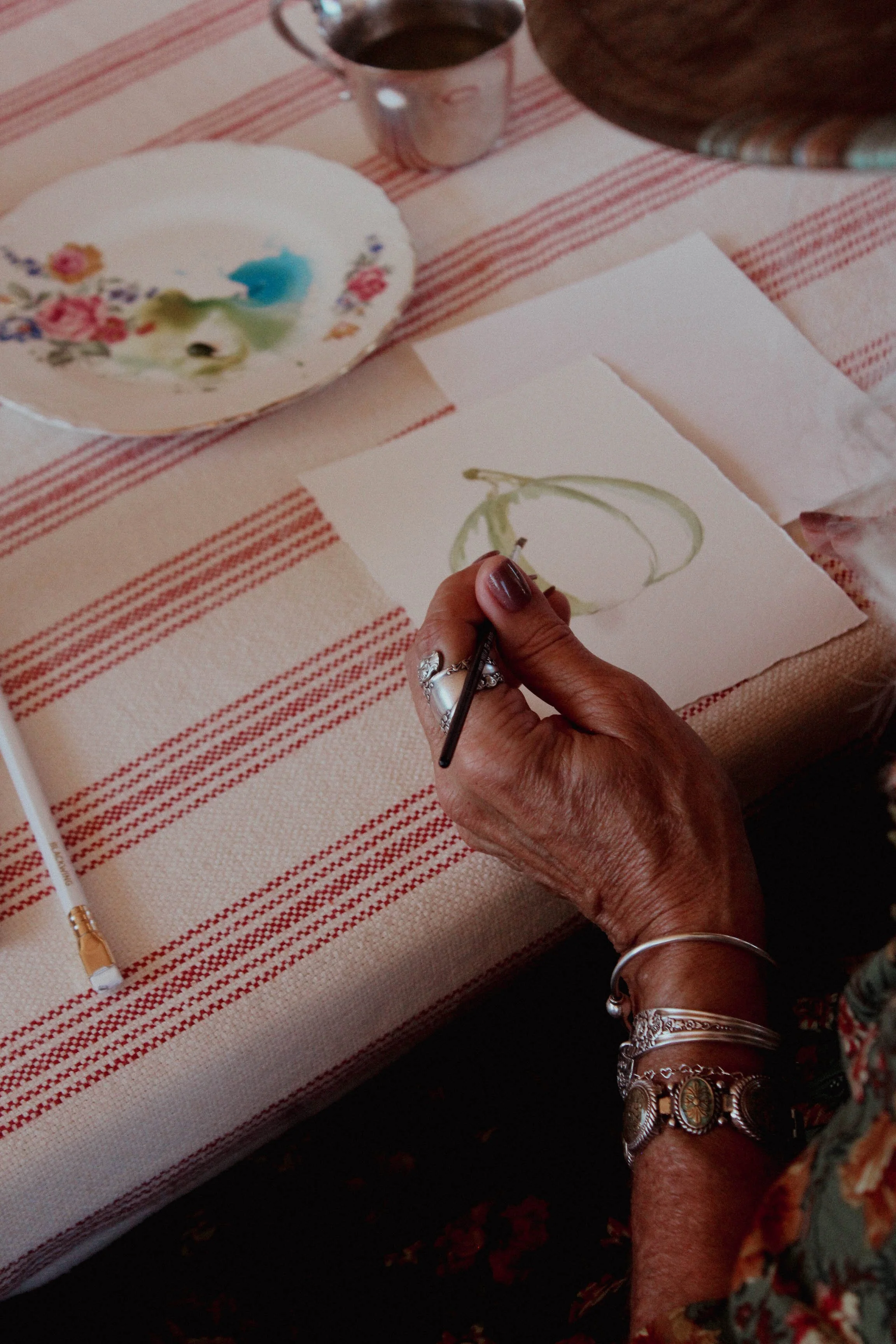
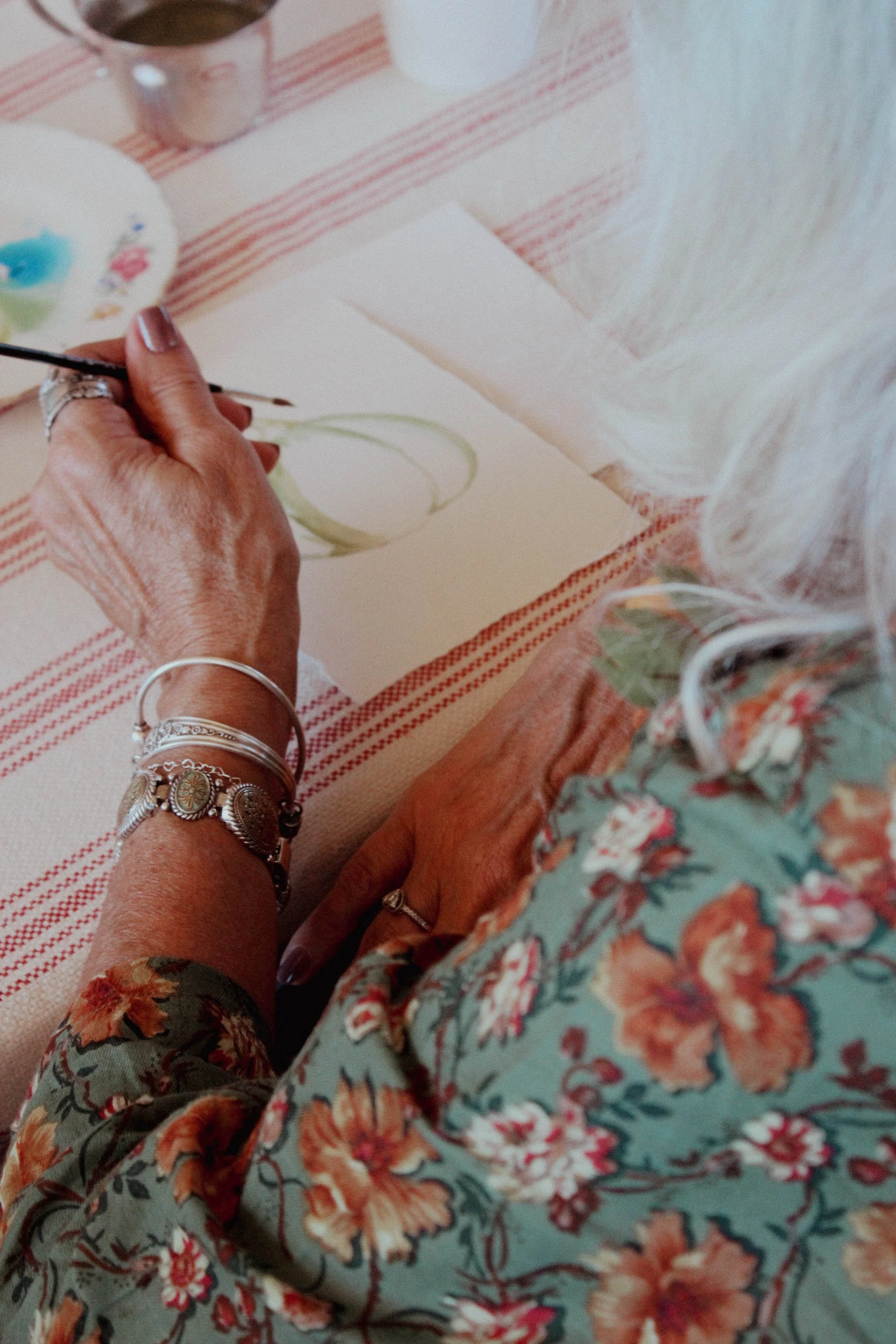
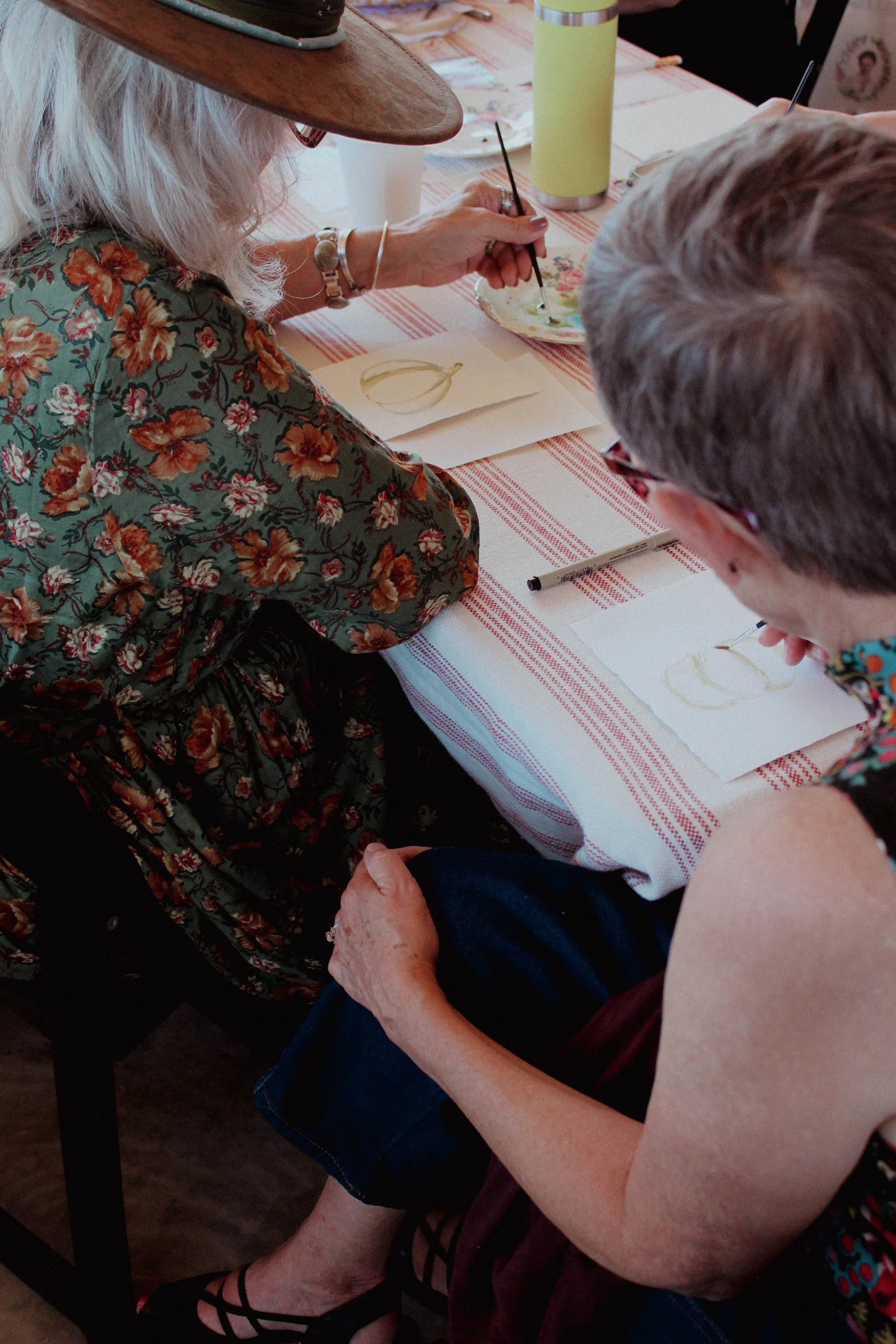
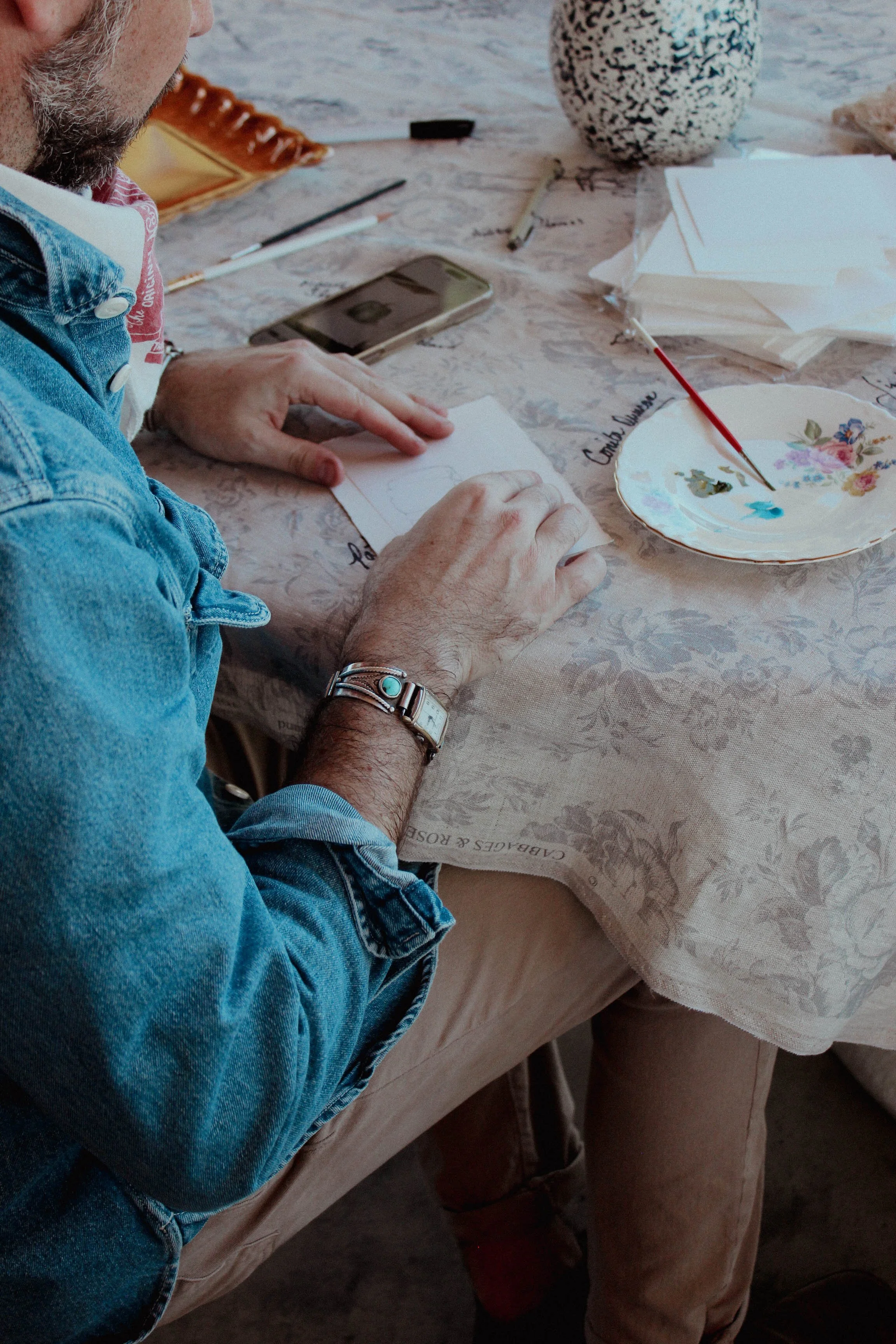
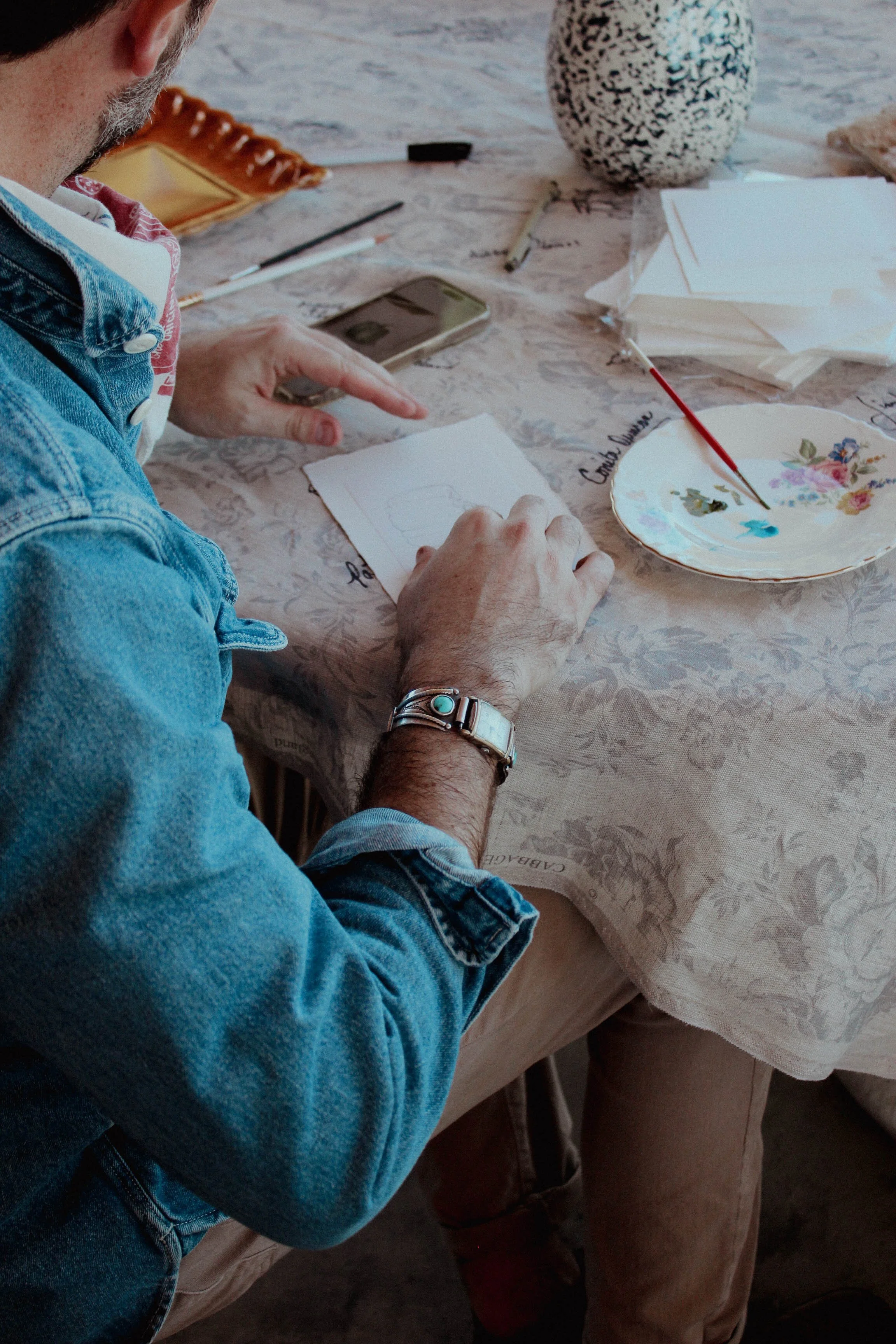
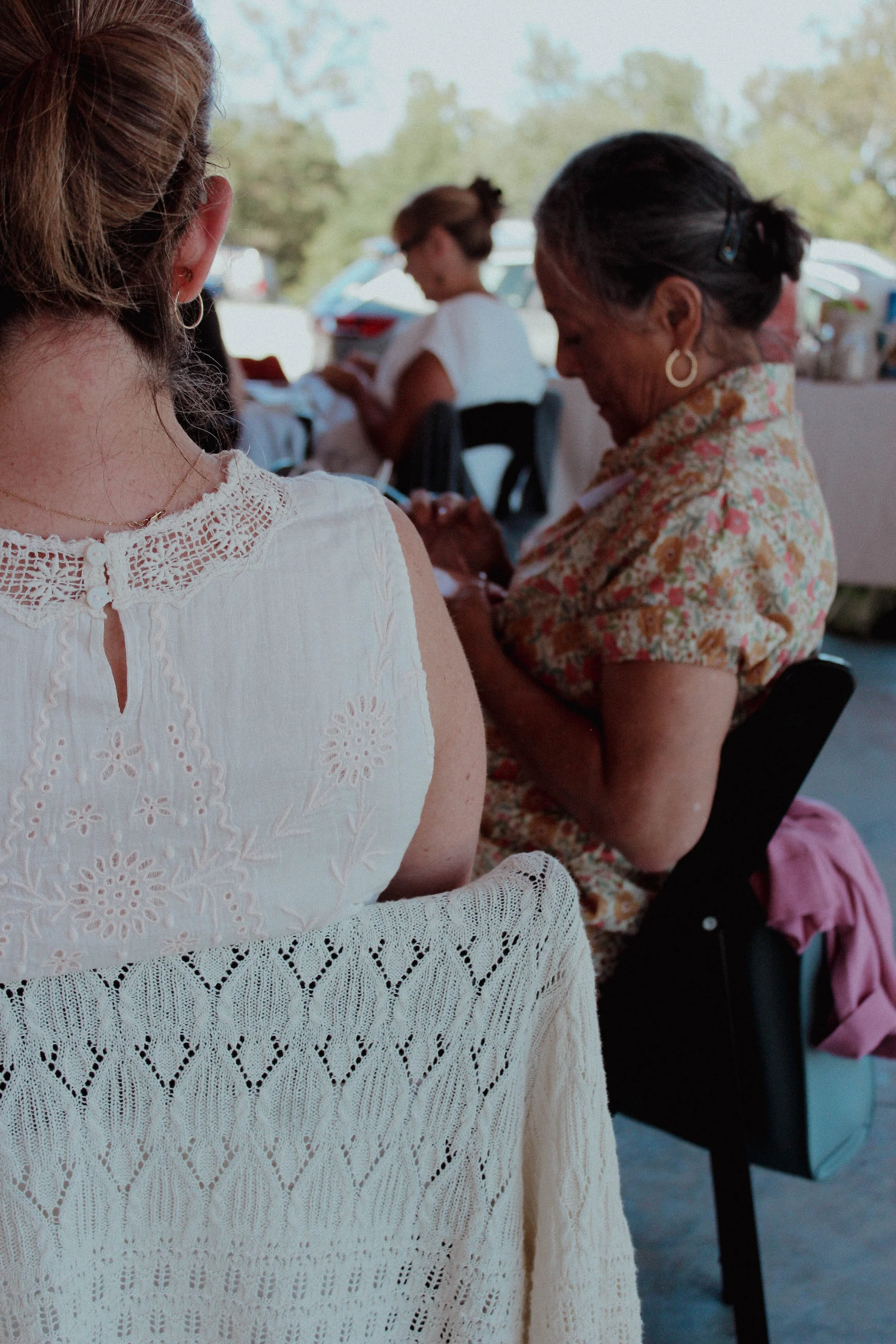
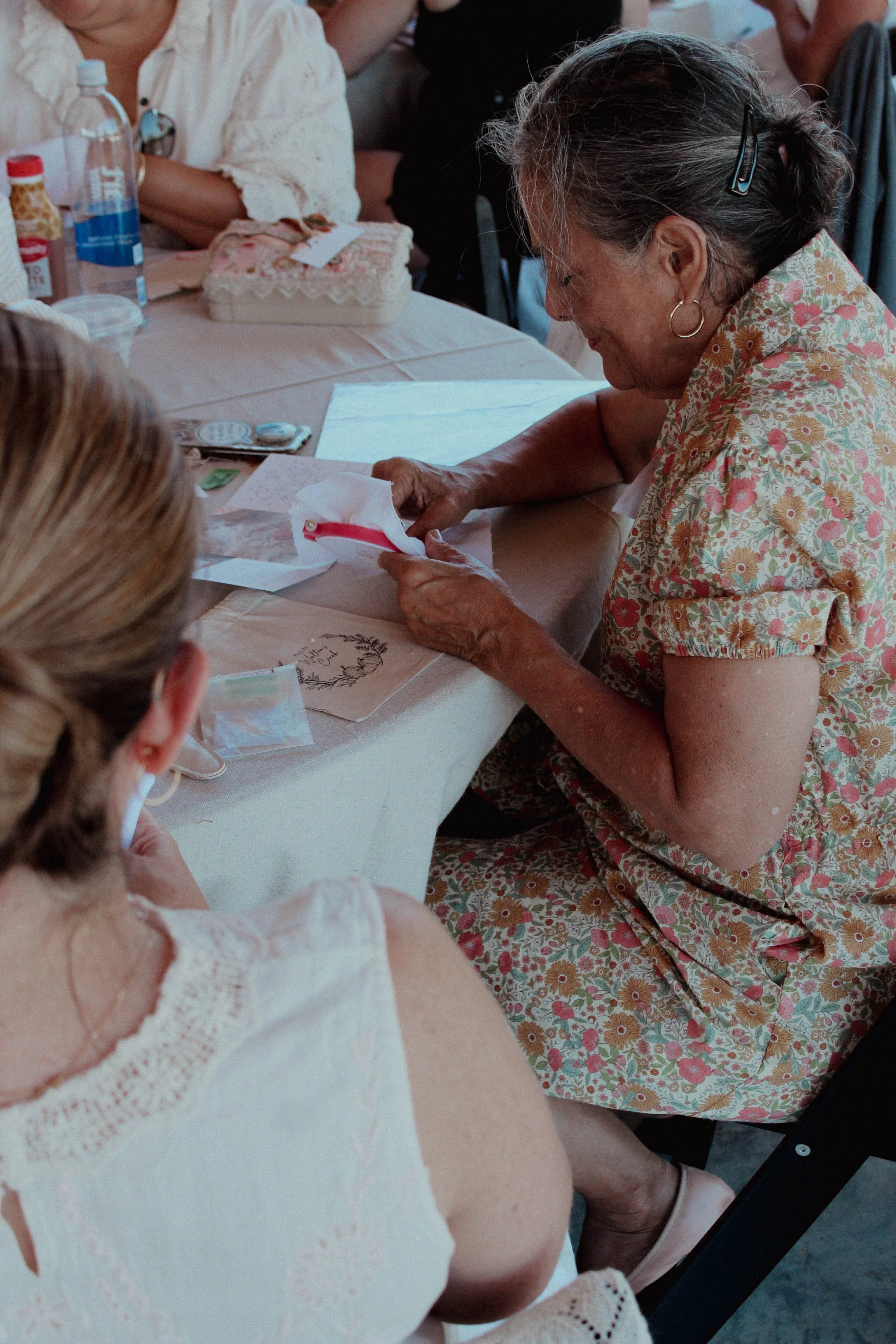
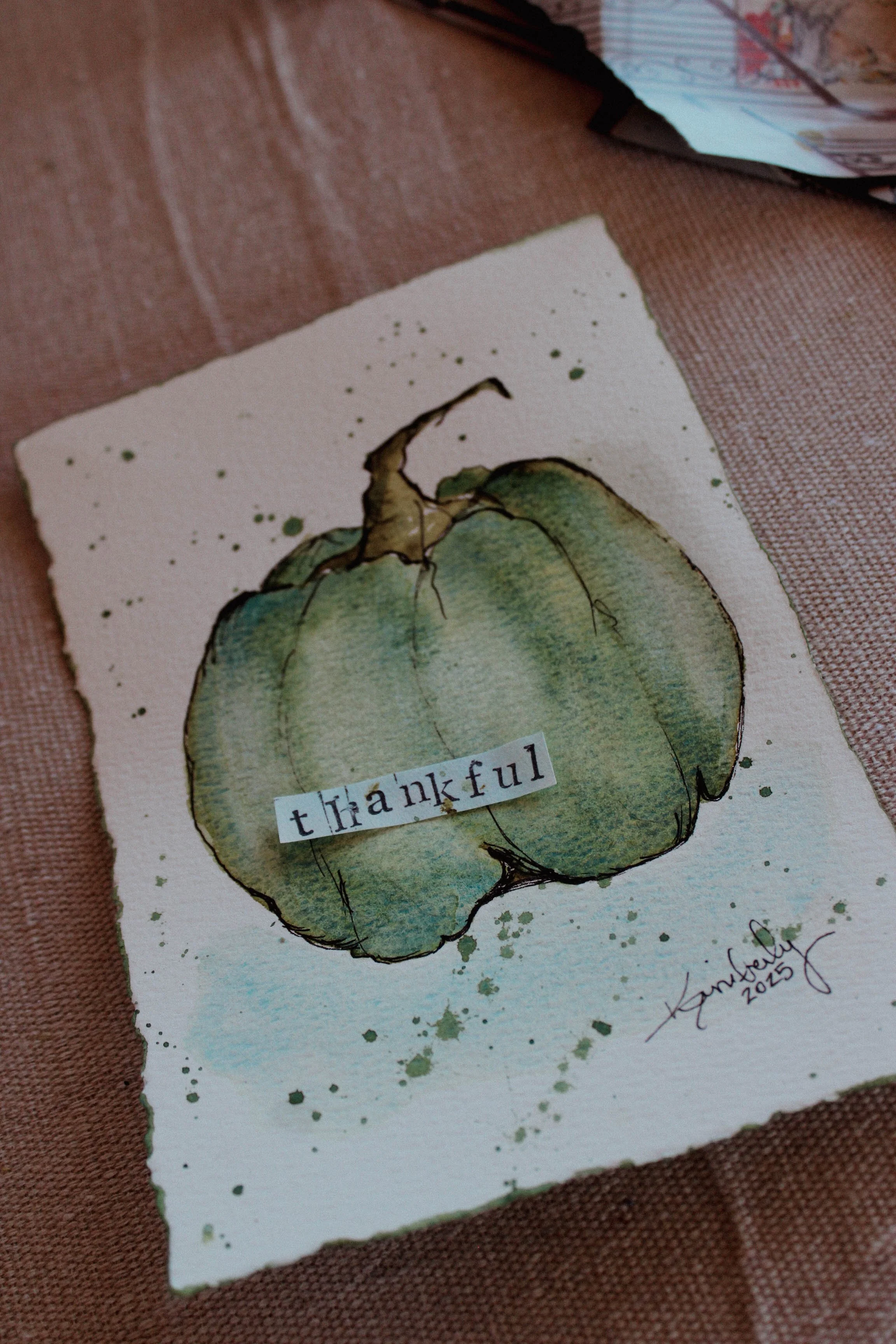
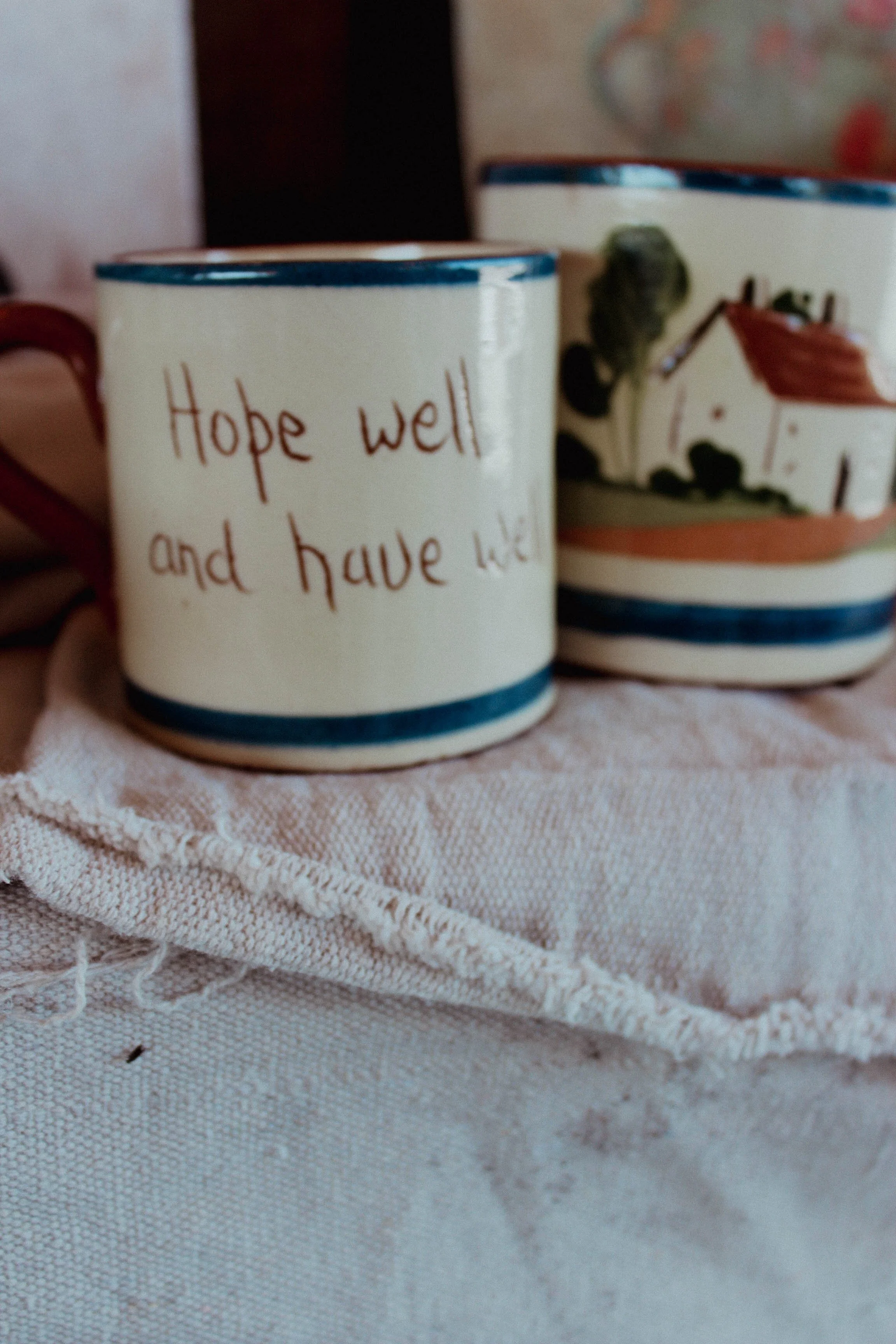
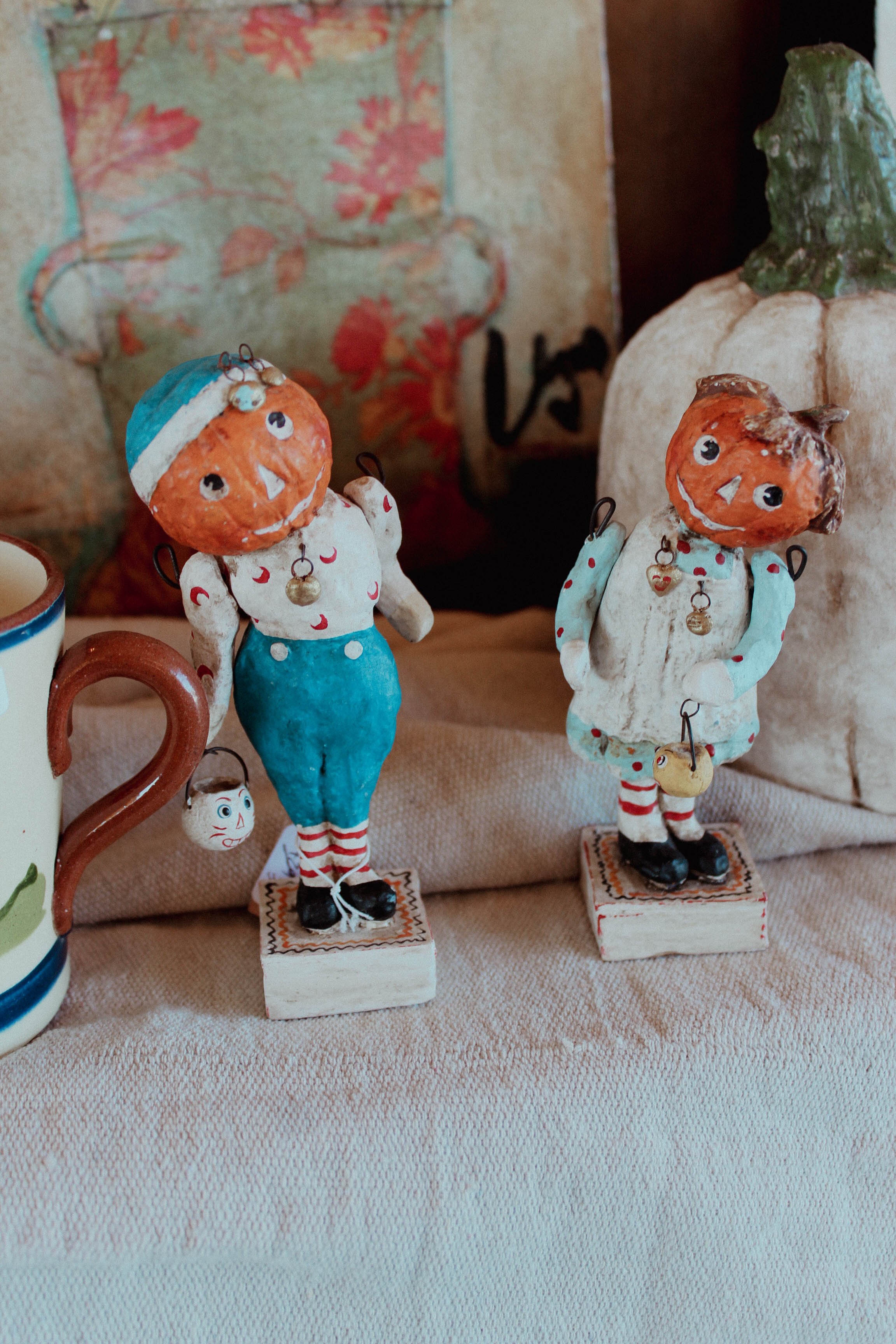
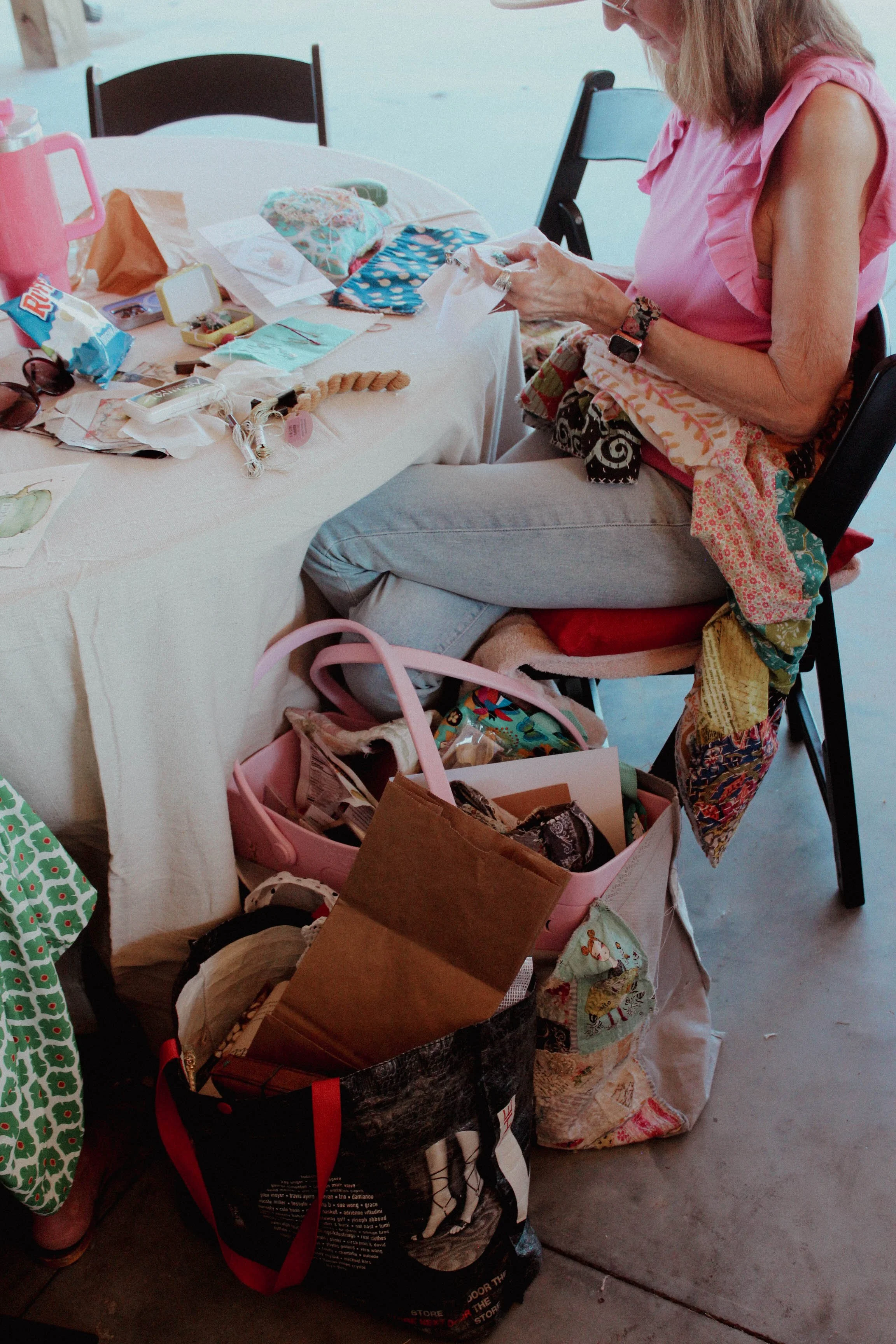
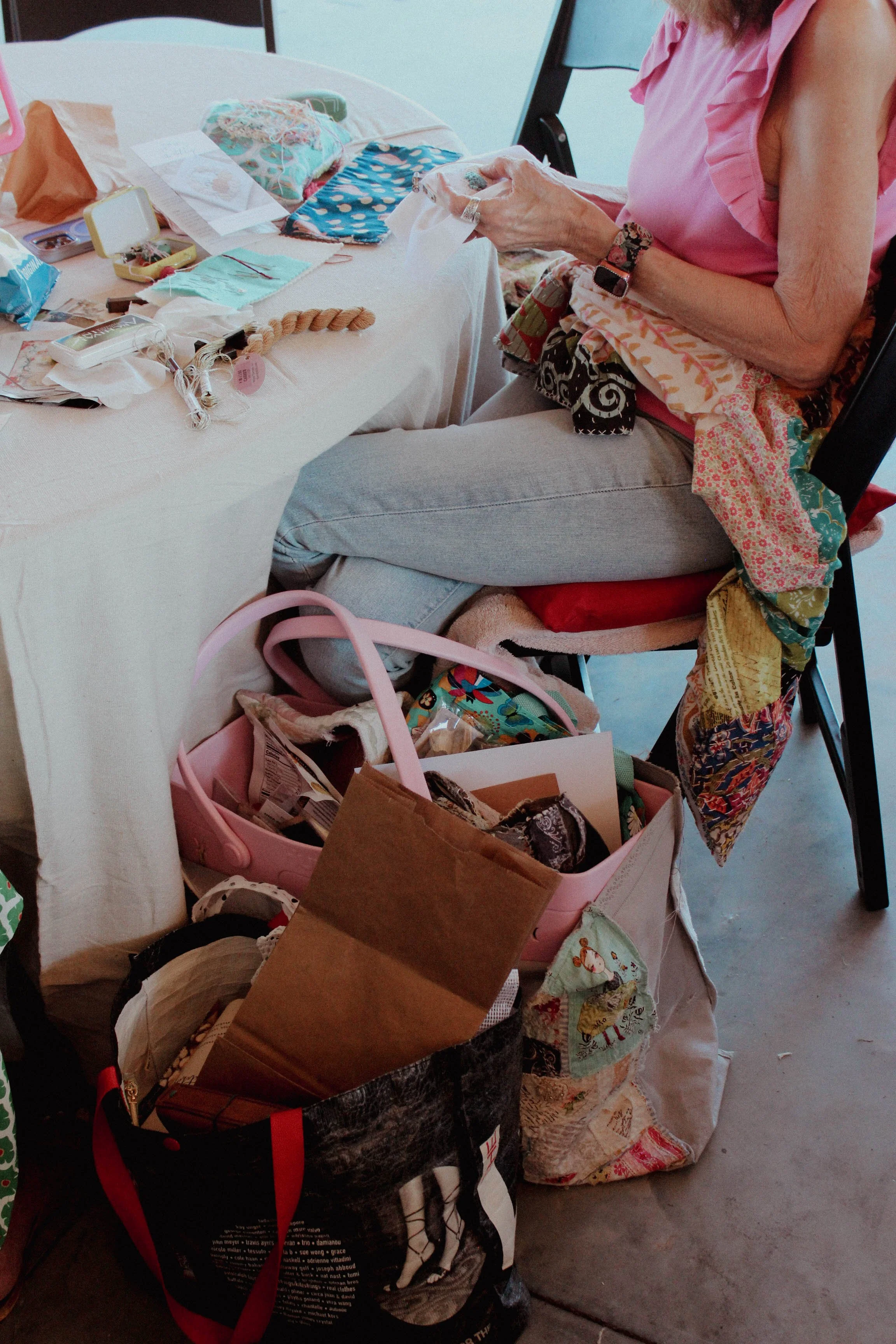
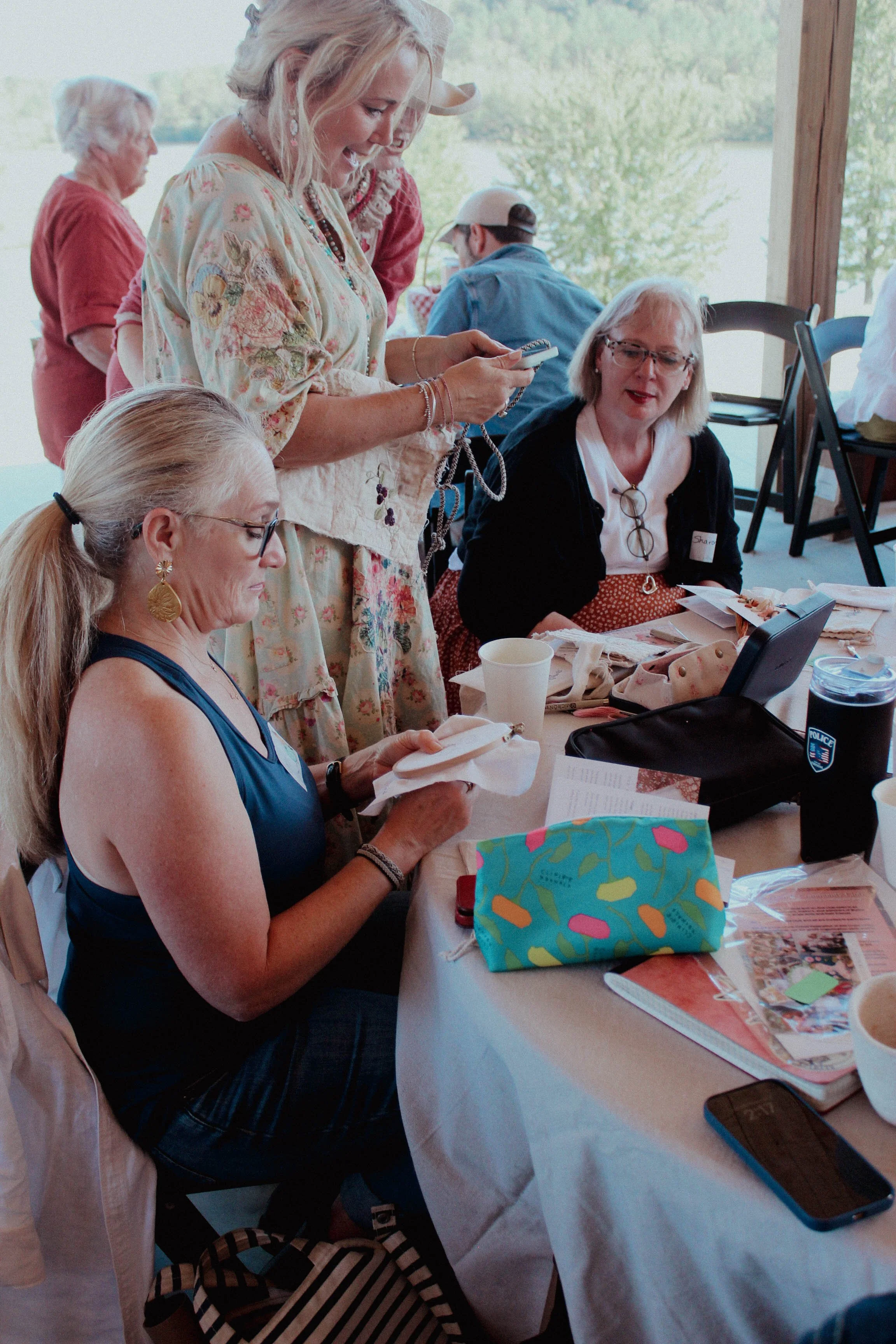
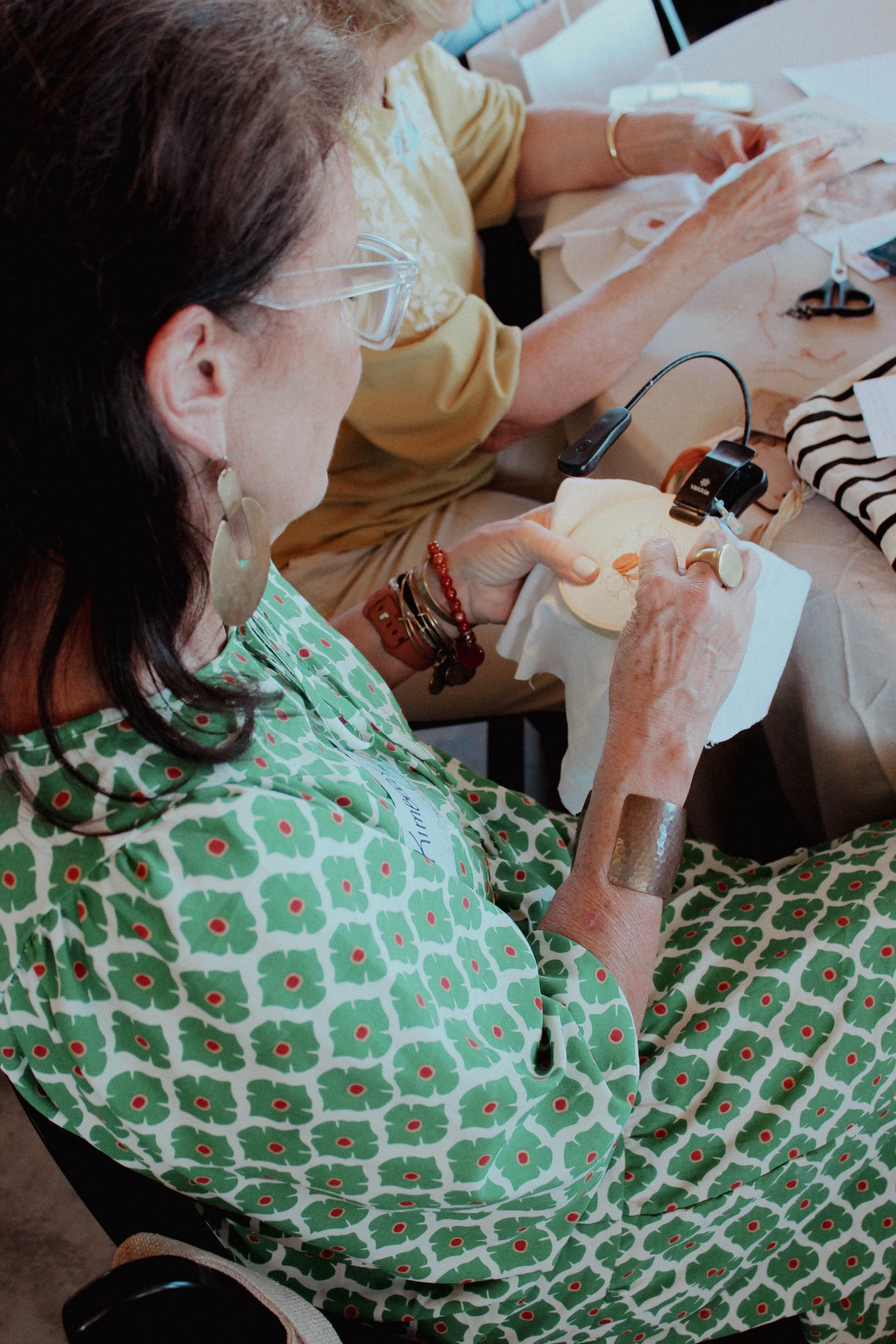
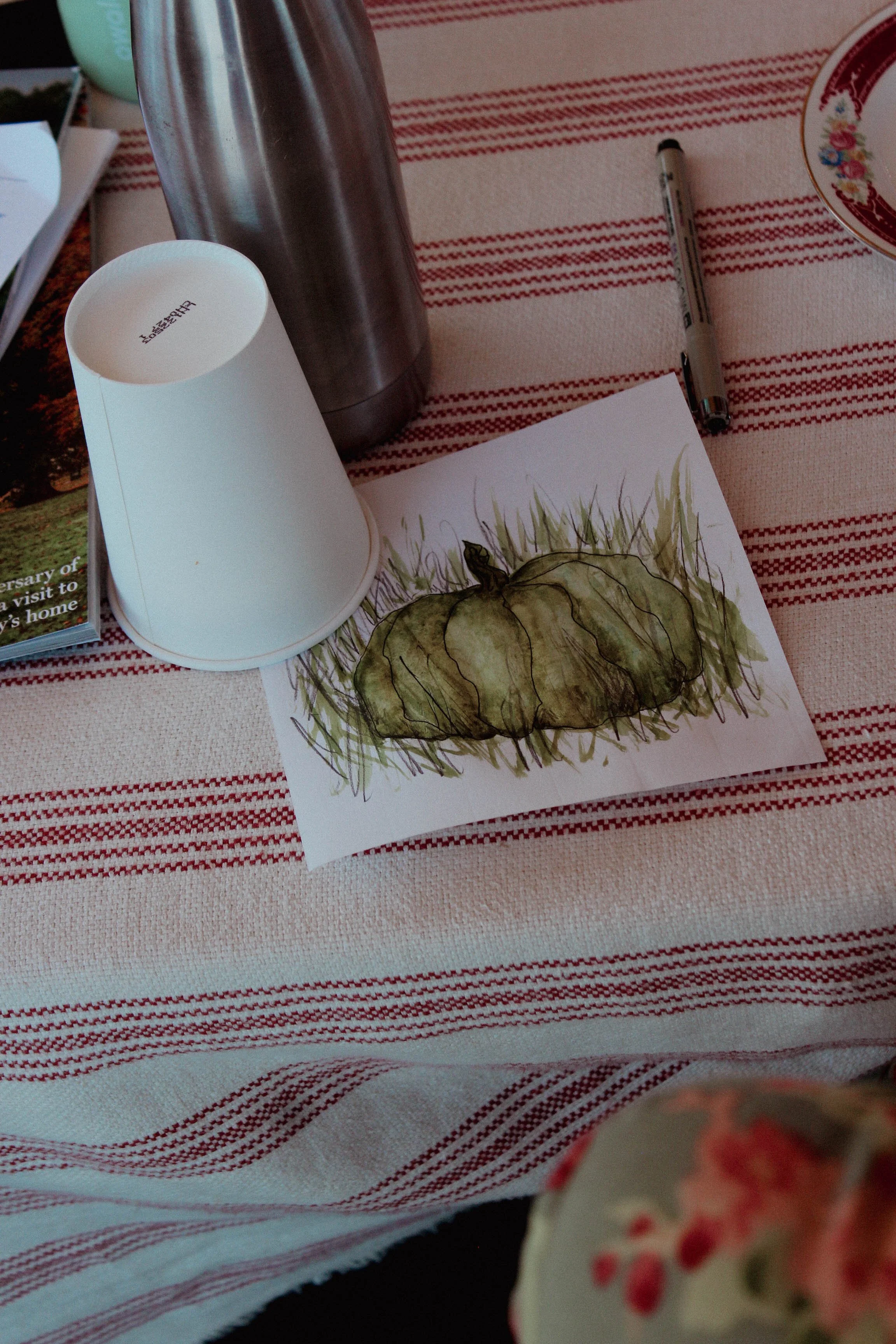
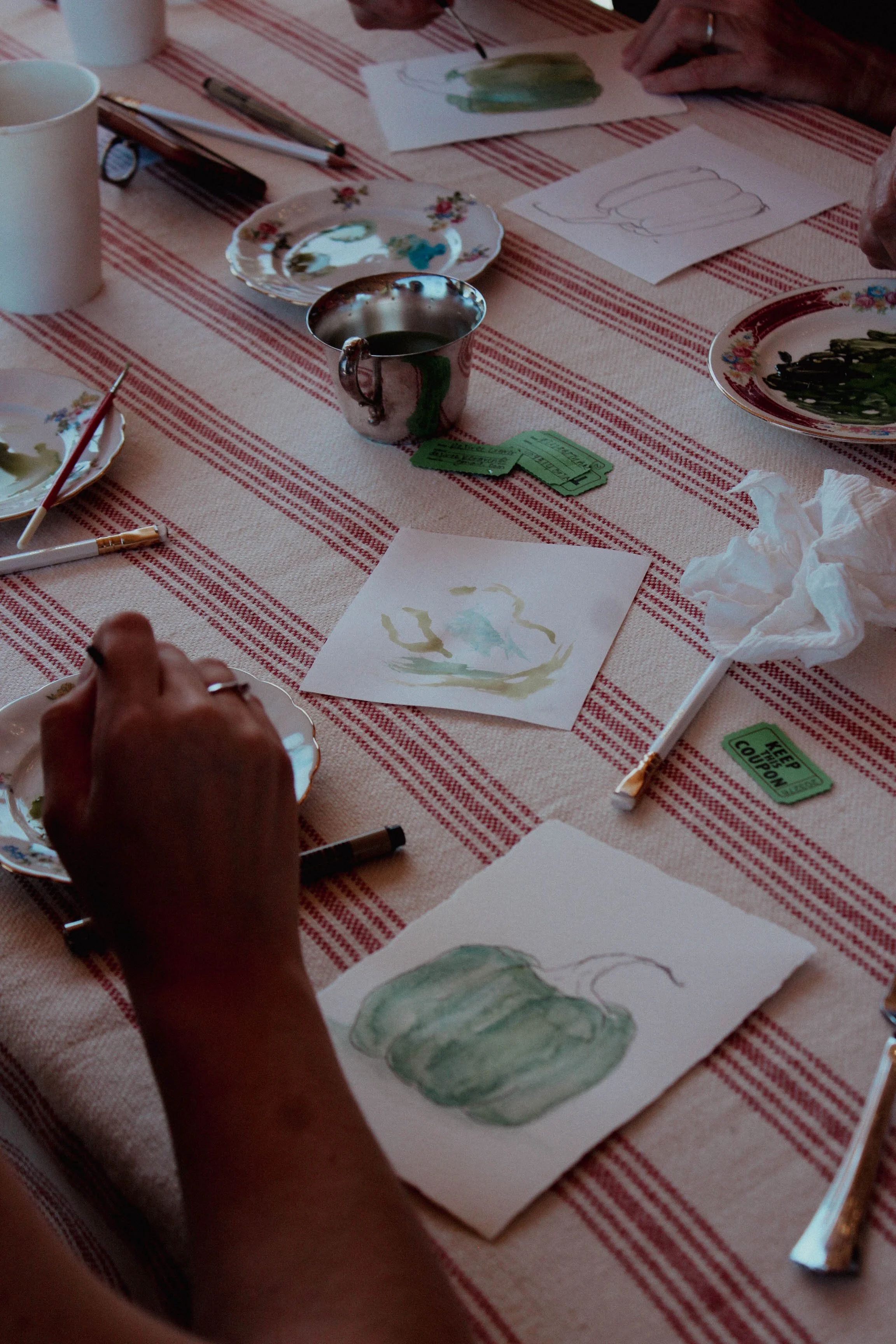
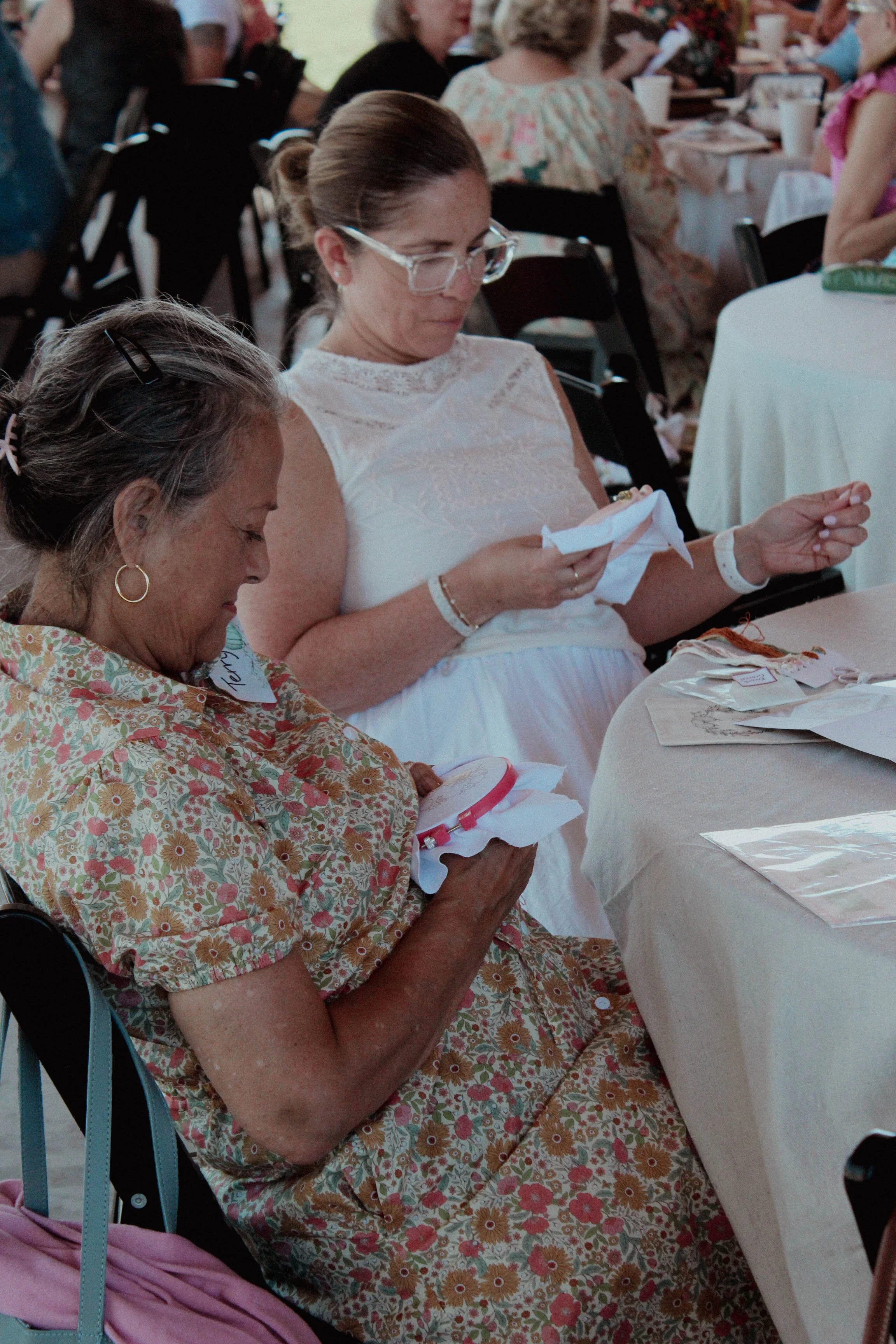
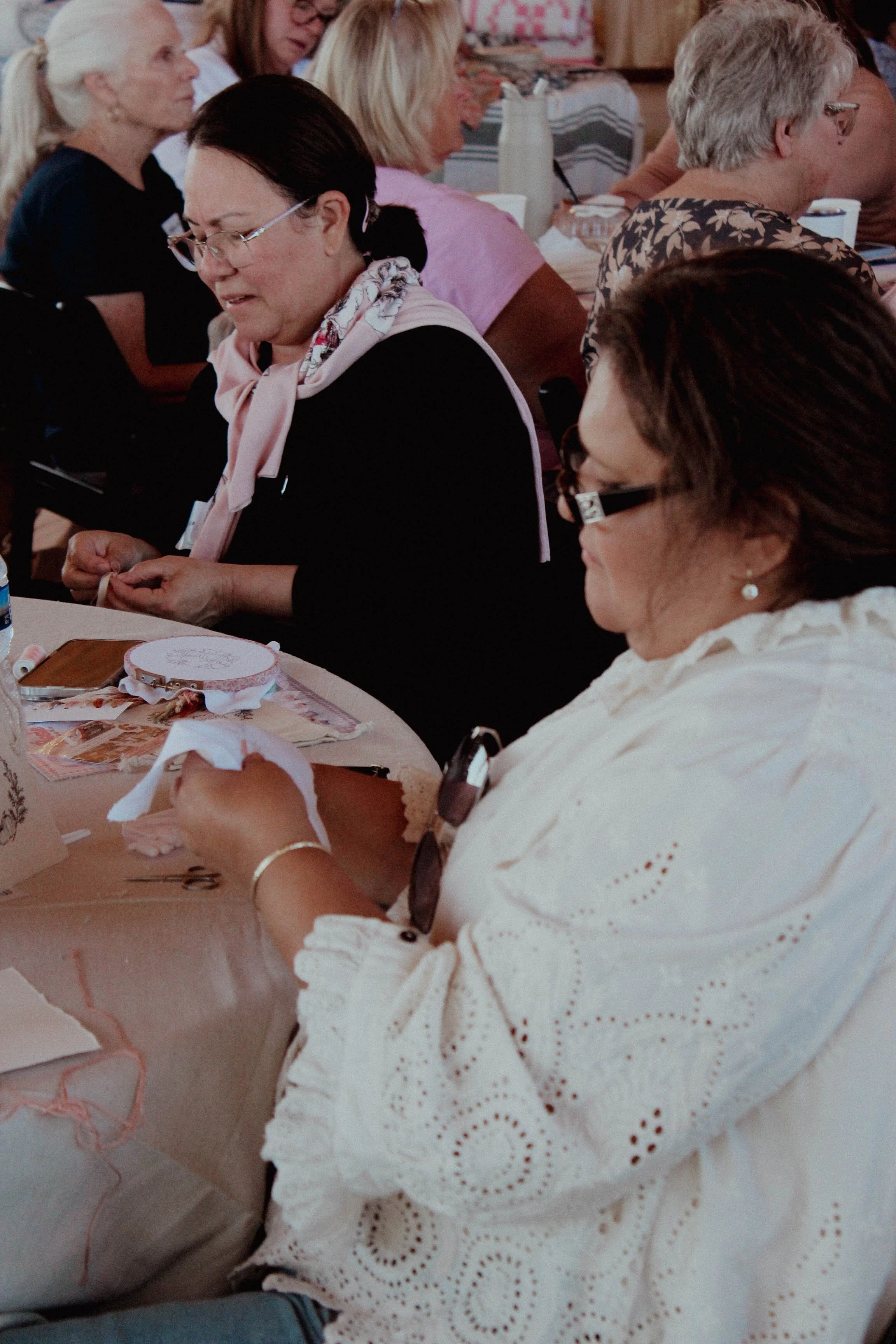
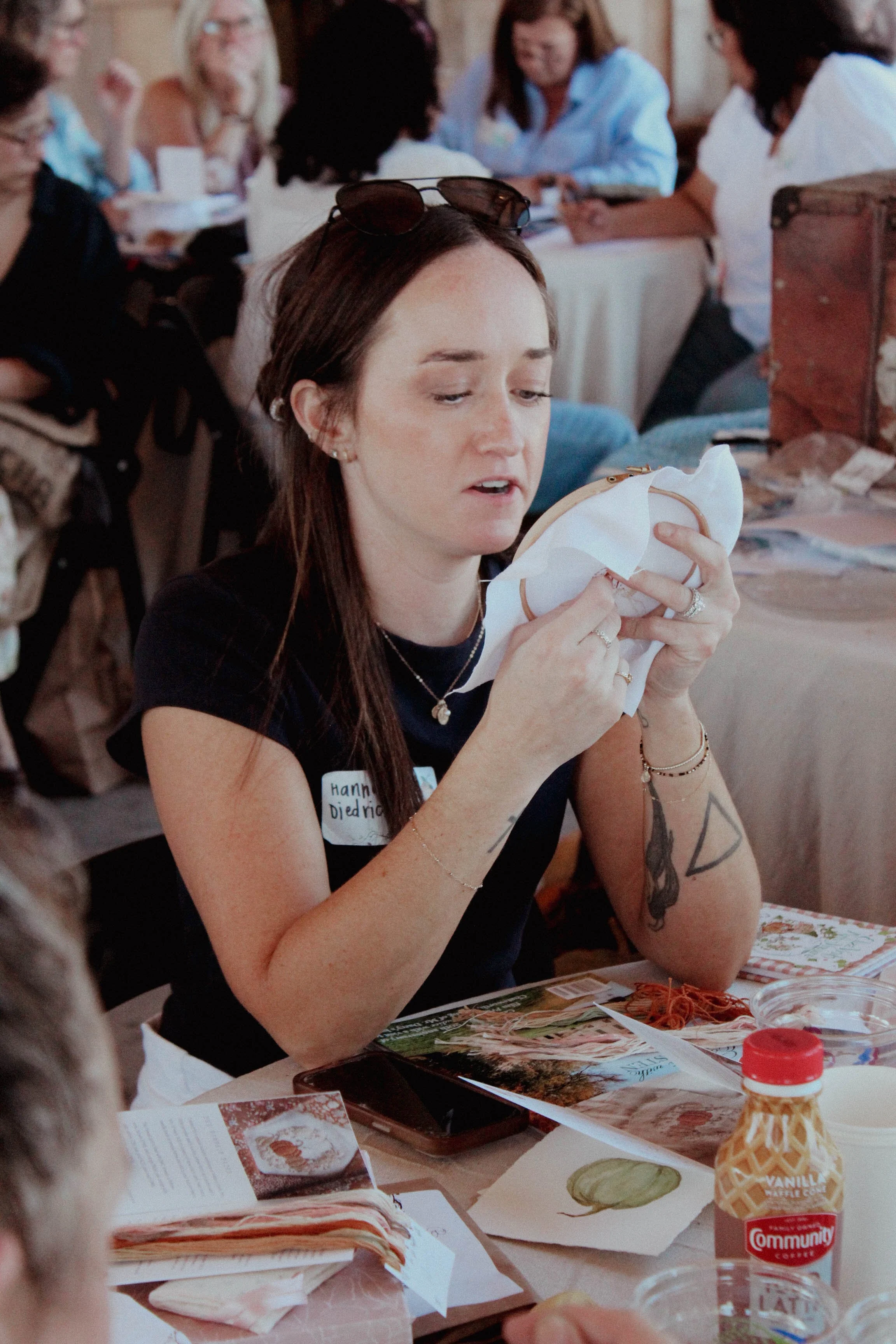
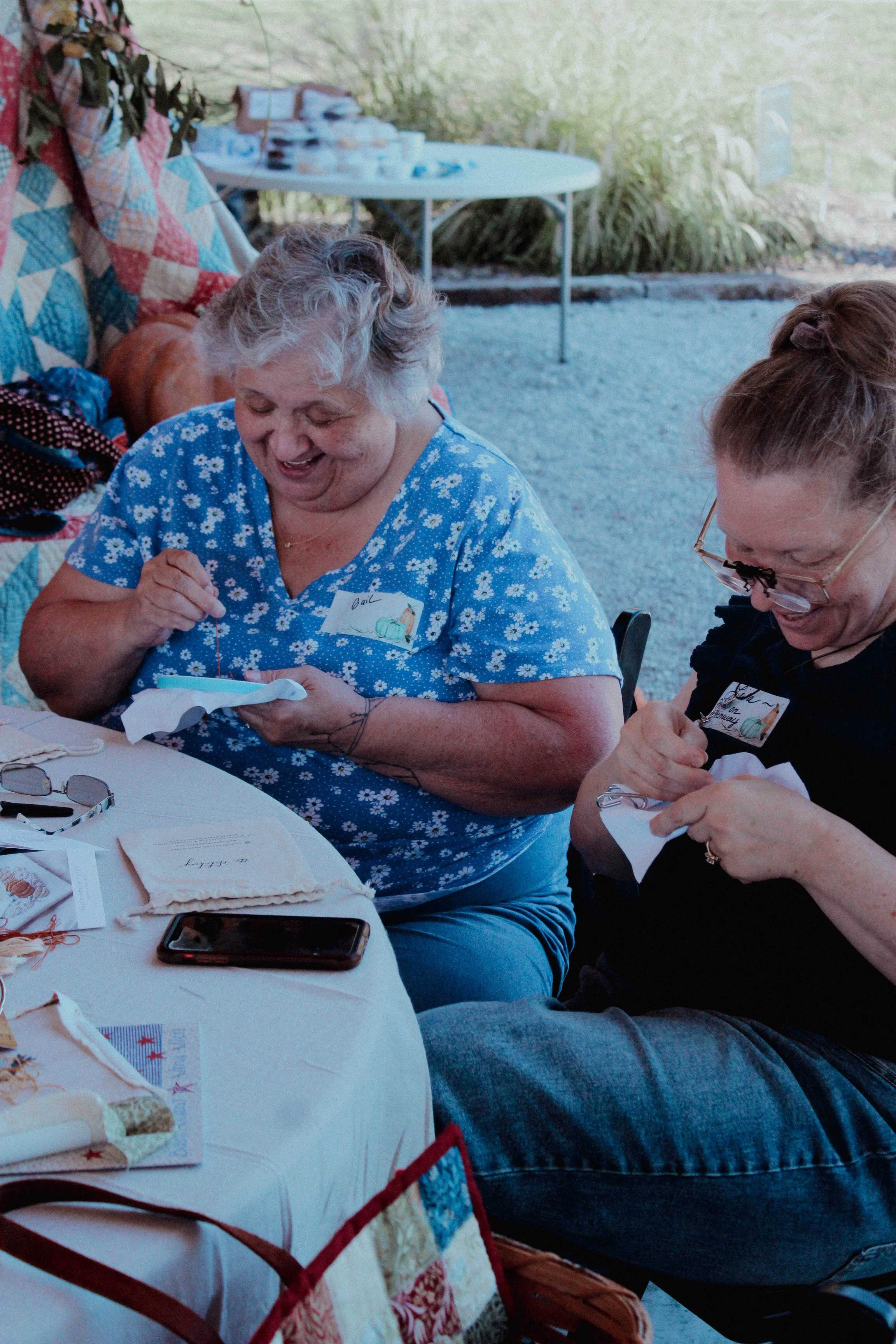
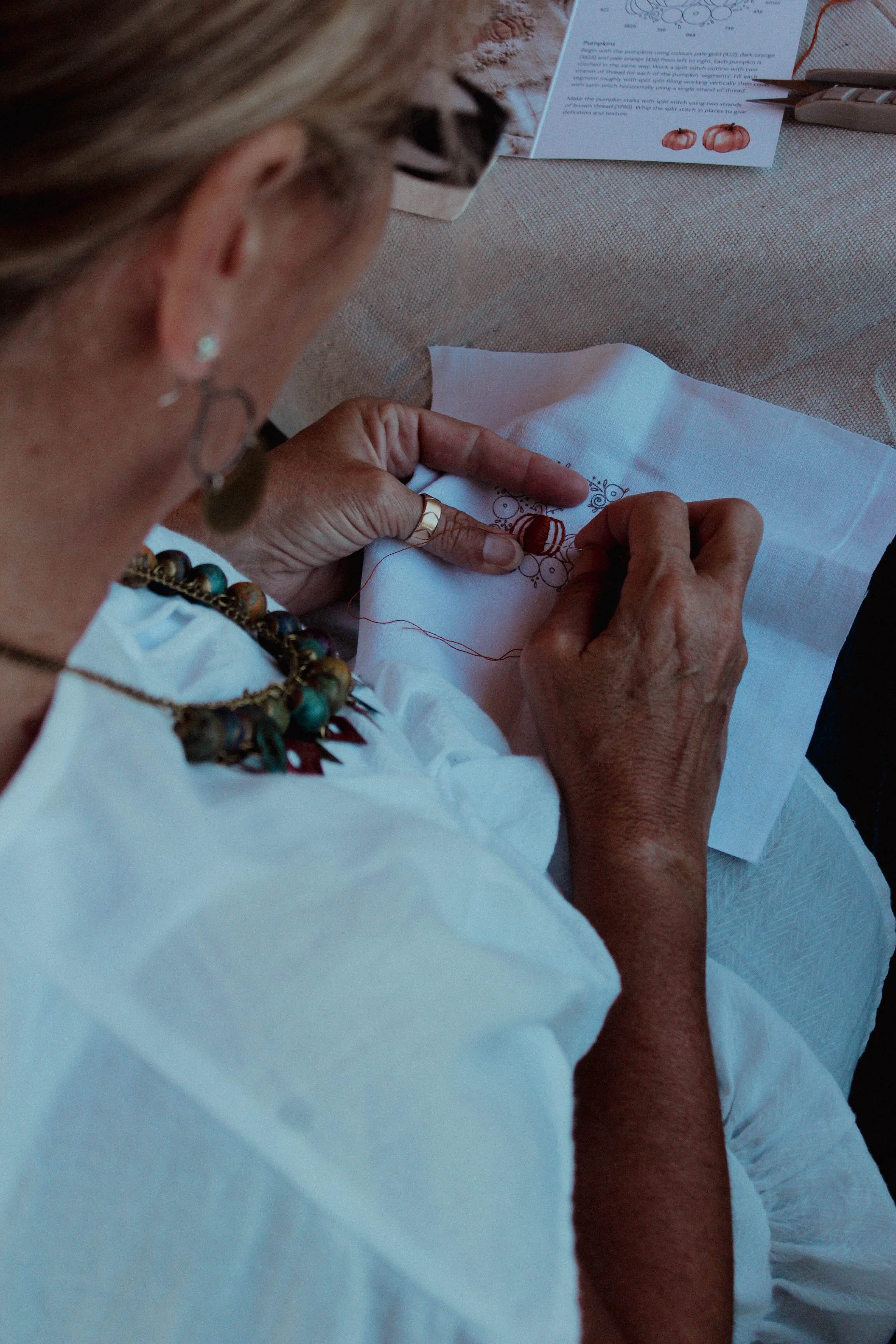
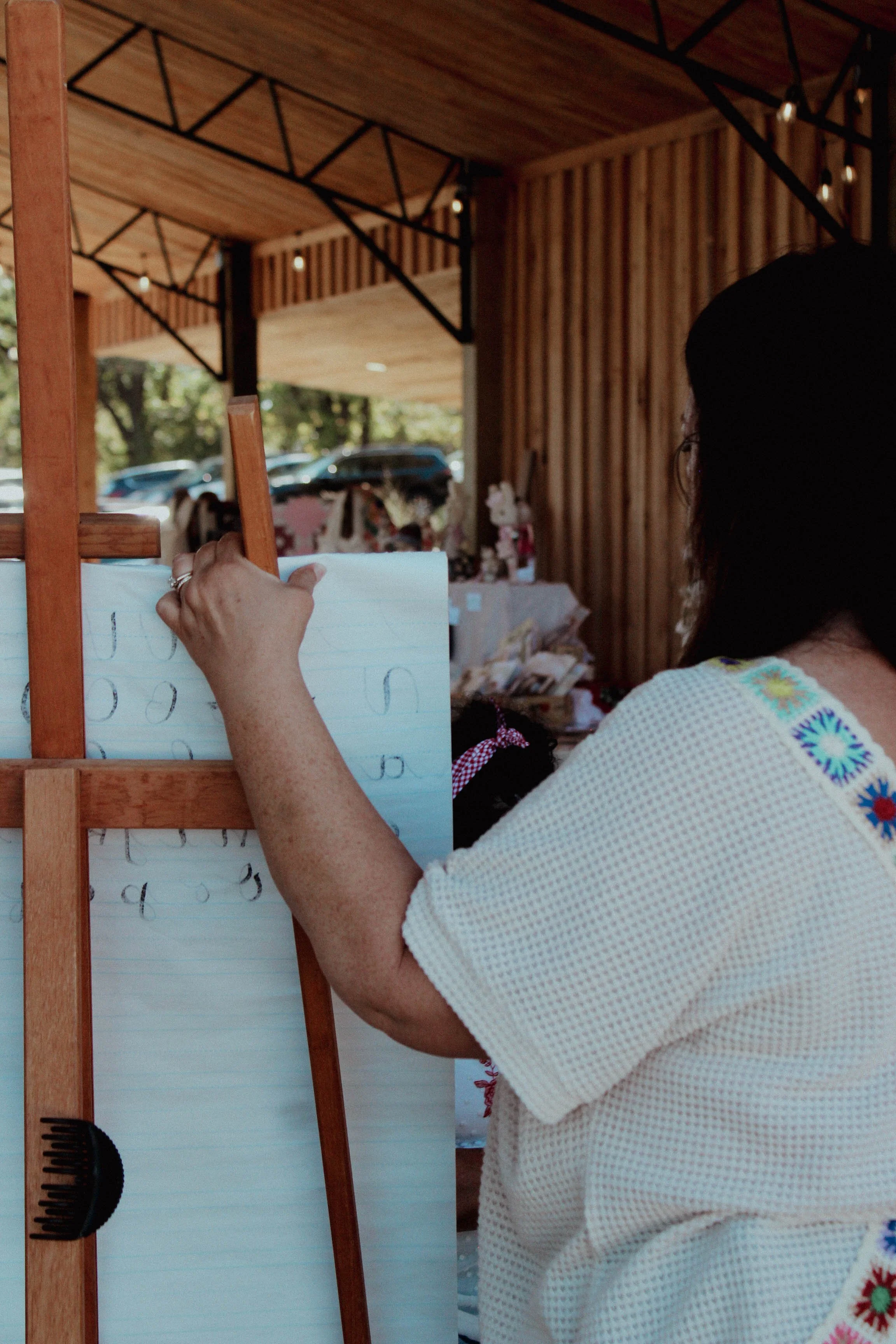
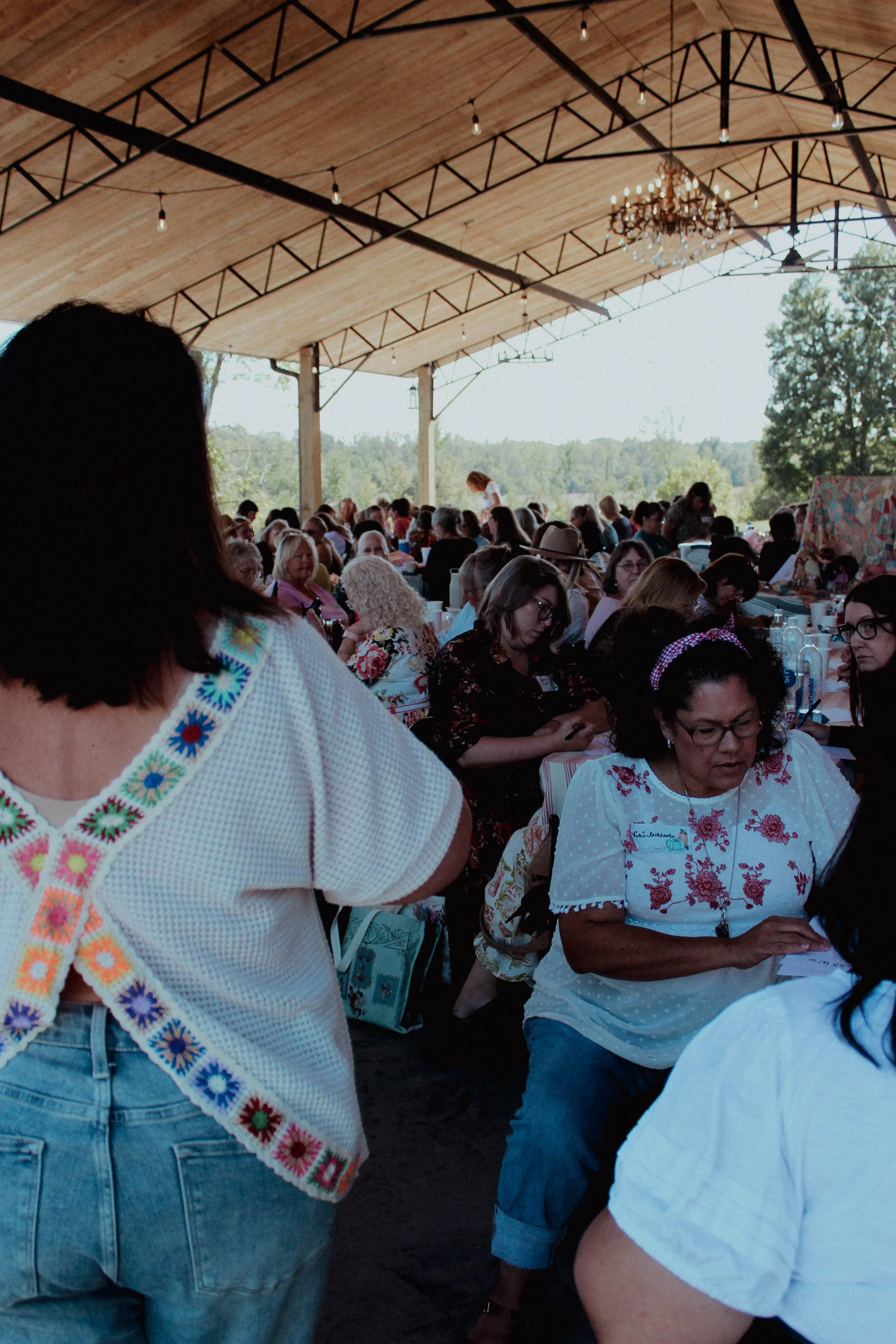
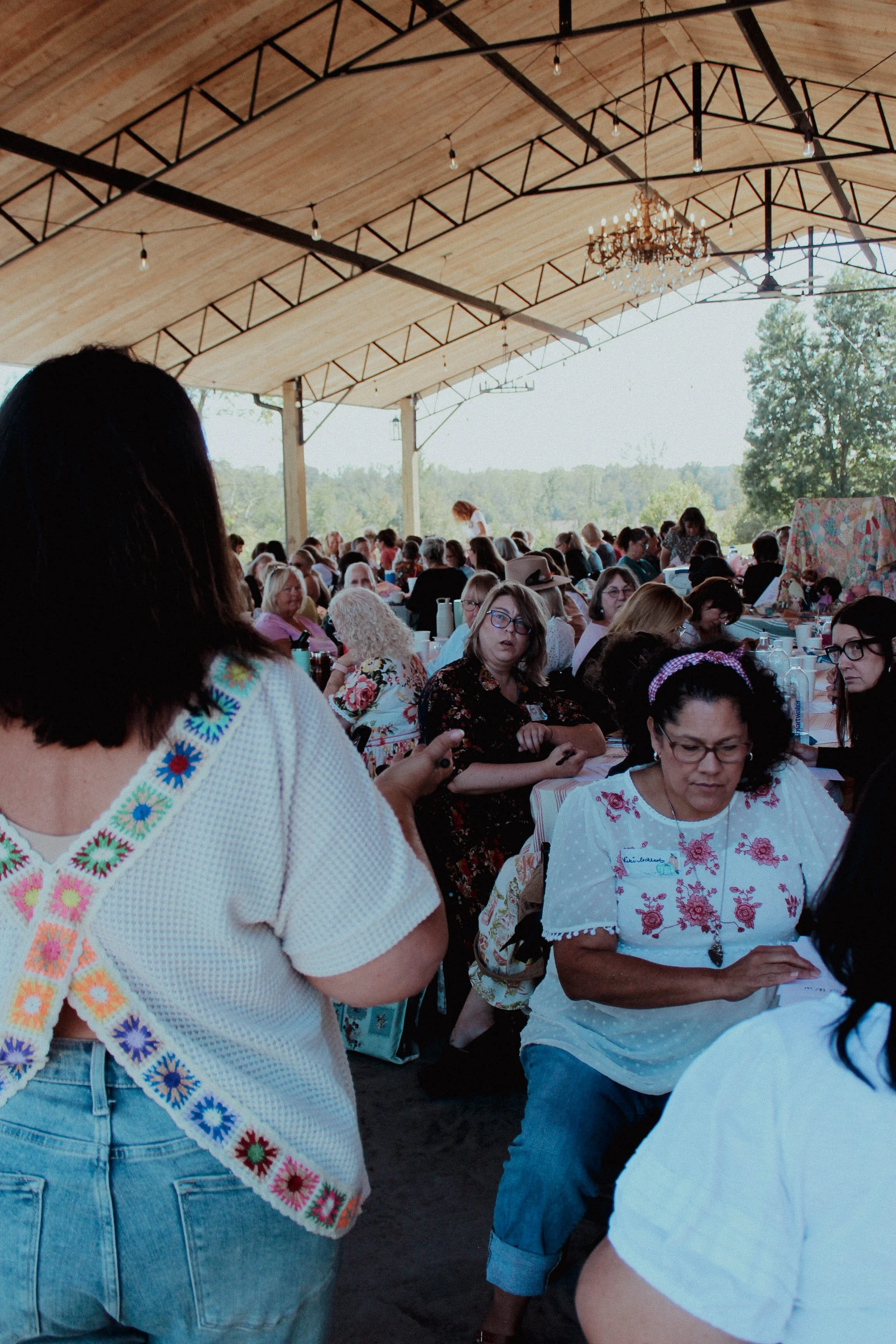
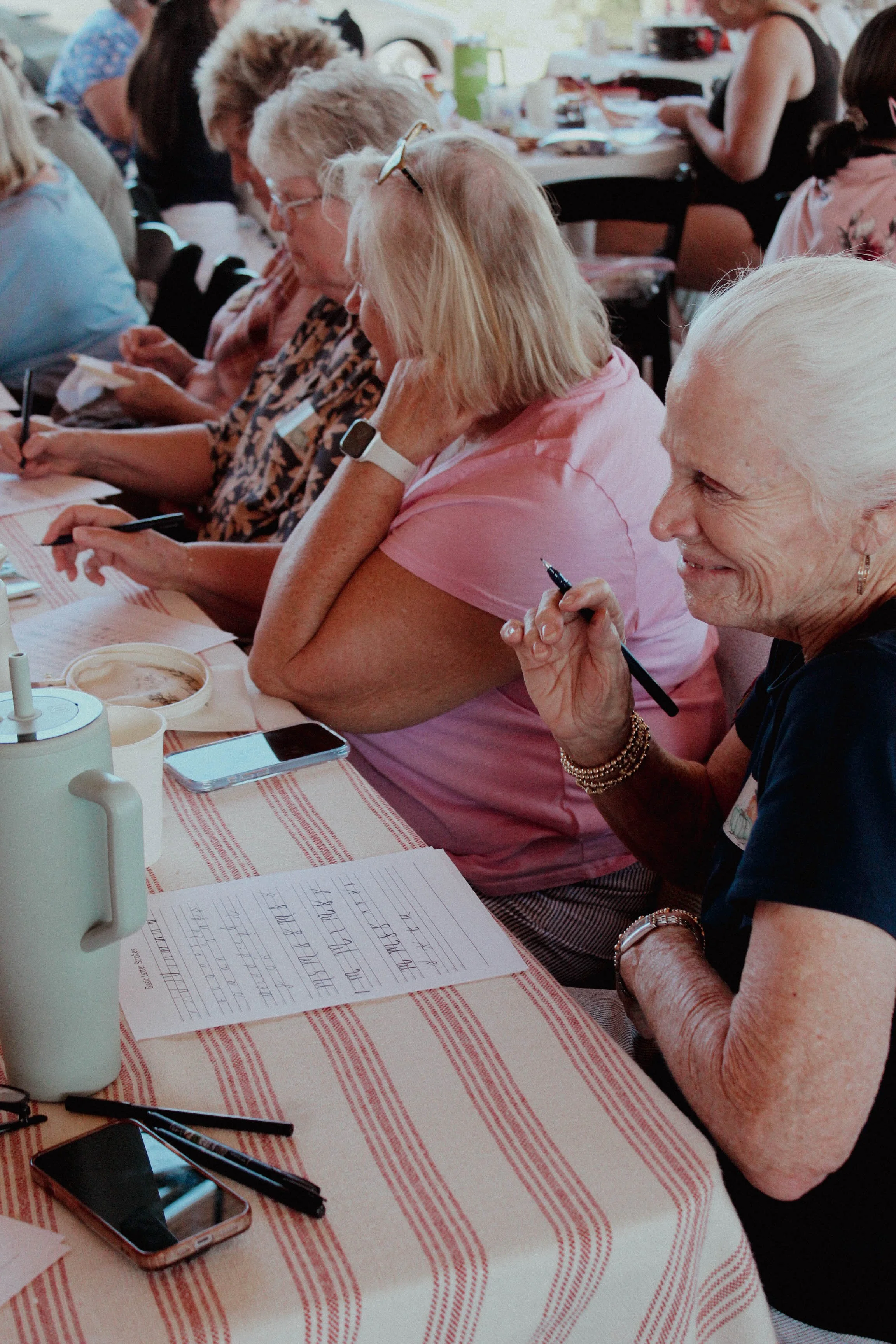
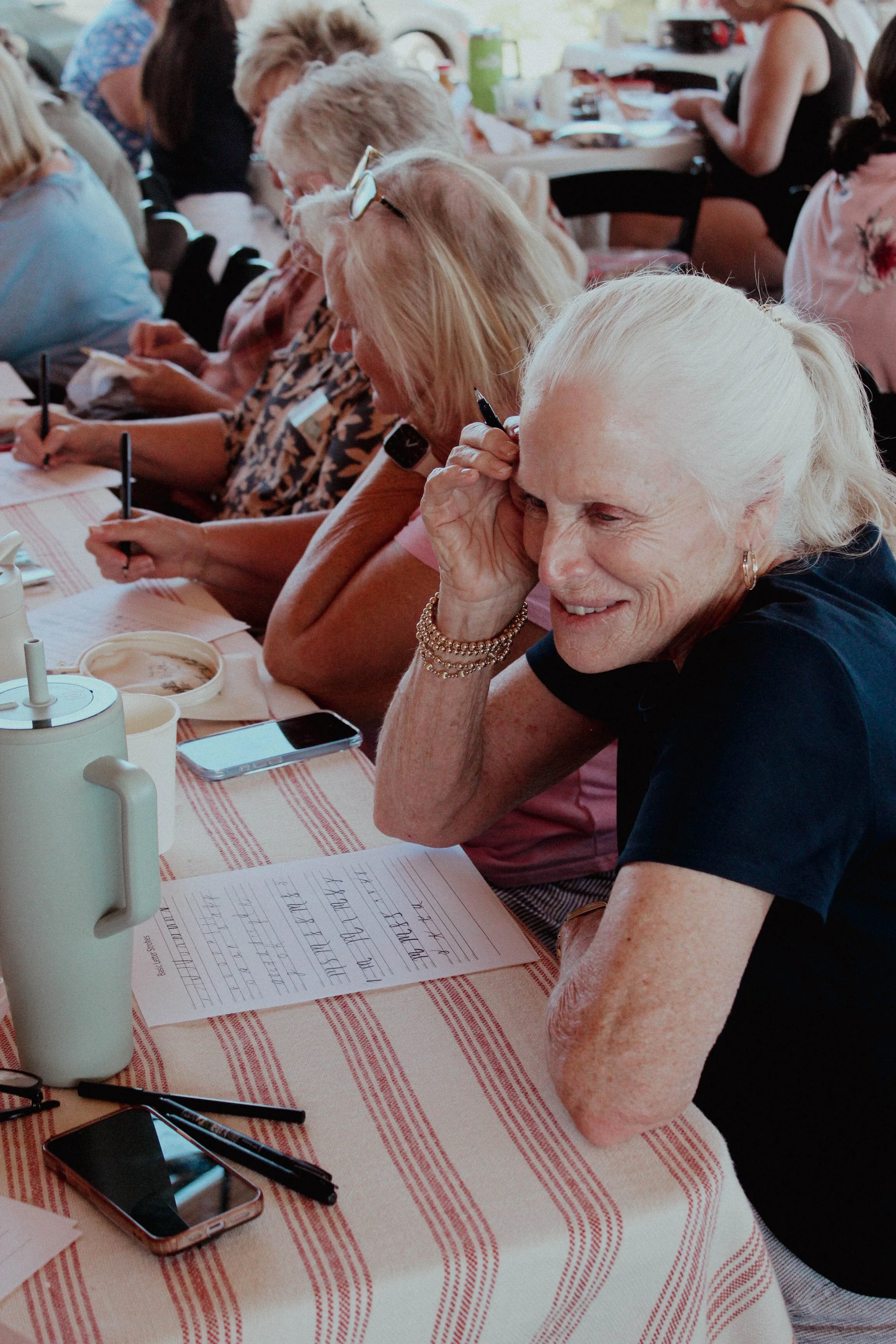
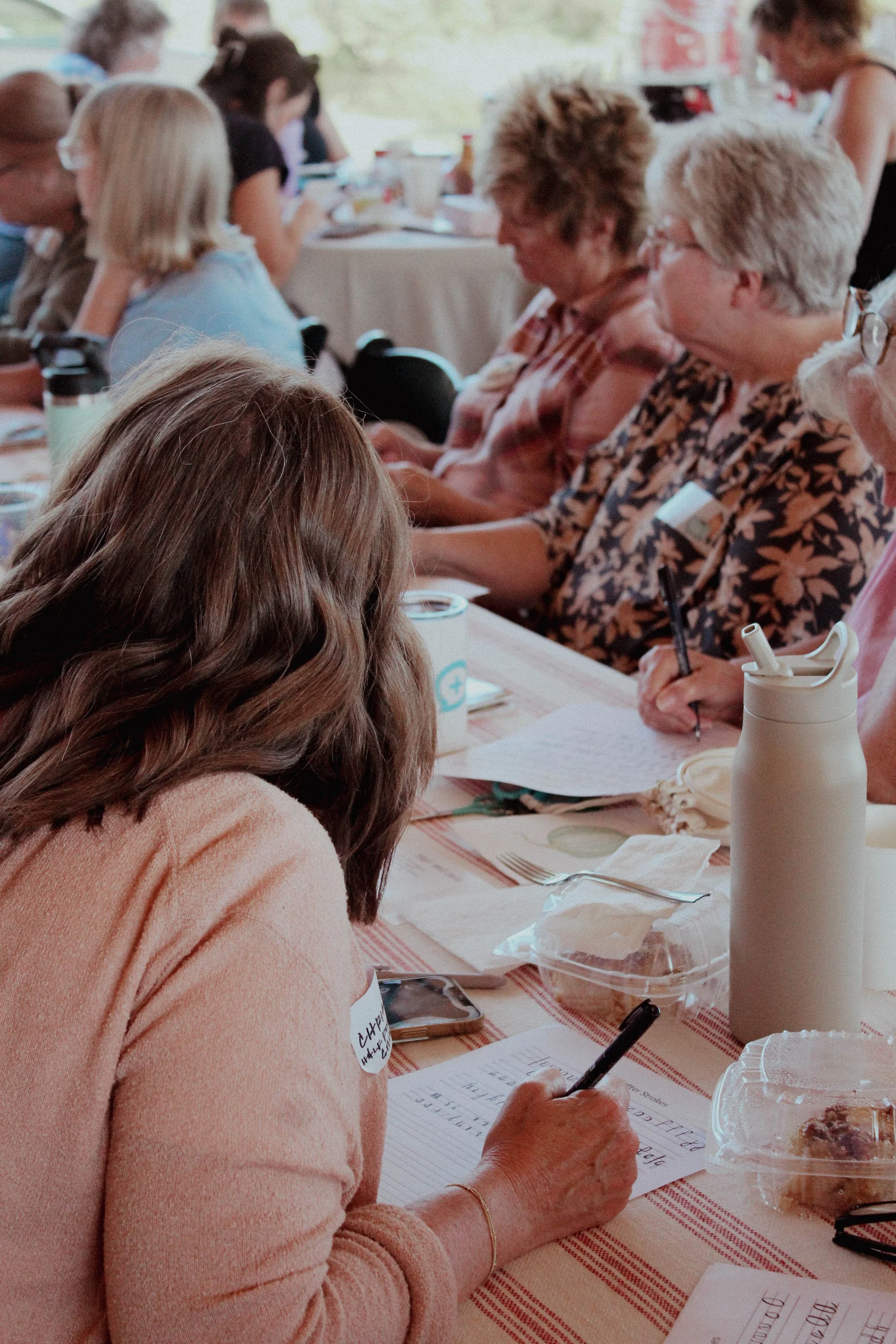
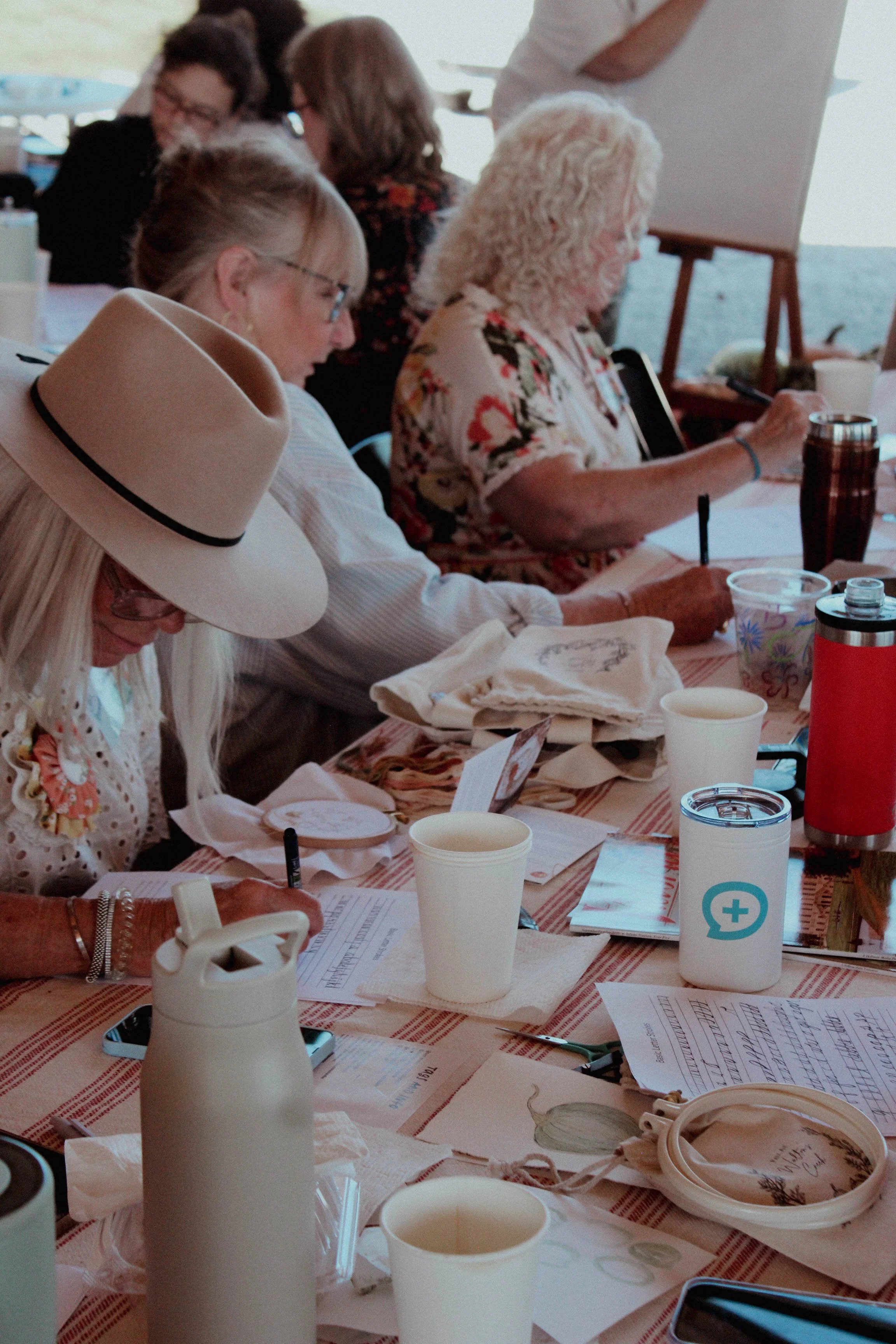
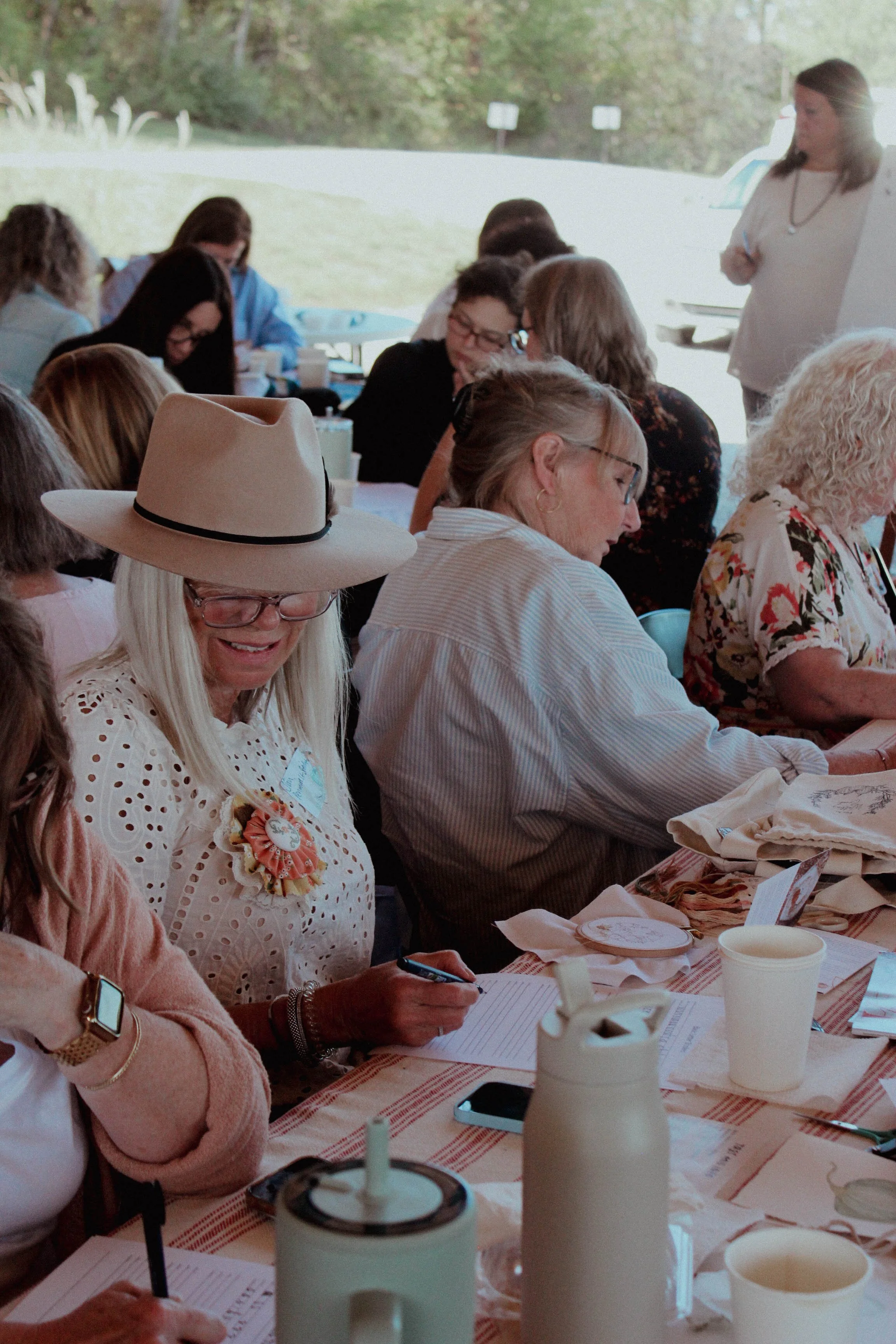
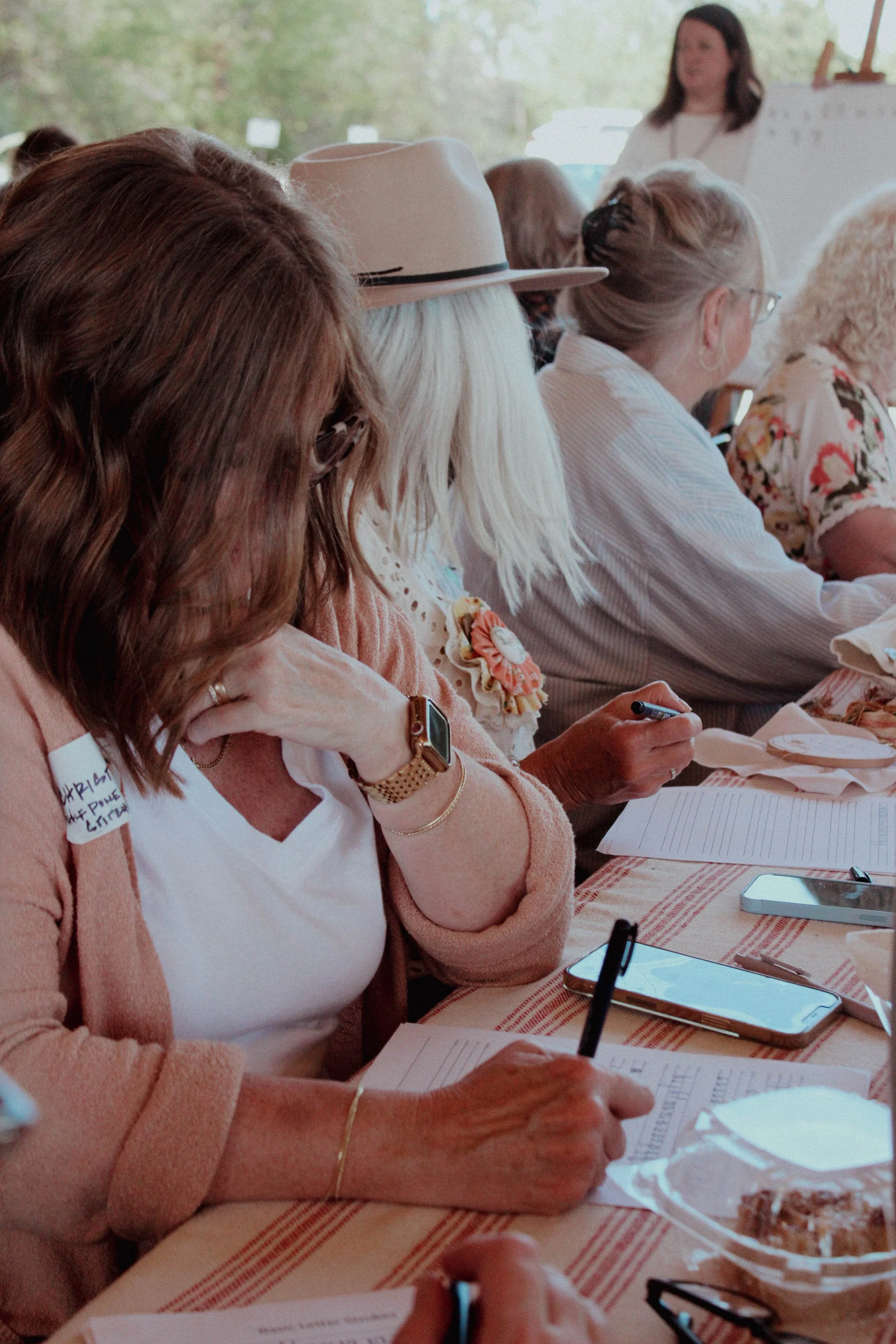
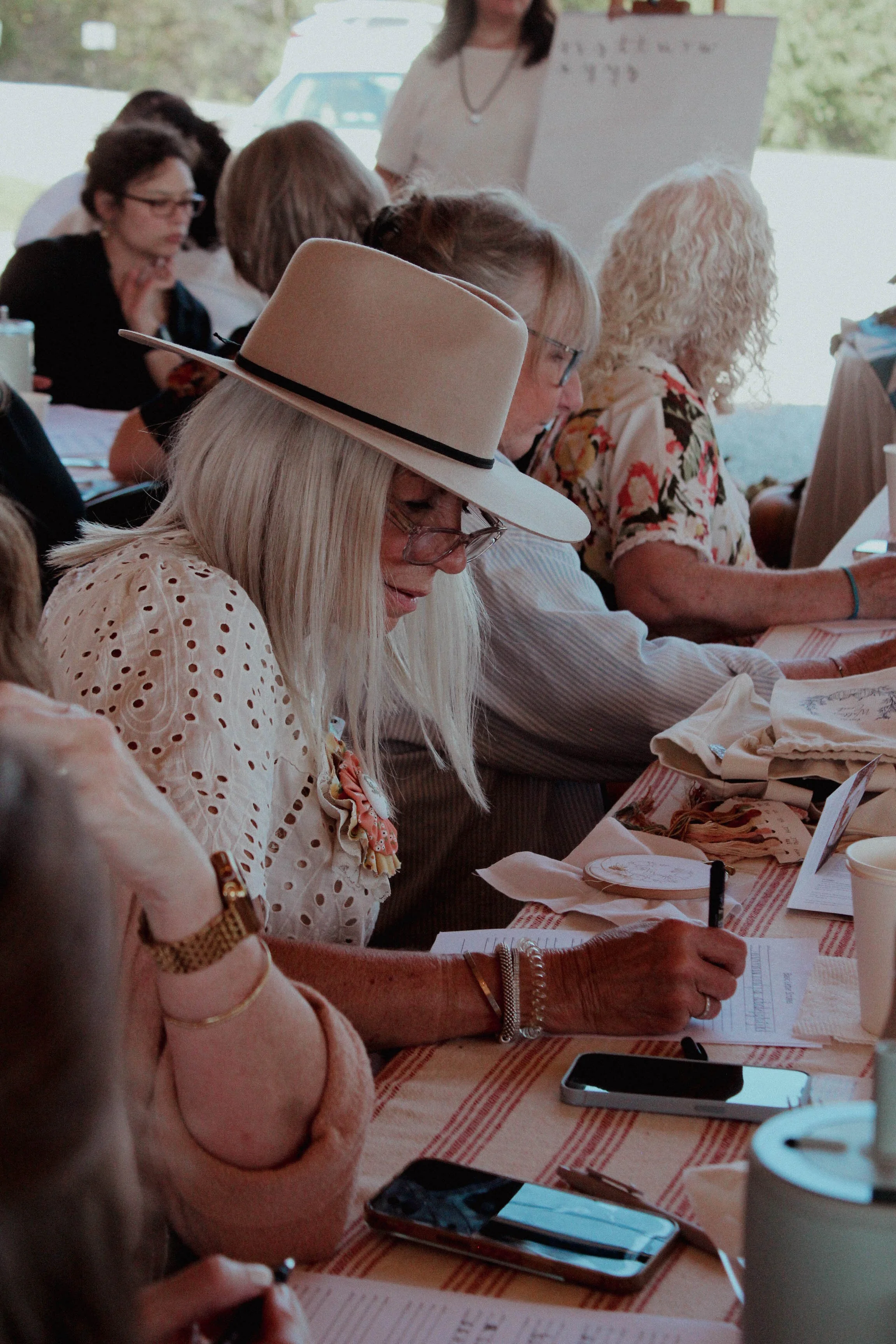
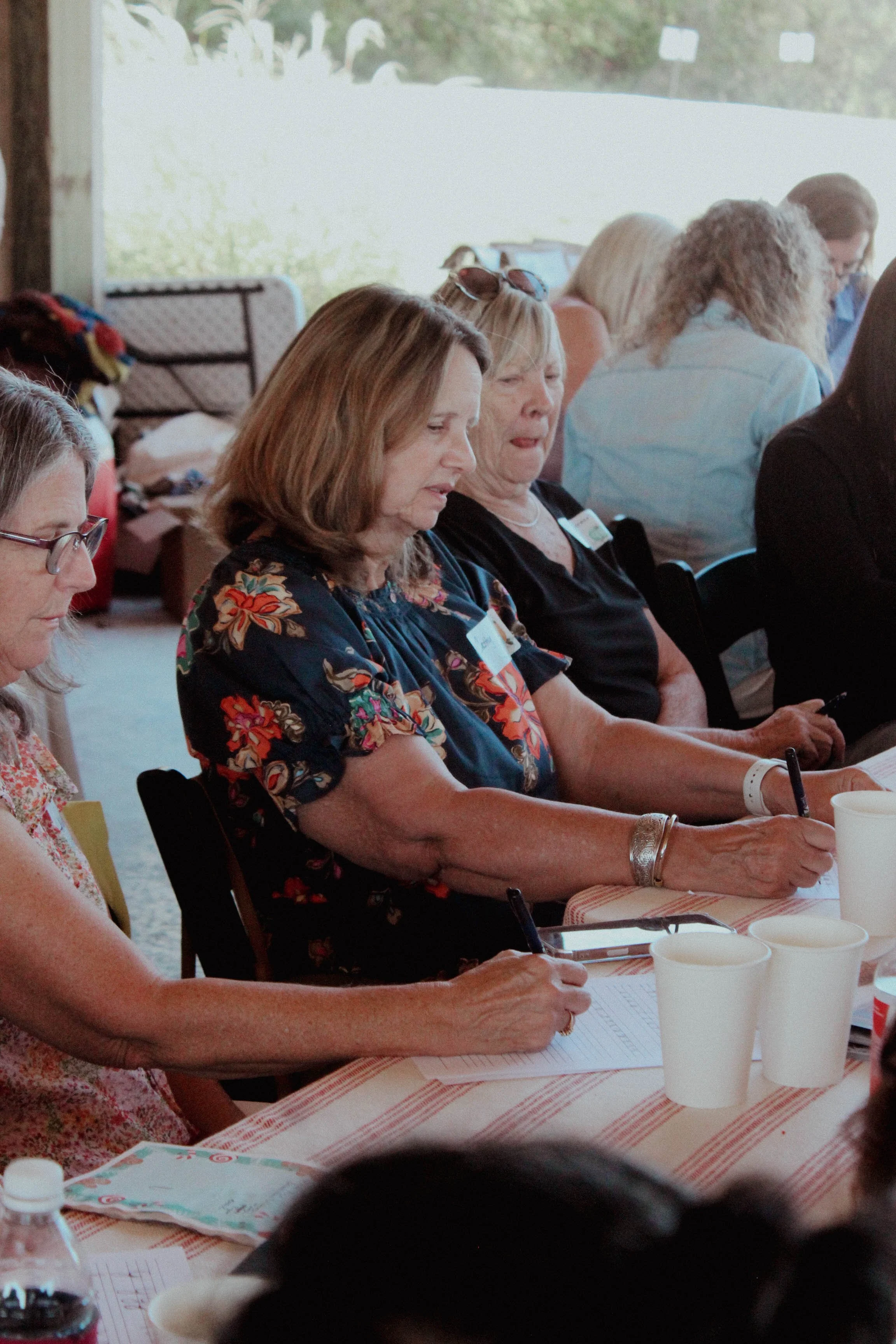
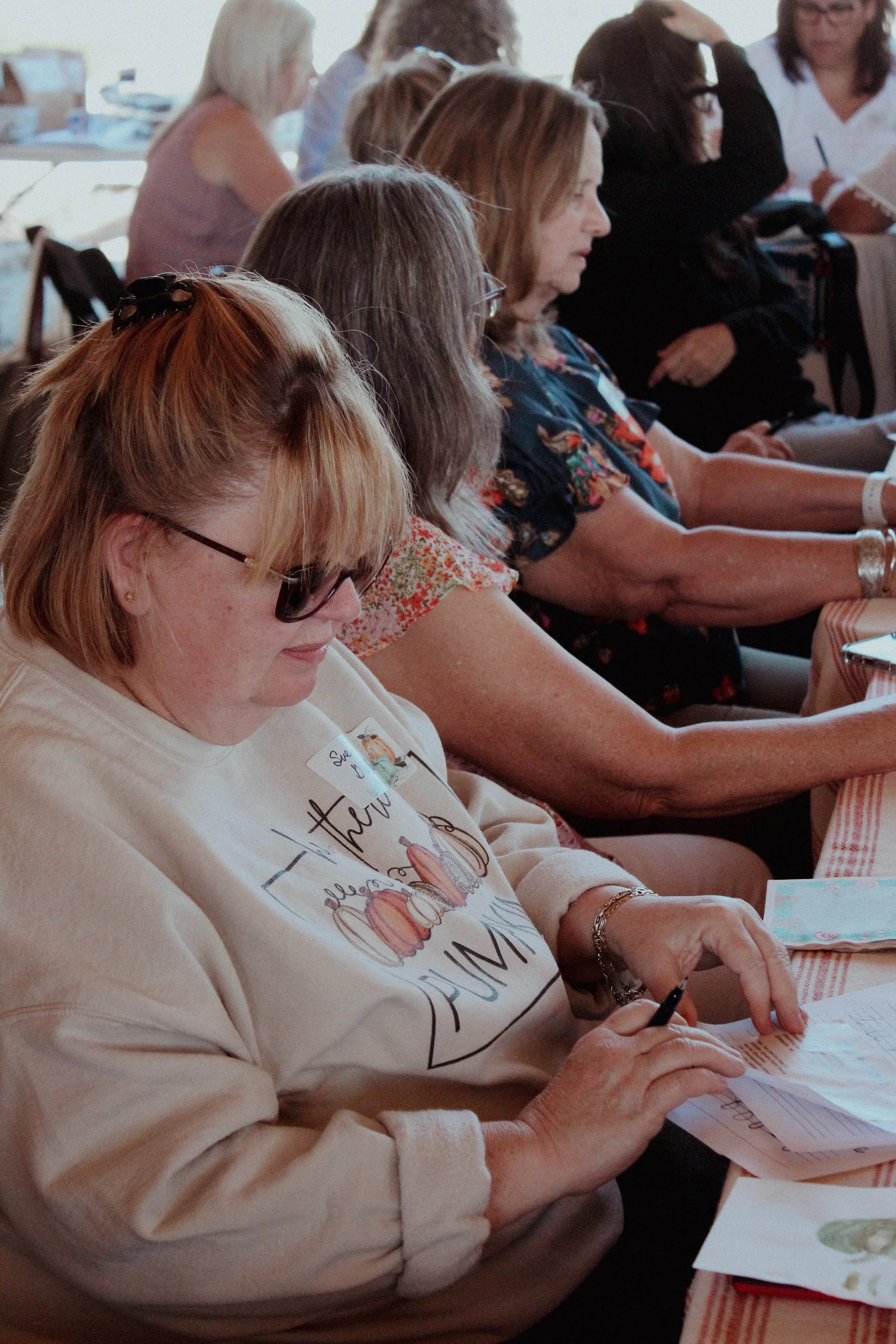
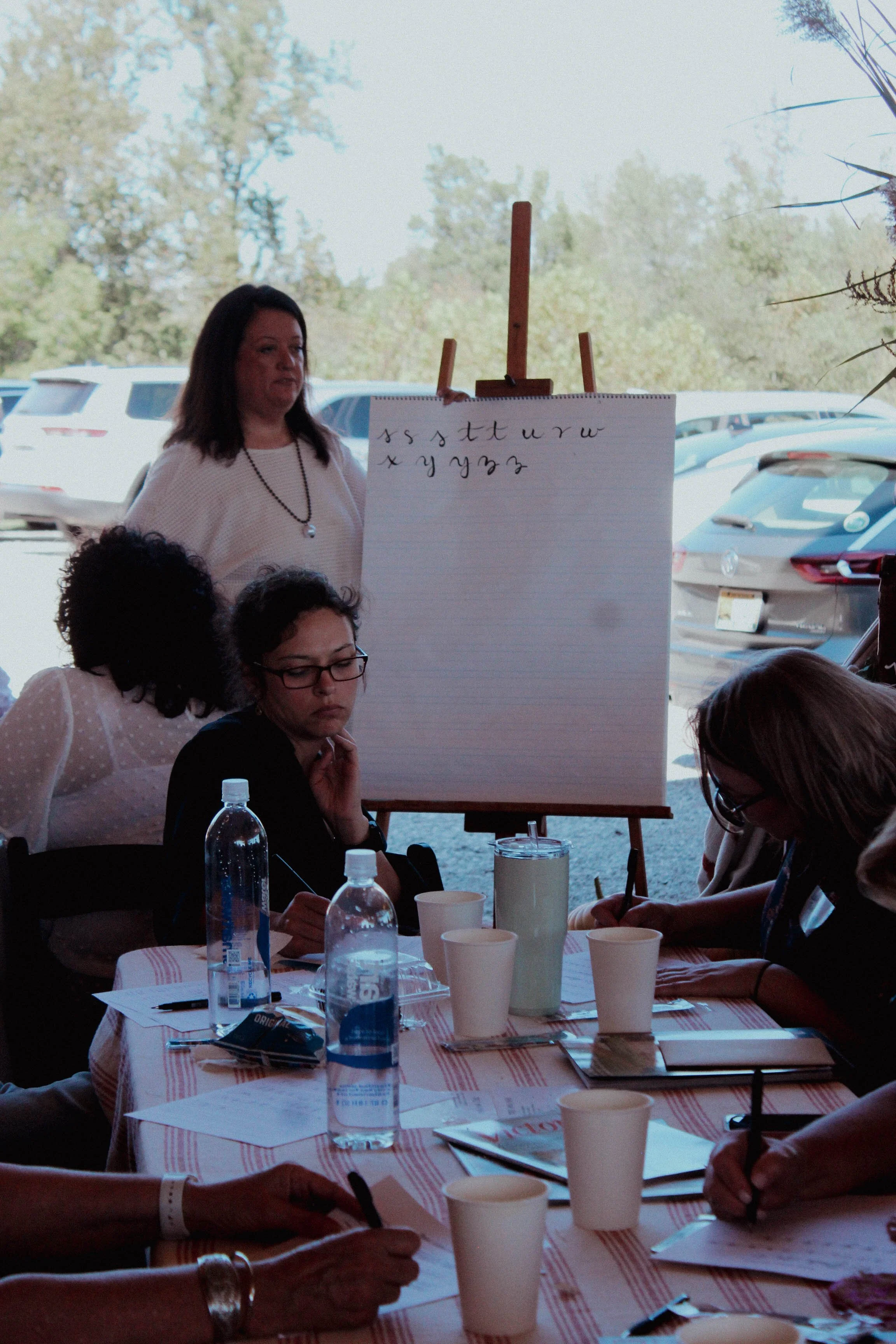
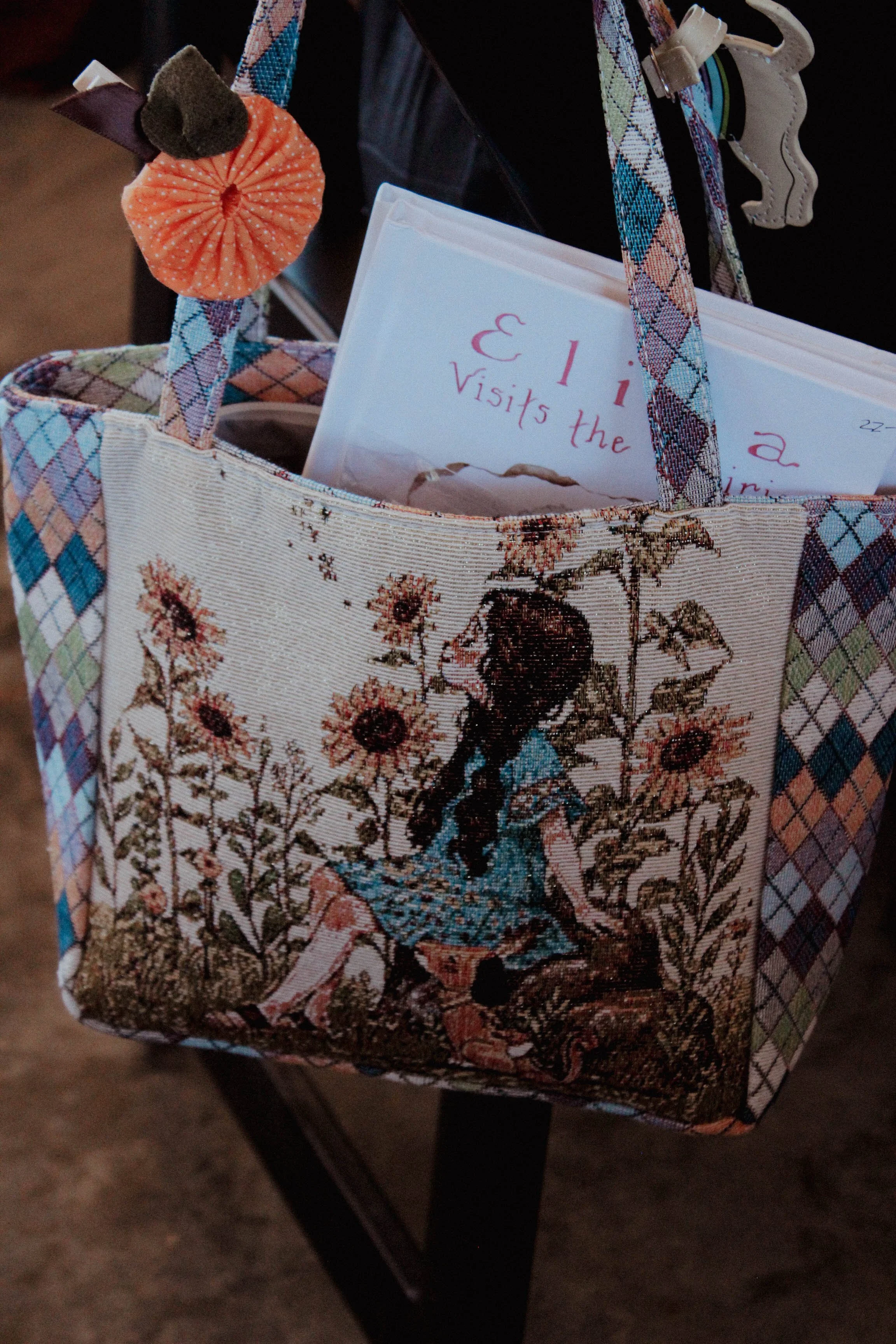
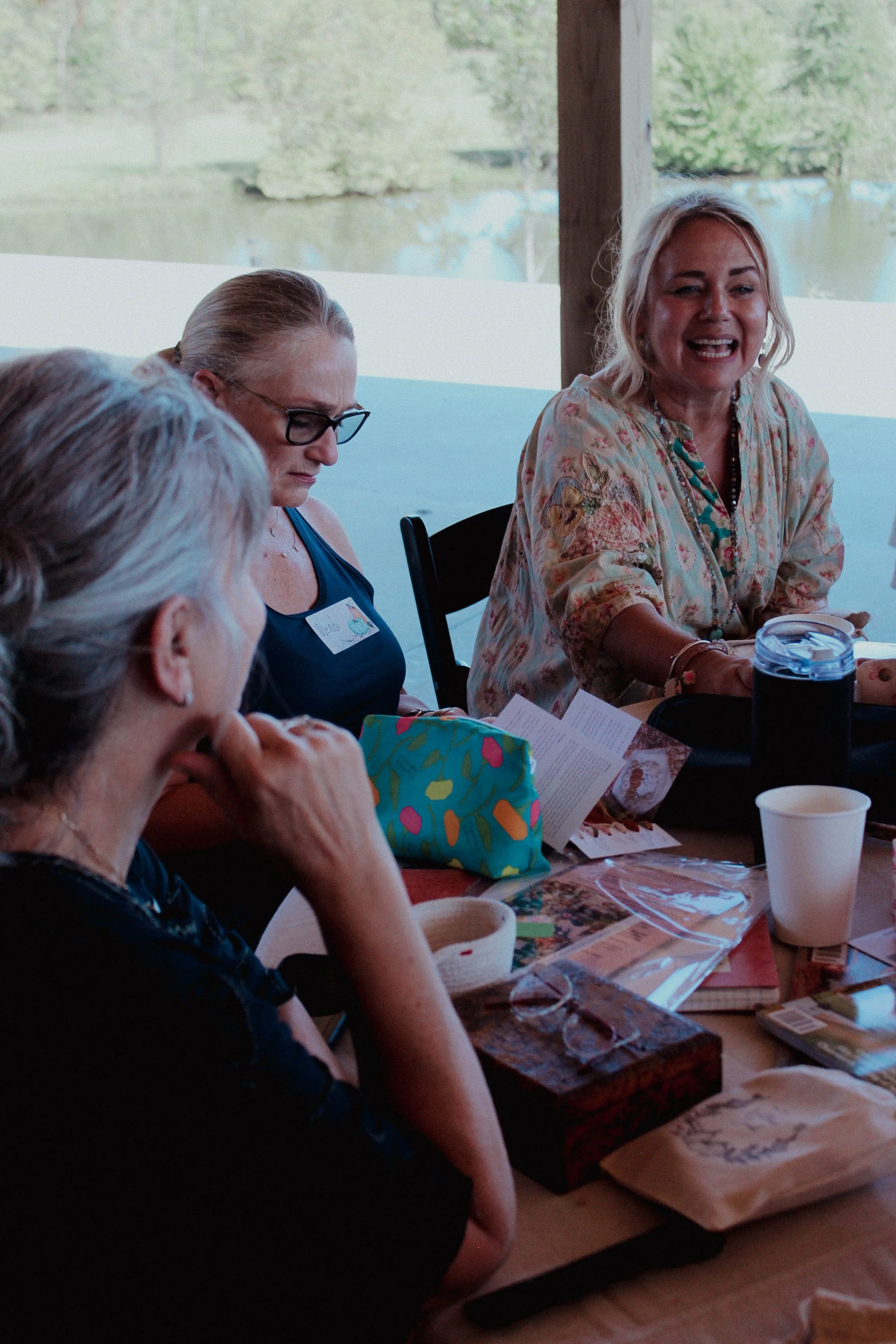
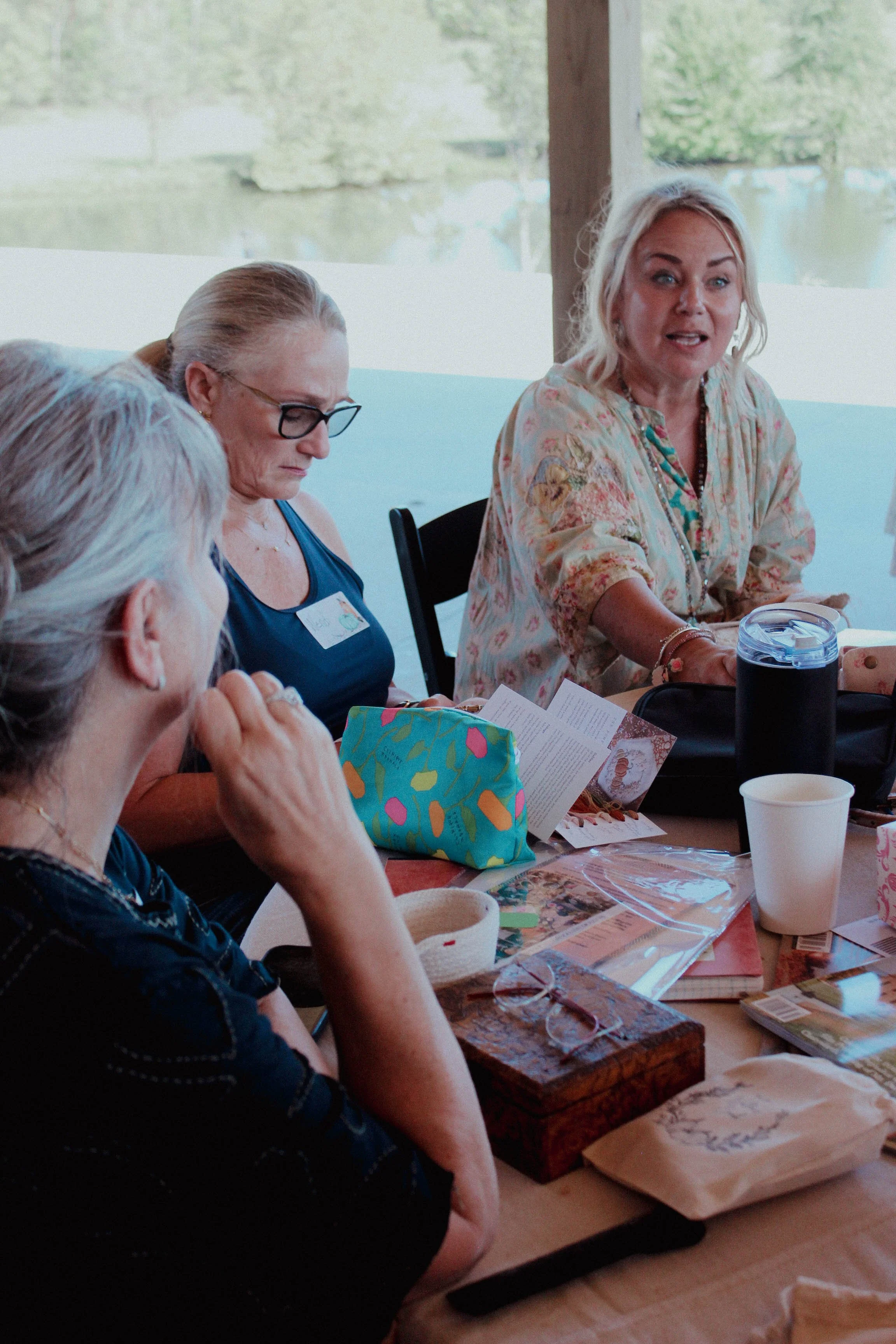
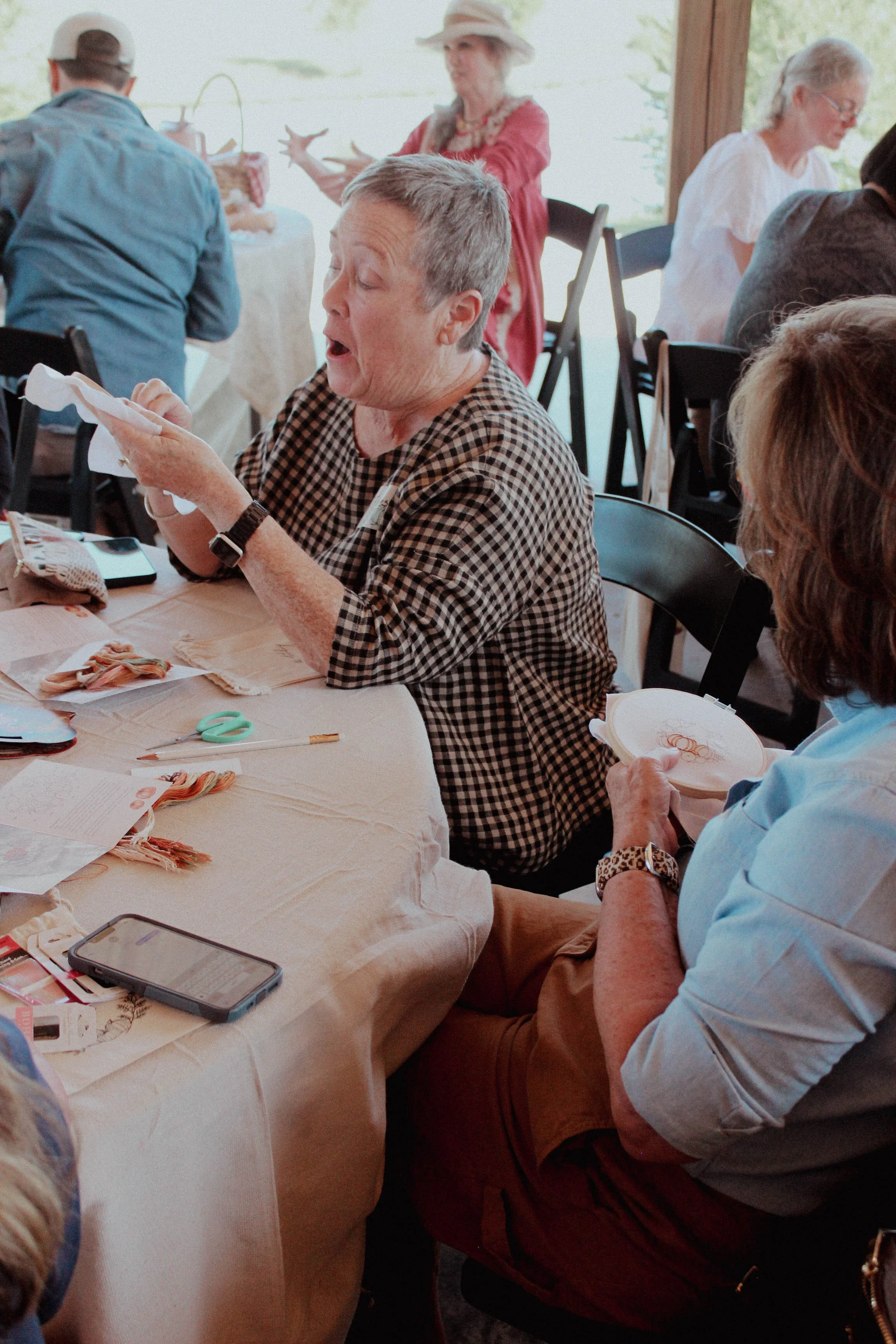
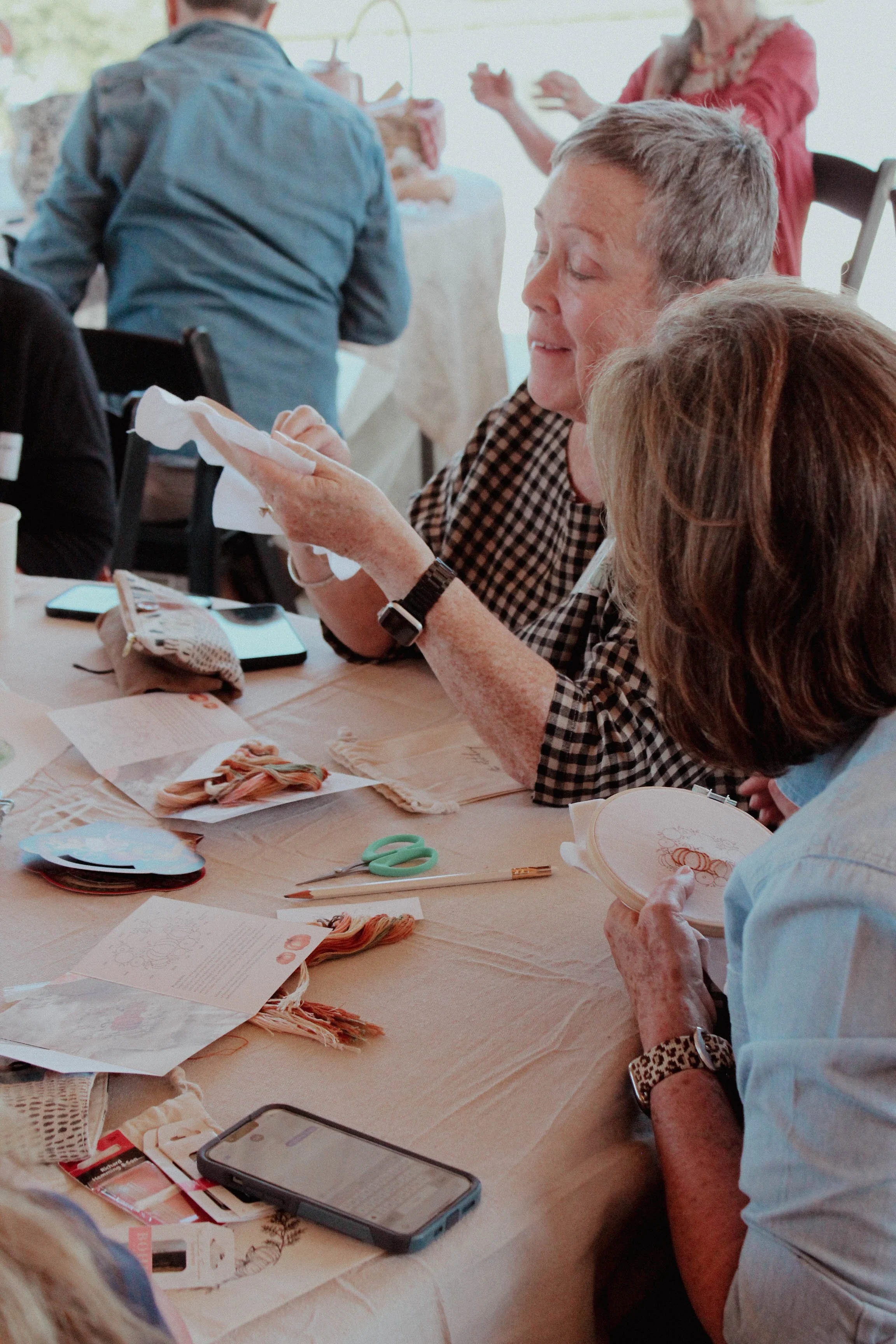
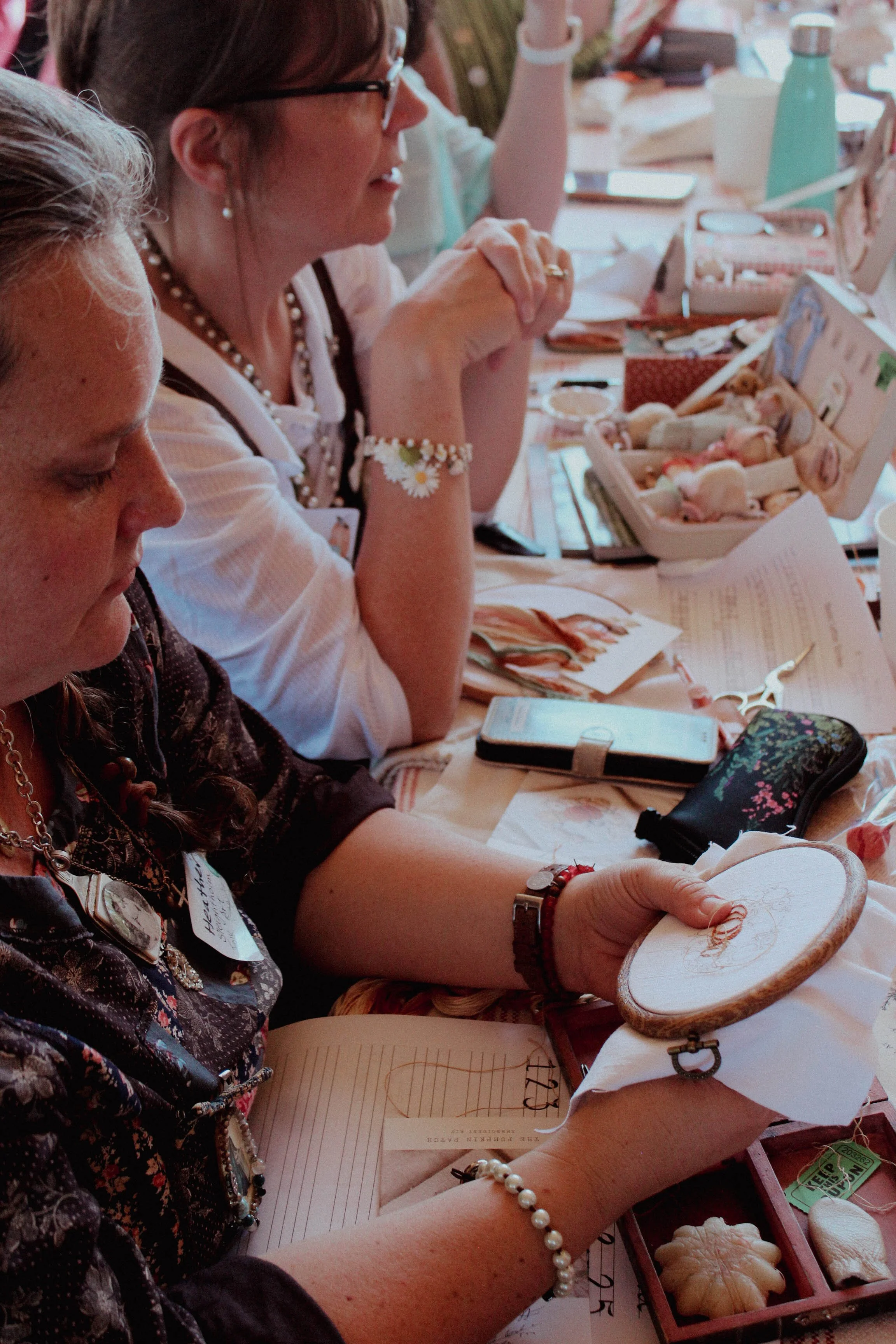
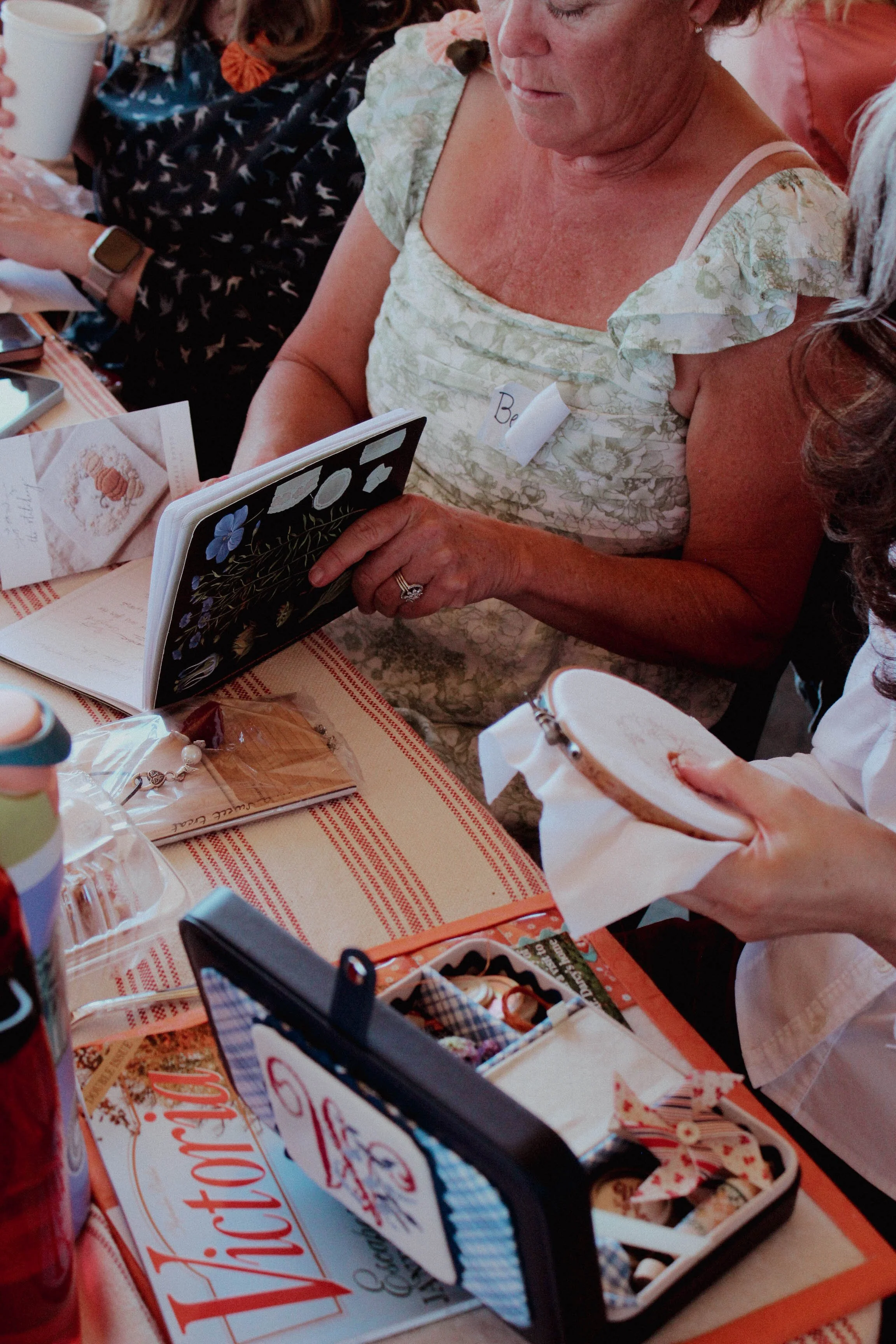
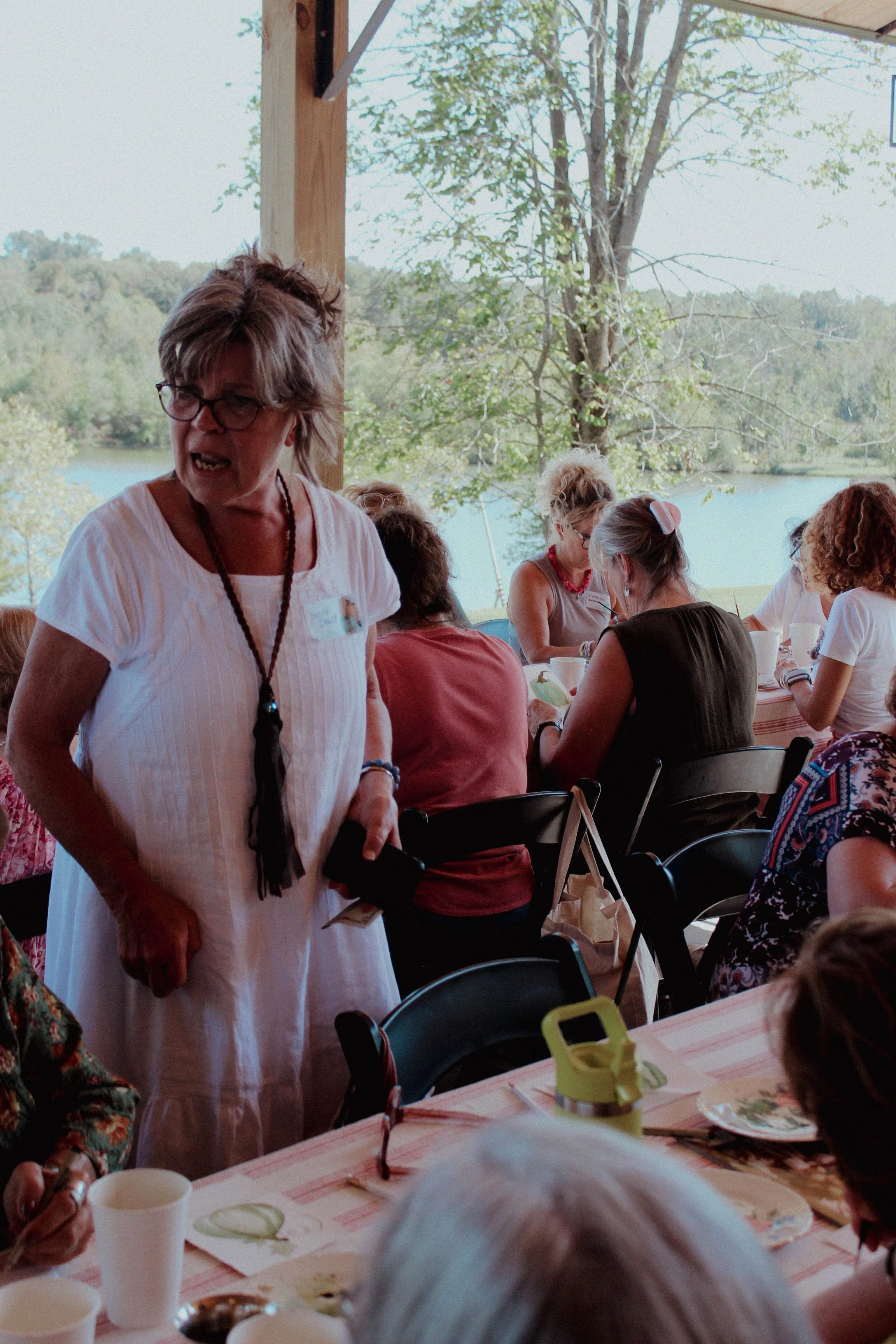
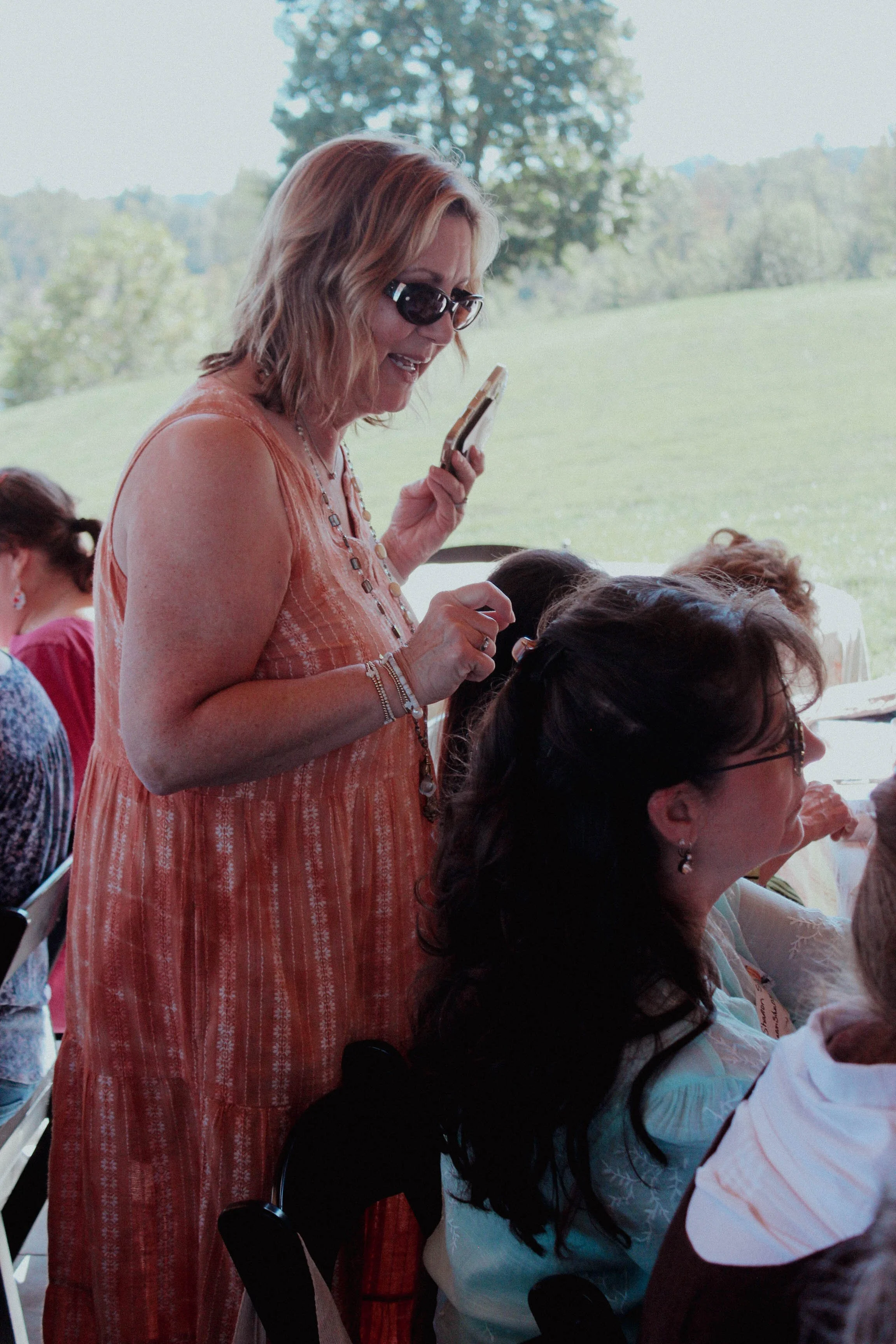
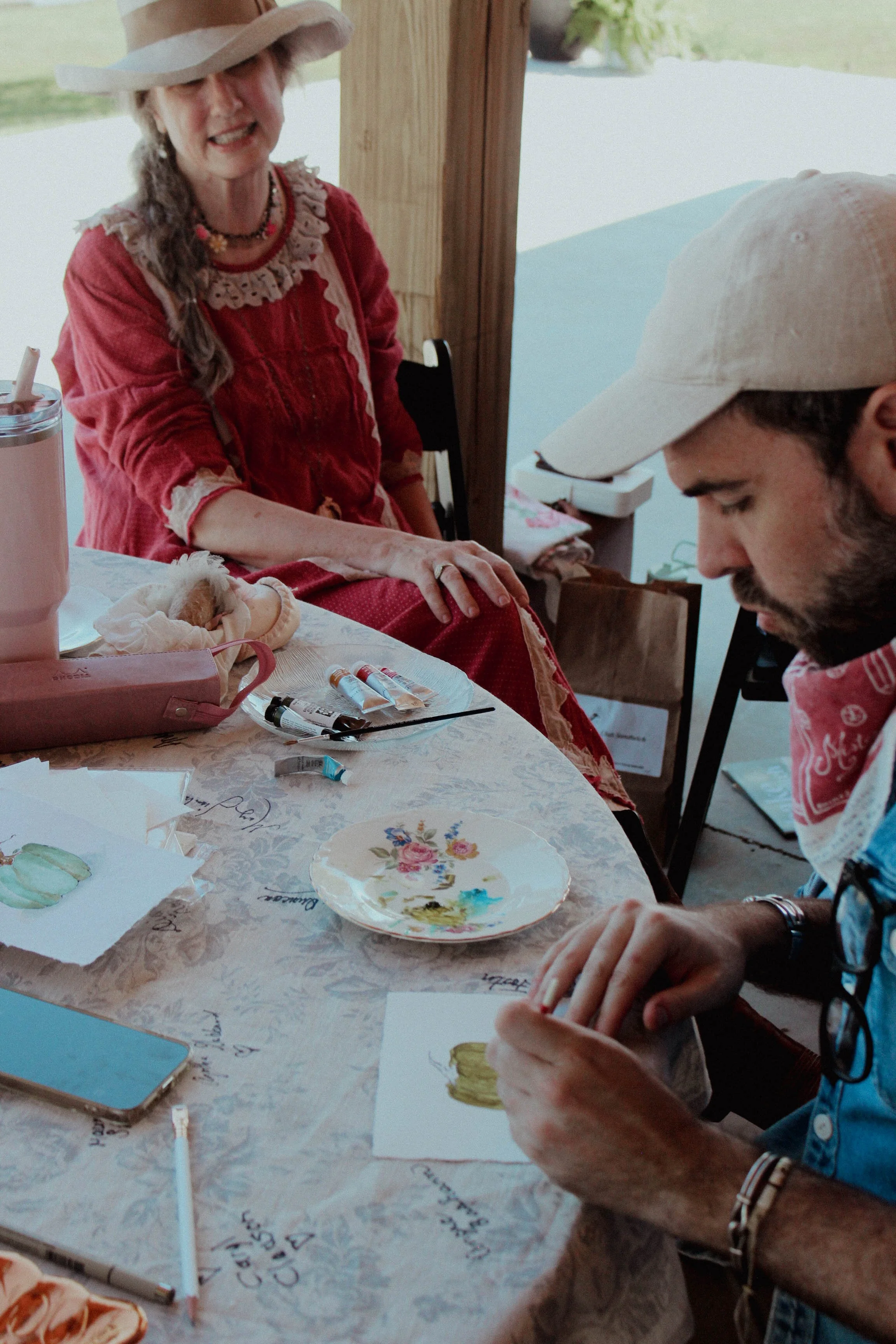
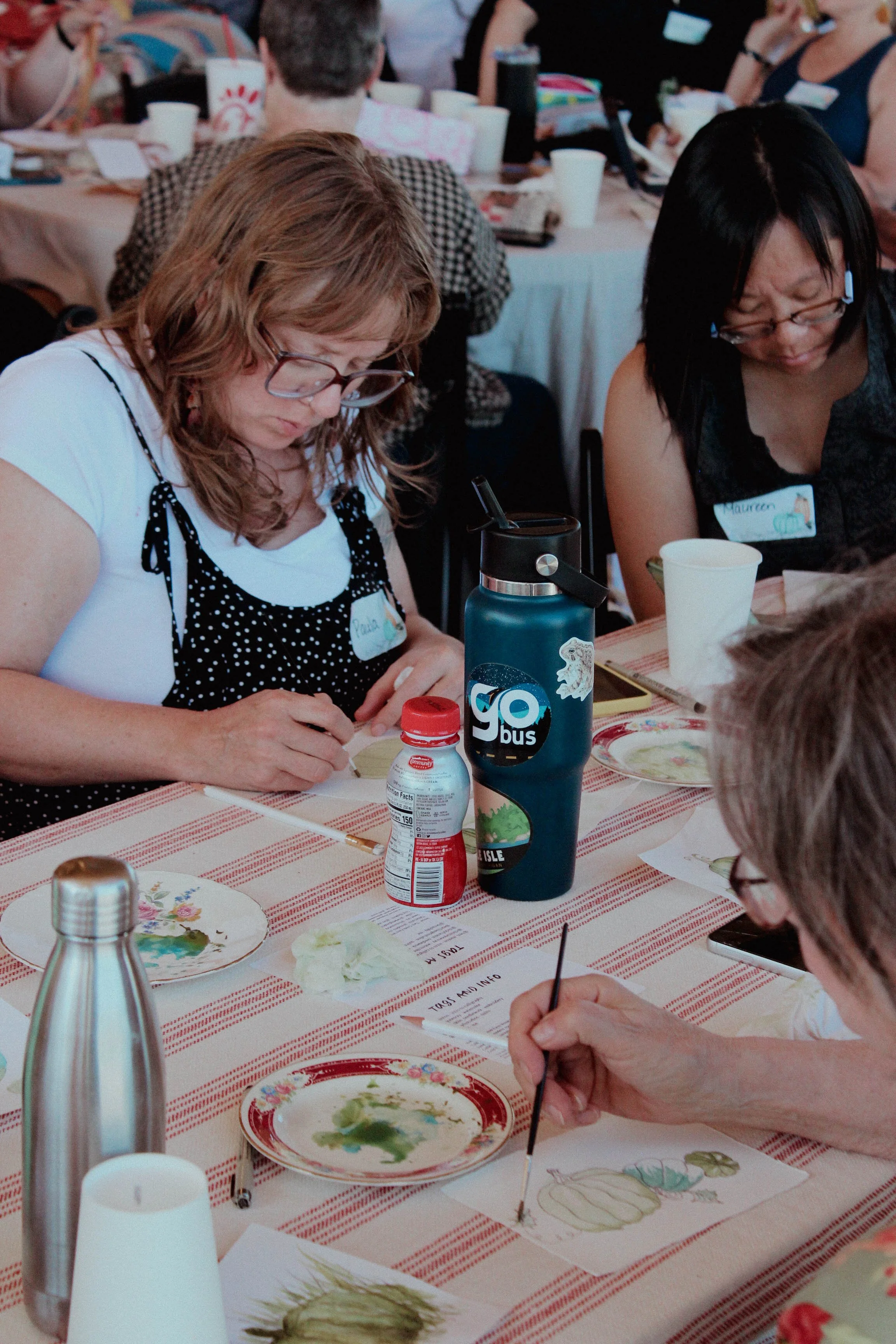
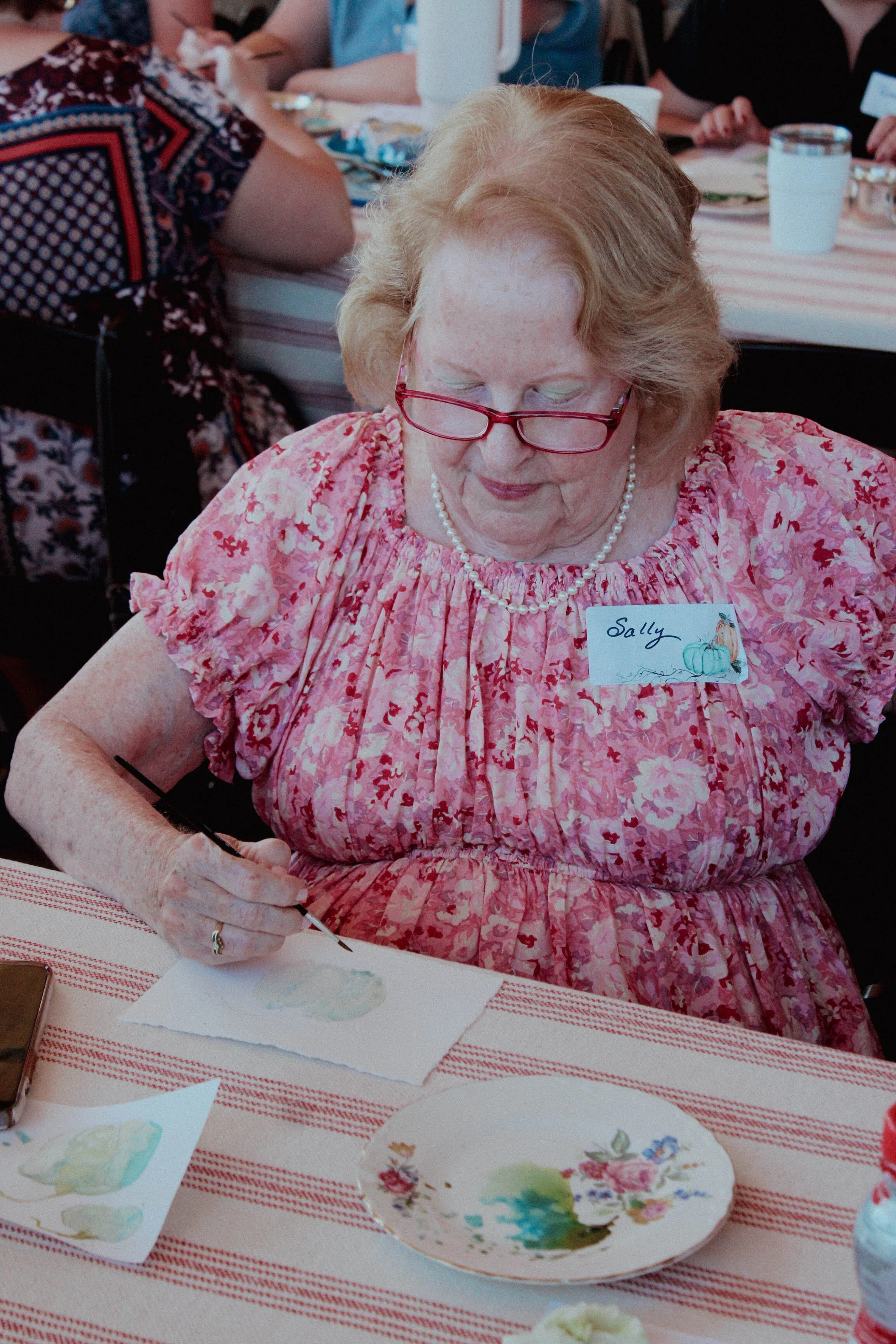
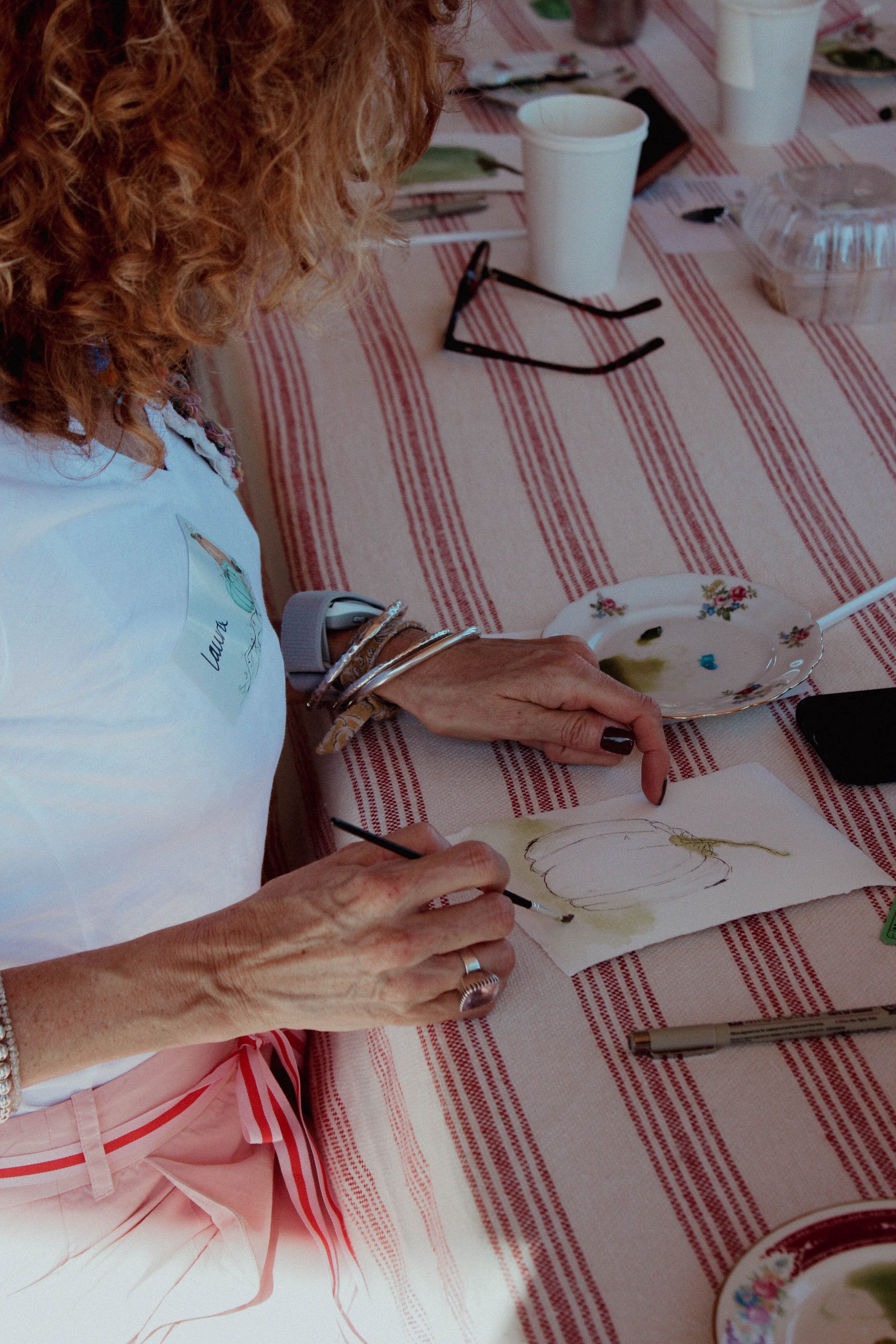
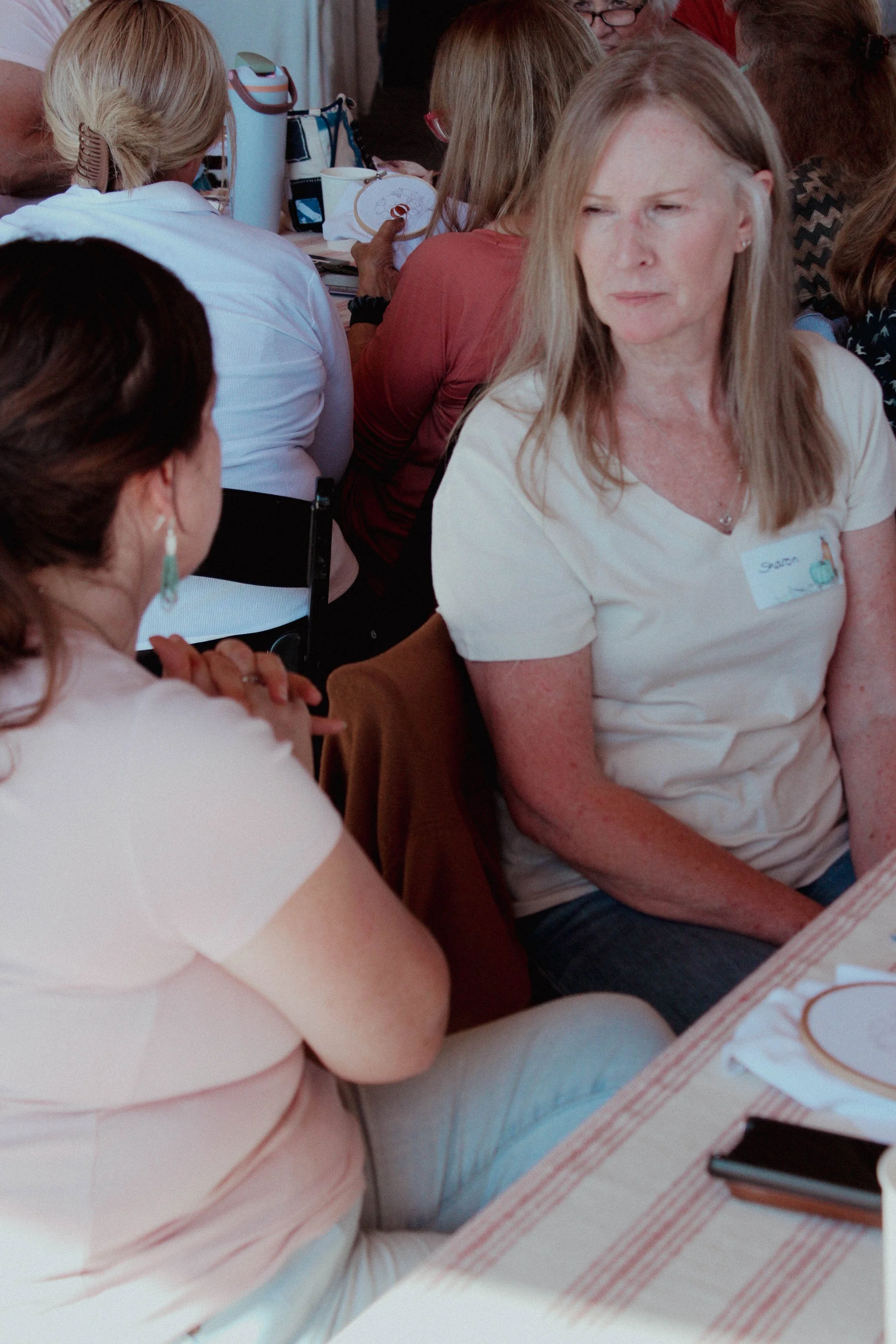
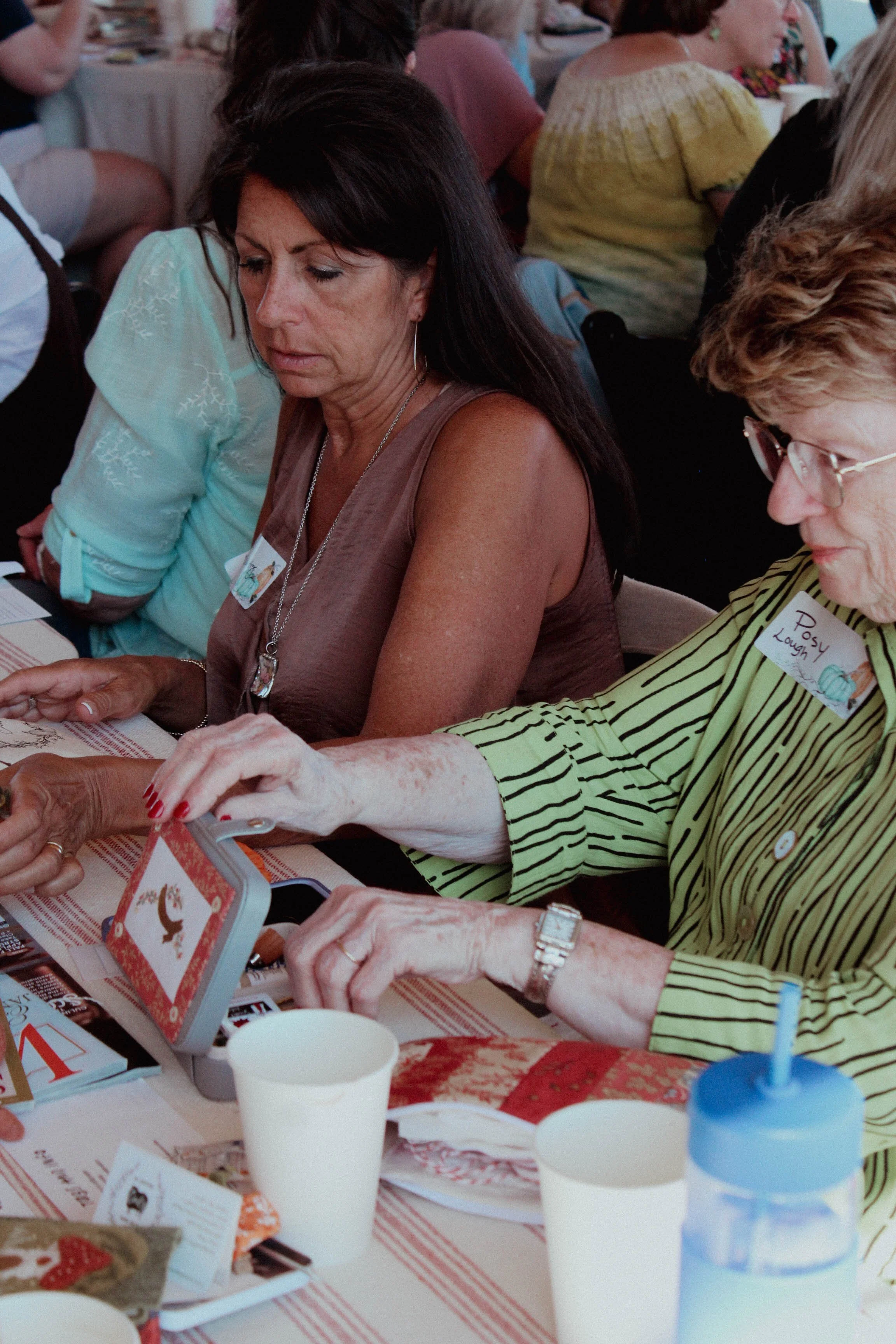
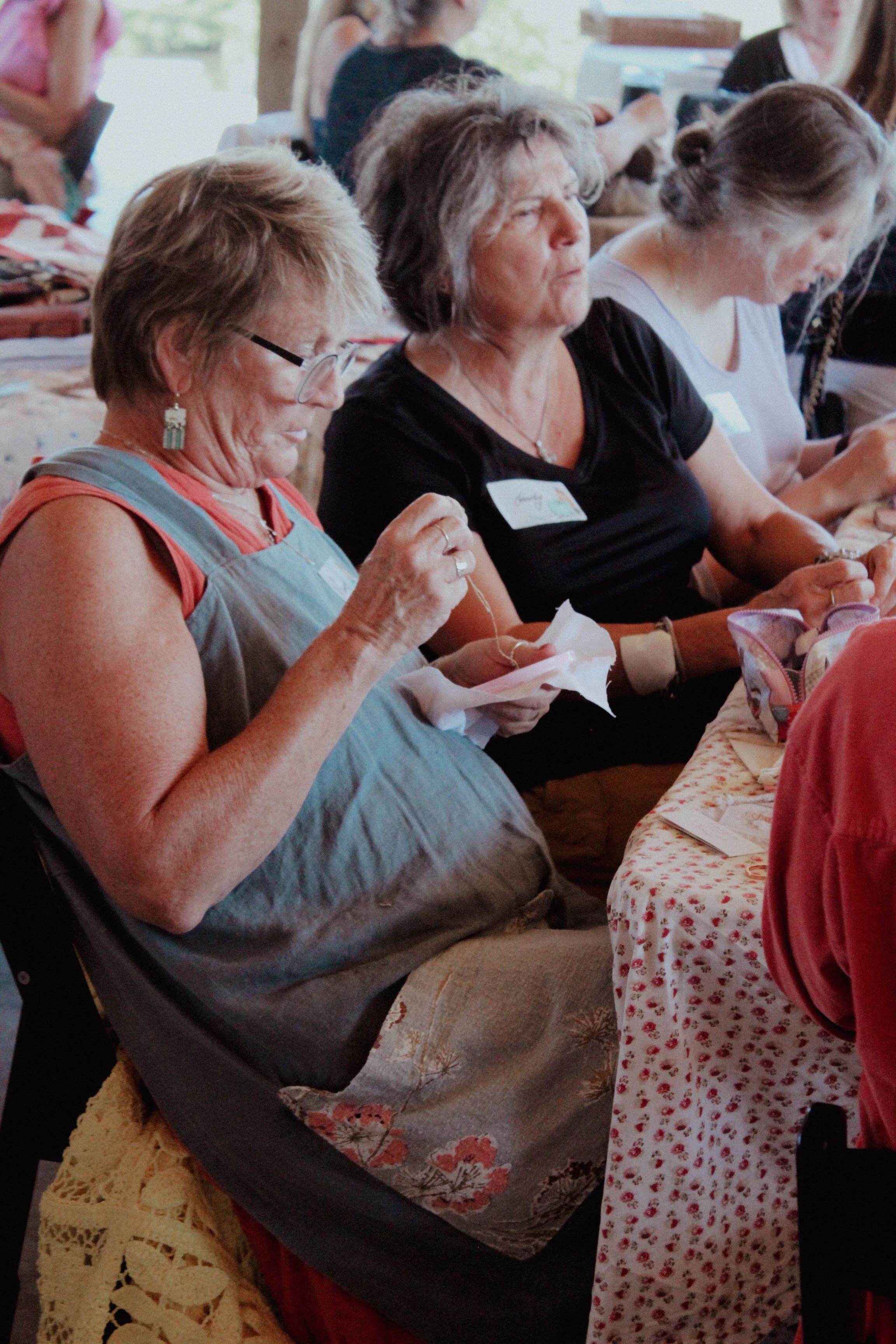
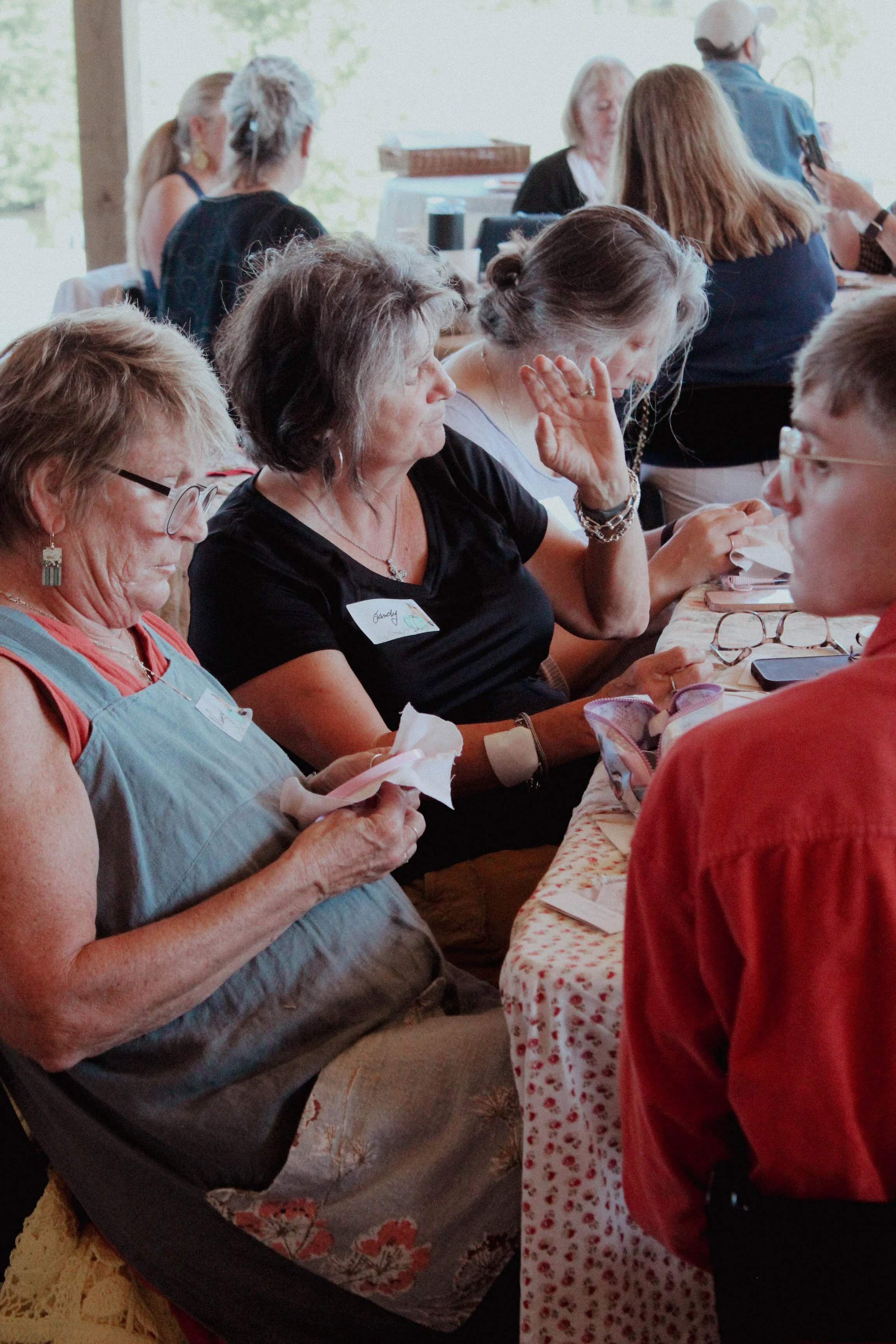
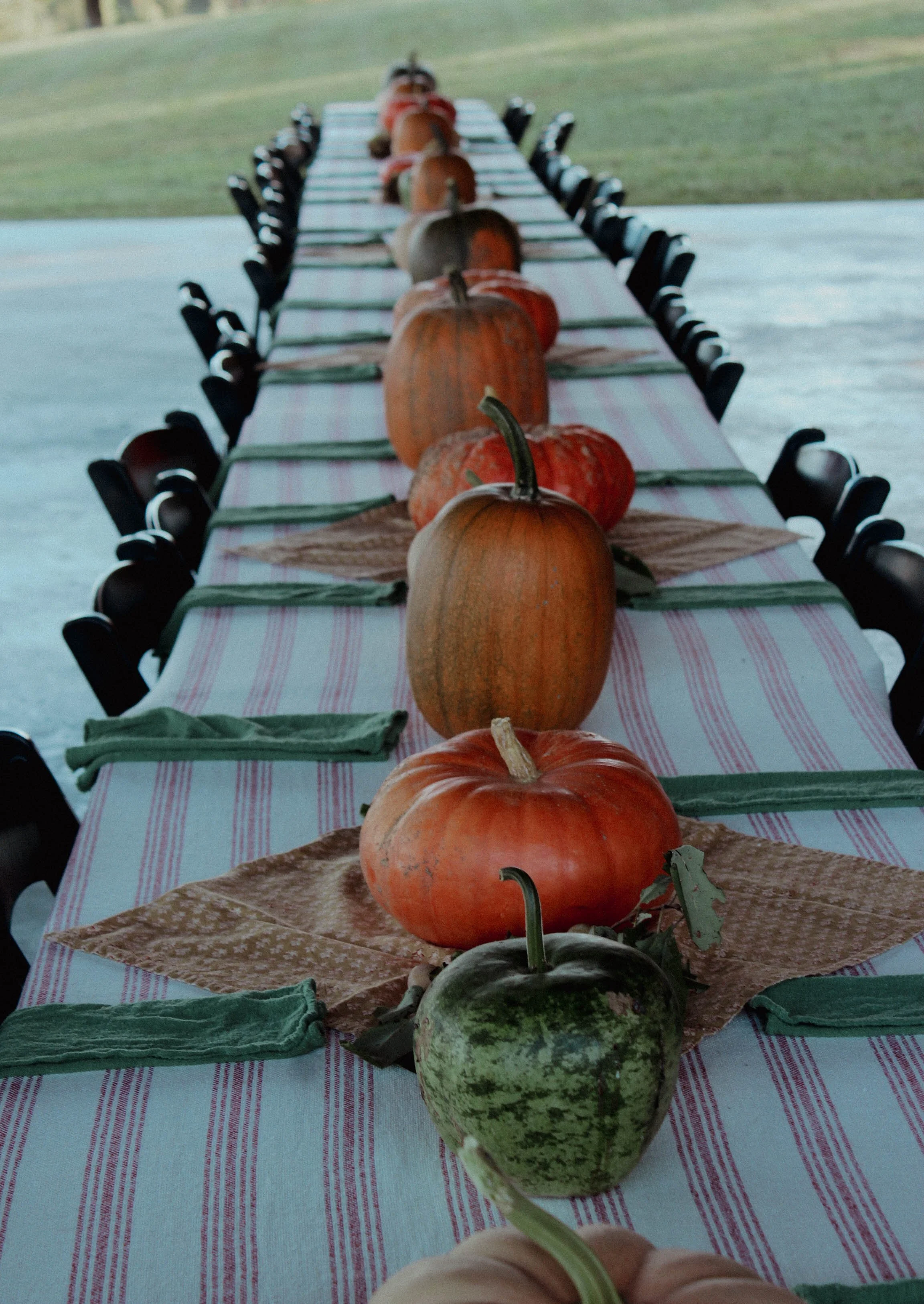
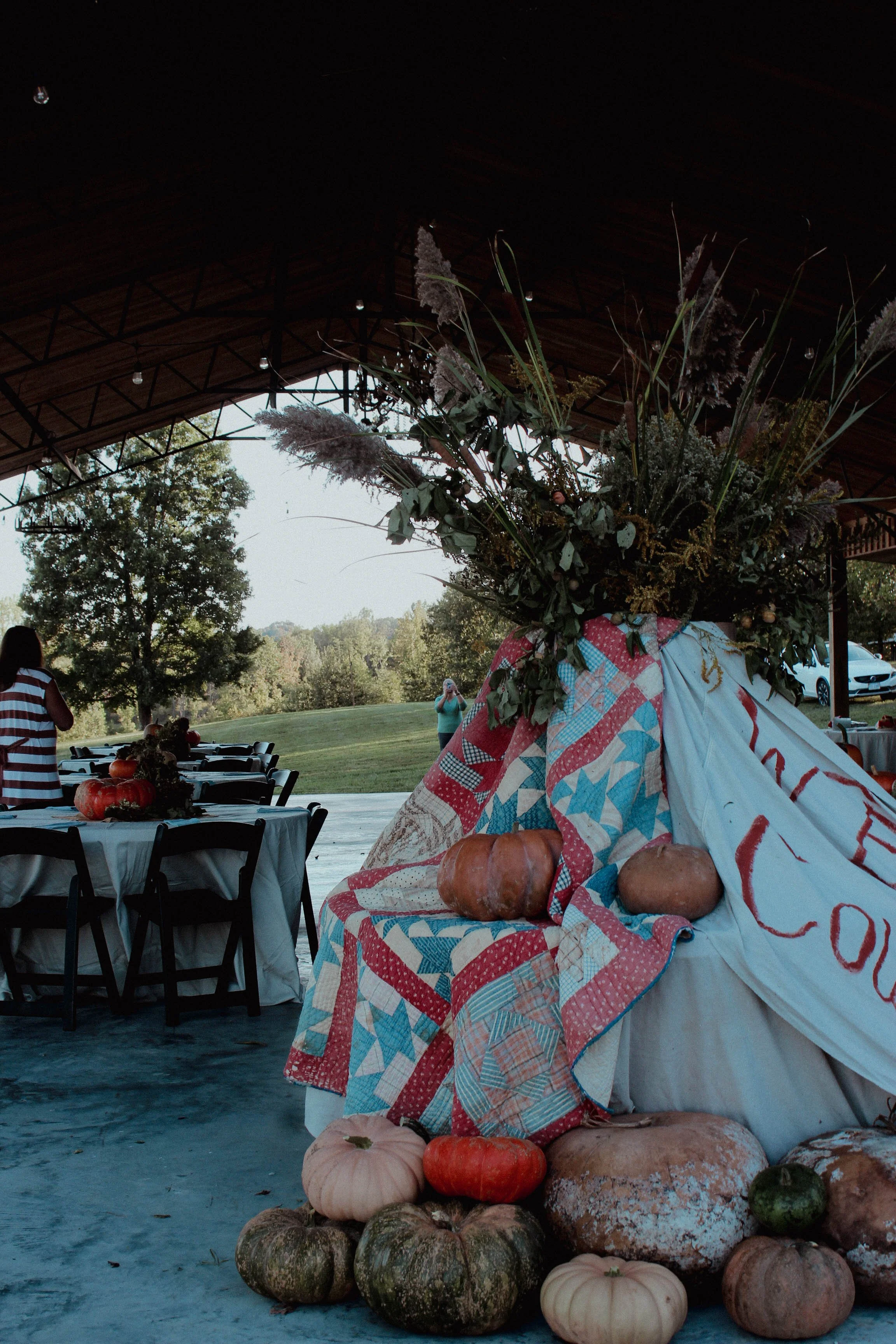
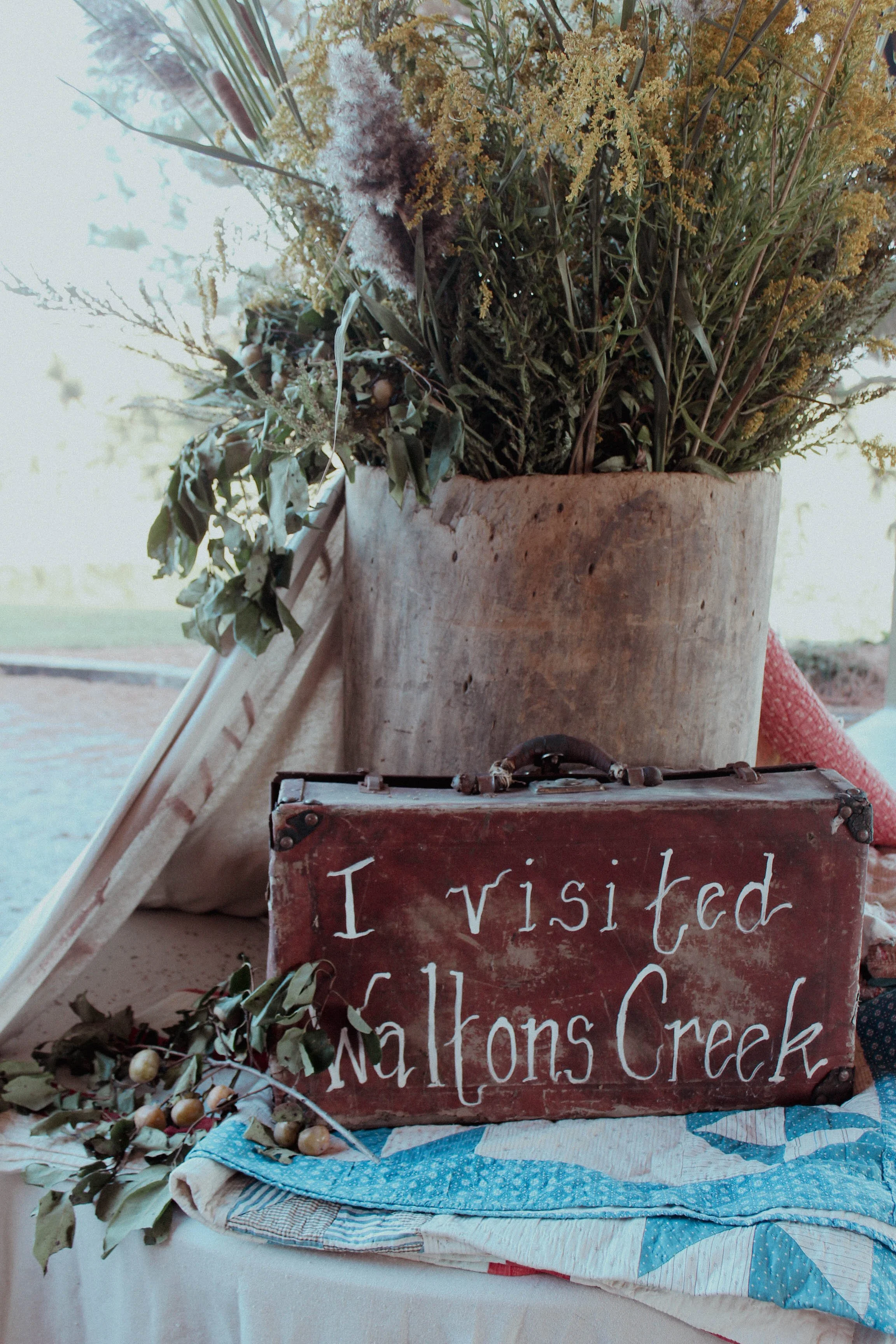
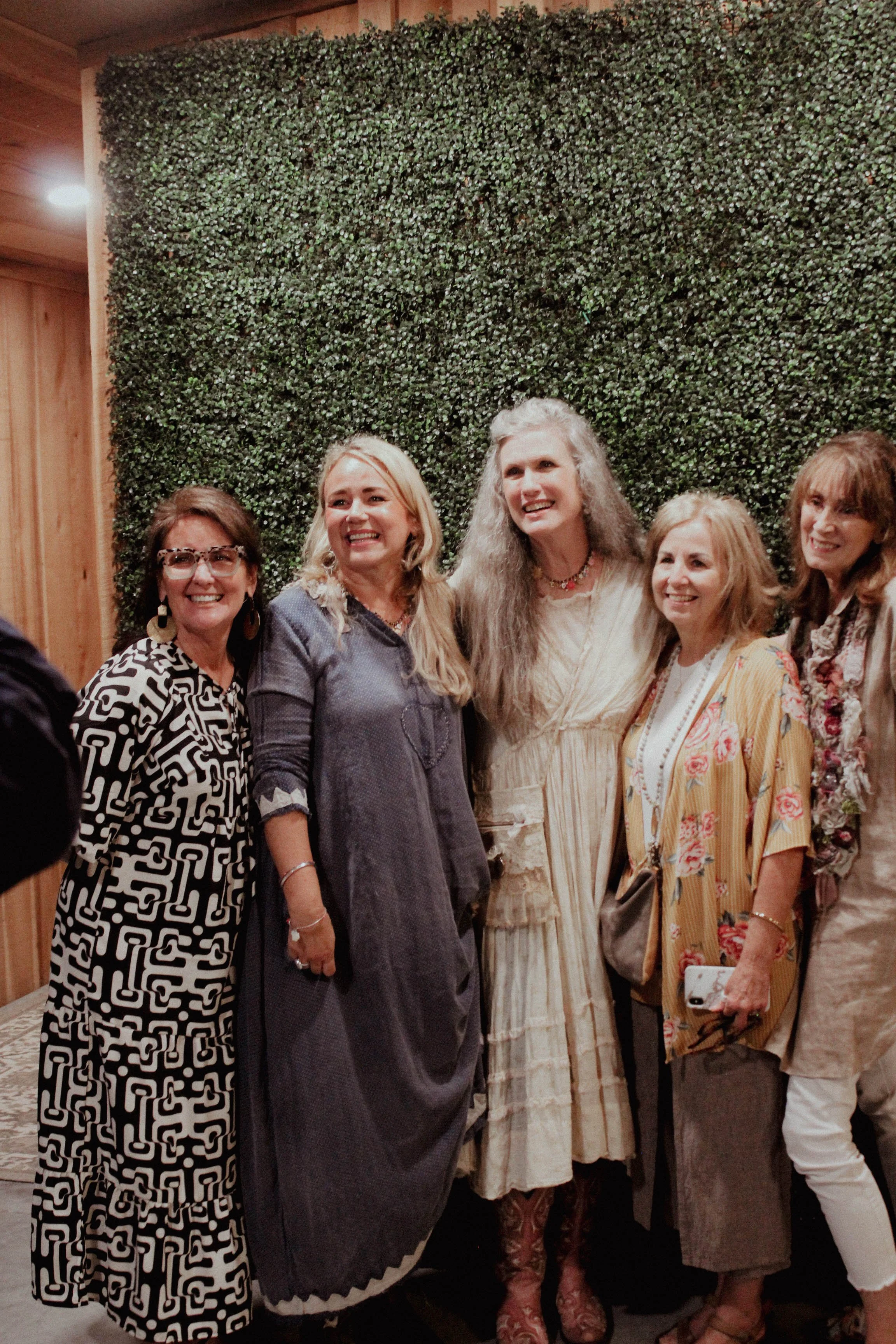
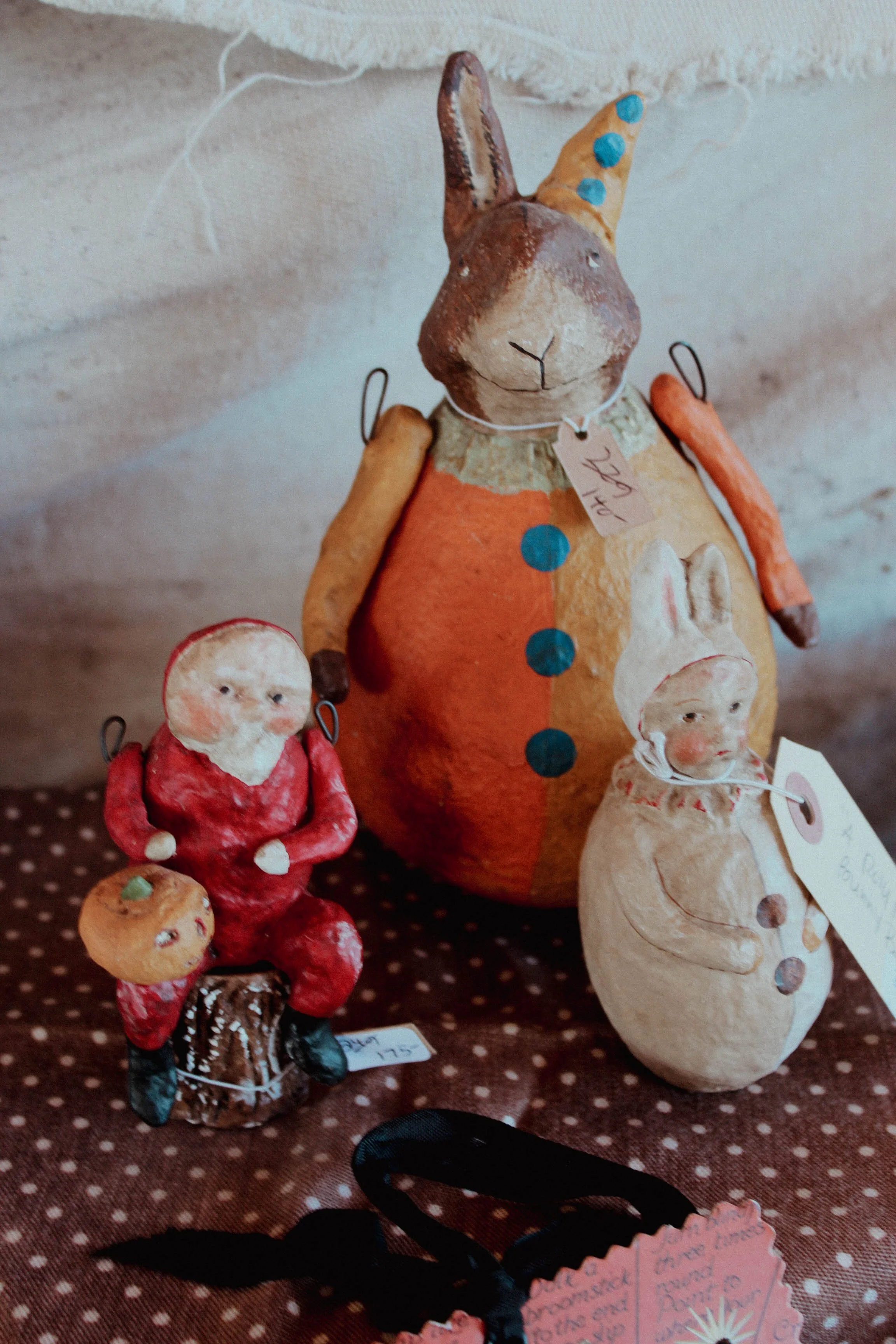
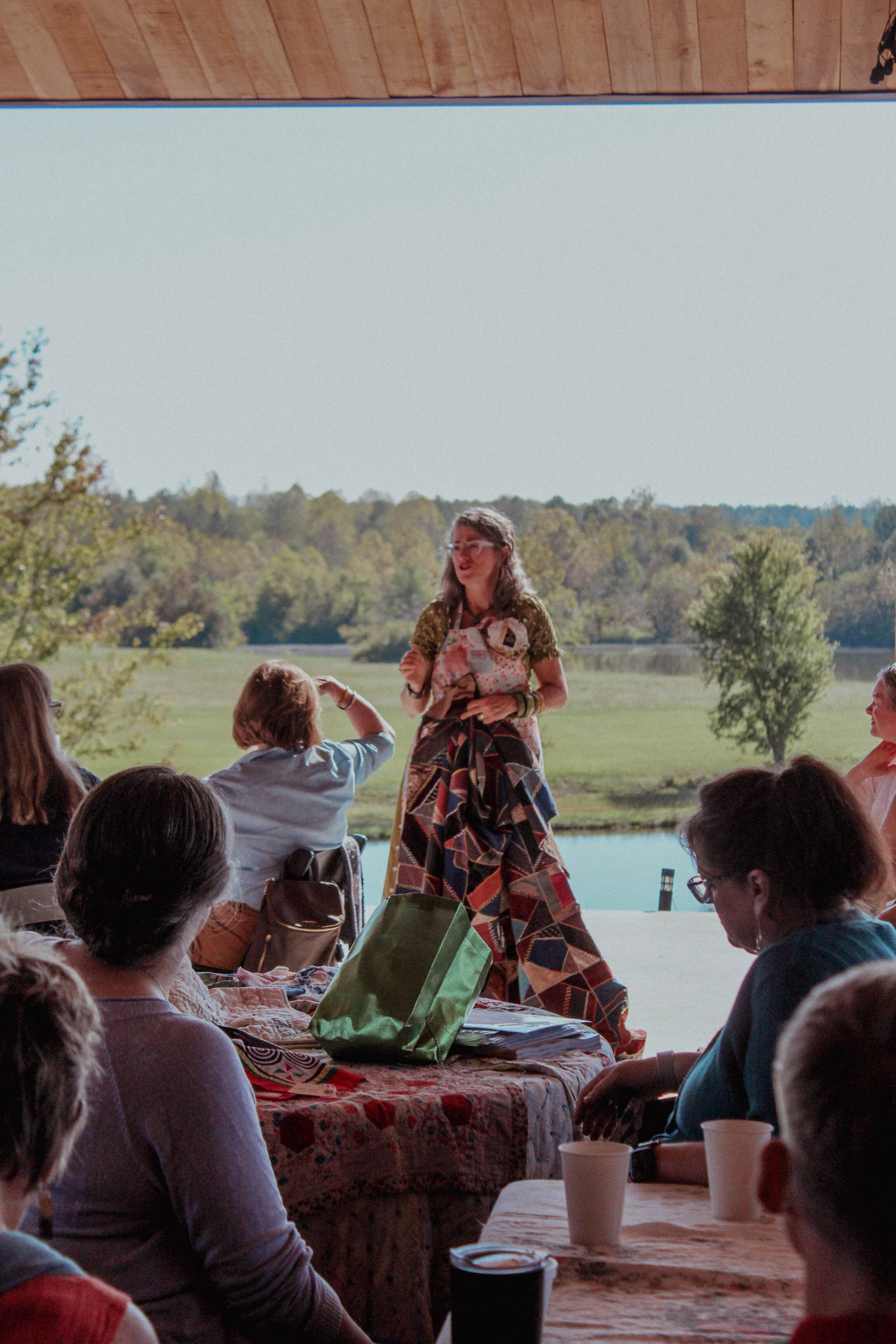
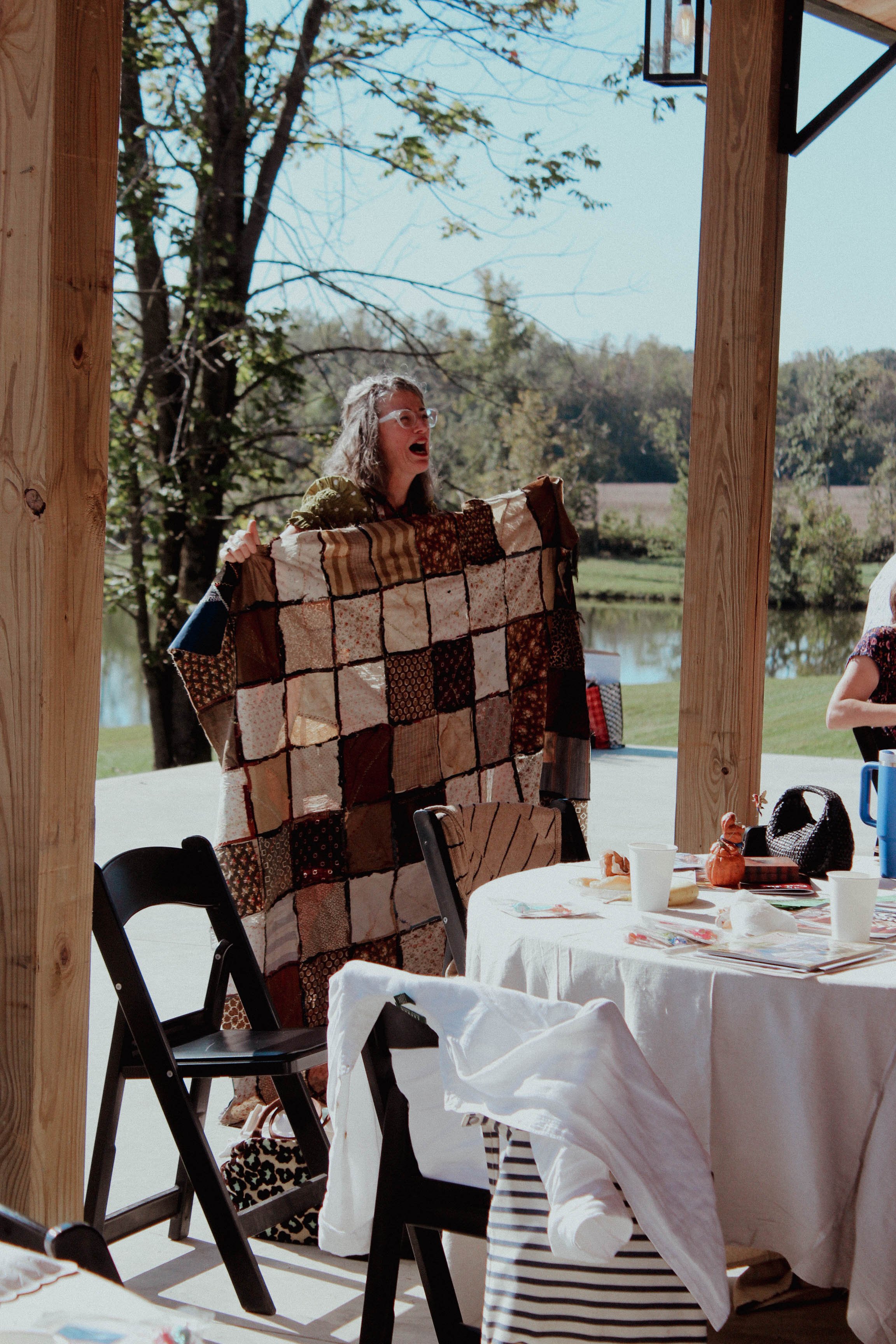
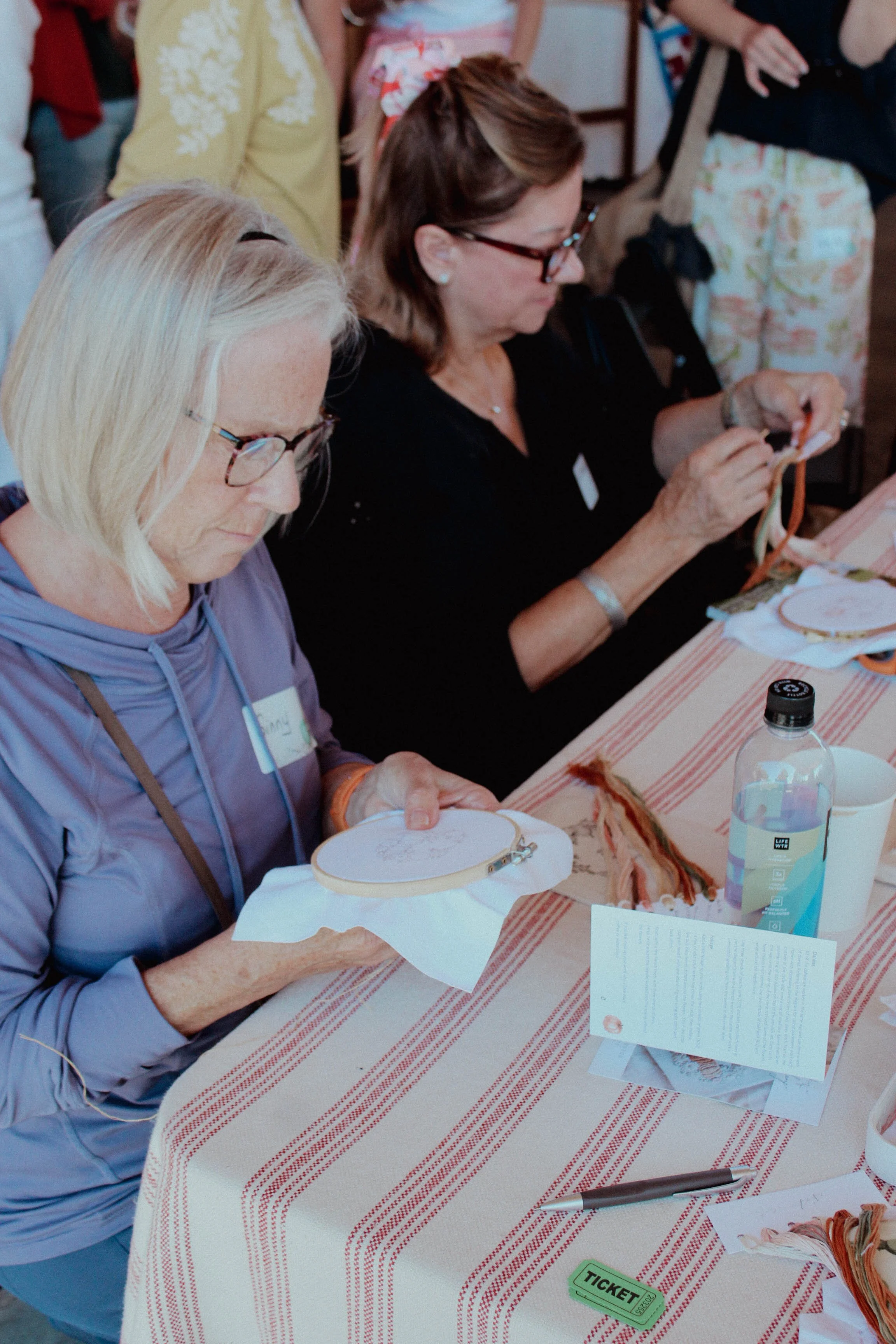
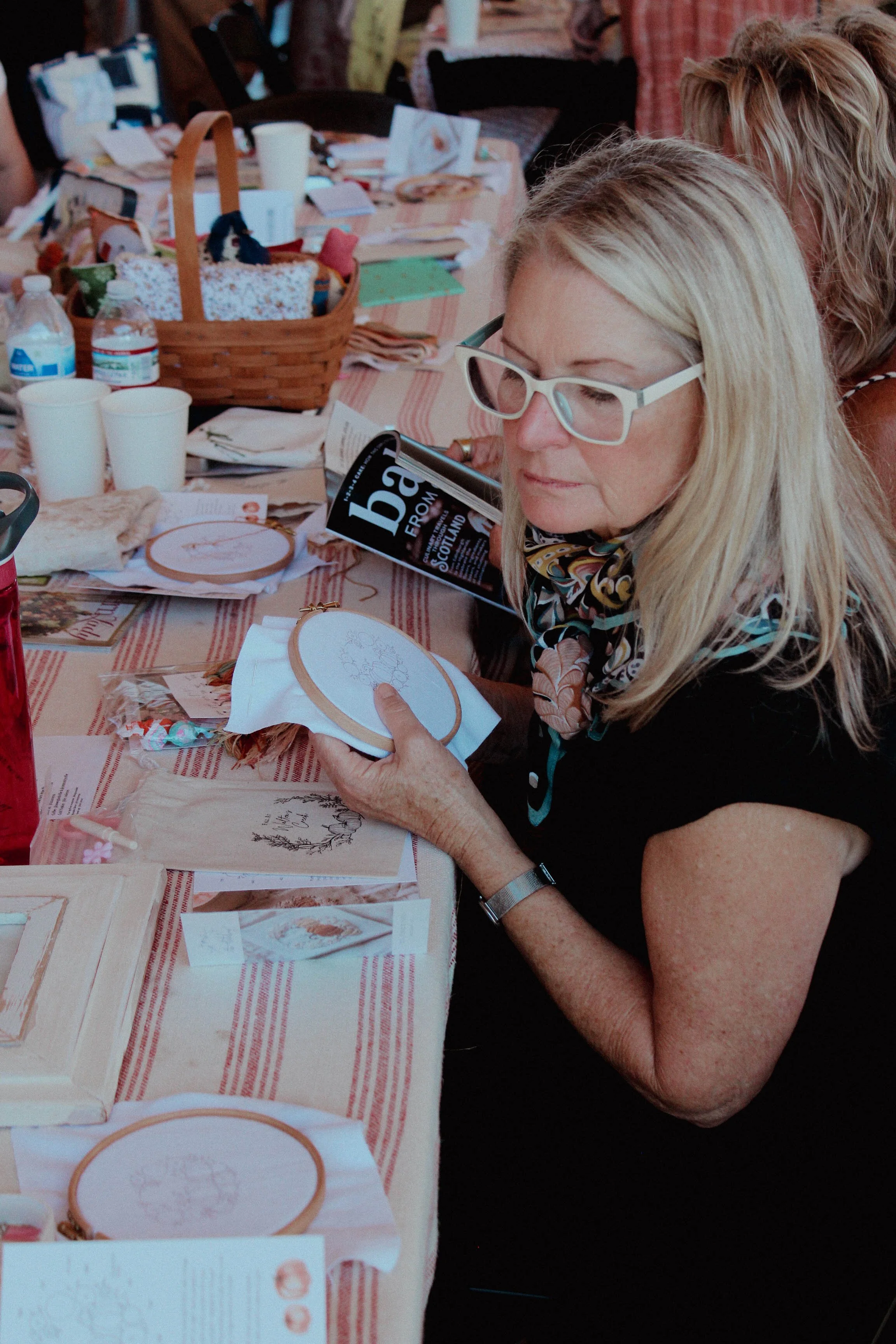
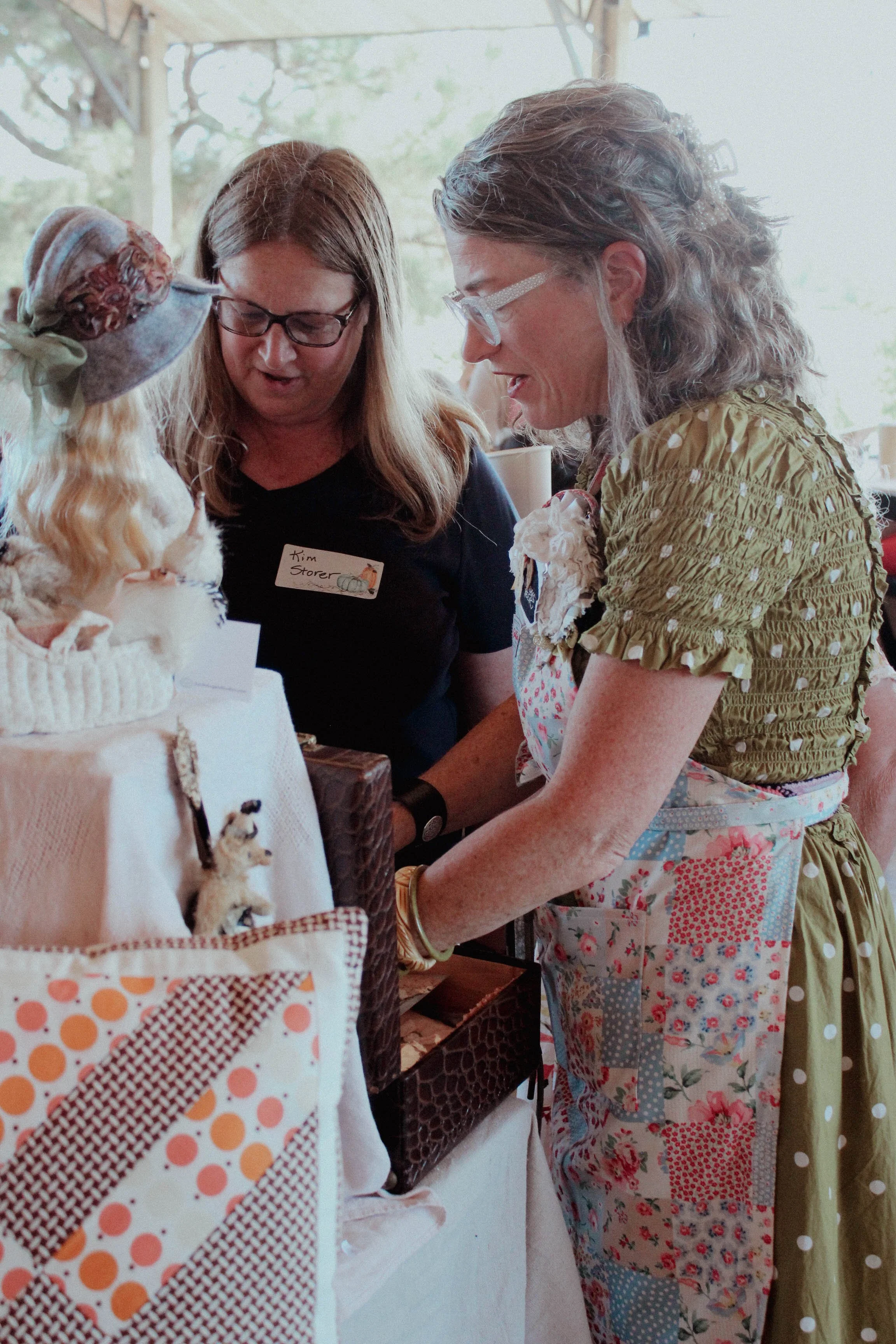
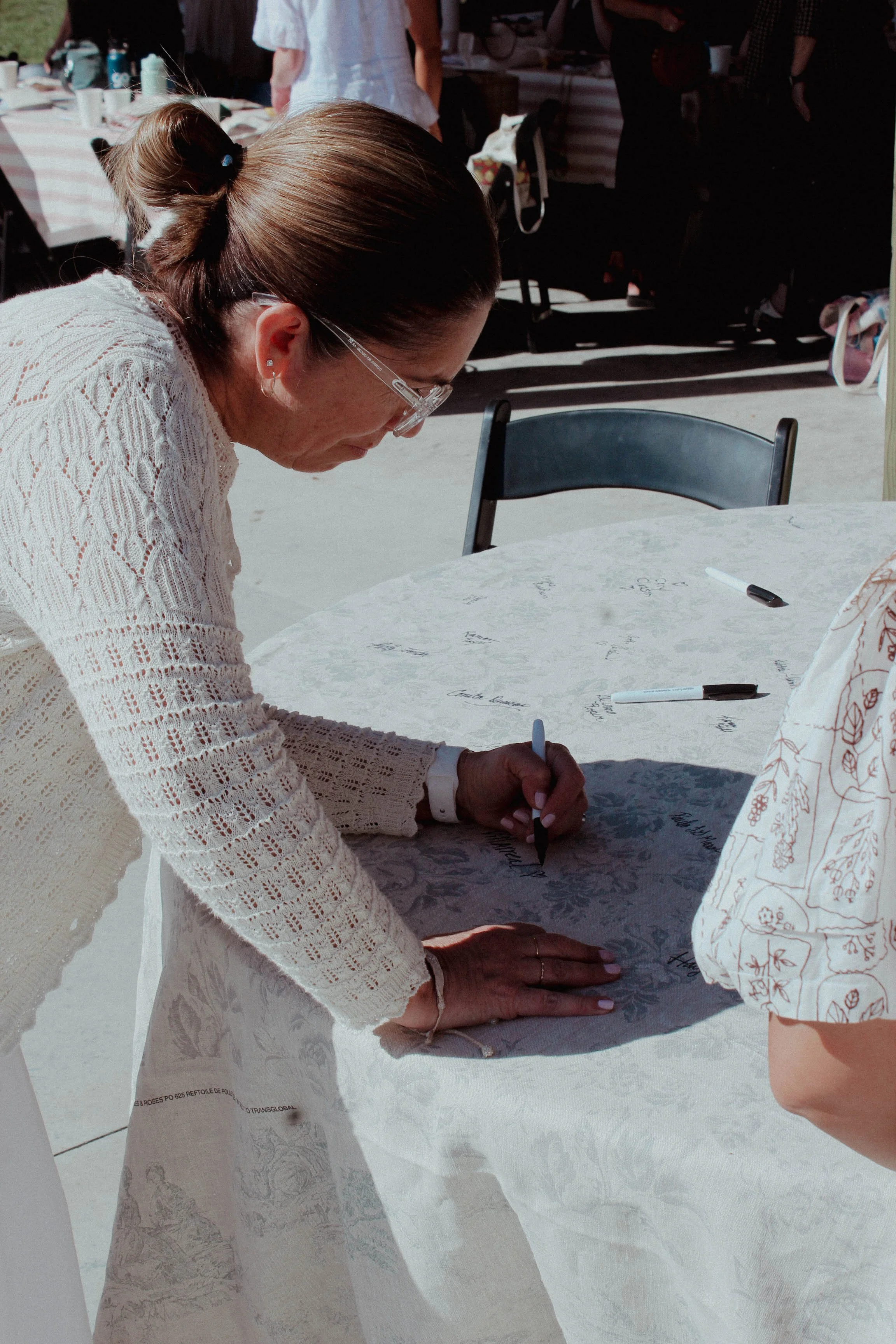
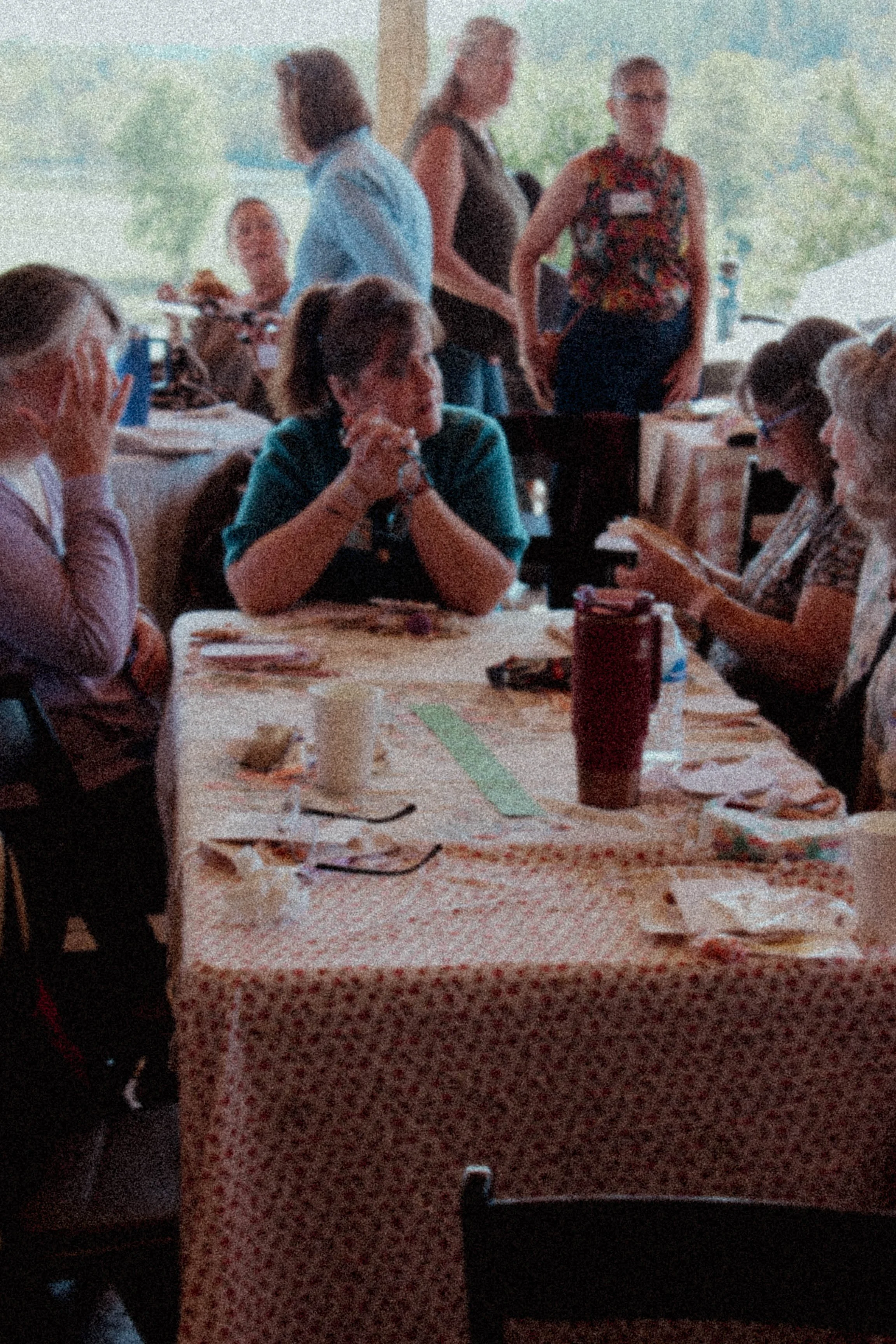
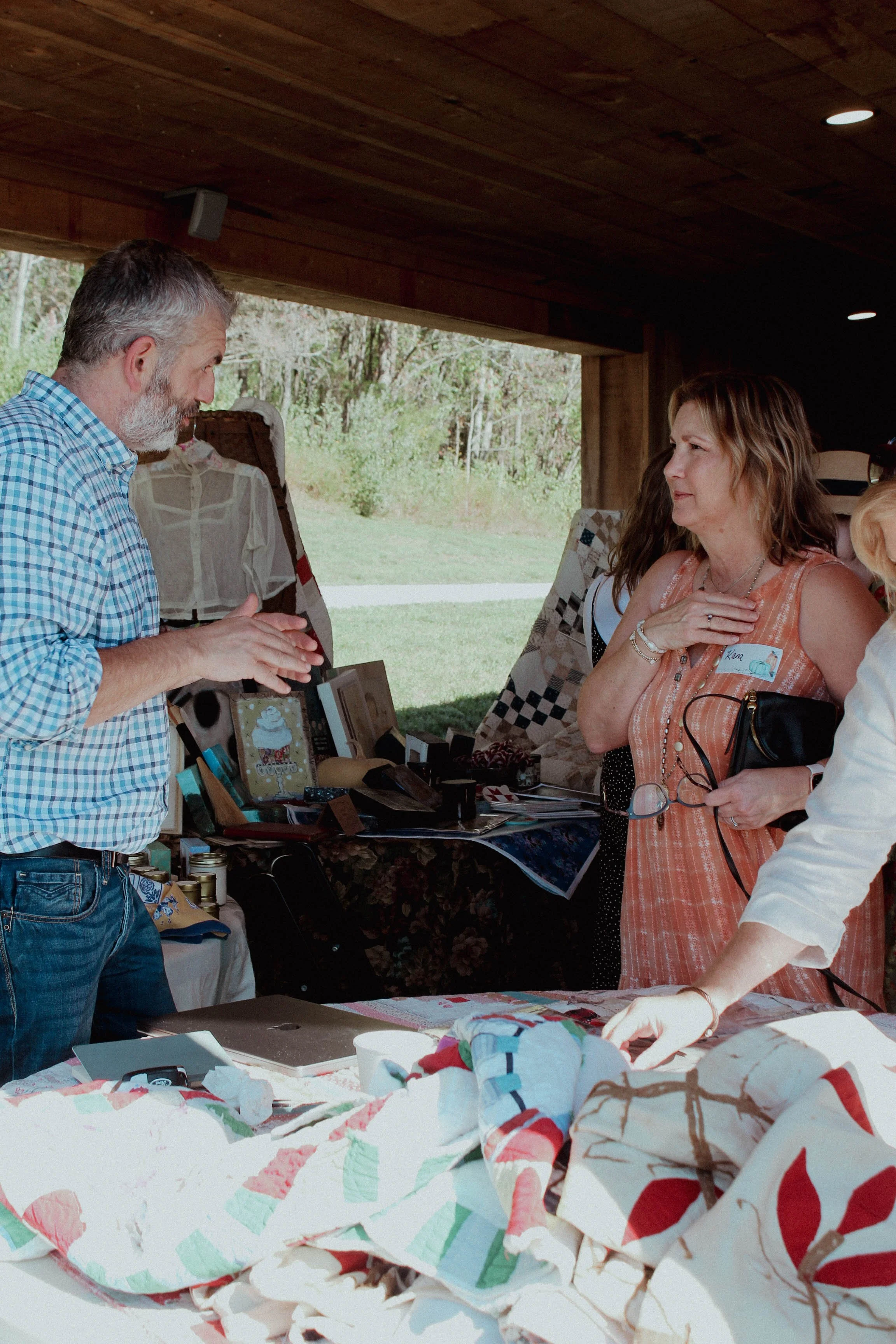
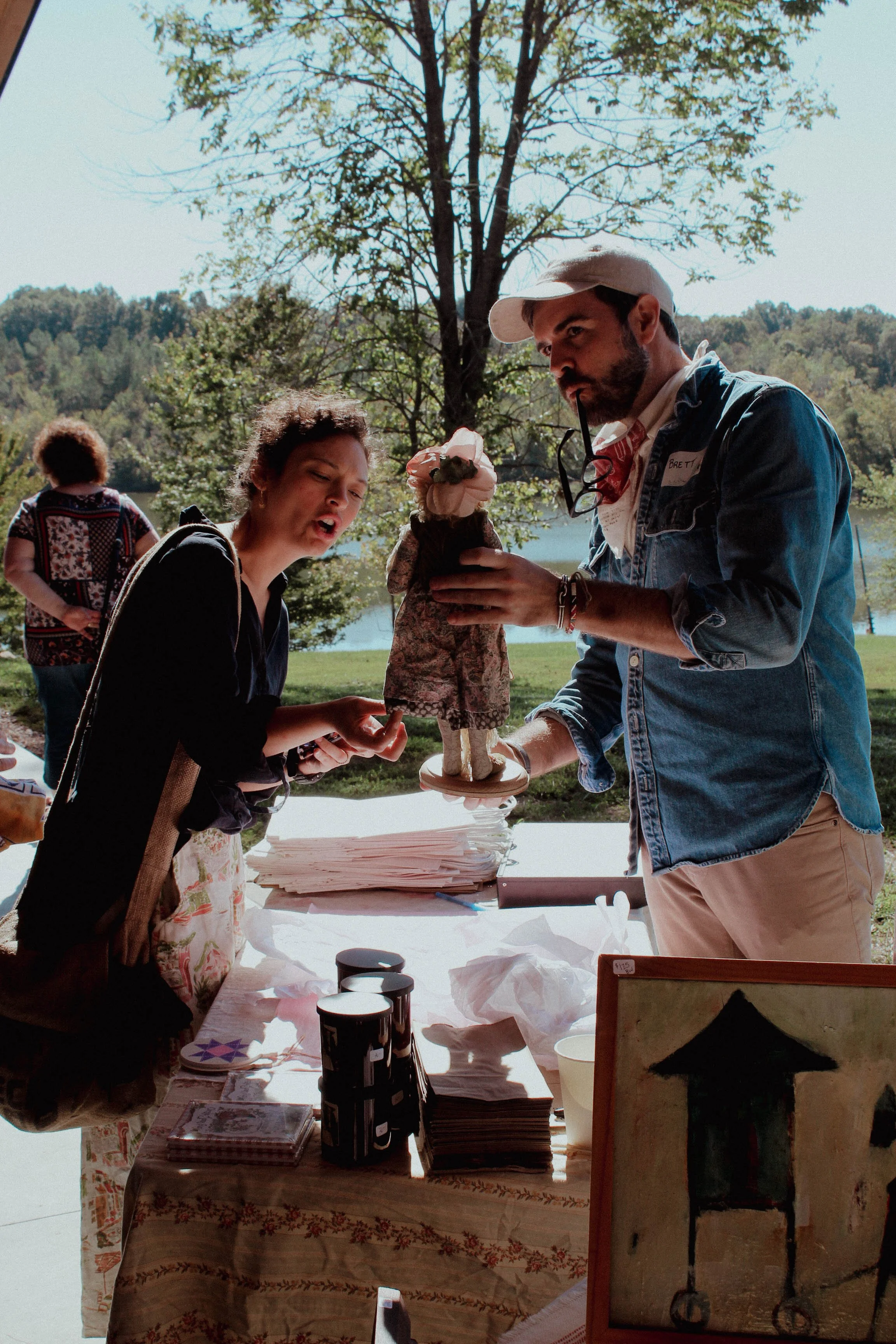
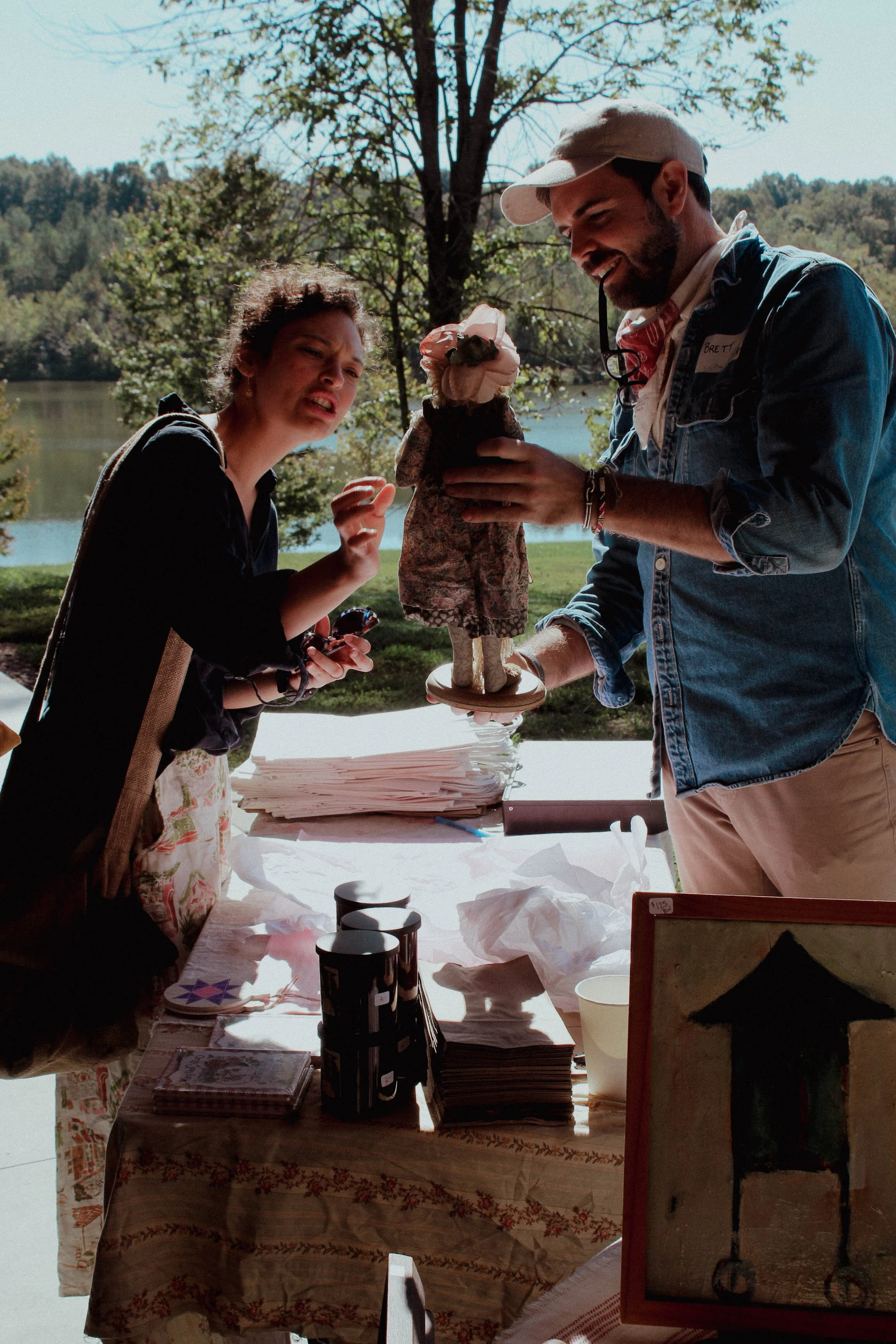
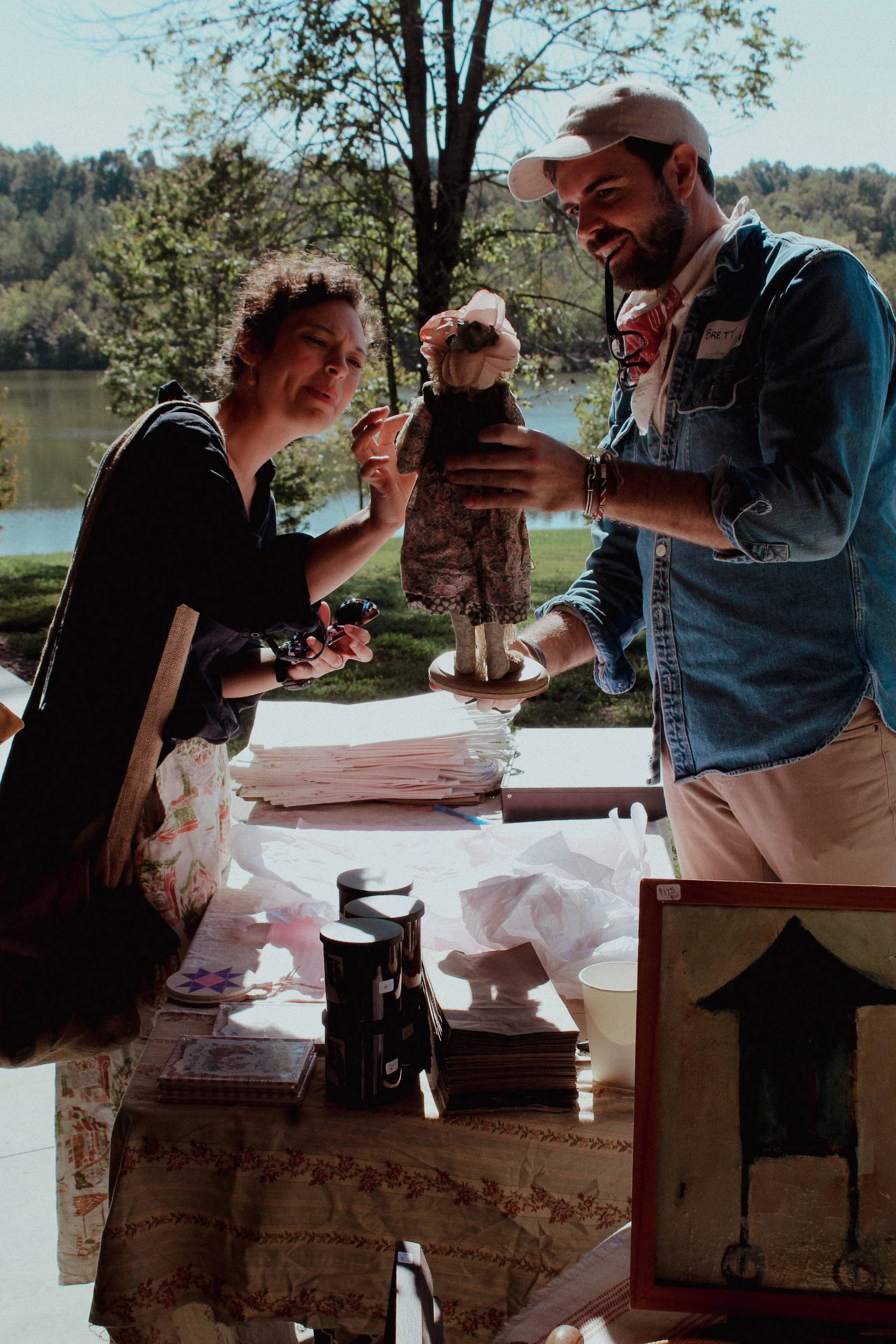
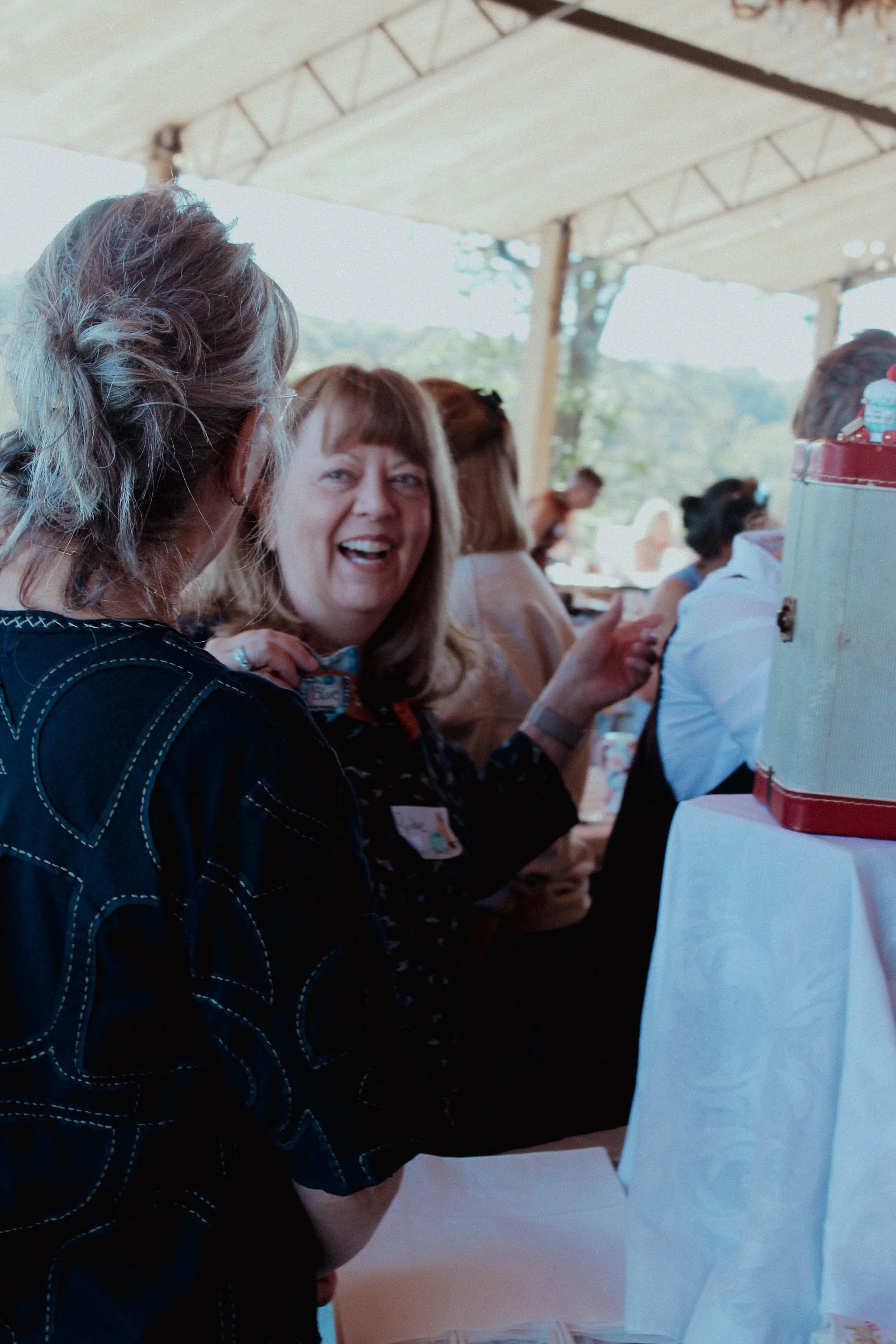
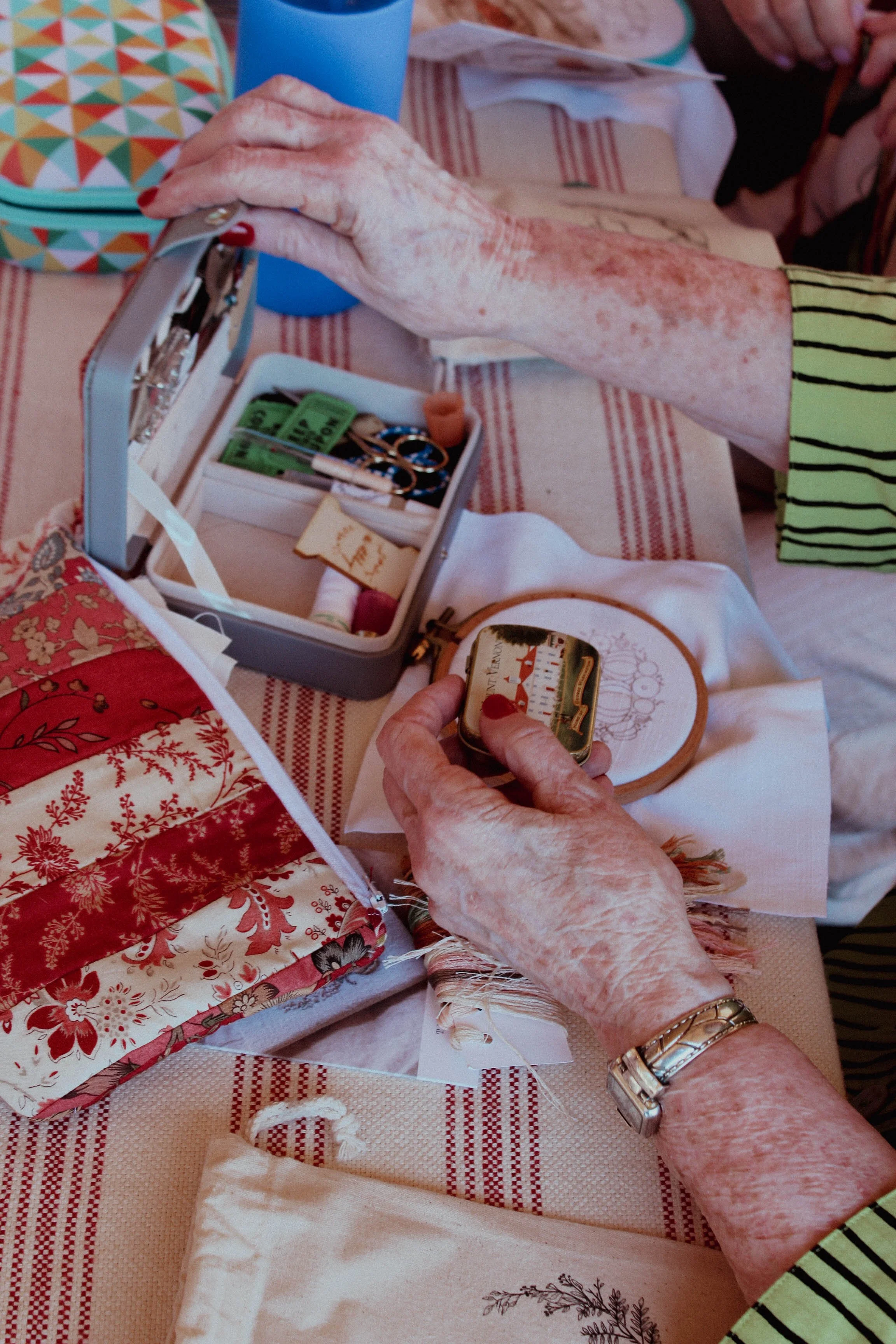
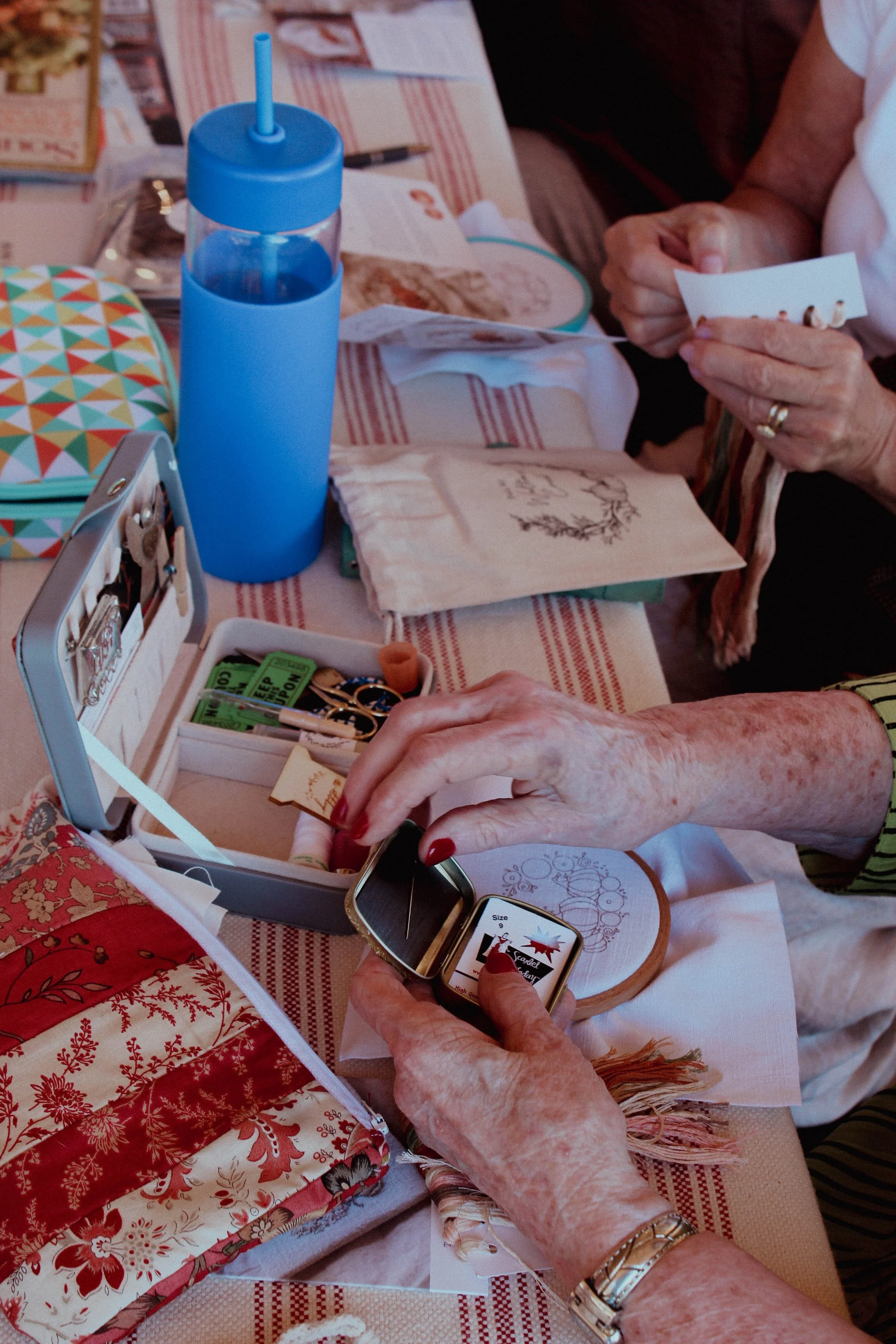
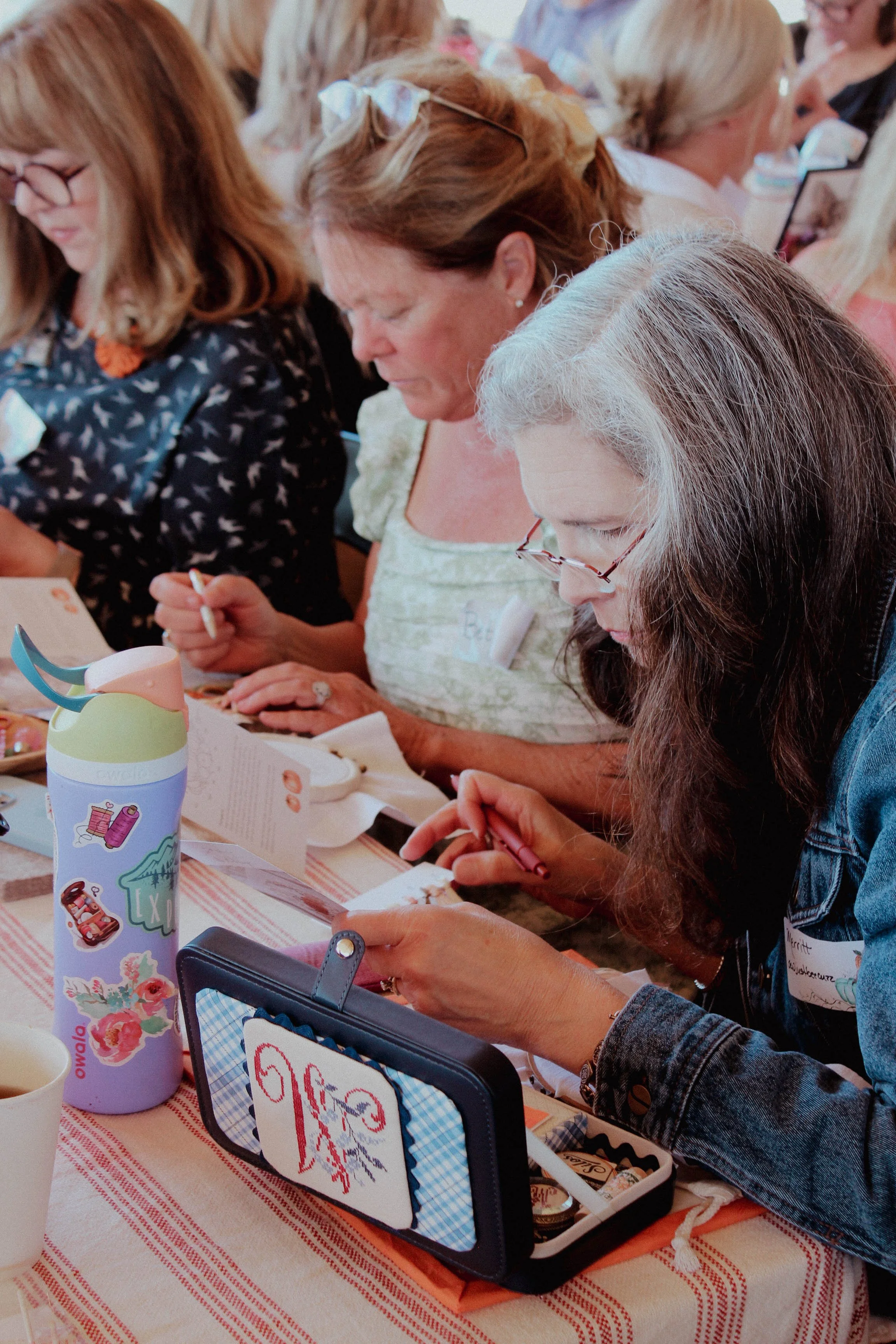
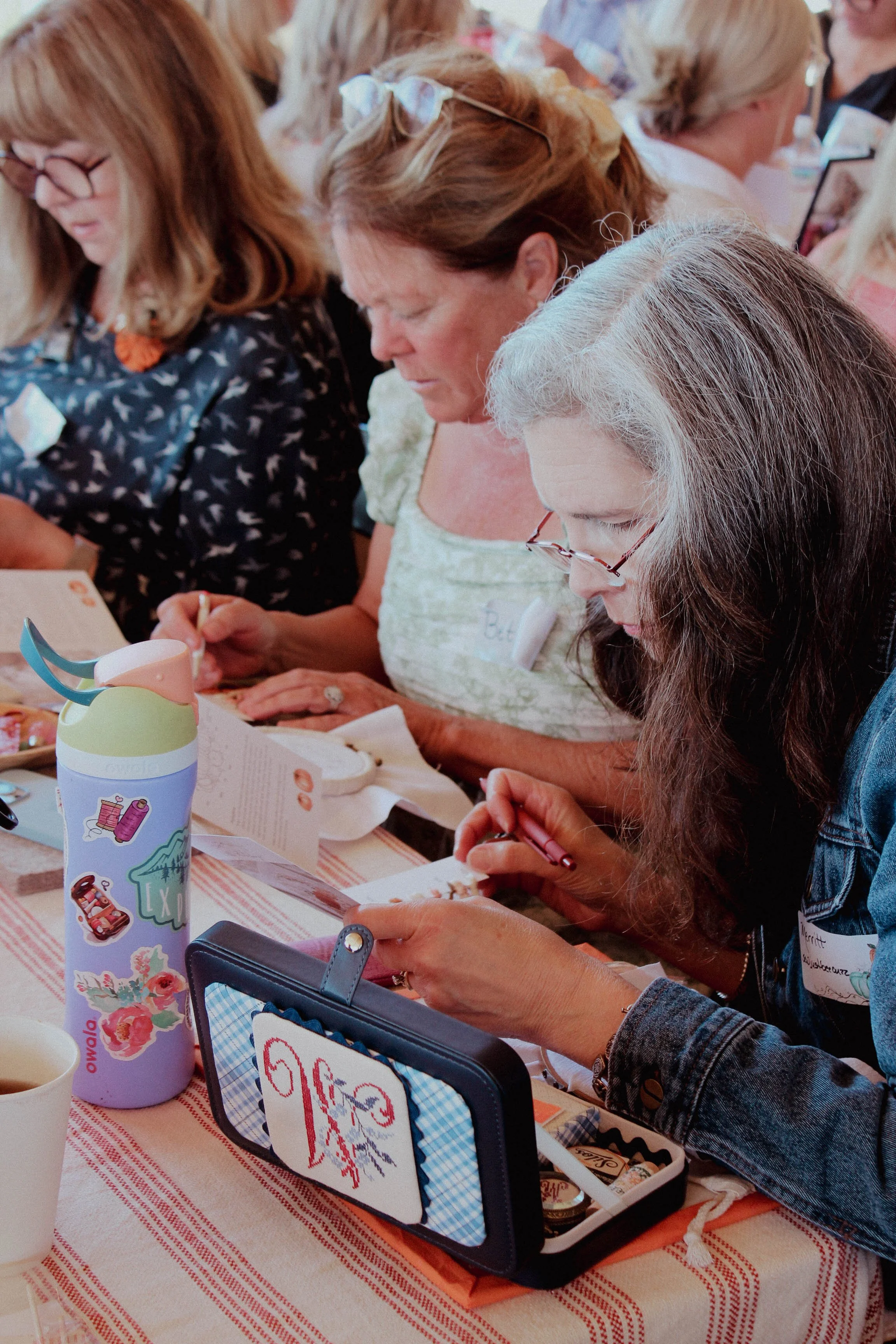
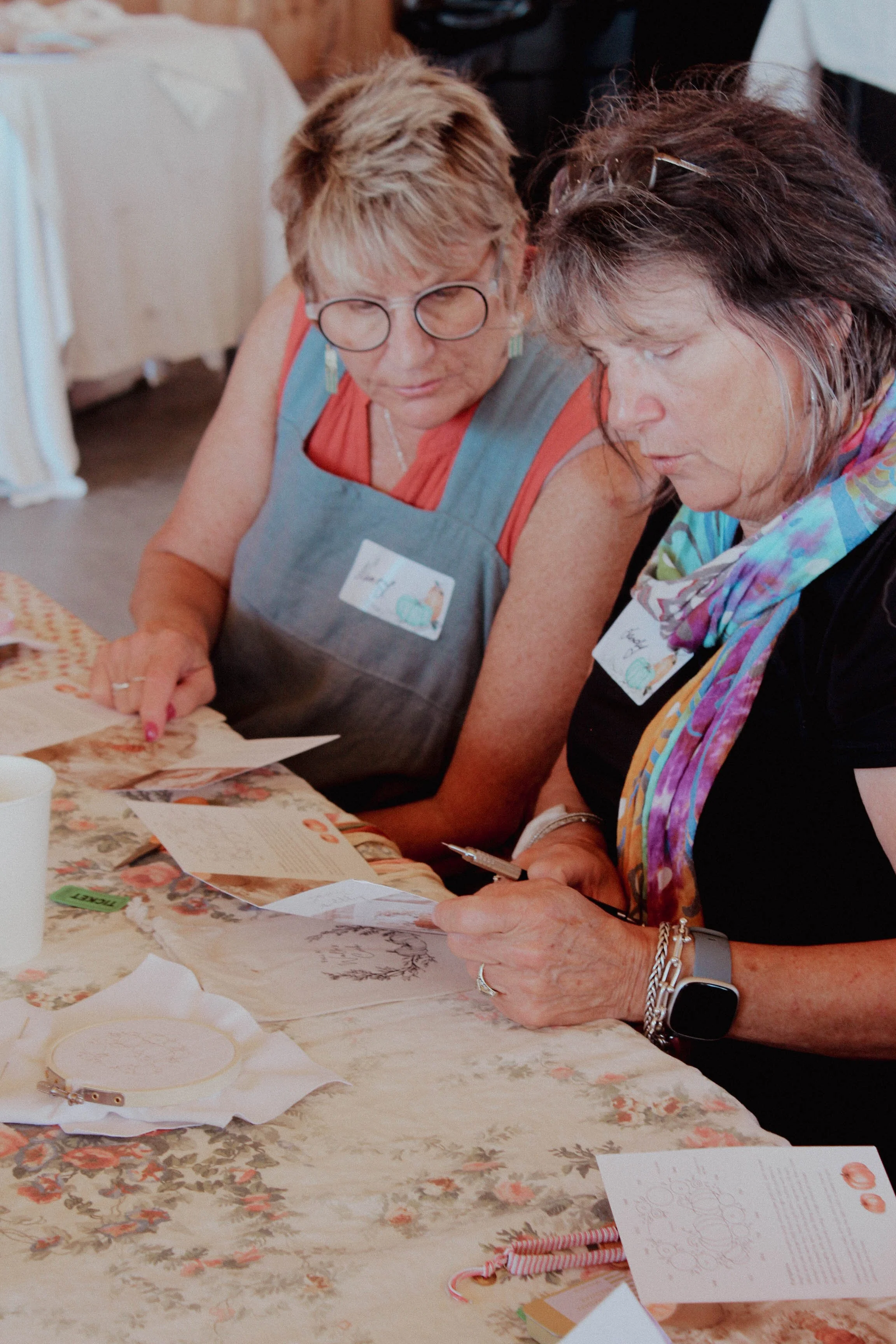
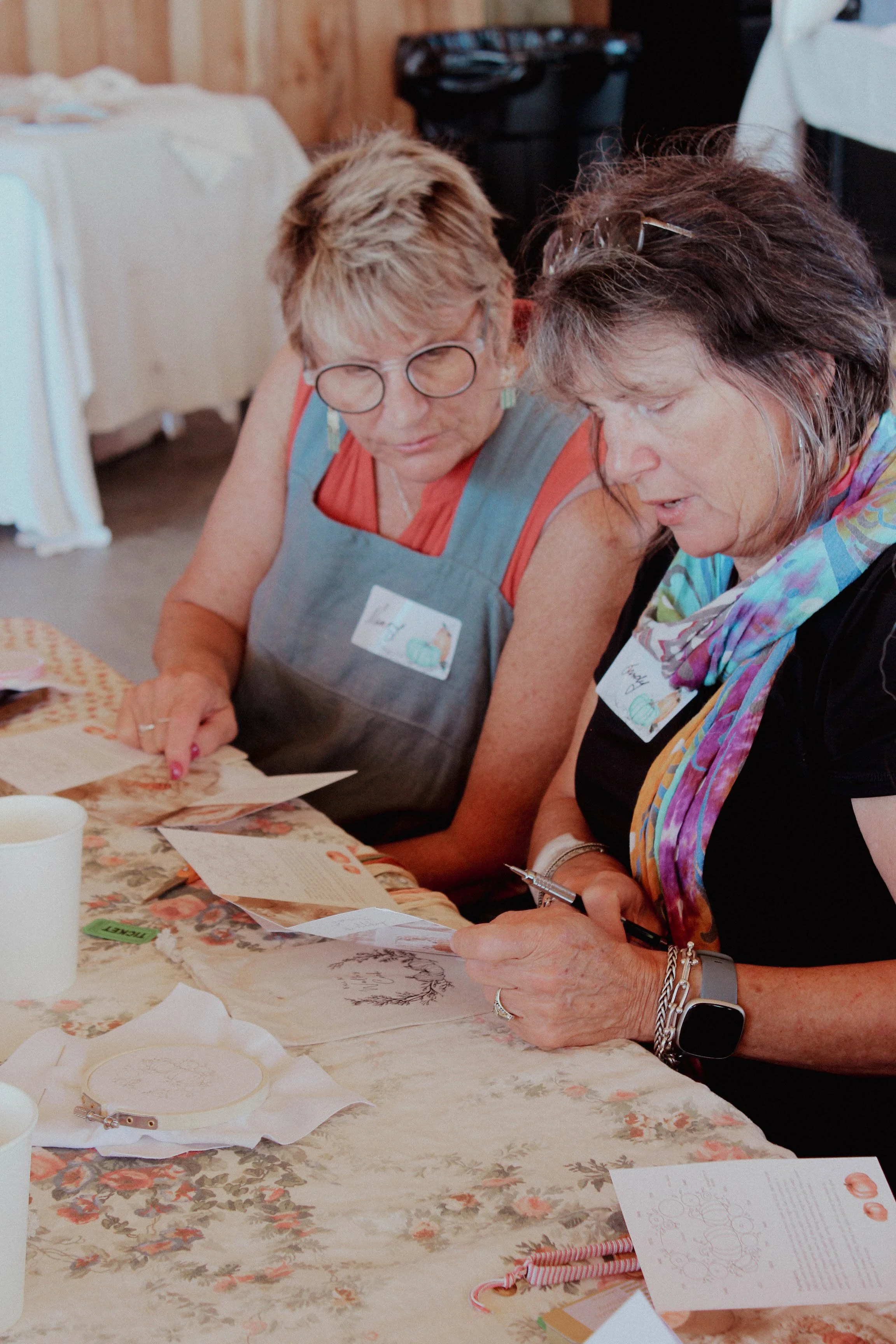
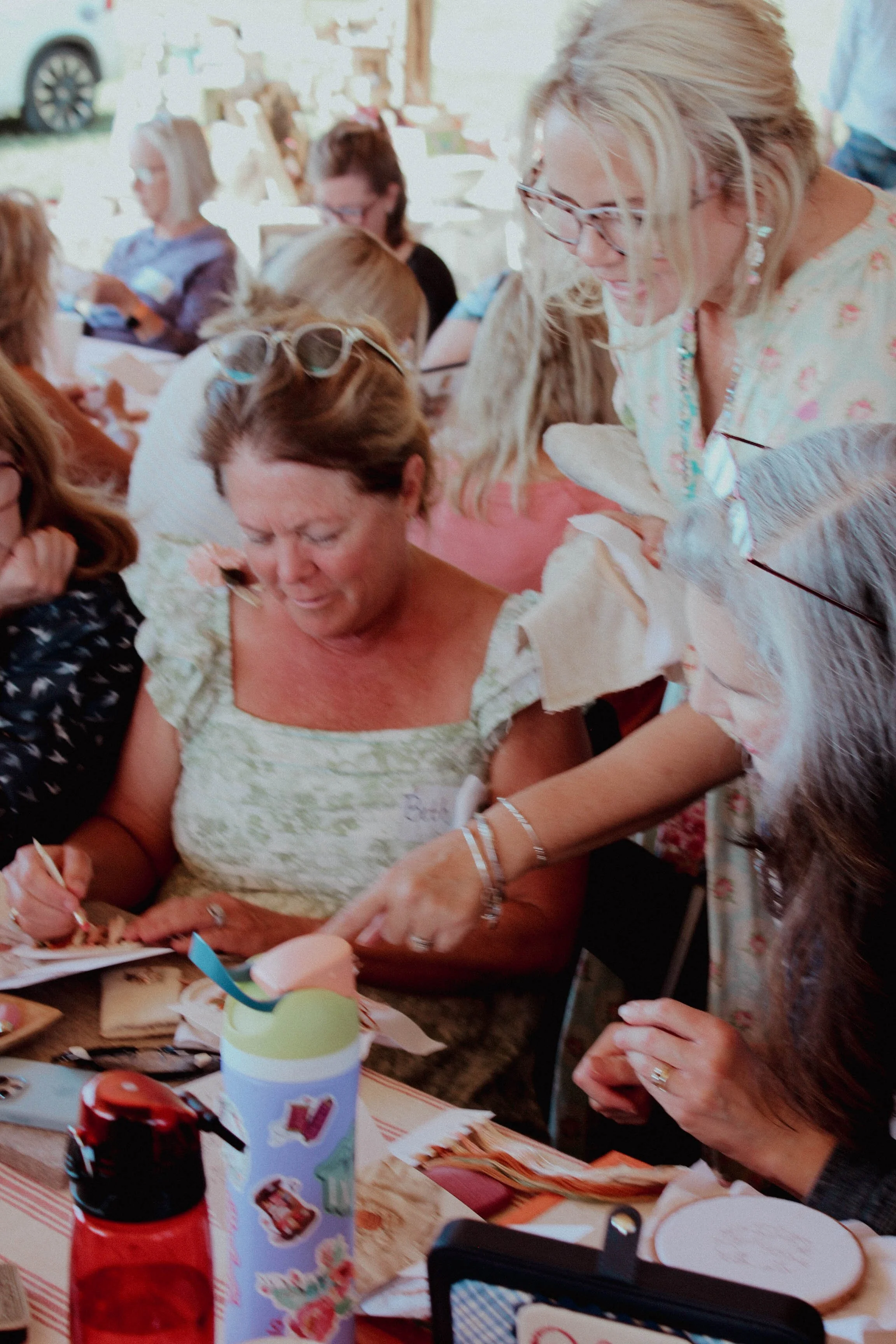
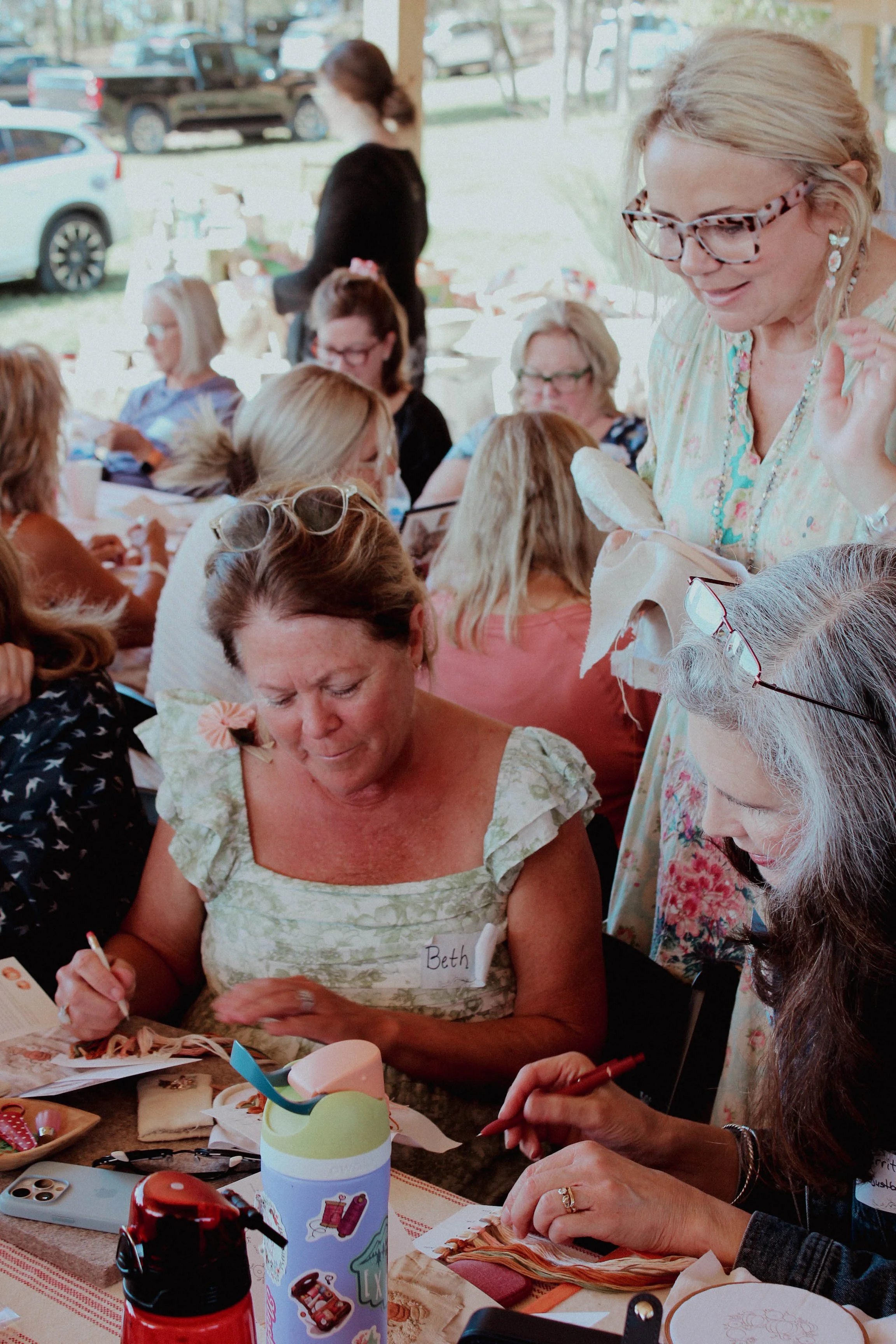
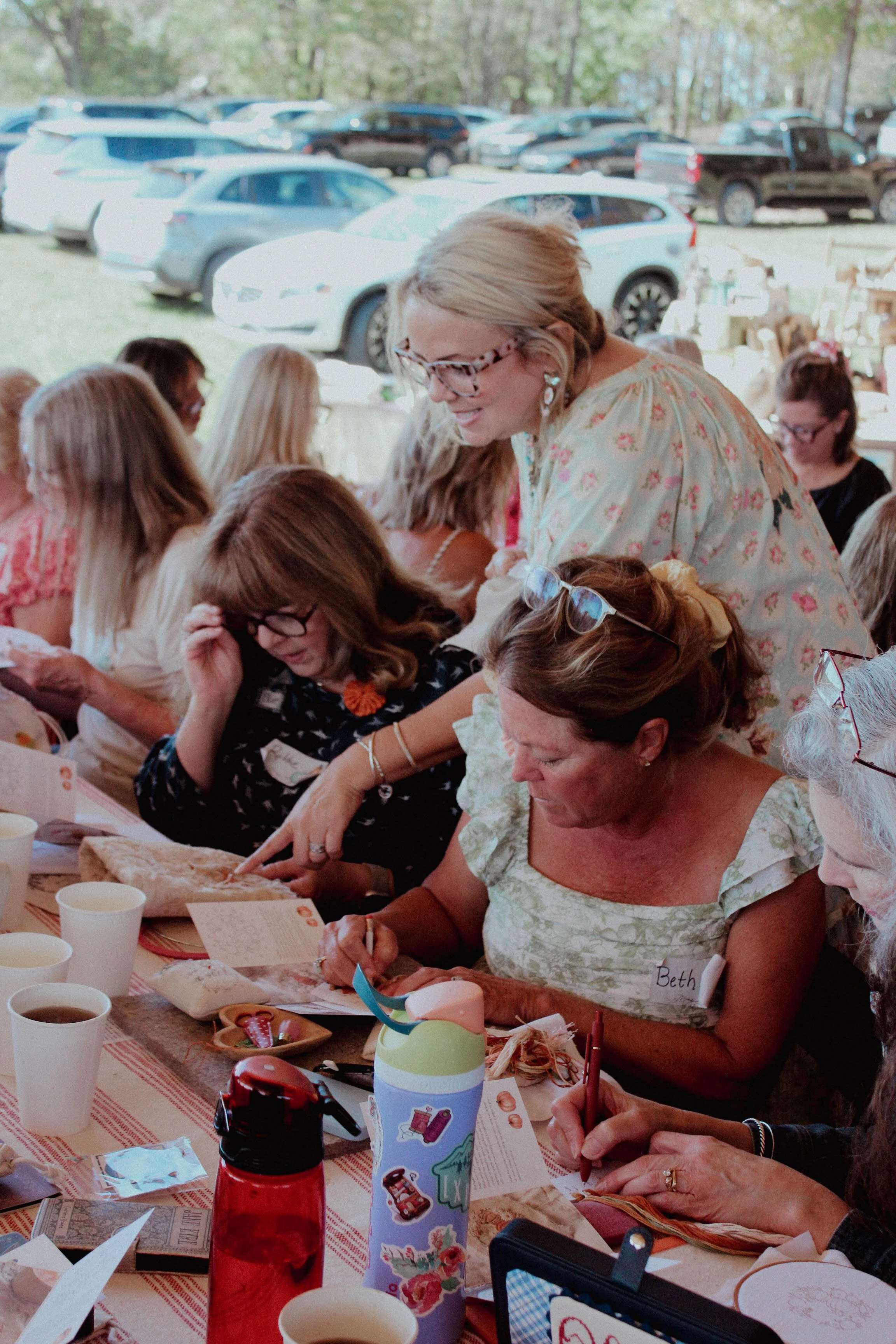
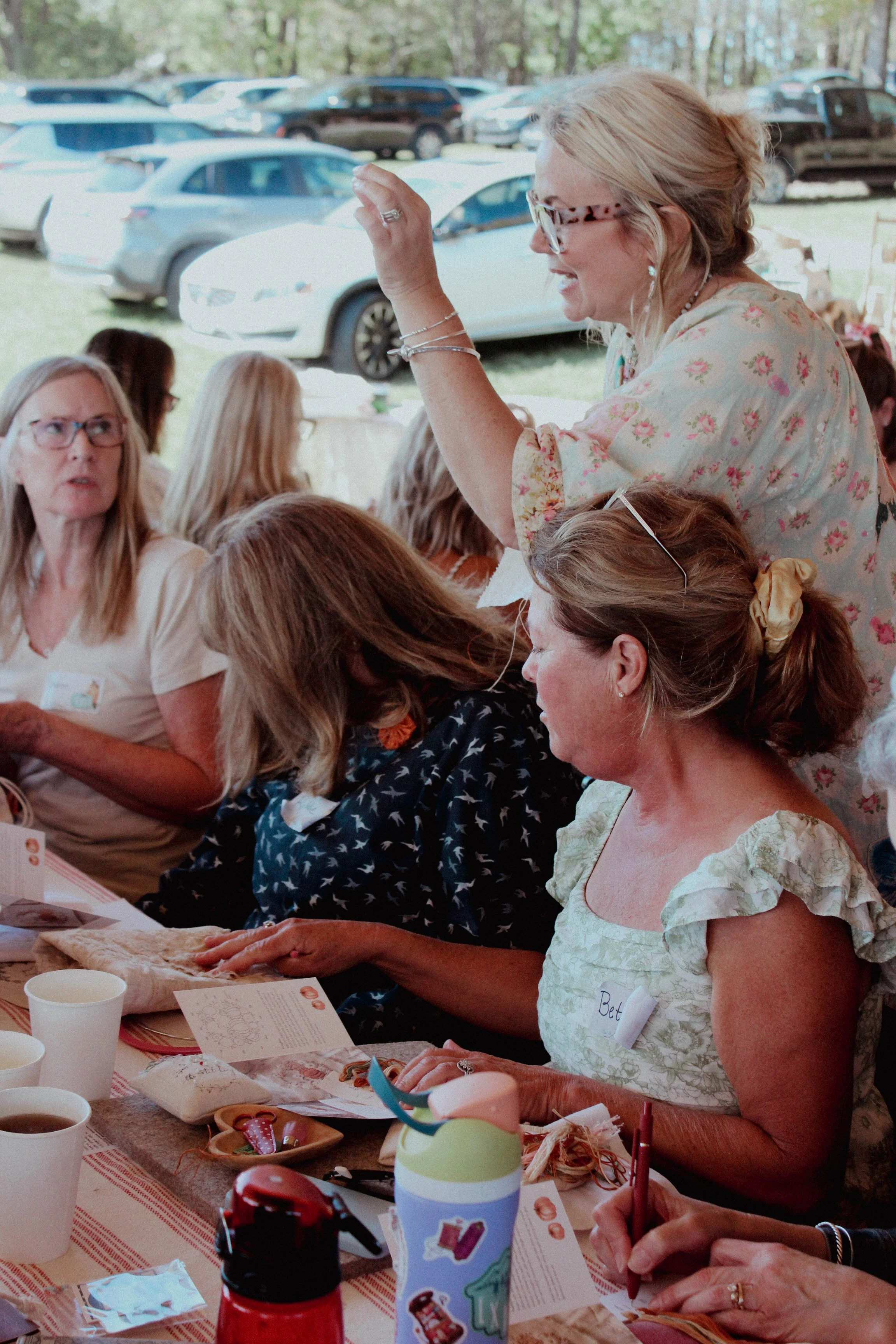
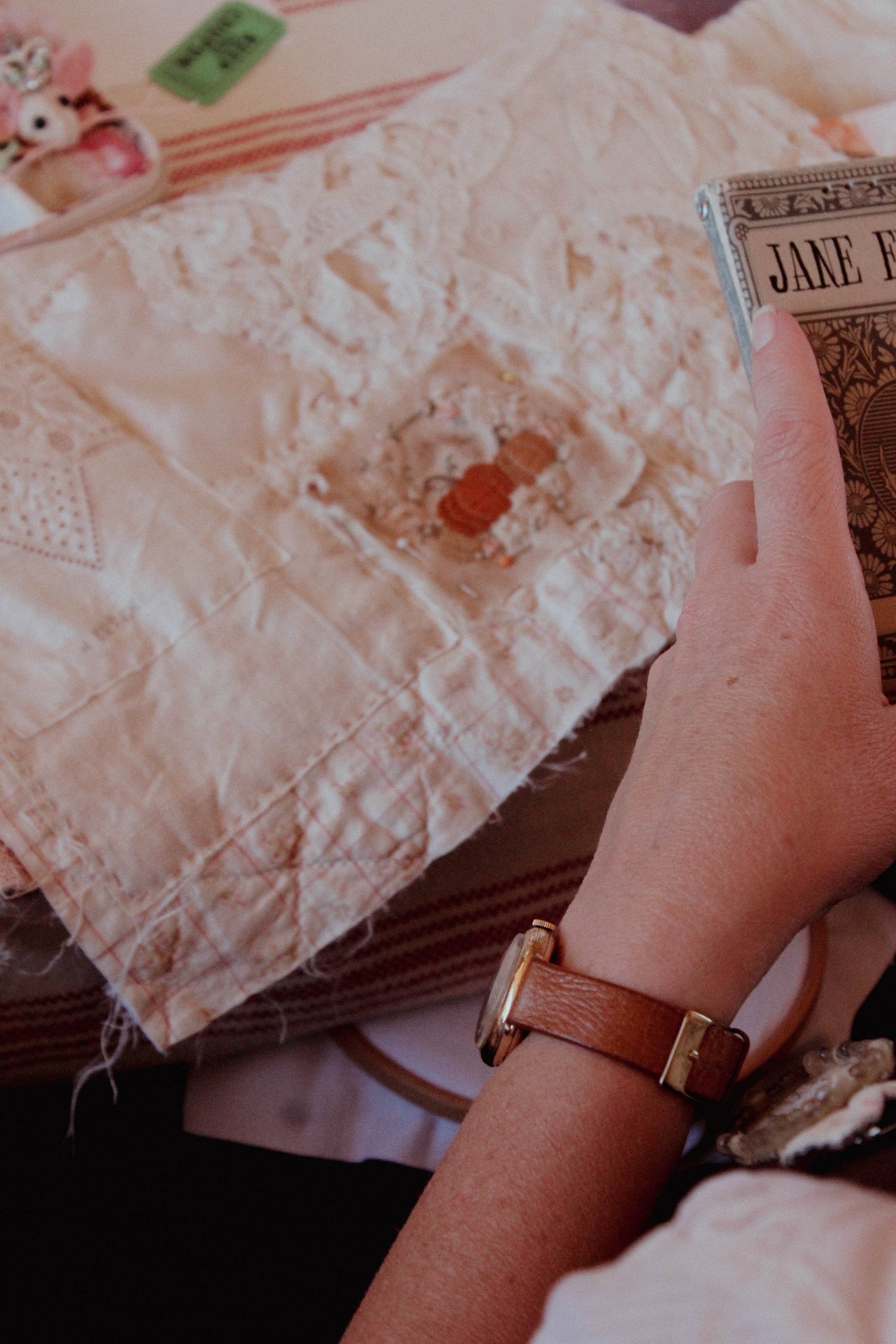
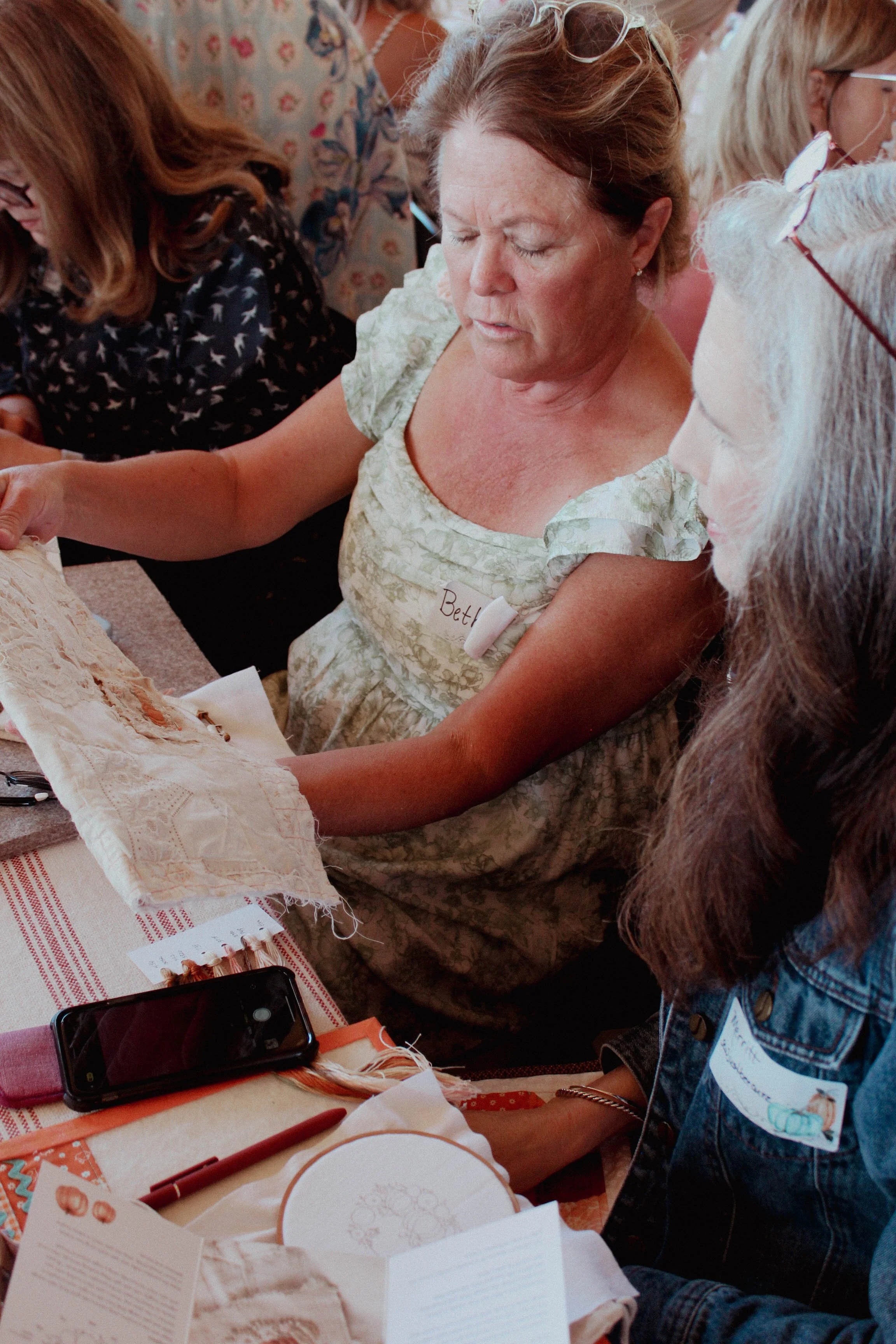
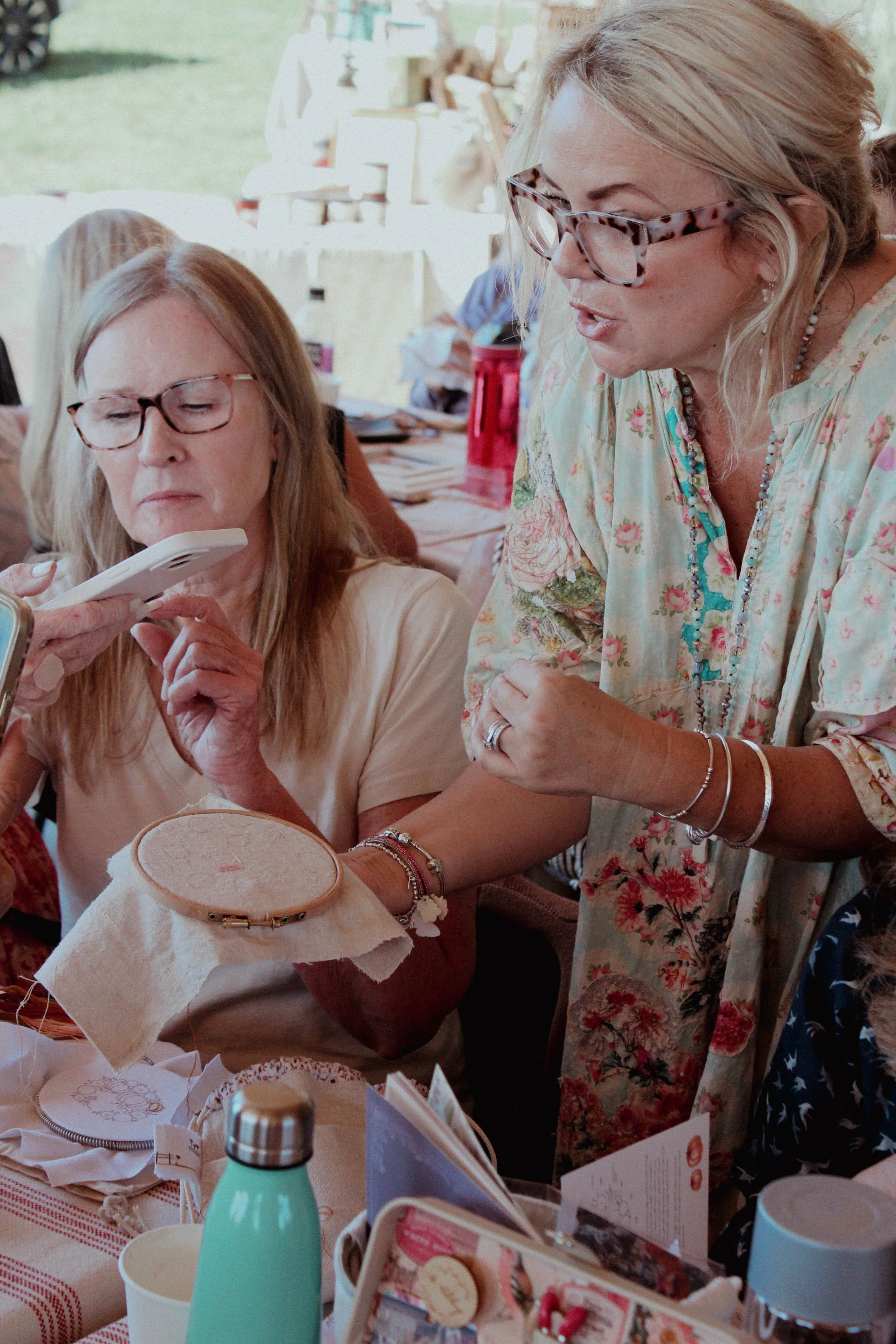
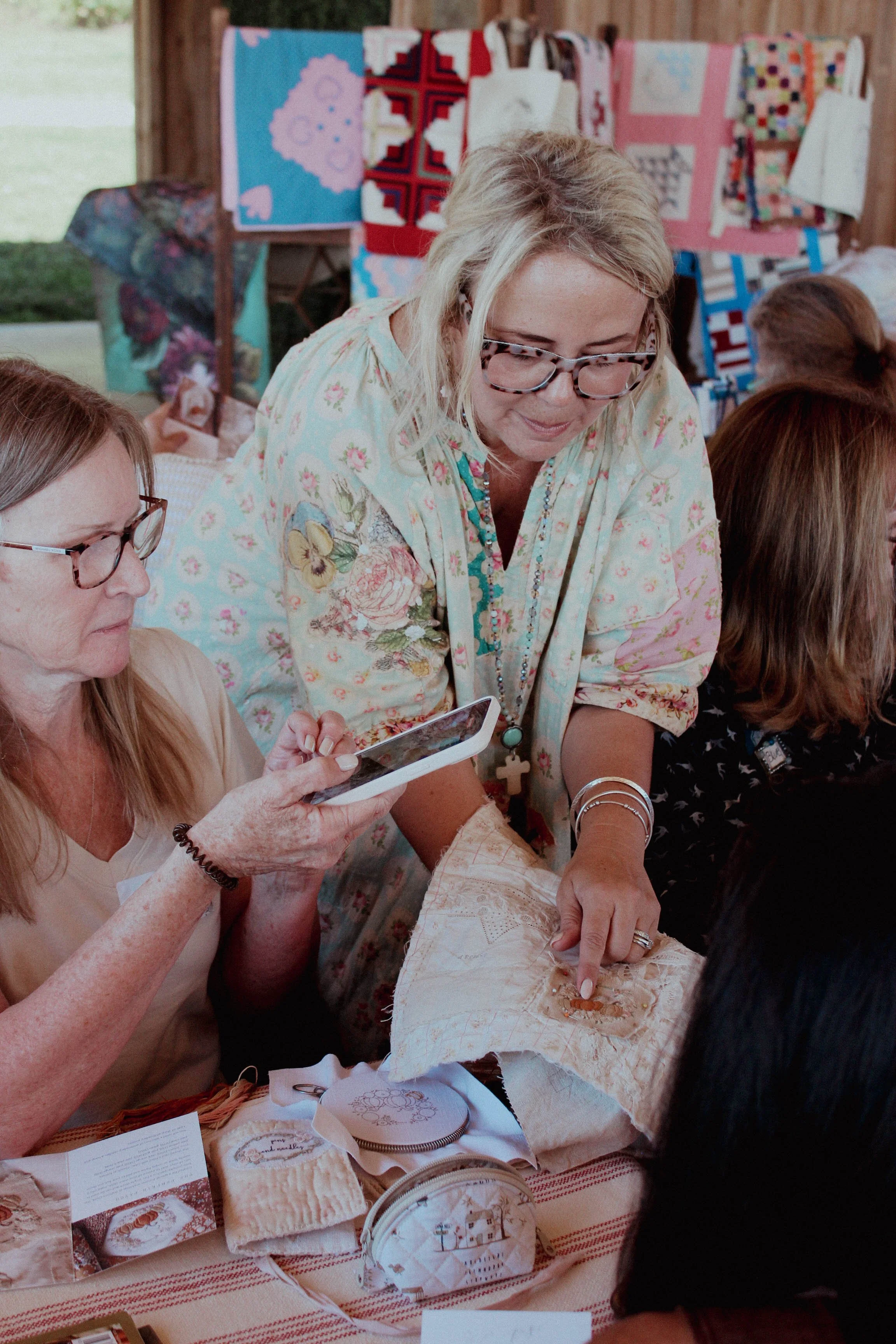
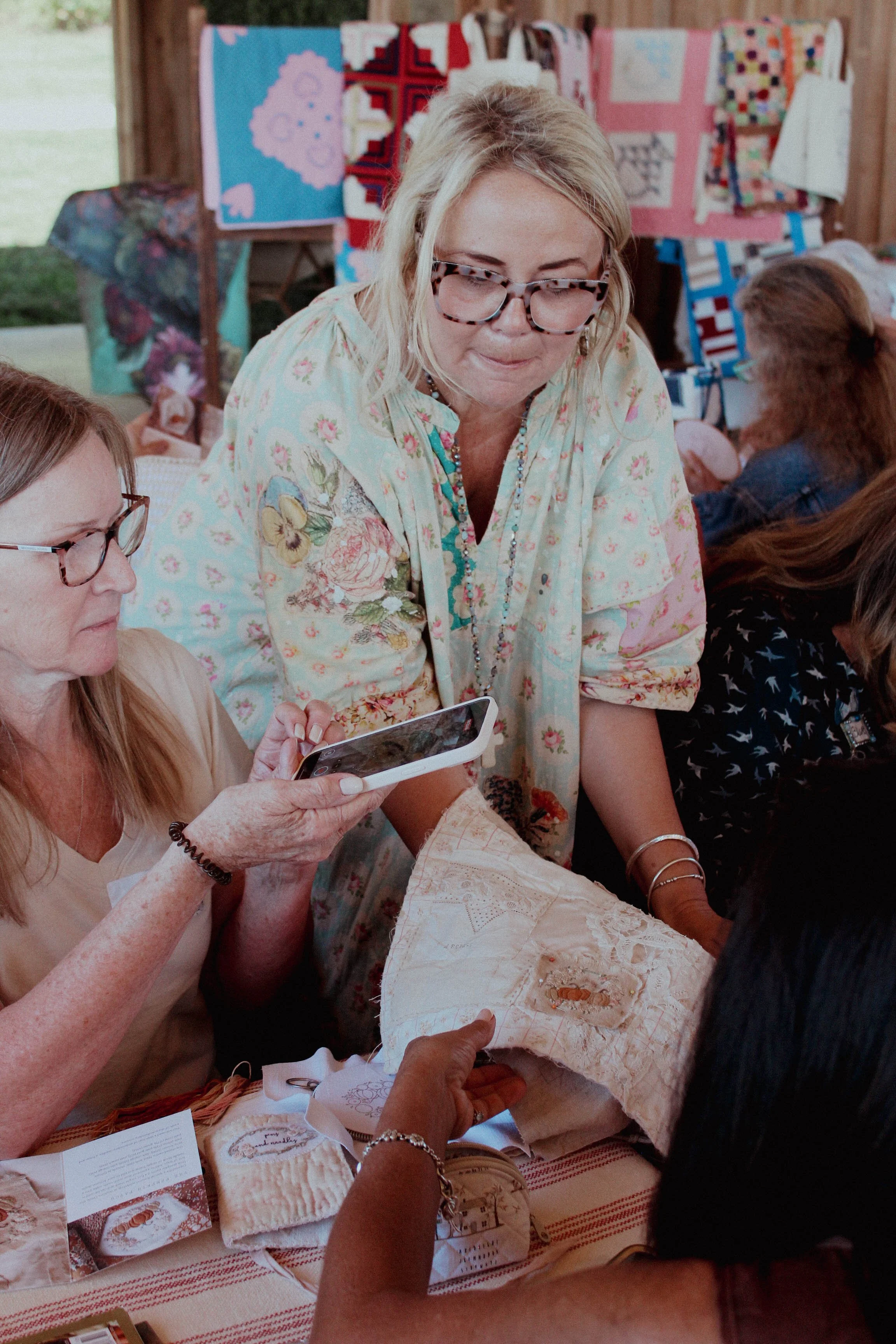
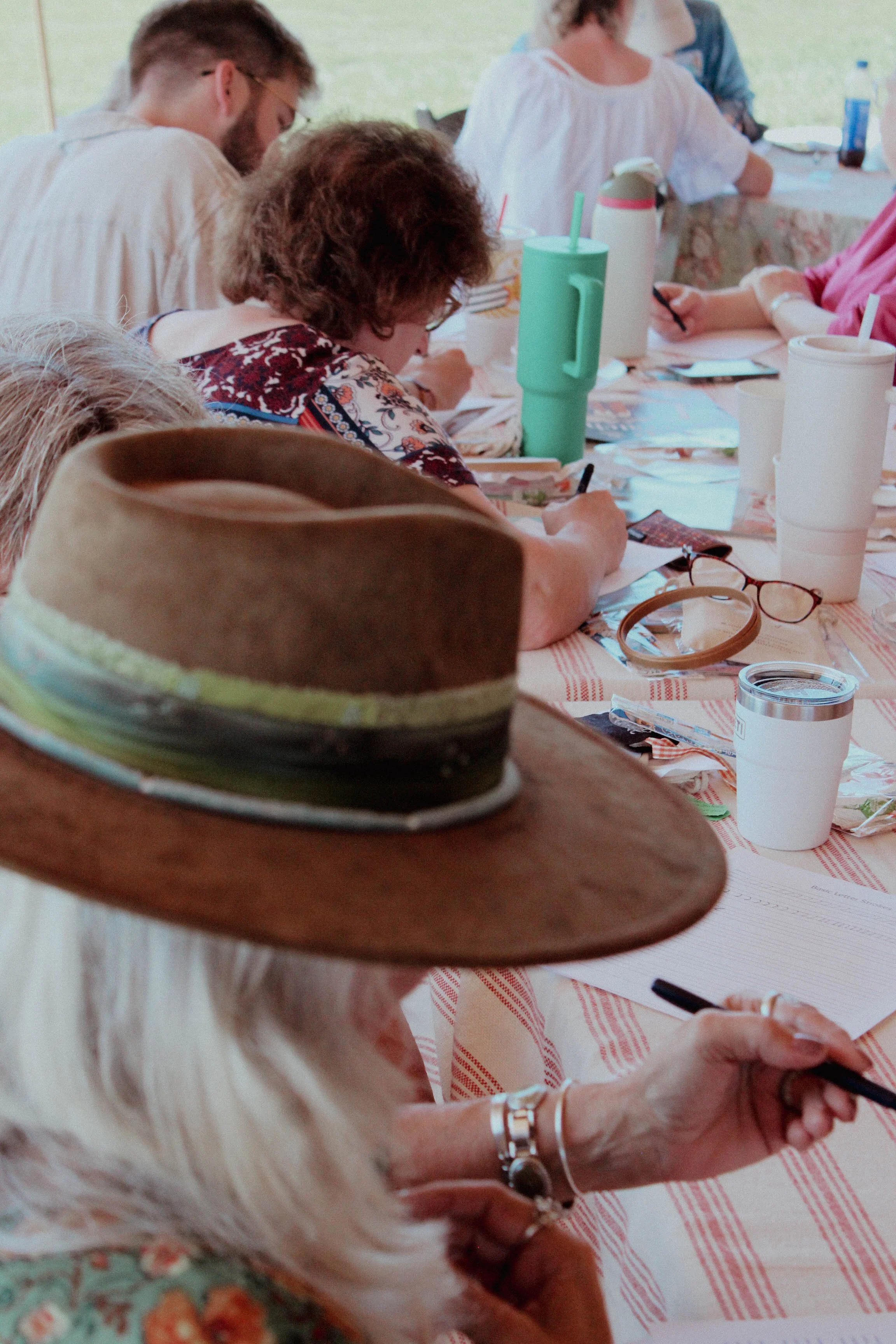
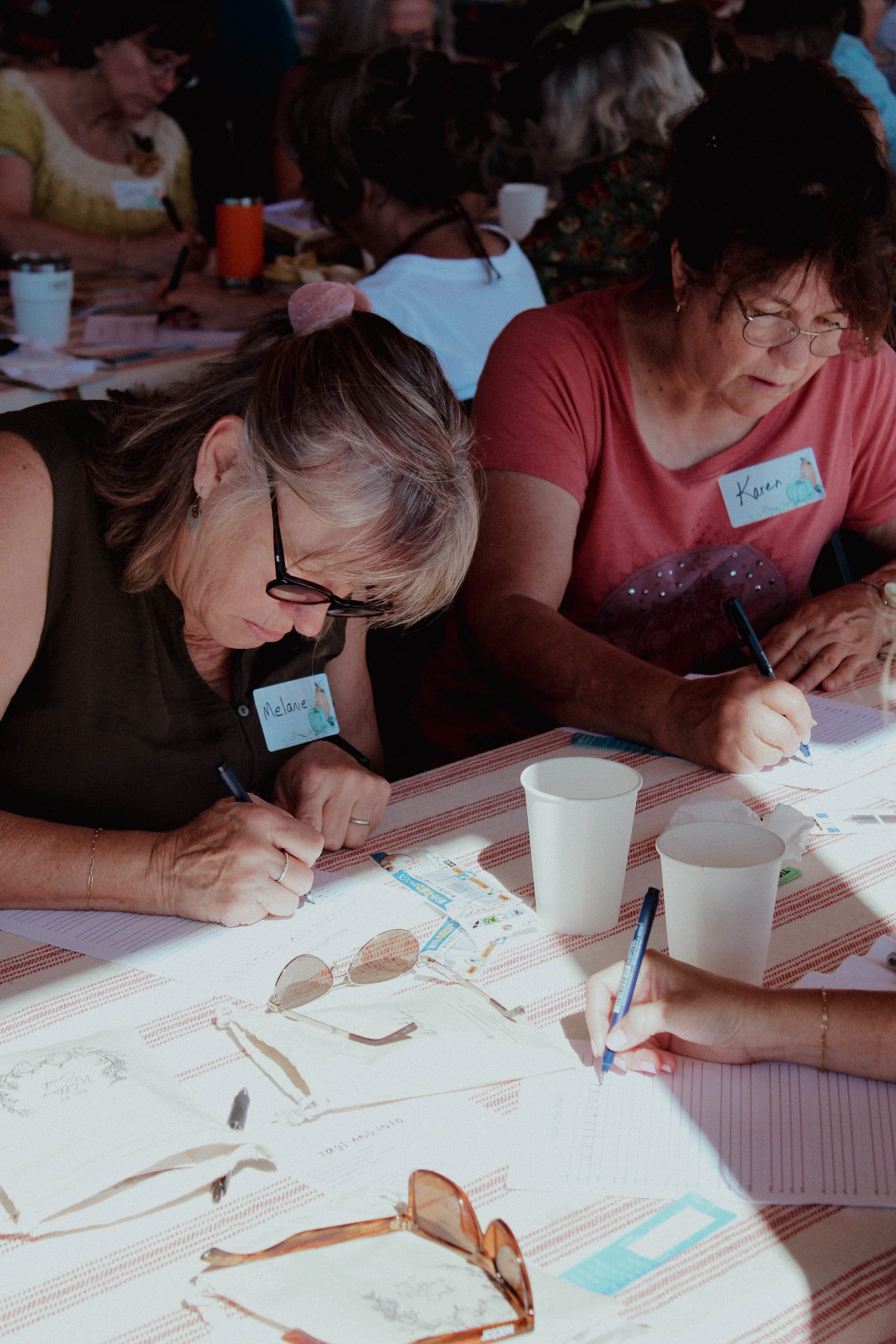
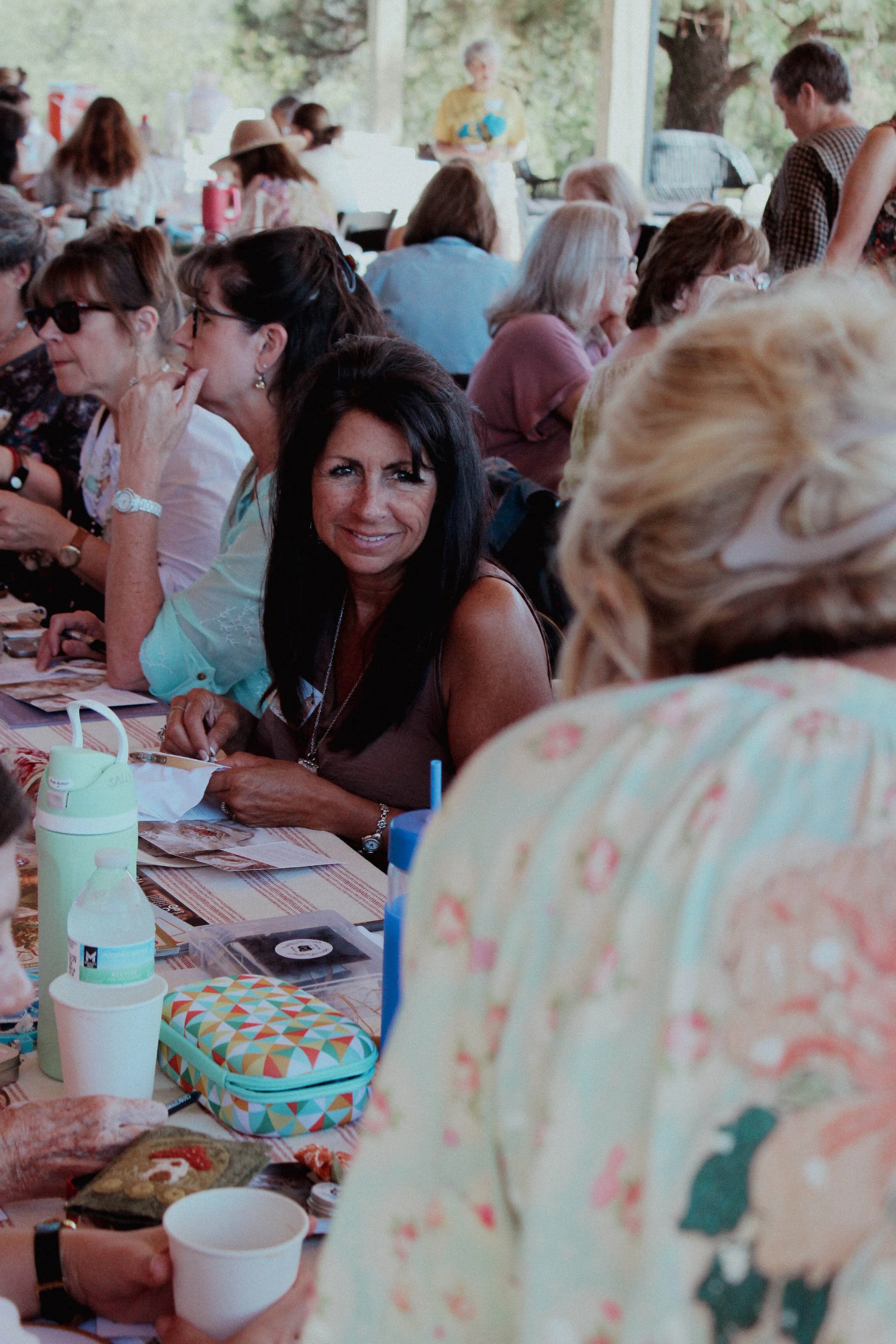
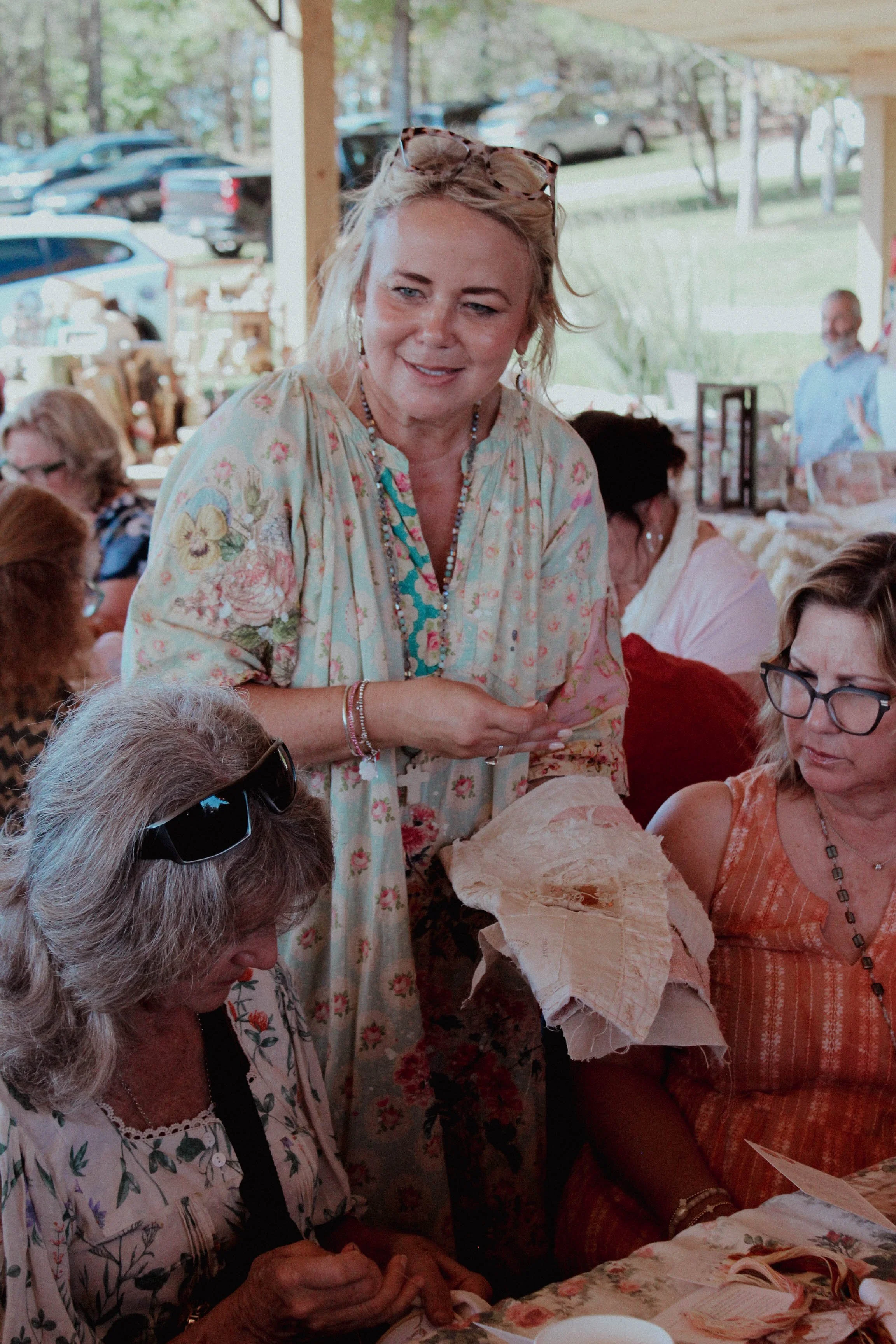
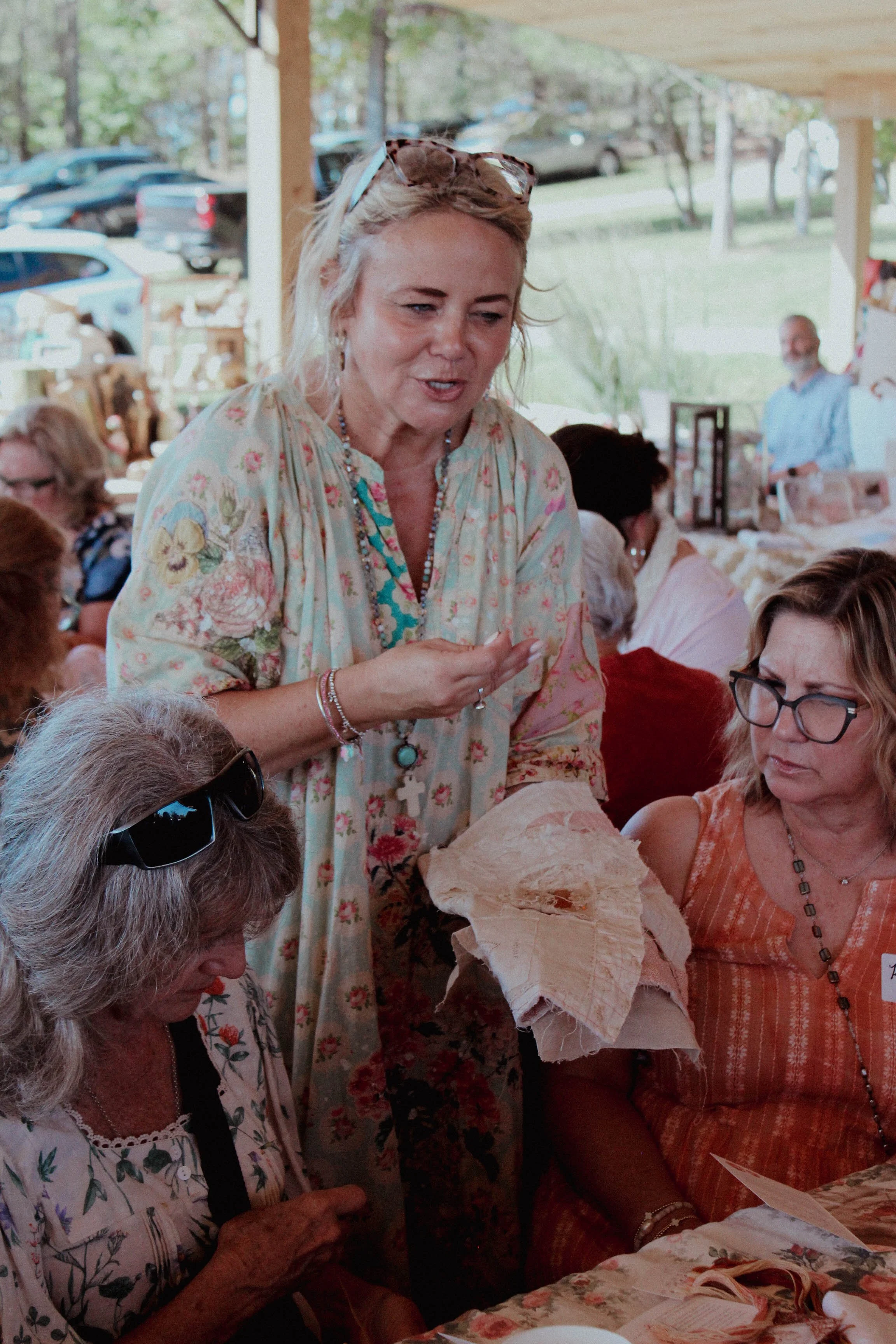
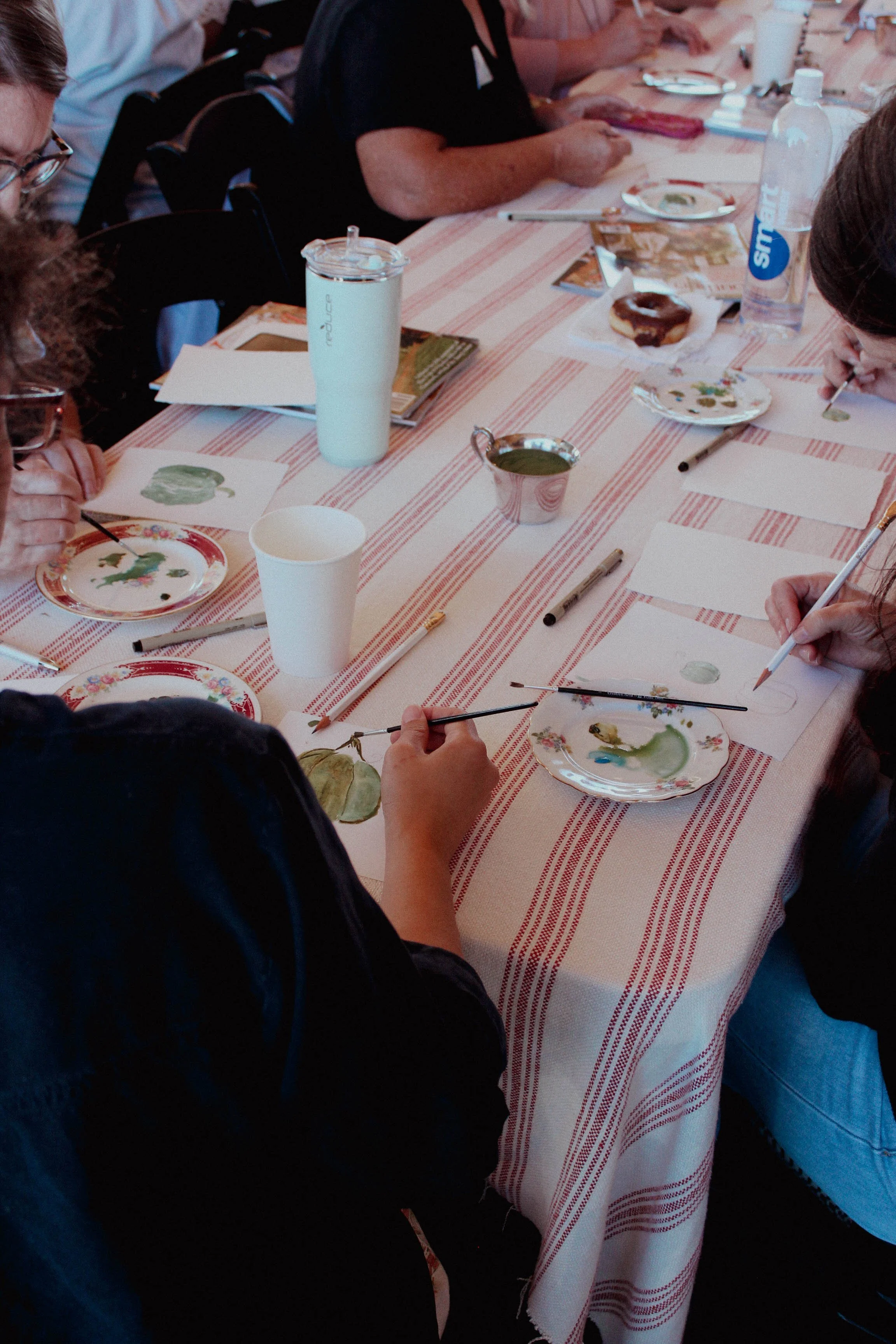
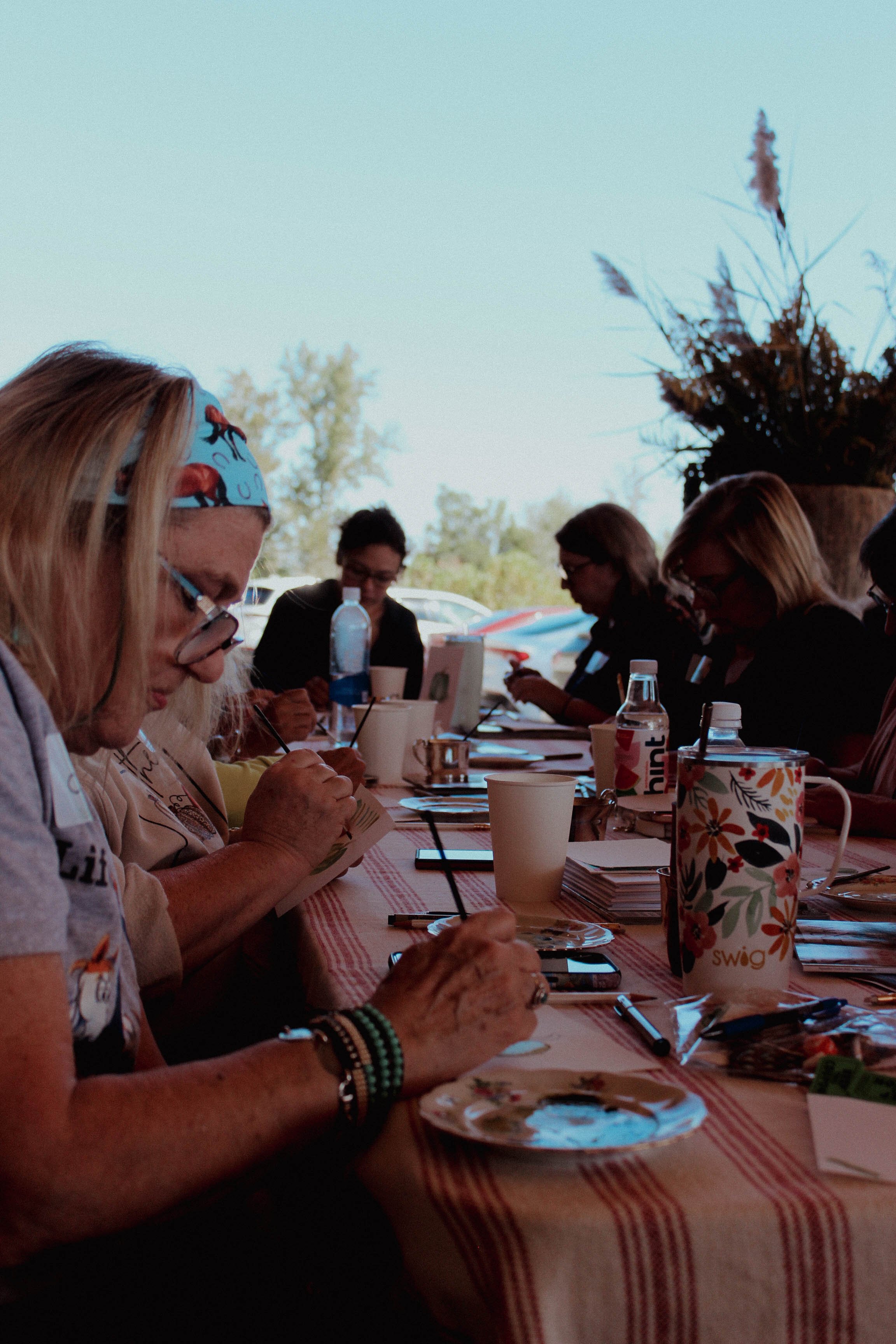
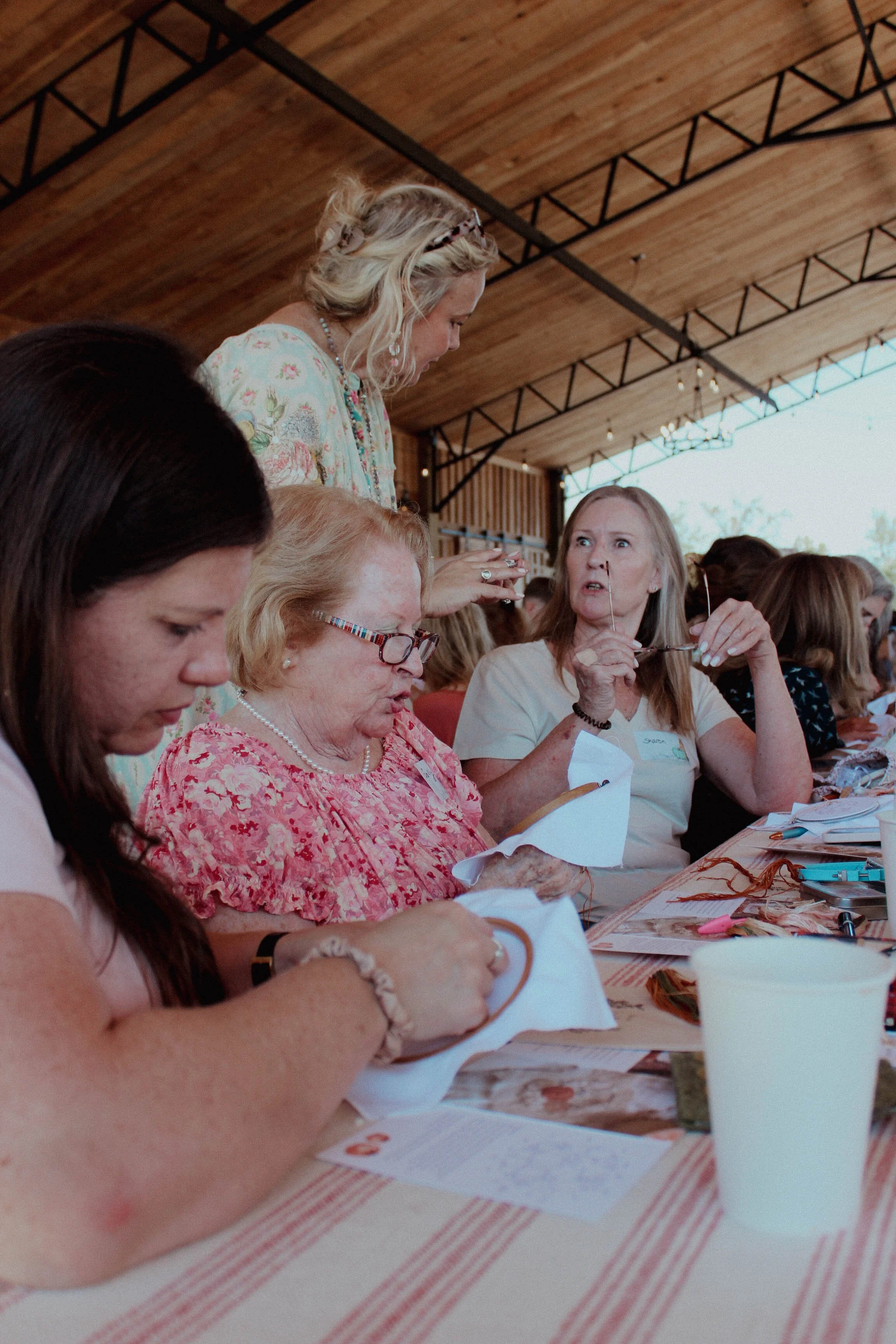
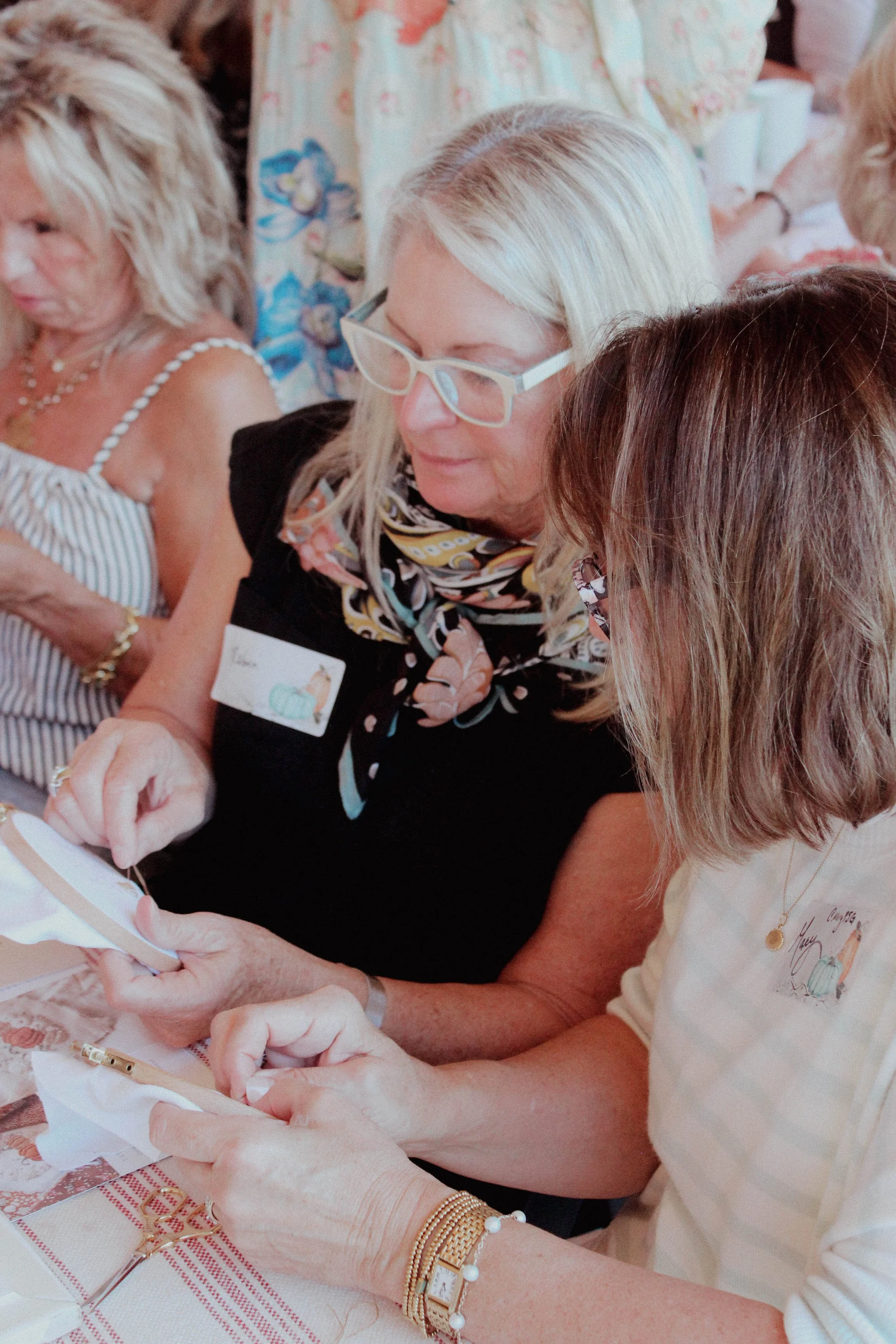
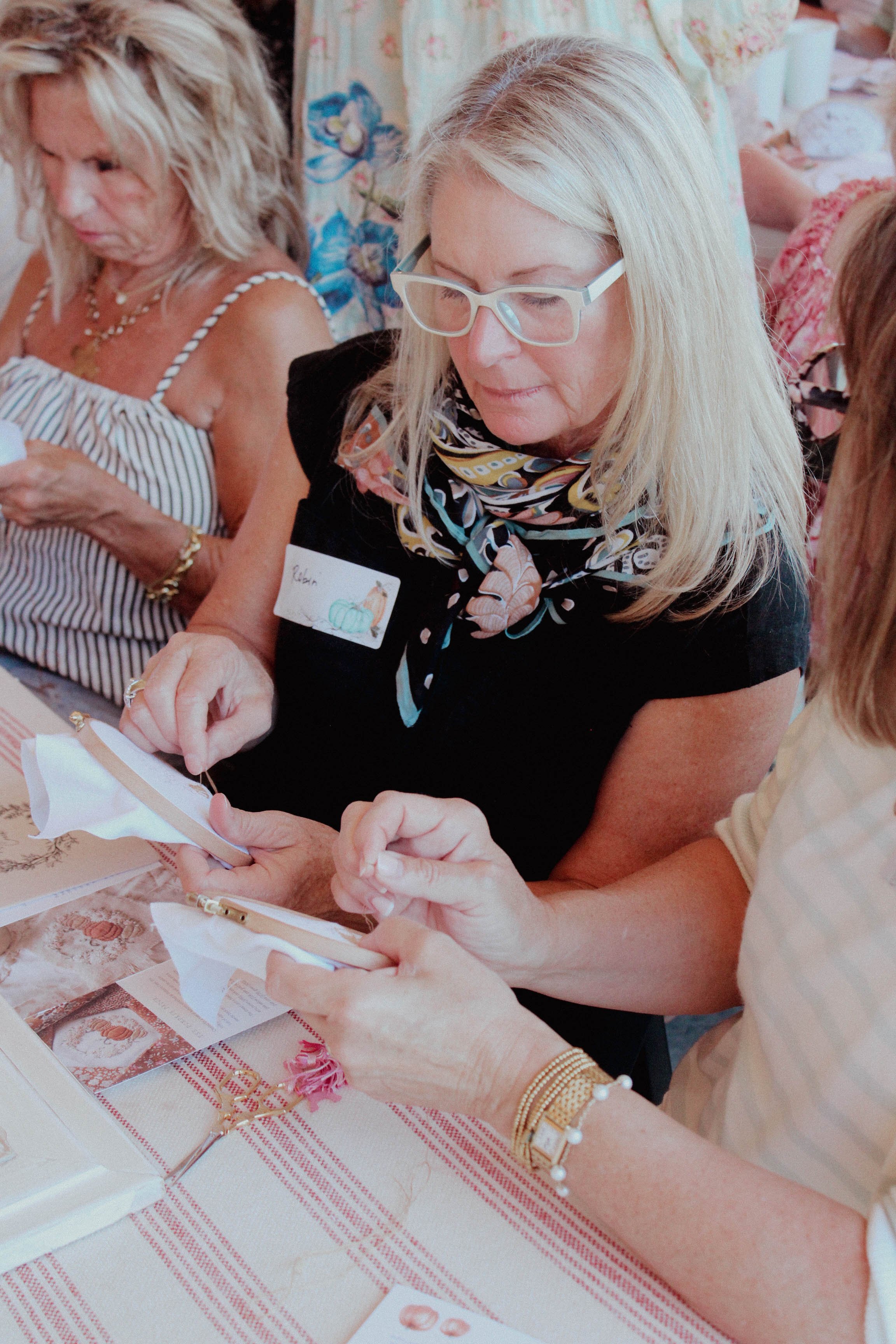
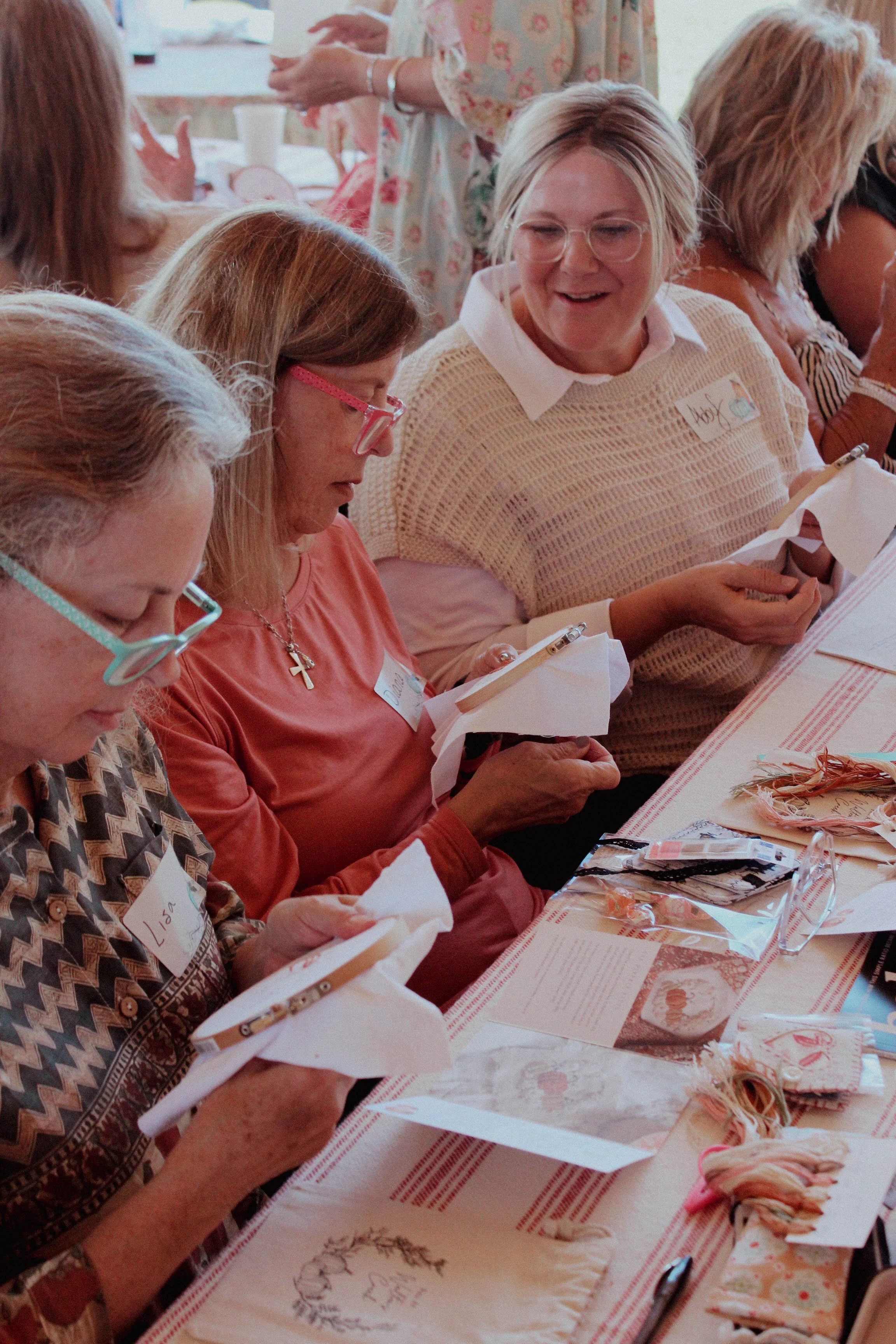
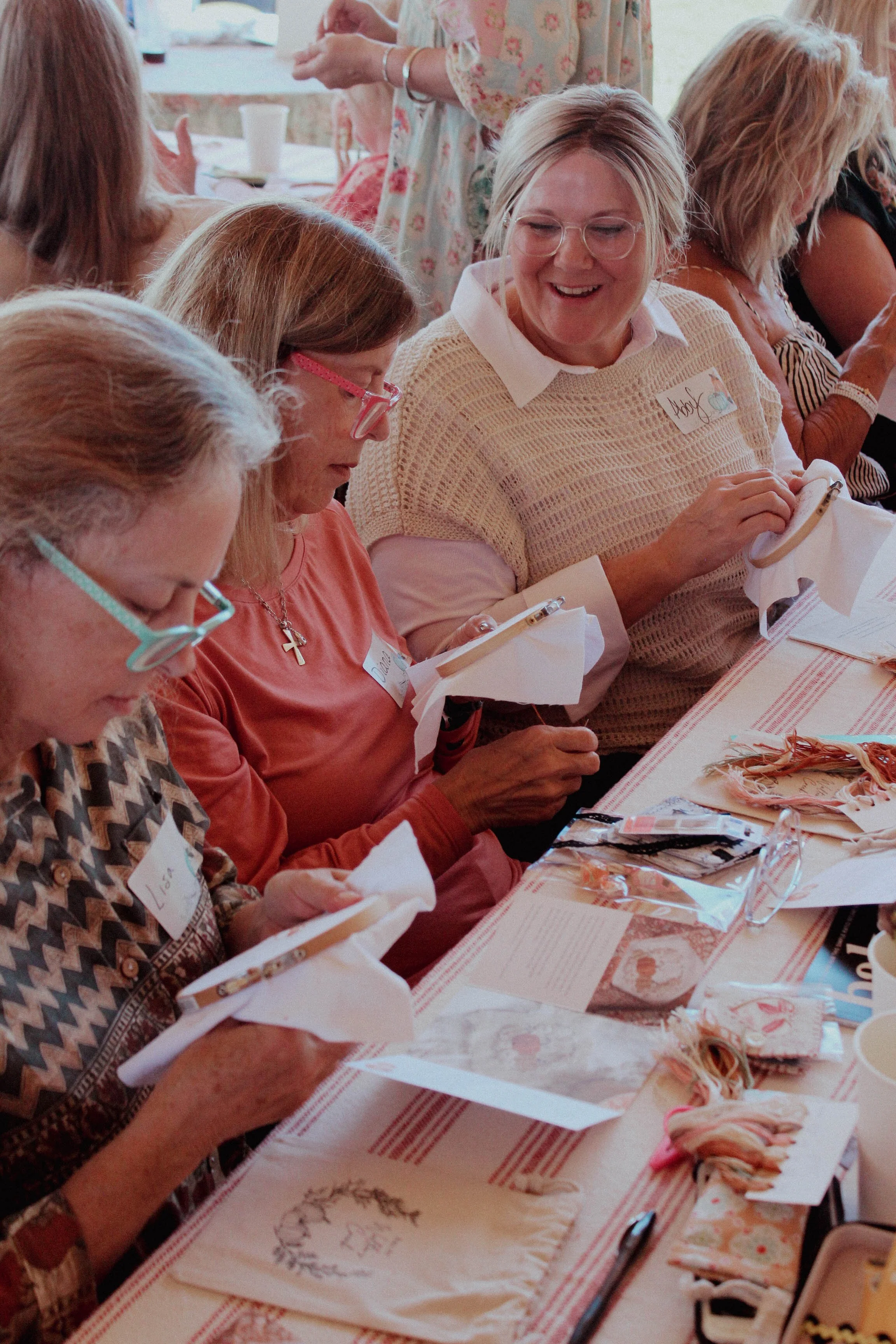
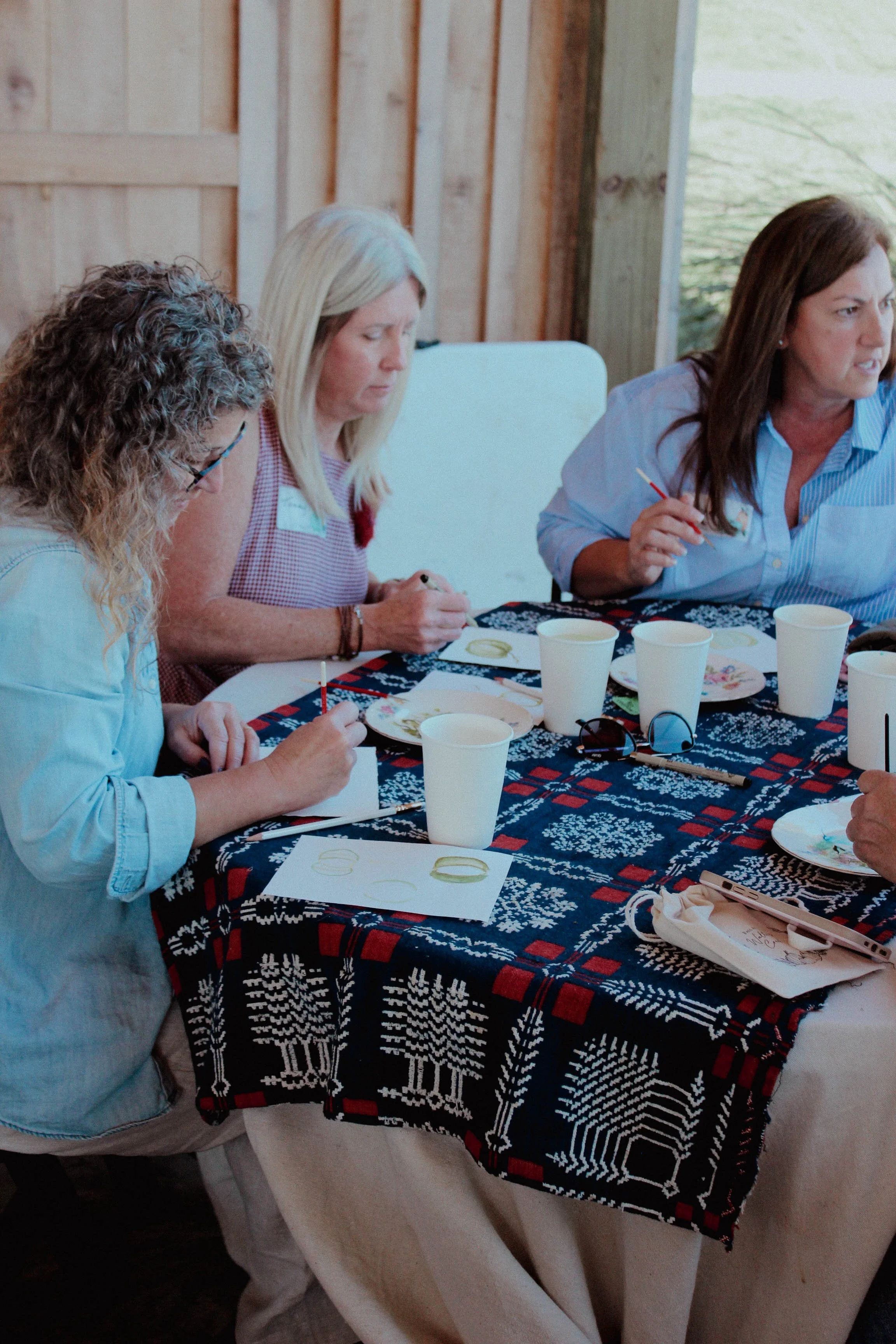
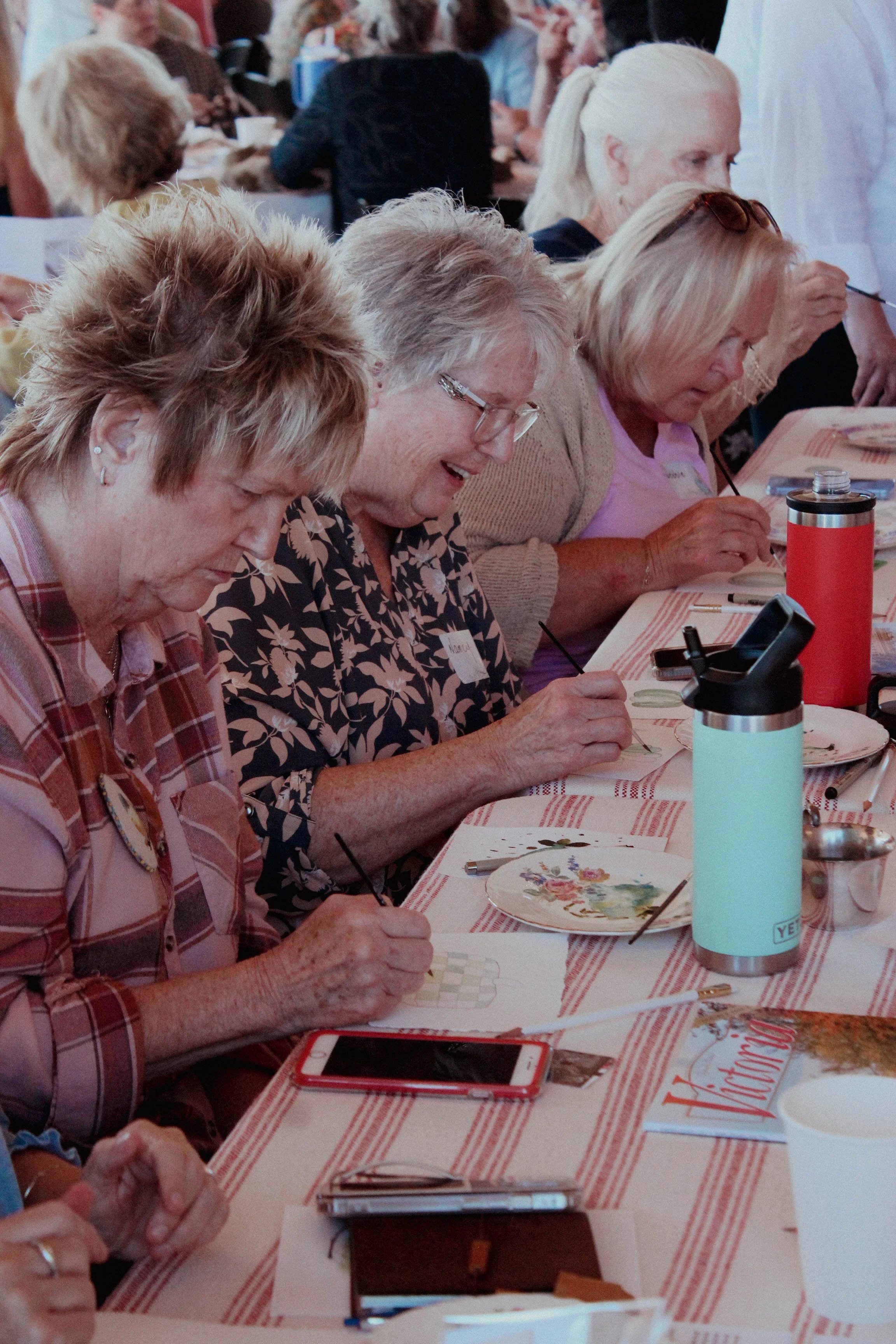
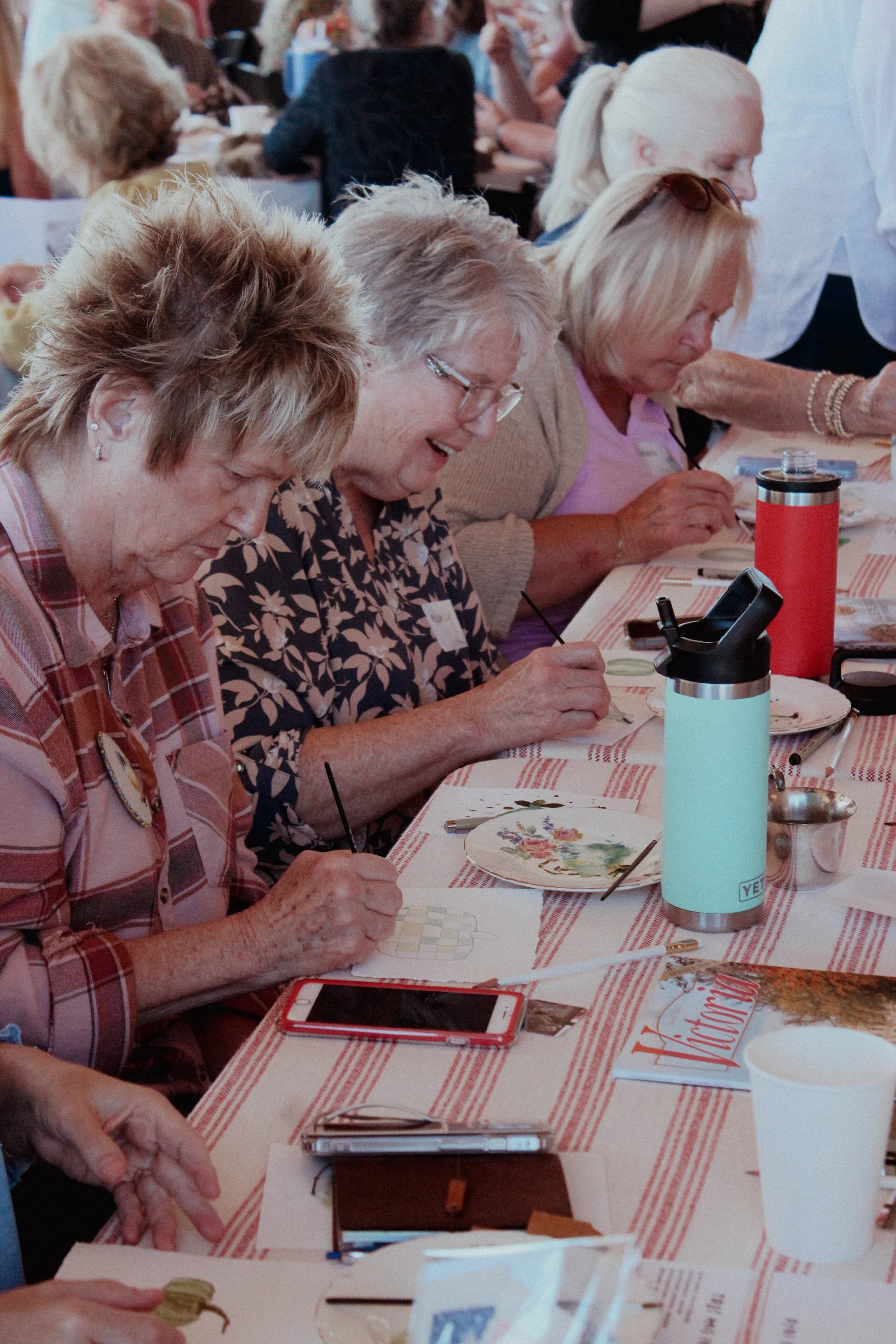
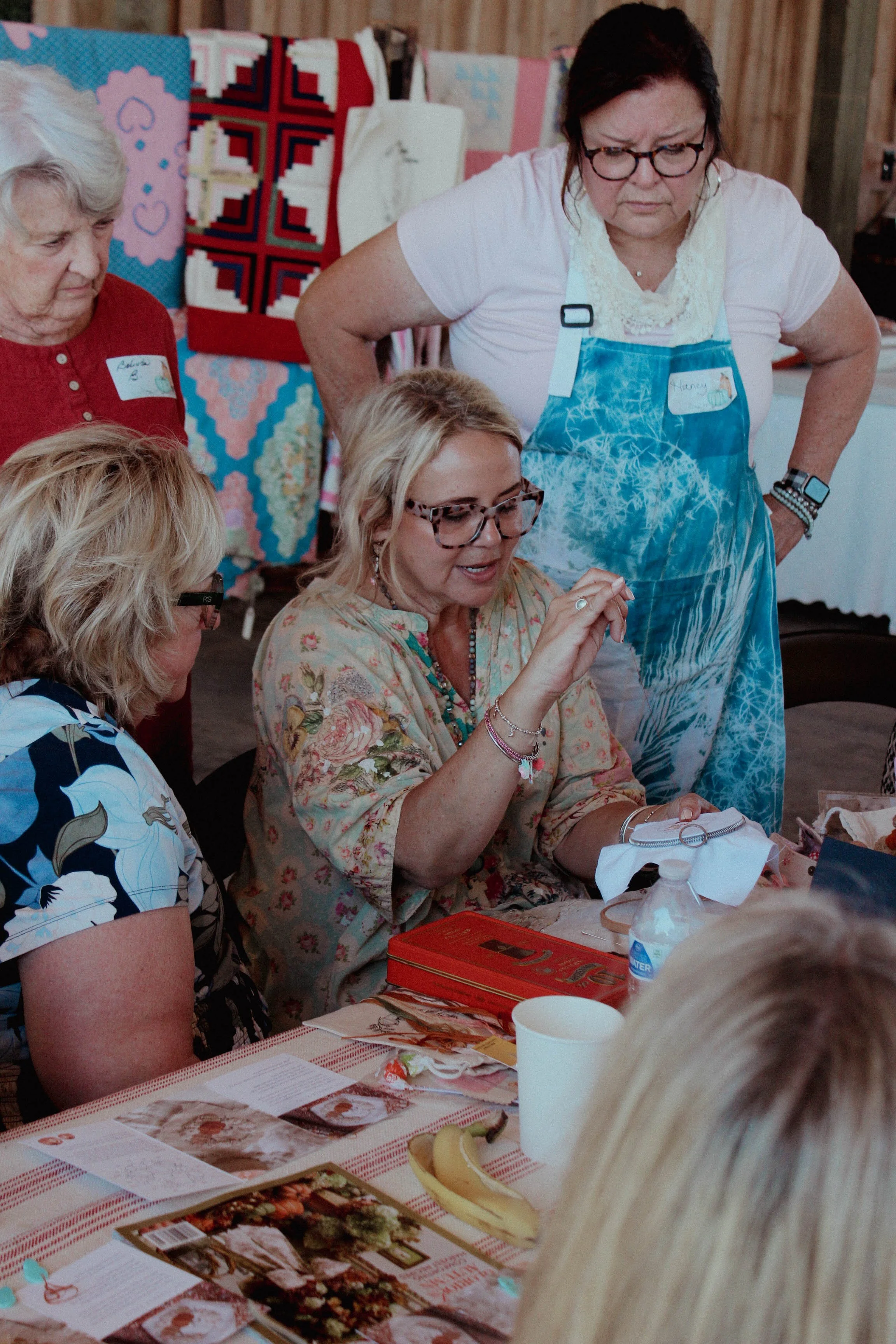
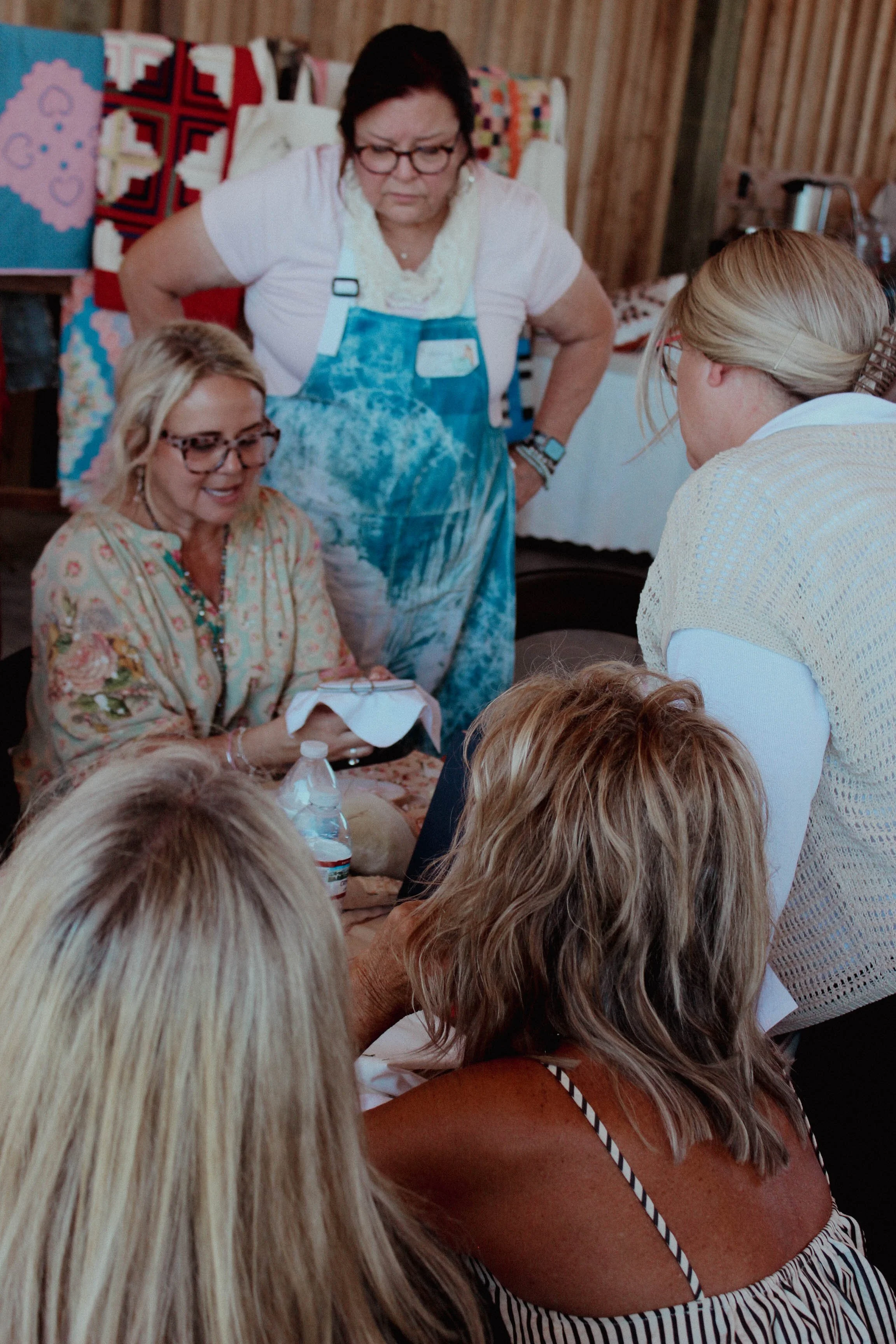
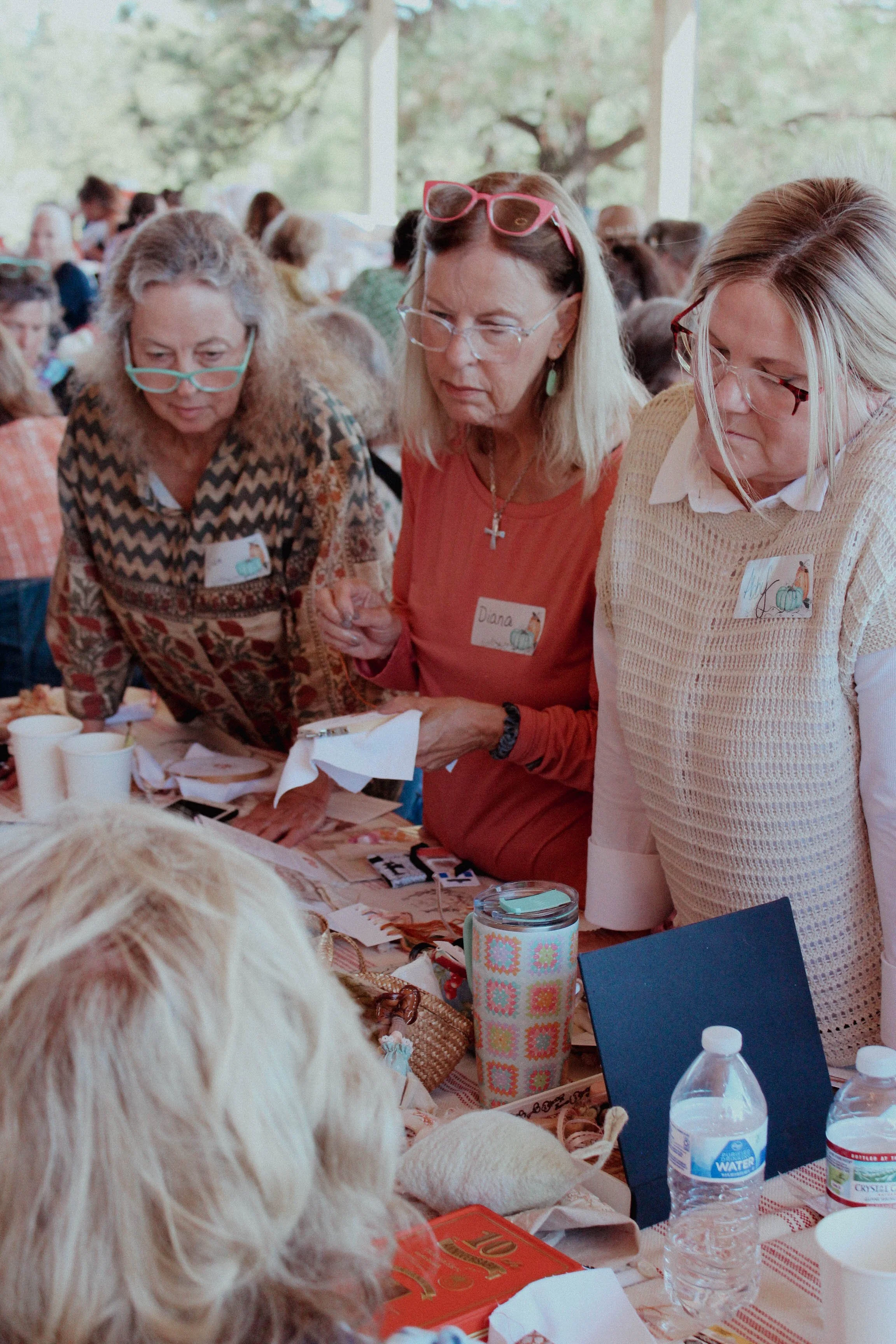
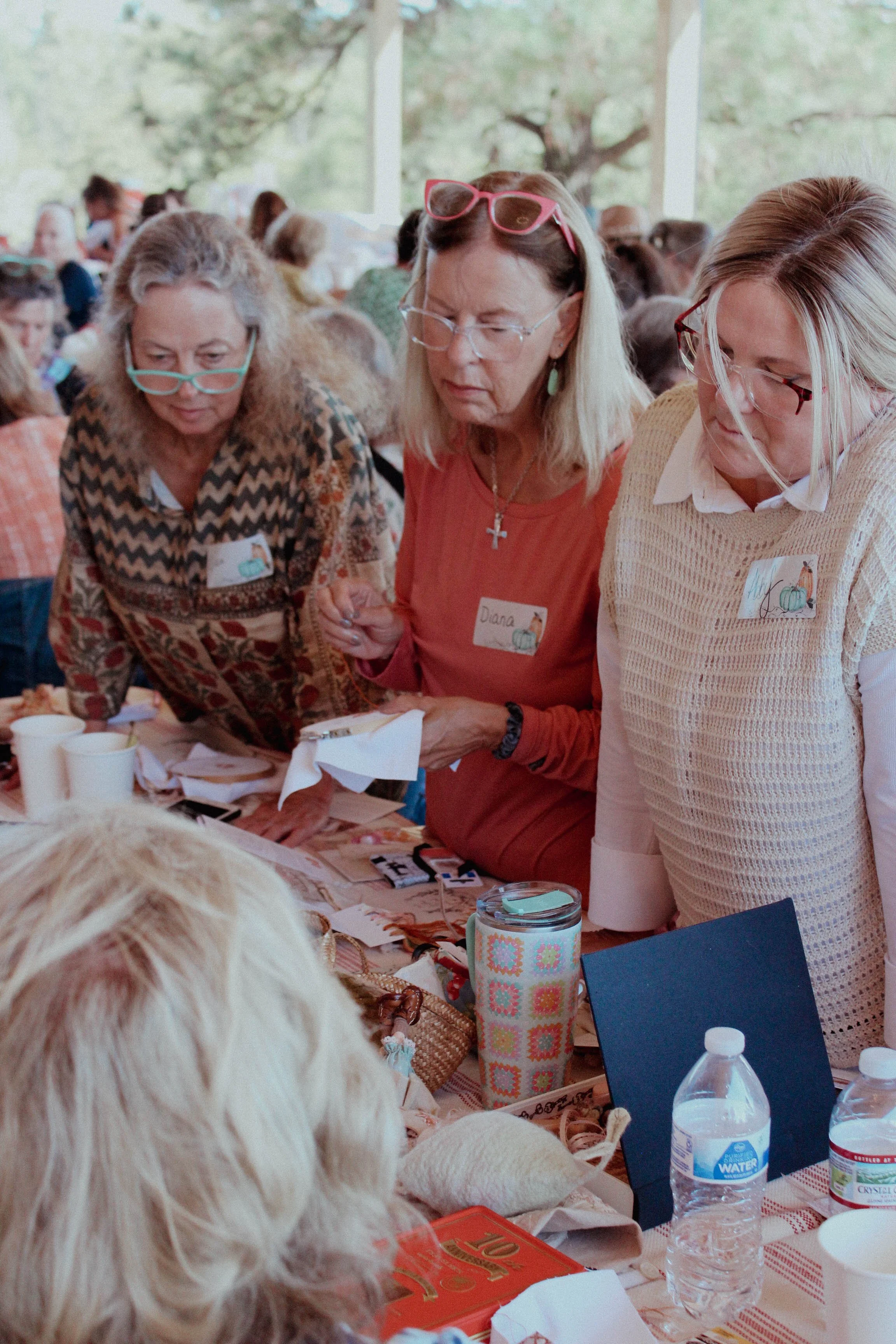
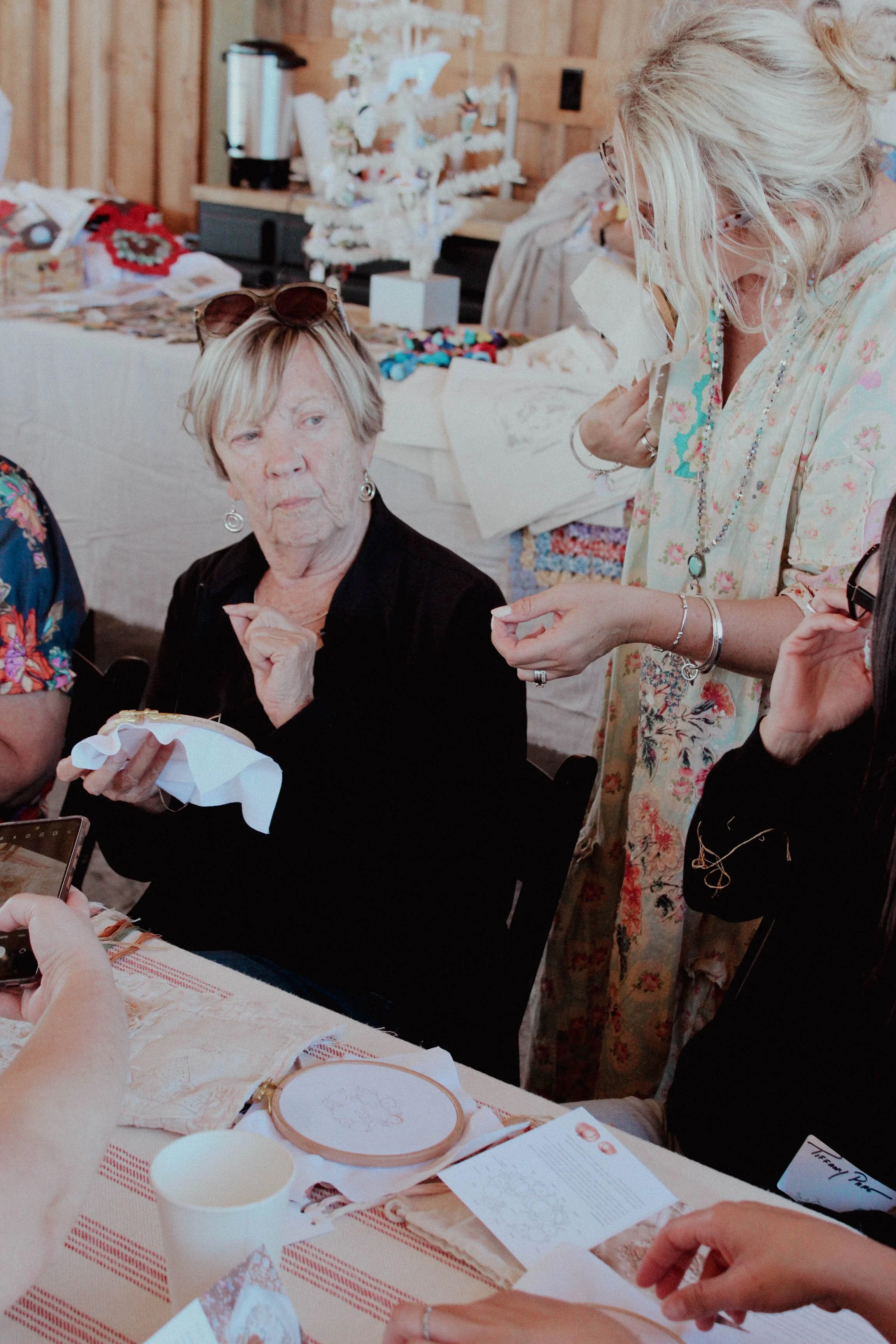
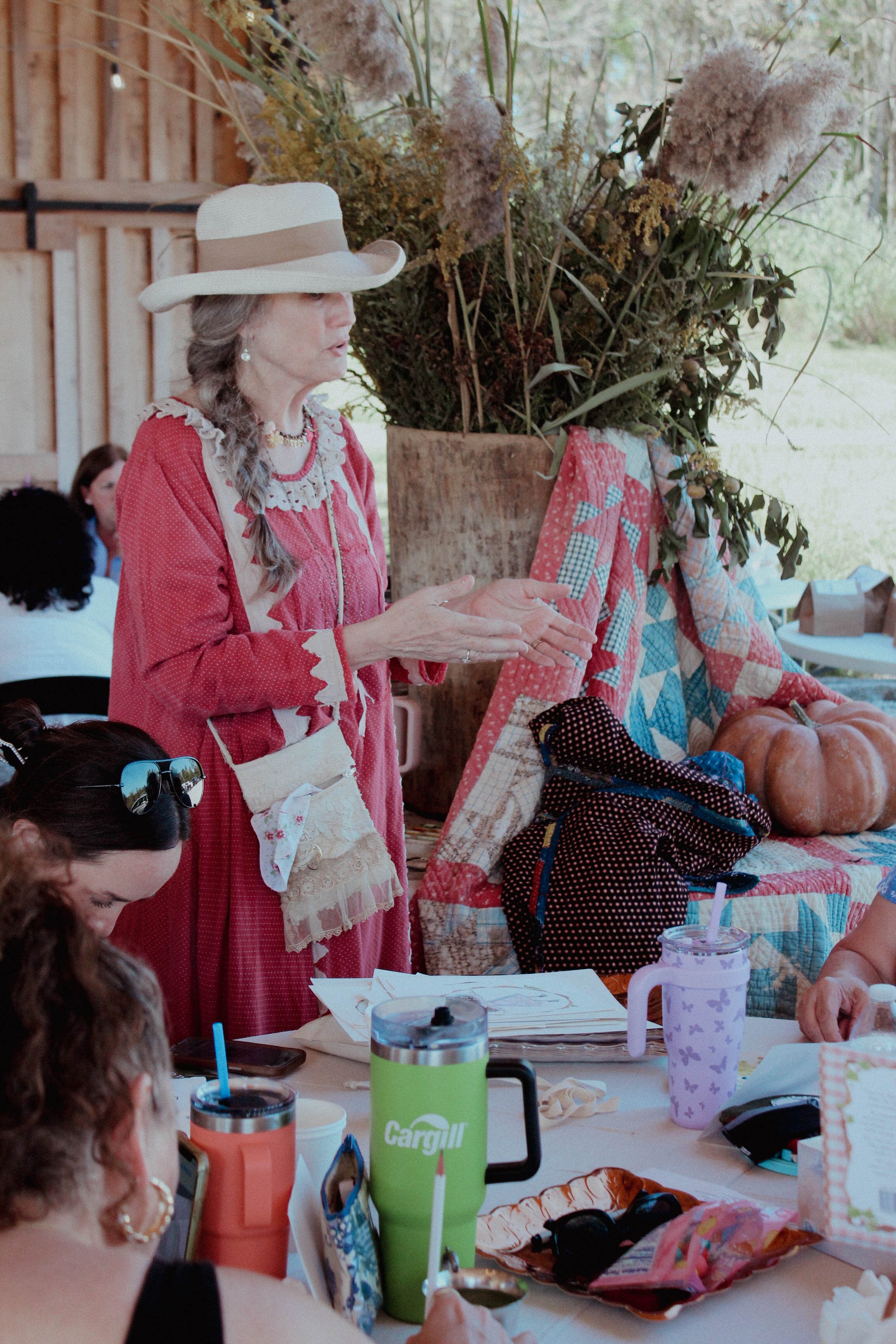
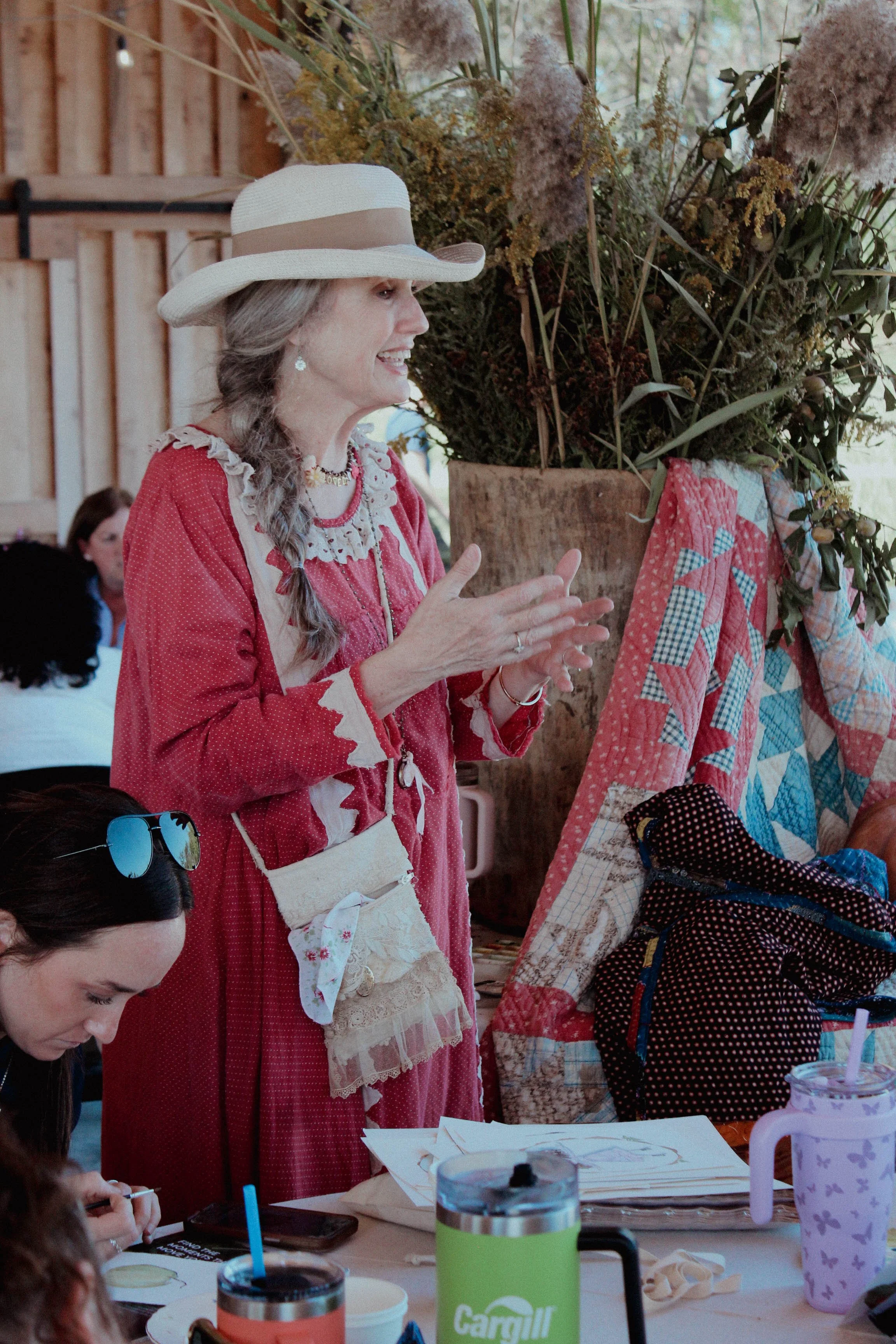
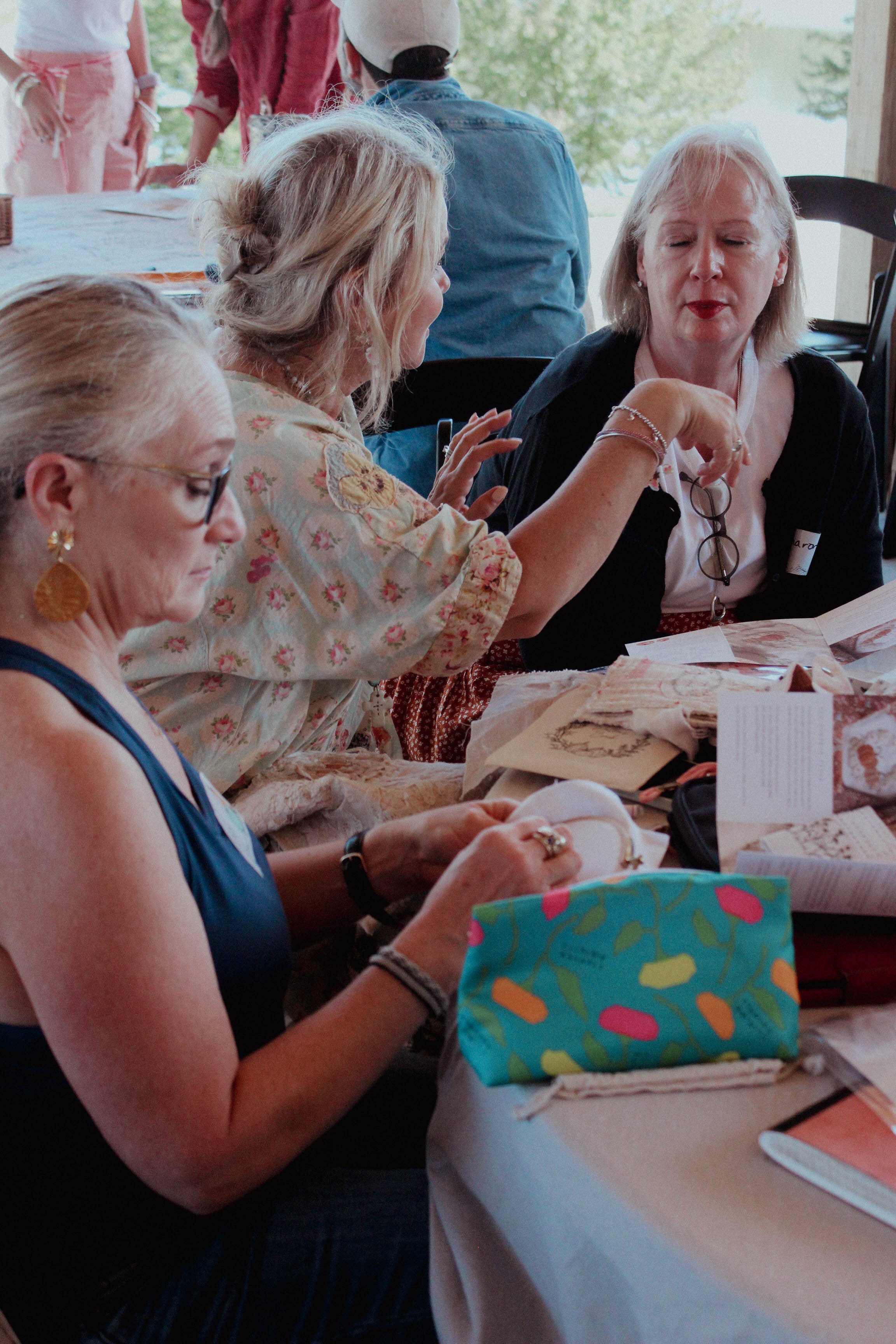
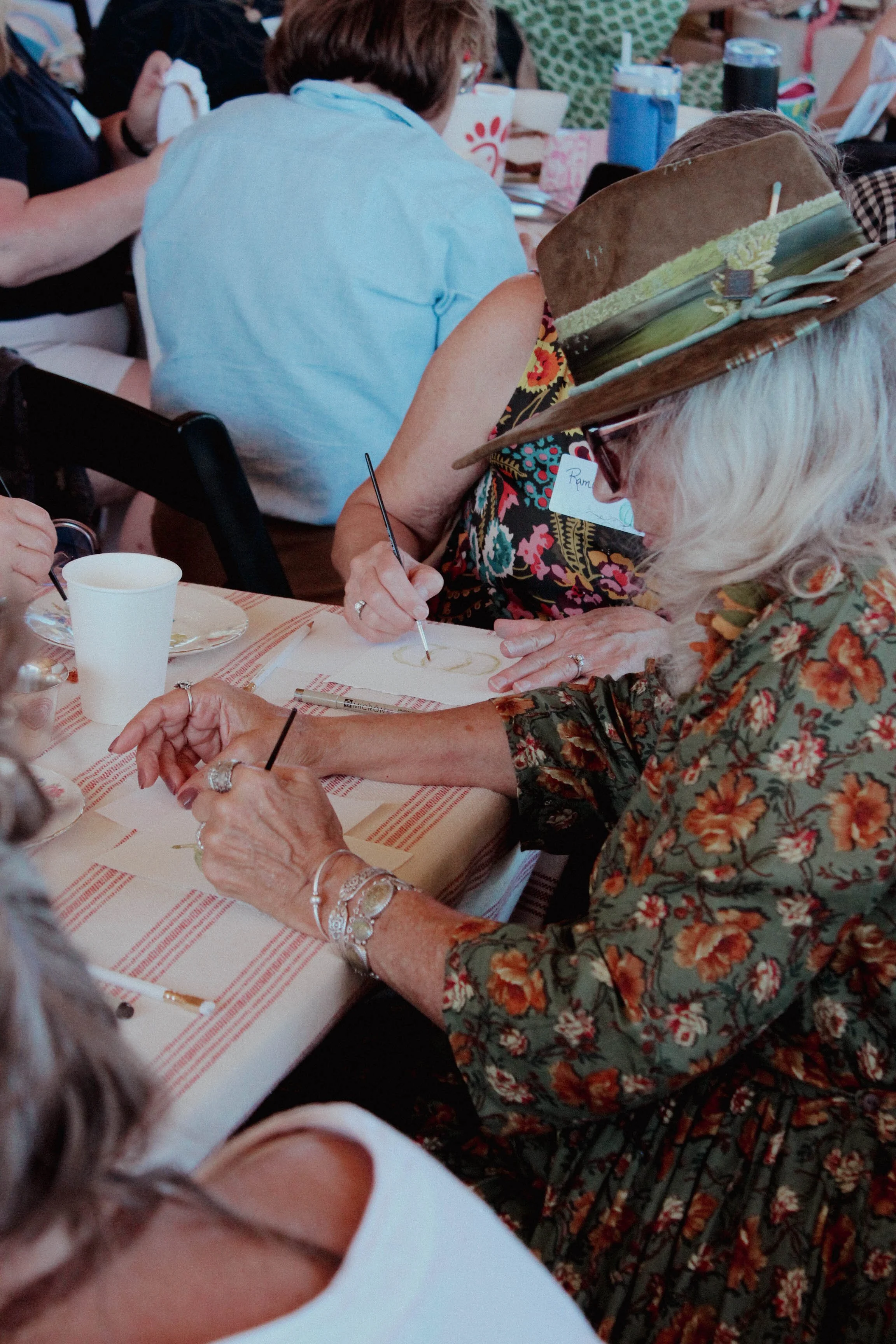
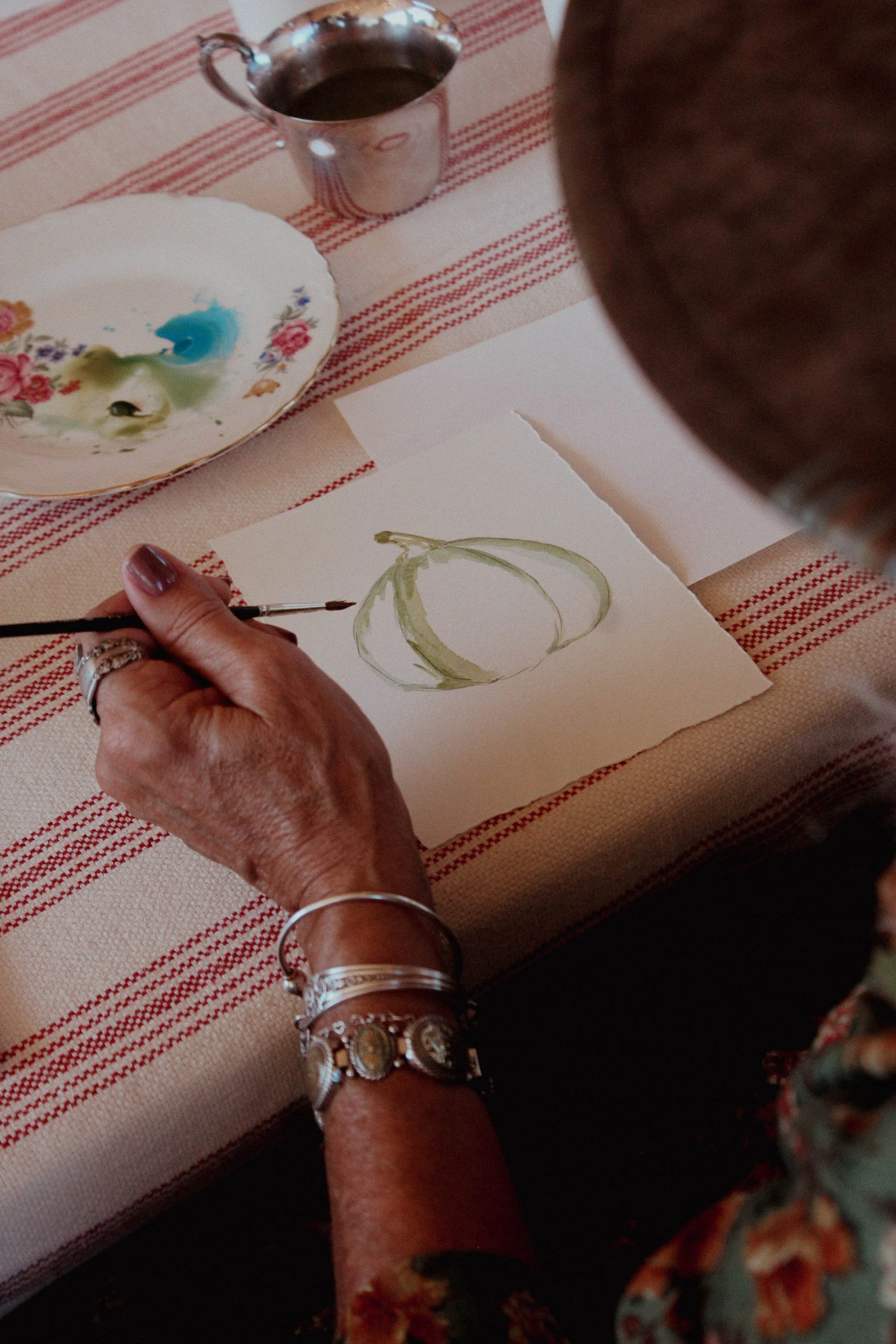
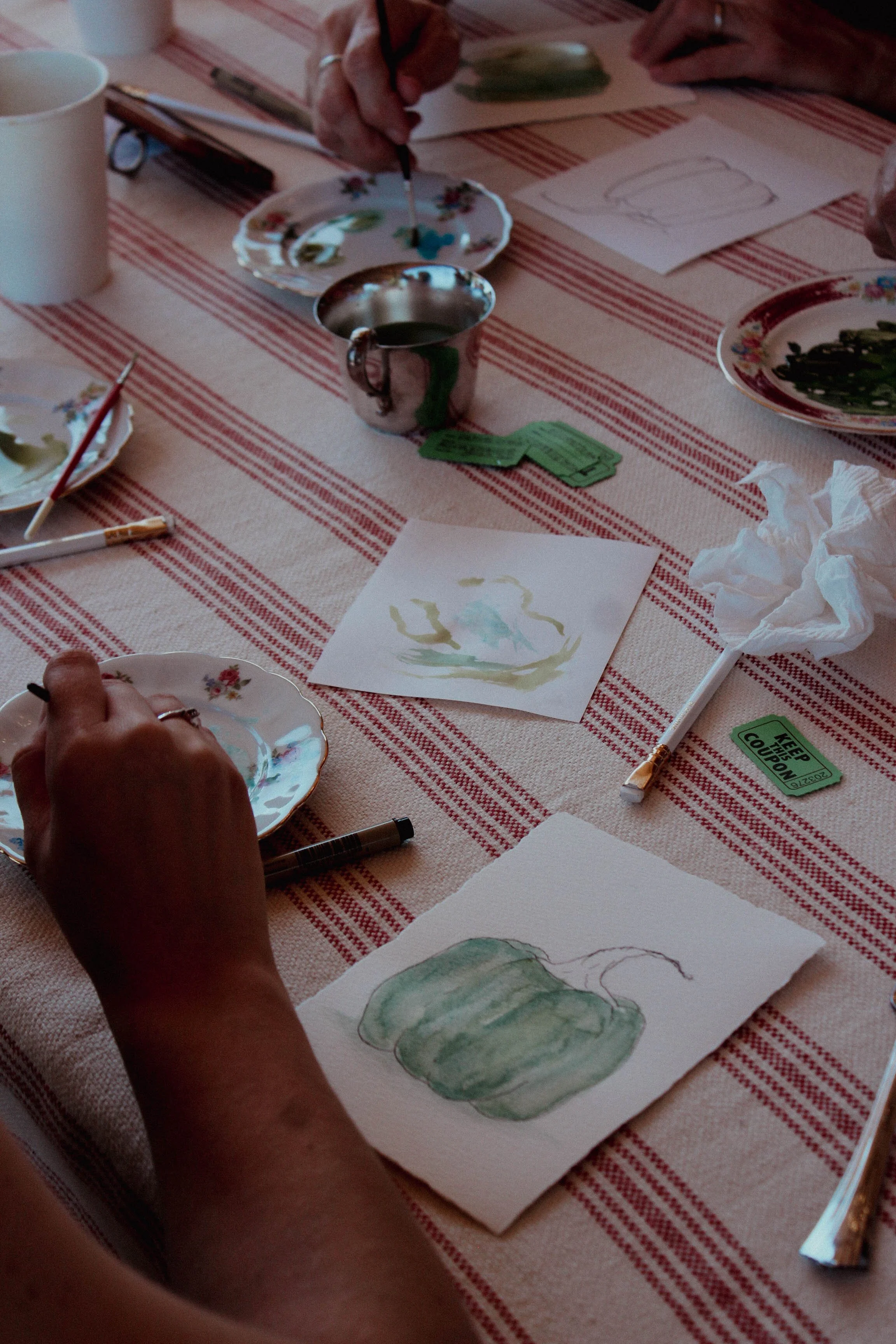
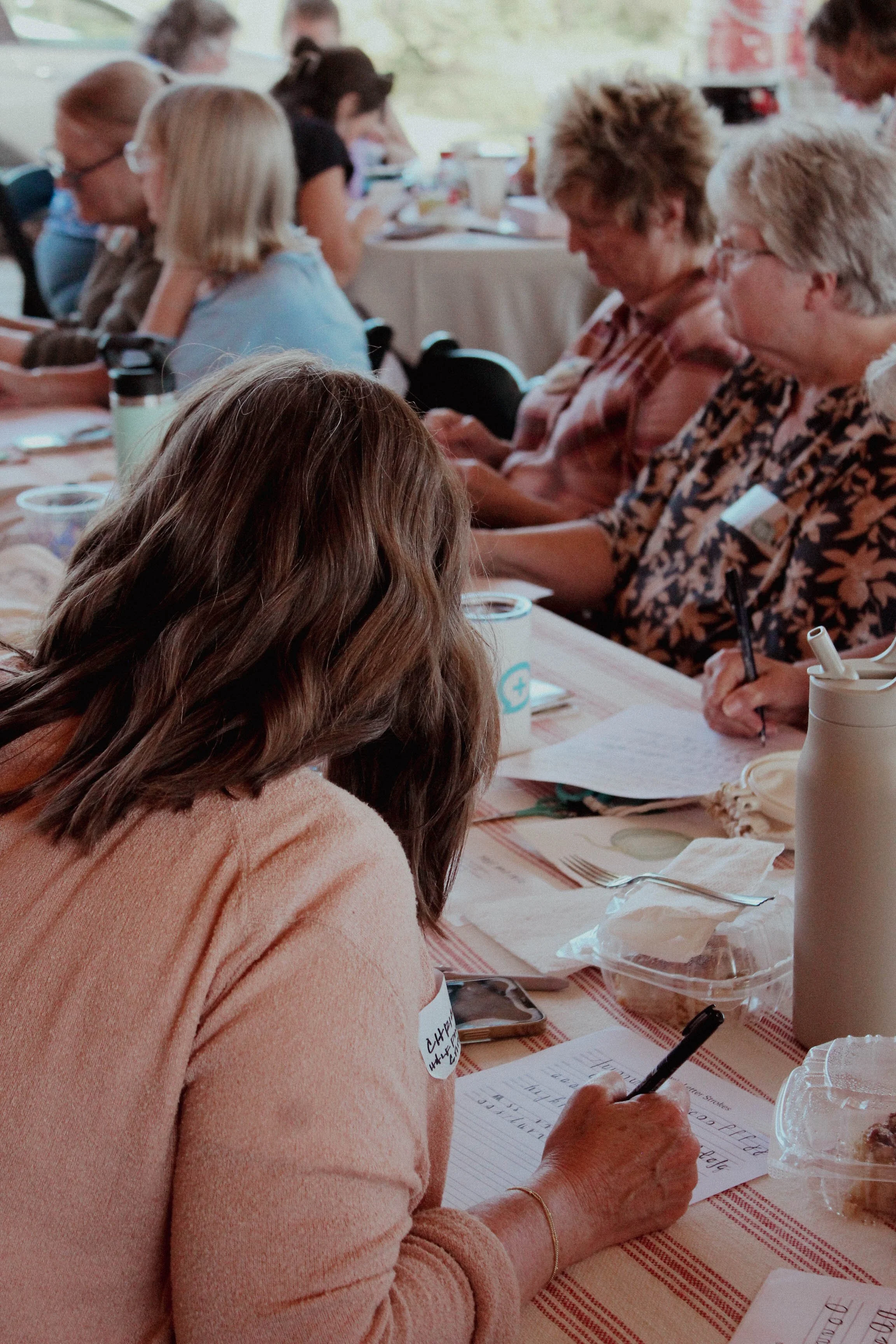
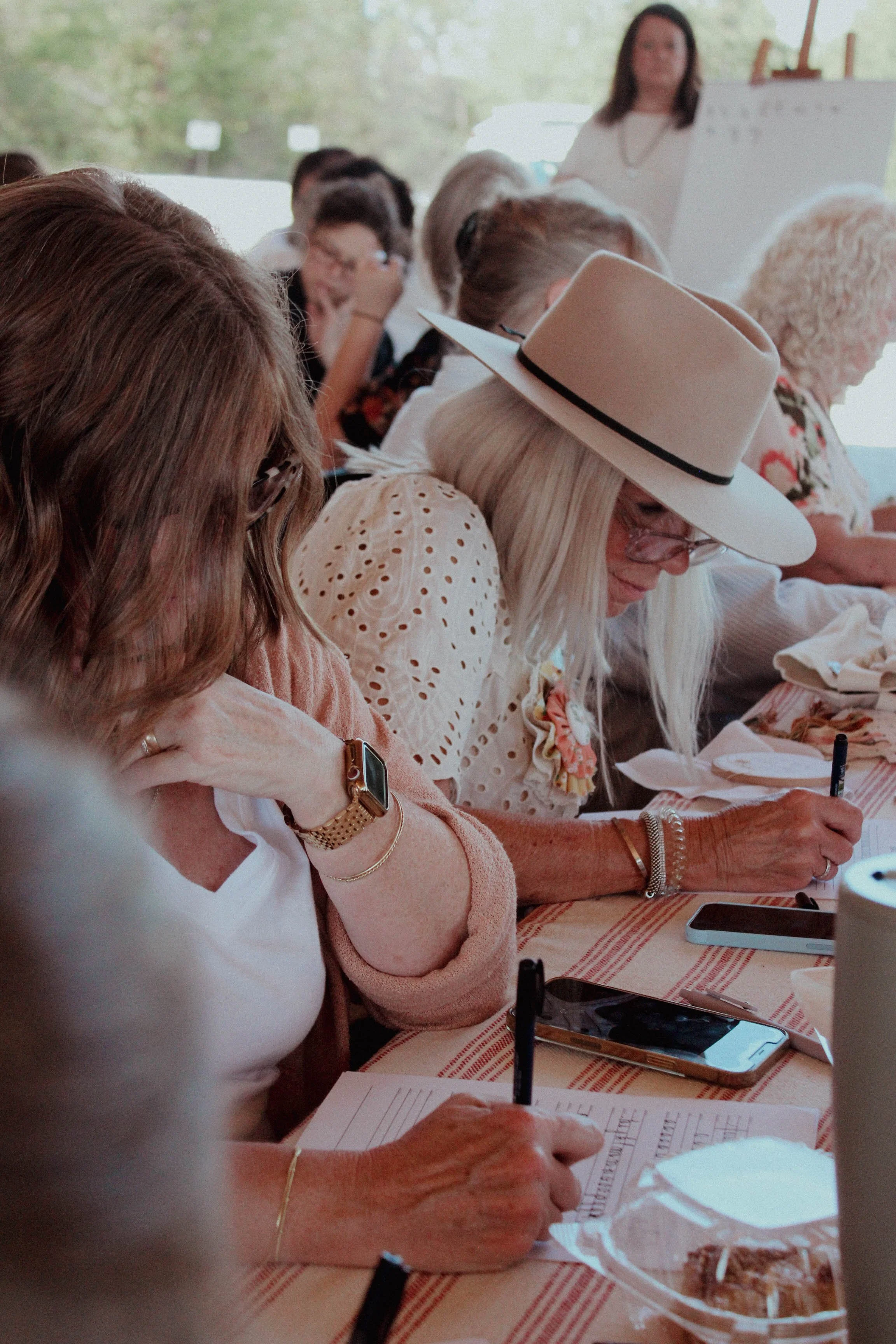
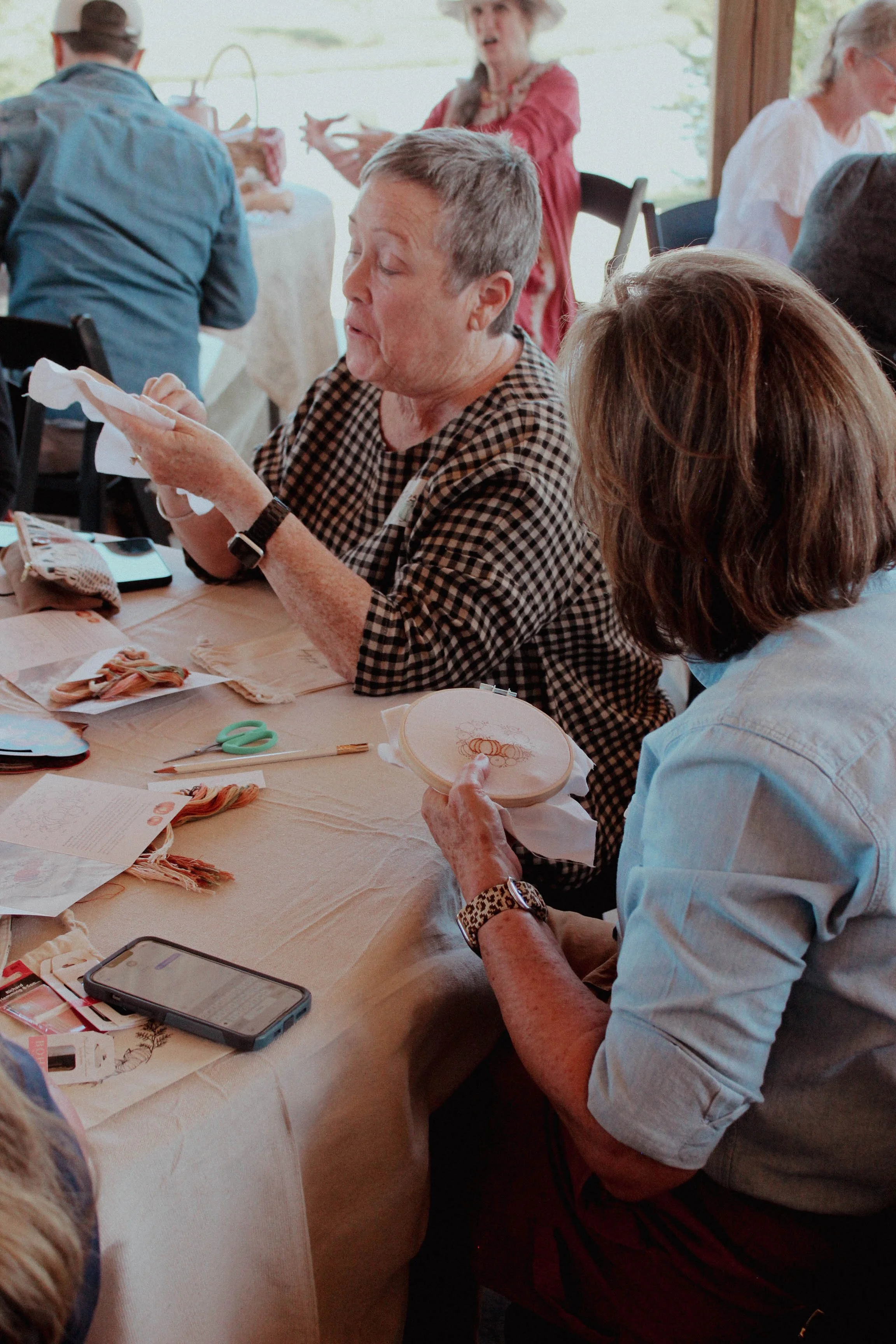
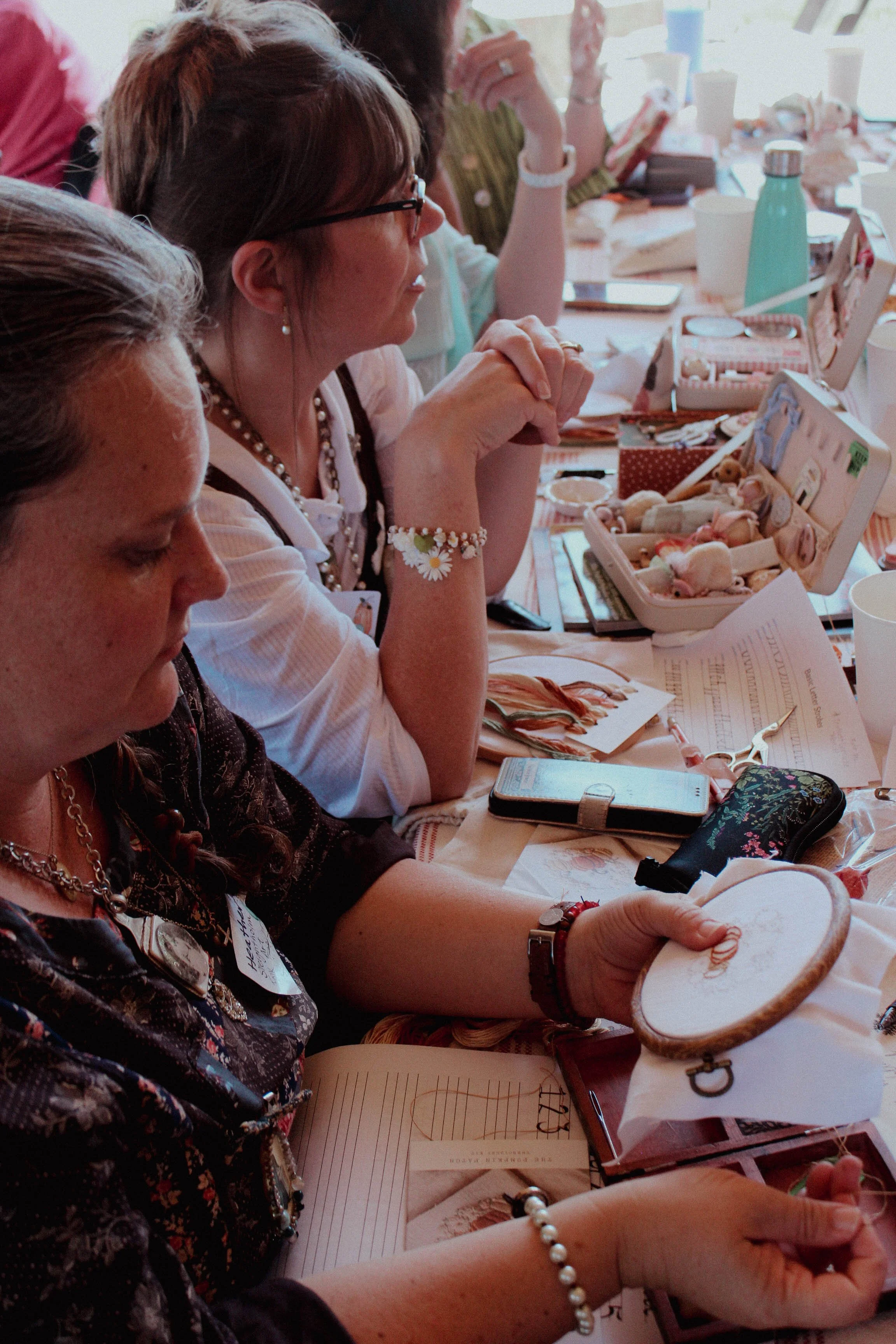
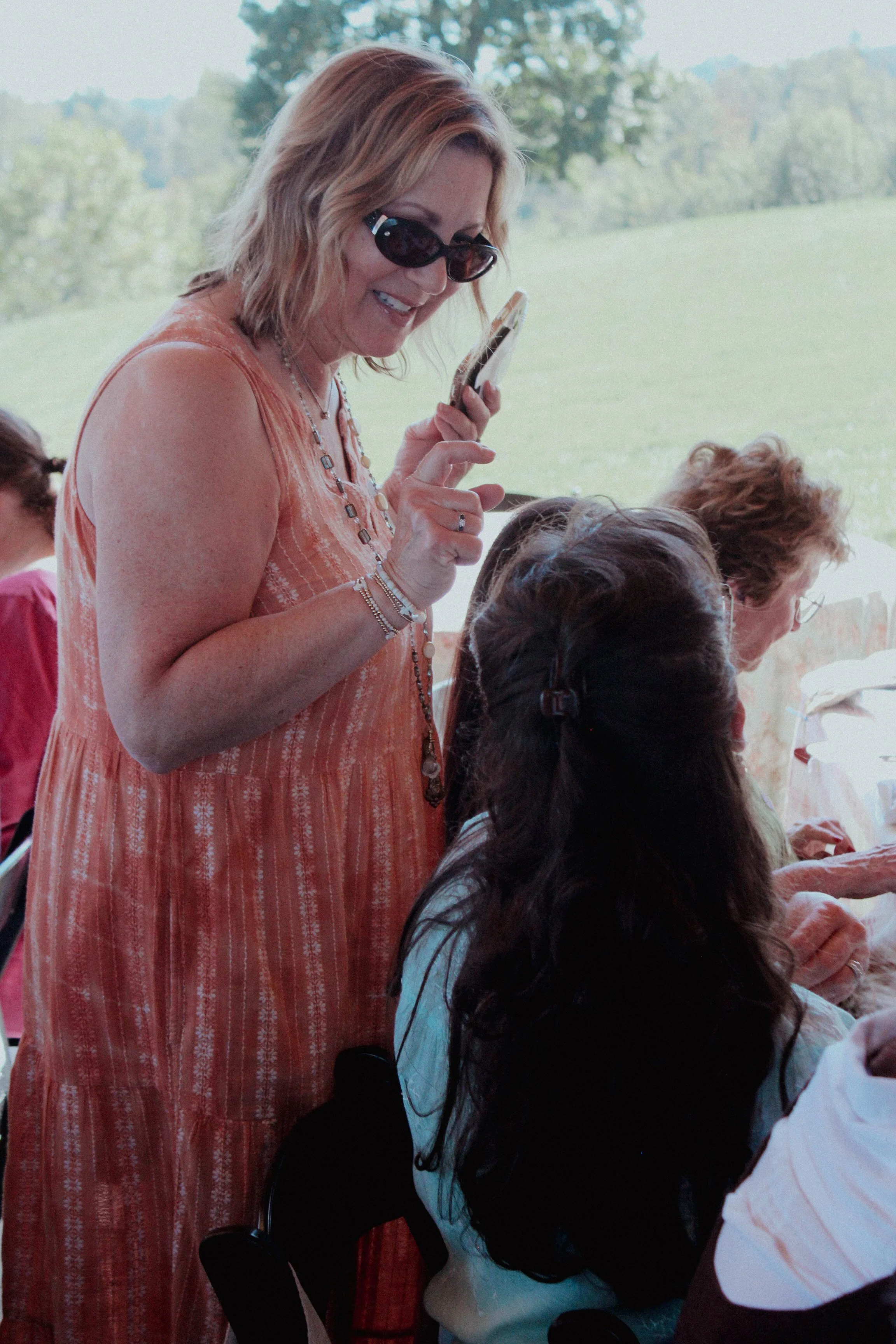
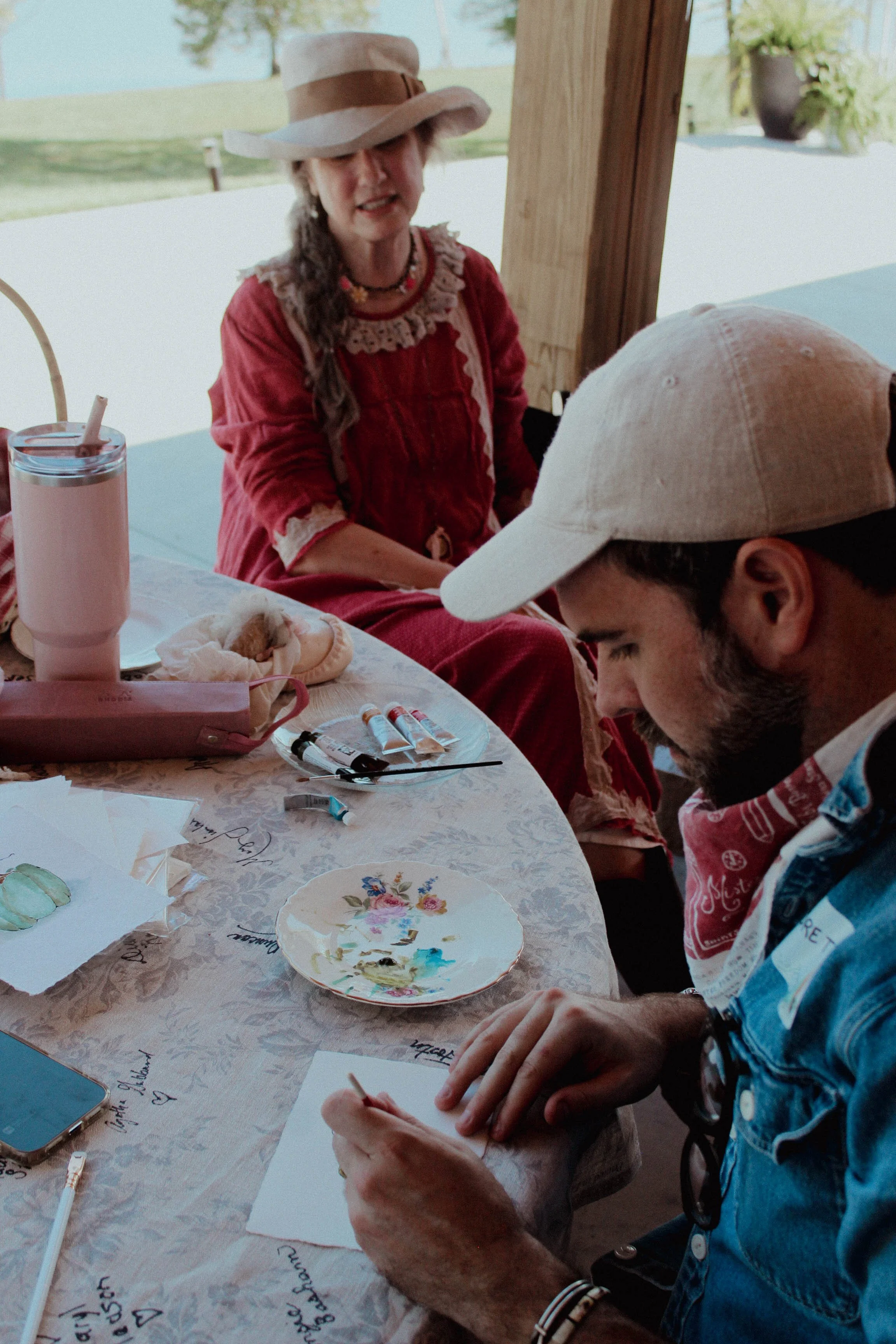
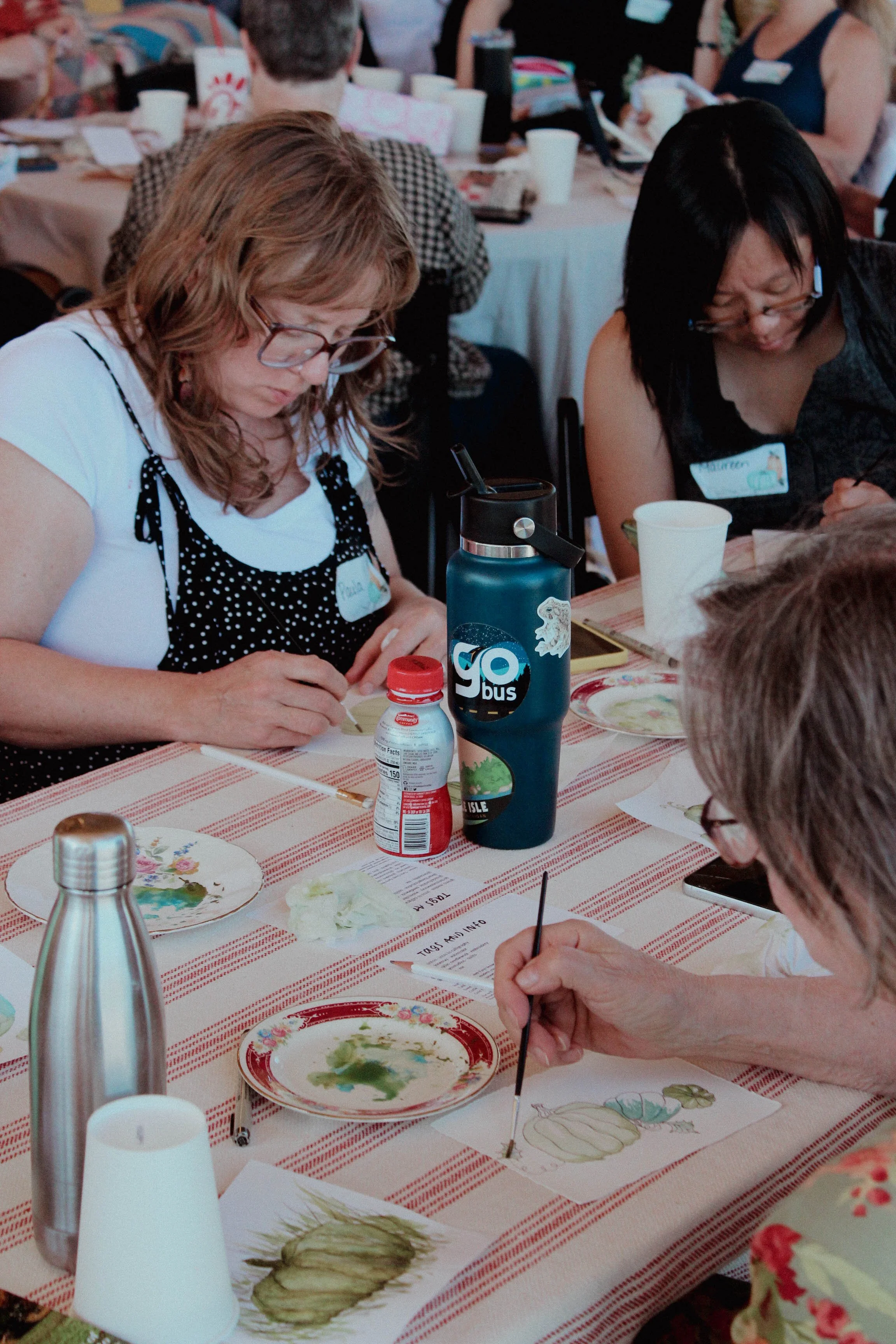
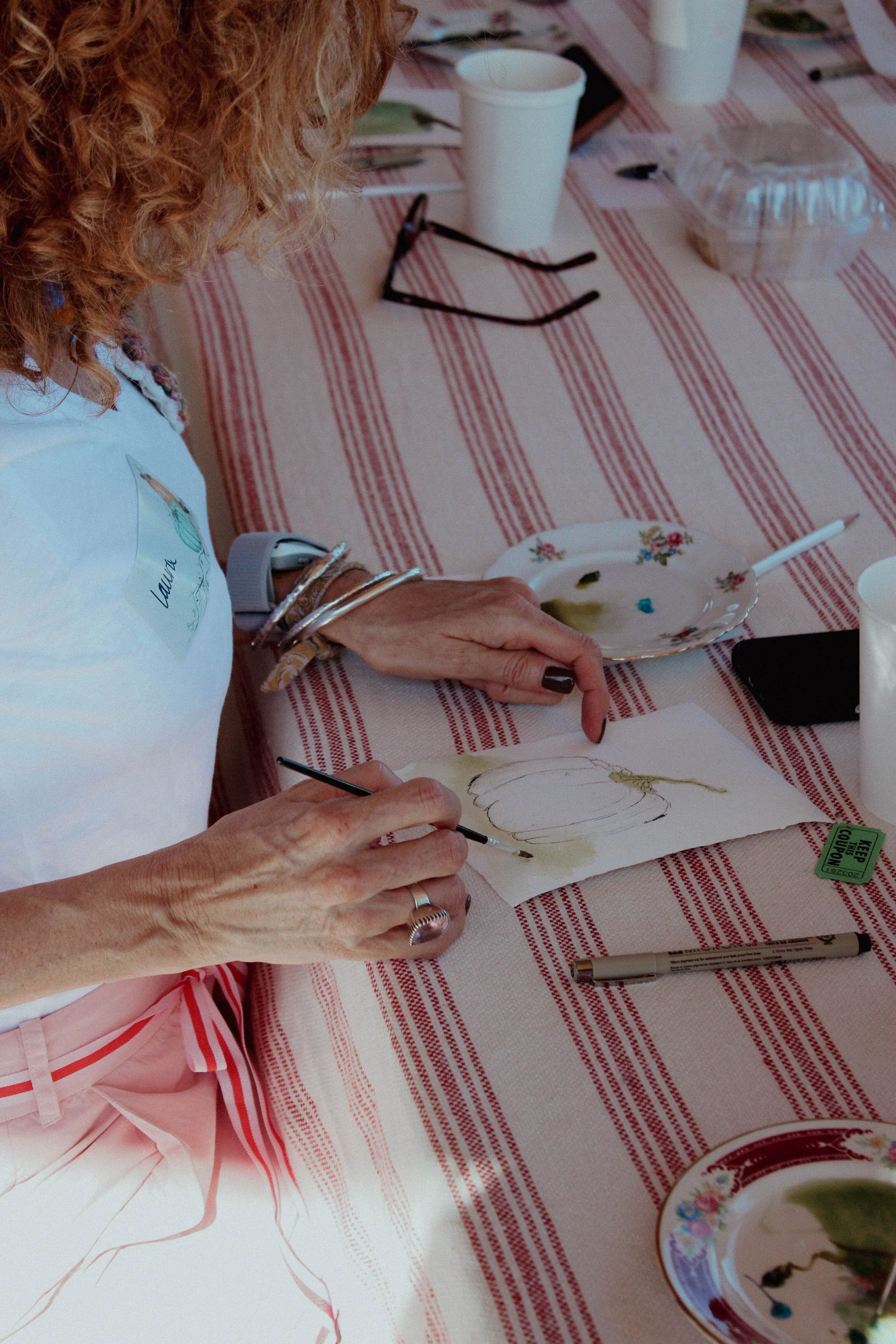
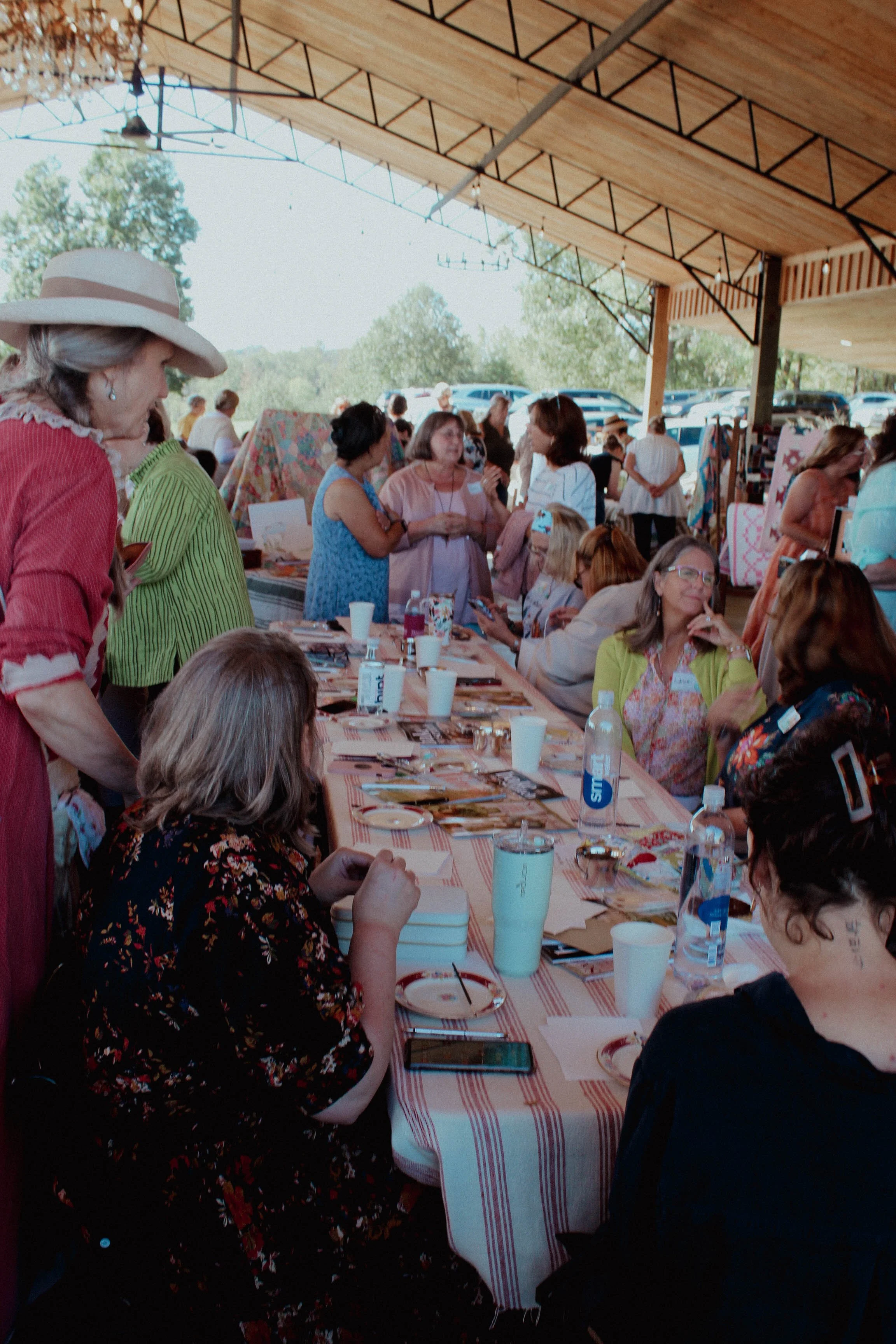
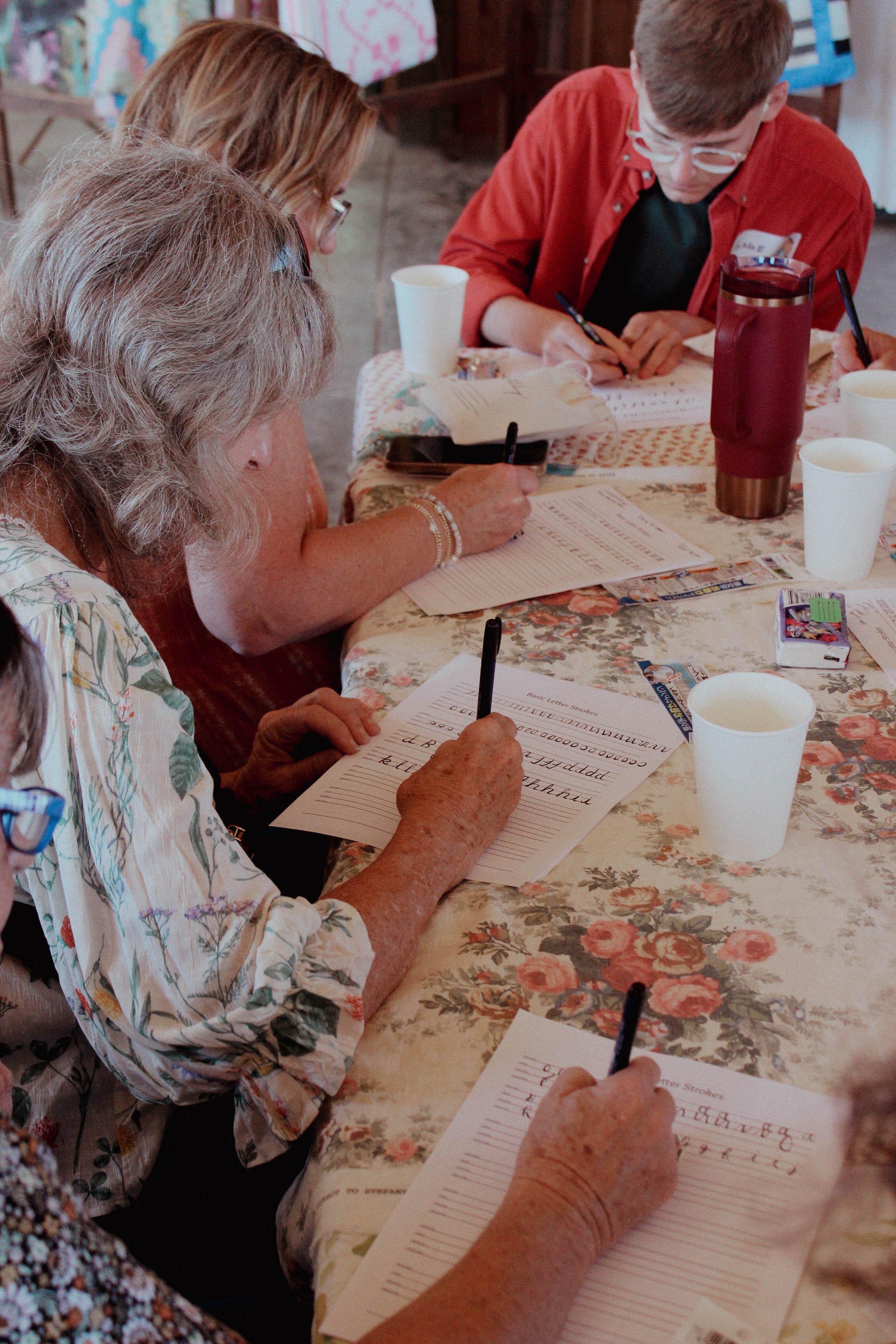
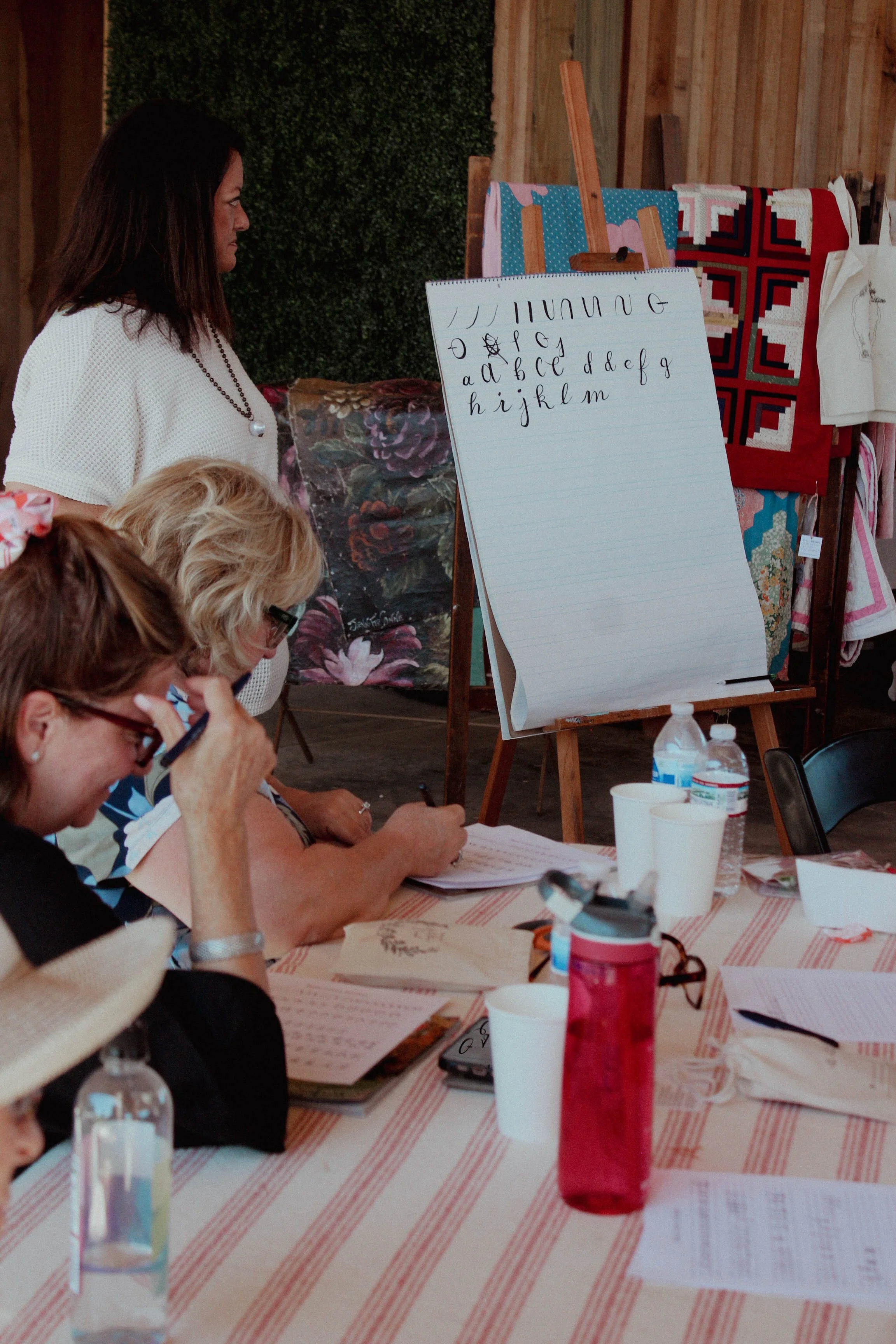
What a wonderful Workshops at Waltons Creek 2025! As we reflect back on that beautiful autumn day here is the photo gallery of images from our photographer. If you would like to download any of these images for whatever use, please feel free! A huge thank you to Nicki Franklin, Christie Jones Ray, Terri Minton, and Jen O’Connor for being our educators that day. If you would like to attend our 2026 day of workshops CLICK HERE

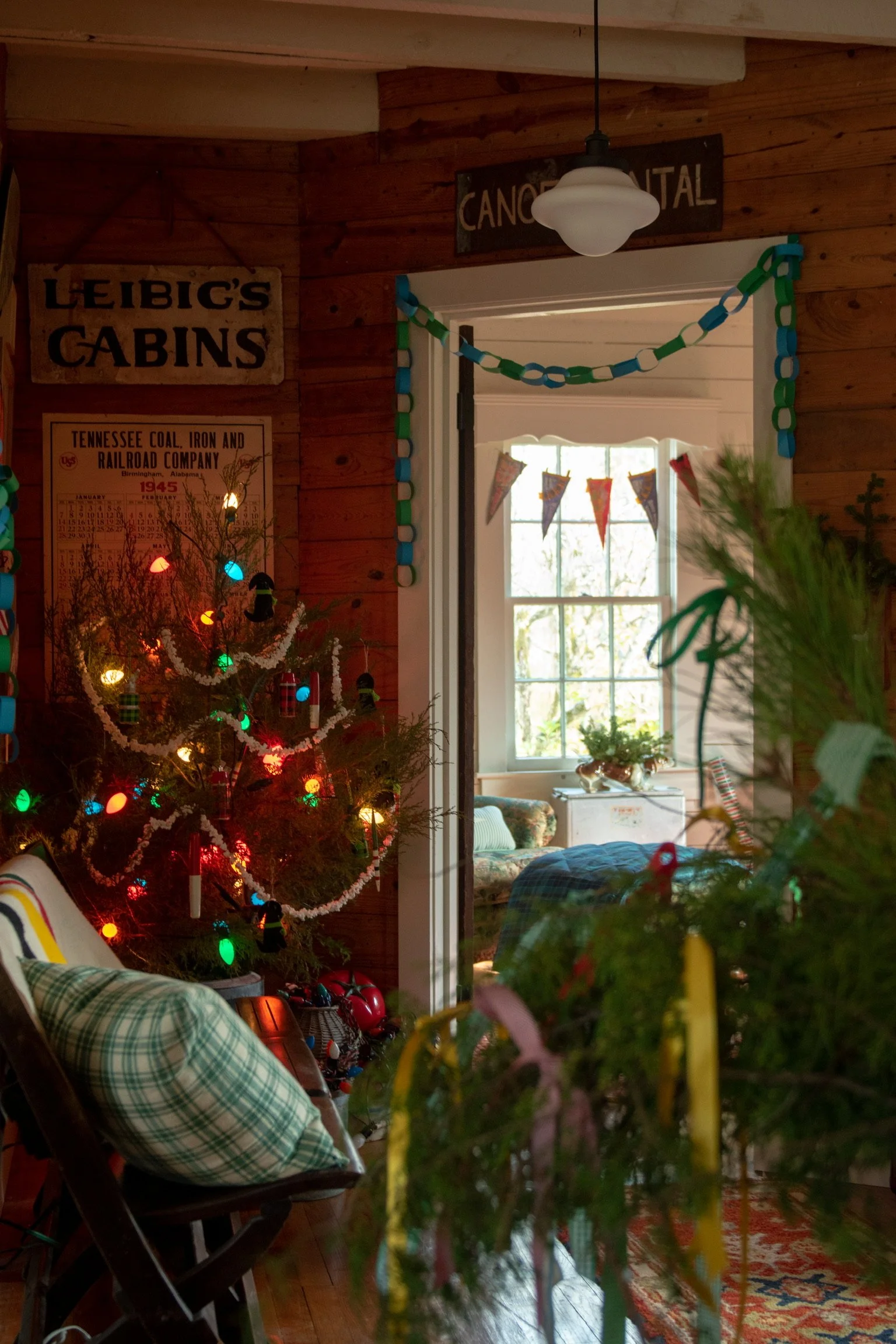
A Christmas Story Told in Keepsakes - Landon McAfee

Ashley Evans

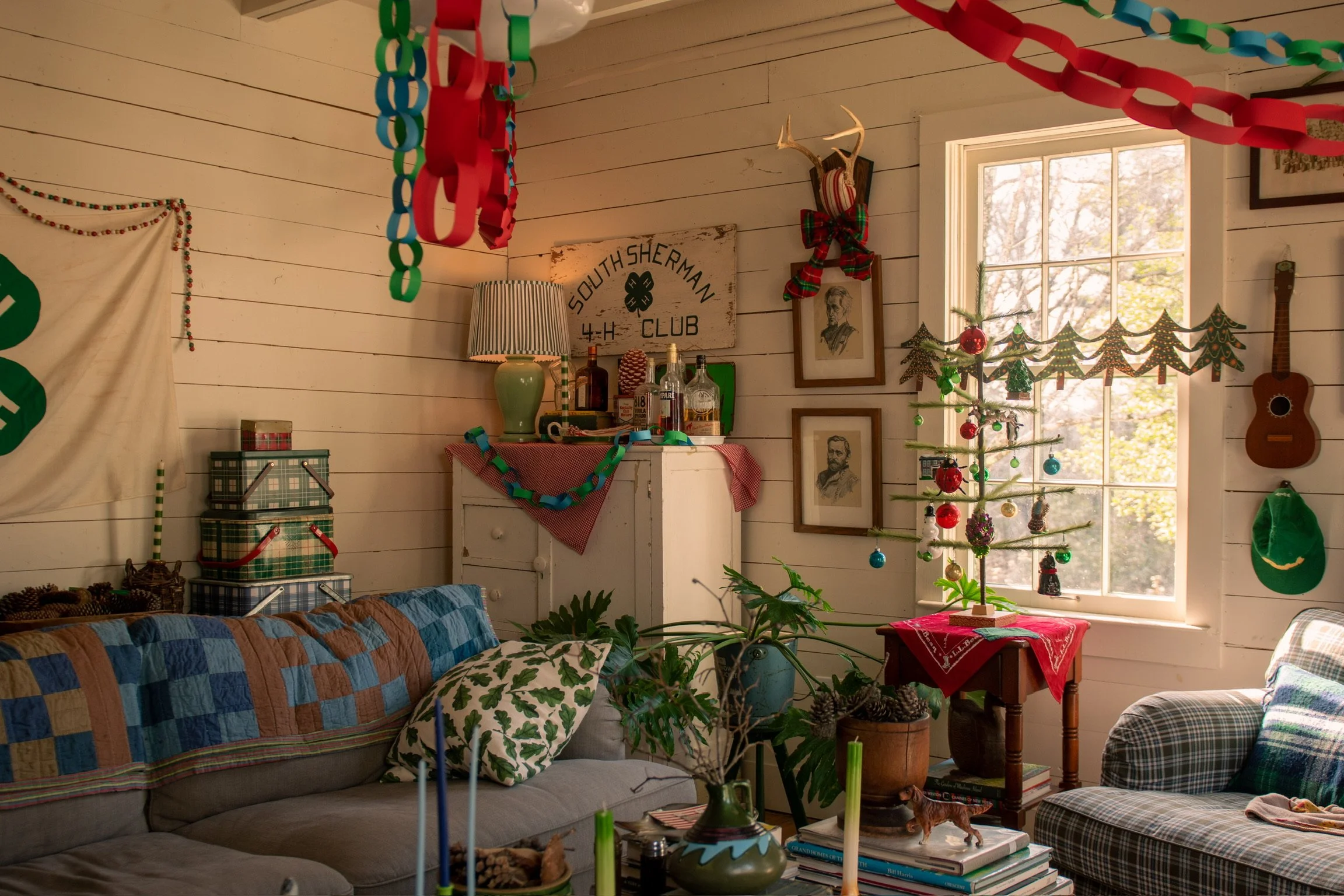
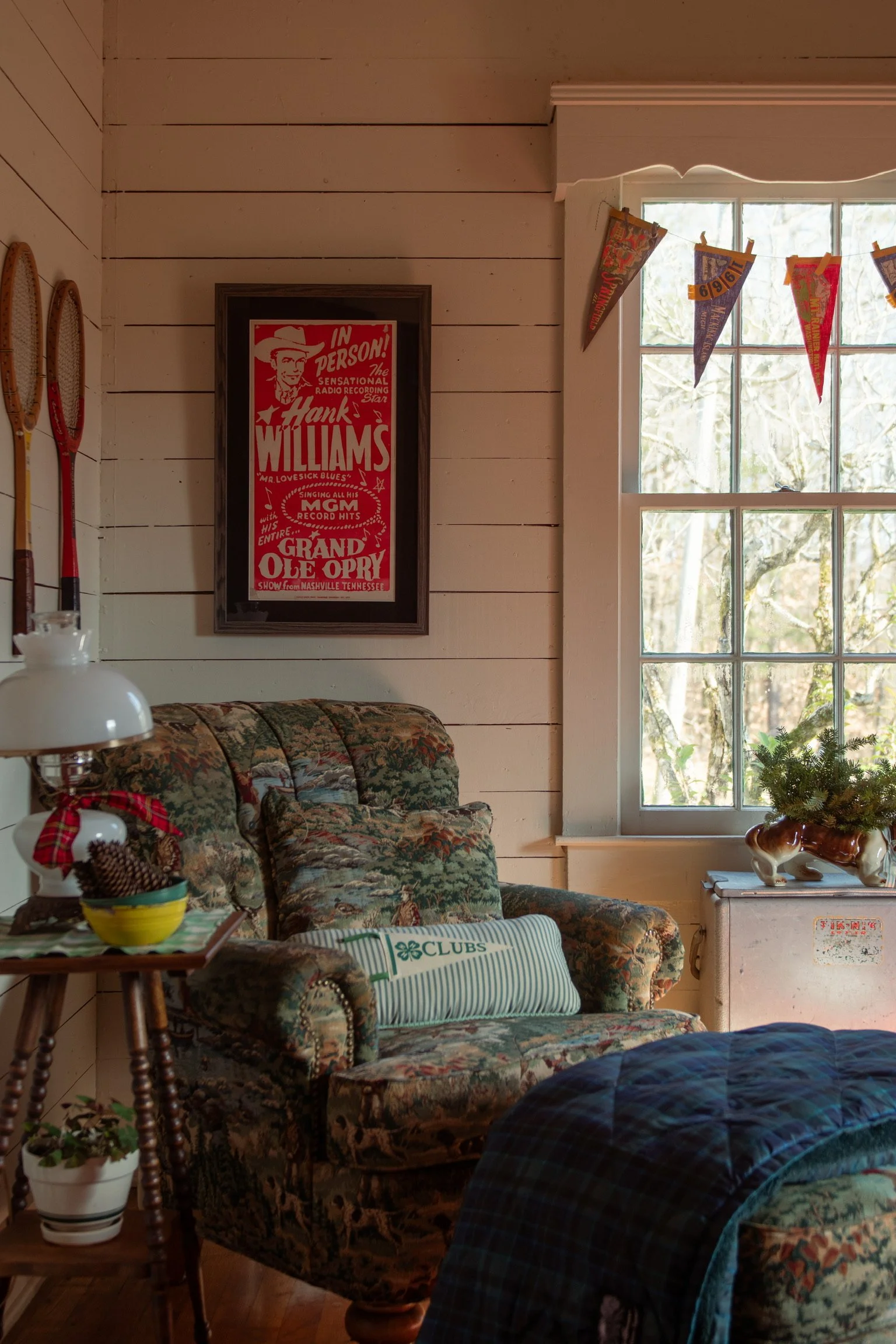
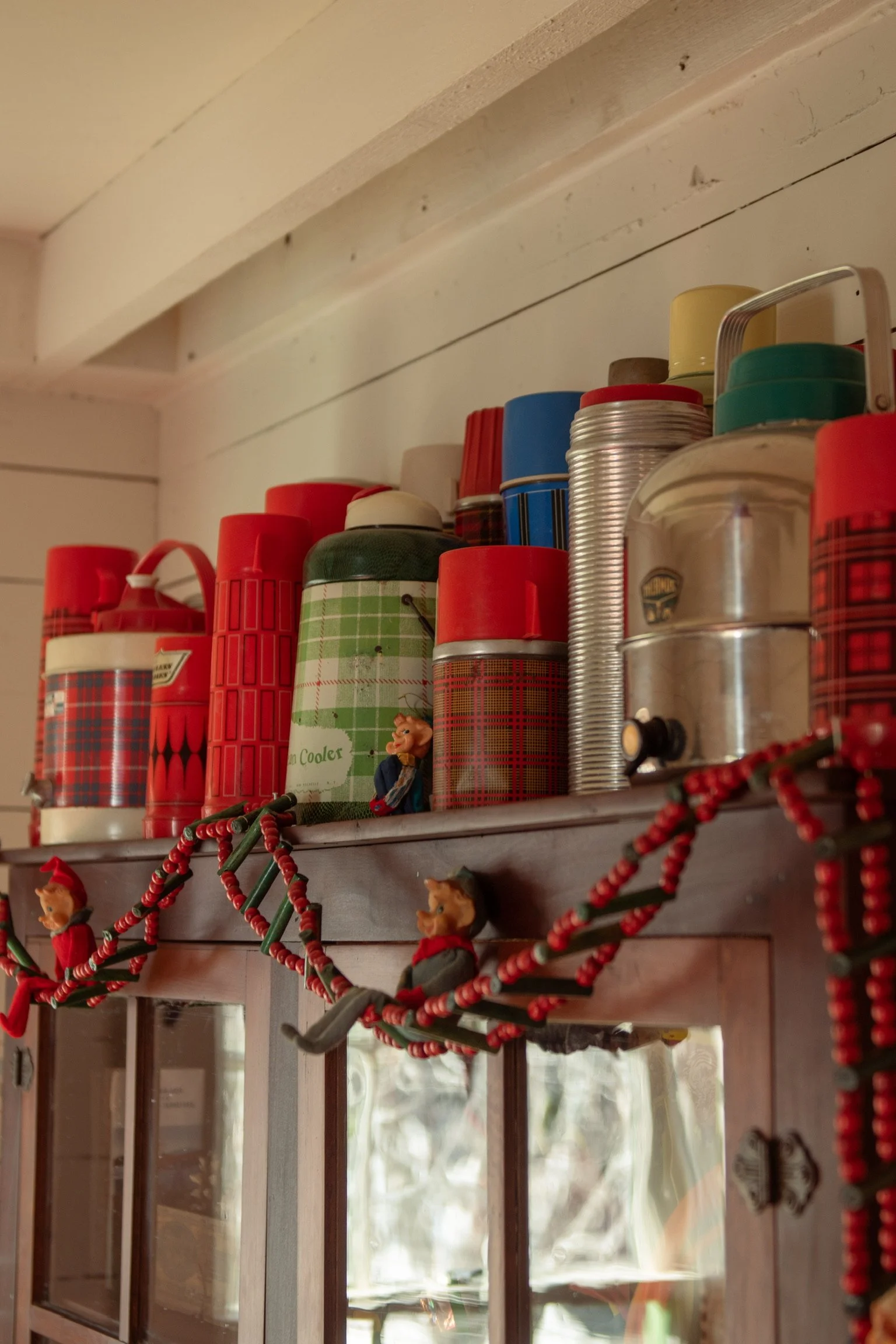
Landon McAfee is a creative from West Tennessee. Known for his nostalgia, imagination, and a deep love for all things vintage. He’s been a collector since childhood, long before he could explain why he loved certain objects, he was filling his room with pinecones, old thermoses, and anything that felt like it carried a story.

Christmas has always been Landon’s season. Bright, cheerful, and wonderfully sentimental, it brings old memories to the surface like ornaments rising from a dusty box. To him, the holidays are about joy, generosity, and tiny traditions that turn into lifelong magic. His advice for the season is simple: savor it all, every sparkle, every laugh, every moment that feels like it belongs in a snow globe.

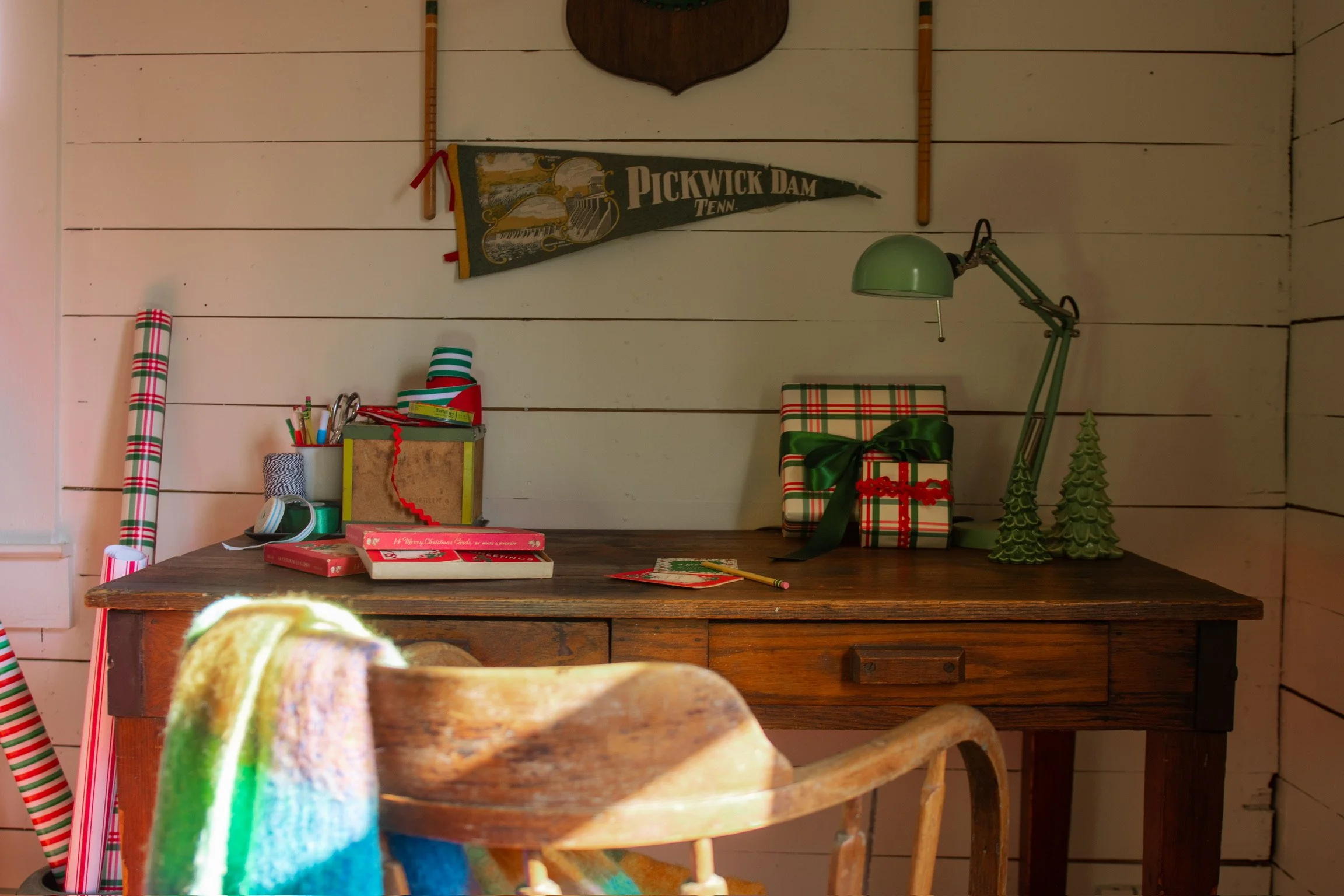
One tradition nearly everyone shares is decorating for Christmas, and Landon believes a home should be a treasury of the heart. Reds, greens, and beloved keepsakes fill a space with meaning, and his top tip is to keep what you love, even if it’s out of style or slightly peculiar. A home should look like you, and nothing is more charming than a collection of pieces tied to memory.

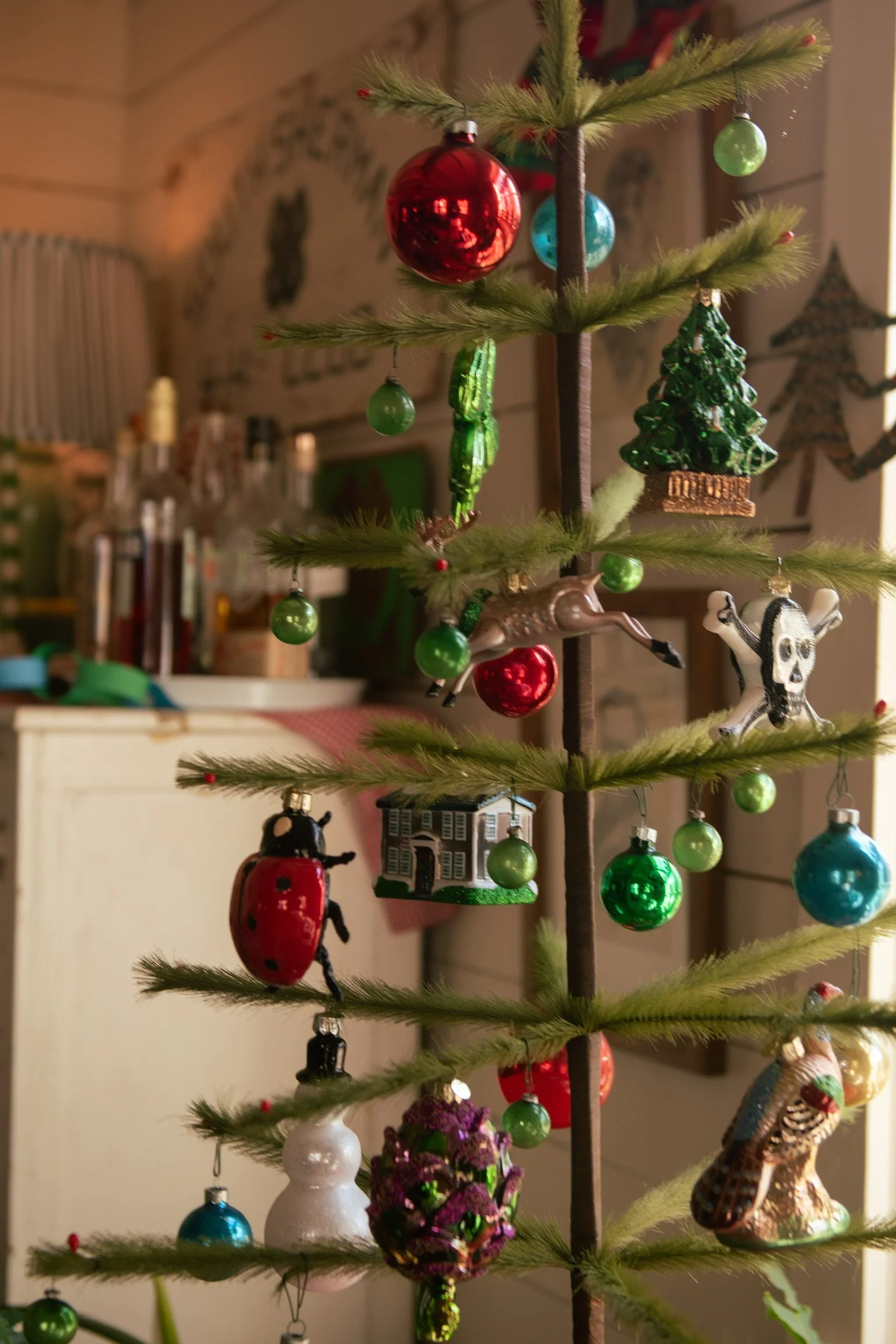
Among all the things he’s found over the years, one of Landon’s most cherished discoveries is an ornament he uncovered while going through his grandmother’s belongings: a vintage Hallmark Winnebago camper he remembered hanging on her tree every Christmas. Now, it hangs proudly on his own tree, a tiny time machine that brings him back to her famously warm, 100-degree living room and the laughter shared there.

Though many of his childhood traditions now live in memory, one remains especially dear: as a family, they would drag out every ornament they owned and tell the stories behind each one as they decorated the tree, Home Alone playing faithfully in the background. His family still watches the movie together each year, a ritual that instantly brings him back to those magical moments of Christmases past.

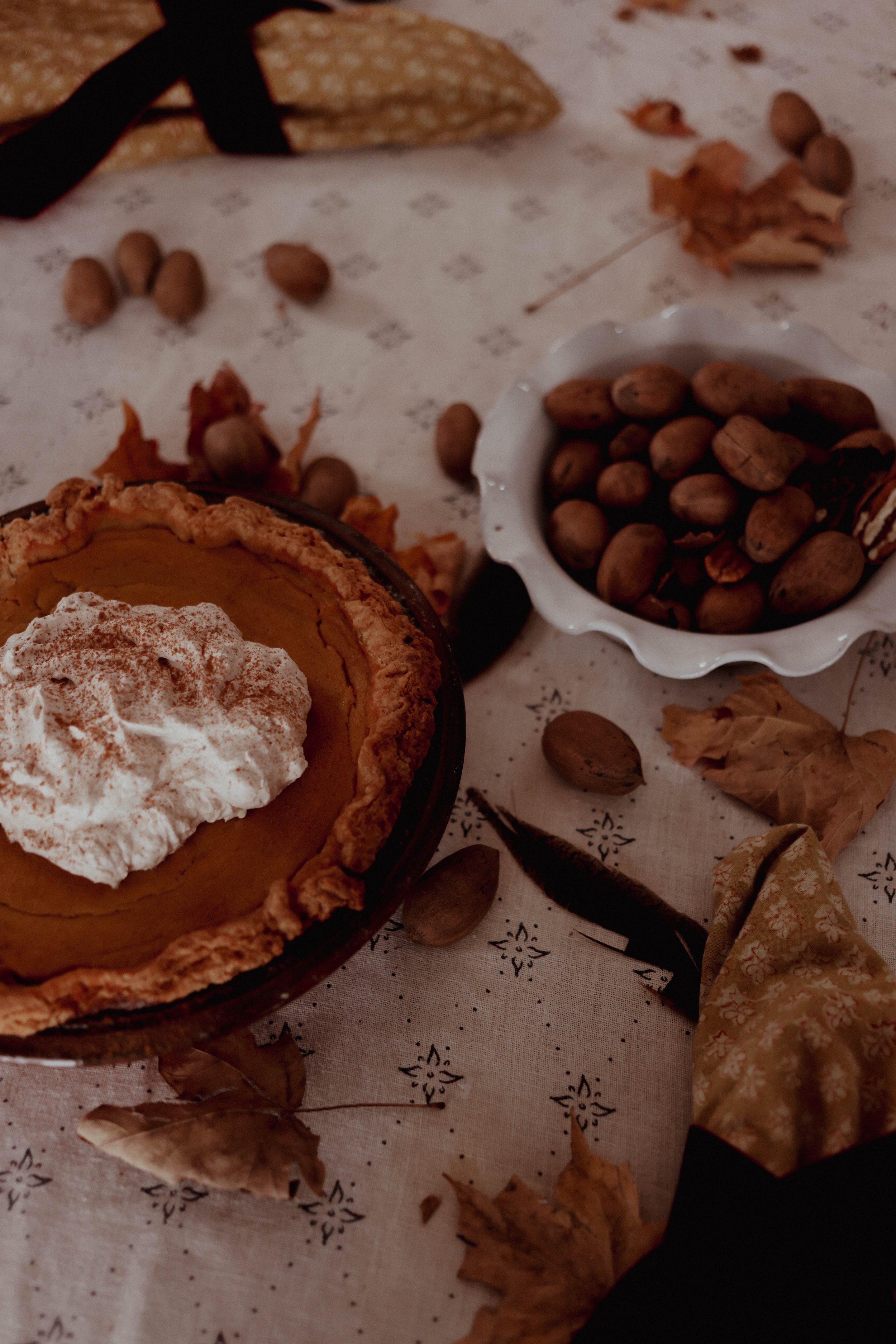
The Pie That Waited for Autumn

Ashley Evans

There are some recipes that don’t belong to a season—they wait for it.

This pumpkin pie waits patiently all year, tucked between dog-eared pages and flour-dusted memories, until the air smells like leaves and fireplaces and the light turns honey-gold in the afternoons. It waits for sweaters hung on chair backs, for windows cracked just enough to let autumn wander in, for the quiet understanding that something comforting is needed.

On the day this pie is made, the kitchen hums softly. A record plays low. Hands move slowly—no rushing allowed here. Pumpkin is stirred with spices that feel like old friends: cinnamon, nutmeg, cloves, ginger. Each one carries a story. Each one knows exactly why it’s here.

This pie isn’t fancy. It doesn’t ask for perfection. It asks for presence.
The crust is pressed lovingly, maybe a little uneven, because that’s how you know it was made by someone who meant it. The filling is poured gently, like a promise. And when it finally slides into the oven, the house fills with a scent that feels like coming home—even if you never left.

This is the pie set in the center of the table. The pie cut into generous slices. The pie eaten slowly, with laughter and crumbs and the quiet understanding that moments like these are meant to be savored.

Some recipes feed the body.

This one feeds the soul.

A Cozy, Old-Fashioned Pumpkin Pie

Ingredients

For the Crust

• 1 ¼ cups all-purpose flour

• ½ teaspoon salt

• ½ teaspoon sugar

• ½ cup cold unsalted butter, cubed

• 3–5 tablespoons ice water

(Or use a good store-bought crust—no shame, only love.)

For the Filling

• 1 (15 oz) can pumpkin purée

• ¾ cup brown sugar

• ½ teaspoon salt

• 1 teaspoon cinnamon

• ½ teaspoon ginger

• ¼ teaspoon nutmeg

• ⅛ teaspoon cloves

• 2 large eggs

• 1 cup heavy cream

• 1 teaspoon vanilla extract

How to Make It

1. Prepare the Crust

Mix flour, salt, and sugar. Cut in the cold butter until crumbly. Add ice water slowly until dough comes together. Shape into a disk, wrap, and chill for 30 minutes. Roll out and place in a pie dish, crimping edges just the way you like.

2. Mix the Filling

In a bowl, whisk together pumpkin, brown sugar, salt, and spices. Add eggs one at a time, then cream and vanilla. Stir gently—no need to rush beauty.

3. Bake

Pour filling into the crust. Bake at 425°F (220°C) for 15 minutes, then reduce heat to 350°F (175°C) and bake for another 40–45 minutes, until the center is just set.

4. Cool & Serve

Let cool completely. Serve with softly whipped cream, a sprinkle of cinnamon, and people you love.

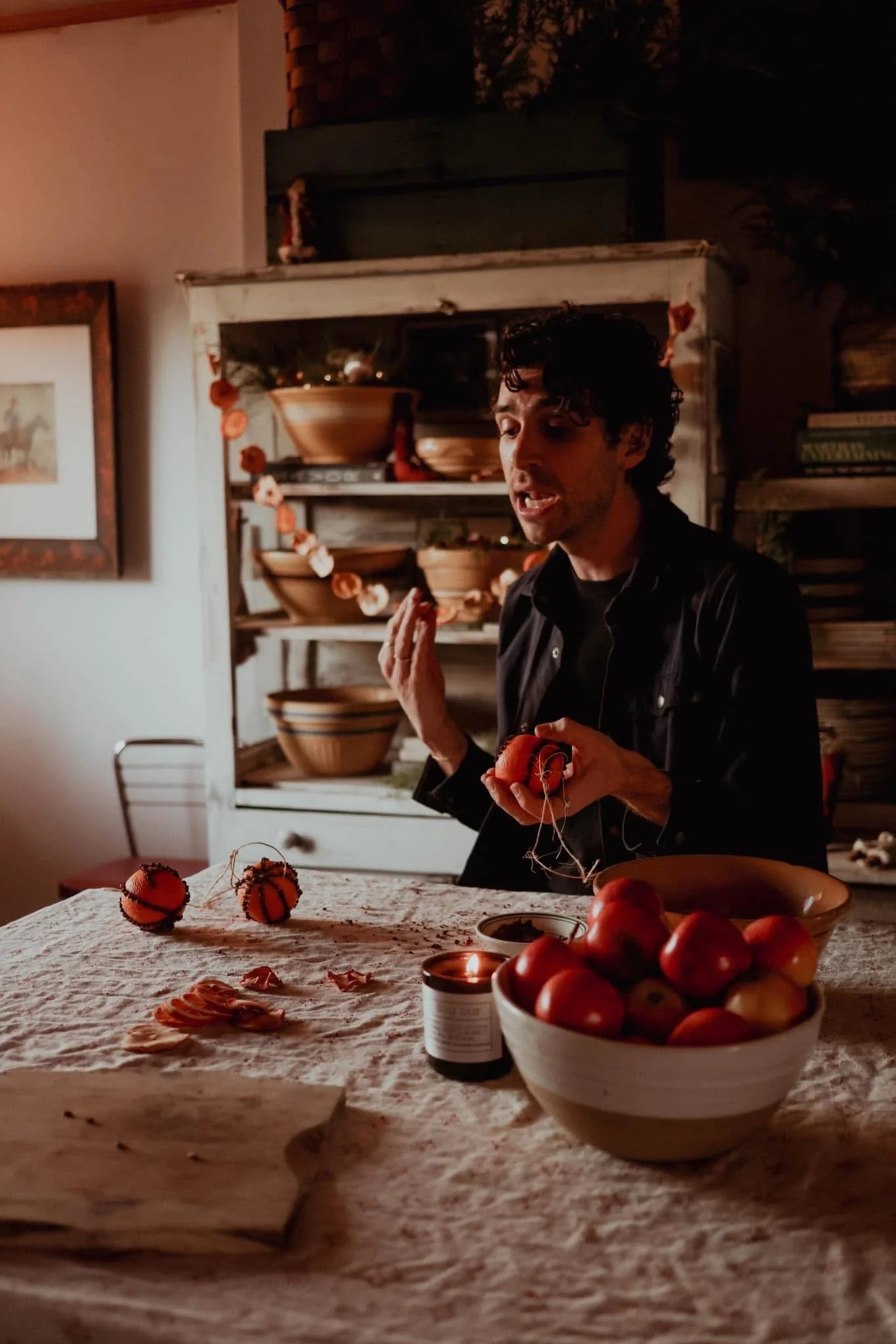
A Handmade Christmas: Orange & Clove Pomanders

Ashley Evans

A simple tradition that turns an ordinary winter day into something softly magical.

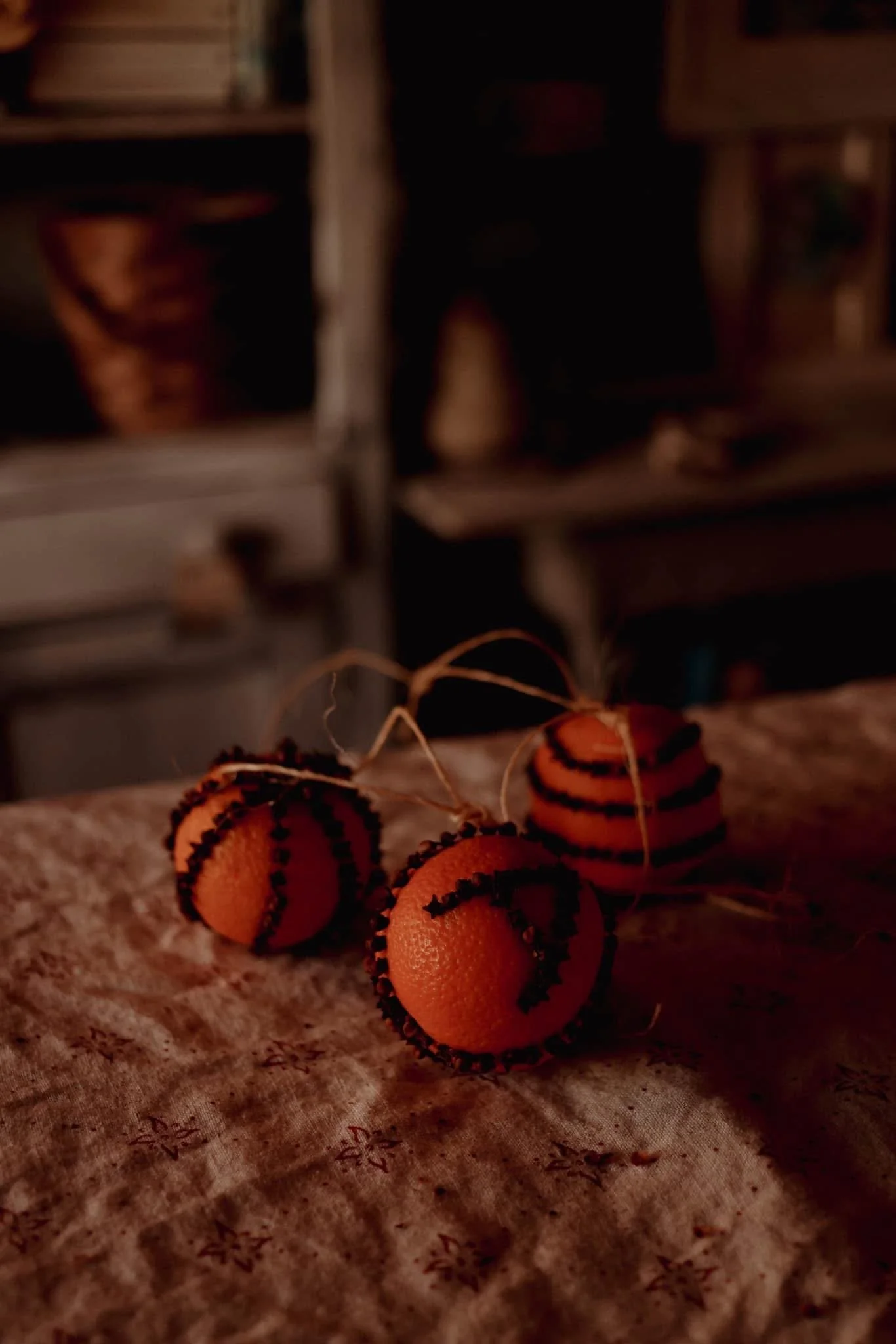
Some crafts don’t feel like crafts at all—they feel like moments. Oranges studded with cloves fall right into that category. They’re the kind of thing your hands just know how to do, even if you’ve never done it before. They remind you of houses where the windows fog in December, of old wooden tables dusted with citrus peel, and of a season that asks you to slow down, breathe in deeply, and make beauty with your hands.
These little spiced ornaments have lived a long life in old kitchens and holiday markets. Every version is slightly different because every pair of hands presses in the cloves with its own rhythm—patient, present, unhurried.
Today, you get to make your own.

What You’ll Need

  • Fresh oranges (firm, bright, the kind that feel heavy with juice)

  • Whole cloves

  • A small skewer, toothpick, or anything sharp to pre-poke holes

  • Twine or ribbon (optional)

  • Ground cinnamon, nutmeg, or allspice (optional for dusting)

How to Make Them

Think of this as less of a project and more of an experience.

  1. Hold the orange for a moment before you begin.
    Feel its weight, the coolness of the skin, that soft citrus scent that escapes even before the first clove gets pressed in. These small pauses are part of the charm.

  2. Use a toothpick or skewer to poke small holes in any pattern you like.
    Straight lines. Spirals. Snowflake patterns. Or something messy and organic that looks like a winter walk feels—natural and unplanned.
  3. Press a clove into each hole.
    This part is quietly satisfying—the clove slips in with a soft crunch, and instantly the air around you changes. Warmer. Spicier. More like a memory than a scent.

  4. Optional: roll or dust the orange in warm spices.
    A little cinnamon or nutmeg gives it that old-world, apothecary feel—like something you’d find in a beautifully cluttered market stall.

  5. Let the pomander dry.
    Place it on a dish or hang it with twine. Over days, it firms up and darkens slightly, becoming more fragrant as it cures. It’s like watching a tiny piece of art come into its final shape.

Where to Use Them

  • Set them in bowls as natural winter décor

  • Hang them on cabinet knobs or doorknobs

  • Nestle them into greenery on a holiday table

  • Give them as small handmade gifts

  • Line a few on a windowsill so the sun warms the scent each morning

A Little Story to Share When You Gift One

“This orange started as something simple, but as the days went by and the cloves settled in, it became a little piece of the season—warm, fragrant, and made slowly by hand. I hope it brings that same quiet comfort into your home. May it remind you to slow down, breathe in, and enjoy the smallest beauties this winter.”


A Little Pan of Warmth

Ashley Evans

Some recipes don’t begin with measurements.

They begin with a mood.

A low oven humming like a secret,

butter melting slow and golden,

pecans tumbling across a pan like they’ve got somewhere important to be.

This is the kind of thing made barefoot,

with a sweater shrugged over one shoulder

and a window cracked just enough to let the season lean in.

He roasts the pecans the way he does most things—

by feel.

A pinch of brown sugar caught between fingers,

a dusting of cinnamon for comfort,

salt enough to make it all sing.

Stir.

Pause.

Inhale.

The kitchen smells like warmth itself—

like holidays remembered before they happened,

like laughter drifting in from the next room,

like something good is about to arrive.

They come out of the oven glossy and crackling,

sweet and savory,

impossible not to steal straight from the pan

and burn your fingers just a little.

These pecans won’t last long.

They’re meant for sharing—

tucked into little bowls,

sprinkled over salads,

wrapped up in parchment for a friend

who could use something handmade and honest.

Because sometimes the simplest things—

a pan, a nut, a bit of heat—

are how we say I’m here, I made this, I thought of you.

Roasted Pecans (Made by Feel)

• Pecans, as many as feel right

• A knob of melted butter or olive oil

• Brown sugar or maple syrup (just enough)

• Cinnamon or warming spice of choice

• A good pinch of salt

Toss everything together, spread on a pan,

roast at 350° until fragrant and golden,

stirring once and trusting your nose.

Cool slightly. Share generously.

Sneak a few for yourself.

A Small Business Christmas: My Neighbor’s in Hudson Valley

Ashley Evans

Tell us about your business. Who are you, what are you, where are you?
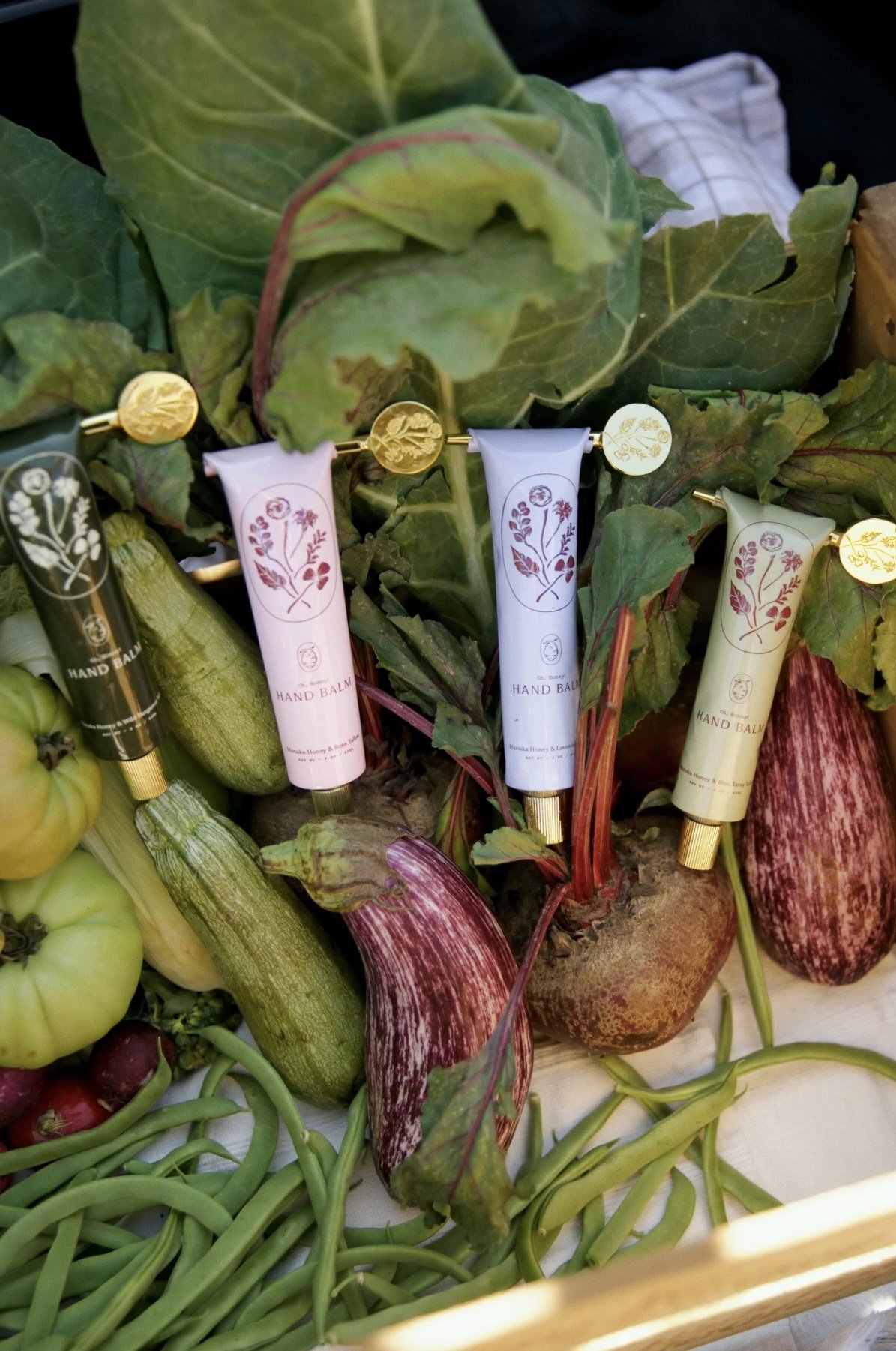
My Neighbor’s is a Hudson Valley based skincare company rooted in regenerative agriculture and ancient, time tested ingredients. I started the brand after becoming a mother and creating a tallow balm to soothe my daughter’s eczema. We launched in may 2024 and are proud to say in 230 stores nationally. Today we (three women) create tallow based and some vegan based skincare made by hand in small batches in Hudson, New York. Every Tallow product is made with grass fed and finished suet from local farms and the highest quality botanicals. We exist to bring ancestral healing back into the modern home, one neighbor at a time.

Tell us about your Christmas season.
The holidays are our busiest and most meaningful time of year. This is also our first legit holiday season with staff and a lab space to make products. We create limited edition gift sets, host local markets, and hand pack every order from our Hudson studio. It’s a season where our community shows up in the strongest way, gifting items that are handmade, natural, and rooted in real craftsmanship. This year is especially exciting as we prepare to open our first flagship store in spring 2026 right in Hudson NY! 

Why are you making by hand or making in America?
Craft matters. Ingredient integrity matters. We make everything by hand because it allows us to stay deeply connected to the process from sourcing suet from local regenerative farms to slow rendering it to pouring each balm ourselves. Making in America and specifically in the Hudson Valley lets us support local agriculture, employ local mothers and makers, and maintain full transparency over every step. We also get to buy something that is often a waste product from local farms and make something beautiful with it. We also sell it back to them at wholesale so they can make money twince. Quality feels different when the hands behind it care.

What is your favorite thing about Christmas?
The feeling of slowness. The sense of togetherness. I love the ritual of giving something thoughtful and handmade, something that carries a story and feels like it came from someone’s home, not an amazon warehouse. It’s the one season where the world gives itself permission to pause and soften.

Why support small business, handmade, American made?
Because every purchase goes directly to a family, a farmer, a craftsperson, a dream. Small businesses are the heartbeat of local economies. Handmade products carry intention, traceability, and real soul. American made matters because it keeps skills, jobs, and craftsmanship alive in our communities rather than outsourcing them away.


Caramel Bread Pudding

Ashley Evans

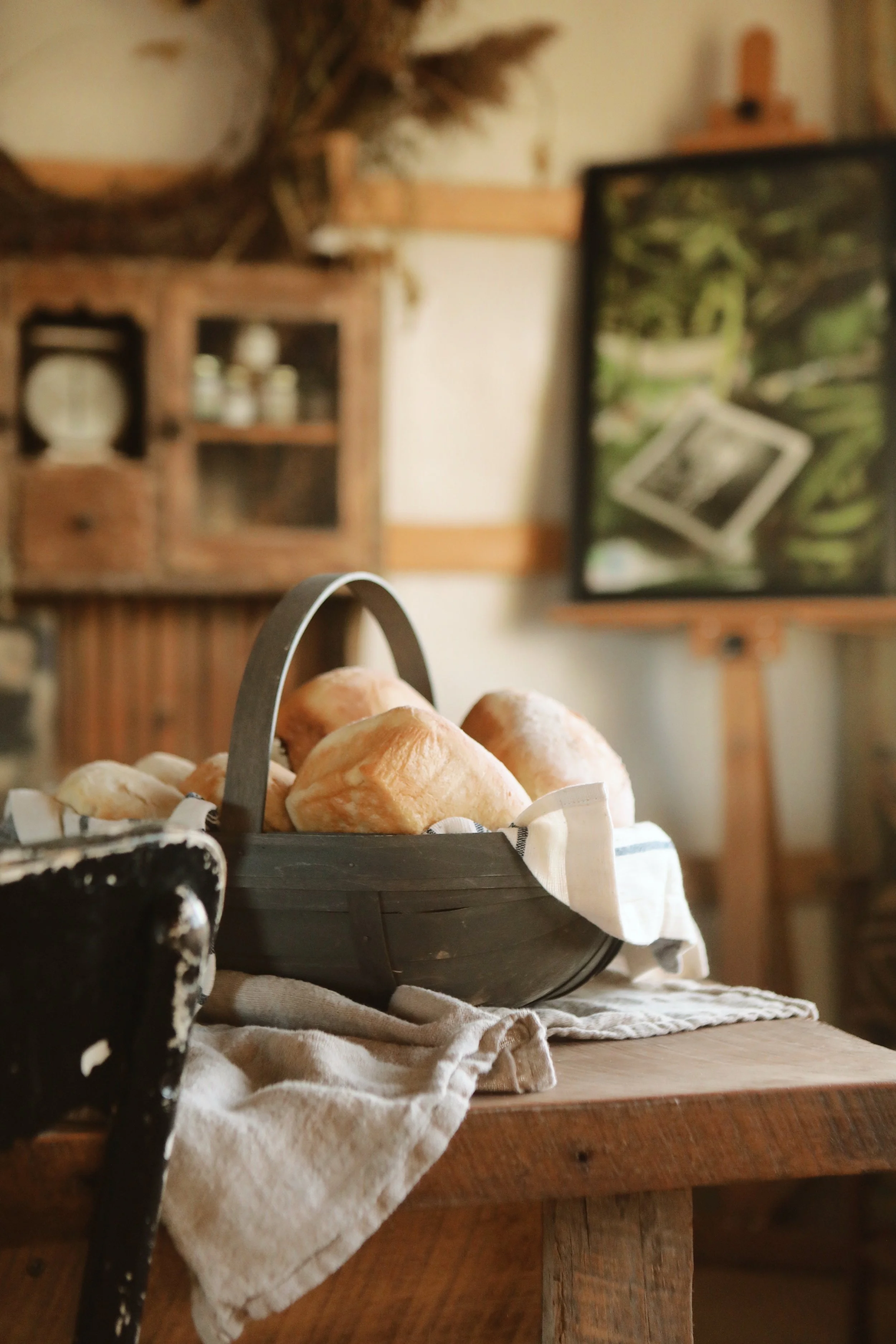
A timeless southern classic that can be as simple or as complex as you’d like. This is the basic recipe with great cinnamon and vanilla flavors but can be added to easily. The key is using a really good bread. I use sourdough!

1 loaf sourdough bread

3 tablespoons butter, melted

½ cup raisins (Optional)

3 eggs, beaten  

2 cups whole milk or half and half

½ cup brown sugar

½ cup white sugar

1 teaspoon ground cinnamon or pumpkin pie spice

1 teaspoon vanilla extract

Whipped cream or caramel sauce for topping

Preheat oven to 350 degrees. 

Cube bread into 1 inch cubes. In a large bowl mix all ingredients and whisk well. Make sure eggs are well incorporated. Add bread to mix and allow to soak up the mixture. Turn out into a well greased baking pan. This will make a shallow 13x9 or a deep smaller dish. I use an oversized pie dish. Pour any remaining liquid over the dish. I will sprinkle with additional spices for more flavor. Bake for 45 minutes or until the liquid feels firm. Do not burn. You can cover with aluminum foil if desired. Will prevent top from becoming overly dry. Once cool top with whipped cream or caramel sauce and serve cold or hot. 

This recipe can easily be modified for additional flavors. Bourbon is a common addition. 


A Handmade Christmas: Slices of Sunshine & Stories

Ashley Evans

There’s something quietly magical about Christmastime—the way the world slows down just enough for us to notice the small things. The scent of clove and citrus lingering in the kitchen. The way a single ornament can hold an entire memory. The soft glow of traditions passed through hands before ours.

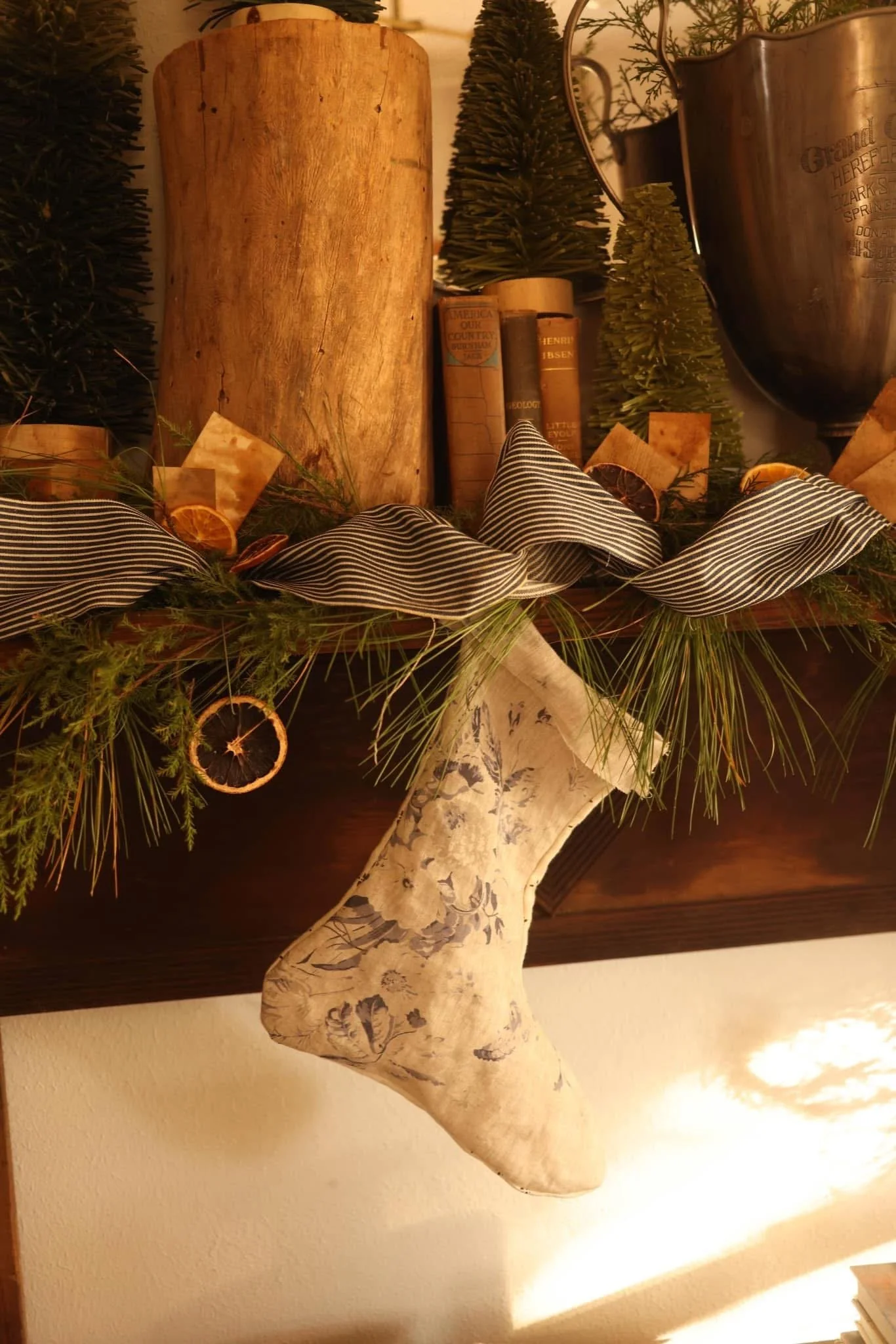
This year, the heart of the season feels stitched together in the most simple, beautiful way: by drying orange slices in the oven—tiny suns you can hang on your tree, string across your mantle, or tie to a handmade gift. There’s a sweetness in making something so old-fashioned and simple, something our grandmothers might’ve done without even thinking, filling their homes with warmth and the scent of winter fruit.

As the oranges dry, the house hums with that cozy holiday magic—like time itself slows to watch. It’s a small ritual, but one that feels grounding, nostalgic, and wonderfully human. Handmade decorations remind us that Christmas doesn’t have to be perfect or polished; it needs to be felt. And nothing feels more heartfelt than a tree dressed in something you made with your own hands.

How to Make Oven-Dried Orange Slices (For Garlands, Ornaments, & Magic)

You’ll need:

– 3–5 oranges (any kind)

– A sharp knife

– Paper towels

– Baking sheet + parchment paper

– A bit of patience and holiday spirit

1. Slice the oranges.

Cut them into thin slices—about 1/8–1/4 inch. Thinner slices dry faster and become more translucent, like stained-glass sunshine.

2. Pat them dry.

Use a paper towel to blot away extra juice. The more moisture removed now, the faster they’ll dry.

3. Arrange on a parchment-lined baking sheet.

Give them a little space—no overlapping slices. They need room to breathe.

4. Bake low & slow.

Pop them in the oven at 200°F (93°C).

Bake for 3–4 hours, flipping every hour to keep them from curling.

They’re ready when:

– the flesh looks dry

– the edges feel firm

– no visible moisture sits on the surface

5. Cool completely.

This lets them finish drying and become beautifully translucent.

6. Decorate!

Use twine, ribbon, or wire to turn them into:

– ornaments

– garlands

– gift toppers

– simmer-pot ingredients

– wreath accents

– table setting magic

Add cinnamon sticks, bay leaves, cranberries, or star anise if you want your décor to smell like the coziest Christmas kitchen.

A Little Christmas Thought to Tie It All Together:

Drying oranges isn’t just a craft—it’s a pause, a breath, a soft reminder that handmade things carry heart. When you decorate with pieces you’ve touched, created, laughed over, and waited for, your home becomes more than festive—it becomes yours. Warm, imperfect, and filled with stories.

Amish Friendship Bread

Ashley Evans

A recipe that travels the world one kitchen, one friendship at a time.

Some recipes arrive quietly in your life, tucked into an envelope or handed over with a shy smile—no fanfare, no rules, just a promise. Amish Friendship Bread is one of them. It’s the kind of tradition that doesn’t belong to any one person; it belongs to the circle. It carries the soft nostalgia of kitchens warmed by ovens, the sound of wooden spoons scraping bowls, and the simple affection of “I made this for you.”

This story begins with a bag of batter—elegantly humble, slightly mysterious, and already alive. Someone trusted you with it, the way people trust you with small pieces of their heart. And now the care becomes yours.

The Starter (Day 1–10)

The beginning always feels slow—like tending something you forget is living until you see the bubbles rise.

Ingredients

  • 1 cup all-purpose flour

  • 1 cup sugar

  • 1 cup milk (room temperature)

Directions

  1. Combine the flour, sugar, and milk in a non-metal bowl. Stir with a wooden or plastic spoon.

  2. Transfer the mixture to a large zip-top bag or keep it in the bowl loosely covered.

Days 2–5

Give the bag a gentle squeeze once a day. Nothing dramatic—just enough to remind it you’re still here.

Day 6

Feed your starter:

  • Add 1 cup flour, 1 cup sugar, 1 cup milk.
    Stir or squeeze to combine.

Days 7–9

Keep tending. A simple daily mash is enough.

Day 10 – The Sharing Day

This is where the tradition breathes.

Feed the starter again with:

  • 1 cup flour

  • 1 cup sugar

  • 1 cup milk

Then divide the batch into 4 equal portions (about 1 cup each).

  • Keep 1 cup for yourself to bake with.

  • Gift the other 3 to friends, neighbors, or anyone who feels like they could use something warm and homemade handed to them.

And now your kitchen becomes part of someone else’s story.

The Bread

Soft, sweet, cinnamon-dusted comfort—like a hug baked into a loaf.

Ingredients

  • 1 cup Amish Friendship starter

  • 1 cup sugar

  • 1 cup flour

  • 1 cup milk

  • 3 large eggs

  • 1 cup neutral oil

  • 1 tsp vanilla

  • 1 ½ tsp baking powder

  • ½ tsp baking soda

  • ½ tsp salt

  • 1–2 tsp cinnamon (your call on how cozy you want it)

  • Optionals: 1 small box instant vanilla pudding, chopped nuts, mini chocolate chips

Directions

  1. Preheat oven to 325°F. Grease two loaf pans.

  2. Combine all ingredients in a large bowl. The batter should smell sweet and familiar, like something your grandmother might have made on a quiet weekday afternoon.

  3. Pour into pans.

  4. Bake for 45–60 minutes, or until a toothpick comes out clean.

  5. Cool just long enough that slicing doesn’t steam your fingers. Enjoy warm if you can—it hits different.

A Little Story to Attach When You Give It Away

“This starter has a bit of a journey behind it—passed from one kitchen to another, from someone who needed comfort to someone who needed something to look forward to. Now it’s yours. Feed it, keep it, bake with it, pass it on. Recipes like this aren’t meant to stay still. They’re meant to travel, to warm homes one loaf at a time.”

Jennifer and Richard Lanne - Ballston Spa, New York

Ashley Evans

Growing up in upstate New York, Richard Lanne, Jr. dreamed of living off the land. His childhood was full of adventures he recorded in many notebooks, documenting the fleeting knowledge of the land and being able to do for oneself that he learned from the many scoutmasters and old timers that passed through his world. He grew up in a story akin to the Foxfire books of old. He spent much of his youth learning how to forage, trap, hunt, build, and forge his future.


In 2002 Richard and his wife Jennifer, a painter, moved to Ballston Spa, New York to a historic farm property once owned by an exiled Scot named Agnus McDearmid. The home was in fair shape when the two moved, but they were looking for a fixer-upper and the 1779 farmhouse was just what they were looking for. For both Jennifer and Richard, the most important part of finding a home was that it be historic and original. “So many historic homes in the area were gutted somewhere between 1970-1990 and completely remodeled,” says Jennifer, “but this one had the original floors and low ceilings we wanted.”

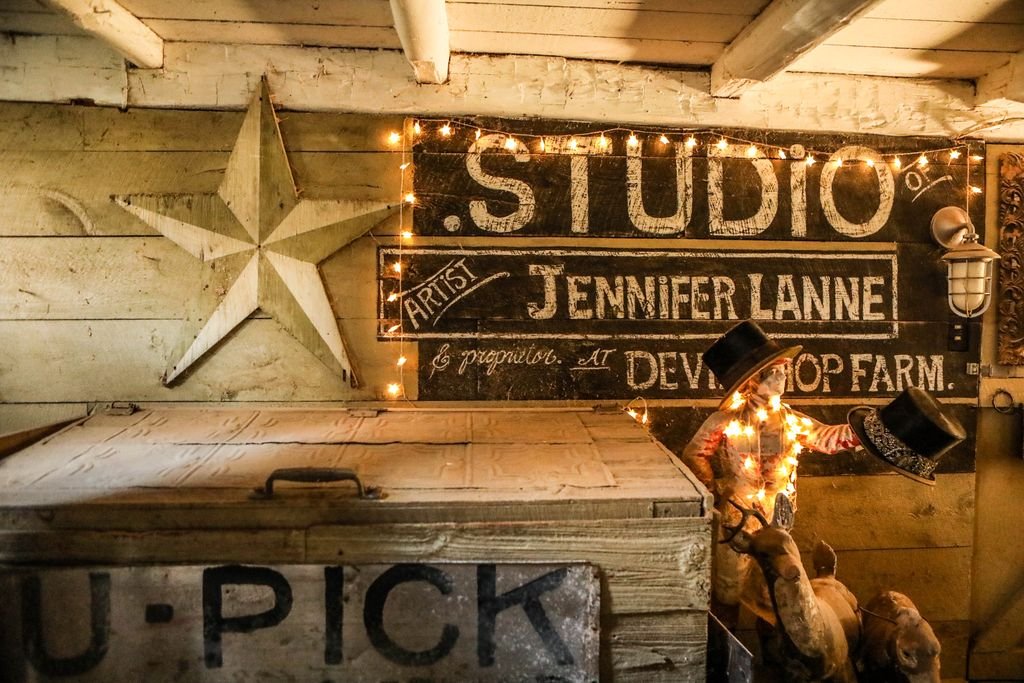
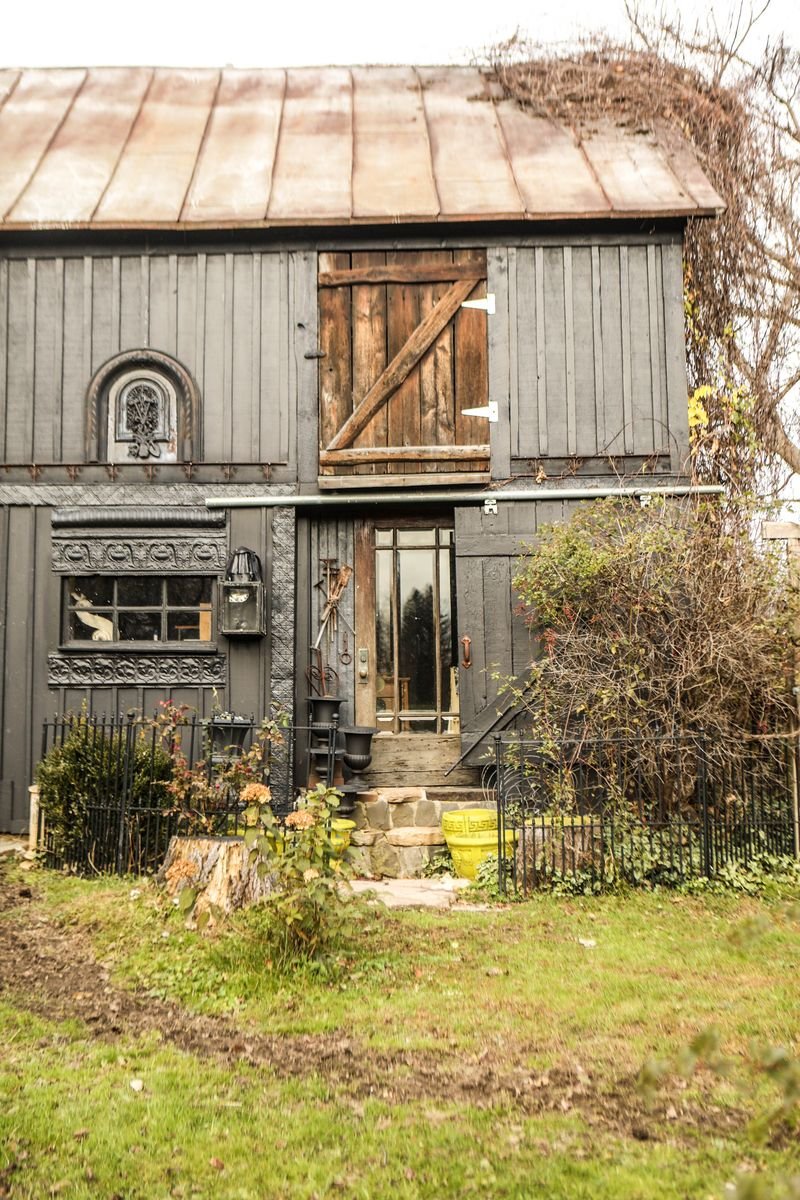
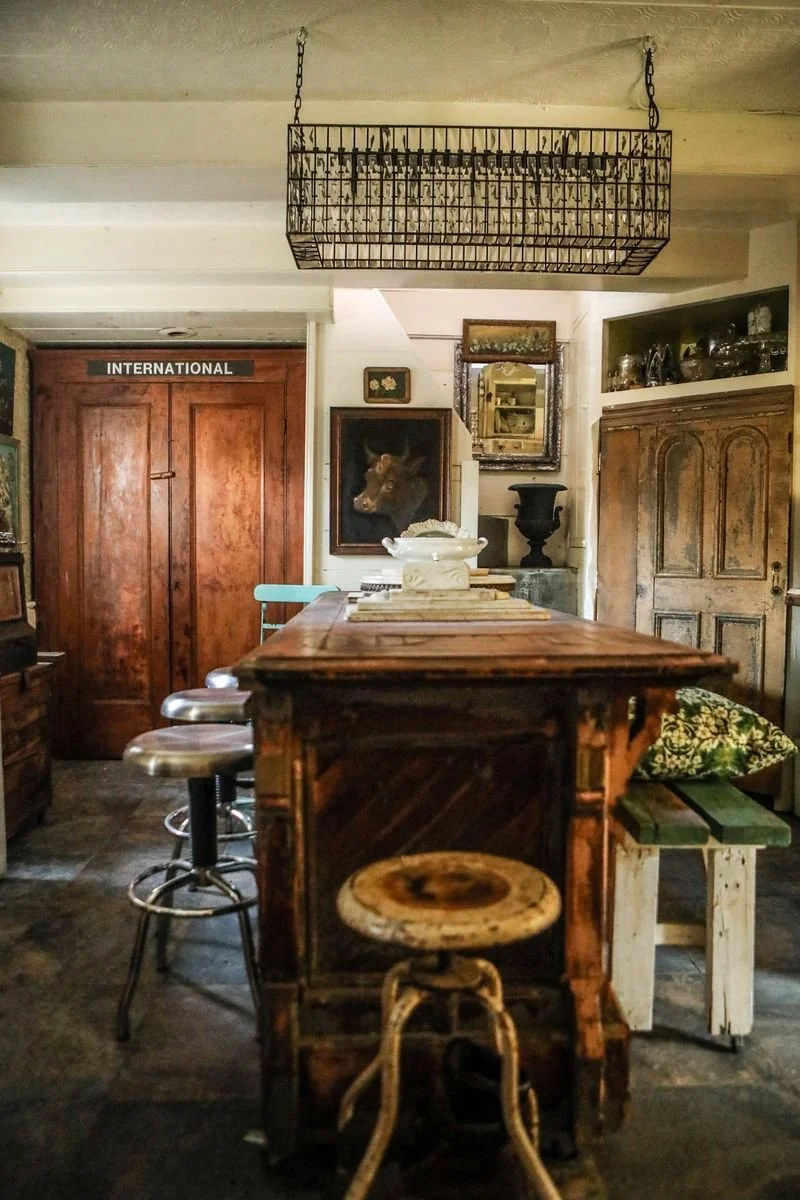
Today, over two decades later the house and property feels almost like a timepiece to an earlier era. The house, Jennifer’s studio in the equally old barn, and a blacksmith’s forge used by Richard in a former smoke house, feel cozy and eclectic. The spaces have been filled with handmade pieces and early American antiques. Jennifer’s extensive collections fill each of the rooms and cause visitors to slow down and study each room at length. 


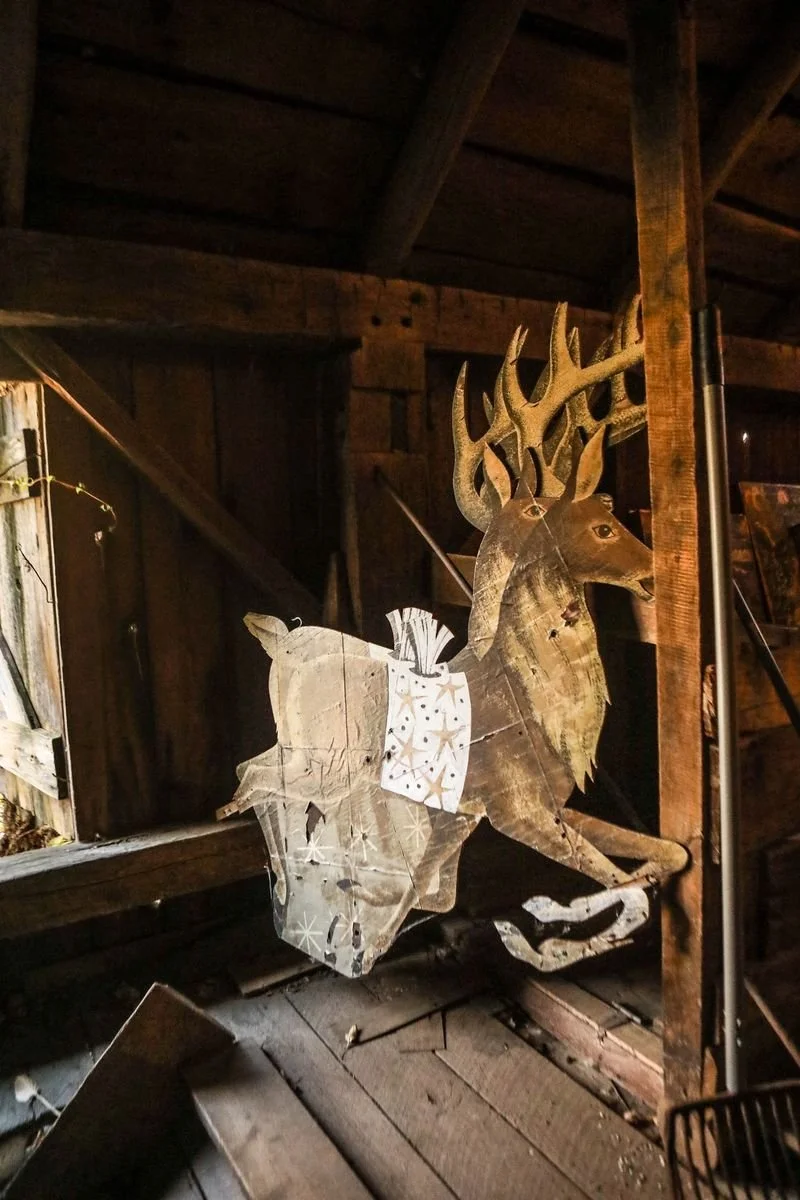
Jennifer’s studio, a rambling space spread across two floors of the old barn feels like a mix of the very old, the old, and the new. A disco ball hangs perfectly at home next to salvaged early wood finds, and paintings created by Jennifer. 

The home feels especially cozy during the winter months. Richard lights a fire in the oversized hearth in the front room and the fire can be heard crackling throughout the house. Richard and Jennifer have done much of the work on the property themselves over the past two decades. Jennifer, speaking of Richard’s skills “He can really make anything, and that came in handy when we bought this farm,” say Jen. “Anytime we needed a bracket for a door he was able to forge it, he really does know how to make just about anything. If he doesn’t he teaches himself.”

When asked why they love the old home Jennifer, with a laugh responds “we love the character of the place.”

The house stand as an authentic example of a classic American farmhouse, one that was built for practicality and function, one that has stood for centuries and will continue to live on for many more to come. 

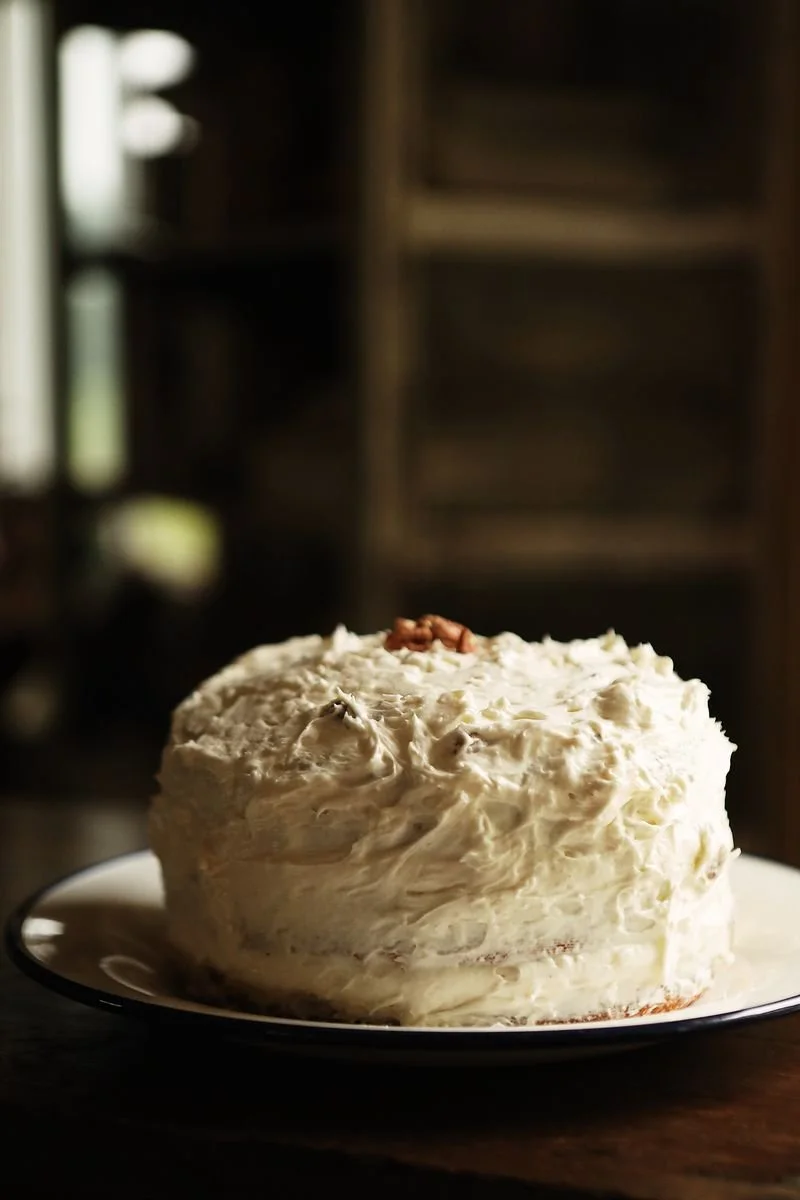
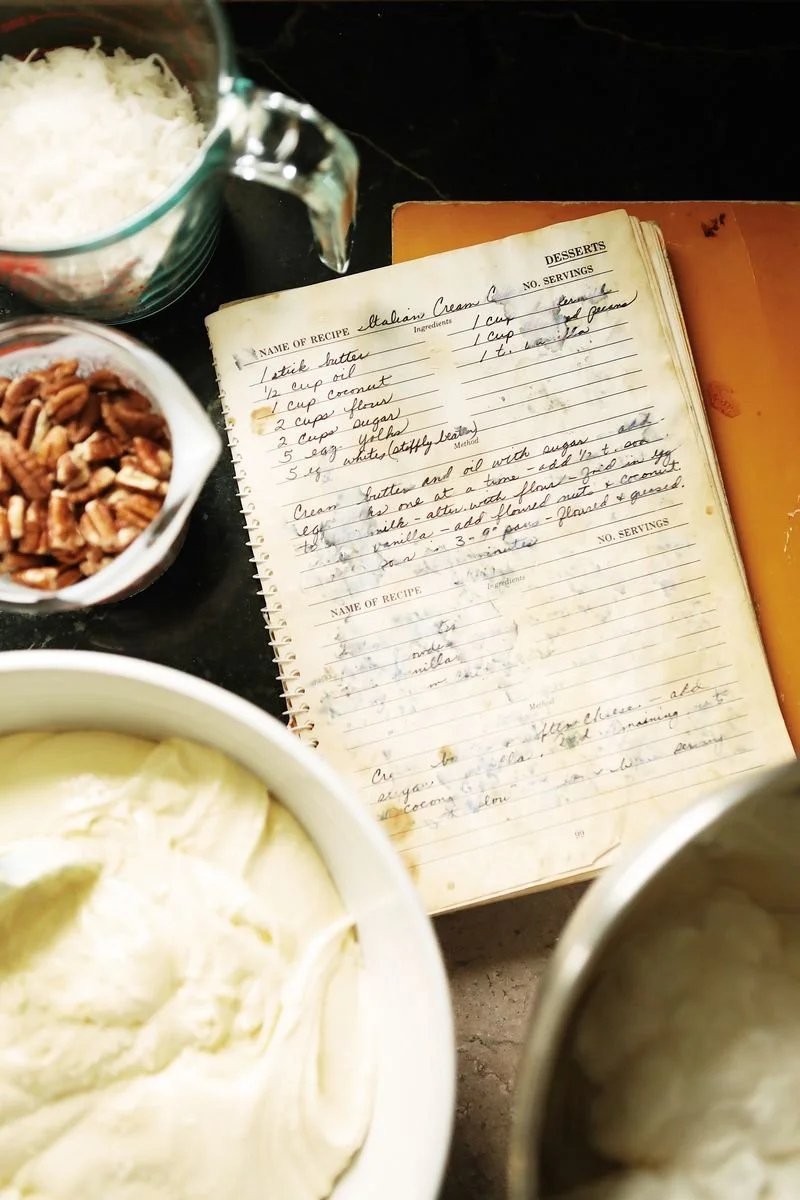
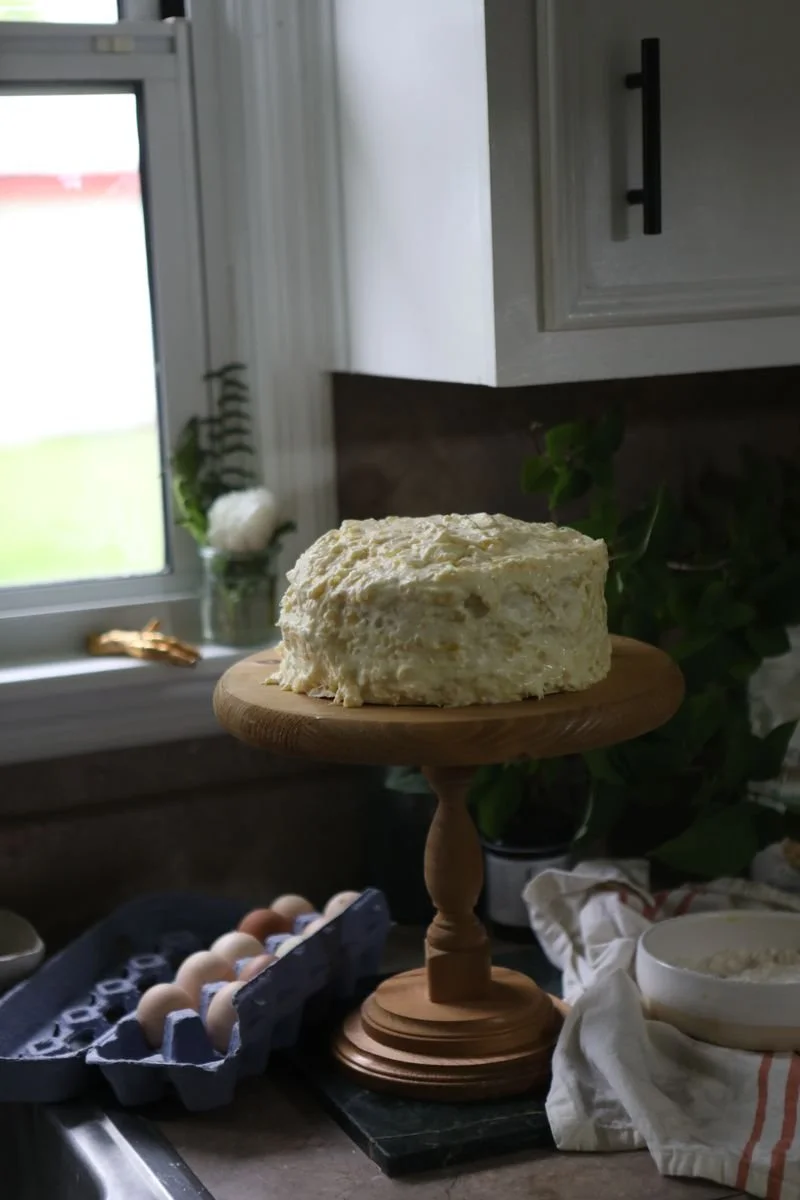
Italian Cream Cake

Ashley Evans

As a child this was the fancy cake that would be prepared for church gatherings, funeral dinners, of the Ashby Christmas. This cake was one that intimidated me as a child and it took me many years before I desired to master it. In reality it is a very easy and delicious cake, sure to always be a crowd pleasure and one that feels instantly nostalgic. 


1/2 cup butter

1/2 cup oil

1/2 teaspoon baking soda

1 cup shredded coconut 

2 cups all purpose flour

2 cups sugar

5 egg yolks

5 egg whites (stiffly beaten)

1 cup buttermilk

1 cup chopped pecans

1 teaspoon vanilla

Cream butter and oil with sugar, add egg yolks one at a time. Add 1/2 teaspoon baking soda to buttermilk, add to previous mixture alternating with flour. Fold in egg whites and vanilla. Add pecans and coconut. Pour into three eight inch greased cake rounds. Bake at 350 for 30 minutes.

Icing

1 cup butter

1 pound powdered sugar

2 teaspoons vanilla

8 ounces cream cheese

1/2 cup shredded coconut 

1/4 cup chopped pecans

Cream butter and softened cream cheese, add sugar and vanilla. Fold in nuts and coconut. Ice well cooled cake.

Winter Garden

Ashley Evans

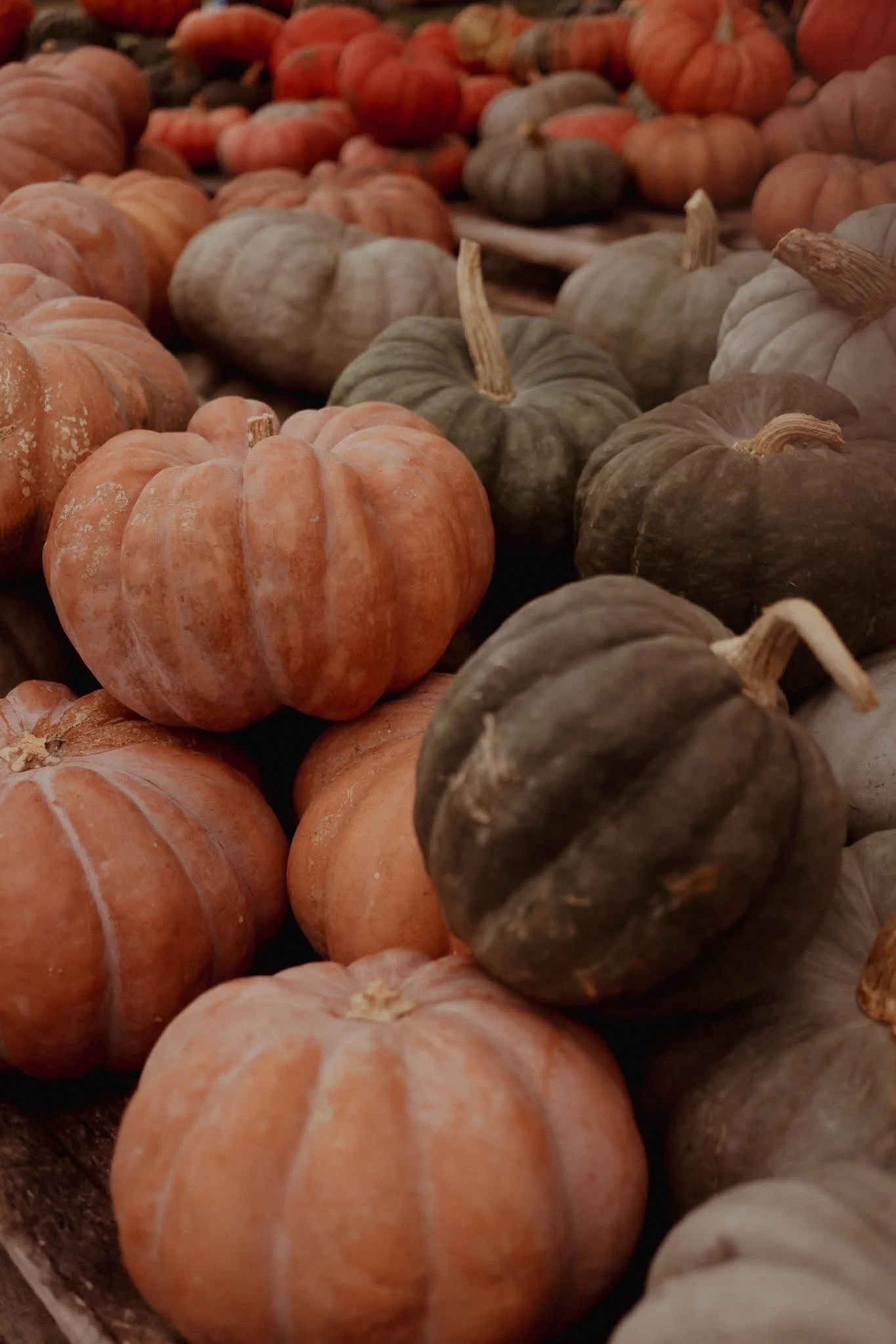
The days grow short, the mornings are covered in crisp sharp frost that refracts and reflects the blueish early to mid morning light. The land is at rest. The season is one of nostalgia for me. The season feels like a time for Christmas, for the smell of hickory nut pies, for time spent indoors with the Saturday morning cartoons, and awaiting the fall of snow. The garden in this season is oftentimes an after thought, but it is a time for ordering seeds, for dreaming of the season ahead, and for clearing the remains of the previous season, and for enjoying the produce you’ve put back from the summer and autumn gardens. On a good year my cellar will be filled with pumpkins, picked from my own vines in late September, used for autumn decorating, and later put in the cellar to be saved for winter time pumpkin pies and pumpkin soup, a dish I am frequently requested to make. 

Planning well in the winter will ensure a well filled larder and cellar the following winter. Use these days and hours spent inside rather than tending to the garden to order seeds, to take notes on what you enjoyed about the previous garden, and what you dream of for the year head. Seeds are best ordered from a catalog, to stay true to nostalgia, and should be ordered early to ensure the desired varieties are not sold out. Use this time to read almanacs and books that were written by experts on developing the most wonderful and practical gardens. Martha Stewart’s Gardening book is the best resource I have found for planning a garden. 

The winter is also a fun time to craft with dried gourds, okra pods, and corn shucks from the summer months. Allow your mind to wander back in time and to create crafts that feel made by hand. Keeping an active body and mind during the winter months will be beneficial for being prepared for the grueling spring planting in the season ahead. 


Like in everything in life rest is required. The winter allows the garden and the gardener to rest.

Pea Picking Cake

Ashley Evans

This is my very favorite cake. When I was a child Aunt June would make this cake every summer. It has a freshness that is perfect for the summer heat. Over the years it has become that cake that my friends request most often. I love a cake that starts as a box cake mix. This allows you to whip up a cake at any moment. My pantry is always stocked with a dozen yellow cake mixes and the ingredients to easily pull together a variety of cakes on a moments notice. 

1 box yellow cake mix

4 eggs

1/2 cup oil

1 11 ounce can of mandarin oranges

Beat all ingredients for three minutes and bake at 350 degrees for 30 to 35 minutes in three eight inch well-greased cake rounds. Let cake cool completely. 

Icing

1 15 ounce can of crushed pineapple 

1 box Jello instant vanilla pudding mix

1 teaspoon vanilla

4 cups whipped cream

Mix pineapple (along with juice), pudding mix, and vanilla together. Fold in whipped cream. Ice well cooled cake. Best served cold.

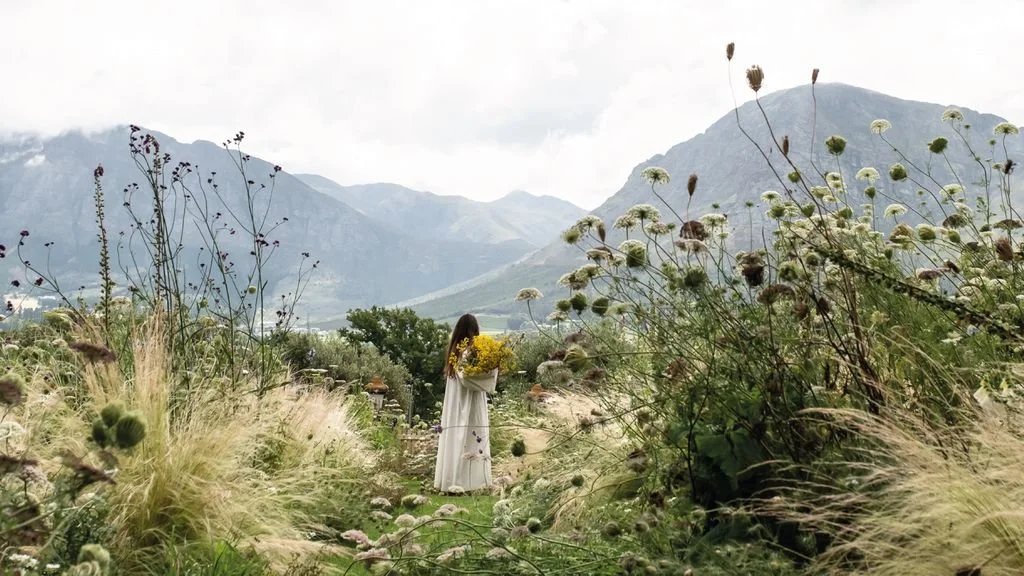
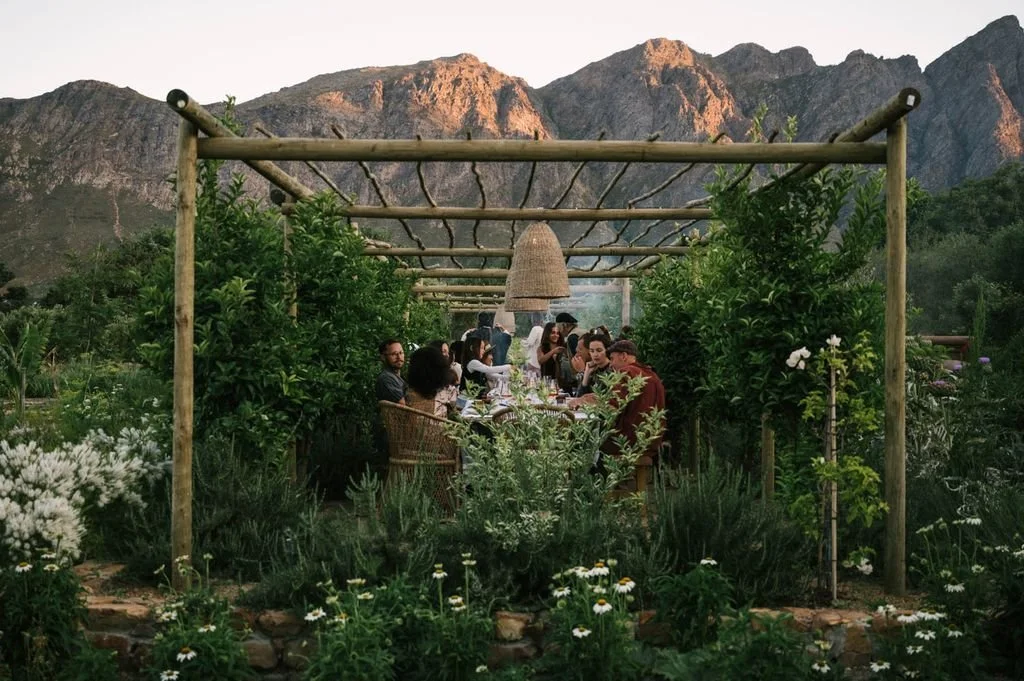
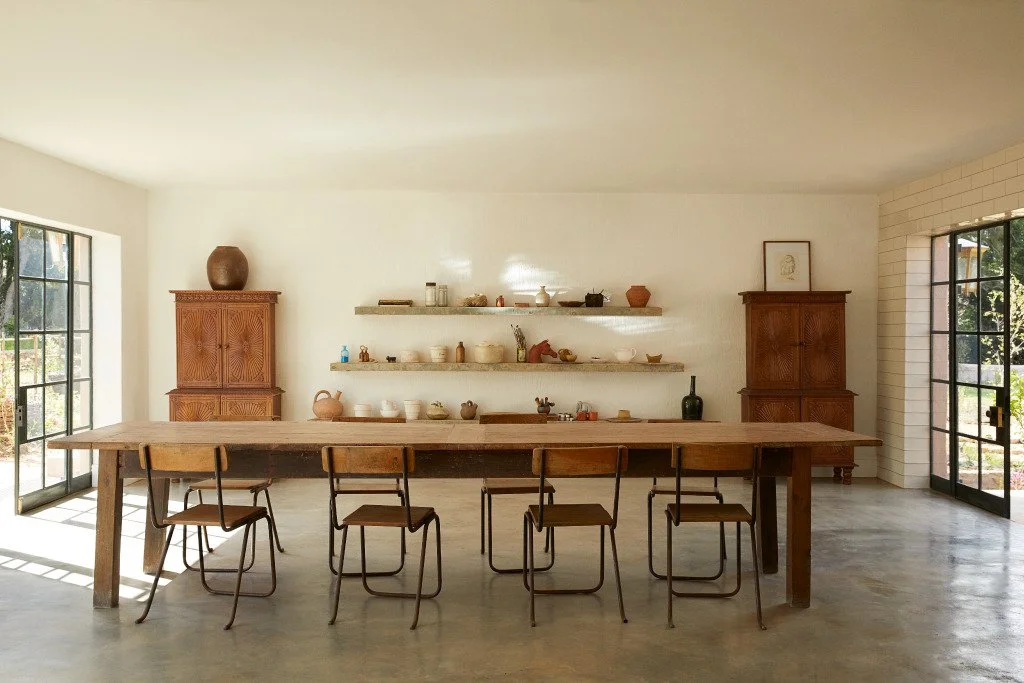
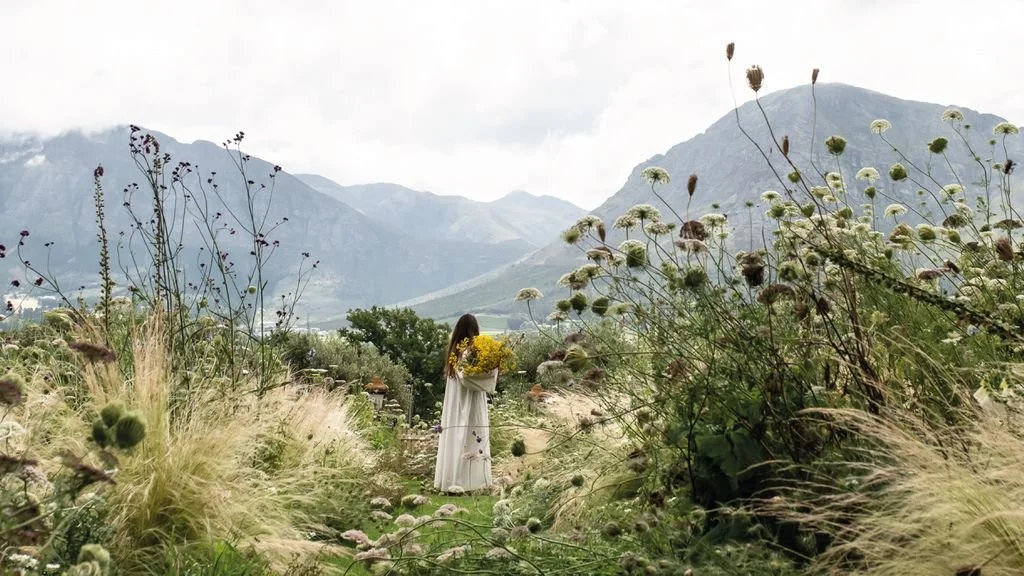
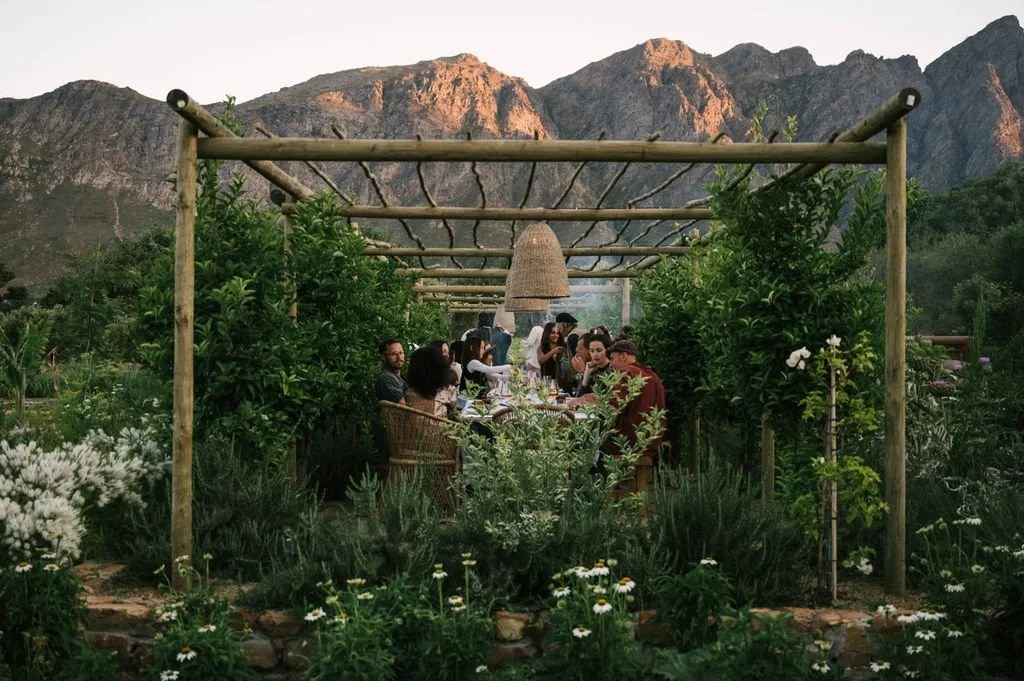
Sterrekopje Farm

Ashley Evans

Tucked into the soft foothills of South Africa’s Franschhoek mountains, Sterrekopje Farm is a 50-hectare sanctuary where the wild world leads the way. Here, luxury isn’t loud — it’s the quiet joy of dirt under your nails, bread rising in the oven, horses greeting you at sunrise. It’s long breaths, slow days, and remembering what it feels like to belong to the land.

This is a working farm — alive, growing, healing. Regenerative practices nourish soil and soul alike, while ancient wisdom and modern creativity weave through every experience. Seasonal food, herbcraft, rituals, the very architecture — everything moves with nature’s rhythms, inviting you to do the same.

Over the past three years, partners in both life and purpose, Fleur Huijskens and Nicole Boekhoorn, have brought Sterrekopje’s ancestral grounds back into vibrant abundance. What has emerged is not a hotel, not quite a retreat — but a living ecosystem. A home. A community. A place where travelers arrive as guests and depart as part of the story.

Stay

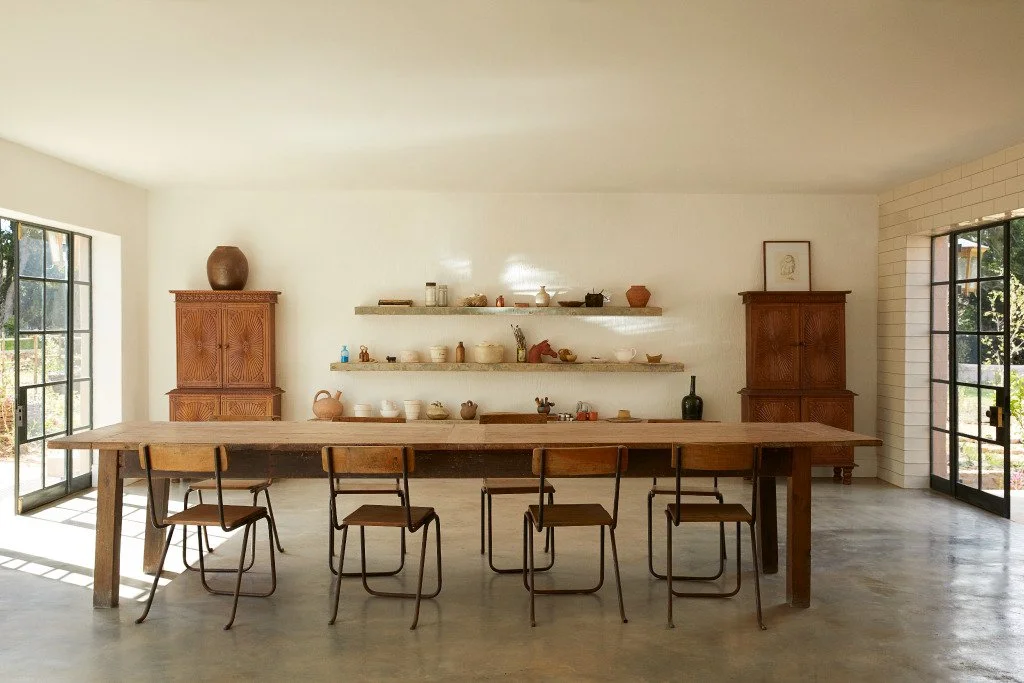
Eleven sanctuaries — each a cocoon of calm — welcome you with botanical hues, hand-crafted textures and artworks grown from the land itself. Designed by Gregory Mellor with Nicole Boekhoorn, every space feels rooted and replenishing. Float in the saltwater pool, dive into the lake, wander barefoot from warm sun to the grounding rituals of the Bath House.

Rest

Across The Bath House, The Apothecary, The Yurt and The Soul Shed, a circle of holistic practitioners hold space for rest that goes deeper than sleep. Treatments draw on biodynamic principles and herbal medicine, tuning you back to the body’s quiet wisdom — the kind that only emerges when we finally, truly, slow down.

Grow

Seasonal retreats open doors into connection — with yourself, the earth and each other. From women’s gatherings to “Gardening as a Creative Act” alongside landscape designer Leon Kluge, these experiences encourage shared learning, stewardship and wonder. Think seed saving, soil tending, herbalism and artistry — all led by the turning of the seasons.

Play

In The Atelier, creativity becomes a form of renewal. Hands shape clay, pigments swirl, flowers press — imagination takes root again. With materials gathered from the farm, making becomes meditative, joyful and a celebration of nature’s gifts.

At Sterrekopje, you’re invited not just to visit — but to return. To land. To creativity. To ritual. To source. To yourself.

Book it: Rates start from 18,000 ZAR including all nourishing meals and beverages. sterrekopje.com

Sterrekopje Farm

Ashley Evans

Tucked into the soft foothills of South Africa’s Franschhoek mountains, Sterrekopje Farm is a 50-hectare sanctuary where the wild world leads the way. Here, luxury isn’t loud — it’s the quiet joy of dirt under your nails, bread rising in the oven, horses greeting you at sunrise. It’s long breaths, slow days, and remembering what it feels like to belong to the land.

This is a working farm — alive, growing, healing. Regenerative practices nourish soil and soul alike, while ancient wisdom and modern creativity weave through every experience. Seasonal food, herbcraft, rituals, the very architecture — everything moves with nature’s rhythms, inviting you to do the same.

Over the past three years, partners in both life and purpose, Fleur Huijskens and Nicole Boekhoorn, have brought Sterrekopje’s ancestral grounds back into vibrant abundance. What has emerged is not a hotel, not quite a retreat — but a living ecosystem. A home. A community. A place where travelers arrive as guests and depart as part of the story.

Stay

Eleven sanctuaries — each a cocoon of calm — welcome you with botanical hues, hand-crafted textures and artworks grown from the land itself. Designed by Gregory Mellor with Nicole Boekhoorn, every space feels rooted and replenishing. Float in the saltwater pool, dive into the lake, wander barefoot from warm sun to the grounding rituals of the Bath Hou

Rest

Across The Bath House, The Apothecary, The Yurt and The Soul Shed, a circle of holistic practitioners hold space for rest that goes deeper than sleep. Treatments draw on biodynamic principles and herbal medicine, tuning you back to the body’s quiet wisdom — the kind that only emerges when we finally, truly, slow down.

Grow

Seasonal retreats open doors into connection — with yourself, the earth and each other. From women’s gatherings to “Gardening as a Creative Act” alongside landscape designer Leon Kluge, these experiences encourage shared learning, stewardship and wonder. Think seed saving, soil tending, herbalism and artistry — all led by the turning of the seasons.

Grow

Seasonal retreats open doors into connection — with yourself, the earth and each other. From women’s gatherings to “Gardening as a Creative Act” alongside landscape designer Leon Kluge, these experiences encourage shared learning, stewardship and wonder. Think seed saving, soil tending, herbalism and artistry — all led by the turning of the seasons.

At Sterrekopje, you’re invited not just to visit — but to return.To land. To creativity. To ritual. To source. To yourself.

Book it: Rates start from 18,000 ZAR including all nourishing meals and beverages. sterrekopje.com

Kaleb Wyse -Iowa

Ashley Evans

The fields of Iowa have a way of growing without limits, stretching to the horizon and beyond. East to west, north to south the rows of corn and beans feel eternal. Life out there on what was once the plains and prairie feels timeless in a way. The farms transition from one generation to the next as the combines and machinery get bigger and the passage of time is marked by ever increasing horsepower and hybrid varieties of grain that will feed the world. Kaleb Wyse grew up right here in the middle of it all…a family farm that stretches to the horizon and that is bisected by the straight as a crow flies roads. 

For Kaleb home is a house that was built in the 1880s and was originally built with victorian details. Those original details were taken down in the mid 1900’s, and now that gives the house more of an American four-square appeal. His grandparents purchased the home and farm as a place for his parents to move into once they married. When his dad was ready to take over the farm, his grandparents and parents swapped houses so his parents could live at the generational farmhouse. 

Kaleb purchased the Home from his grandparents when they chose to move into something smaller. He says he has always felt connected to the family farms. “I feel a sense of belonging living in homes that past generations of family have lived and worked.”

“I restored the main floor with some original details. I matched all the woodwork to the original second floor pieces. I opened some doorways to make the flow better and updated the kitchen but kept the heart of an old house in the design. Cresting a story of what could have been there all along.” To almost anyone else this is the middle of nowhere, but for Kaleb this is the place that feels most like home. His father passed away in 2004 and he says he feels connected to what his father loved and where he loved to work on the farm. 

“I have collecting in my blood. I am constantly finding pieces that tell the story of what I love. I look for items that are timeless. They could have been in the house originally and been used daily, Like yellow ware pottery. I love the create a home that feels like it has stories to tell, like the items in the home have lived with the house. I have no rhyme or reason but choose what makes me happy. If I fall in love with it I know I will find a place for it.”

Jen and Micah O’Connor - Warwick, New York

Ashley Evans

2002 Jen and Micah O’Connor felt the call to head out of New York City, a place Jen had always called home, and move to Micah’s hometown in the Hudson Valley. Warwick, an idealic pre-Revolution town about an hour of north of New York City, just west of the mighty Hudson River, and in the foothills of the Catskill mountains seems like a community out of a story book. A bustling downtown, a thriving agriculture community, and an era rich with culture and history have long made Warwick a place for people ready to leave the city to plant roots, start a family, and to not feel like they’re too far from New York City. 

For Jen and Micah this truly was a family affair, over the years much of Jen’s family have also made their way up from the city and now live in or near Warwick. You’ll almost always see the O’Connors and their three children taking part in local parades, festivals, and homecoming celebrations. These former big city folks have eagerly jumped in to living a small town life. 

Jen an urban planner turned art dealer, writer, and business consultant has raised three children while running a business from the dining room table for the past two decades in a house that started as a cookie cutter suburban 1990s build and has transformed it into a home that is filled with an extensive collection of female made art and folk art, and collections of antiques and relics that would easily be enough to fill a museum. The property, much like the Lanne’s home two hours north, has cabinets, shelves, and rooms filled with the most fascinating of curations. 


Many of the most fascinating art pieces in the house have been created by friends of the O’Connors. Jen has made it a subtle point to only have original works throughout her house. She often jokes that her walls are a constantly rotating gallery of her Earth Angels Studios art inventory. Each piece comes with it a story of who created the work and how their paths intertwine with the owners of this house. 

Jen’s mother, Rosie, was a well-known antique dealer in New York City, often revered as a source for Americana, a reputation she passed on to her daughter over the years. O’Connor also inherited a skill of collecting en mass. Never afraid of investing in things she finds unique and worth sharing the house often times feels like a primer in various eras of collecting. Throughout the house you’ll find torque pottery or glass cake stands, or transfer ware tucked into corners, beneath the cupboards, and most likely under the beds. 

Chocolate Banana Bread - Jen O’Connor

Ashley Evans

This recipe is from my friend . Whenever you go to her house she always has this bread freshly baked and under a cake dome on her kitchen counter. It is a dessert that can easily be served at breakfast. This recipe will make two 8/9 inch cast iron skillets or one Bundt pan. If using Bundt pan coat will with baking spray, this cake tends to stick. 

2 sticks + 3 Tbsp butter* 

3 cups flour

2 tsp baking soda

2 tsp baking powder 

½ tsp salt

3 super ripe medium bananas (MUST BE previously frozen and thawed)

4 tsp lemon juice

3 tsp pure vanilla extract

2 cups sugar

2 large eggs

1 cup chocolate chips

1. Place rack in center of oven; heat oven to 350 degrees. 

2. Drop 3 Tbsp butter into skillet, set in oven to melt as oven heats (you want it very hot and bubbly by the time you place mixed ingredients in your skillet). Whisk flour, baking soda, baking powder; salt in separate bowl; set aside. In stand mixer beat butter, thawed bananas, lemon juice and vanilla. Add sugar; beat until as creamy as you can, it will still have lumps. Add eggs, 1 at a time and beat through; add chocolate chips; mix. Add dry ingredients, mix lightly. Put ½ the batter in center of skillet (use a 10-12” adjust cooking time as needed). Place in oven; bake for 1 hour or until batter is pulled back from edges of pan and fork comes out clean. Let cool on wire rack; flip out of pan onto a pretty plate to serve.


A Small Business Christmas - Emily Ridings

Ashley Evans

Tell us about your business? Who are you, what are you? Where are you?

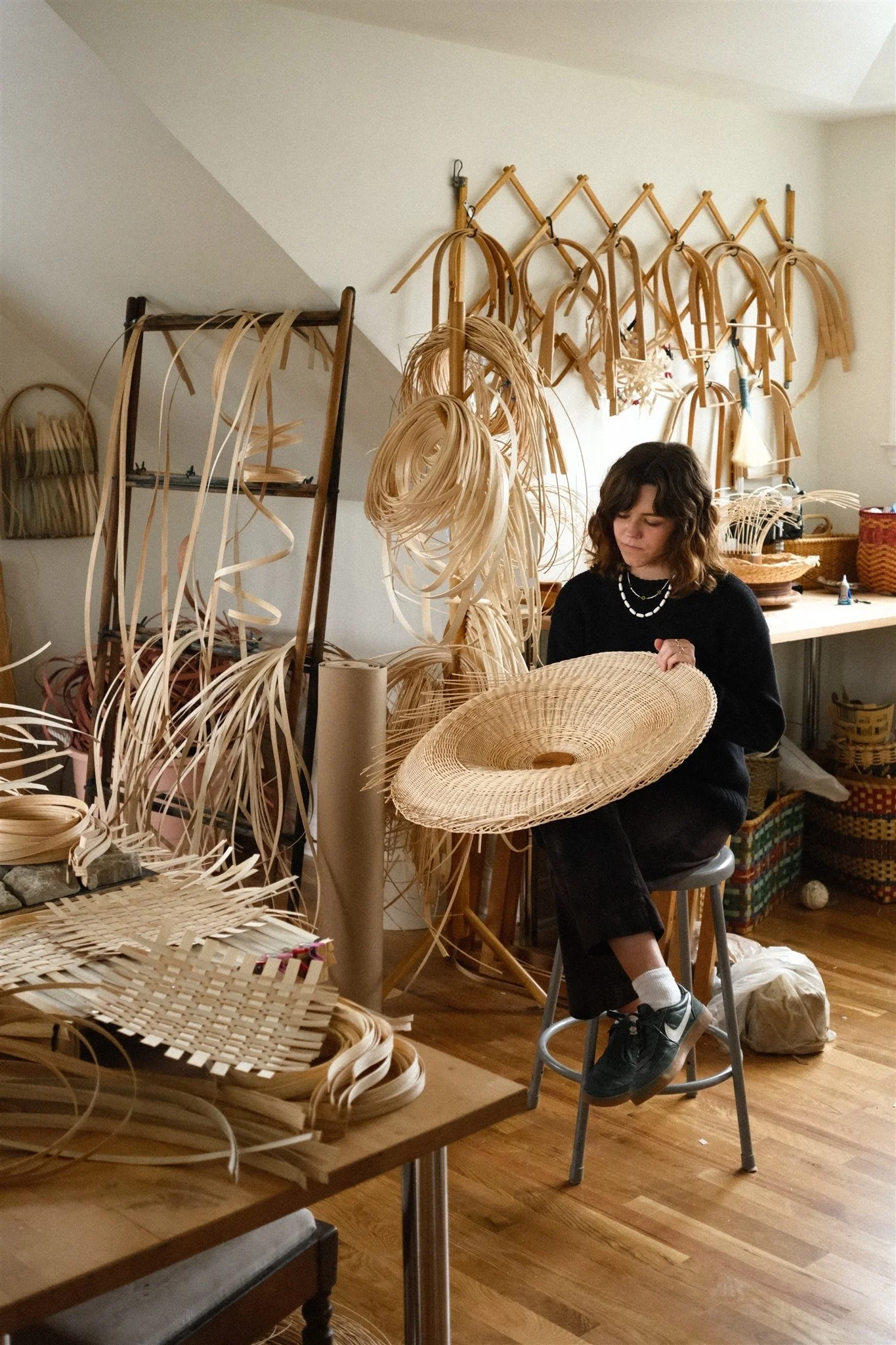
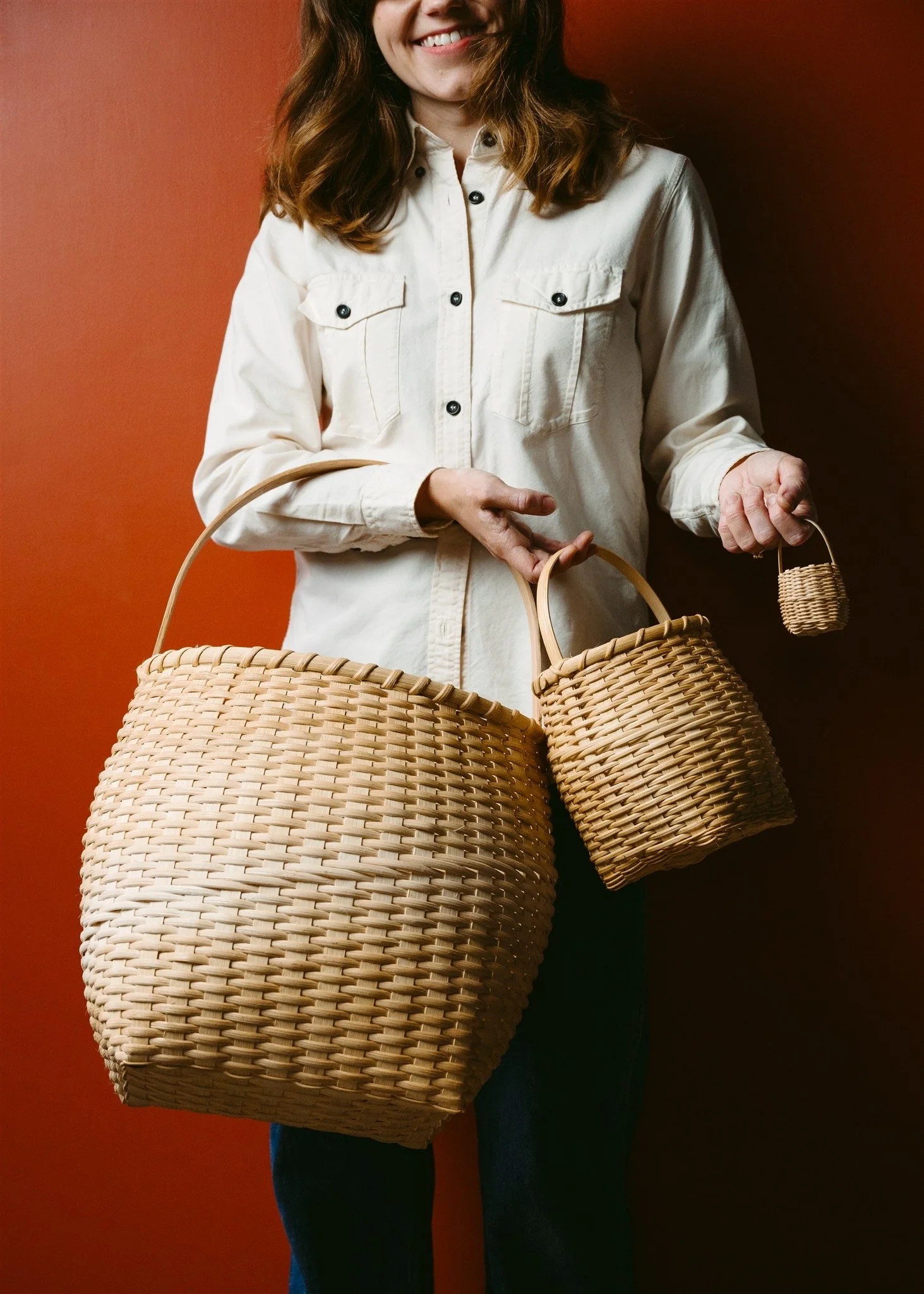
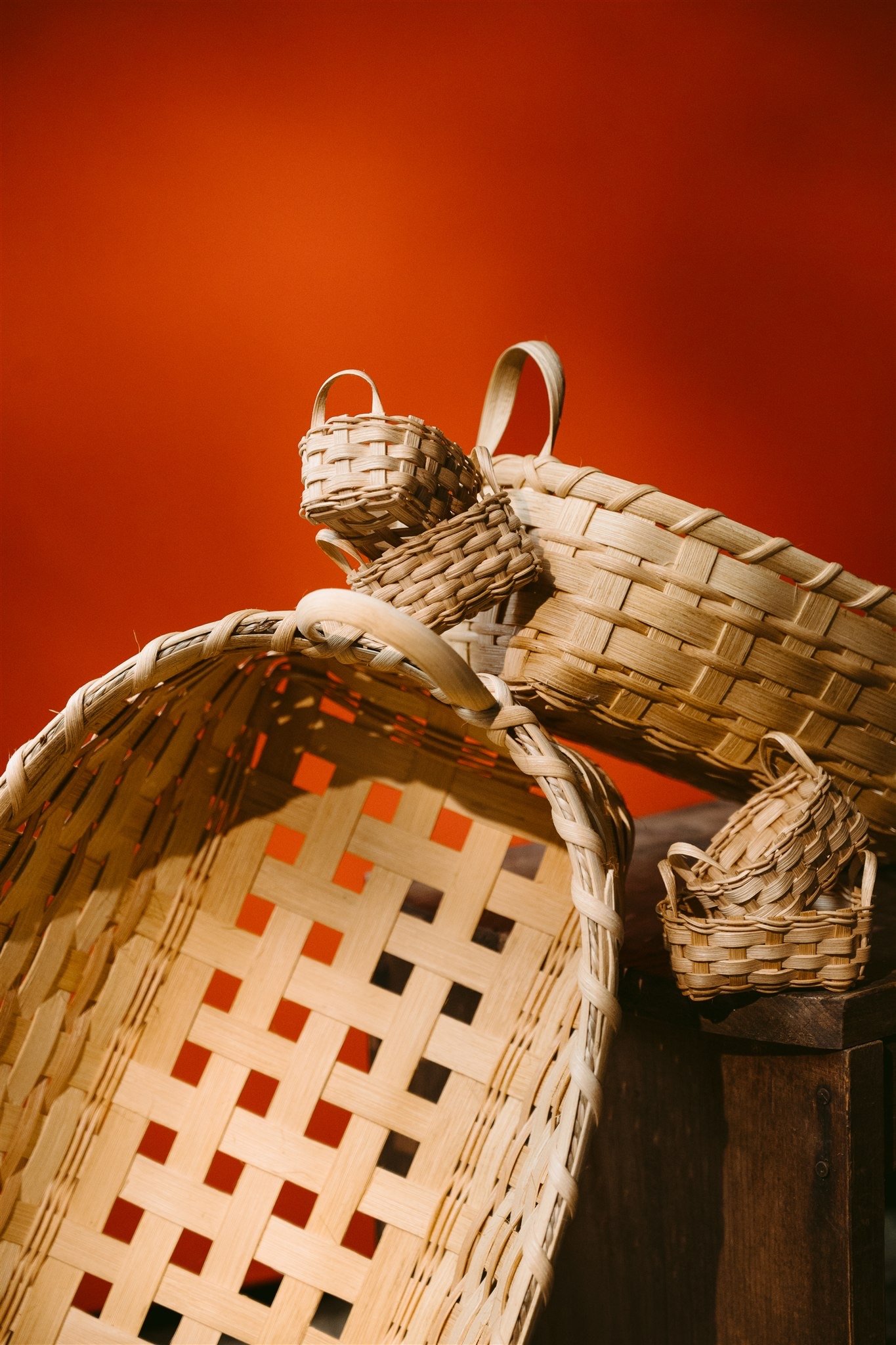
My name is Emily Ridings, and I’m an artist aiming to reinterpret the ancestral art of basketry through a modern, intuitive lens. I’m based in Lexington, KY, creating sculptural and functional pieces by hand using reed and wood, emphasizing sustainability and zero-waste production.  

Tell us about your Christmas season?

My Christmas season is a whirlwind of making, sharing and celebrating. It’s a lot, but I can’t miss out on the opportunities to connect with people, and turn my space into a gingerbread house.

Why are you making by hand/making in America. 

The biggest reason I make by hand is because I love it. The process keeps me present and curious, and when that energy can be felt through the work, it’s a win-win.

What is your favorite thing about Christmas?

I love how Christmas can encourage us to be intentional with happiness: to create it, share it, and nurture it.

Why support small business/handmade/American made?

When you support small businesses and handmade goods, it ensures your purchase goes directly towards the hands that shaped it and keeps their skill in the world. It’s a huge deal!

What are you giving away?

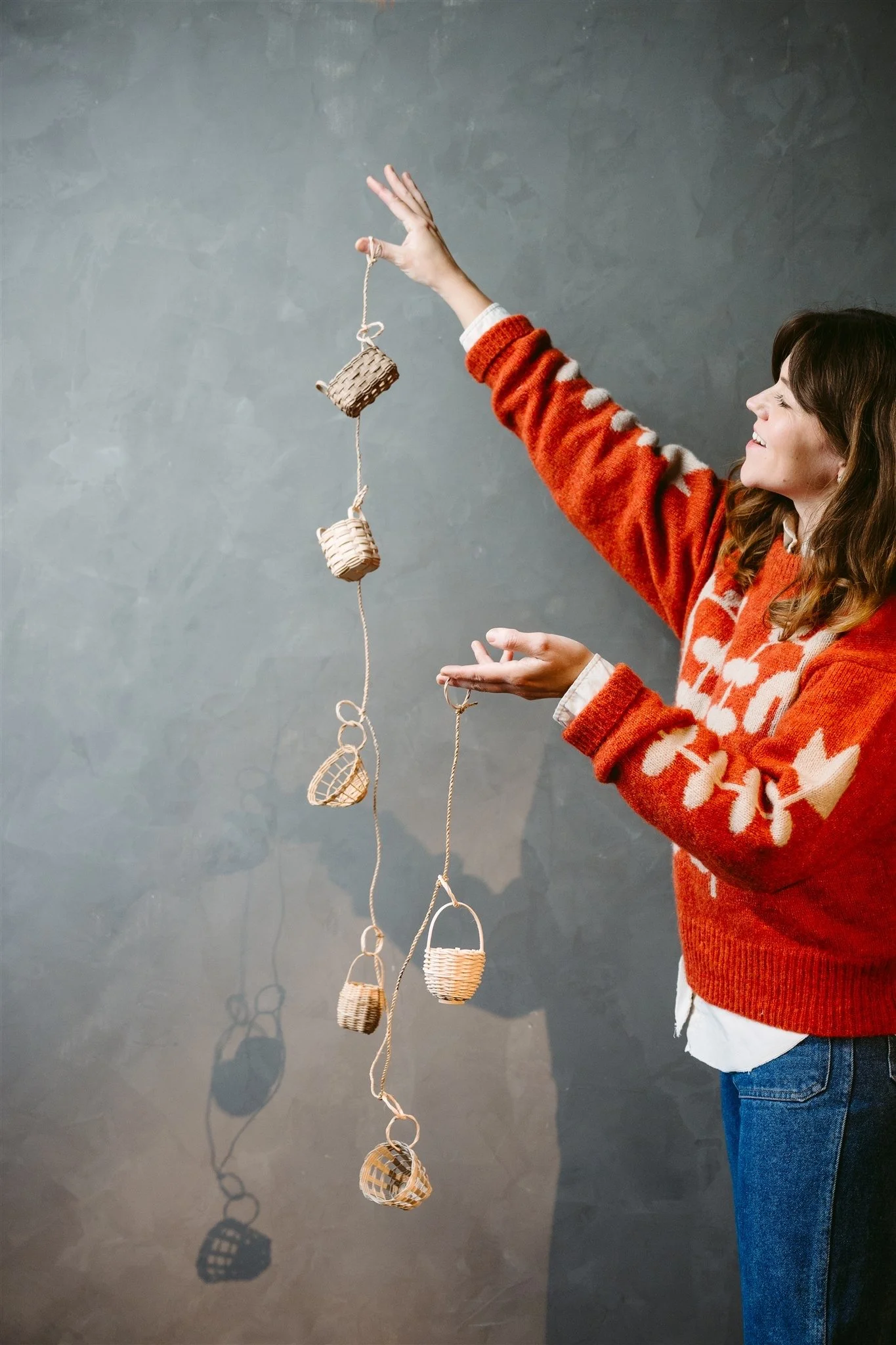
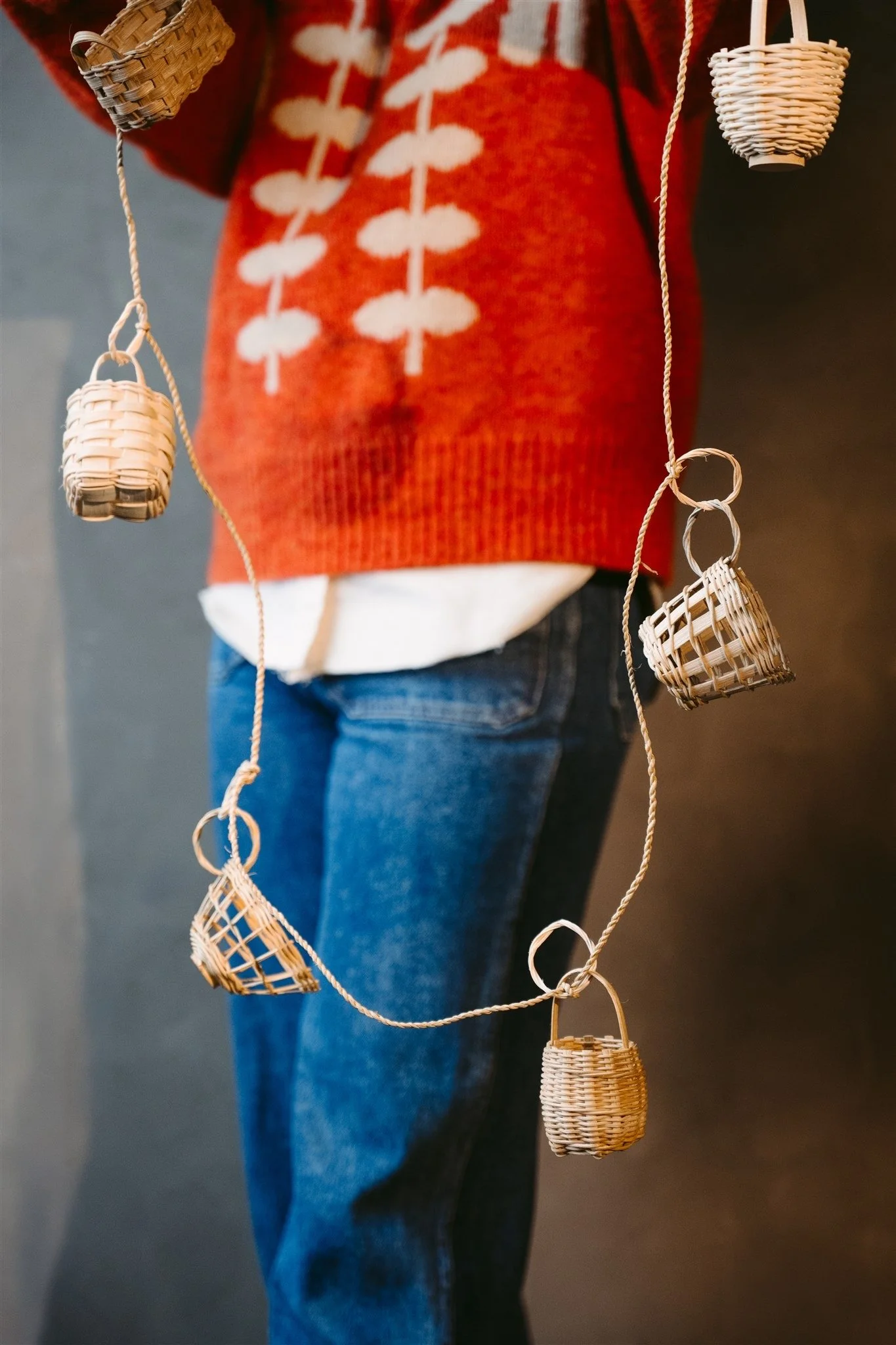
I’m giving away a mini basket garland, featuring a collection of six unique mini baskets, looped onto a strand of seagrass. It’s a sweet adornment for the Holidays, or any day.