Contact Us

Use the form on the right to contact us.

You can edit the text in this area, and change where the contact form on the right submits to, by entering edit mode using the modes on the bottom right. 


123 Street Avenue, City Town, 99999

(123) 555-6789

email@address.com


You can set your address, phone number, email and site description in the settings tab.
Link to read me page with more information.

CONTENT

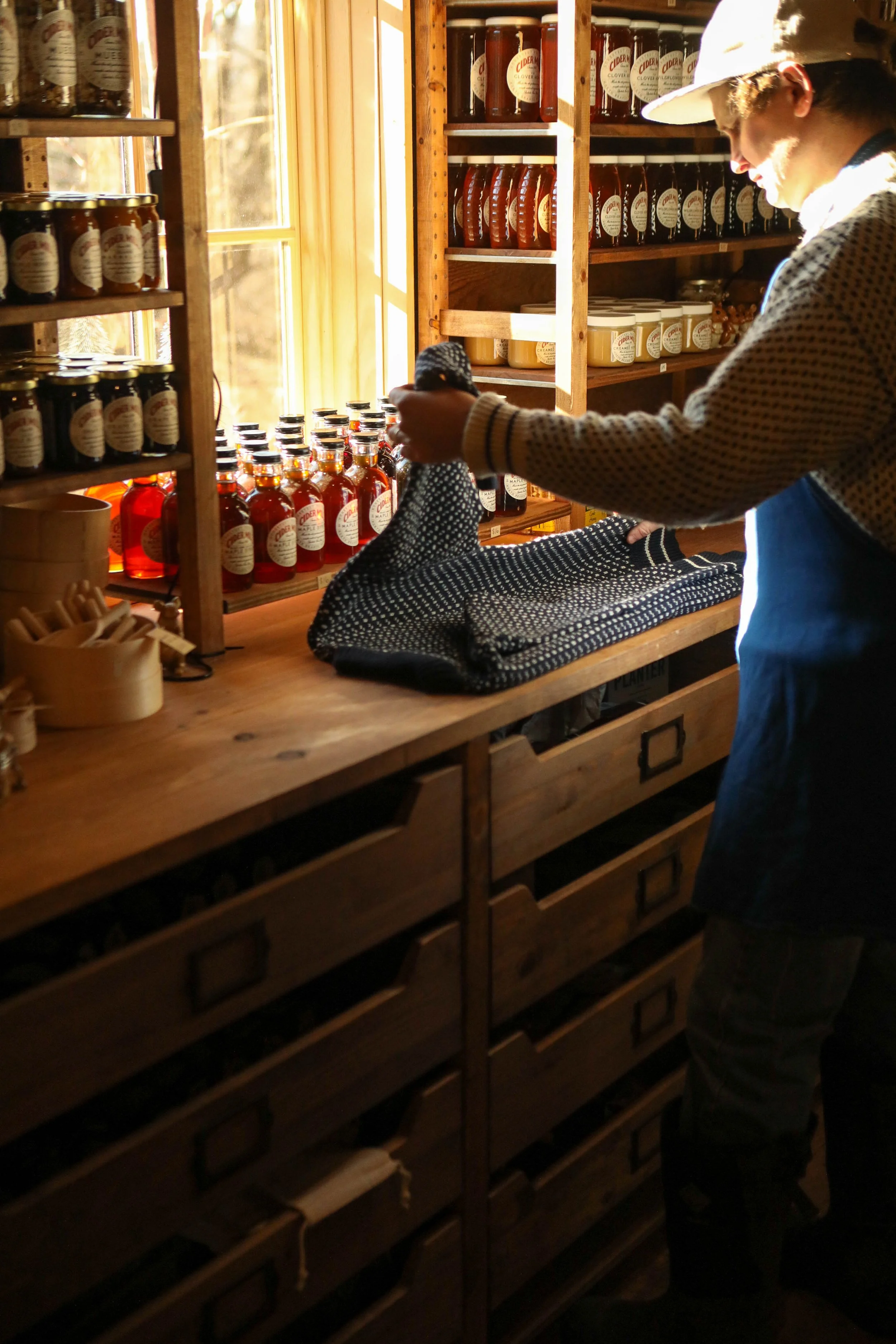
A Visit to North Branch Cider Mill — Western Catskills

Ben Ashby

Tucked into the rolling landscape of the Western Catskills, the revival of the North Branch Cider Mill stands as one of Sullivan County’s most thoughtful and intentional reinventions. Driven not by nostalgia alone, but by a commitment to craftsmanship, community, and history, Anna and Tom have spent the last several years breathing life back into a long-silent landmark. Their work with Homestedt had already integrated them into the area, now their revival of North Branch Cider Mill—blending old-world sensibilities with a fresh, modern vision, has them invested in the area's future and past.
How and why did you end up in Sullivan County? What drew you to such a rural place—and to opening businesses there?


I first came to Sullivan County more than a decade ago, escaping the city with a friend to go fly fishing. One visit led to many, and over time we fell completely in love with the area. I grew up in rural England and Anna in Sweden, and there was something about the rivers, the mountains, and the constellation of small, close-knit towns in the Western Catskills that felt deeply familiar to both of us. It reminded us of home—of the places where we grew up and the people we grew up among.

Where some people dream of moving out of the city to slow down, we saw the opposite: a place where we could roll up our sleeves and build something of our own in a community where we instantly felt rooted.

As we spent more time in the area, we met others who were in their own early stages of building businesses or bringing long-held dreams to life. There was a sense of camaraderie and encouragement rather than competition. The region then was still a bit down on its heels, but there was a shared belief that the Catskills could reclaim a bit of the magic it was once known for. Looking back, I think we’ve watched that spark catch.
Why did you buy and reopen the North Branch Cider Mill? What’s your long-term vision for it?
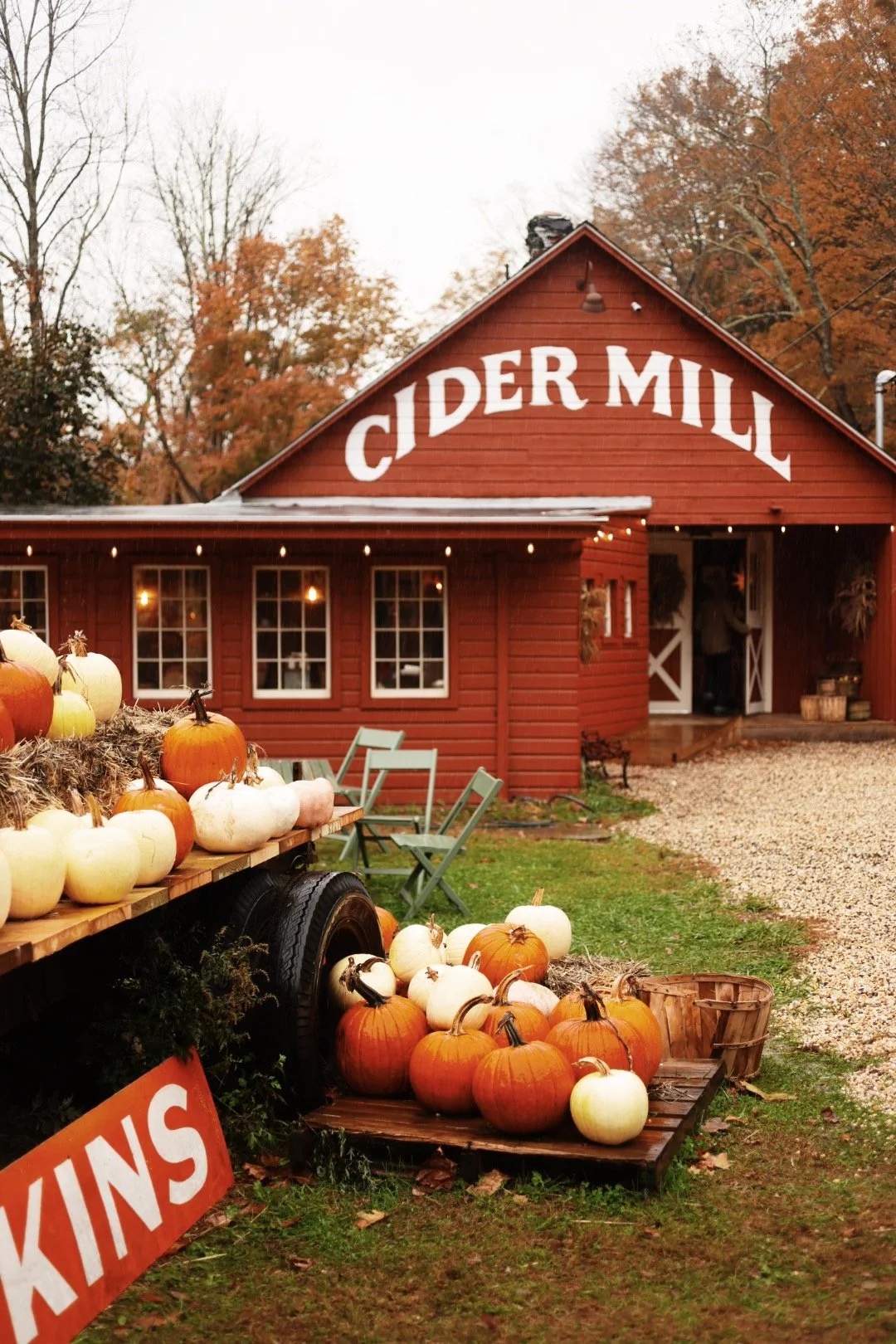
For several years Anna and I were working with the owners of Seminary Hill Orchard & Cidery on the design and build of The Boarding House in Callicoon. Our commute took us past the old North Branch Cider Mill almost daily. You couldn’t miss its charm—even as it slowly fell to the elements.

We started asking questions, poking around, learning its history. The more we learned, the more we felt drawn to it. Growing up in places where history is woven into the fabric of everyday life, I think we both missed being surrounded by it. The Cider Mill had operated continuously from 1942 until 1999; letting it disappear felt like losing a tangible piece of Sullivan County’s story.

Eventually we became convinced we were the right people to bring it back. That led to an eighteen-month pursuit to buy a building that wasn’t even for sale—countless three-hour drives to meet with the owner—until we finally closed in December 2022.

Our long-term goal blends restoration with reinvention. We want to honor its past (much of which was shaped by an English couple in the ’70s and ’80s), bring in elements from the places we grew up, and weave in the full identity of Homestedt.

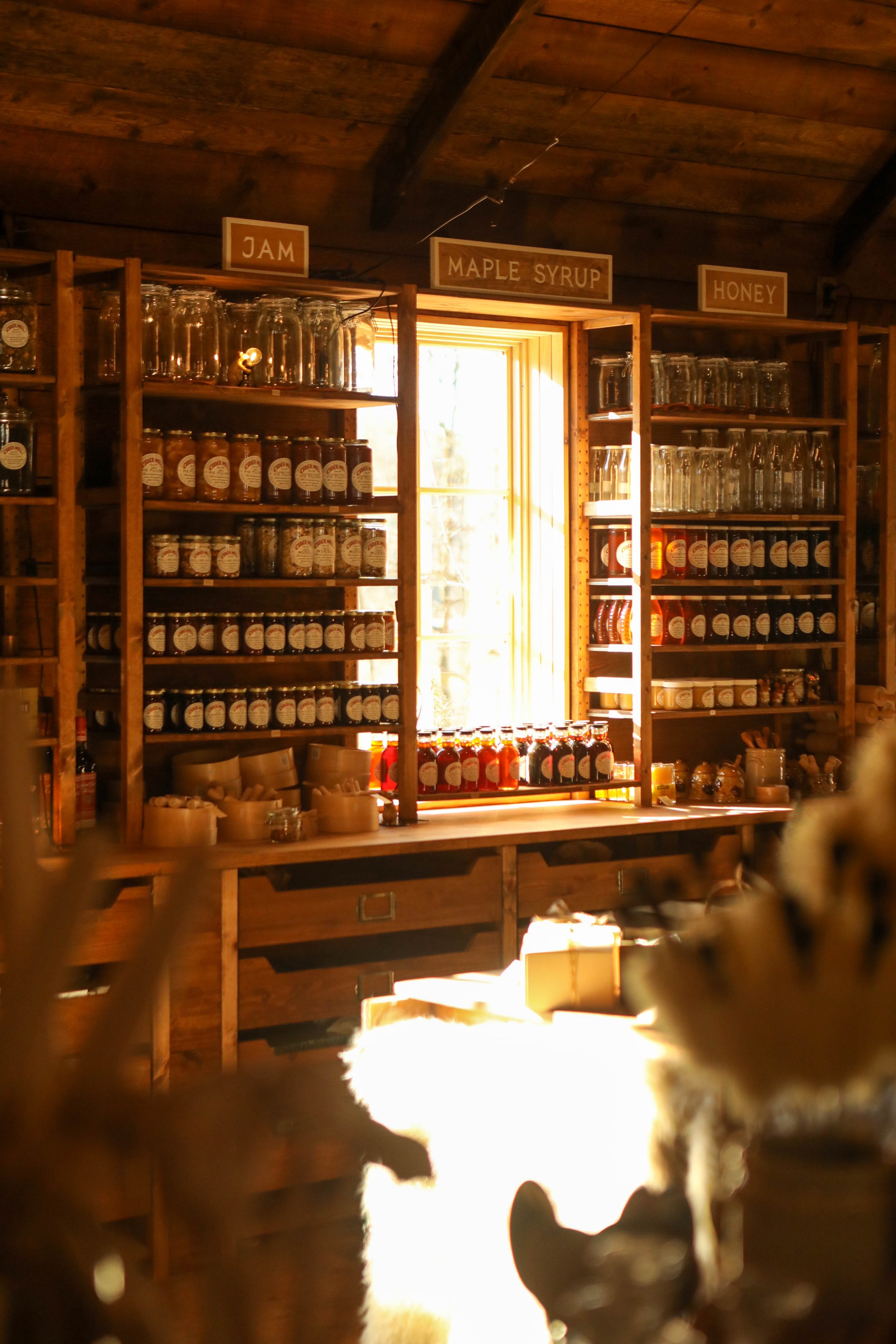
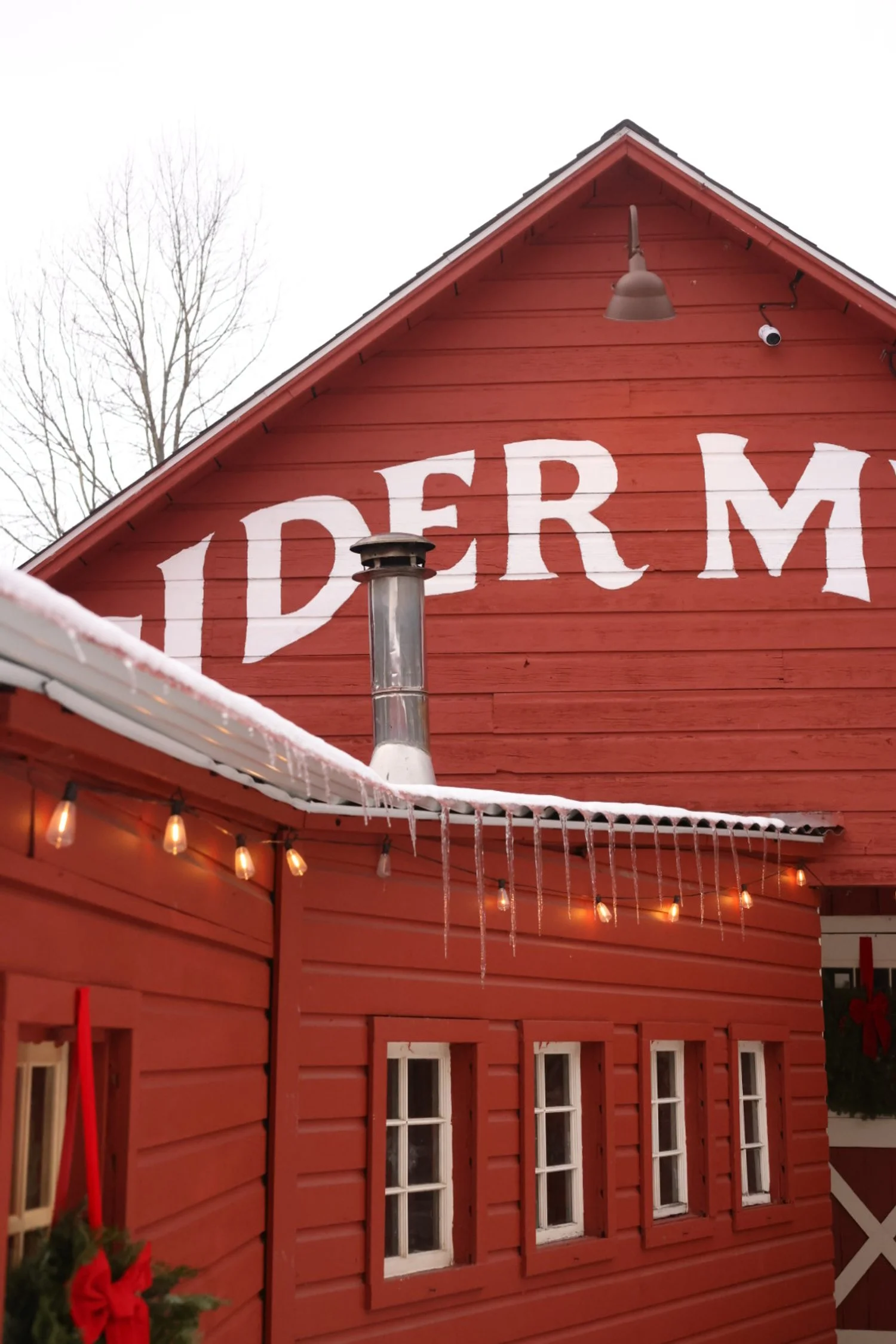
In simple terms, the North Branch Cider Mill will house our old-fashioned country store, the century-old cider press, and a tea room and café. Next door, the Homestedt Barn will hold our home goods shop, woodshop for custom furniture, design studio for home builds and interiors, and a flexible space for workshops and events. Down by the river, we’ll have our goats, a cutting garden, an ice-cream and drinks stand, outdoor seating—and perhaps a couple of saunas.

Ultimately, we want North Branch to be a place where everyone feels welcome—somewhere you can pop in for basics or spend an entire afternoon with family and friends.

Why do you believe in investing in small businesses and small towns?
We’ve always been drawn to the individuality of small towns. Each one has its own character, its own stories, its own rhythm created over generations. Independent businesses become the carriers of that history—hubs that connect neighbors and help visitors understand the soul of a place. Being part of that feels meaningful. It feels like contributing to something bigger than ourselves.
How would you describe the North Branch Cider Mill to someone who’s never been?
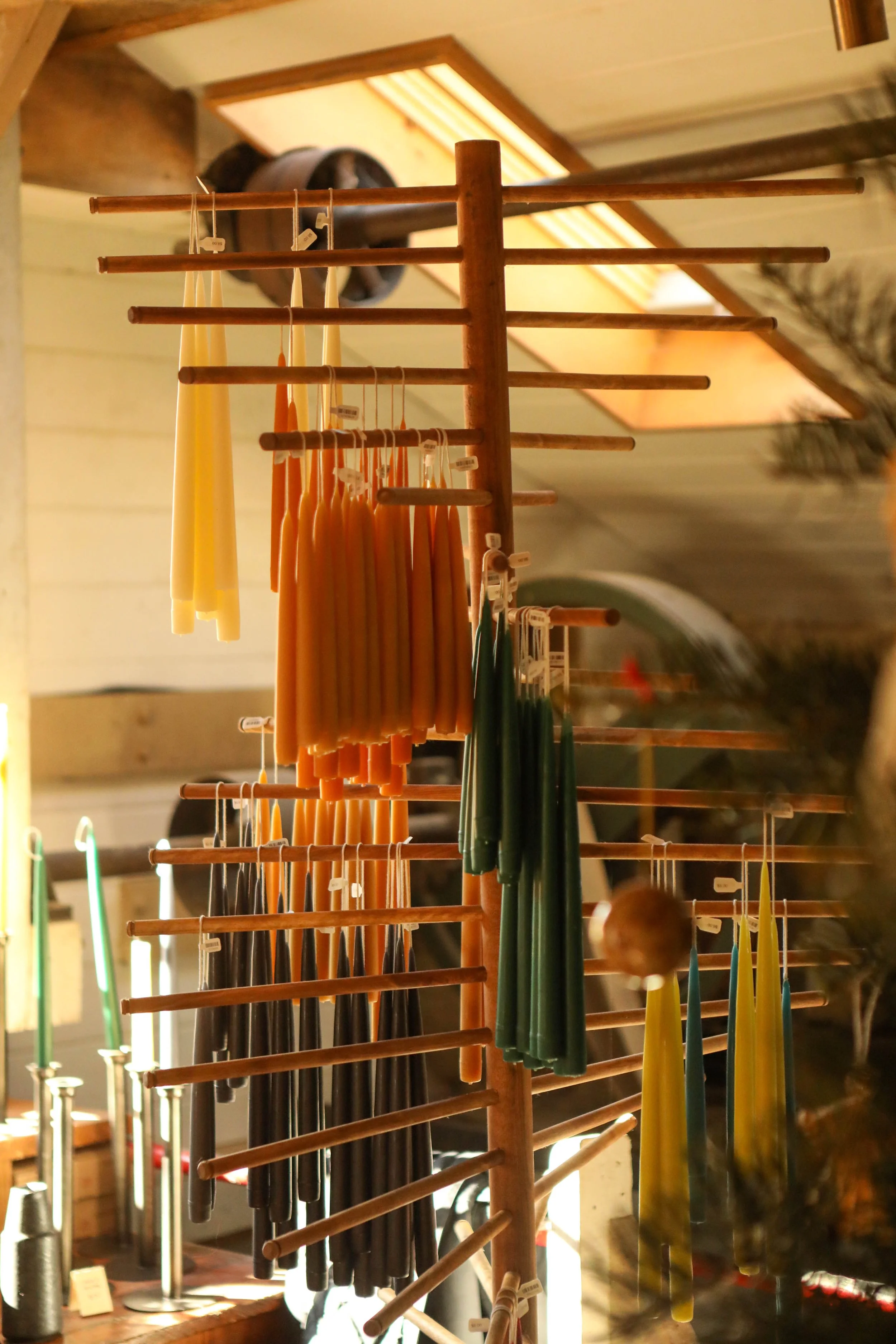
On the surface, North Branch Cider Mill is an old-fashioned country store and working cider press. It’s retail the way it used to be: every item chosen with intention, sold with pride, and carrying a story. It’s a place where everyone who walks in the door is greeted warmly and welcomed into a space that feels like it’s always been there—because it has.

But it’s also more than that. It’s a living thread of local history and a reflection of the community it serves.
How have the first 1.25 years been? What comes next?
As with any small business—especially one in a place with real winters—the first year has had its share of highs and lows. The support from the community has been extraordinary. People come in and share their memories of the Mill, often going back generations, and seeing their joy as the building comes back to life has been incredibly rewarding.

Winter was tough, and getting a hundred-year-old cider press to meet modern health codes has been even tougher. But this place breeds resilient people, and we intend to persevere.
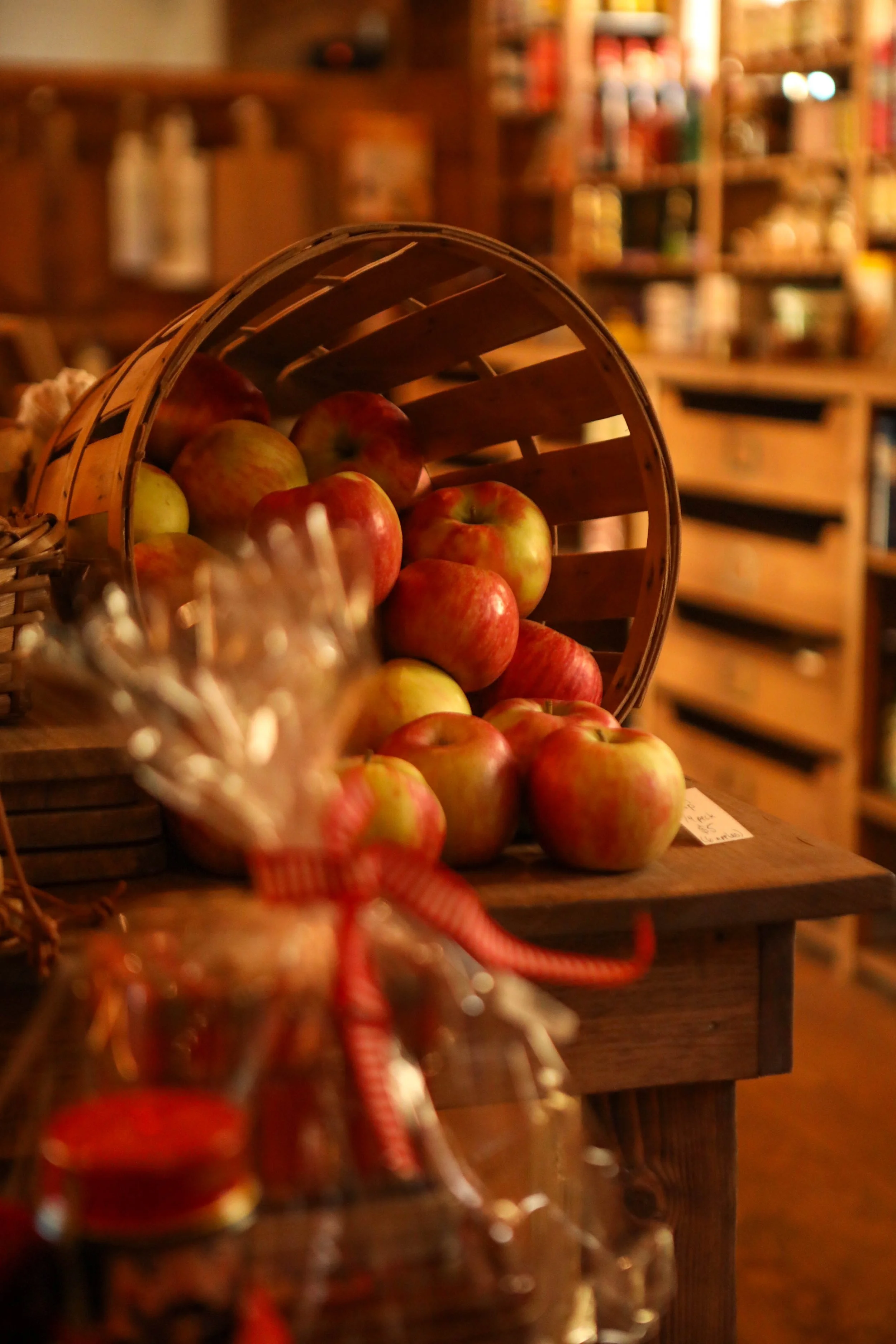
What’s your favorite item you carry—and why?
Choosing a favorite is nearly impossible since we only carry things we genuinely love, so I’ll narrow it down to two.

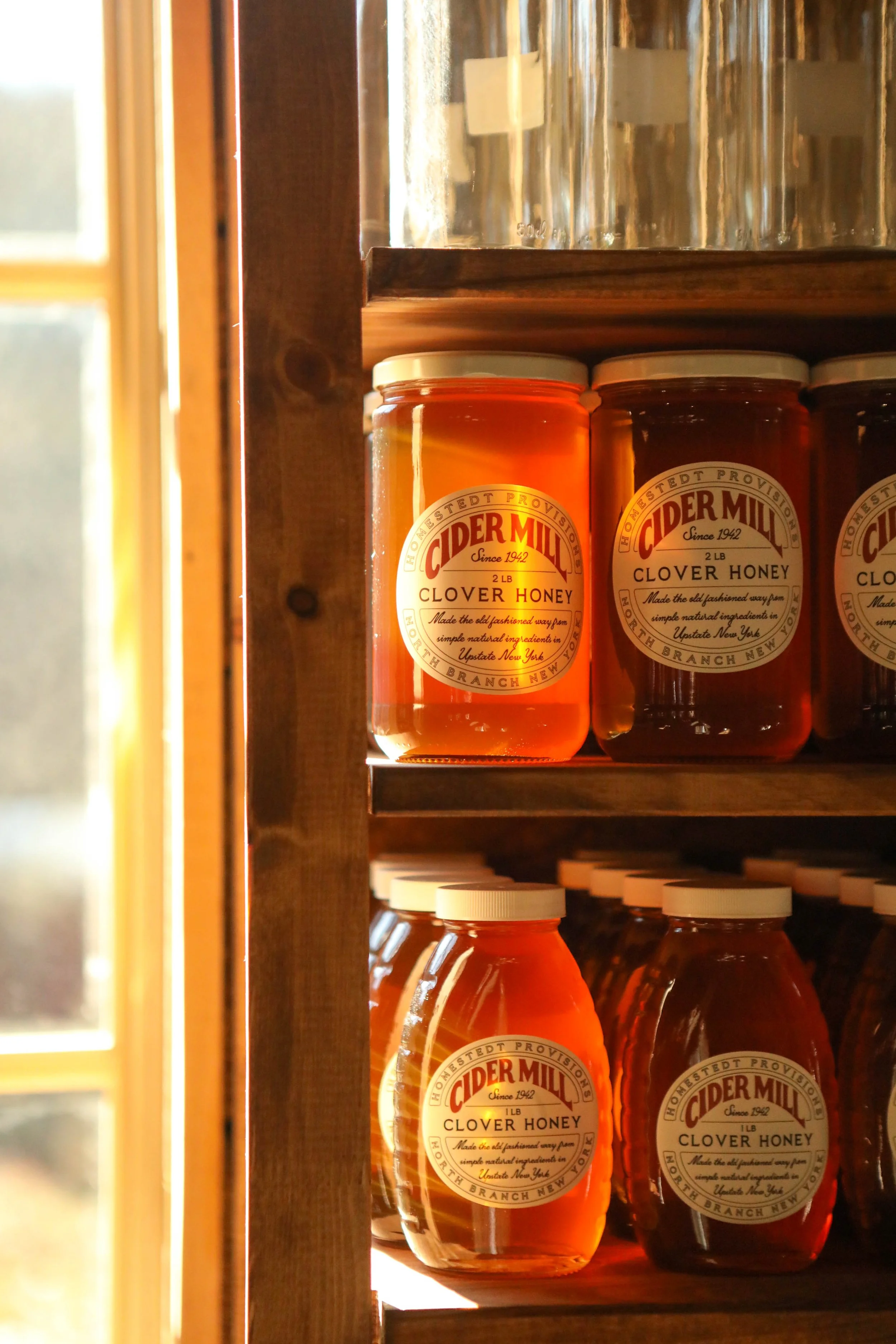
First: our Cider Mill Pickles. For our Cider Mill range we searched New York State for the most authentic, best-quality flavors we could find. The pickles come from a wonderful maker named Tabor in Saratoga—one of the few pickle producers who grows his own cucumbers on site, makes everything by hand, and uses no artificial preservatives or flavorings. They’re exceptional.

Second: our canvas prints. I’ve always been obsessed with antique books, especially the hand-painted botanical and fauna plates inside. A few years ago we began scanning some of our favorites and working with a UK printer to reproduce them on large-format canvas. They arrive to us in rolls, and we cut, stitch, and batten them in our woodshop. The result is a timeless wall hanging—reminiscent of old roll-down school charts—that you can mount with just a single nail.
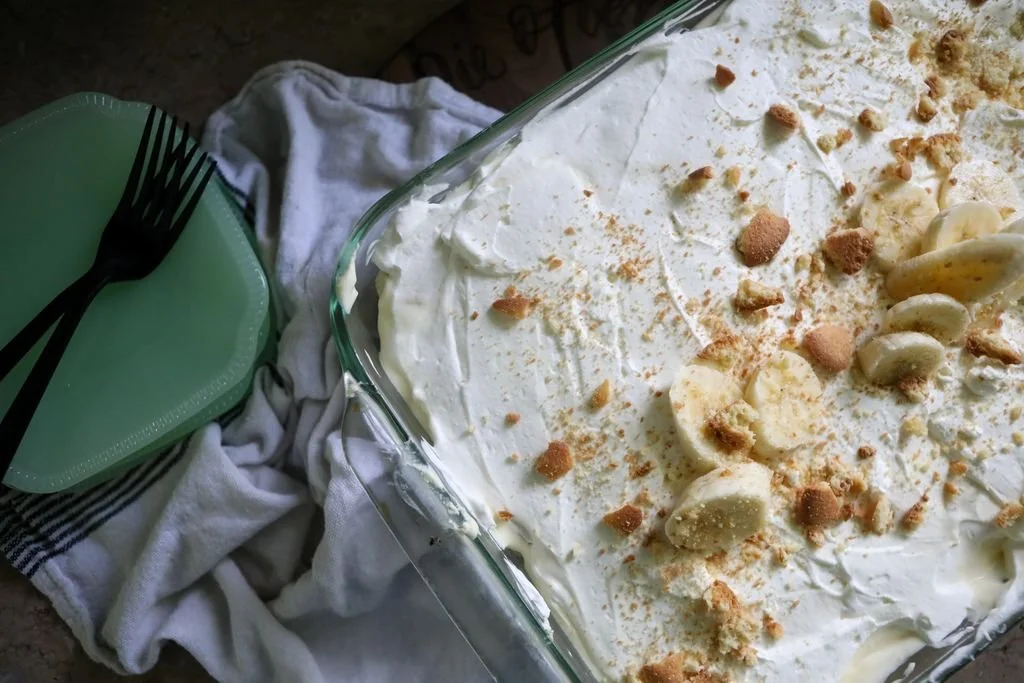
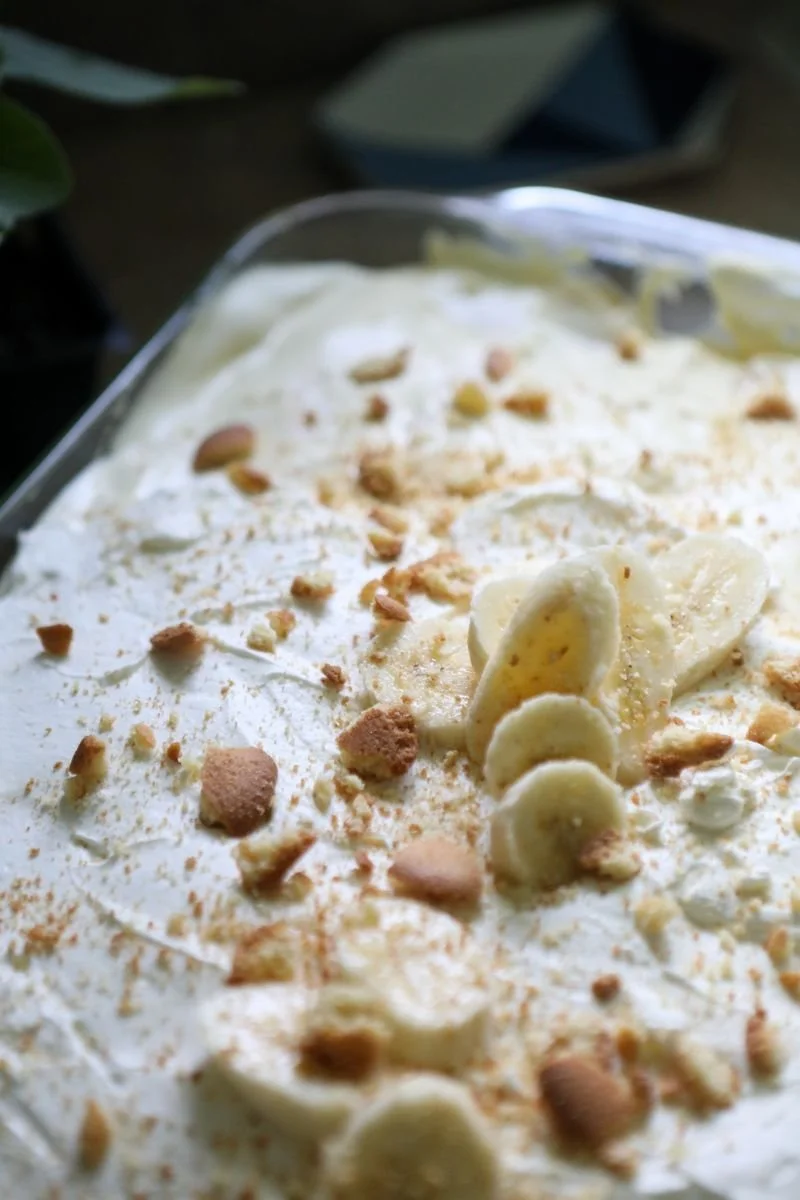
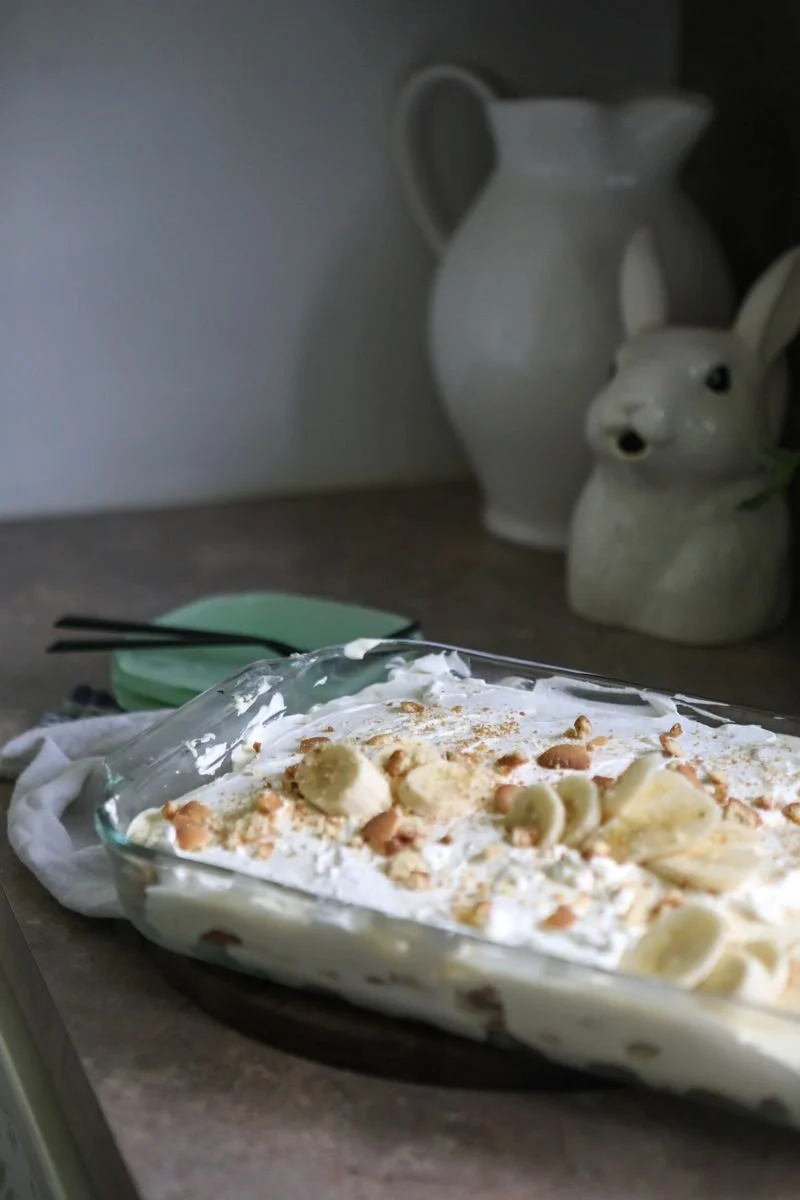
Old Fashioned Banana Pudding

Ashley Evans

Growing up we had a very simple banana pudding recipe that I loved and could eat way too much of. Over the years I have altered that classic recipe to be a bit richer and more luxurious. 


INGREDIENTS

1 (14 oz.) can sweetened condensed milk

1 1/2 cups ice cold milk

1 (3.4 oz.) box vanilla instant pudding mix

3 cups heavy cream

4 cups sliced bananas

1 (12 oz.) box Nilla Wafers

PROCESS

In a large bowl, beat together the sweetened condensed milk and water until well combined, add the pudding mix and beat well. Cover and refrigerate for 3-4 hours or overnight. In a large bowl, whip the heavy cream until stiff peaks form. Gently fold the fresh whipped cream into the pudding mixture.

Arrange 1/3 of the Nilla wafers covering the bottom of a bowl or pan, overlapping if necessary. Next, layer 1/3 of the bananas, and 1/3 of the pudding mixture. Repeat twice more, garnishing with additional wafers or wafer crumbs on the top layer. Cover tightly and allow to chill in the fridge for at least 4 hours – or up to 8 hours.

Progress with Preservation - Shannan Haupt

Ashley Evans

"Ambition for the home: Progress with preservation without ruthless destruction and disregard for impossible to replace has been the carrying theme for Shannan and Drew Haupt’s home since 1969, but the home’s story starts long before the 1900s. The home’s original rooms date back to the 1740s, with additions coming over the past 250 years. 


As the couple have made this house their home that have been acutely aware of the responsibility to make changes with respect to the history, after all they will be just a chapter in a home that is nearly one hundred years older than the nation they reside in.

Shannan and Drew both grew up in North Carolina, were high school sweethearts and both grew up admiring the early settlements in their hometown. When the couple moved to New Jersey a decade ago they knew they wanted to have an old home. Settling into this old home fulfilled a lifelong dream of living in a historic house. The stories of the past captivated them.

“My favorite pastime is antiquing and thrifting for pieces that are unique and speak to my soul.  Old things have better stories to tell and have my whole heart.” As the couple spent weekends browsing antique stores and pickup up finds they used it as an opportunity to explore New Jersey. On one trip, as they passed a rural community, surrounded by horse farms, and in many ways reminding them of North Carolina, they stumbled across the house they now call home. “I remember when we first visited this house it took my breath away.  Walking through each room pulled you in more than the previous and each original feature stole a piece of my heart that day.”

“I love the 250 year old original wide plank yellow pine flooring still throughout the main body of the home, the exposed beams and floor boards above display the primitive structure as it has settled and contoured over the centuries,  and the three fireplaces are just a few of my favorite features in this home.” The home is very primitive in its construction, nothing level, humble in its origins. Although there were some unfavorable modern updates made to some areas in the home, the major projects were done, the couple is slowly un-renovating the modern updates that were done in the kitchen, laundry, and bathrooms during a renovation flip and adding in more period appropriate fixtures. 

“We have restored a few original warming cupboards that were almost lost to time hidden behind the walls from modern updates and drywalled over.  I researched and found some old online listings with photos, that I can no longer find online, where I saw a tiny hint of a cupboard door ajar in the main bedroom next to the fireplace. I wondered if it could still be there and had to find out.  The other original cupboard was pictured in the main living room. Giving those original cupboards back to the home has been one of our favorite restoration projects. Gaining back some irreplaceable history as well as restoring much needed storage space and charm back to the home.”


“Although there is much left to do and dream for this home it has already been so rewarding our time spent in this house. With each change trying to give the house back some things that were lost over the years using our combined skill sets, resources, vision, and time.  Living among the history & untold stories, restoring old features to be enjoyed again, and creating new stories daily...has been one of the greatest joys that we experience daily in our historic home away from home."

Maplewood Farm - Gina and Brian Bishop

Ashley Evans

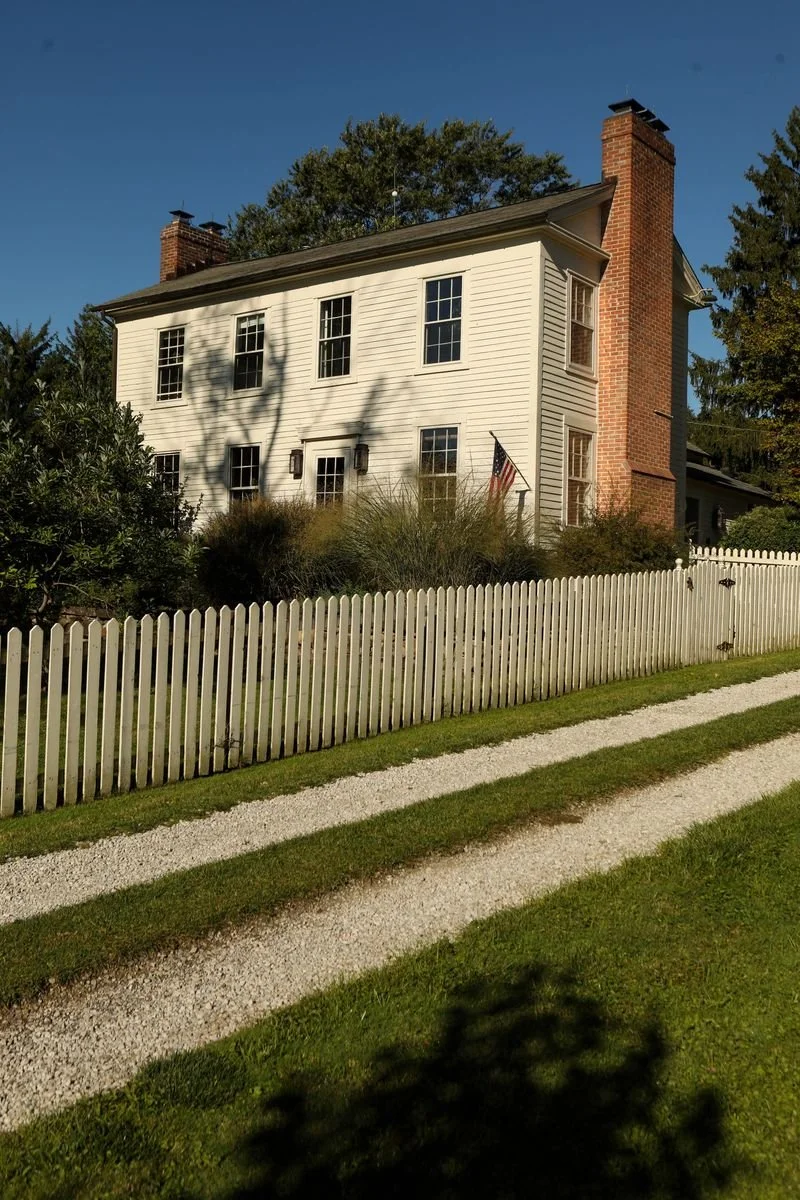
Gina and Brian Bishop live at Maplewood Farm. It was originally a 300 acre maple tree farm and the middle part of their home was built in 1824. An addition you see from the drive added on in 1850, and a back addition in 1950. Today only 3 1/2 acres of the original farm remains, but it is right within walking distance to the darling historic town of Hudson, Ohio, just east of Cleveland. This area was settled by New Englanders who were promised land in payment for their service in The Civil War and they were seeking religious freedom. Hudson was a well-known stop on The Underground Railroad. The woman who originally lived in the home came to Hudson with the founder of the town when she was a little girl. Her father was the only doctor in the Western Reserve. 

The home is a Federal style wood structure like how they built in New England. Brian and Gina still have many of the original windows and floors. A son of the original owners won a gold medal at the World’s Fair in Chicago for his invention of the Maple Syrup Evaporator. They used the syrup as a sweeter as sugar was costly at the time. There were six barns on the property originally and now the Bishops are down to one just behind the house. Over the years Gina has frequently hosted barn sales in the barn. As the smallest barn on the original property it was likely to have been used for carriages. The barn is at least 100 years old and it’s petite size and charm have been the perfect space for Gina to create in.

The house you see coming up their driveway was added on to the original structure in 1850. The rooms are larger sizes for that time and that particular part of the house was used as an infirmary. The office/den that Brian uses now was the doctor‘s office and Patients would ring a bell that is still there. It is Brian’s favorite thing in the home.

Gina has decorated in a style that honors the age and bones of the historic home, but does not feel like it was decorated as a colonial style home. “I like that I have added whimsy and unexpected items to each room and have placed the items in ways that wink to just me. I try to not take myself so seriously and love color so I just go for it. I also love mixing pattern and just playing in my home. I do not really adhere to other people’s rules when it comes to decorating and just do what feels right for me. People describe my home as happy and I take that as the highest compliment.” Gina says of her unique style. 


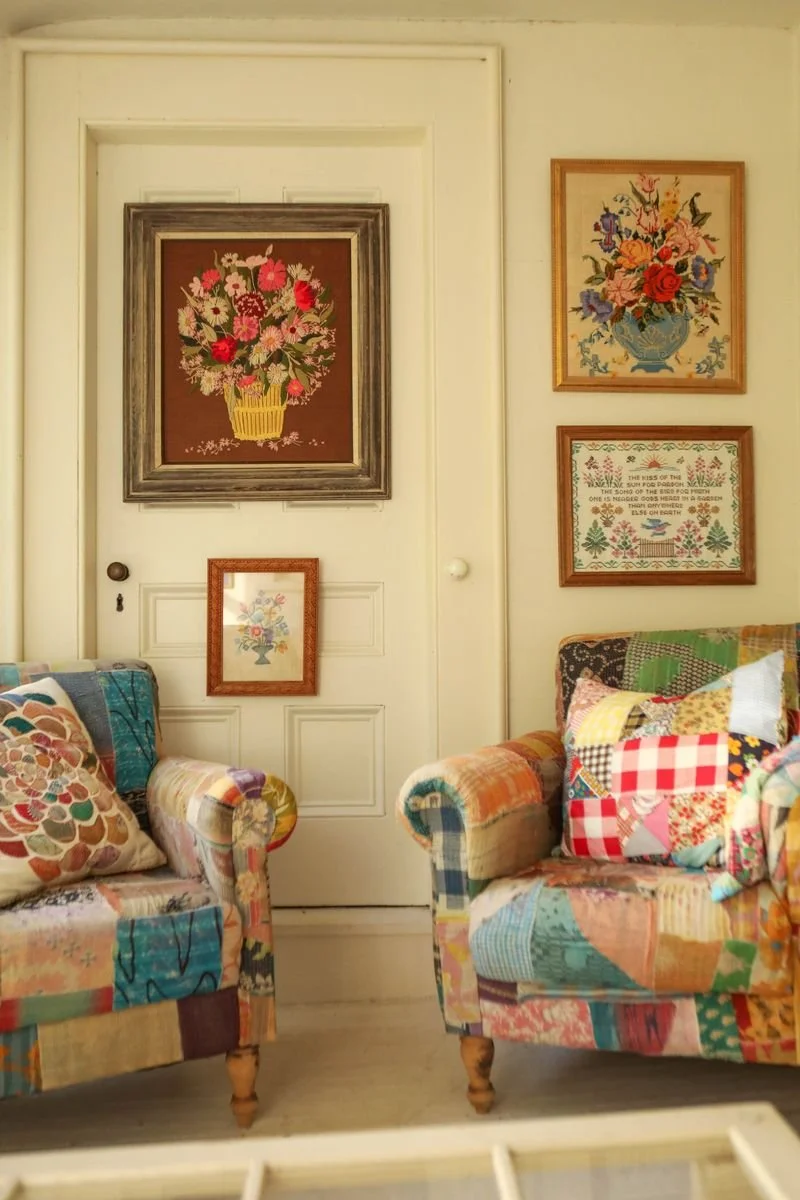
The sunroom is one of Gina’s favorite rooms and the family sits there for morning coffee and after dinner. It looks on to a Wisteria Arbor and it is beautiful in all seasons. Gina has collected all of the needle point artwork and paintings in that room and just decided to cover the walls with the piece. “I have so many quilts and love the handmades so I layer them.” Pillows made by friends and some were in her Homegirl home decor line.  “I feel like that’s a Granny’s room but for some reason it feels really nice for me to be surrounded by all of those cute things.”

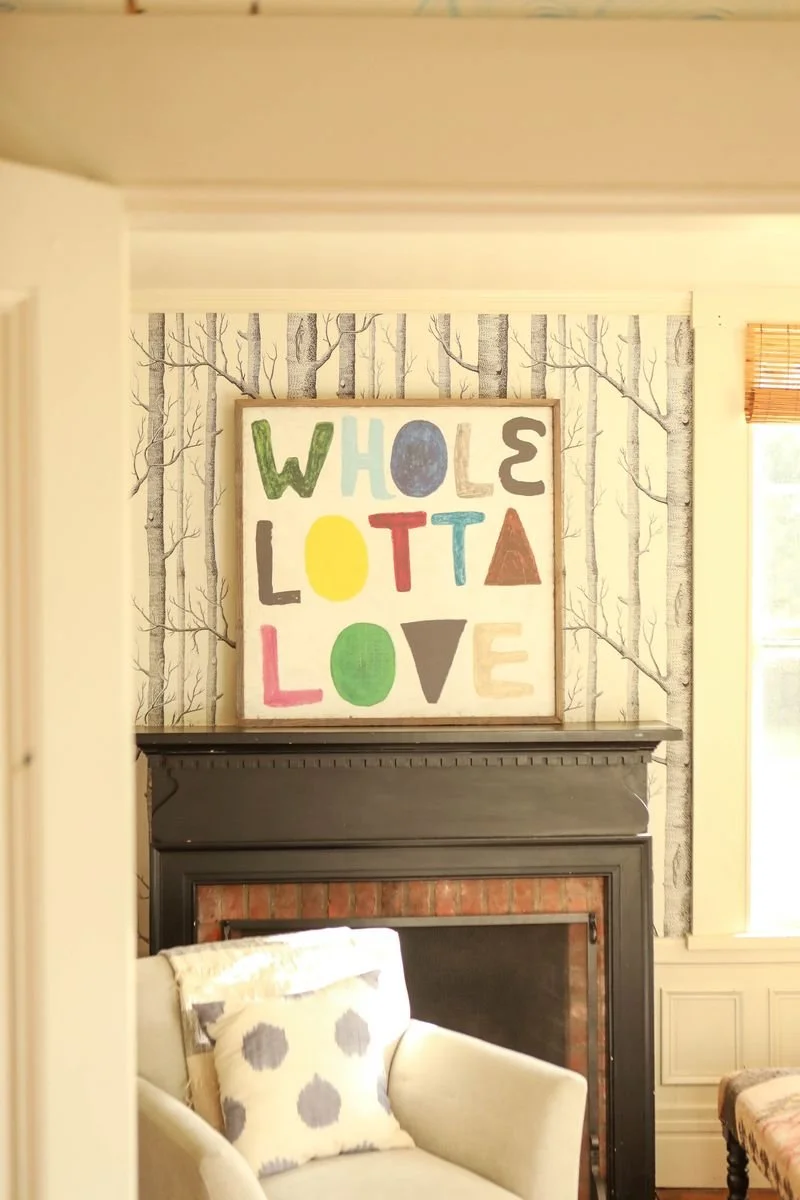
“The office I again just mixed what felt right. The day bed acts as guest room when needed. The fireplace never stops come winter.” Gina adds. 

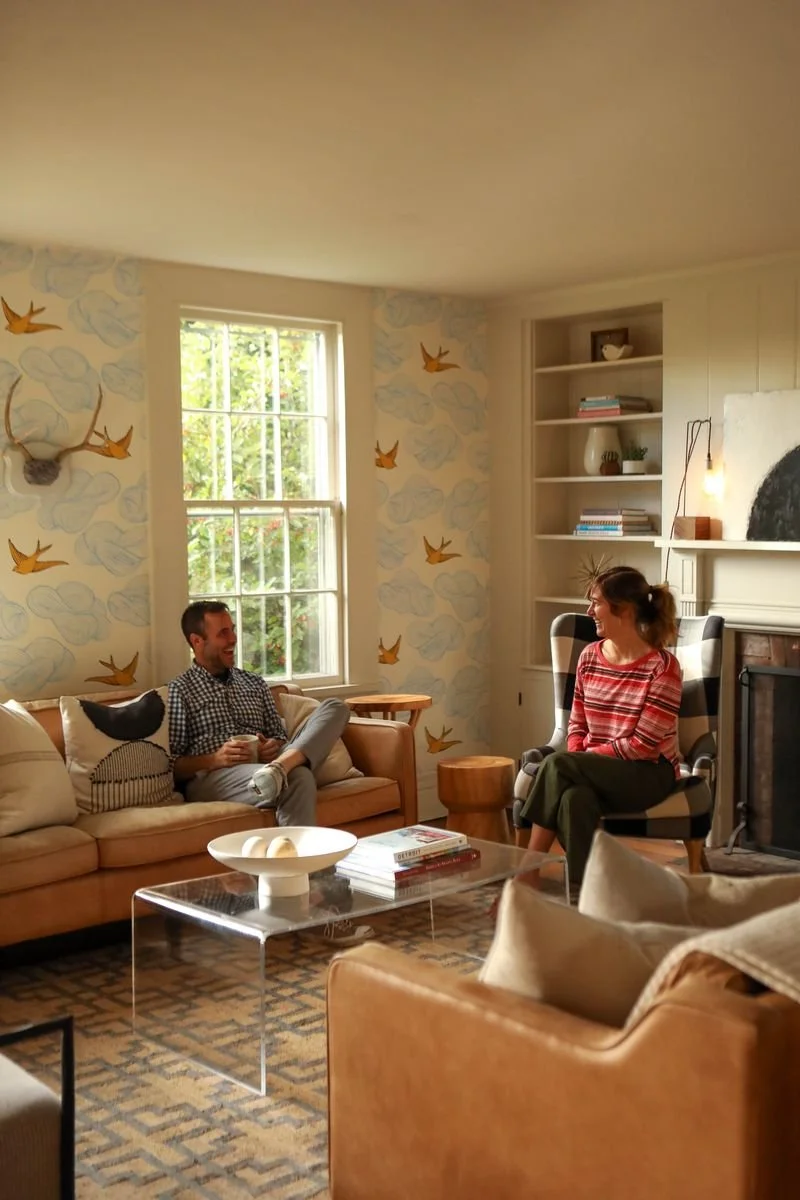
The living room is an unusual mix for the home and Gina wanted to tone down the whimsy with leather sofas and other heavier furnishings. Gina laughs “Even if I try to be serious in execution of design it just never feels like me until I add that smile element.”

Since moving to their home nearly two decades ago Gina, Brian, and their two daughters — Lila and Edie — have made a colorful, yet cozy home. Gina’s reputation for being the Mother of Barn Sales has made her a voice for the Americana style within much of the U.S. “I could not love my quirky, whimsy house any more than I do and am happy to call it my home.”

Flores Lane — Trish Baden

Ben Ashby

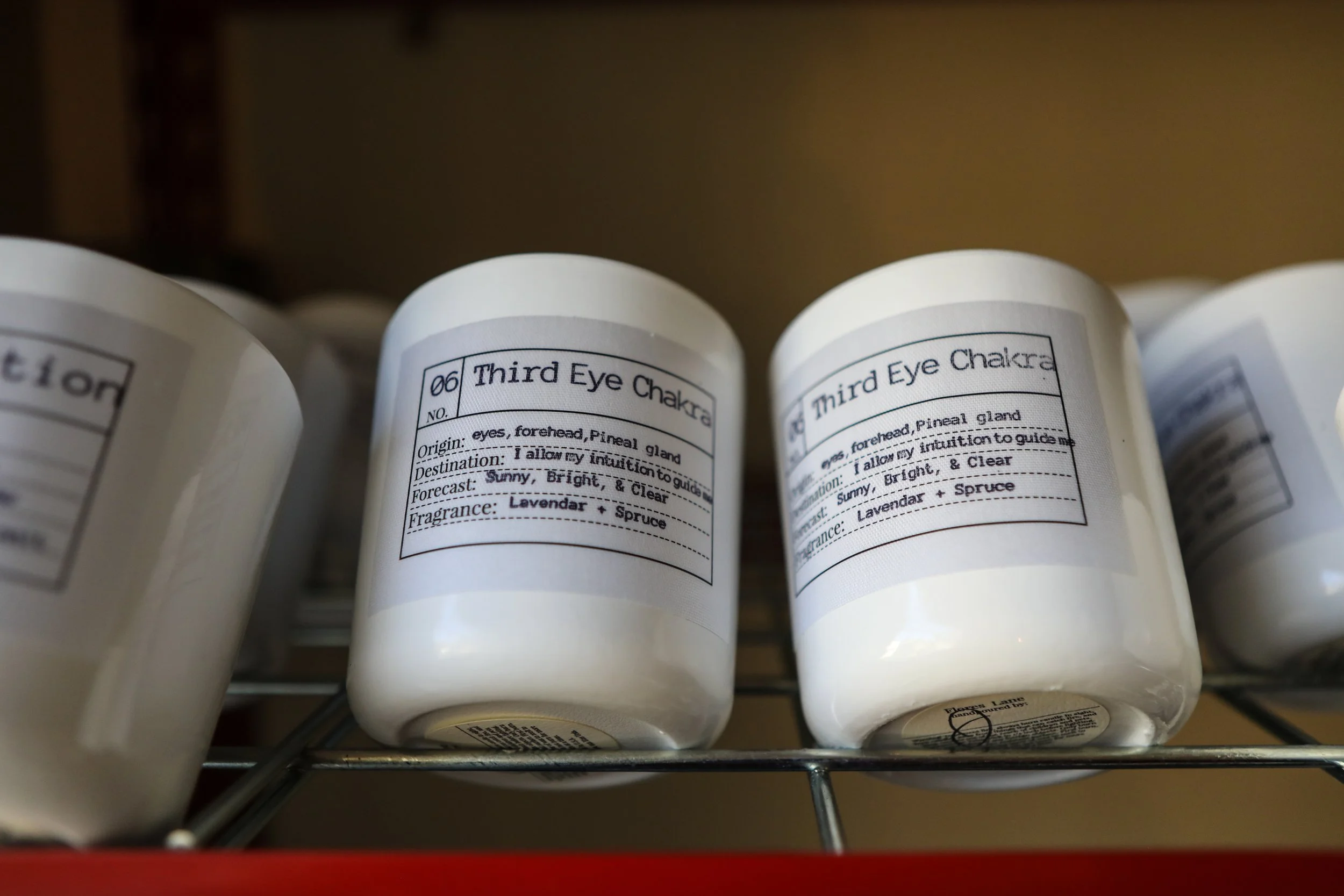
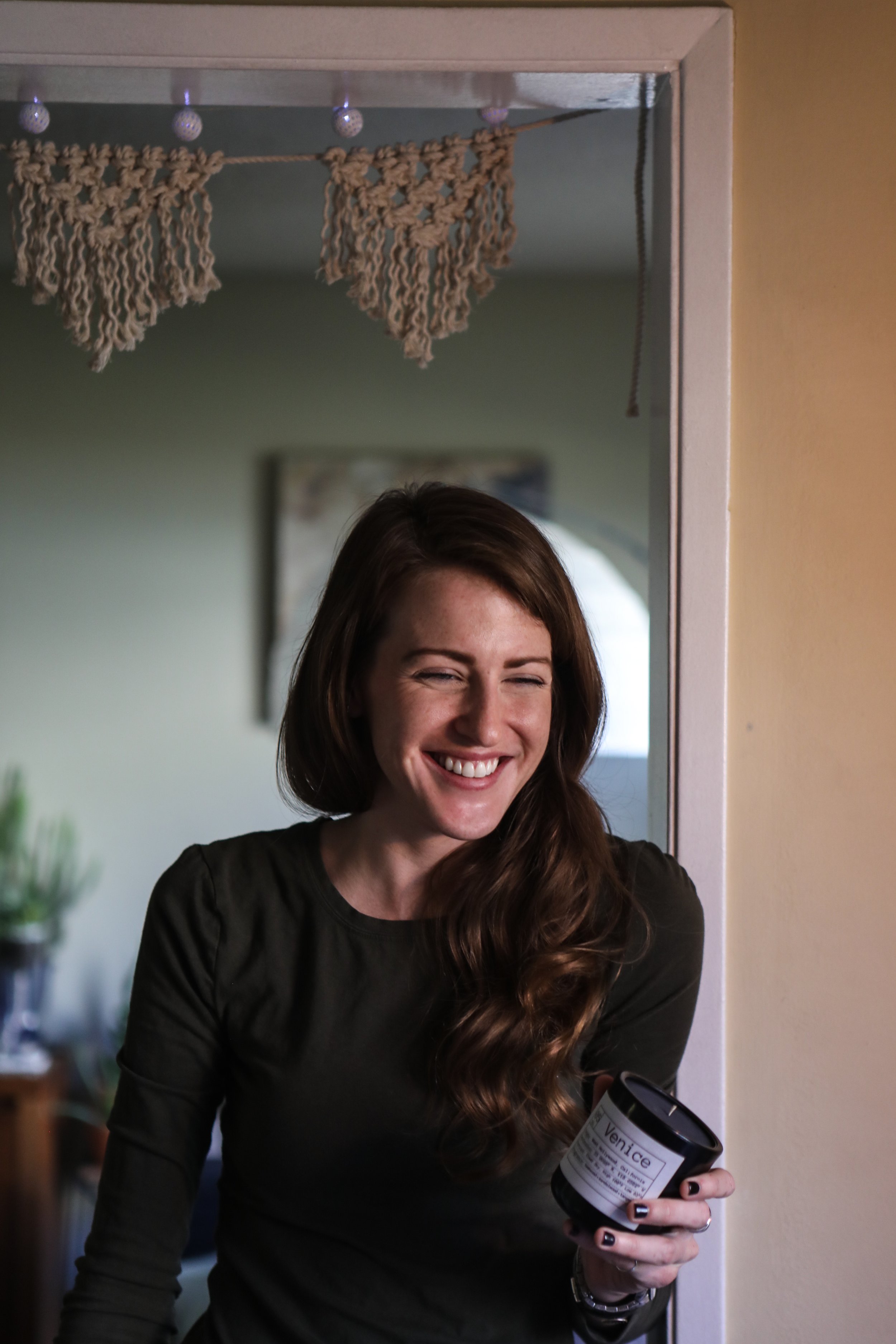
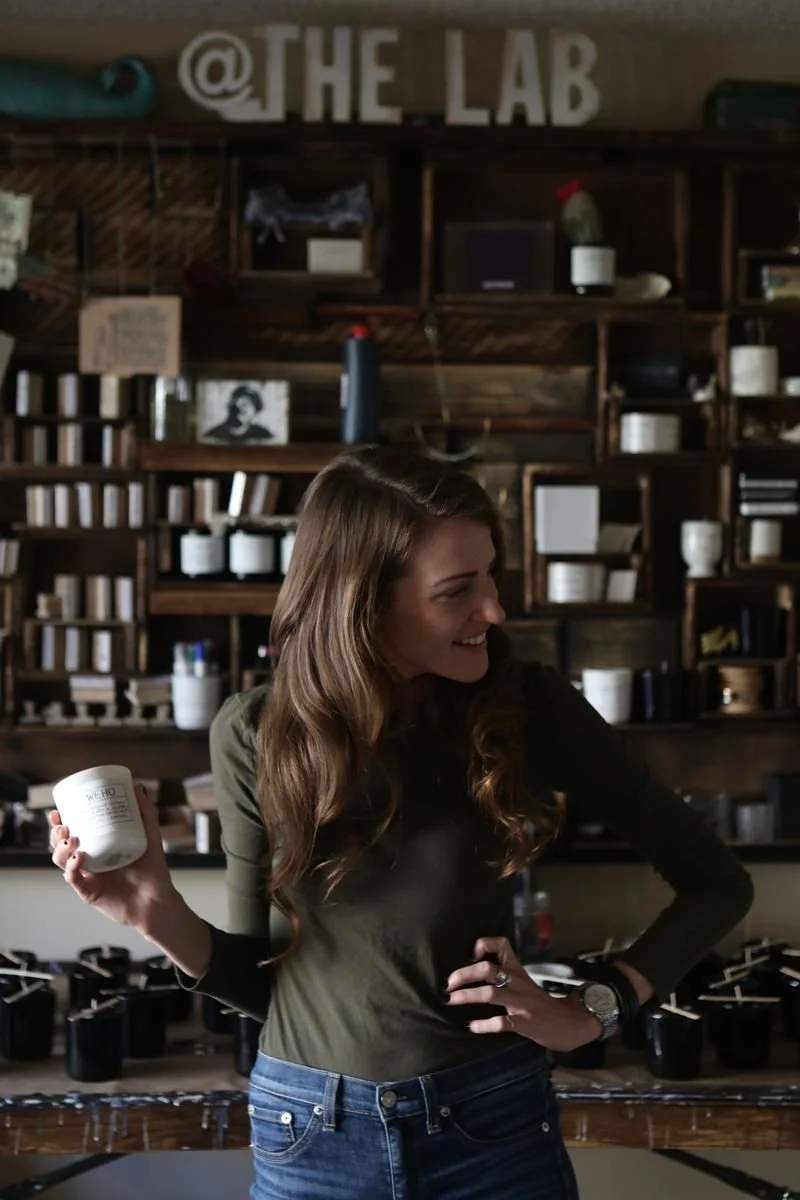
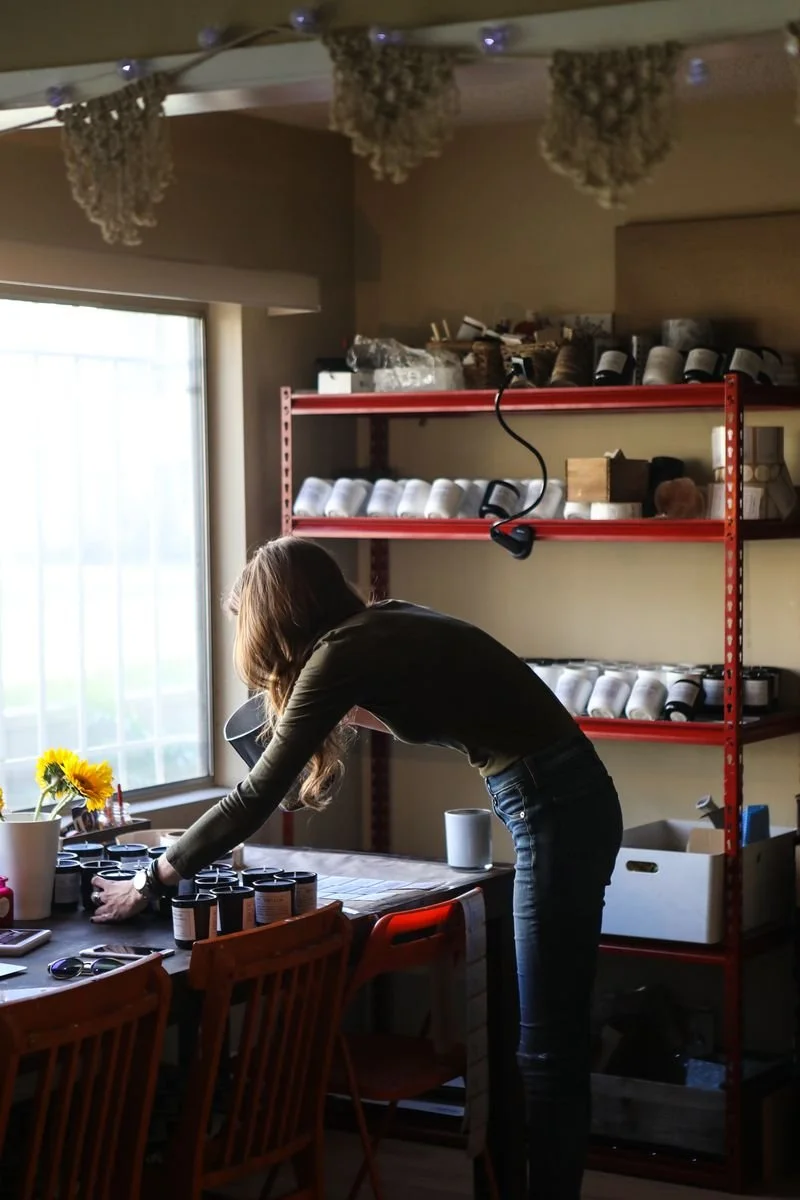
Trish Baden, the owner of West Hollywood’s Flores Lane, was born in Cincinnati, Ohio. When she first moved there from Madison, Wisconsin in late 2014 to work in marketing for a tile and flooring company she found herself needing a creative outlet. Channeling a childhood hobby, she started making candles as a side hobby. It wasn’t long, though, until her side hobby became her full time business.


'"I grew up the middle child of three girls. My mom was an amazingly strong woman, and raised the three of us on her own in Cincinnati, Ohio. If you had told me as a kid that I would grow up to own a business making candles everyday, I probably would have been upset. Growing up, I wanted to be an astronaut more than anything. However, I have made candles since I was a kid and remember the first being a dipped pillar I made at a day camp when I was seven.

I was always a hustler. As an older kid, I used to iron shirt for family at a rate of one dollar per shirt. I made good money doing so, and my family was gracious enough to pay me for small tasks like that. As a teenager, I got my first real job working at an ice cream shop owned by a young married couple. They really trusted me to help them run their business, and it was extremely empowering as a teen to be trusted with someone’s livelihood—but, at the time, I never thought of myself as an entrepreneur.

After high school, I moved away to college and attended Miami University in Oxford, Ohio. I studied marketing, and went on to work in Wisconsin after graduation, but eventually moved to my new home in West Hollywood in November 2014. When I first moved to Hollywood I worked in marketing for a flooring and tile company. In December, living in a new city and with the holiday season approaching I found myself needing a bit of extra money. Wracking my brain for ideas, I remembered my childhood hobby of candle making.

I named my company Flores Lane, and in the following months I began devoting more time to it. In the beginning, I was selling scrubs, lip balms, deodorants, sprays—and candles. I was exhausting myself making everything, I wasn’t perfecting any one product or bringing enough to the table. Sitting back and looking at sales, candles were clearly selling better, so I ditched the other products to perfect my craft.

Since starting my business three years ago, it has gone from a part-time hobby to becoming my full-time job. My identity as a business owner has now blended with my personal life because a lot of my time is spent networking or meeting clients. I end up with friends AND clients or clients as friends. At first, I felt an internal crisis because I felt like I was losing my own identity in this business or people were only talking to me for candles, etc. It wasn’t until I was reflecting on Flores Lane as a brand (over the period of 6 months), that I realized Flores Lane WAS a direct reflection of me. I AM the brand. Establishing that boundary in my life was extremely important for understanding my own role in the business, the brand, and most importantly my life. One thing I wish someone told me: don’t be afraid to own your creation and be proud yourself.

Building a brand takes time and education—educating the consumer takes time but yields trust and allows you to be the subject matter expert. I’ve learned to be transparent, people like that. If you can’t make a deadline, or your box supplier fell through—not that that has ever happened to me—communicate with your client as soon as you sense issues and keep everyone informed. You will make mistakes. That’s a simple fact, and some larger than others, but don’t take yourself too seriously and never stop learning from them. Learn from my lesson in the beginning, keep things simple. When I realized I was overexposing myself trying to make so many varied products, I simplified my brand.

This past holiday season was wild and I only recently hired full-time help until mid-December…needless to say, there was one point at which I hadn’t slept for 3 days straight because I was filling so many orders. As a woman in business sometimes I feel like I have to work a lot harder to garner the respect because I’m not taken seriously. I’ve learned, though, not to let this feeling stop your hustle, rise above it. It wasn’t until I was reflecting after a long week of candle-making for the holiday season that I was making other candles for myself to enjoy and I realized, ‘I really love making candles.’ I never thought I would own my own business, but now that I do, I couldn’t imagine doing anything else!

If I have learned one big lesson through my experience as a business owner, it’s that being yourself and loving what you do makes all the difference. When customers and clients see you being your authentic, transparent—in my case, unabashedly weird—self they tend to want to be a part of that. I am genuinely inspired by the human spirit and how we can create such amazing things through collaboration and group thought. That’s why I’m also not afraid to trade product for marketing or photography, we can learn so much by working together and sharing the word of our favorite people and things. Above all, have fun! The more fun people see you having, the more they will love you and your brand.

FAVORITE QUOTE:

Fear, fear's a powerful thing. I mean it's got a lot of firepower. If you can figure out a way to wrestle that fear to push you from behind rather than to stand in front of you, that's very powerful. I always felt that I had to work harder than the next guy, just to do as well as the next guy. And to do better than the next guy, I had to just kill. And you know, to a certain extent, that's still with me in how I work, you know, I just... go in. – Jimmy Ivon

7 most important hardworking pieces of advice:

  1. A rising tide lifts all ships: create a circle of makers or like-minded creators that you can collaborate, trust, and share best practices. When you collaborate with other hustlers, it’s inevitable they will hold you accountable for your big challenges, help you if shit hits the fan, but also reassure you of

  2. The natural ebb and flow of business- some weeks, you’ll feel on top of the world and like every email or call you make lands! Then the next week you look in the mirror like WHAT HAVE I DONE!?!!?!?! Coming from the world of corporate, I still have moments where I question myself and I always come back to the realization of the ebb and flow.

  3. Following through on every meeting, order, call, event, (whatever) is important and will help your credibility as a business owner and brand.

  4. Every person counts/ treat every client like they are your biggest client- they will be your best salespeople!

  5. Planning is key: if you’re feeling overwhelmed, planning your way out of anxiety is the path to success. What does this mean? If you’re feeling over booked, get a day planner that has hour slots for you to map your days. If you’re feeling scatter brained, start writing lists- even if you have to keep a notebook in every room ( I do this) and then consolidate notes every evening.

  6. This may seem like silly advice, but it’s really important and will save you money: make sure your business is properly filed with your state government. What does this mean exactly? In order to have a business in the US, you need to file your business with the secretary of state (and other applicable entities). For example, my business is owned by me and I was working a full time job when I started it, so I decided to file as an LLC – and file my taxes as a schedule “C”

  7. Let the robots help you work- quickbooks and legal zoom are not overrated- I use both regularly and love them.

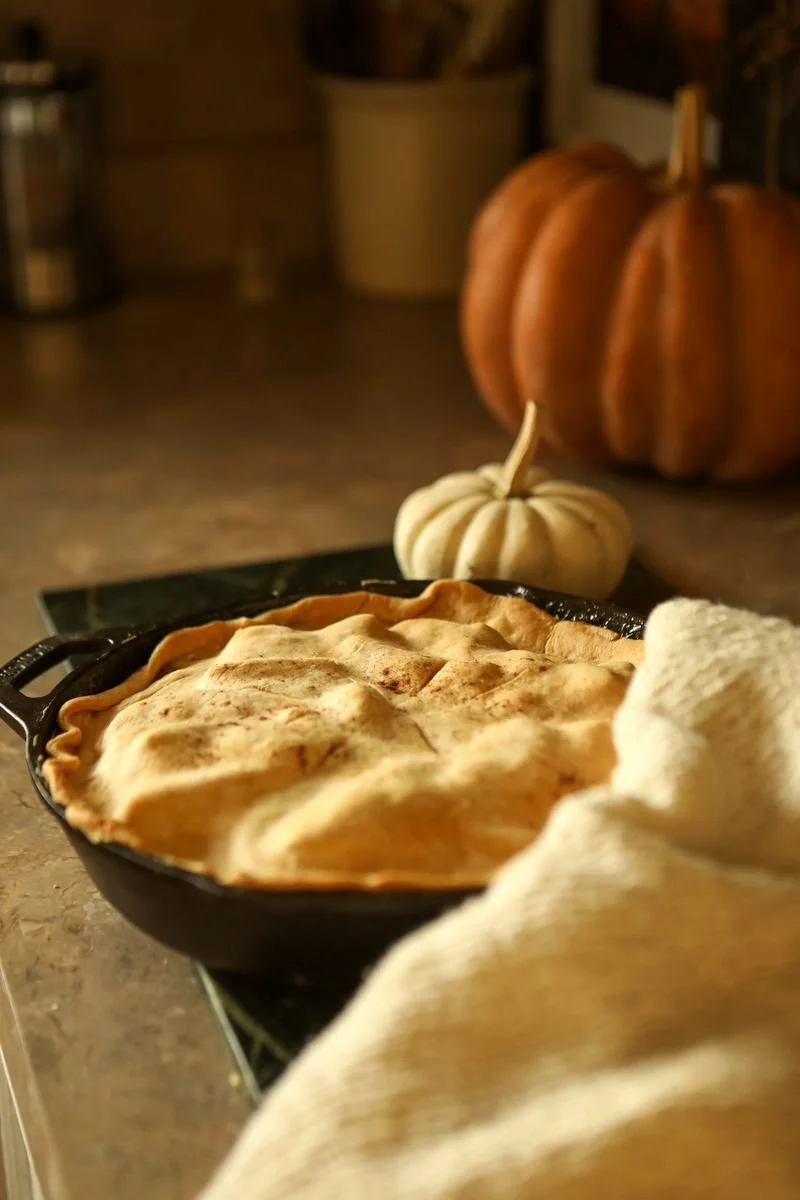
Cast Iron Skillet Apple Pie

Ashley Evans

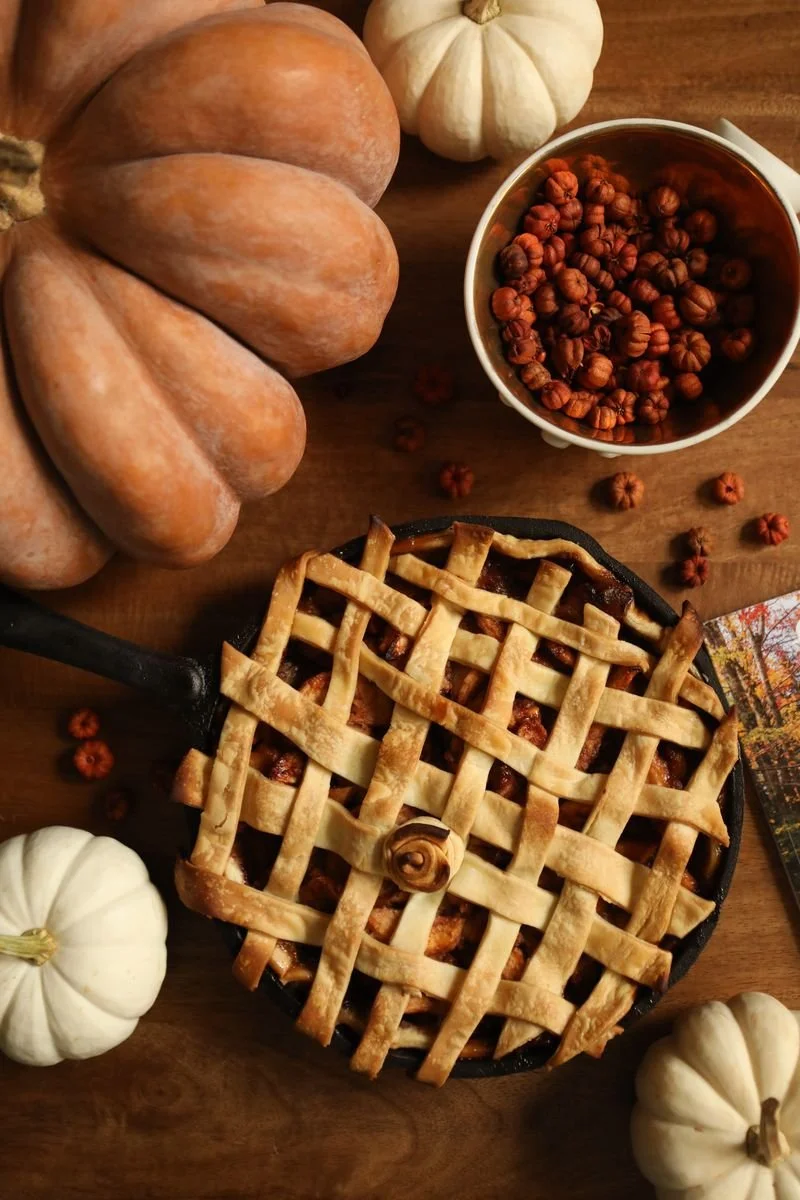
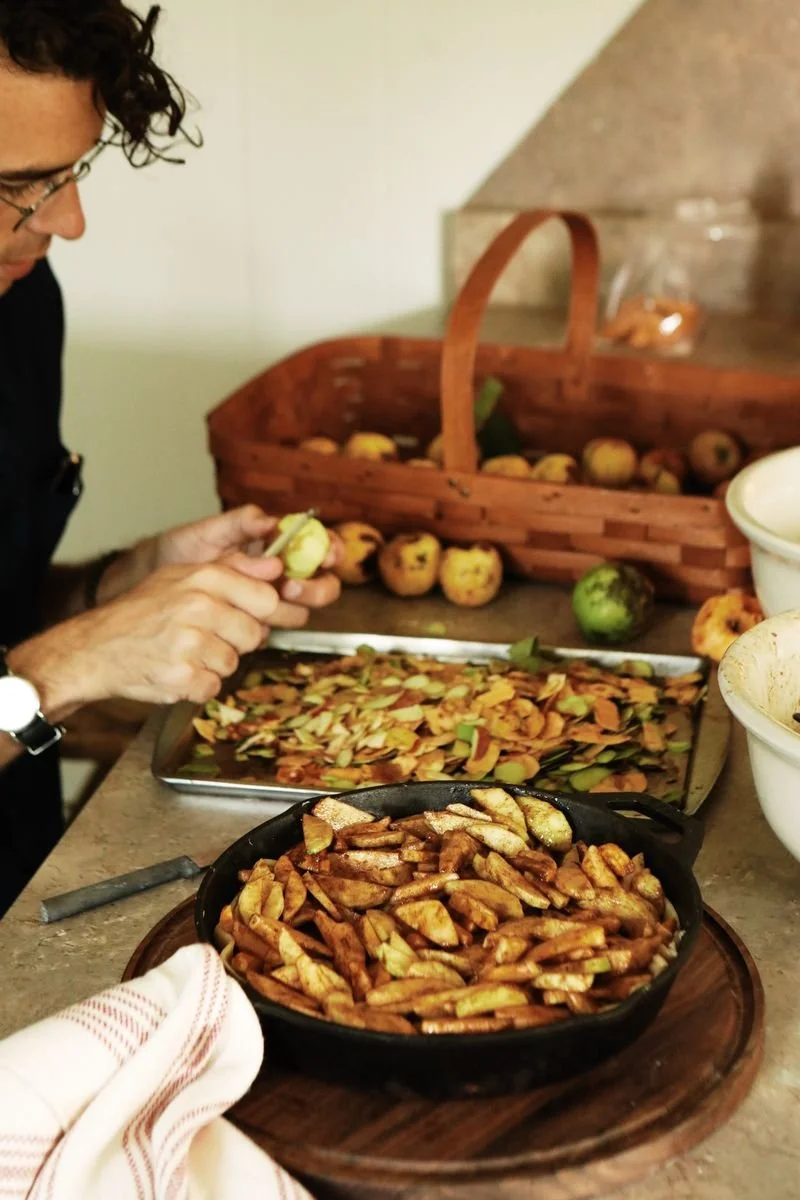
It absolutely isn’t fall until the first iron skillet apple pie is made. When baking the house even smells of the season. This is truly a simple dessert that will always please.


4 cups peeled and sliced apples (Granny Smith are best)

1/2 cup sugar

Cinnamon and nutmeg to taste

1/2 cup butter

1 cup brown sugar

2 pie crusts 

Preheat oven to 350 degrees. While preheating add butter and brown sugar to the a 9 inch cast iron skillet and sit in oven to heat. Remove once butter has melted. Please one of the pie crusts on top. In a box mix together apples, sugar, and spices. Fill pie crust. Top with second crust. Bake 20-25 minutes. Best served warm.

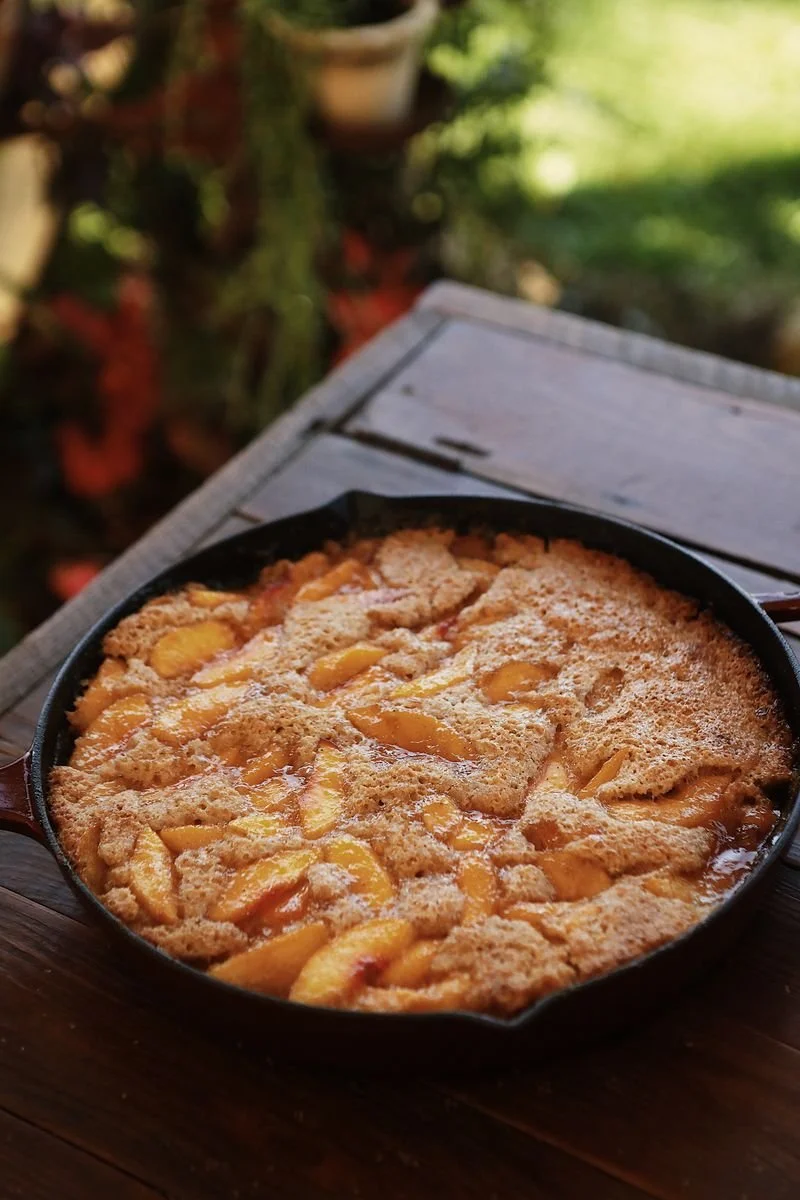
Here is the peach cobbler:

Everyone has a peach cobbler recipe they use in The South…most are that cuppa-cuppa-cuppa sort of thing that has like four ingredients and can be made just as easily with a can of fruit cocktail as it can peaches. There is a time and place for those sort of recipes, but during peach season you deserve better…and this is the recipe for that.

Cornmeal and buttermilk are two of the most southern ingredients and it truly surprises me that they aren’t with peaches more often. I add cinnamon and brown sugar to add an extra depth of flavor that create a crispy sort of crust that has the taste of Captain Crunch. 

Fried Biscuits

Ashley Evans

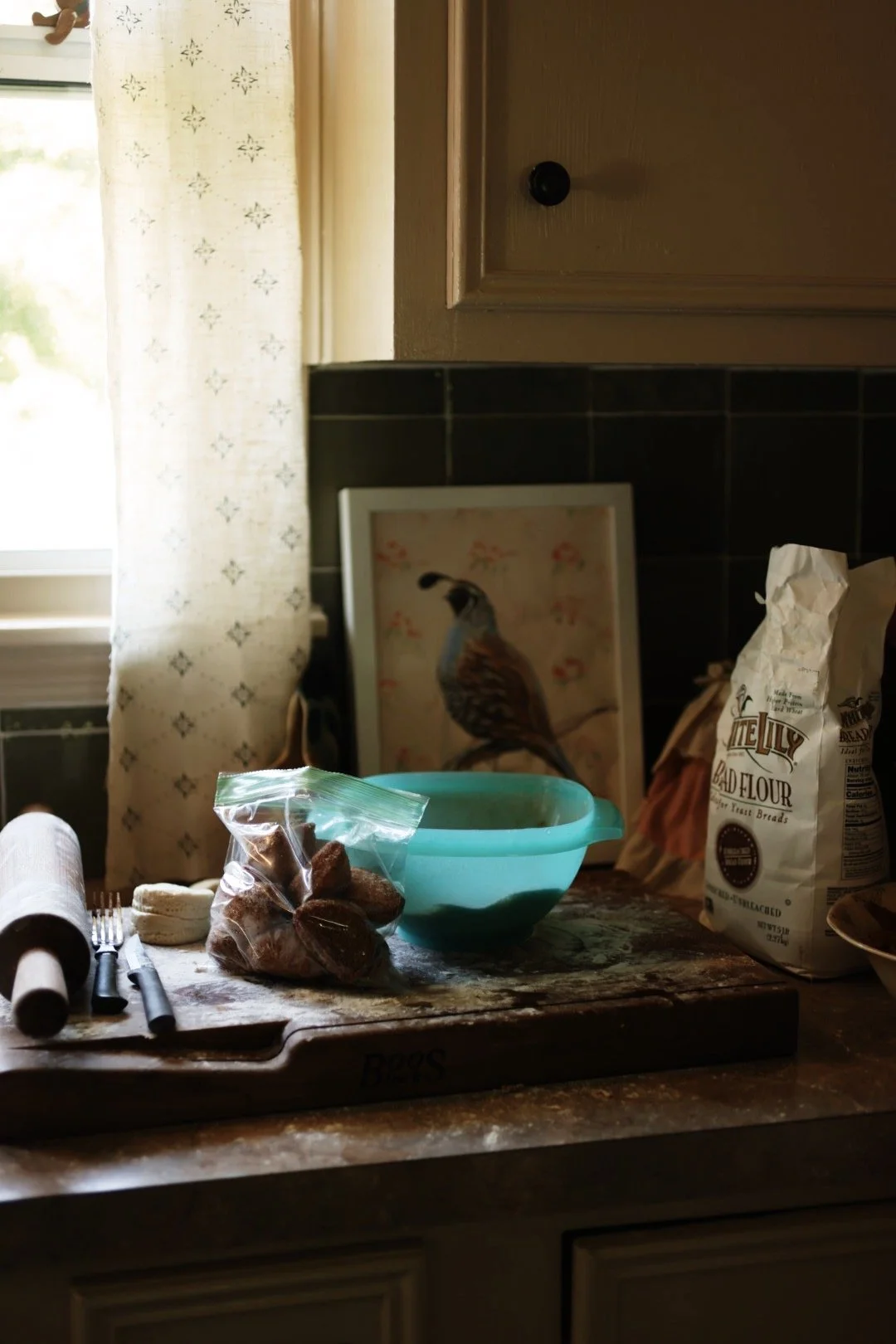
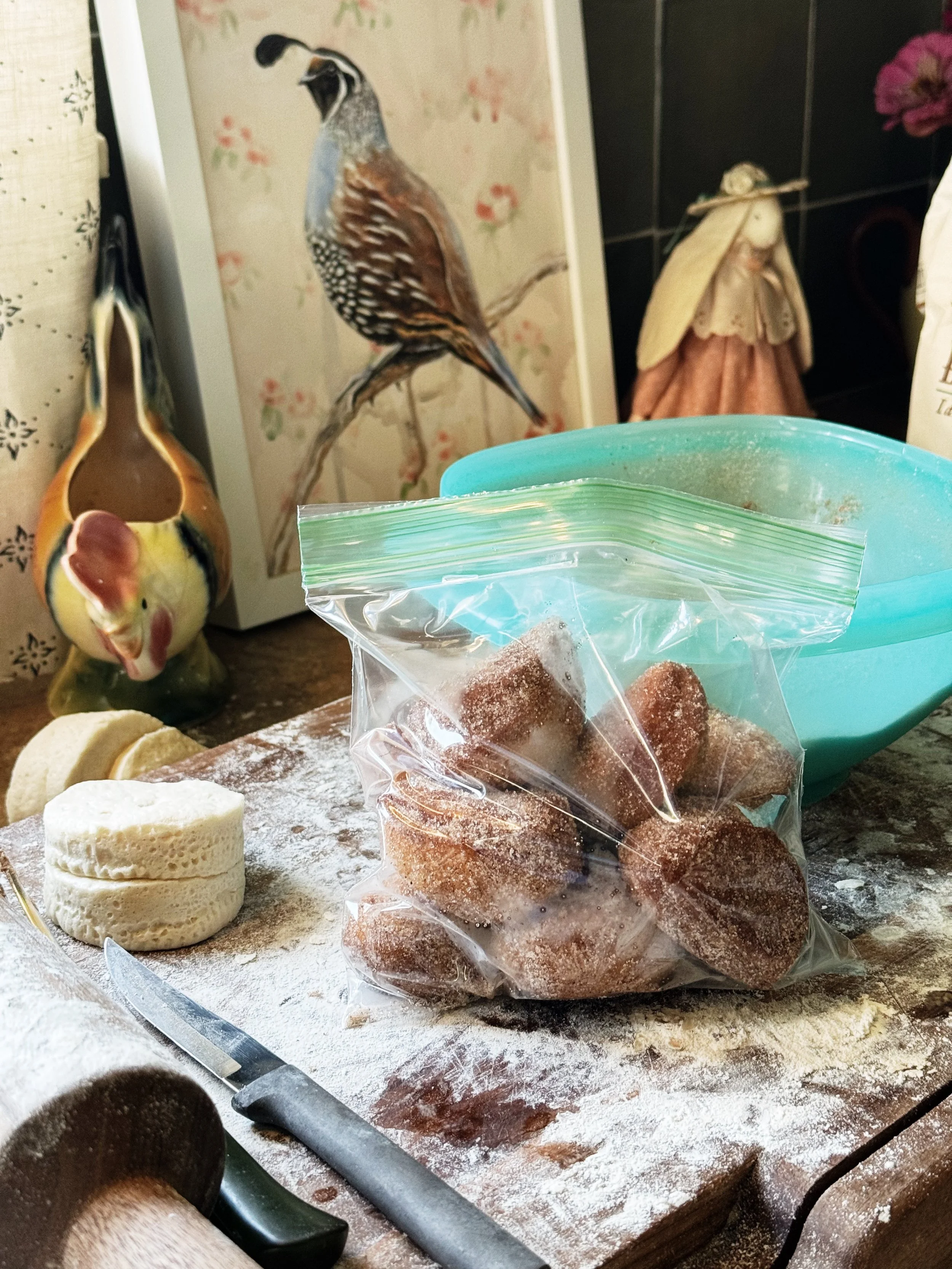
You have to trust me on this recipe. It almost seems too simple, but use the canned biscuits. I have made it with scratch made biscuits and store bought, the store bought biscuit dough simply works better. This is a recipe that can be made in excess for a party, but is best when the donuts are served fresh and warm. These are especially delicious when served with apple butter. 

12 canned biscuits cut in half

1 cup sugar

1/4 cup brown sugar 

1 tablespoon pumpkin pie or apple pie spice

In a deep sided pan heat cooking oil to medium heat. You’ll know it is the appropriate temperature when a pinch of dough begins to sizzle when added to the oil. Slowly add the halved biscuits to the oil. Turn once the bottoms are golden. Allow to fry on both sides. Remove and allow to drain on a paper towel covered pan or plate. Mix together sugars and spices. Roll fried biscuits in mix and serve warm.

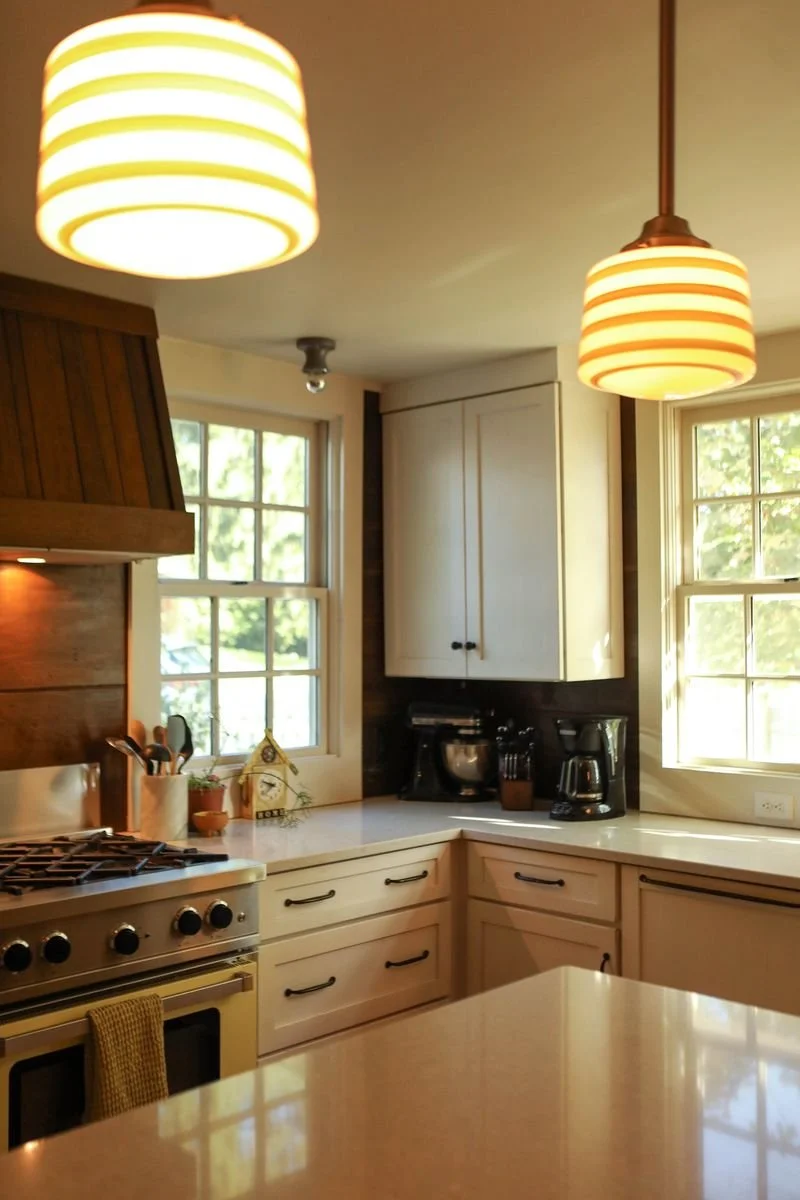
SAM MELTON SHOP TOUR

Ashley Evans

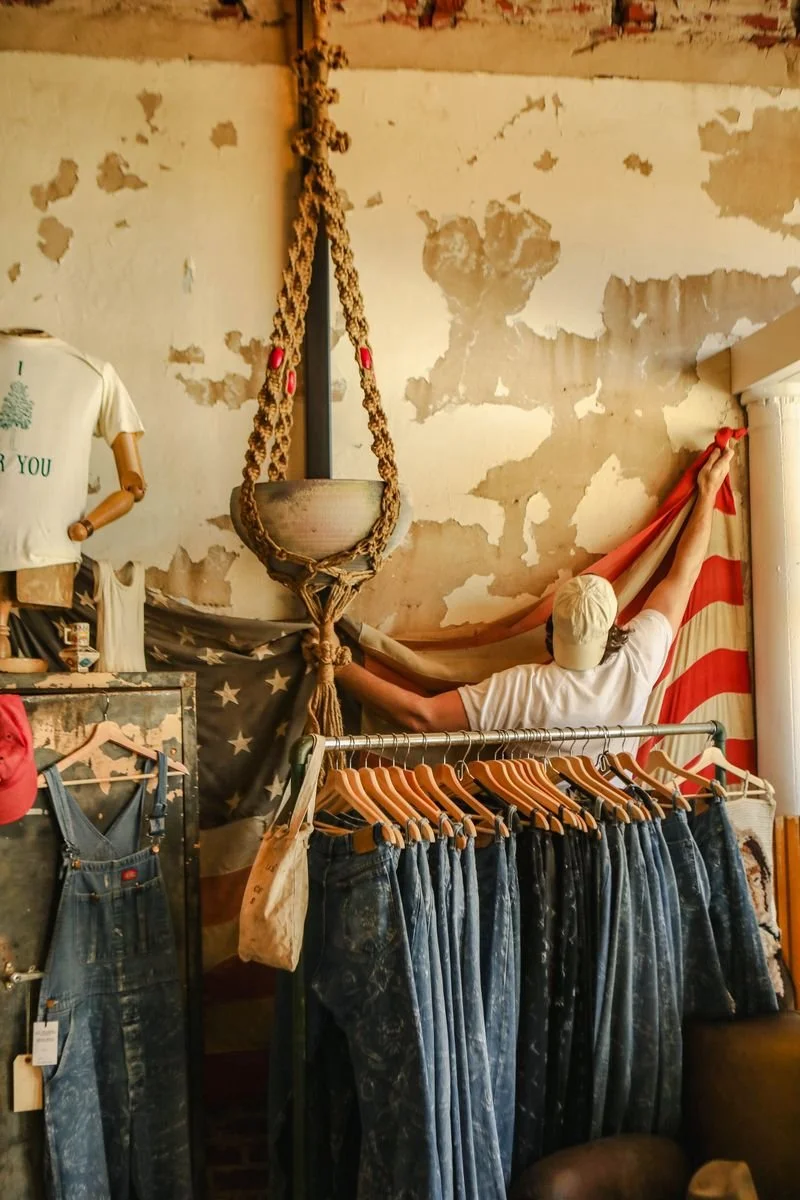
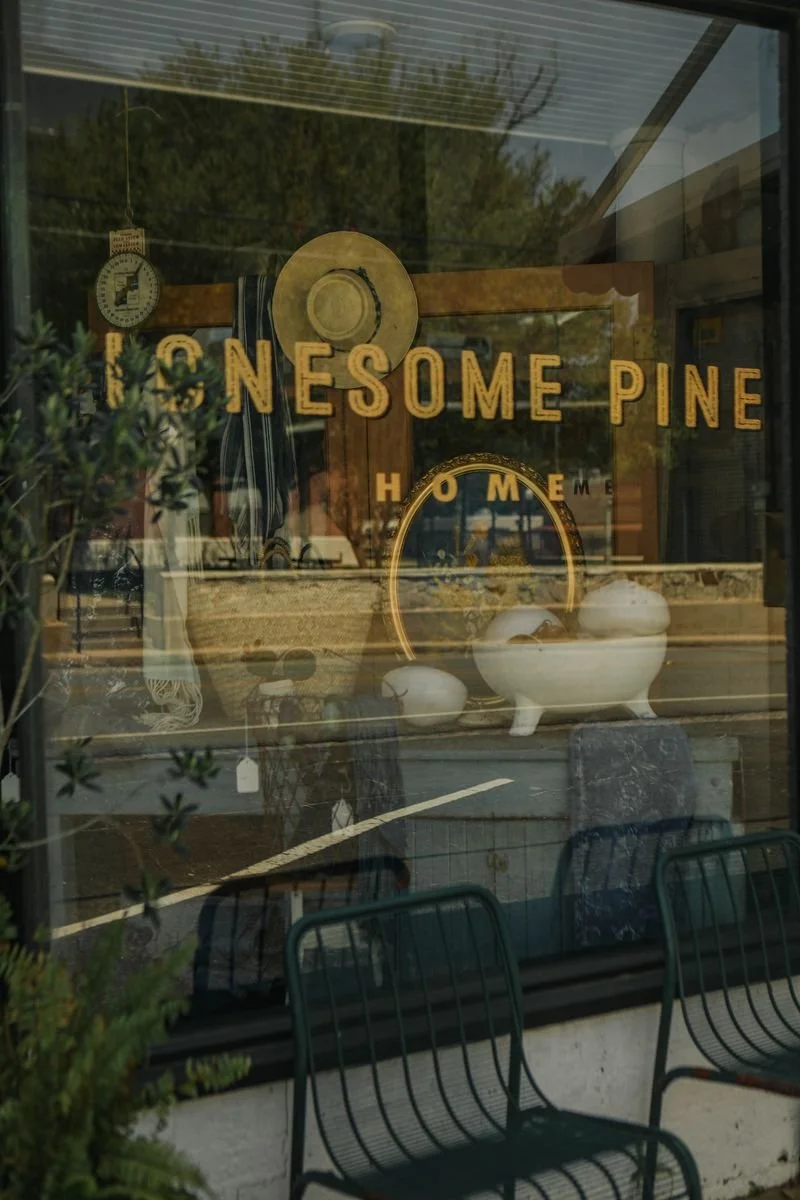
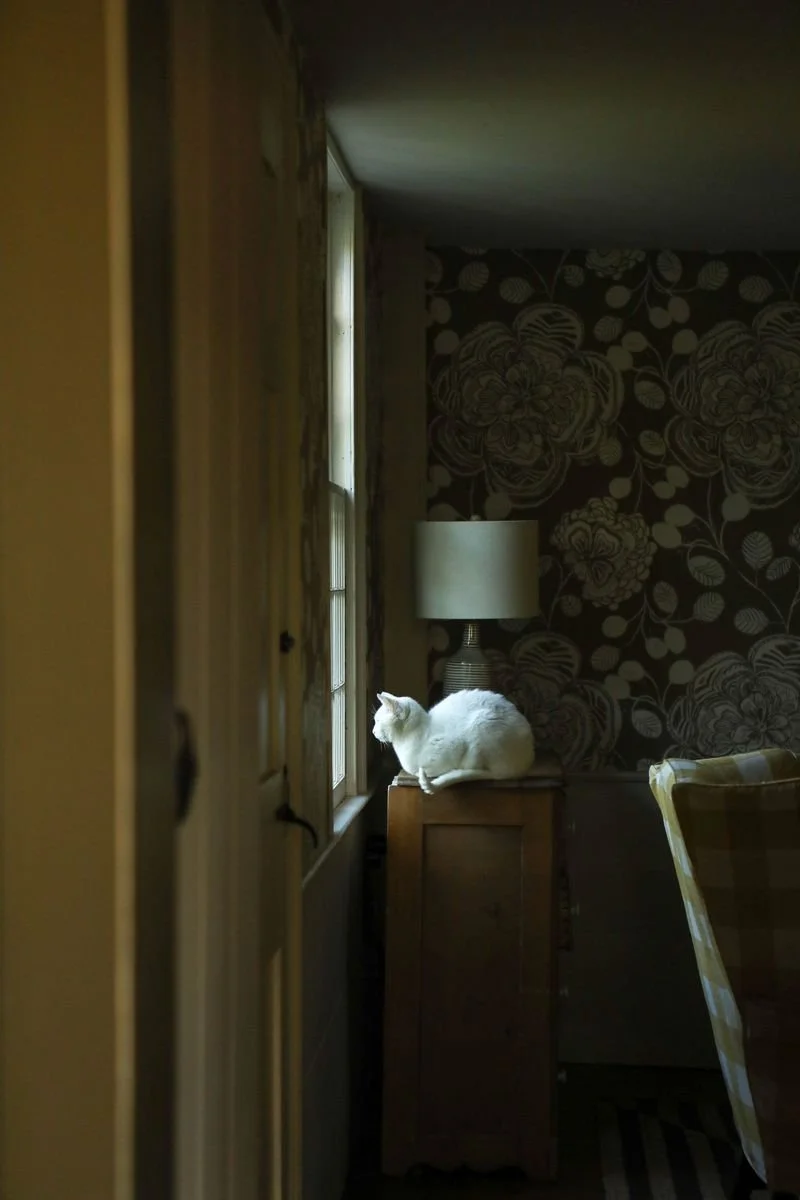
“I have this feeling deep in my bones that my town has the potential to be something great and I want to be a part of that.” Hemphill, Texas native and resident Samuel Melton says of his hometown. In 2017 Samuel bought a dilapidated 1920 men’s clothing store on the square of this small east Texas town. After a few years of allowing the building to sit and plans to be made renovations began as Samuel established his shop, Lonesome Pine Home, to begin life in a space he rented on the opposite of the small town’s square. 


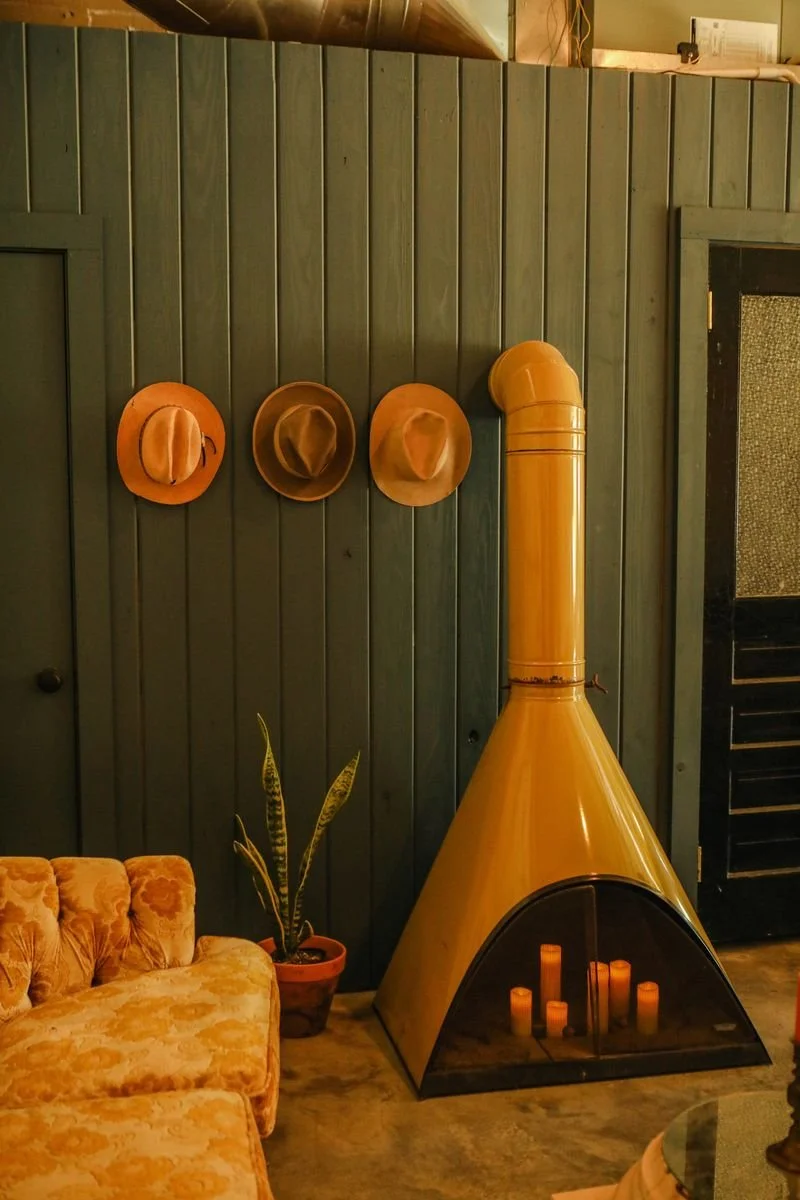
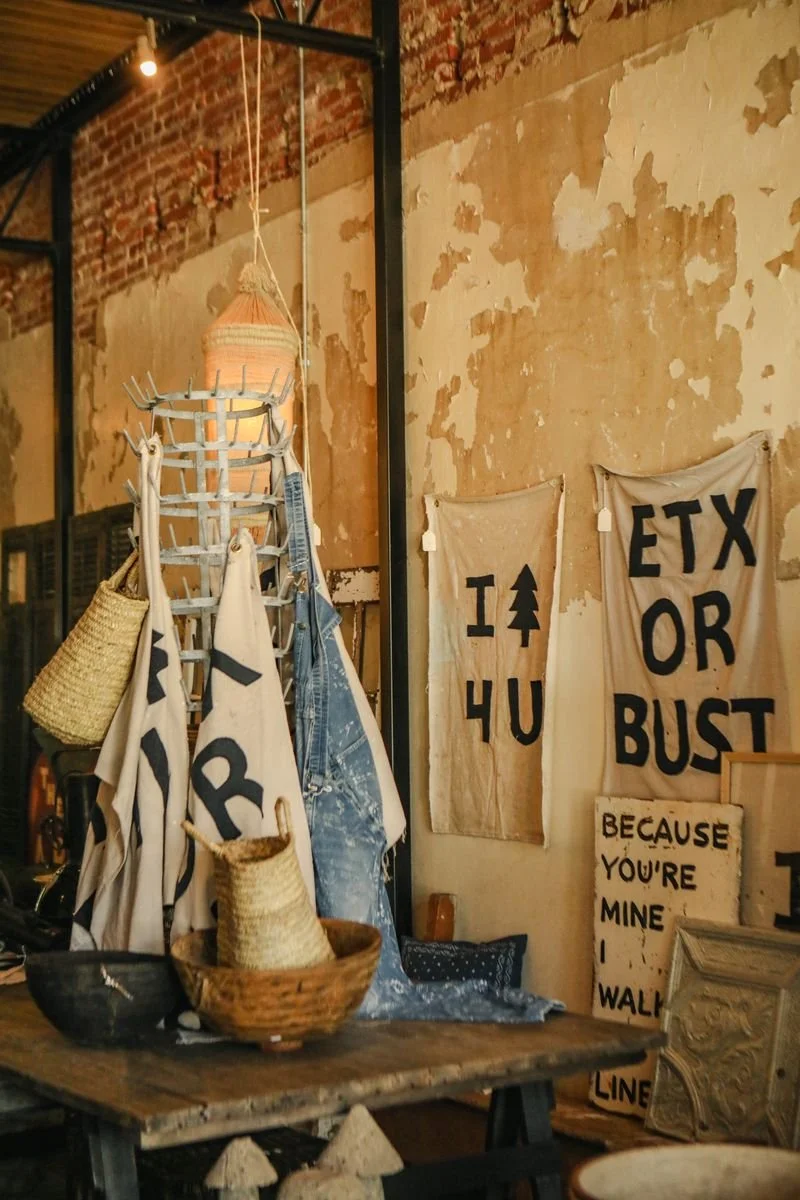
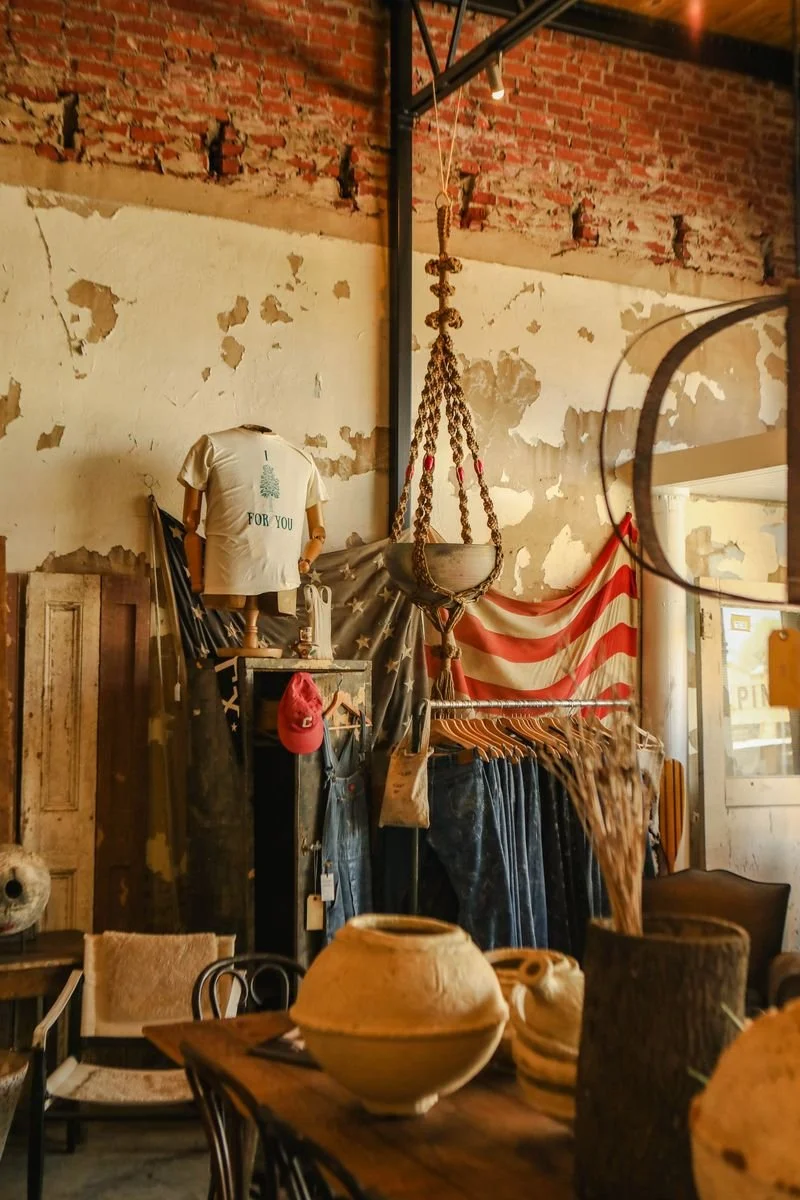
“I moved from the big city (Dallas) with $100 in my account back to my hometown to start a shop that may or may have not worked. I believe firmly in doing the dreams you have before it’s too late,and that’s what I’m doing now.” The shop is Samuel’s vision, with the old meeting the new in this store, leaving plaster walls cracked and exposed as well as the old tin ceiling tiles used to create a large focal wall that greets you as you walk in. All these things present a story or an idea that Samuel want to convey. 


“Vintage finds and restoration, work because I grew up in this life of antiques and vintage, it is in my blood. I watched my parents hunt for those treasures all-round the South as a kid. I grew into finding what I loved, which is furniture and things to be used in a home that have stories.”

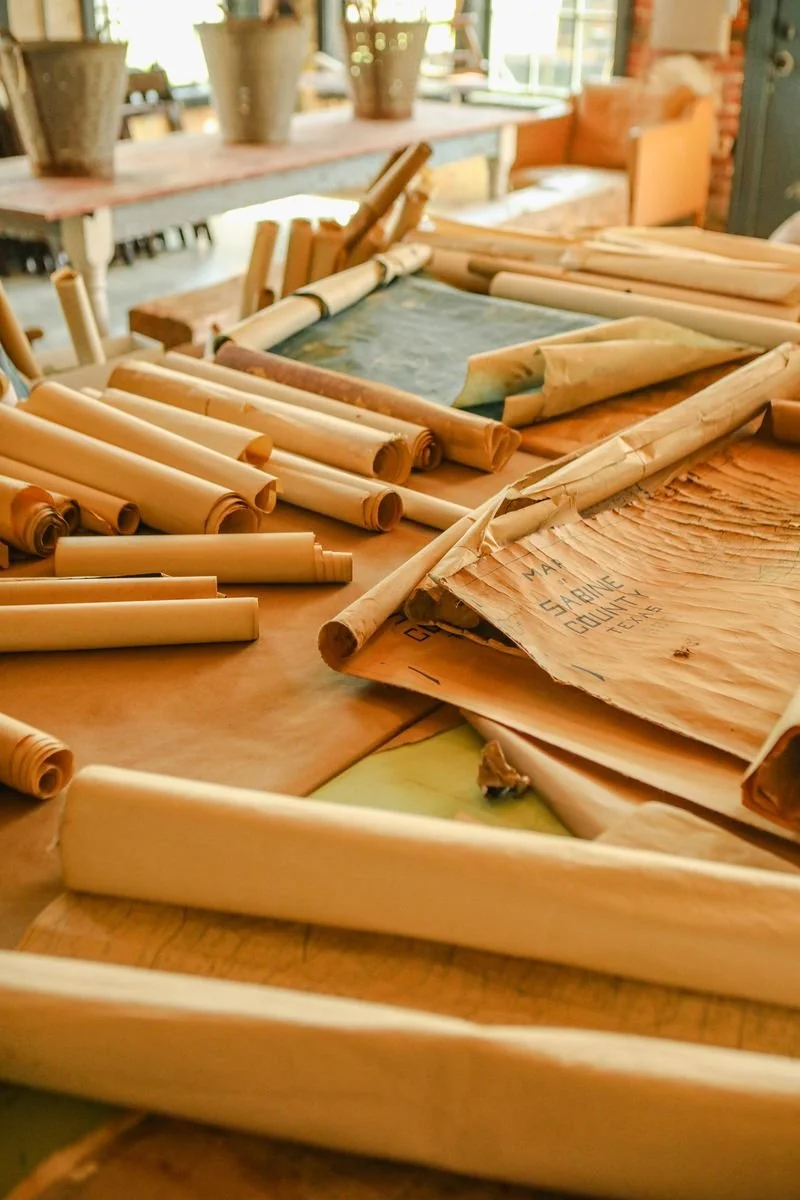
Samuel’s largest project in this small town has been remodeling his great grandparents’ little house near the Sabine National Forest. “It has been an act of love to my heritage.” Old paneling has been replaced with large planks of 12 inch wood from his grandfather’s furniture store. The kitchen was taken back to all open shelving with large blonde hickory shelves he had planed from a tree on his land. “I used found lighting mixed it with hand forged Texas made lights to give artisan touches. I also laid local hand made tiles from Thro Cermaics on my entryway floor. The little house is not much, but it’s mine. This something I couldn’t create where I was in the city.”


“We are a town of people looking for a life different from most. I like the term Urban Exodus to mean make your life on your terms in a small town hidden in lush pine forest. We sit on one of the largest lakes in Texas dividing us from Louisiana. With a small town comes small businesses that I love to support. From meat markets, quilt shops, new wineries, hidden swimming holes, and many more places to explore here. I try to tell anyone who walks in the shop about this hidden gem I call home. My town is a underdog story waiting to be told with many flocking here finally finding  old buildings and homes waiting to be restored. We are at a start to that feeling in my bones of “something big is coming”.

James Cregan - Farmhouse Tour

Ashley Evans

Not far from the hustle and noise of New York City in Weston, Connecticut, is a home that was originally built in 1819. Today James Cregan and Michael Amigron call it home. Over two hundred years ago, when the house was originally built, it was in a town called Valley Forge, Connecticut, but with the building of the Saugatuck Reservoir in the 1930s the house was moved to Weston as the majority of the town was destroyed and flooded for the reservoir. A few fortune homeowners were able to move their homes and this house was moved a mile up to road. The houses location on the hill set back from the road was something the two found uniquely special, as homes of this age are typically within feet of the road to allow for easier horse and carriage access in regions that historically have had heavy snowfall. 

James and Michael say they knew they had to have this house as soon as they saw it. Eager to move from New York City the two were looking for a house that was built before 1900, was within commuting distance of New York City, and still retained the original architectural details like wide floors, original fireplaces, and original beams. 

James says the house felt like the perfect blank slate to do thoughtful renovations throughout their time in the house to bring it back to period appropriate design and feel. The pair especially loves the hilly and rocky nature of the property. The property easily feels like it is deep in the woods, but is just a short distance from nearby Weston. 


Today the home is very much inspired by early American colonial architecture and furniture design but has charming touches of English countryside manors and cottages, with a subtle nod to their love of English gardens. “We are greatly inspired by color. We often see a color that we fall in love with and then design a space around that color.” Says James.  Also naturally inspired by antiquing and special pieces that we find. Great appreciation for quality craftsmanship as well. 

Candle Making - Trish Baden

Ashley Evans

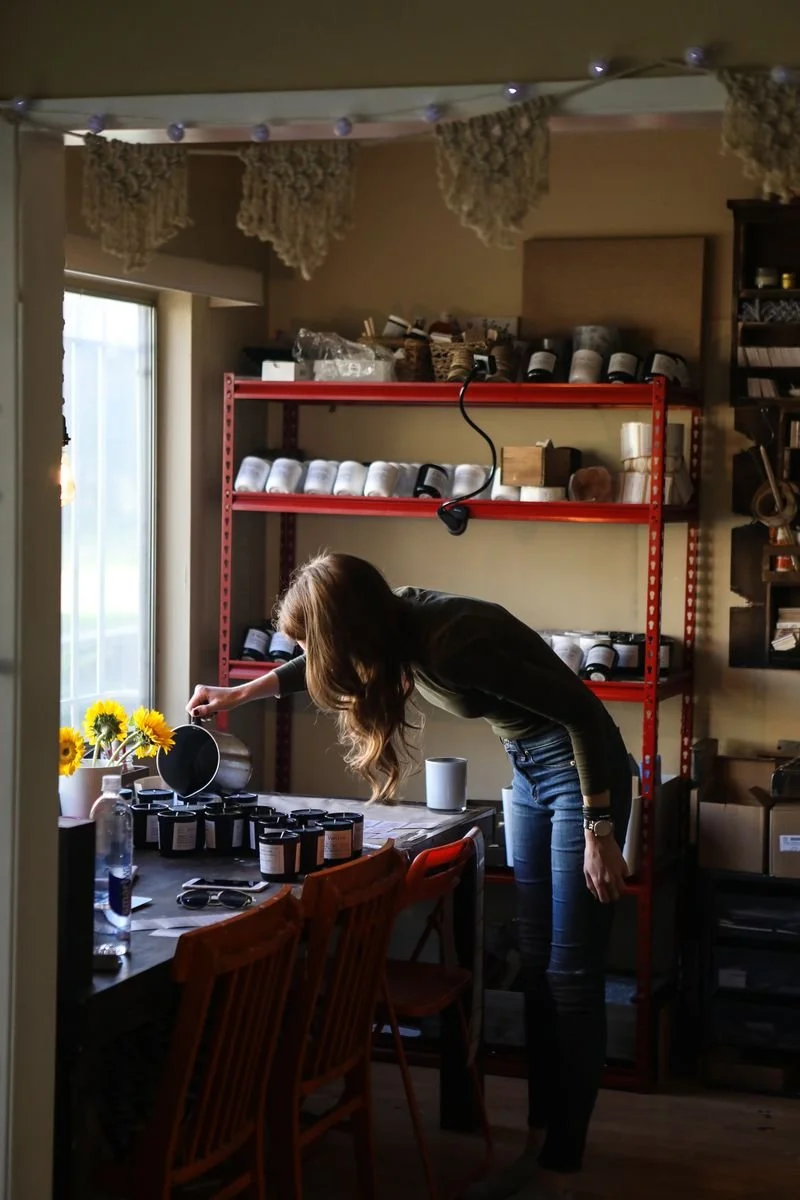
Trish Baden of candle brand Flores Lane may be based in the heart of West Hollywood, but her roots are deeply planted in the rural areas of the midwest. Long before she moved from Ohio to Los Angeles Trish was actively seeking ways to live a slower pace of life and to educate those around her on the importance of whole and clean living. With her candle business Trish has made a commitment to using the most health conscious of ingredients and resources. She shares how to make your own candles at home, wherever home might be. 

Supplies you'll need

Vessel:  Mason jars are safe to experiment with because they can sustain high temperatures.

Wax: Soy wax is natural, burns clean, and for twice as long as paraffin candles. Paraffin wax is a petroleum byproduct created when crude oil is refined into gasoline. Asphalt is extracted before paraffin in the refining process. It's that combustion which causes the black plumes of smoke & ash to collect throughout your house. Beeswax is perfect for when you need to make pillar candles and want to stick to an all natural blend! The only issues with beeswax are: it's costly and it has a natural scent that can interfere with any fragrance you're trying to achieve.

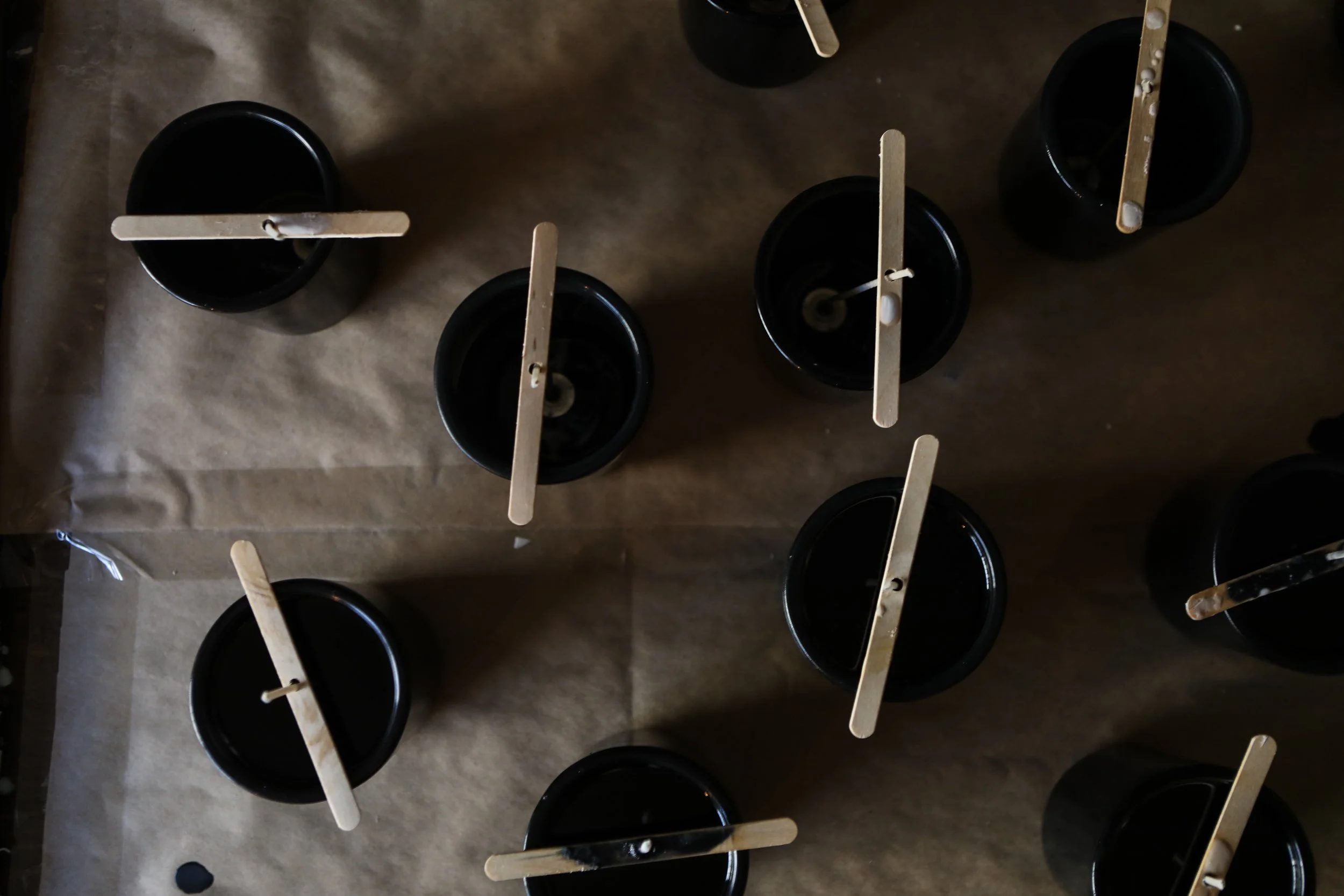
Wicks:  Use wicks made of all natural cotton fiber & beeswax coating with an aluminum metal base. We use glue dots and wick sticks to keep the wicks in place while pouring.

Oils:  Essential oils + a carrier oil (we use grapeseed). You can also buy fragrance oils online, which are pre-blended & ready for candlemaking. Check for the oil's flash point (usually located on the bottle) to see at what temperature the fragrance should be added to the mixture, prior to pouring.

Pitcher: We highly recommend using a pitcher for safety & ease.

Mixing: Grill skewers work well.

Fragrance: Picking a fragrance oil or blend for your candle can be difficult if you have no idea what types of scents you like. If you have a favorite essential oil you like, do not blend directly into candle wax! The real difference between an essential oil and a fragrance oil is that essential oils typically contain ONLY plant oils, whereas fragrance oils have the essential oils blended with a carrier oil (like grapeseed or jojoba) to elongate the burn time of the scent. 

Setting up

Make sure you have a flat, dry area that can be easily covered by kraft paper, plastic wrap, garbage bags, or newspaper. Tape down if needed.

1. Place wax into the metal pitcher. Heat to 160°F-180°F.

2. While the wax is melting, prepare the jars by affixing the wick's aluminum tab to the bottom of the jar. You can use a glue dot or hot glue gun. Pro tip: make sure you space the wicks out evenly if you're using multiples to ensure they can breathe. The more stable the flame, the more even the burn!

3. Stabilize the wick with the stick (metal or wood). Cut off the end of the wick, leaving 1 inch of wick above the stabilizer. 

4. Once wax is melted to liquid, let cool for a few minutes.

5. Add fragrance. Use 1-1.5 oz. of fragrance oil per 1 lb of wax. If you're using essential oils, make sure to dilute it with a carrier oil like grapeseed.

6. Pour the wax into the vessels. Let each cooling candle sit about 2 or more inches away from each other.

7. Now we wait!

After the candles have dried: Sometimes the candle will crack or even get pockets of air that get caught inside, causing them to collapse. If your candle looks like cottage cheese, you've either added too much fragrance or overheated it. You can create a finished look by heat gunning the top or using a hair dryer that has a heated feature. Sometimes I pour a little layer of new wax on top to seal it in if there's space in the jar!

“Storybook Style in the Subdivision - Christie Jones Ray”

Ashley Evans

Author and illustration Christie Jones Ray has built a following for her unique pastel cozy cottage style that very much feels reminiscent of Beatrix Potter or Tasha Tudor. Her style feels like a vision straight out of the Cotswolds, but is nestled in a subdivision outside Nashville, Tennessee. Christie, along with husband Tim transformed a turn key house into a space that feels as if it is a storybook style cottage thanks to a shared vision for antiques, vintage finds, and liberally using architectural salvage from centuries old farmhouse and victorian homes to give adornments to what would be a very standard subdivision style home. 

A peek inside Christie’s studio and backyard spaces transport you into the world’s she creates within her books.

Spring in Saratoga Springs

Ashley Evans

When driving up to the upstate New York home owned by former Brooklyn residents Bethany Bower Khan and husband Jamil Khan you start to question if this is a very old home or a very new build. The lines are just a bit too straight and the angles too sharp to be old, but the style instantly feels like a home that could be centuries old. 

Spring arrives a bit later here in Saratoga Springs. The daffodils take their sweet time to bloom, long after the blooms in the southern states are already spent, but that makes the Spring here in upstate New York all the sweeter. 

Fueled by a desire to move from the bustling city and to retreat to a slower pace of life, Bethany and Jamil left Brooklyn in 2020 in hopes of finding a smaller town and quieter life. A desire that inspired a business launched to document and share Bethany’s love of a rural and charming life. Arcadian Revival was born through the renovations to their new home. Jamil, a Brooklyn native, and Bethany, with rural roots in northeast Ohio, were ready to live a more intentional lifestyle closely connected with the outdoors. 


While raising their young children, Bethany left her fast-paced career in real estate and economic development to forge a path of her own. Anchored by values placed on sustainability, family, and community, Bethany launched Arcadian Revival - a sustainable design and lifestyle company that is inspired by her country upbringing, calling to cultivate community, and lead the effort to address the climate crisis. Jamil works in renewable energy. In fact, the two met when working in energy policy for the City of New York. Now, like many others, the Khans adjusted to the luxury of working from home. They are embracing their time together and connecting with the spaces where they spend their time. Mornings outside watering the garden, talking about the wildlife they see on their property: turkeys, owls, foxes, songbirds, and rumblings of the occasional neighborhood bear.

The interior of their home speaks to the attention given to design. A gut renovation of their kitchen was where Bethany began. With a timeless design and natural color palette, their kitchen speaks to the Greek Revival style that their decade-old home was built to embrace. This approach includes beadboard throughout the kitchen, quarter-sawn oak hardwood floors, transom windows, and a different stone countertop on their kitchen island than those on the perimeter counters, an example of the design aesthetic of evolving the space over generations. Molding details harc back to the antique general store counter that Bethany’s parents used as an island in their kitchen growing up, a home that has been in her family for five generations now. Ceramic tiles were hand-placed and selected from local Hudson Valley designer Anothony D’Argenzio of Zio and Sons’ collection from Clé Tile, a nod to embracing the local talent pool of the region.

Family heirlooms from Bethany’s family adorn the interiors, with books, artwork, and antiques including a more than one-hundred-year-old hoosier in their butler pantry, all handed down through the generations. Vintage rugs, vases, and other treasures from Jamil’s parents’ trips to Pakistan and India balance an intentional collection of globally-inspired pieces with that of midwestern Americana.

It Takes a Village — Eric McIntyre

Ben Ashby

a visit to the Wiscasset, Maine studio of Eric McIntyre


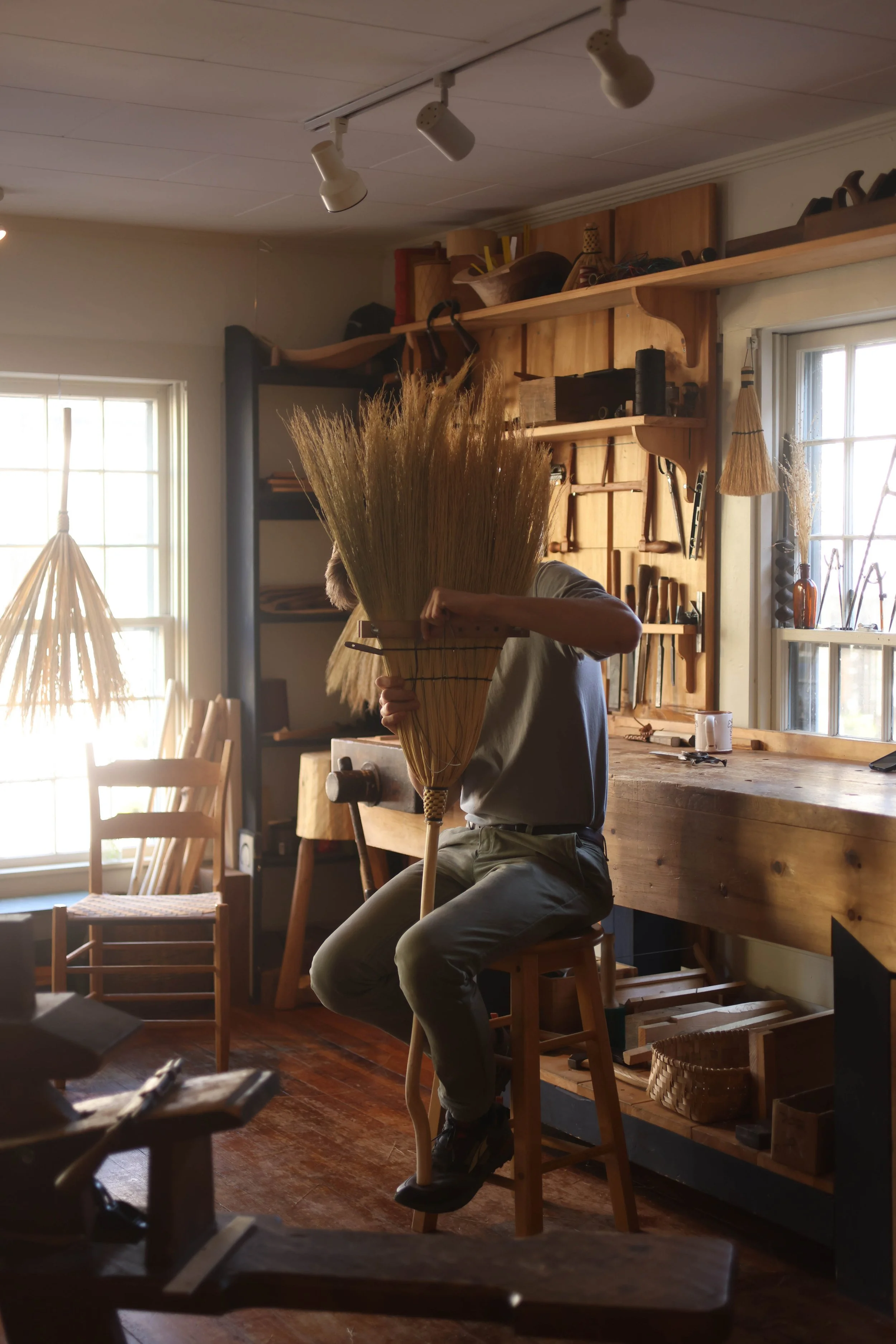
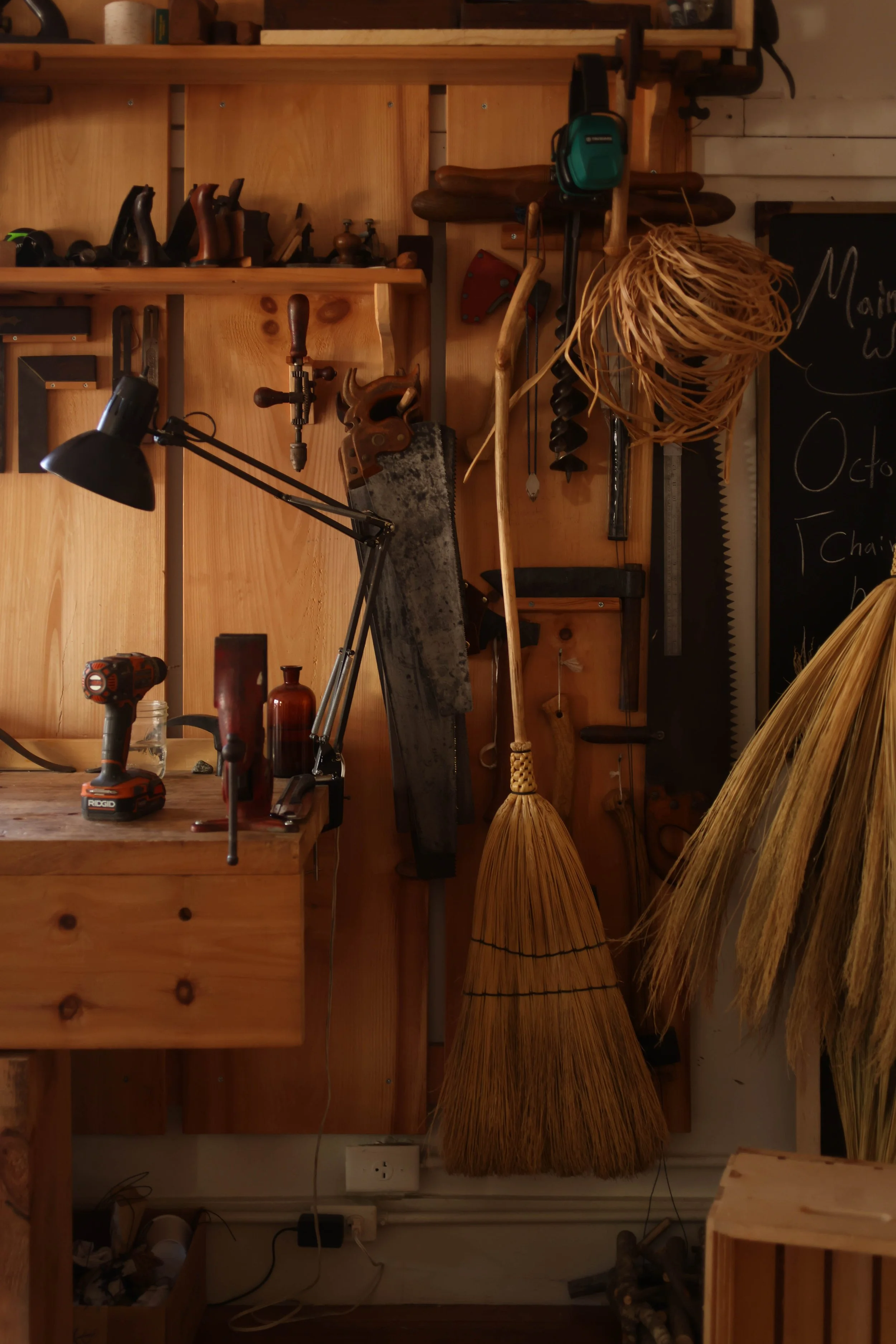
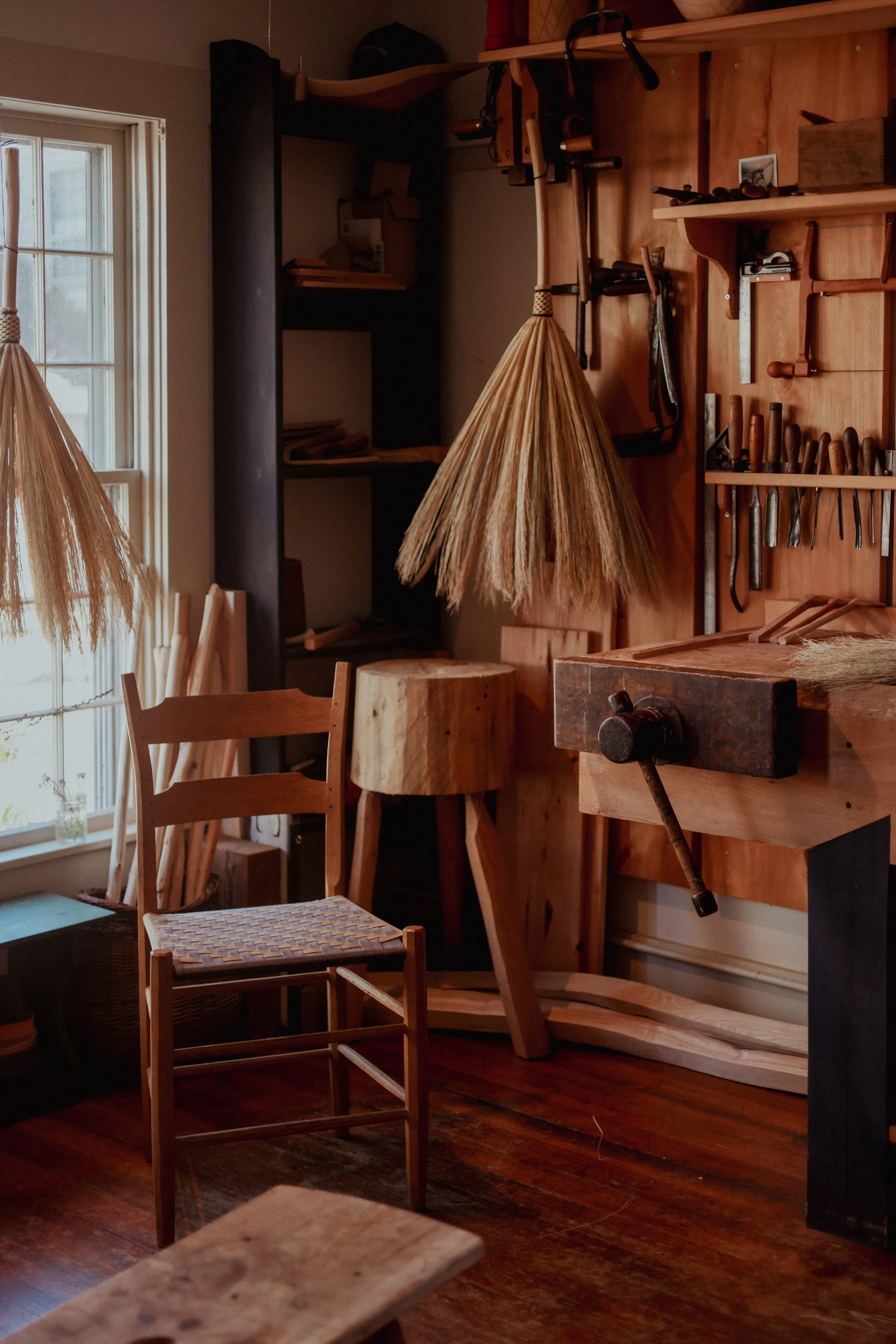
In the small town of Wiscasset, Maine, just off the rugged coastline, you’ll find a storefront that’s part workshop, part classroom, part living room. It hums not with the whir of machines, but with the steady rhythm of hand tools, the scent of wood shavings, and the quiet presence of someone deeply invested in making — and in connecting.


That someone is Eric McIntyre.

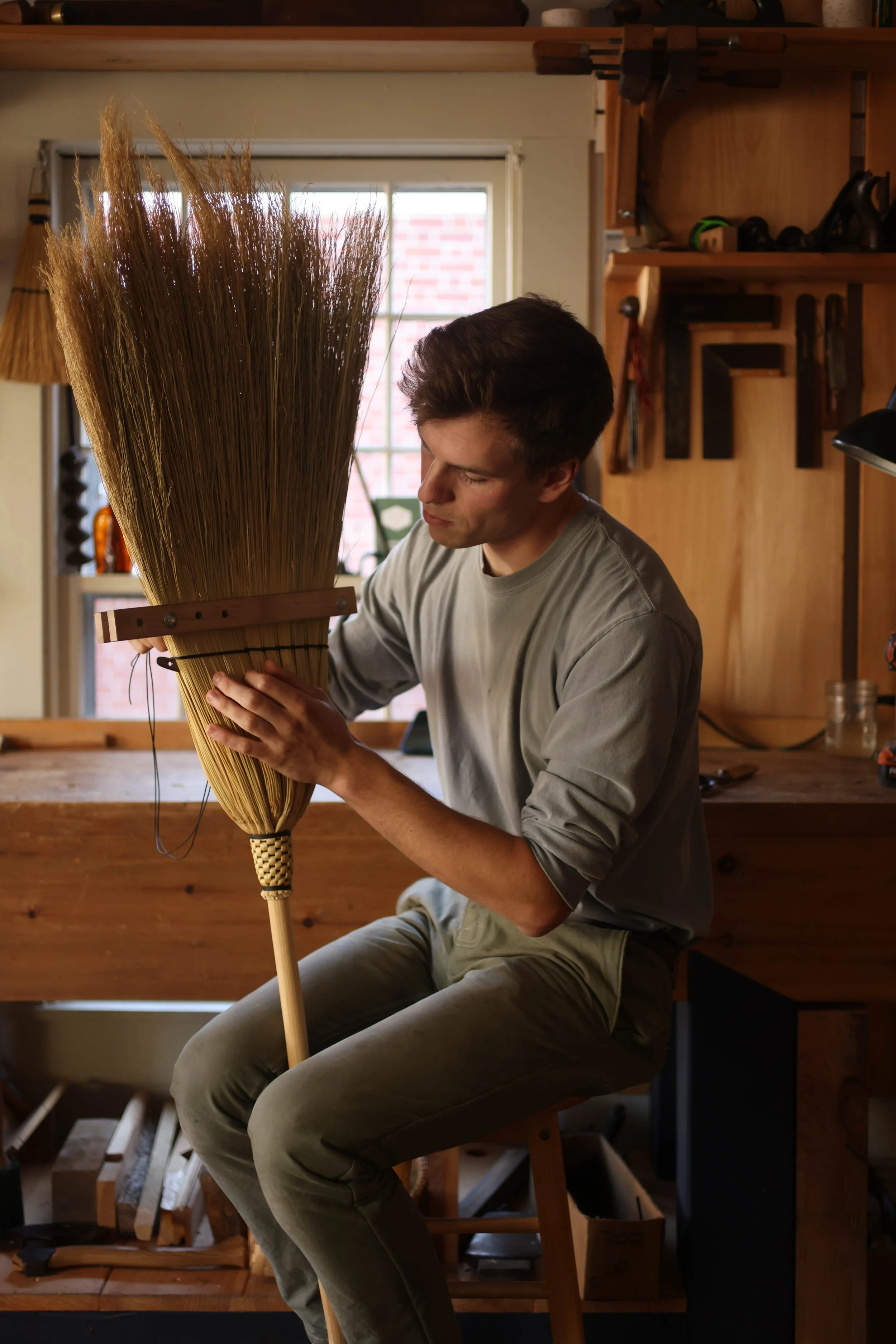
“I’m a curious human who loves handwork, hand tools, nature, a good lake dip, and sharing skills with friends and community members,” he says with a smile. His studio is a space where beauty is carved, bound, and swept into being — often literally. McIntyre shapes natural materials into everyday tools like spoons and brooms, items we often overlook, but in his hands, they become functional art. “I design for joy in daily use,” he explains. “People should want to clean, should want to cook, because the tools they use bring pleasure just in holding them.”


This desire to bring delight to the everyday is not just a creative mission — it’s a personal philosophy.

A MAKER’S PATH, ROOTED IN MESSES

McIntyre’s journey to Maine wasn’t plotted. In 2017, he came to lead a sea kayaking trip and never left. “If I was going to do what I’ve ended up doing, I knew I wanted to be in a small town,” he says. “I just didn’t know it would be this one.” That serendipitous arrival turned into a deeply rooted life in Wiscasset, where a downtown storefront has become both his workshop and a hub of community craftsmanship.


Brooms became a defining part of his practice not by plan but by necessity. “I make brooms because I make messes,” he laughs. After years of woodworking, a handmade broom at the Maine Coast Craft School — where he once interned — lit a spark. “It took another year of mess making and woodworking before I finally dove in to try one. Since then, I’ve made hundreds and hundreds.”


The work is simple, in theory: a bundle of broomcorn bound to a sapling handle. But in Eric’s hands, it’s a meditation on care, intention, and usefulness. “Bound on a sapling handle, there’s really nothing better for cleaning the home or the shop,” he says. “And it turns out just about everybody makes messes.”

HUMANITY IN IMPERFECTION

Being a maker in today’s world, Eric believes, is more important than ever. “We need humanity and imperfection in our daily lives,” he says. “People walk into my shop and I see it — the relief. The delight. The tactile work, the surfaces worked by hand, the messes and the making — it touches something deeper.”

That deep connection to process and place is what gives Eric’s work its soul. He’s not just crafting objects — he’s rebuilding bridges of trust, one handmade broom or spoon at a time.

The trust shows up in how he runs his business, too. “If someone forgets a wallet, I’ll let them take the item and pay later. If I ship something, I invoice after it’s arrived. That trust makes people feel good. It changes the dynamic. It reminds us we’re still capable of believing in each other.”

It’s a lesson passed down from Emmet, a mentor who taught Eric the quiet power of creating systems that build trust in the world. It’s also a philosophy mirrored by other mentors who have shaped Eric’s path — from blacksmithing and woodworking teacher Ted Wesemann, to Kenneth Kortemeier, co-founder of the Maine Coast Craft School. “Kenneth taught me to stay open to possibility,” Eric reflects. “To be willing to stop everything to wonder at something amazing.”

LIVING IN RHYTHM WITH THE SEASONS

Eric’s small-town life is not just a backdrop — it’s integral to his practice. “I didn’t think too hard about where I landed. But over time, I realized this is exactly where I need to be.” His workshop is a place where people don’t just buy — they see the making. “That visibility changes things. It makes the goods they purchase feel more meaningful.”


Being part of a tight-knit community has taught Eric to invest deeply — not just in his own work, but in others. “Talk to people. Build relationships. Help others get more connected. We gain nothing by staying siloed.”

This interconnection flows into every broom, spoon, and piece of furniture he makes. And while Eric’s hands are always busy, his heart is just as present. “I’ve carved so many spoons, and still, every batch teaches me something new. I’m learning to align my pace to the seasons — to live and work in rhythm with the natural world around me.”


WHAT’S NEXT? KEEP GOING. KEEP MAKING.

Looking ahead, Eric isn’t chasing the next big thing — he’s deepening into the life he’s already built. “I want to keep doing what I’m doing. Maybe some furniture. More exploration. A house build in the coming years. But right now, I’m feeling jazzed just to keep going.”


That steady joy, that commitment to human-scale making and quiet trust — it’s what defines Eric’s work, his town, and the humble, beautiful world he’s crafting day by day.


The Six Bells Countryside Inn: A Visit

Ben Ashby

A few days ago I was sitting across from my friend Audrey Gelman on a sleepy day in the tiny upstate New York town of Rosendale. She was two days away from opening her eleven-room hotel, The Six Bells Countryside Inn, and I was enjoying my duck confit and grilling her with questions about what the next few days would bring. I was there to create photos and videos of the hotel’s opening, and I could tell I was in for a scene straight out of Gilmore Girls. 

I was first introduced to The Six Bells brand before I befriended Gelman. I likely saw the home goods brand, with its Brooklyn brick-and-mortar and online shop filled with country goods reminiscent of grandma style meets cottagecore in the pages of Country Living, or in an Instagram post sent to me by a fellow country style loving friend. The Six Bells brand has created an ethos that feels like stepping into your grandmother’s house filled with gingham, Longaberger baskets, and plenty of wood tones. Maintaining a very tight style with all they’ve done in the years since their launch meant the bar was high with this soon-to-open inn. 

With less than 48 hours before the Inn’s opening, Gelman gave me a tour of the hotel, all 11 guest rooms, the restaurant, the retail space, the back patio, and the kitchens. (I later gave myself a tour of the basement, but that isn’t something she needs to know.) I said it to her face, I said it in text to Adam Greco, the New York-based designer Gelman and her team partnered with for the hotel design, and I’ll say it here again…these New York natives nailed country style. This Kentuckian was looking for missteps ˗ with nearly every issue of Country Living on shelves in my house, I know country style ˗ but boy, did they nail it. But more on the design later.

I’m oftentimes the friend my friends will call and say, we’re opening a shop, we’re hosting an event, we’re taking a trip, we want you to join with your camera to document the experience. This was one of those sorts of experiences. I would get to watch The Six Bells team bring the final details of the hotel and the restaurant to life and welcome the first guests. My job was to create photographs and videos that could be shared on social media. In my mind I assigned everyone roles as if we were in a Gilmore Girls episode. In my mind Lorelai and Snooky were opening the Dragonfly Inn. The color palette was even the same. The first guests would be a handful of folks, some from North Carolina, some from Georgia, and some friends of Gelman’s, who would all come together with the team running the inn, to experience the first day and night at the inn, and I would be there in the mix. These photos are from that day.

At dinner, three hours after the guests had arrived, the deviled eggs were served, as was a selection of very well-made bread, and banter ensued. At one point in the evening Gelman (38), our friend Anthony (38), and I (35) introduced a 28-year-old guest at the hotel to the legacy and heritage of the Longaberger basket brand, a fitting conversation to have in The Six Bells world.

This upstate inn is for anyone who has a heart for nostalgia, a love of the country, and wants to escape to a small town for an authentic experience. The inn is far from hokey, even if the driving narrative behind its room names, future murder mystery events, and welcome newspaper all carry the narrative of a made-up town and characters that Gelman and her friends created to populate the fictional world of Barrow’s Green. 

BEN’S FAVORITES:

This is a bit biased, but these are my favorites from my visit to The Six Bells Countryside Inn:

1. If you skipped the deviled eggs, you’re deeply disappointing this Southern boy. They’re the best I’ve ever had.

2. Shop the shop. I am a Six Bells fan and have pieces from the brand in my home. I love the Vermont Country Store meets Brooklyn meets Cotswolds vibe. Skip the candles, go for the spongeware dishes and the coffee.

3. Grab a coffee from the bar; the team knows how to make just about anything you request. The latte is damn good. 

4. Stay at the Inn, but explore the area. My favorite antique store in the US, yes, the whole US, is just a few miles away up in Stone Ridge. Maplelawn 1843 is a must-visit. Kingston is just 15 minutes away from the Inn. Grab a sunset boat tour with Kingston Boat Co., a 1934 passenger boat offering nightly cruises of the Hudson. Stop in at Clove and Creek, y’all know my love of them. Grab a coffee, a drink, and/or a book at Rough Draft and wander the streets of Kingston, one of New York’s oldest towns. Back in Rosendale visit Clubhouse Vintage

5. Study the rooms before you book and pick your favorite. Each room has a story and a unique design. All of the rooms feel cozy and nostalgic, but read up on the inspiration and characters behind each. Envelop yourself in the world of Barrow’s Green.

6. Do not skip the restaurant at the Inn - the Feathers Tavern is not to be missed. Their team has taken country food to the next level. Creating elevated favorites that do not feel pretentious is a thin line to walk and the team nails it. Start with a breadbasket and a salad, do an entree, but do not skip that chocolate cake, just don’t. 


FINAL THOUGHTS:

I’m a country kid, I live in a town of 300, I have a degree in rural development, and I photograph projects almost exclusively in small towns, so I have watched this project come to life with complete and total fascination. I, like many of you, have long followed the NYC “it-girl” story of Gelman—long before she and I became friends, and I was fascinated to see how she would bring The Six Bells brand to a truly small town in the Hudson Valley. I can say after watching the year-long process and the opening week at the Inn that Audrey, with her “Let’s Go Mets” tattoo and all, clearly has small town in her blood regardless of how New York City she might be. In a small town the mentality of “we’re all in this together” is an unavoidable way of life, as is “rising tides rise all ships” and it has been refreshing to see The Six Bells team continually incorporate local talent into the design and into the team, to constantly spotlight the local community, and to eagerly seek to be a part of the local landscape of Ulster County, New York. 

The Six Bells Countryside Inn is real-deal country living at its best. Go for a visit, won’t you?

How to See Without a Camera — Nick Glimenakis

Ben Ashby

I love the process of discovering a photographer through their work moving me. Nick, a Woodstock, New York based photographer plays with natural light in a way that I wish I could. His work inspires me, but also transports me into his images. There is an intimacy that he brings to each image…they feel authentic, like you are inside them. I was eager to learn more….

Introduce yourself, whatever you’d like to share.

My name is Nick Glimenakis and I’m a photographer based in Woodstock, NY. I studied Outdoor Education in Colorado with hopes of becoming a park ranger before really discovering photography and moving to New York City to pursue it. I spent the better part of the last 13 years there working in the interiors and architecture worlds before moving upstate this past winter.


You have such a beautiful eye with your work, how did you craft and shape that eye/aesthetic? How has it evolved over the years?

I really think I’ve always been interested in light. I learned to appreciate that from my dad. I remember as a kid, he’d be working in the yard and cut the lawn mower engine to call me over and point to the way the afternoon sunlight would flicker through the pine trees. I’ve carried that same admiration with me into my work.

In college, I took a photography elective with a teacher who taught me the importance of quiet observation and how to see without a camera. At that time, I was interested in photojournalism and making photographs that felt really human and honest. I think that’s what’s so interesting about photographing interiors: the process can be somewhat invasive having a team rifle through your things and rearrange furniture or add props or flowers that wouldn’t ordinarily live there but the practice of photographing interiors is to provide an inside look into someone’s private life as unobtrusively as possible. It’s such a collaborative effort to ensure we keep the space honest, that it doesn’t feel completely manufactured and maintains that human element.

What camera do you shoot with?

My workhorse is a Canon 5D Mark IV but I’ve been really loving my FujiFilm X100F. It’s such an unfussy little camera and the colors are unmatched.

What draws you to a moment/image? What do you hope to convey in those moments?

Warmth, softness, and a serene sense of place. My photography often reflects seasonal landscapes—both indoors and outdoors—and draws from nostalgia, mood, and the everyday. I’m always aiming to blur the line between my work and my life through a constant practice of observation. Photography is sensory for me and I’m constantly trying to pull in as much atmosphere and feeling as I can.


Tell us about the Catskills. Why the move and how has it been?

I grew up in New Hampshire and was a fairly outdoorsy kid. My siblings and I spent a lot of time hiking, biking, or swimming in lakes and sledding down any hill we could find. When I lived in Colorado, I skied, camped, and rafted down rivers. I’ve been coming upstate for almost a decade to hike, thrift, photograph, or to just poke around and drive country roads. Moving here was a return to nature, in a way, and my inner child is thanking me.


I’ve only been upstate full-time for five months but the most noticeable changes are the pace, tree to person ratio, and how nice it is to drive to a grocery store without worrying about walking an armful of groceries 15 blocks back to my apartment. There are also way more deer.


Woodstock has quite the history of being an artist and creative center point for the region, how have you found that sort of culture in 2025 there?

There are so many people doing so many interesting things here and everyone wants to share that with you. I feel like I have so much to learn.

What has you inspired for 2025?

More time outside: hiking, mowing the lawn, a glass of wine by the fire pit. I’m also really, really looking forward to dunking my head under the waterfall on my property this summer. Having a yard and outside space is a far cry from the fire escape of my last city apartment or fighting for blanket square footage in a park somewhere.

Whats your dream project?

I would love to photograph fire lookout towers around the country making images of the interiors, the people who occupy them, and the surrounding landscape. Being a fire lookout is also a dream job so if you have any leads…

What makes a good interiors photo?

For me, when it makes you feel like you can walk into the space. If you can feel the warmth of the sun or hear what’s happening outside the open window, that's a successful capture. I think the strongest images will always give you a sensorial experience.

I also love perspectives that people breeze by because they’re too familiar or ordinary—something as simple as a corner of a worn sofa cushion in afternoon light can elicit so much feeling to me. Lately, I’ve been gravitating more towards spaces that feel really lived in and trying to move off a tripod and photograph from a more personal and intimate viewpoint. 

Why did you want to shoot interiors?

I fell into interiors kind of by accident desperate for a job in my early 20s. I started as a stylist for a home rentals company that was starting to expand in New York. I worked with photographers to build listings for the company’s website and grew to be really comfortable in strangers’ homes. After about a year, I took on an in-house photography role at the same company and was photographing a myriad of spaces almost daily. In 2018, I stepped out on my own and have been freelancing since.

With roots in photojournalism, I’m so obsessed with story—tell me about the artwork on your walls or the significance of a book on the shelf or where you found that copy of that vinyl. What does the morning light in the bedroom make you feel when you first wake up? What’s playing on the speakers when the afternoon sun is cascading through your space? I think so much is often missed in the in between and more and more, I’m finding myself really living there. 


Your use of light is pure magic…any secrets? Advice?

Photograph as you see it, lean into shadows, and resist the urge to make it perfect.

Favorite place to visit (shop, restaurant, location) to visit/take people in the Catskills/hudson valley.

Too many to list them all but a forever favorite has been a bar meal at Peekamoose in Big Indian. Order dessert! 


A Warm Quilt Wrapped Around — an essay

Ben Ashby

— an essay by Debra J. Elliot from FOLK Best of Story issue

Many years ago, when I was around the age of five, I can remember visiting my grandparents' home. Because my father was in the military, we did not get to spend that much time with his parents, so every visit was a treat. They lived in a meager home on a six-acre farm. My grandfather. Alamander Mullins, made his living working in construction, mostly building houses for the surrounding communities. As a matter of fact, my father helped build the house that my grandparents lived in. Alamander could build the most beautiful houses around, but he chose to live simply. His own house was just put together with plywood and no insulation to speak of-only newspaper or rags in between the slats. I remember the house being very cold in the winter, and the only source of heat was the huge black wood stove in the kitchen and the fireplace in the living room, which was fueled by coal and wood.


When we stayed with them, my sisters and I would stay in a bedroom next to the kitchen. Back then, we were small enough to all sleep in the same bed. All of us would bundle up in that bed with at least three or four heavy homemade quilts, with no sheets at all. I remember long before daylight, my grandfather starting a fire in the wood stove in the kitchen, snow outside and frost on the inside of the kitchen windows and us in the bed, warm as toast. Shortly after that, you could smell the wonderful scent of homemade biscuits and gravy.


Every morning, when we got to the breakfast table, my grandmother, Maudie Mullins, had a table full of food: biscuits, gravy, bacon, sausage, pork chops, and every other breakfast food you could imagine. Even though I was just barely old enough to see over the table, I will never forget my grandmother asking my mother if I could have a cup of coffee. To say the least, as I was five years old, my mother opted to give me a glass of milk instead.


The scents, the warmth, as well as the feeling of being safe, will be forever ingrained in my mind to my grandparents' house. I still have a couple of the quilts my grandmother made, and they always remind me of those cold nights spent under those quilts. So when my granddaughter comes to stay with me, I have a fire going in the fireplace, quilts on top of her, and, when she wakes up, the smell of homemade biscuits.


There is nothing better than the smell of wood burning in the fireplace, biscuits in the oven, a warm quilt wrapped around you-nothing beats the sweet comforts of home!


— Debra J. Elliot

Obviously, the Cherry Blossoms: Spring in DC

Ben Ashby

In my opinion Andrew Yianne (@yiannethegreek) photographs the best spring time images of Washington DC. I asked him for a few tips and a bit of advice for how you too can capture beautiful moments of spring in DC.


Hi! My name is Andrew and I'm an interior, landscape, and architecture photographer based in the Washington, DC area. I moved here in 2016 from Charleston, West Virginia to attend American University and have been here ever since. I've always been interested in photography for as long as I can remember. My parents started by buying 3-pack disposable film cameras for me at Walmart to capture our family vacations. This evolved into me getting my first digital camera just in time for a trip to Disney World. Eventually, I upgraded to a DSLR and began working for the school yearbook in middle and high school. I also worked as a photojournalist for the Charleston Gazette-Mail throughout high school and then joined a photo club on campus at AU. Since then, I've kept photography as a side hobby but am often collaborating with other foundations, artists, designers, and magazines in the DC area.


Why Washington DC? After living here for nearly nine years, I've really come to know DC and its quirks. Not too busy, not too slow, and it's pretty close to other east coast cities like New York, Philadelphia, or Annapolis for a weekend getaway. I'm a fan of history and I'm at a museum almost every weekend. As an architectural fan, I really love DC's collection of buildings from 1700s Federal-style up to 1960s brutalism.


What are your favorite spring moments in DC? Obviously the cherry blossoms! But that's not all - we're spoiled for choice here when it comes to flowering gardens and parks (not to mention the National Mall) so I'm always finding something to do. Dumbarton Oaks—a beautiful, historic estate, museum, and garden in Georgetown—offers incredibly manicured tulip gardens, magnolia trees, yoshino cherry tree groves, wisteria walls, and English gardens - it's always one of my favorite places to visit! The Bishop's Garden at the Washington National Cathedral is a beautiful, quiet respite above DC with a grassy lawn perfect for picnicking and is always on my list to visit once the flowers start blooming. Embassy Row (mainly Massachusetts Ave between Dupont Circle and the National Cathedral) is also perfect for morning spring walks with a coffee! The same goes for Georgetown, one of my favorite neighborhoods, and its endless collection of historic row houses and beautiful gardens!

What are your tips on capturing spring? My biggest tip would be to plan ahead for each "chapter" of spring in DC. As the temps start to rise, different types of trees and flowers start to bloom across the area in stages. Okame cherry trees (the deep red/pink ones) typically bloom first, followed by magnolias, and then the iconic yoshino cherry trees around the Tidal Basin are last. Each of these plants will bloom within about a week of each other so I will look up parks around DC that have each type. Every year, the National Park Service will announce their prediction for the yoshino cherry tree peak bloom and it's typically around the end of March/beginning of April. Once they hit peak bloom, you'll have about 4-5 days (depending on weather) to capture them at their best. My best piece of advice is get to the Tidal Basin early, ideally at least a half-hour before sunrise. The crowds are absolutely insane and can get overwhelming pretty quickly. I will usually head down around 6am and am out of there by 8am on the first official day of peak bloom. Any later than that and you'll quite literally have to fight for breathing space along the Basin's walking paths. 
What camera do you use? I shoot with a Canon 5D MK IV as my primary body and a 24-70 2.8L as my primary lens. I also have a film Canon AE-1 Program that I'll use every now and then.

What’s a must visit coffee shop or spot in DC that doesn’t feel like a tourist thing? This is my favorite question! I'm a huge fan of coffee and since I moved here in 2016, I've visited over 70 coffee shops (and counting!) across the city. My overall favorite is Emissary (located on P St in Dupont Circle) for its coffee, great breakfast options, and tons of seating. They also have a great happy hour and recently expanded their dinner menu. I'll usually stop by here on the weekends to edit photos or catch up on some personal work. Second overall favorite is The Coffee Bar (S St location). It's a neighborhood coffee shop near Logan Circle/14th St in an older building with tons of character, great pastries, and lots of outdoor seating. Third is Grace Street Coffee - newly reopened at the waterfront in Georgetown, this spot is a great third-wave coffee addition to DC and they roast their beans on-site. My honorary mention is Open City at the National Cathedral for its extensive breakfast menu and coffee selection - all inside a former Bishop's study area directly next to the Cathedral.
A Note with a View: History of Travel Postcards

Ben Ashby

originally from FOLK’s Revival Issue | ORDER HERE

Jen educates us on the history of the travel postcard

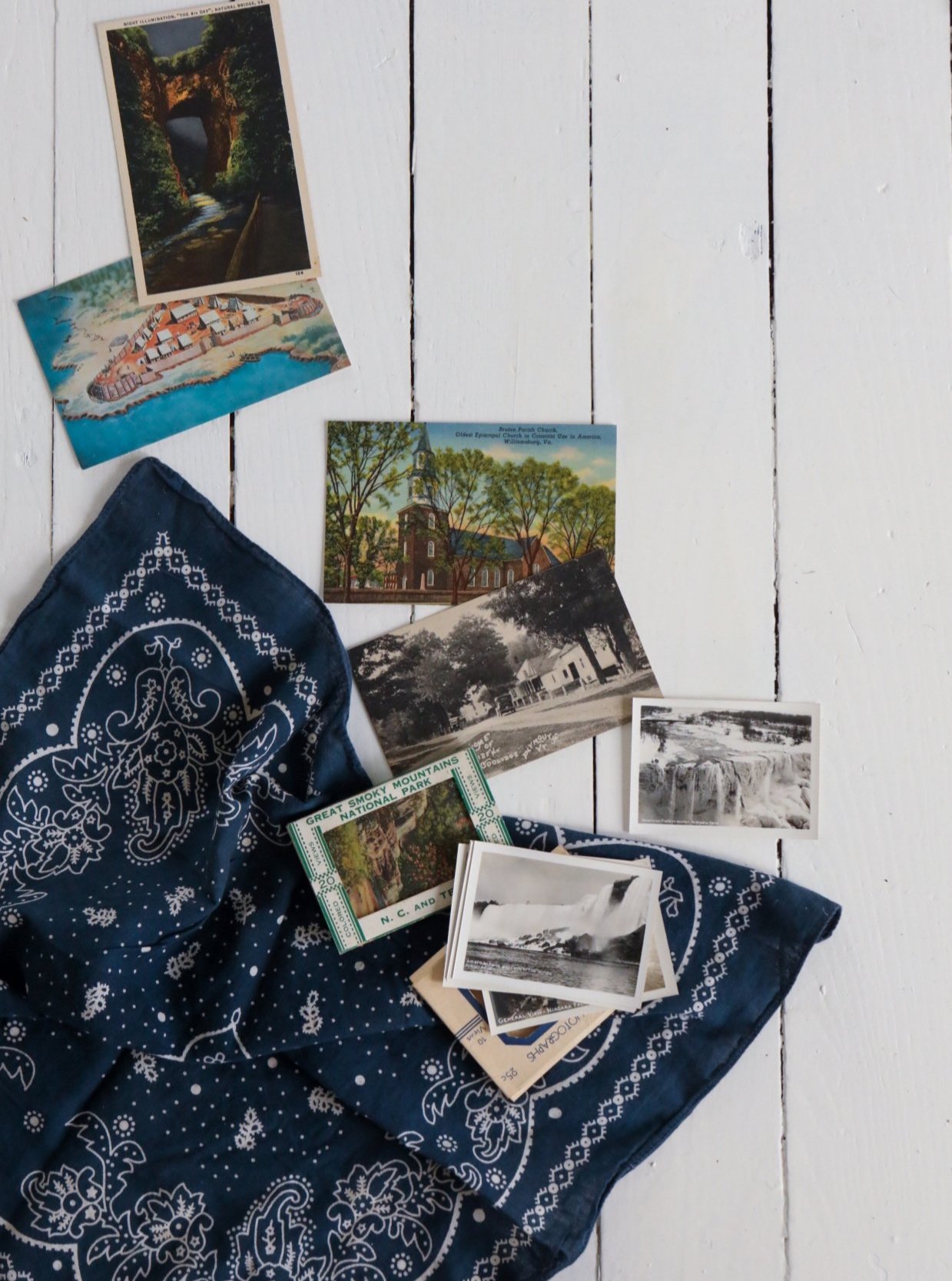
A PEEK AT OLD TRAVEL POSTCARDS MAKES US WONDER WHY SUCH BANAL IMAGES WERE CREATED AND SOLD TO THE MASSES, THEN COLLECTED AND TREASURED FOR DECADES – SO OFTEN, UNUSED. Rarely were the promoted images of such merit that they would be sought-after as captivating photographs, but rather, they were considered a cheap and easy way to keep souvenirs of a place that could trigger a memory, or comprise a visual anthology of adventures and explorations.
Postcards are a wonderful peek back at places and spaces as they were seen and experienced at the time they were marketed to tourists. They can be dated by the fonts used on them to herald their point of interest or celebrated locale, as well as by the automobiles that might appear in the image, or the fashions on the folks caught in the freeze ray of the camera lens. If written and sent, of course the postal cancellation is an indicator of the age, but many travel postcards – especially the folios – were purchased simply as keepsakes and were never used. We are left wondering, why buy a postcard if you never planned to send it?

Today when we wander and adventure, we capture a vista with a quick point-and-shoot. We press that button and harness a moment in full color and with lenses that can actually capture what we see at a distance -- or even in full panorama. Indeed, almost all of us carry a minicomputer in our pocket or purse…our phone is an accessory that makes us master of a tool that can take a glorious image that we can later crop, color, tweak and edit. As casual photographers, we can snatch an image or capture almost endlessly the scope of what we see. A few decades ago, we were so far from this; taking a photo meant something very different. With much less sophisticated tech, and the cost of film and development, being an undiscerning shutterbug could be an expensive hobby. Taking a photo required more thought and planning. In fact, if you know any non-English language speakers, they’ll tell you that the phrase “taking a photo” translates more often into “making a photo.”

There was a making to it…a consideration of light, shutter speed, film speed, and after all that…grave limitations on what could be captured, taken or made into memory.

Add to that the fact that a camera capable of harnessing an image of a sweeping vista or an inspiring landscape was something only a professional photographer would have. Cameras with quality lenses were not only costly, but intricate and demanding of attention during use.

Documenting the landscape for memory and posterity was left to the artists and professionals. The natural match for these images was their presentation on postcards for the tourist trade. The postcard was a vehicle of print media already in expansive use, and letter writing was the means of communication. Sure, we had consumer-grade cameras as early as 1900 with the Kodak Brownie, but what they offered in novelty and affordability compromised the scope of them as tools.

For years consumers could only take a very small square photos…great for a snapshot or posed moment, but in no way could it convey a landscape. Let’s add that most consumer photos were taken in black and white until the 1970s when more advances were made in film technology, and we had early point-and-shoot 110 film and the pioneering of pocket-sized cameras. This “snapshot” camera history makes more sense of the oddly treasured souvenir postcard rage. With printed postcards popular with consumers from the late 1940s through the early 1980s, during that time you could not visit a town of even remote interest or landmark of esoteric note without finding a postcard folio for sale. These folios were rarely mailed but kept as souvenirs with a trophy-like countenance.

Think of them as visual brag books of the arcane places one might visit on a day trip, or an easy-to-bring-home series of captures one could never take themselves, but that could be shown off as a travel achievement or looked at for a personal reminder of a place visited.

Postcards are charming reminders of former travelers’ escapades and explorations that remind us that adventure awaits. How you choose to document your travels is up to you. There’s something in appreciating those moments and vistas that add up to good memories; a postcard just might be the ticket if you miss the capture yourself.

— earthangelsstudios.com

The Gardener’s Creed

Ben Ashby


— by Bailey Van Tassel | from FOLK’s Revival Issue | photos: Caitlin Kraina


I believe that a human’s greatest confidence and pride come from tending the earth, in a give and take that is abundant in giving, more than taking. 

I believe that hard work and attunement to the seasons require patience, restraint and response to nature that build resilience and a kind character.

I believe that gardening nourishes the mind, body and soul, giving to our families what they most need: honest food, quiet harmony with nature, and small challenges to overcome.

I believe that my children are learning lifelong skills and lessons that will indelibly inspire them and shape their future, and those after them.

I believe that the best things in life are indeed simple and free: the scent of orange blossoms covered in dew, the pushing of a seed through its casing, the sight of a bumblebee falling asleep on a sunflower.

I believe that reverence for that which is beyond our control makes us better.

I believe that caring for the tiny species upon whom we are irrevocably dependent, the bugs, the birds and the butterflies, requires us to live greatly and beyond the thought of ourselves.

I believe that planting a tree whose shade I will not sit in will be how I leave my mark.

The Remembrancer: Strawberries

Ben Ashby

One of the most vivid memories I have of my childhood is rooted in the soil between my home and my Nana's. I was lucky enough to grow up around my family, in very close proximity to everyone in my mother's family and not much farther from my father's family. From my house I could see everything in my 'holler'. From the head, the farthest point at the end, to the mouth, where my short gravel road met the larger gravel road to Dorton where I went to school.

Those days were the simplest days of my life, the days before US23 made extinct those well traveled gravel roads of my youth. I am reminded of those days every time I drive down a gravel road. I can remember chasing cars down the paths of my Papaw's garden, not caring that the low greens of the vegetable patches were smacking my legs viciously. The smells of those gardens are always around me. I can remember the musk of tomato plants and the sweet smell of berries ripening on the vines. It was simple childhood bliss growing up in that garden.

The strong summer sun beamed down on the field day-in and day-out and the ripening vegetables and fruits made me more aware of my upcoming birthday. The most exciting part of this garden lay in the row nearest to my porch. Stretching from my porch to the gravel road laid a long row of sweet red berries that fueled my youthful energy during those warm days of summer. The strawberries that grew there were not like the overgrown grocer variety, they were a special entity that I have never found anywhere else. The small rubies clung to their vines delicately and all of the neighborhood kids were allowed to pick what they could carry. The sweet taste of those berries are so unlike any other. The rich flavor and smooth soft berries melted in your mouth and down your face leaving crimson evidence that you were, in fact, in Papaw's strawberries again.

Those strawberries were an important part of my childhood. Every year I got older, a different birthday theme was picked,  and I had a different grade and teacher to look forward to in the fall. The only thing that remained the same each year was the aroma and taste of those berries. The garden has disappeared in the waning years of my youth, but the sight and memory of that garden are revived each time I see the space between my house and my Nana's.

— Heath 2012