A Visit to North Branch Cider Mill — Western Catskills
Ben Ashby
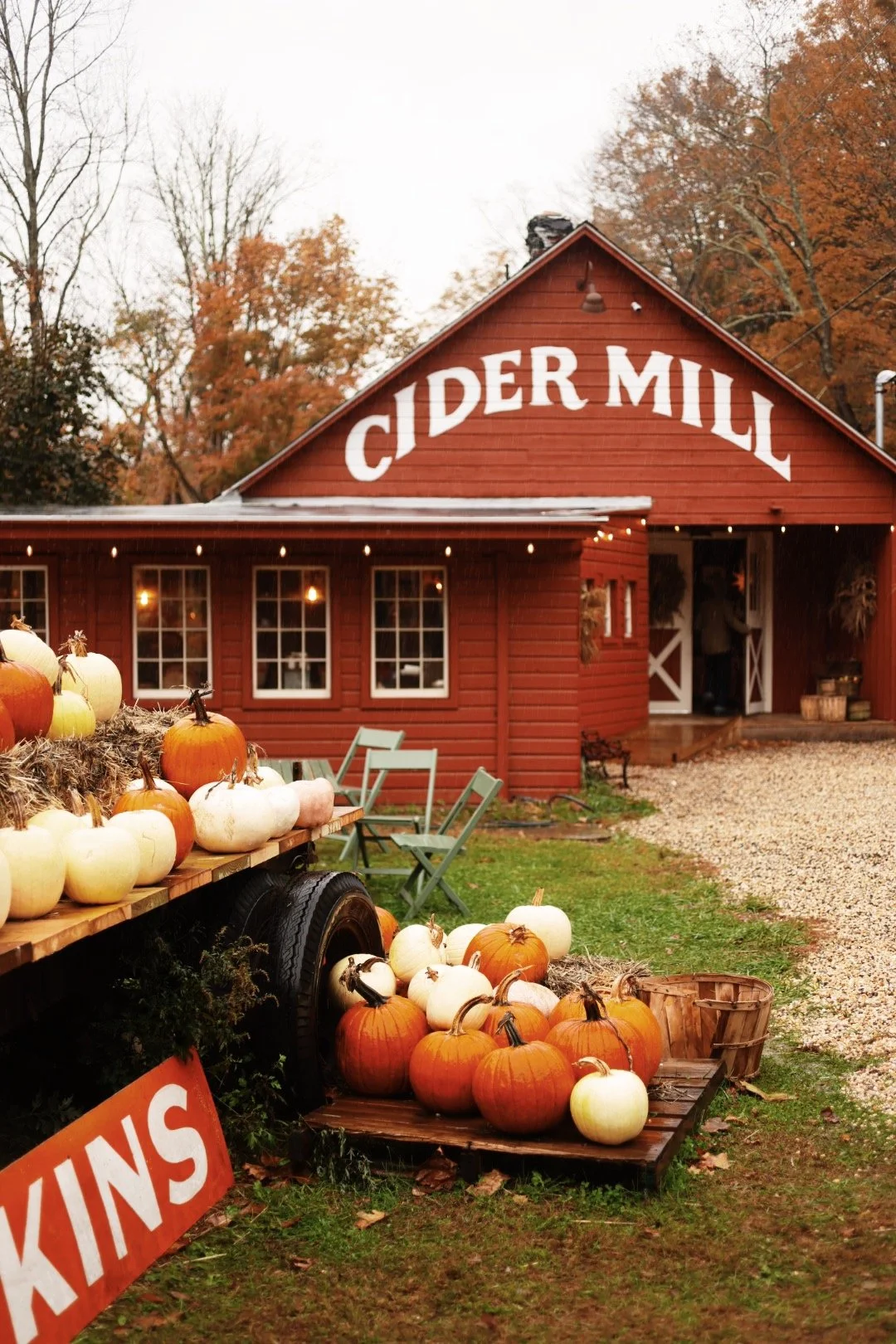
Tucked into the rolling landscape of the Western Catskills, the revival of the North Branch Cider Mill stands as one of Sullivan County’s most thoughtful and intentional reinventions. Driven not by nostalgia alone, but by a commitment to craftsmanship, community, and history, Anna and Tom have spent the last several years breathing life back into a long-silent landmark. Their work with Homestedt had already integrated them into the area, now their revival of North Branch Cider Mill—blending old-world sensibilities with a fresh, modern vision, has them invested in the area's future and past.
How and why did you end up in Sullivan County? What drew you to such a rural place—and to opening businesses there?
I first came to Sullivan County more than a decade ago, escaping the city with a friend to go fly fishing. One visit led to many, and over time we fell completely in love with the area. I grew up in rural England and Anna in Sweden, and there was something about the rivers, the mountains, and the constellation of small, close-knit towns in the Western Catskills that felt deeply familiar to both of us. It reminded us of home—of the places where we grew up and the people we grew up among.
Where some people dream of moving out of the city to slow down, we saw the opposite: a place where we could roll up our sleeves and build something of our own in a community where we instantly felt rooted.
As we spent more time in the area, we met others who were in their own early stages of building businesses or bringing long-held dreams to life. There was a sense of camaraderie and encouragement rather than competition. The region then was still a bit down on its heels, but there was a shared belief that the Catskills could reclaim a bit of the magic it was once known for. Looking back, I think we’ve watched that spark catch.
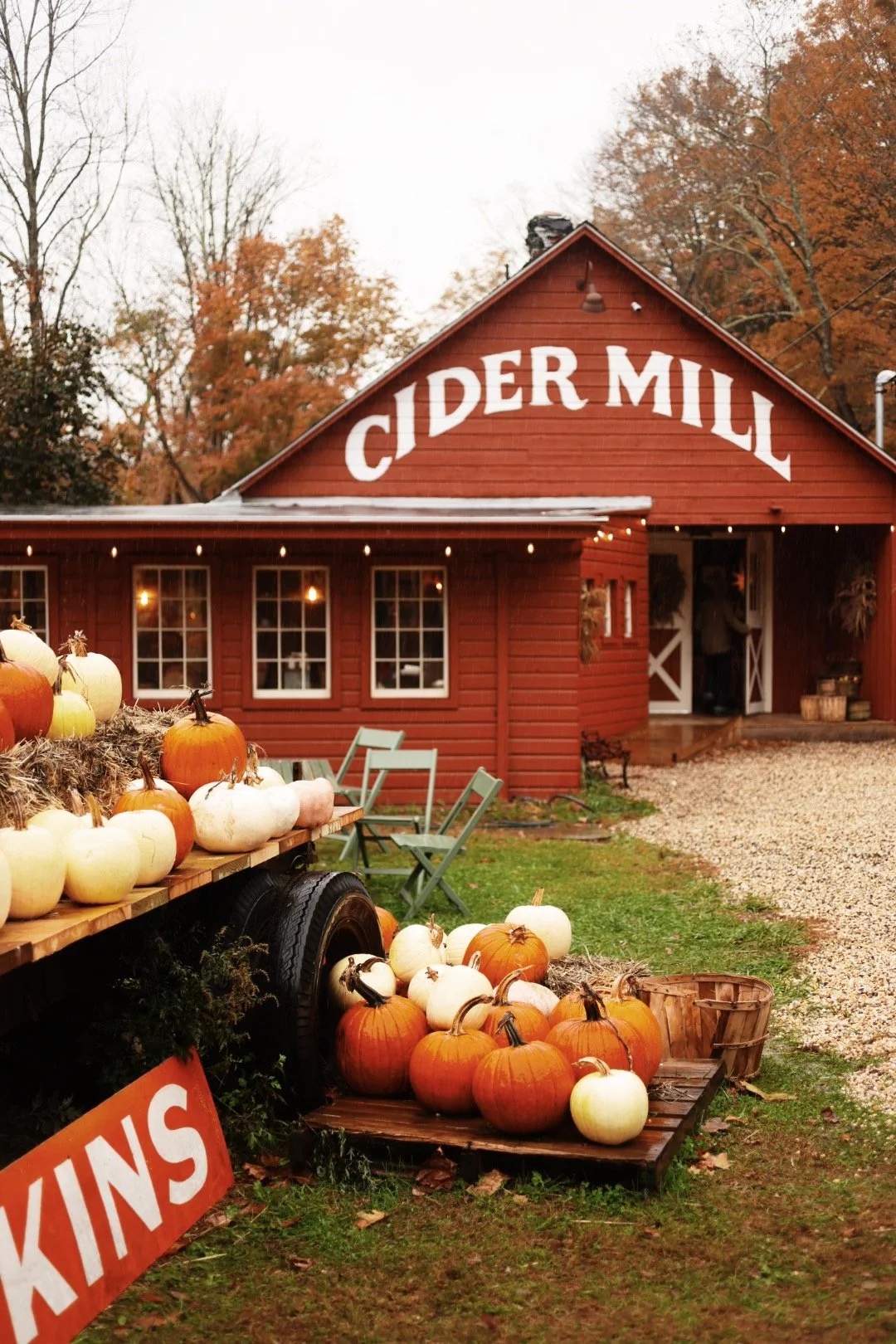
Why did you buy and reopen the North Branch Cider Mill? What’s your long-term vision for it?
For several years Anna and I were working with the owners of Seminary Hill Orchard & Cidery on the design and build of The Boarding House in Callicoon. Our commute took us past the old North Branch Cider Mill almost daily. You couldn’t miss its charm—even as it slowly fell to the elements.
We started asking questions, poking around, learning its history. The more we learned, the more we felt drawn to it. Growing up in places where history is woven into the fabric of everyday life, I think we both missed being surrounded by it. The Cider Mill had operated continuously from 1942 until 1999; letting it disappear felt like losing a tangible piece of Sullivan County’s story.
Eventually we became convinced we were the right people to bring it back. That led to an eighteen-month pursuit to buy a building that wasn’t even for sale—countless three-hour drives to meet with the owner—until we finally closed in December 2022.
Our long-term goal blends restoration with reinvention. We want to honor its past (much of which was shaped by an English couple in the ’70s and ’80s), bring in elements from the places we grew up, and weave in the full identity of Homestedt.
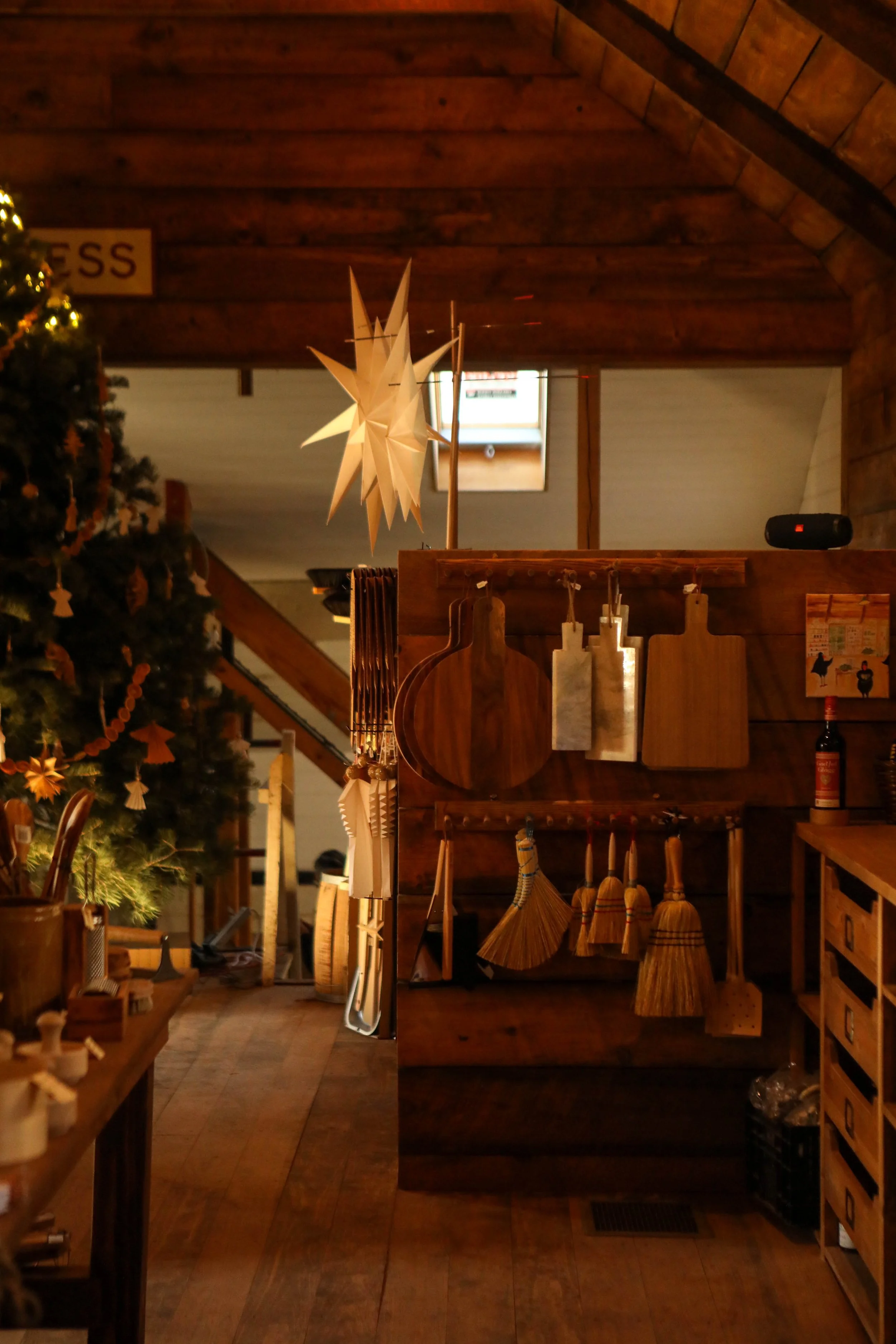
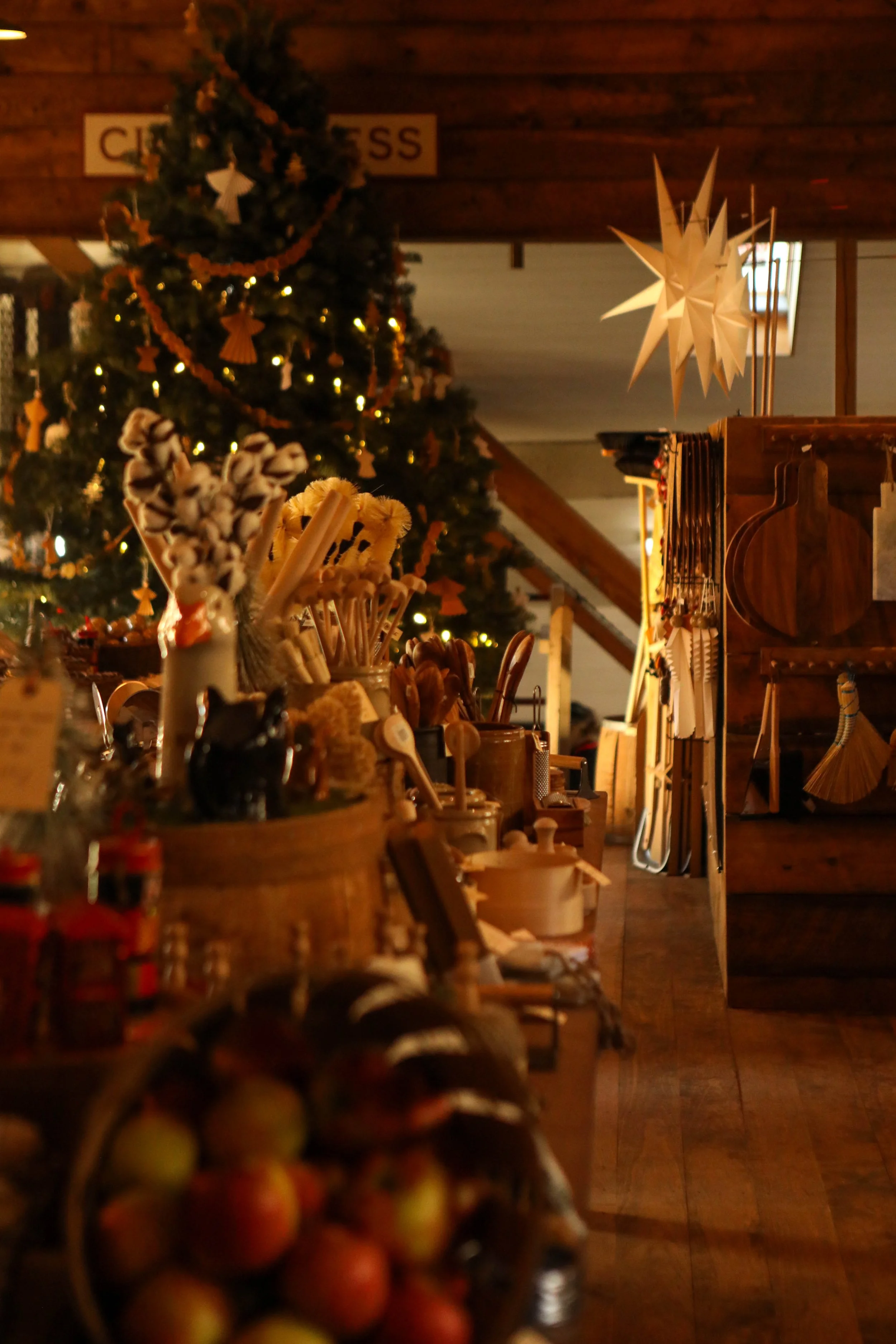
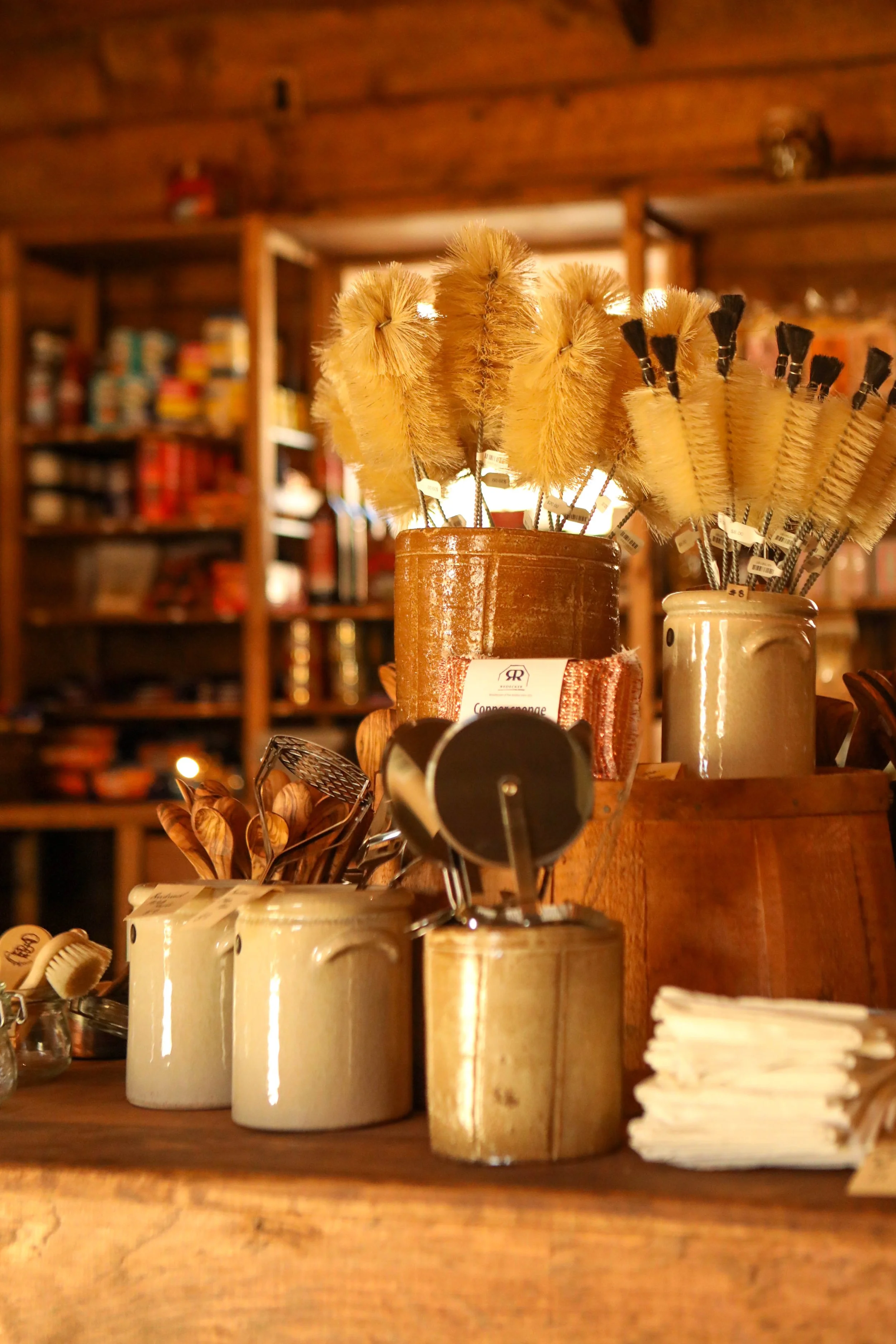
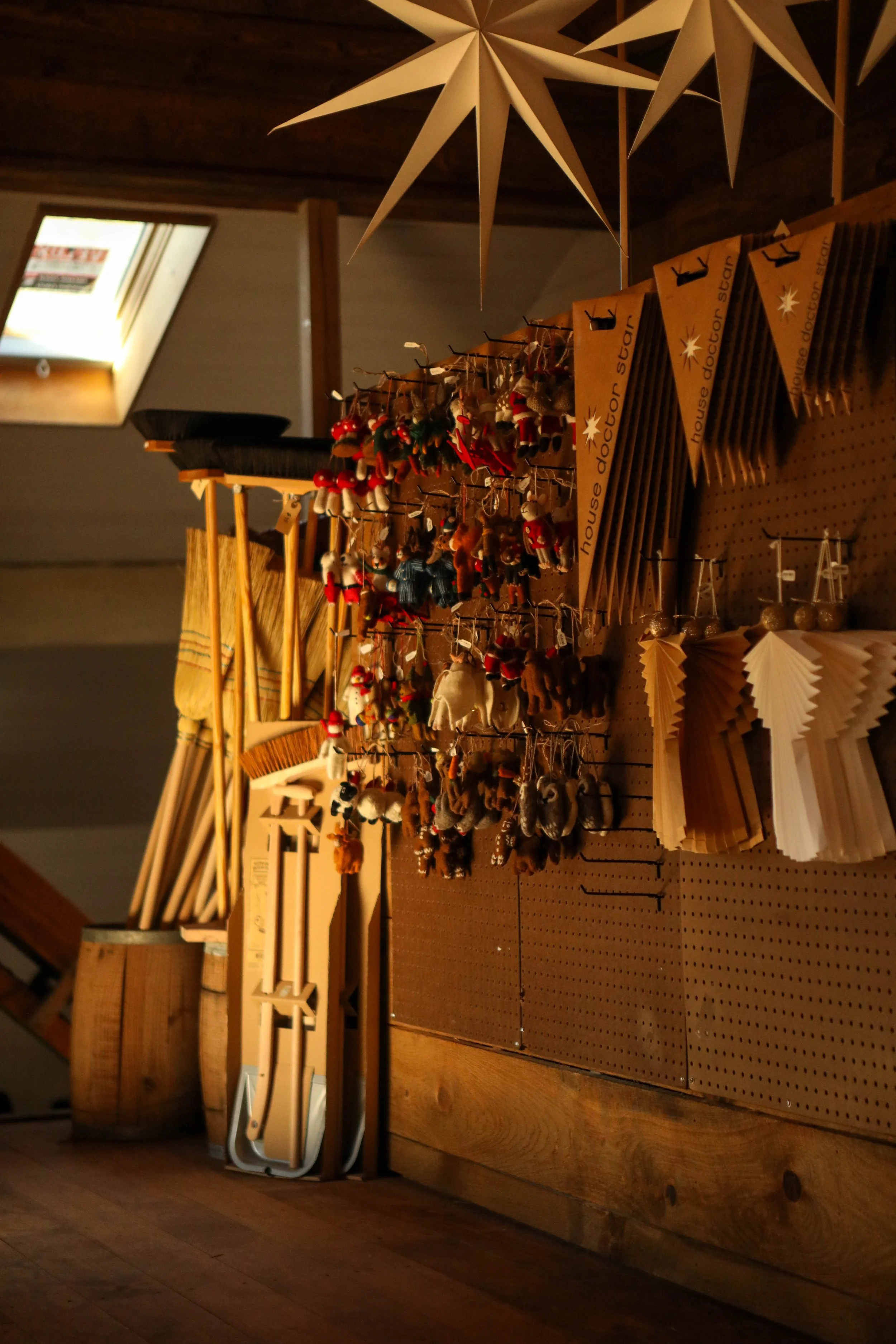
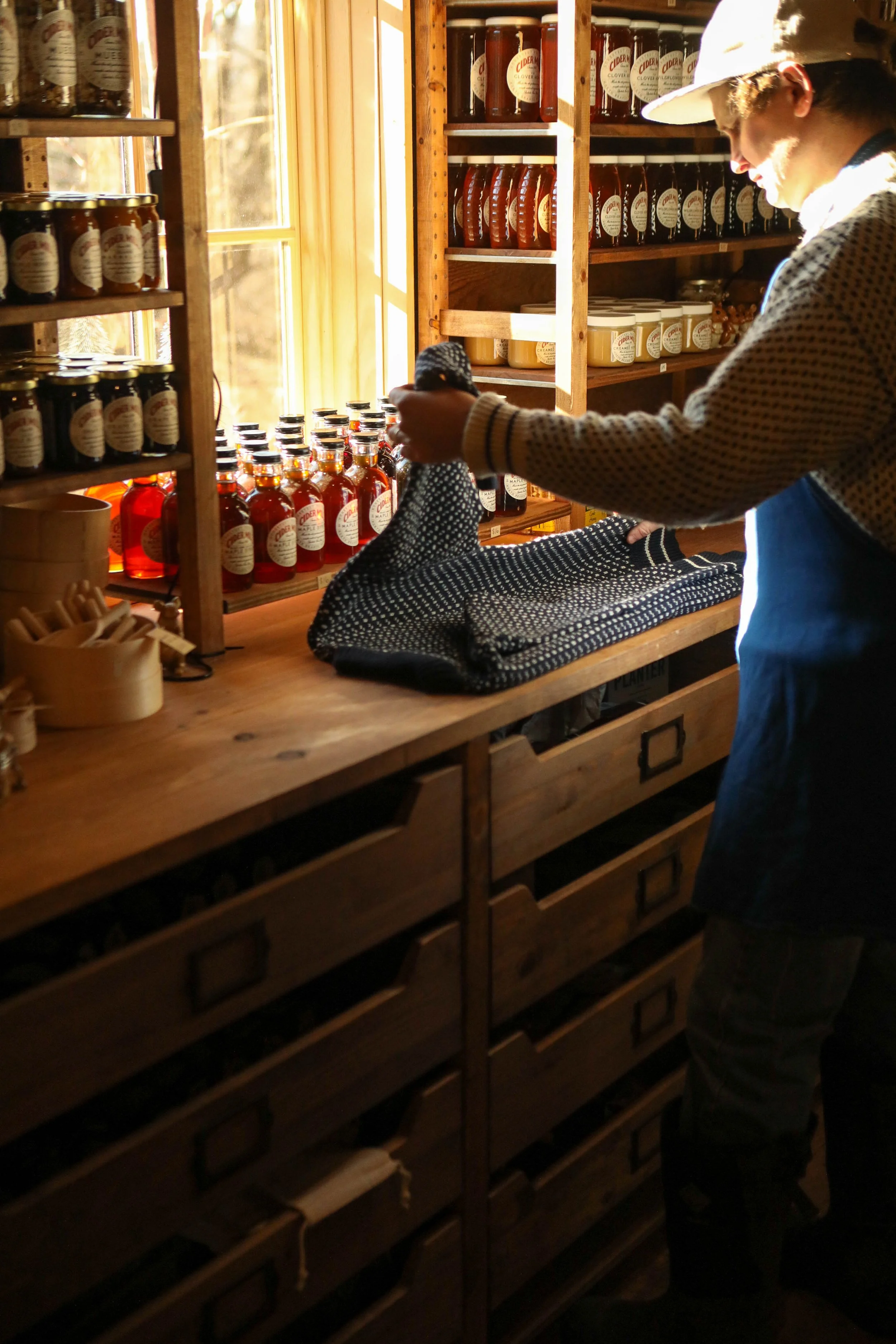
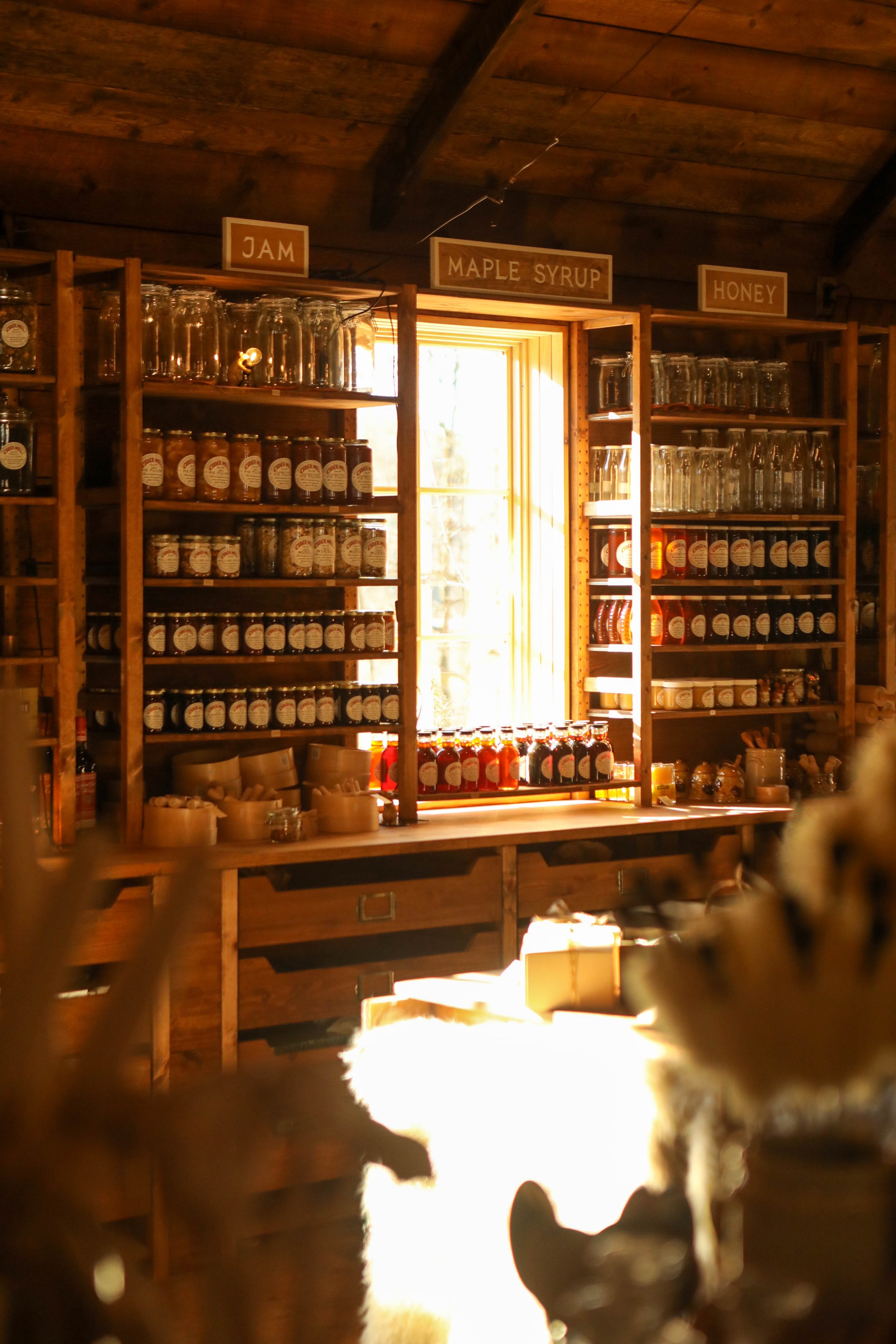
In simple terms, the North Branch Cider Mill will house our old-fashioned country store, the century-old cider press, and a tea room and café. Next door, the Homestedt Barn will hold our home goods shop, woodshop for custom furniture, design studio for home builds and interiors, and a flexible space for workshops and events. Down by the river, we’ll have our goats, a cutting garden, an ice-cream and drinks stand, outdoor seating—and perhaps a couple of saunas.
Ultimately, we want North Branch to be a place where everyone feels welcome—somewhere you can pop in for basics or spend an entire afternoon with family and friends.
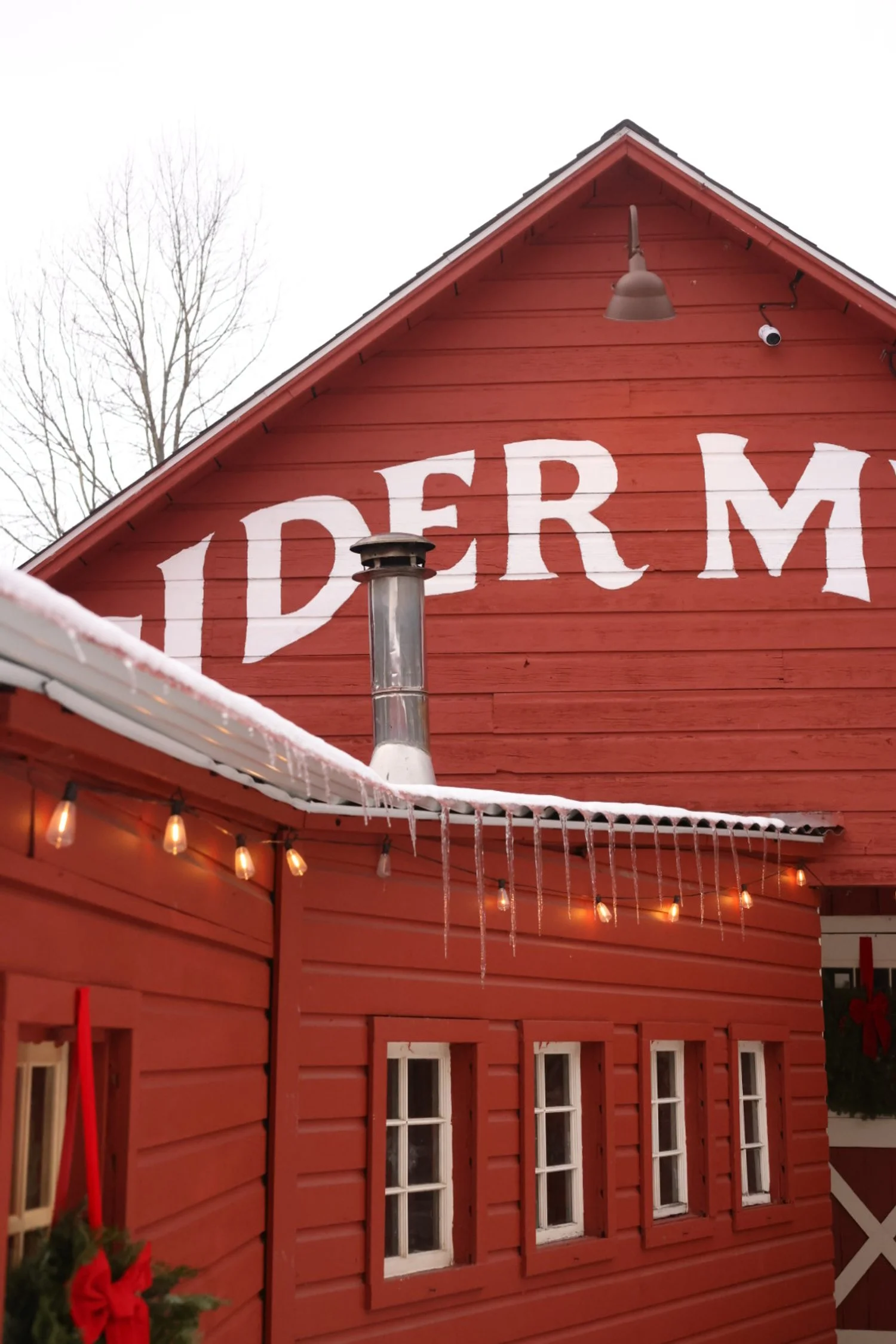
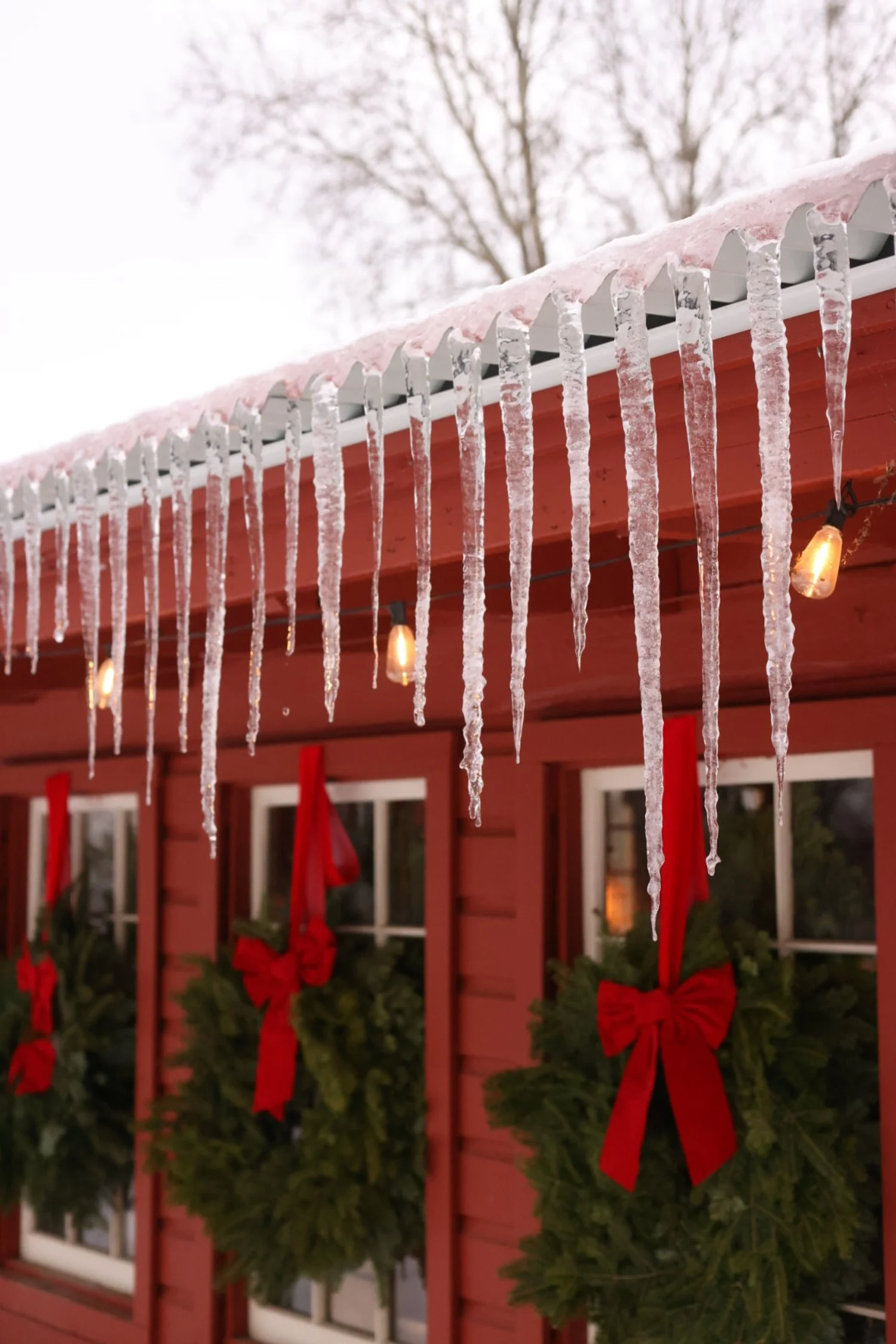
Why do you believe in investing in small businesses and small towns?
We’ve always been drawn to the individuality of small towns. Each one has its own character, its own stories, its own rhythm created over generations. Independent businesses become the carriers of that history—hubs that connect neighbors and help visitors understand the soul of a place. Being part of that feels meaningful. It feels like contributing to something bigger than ourselves.
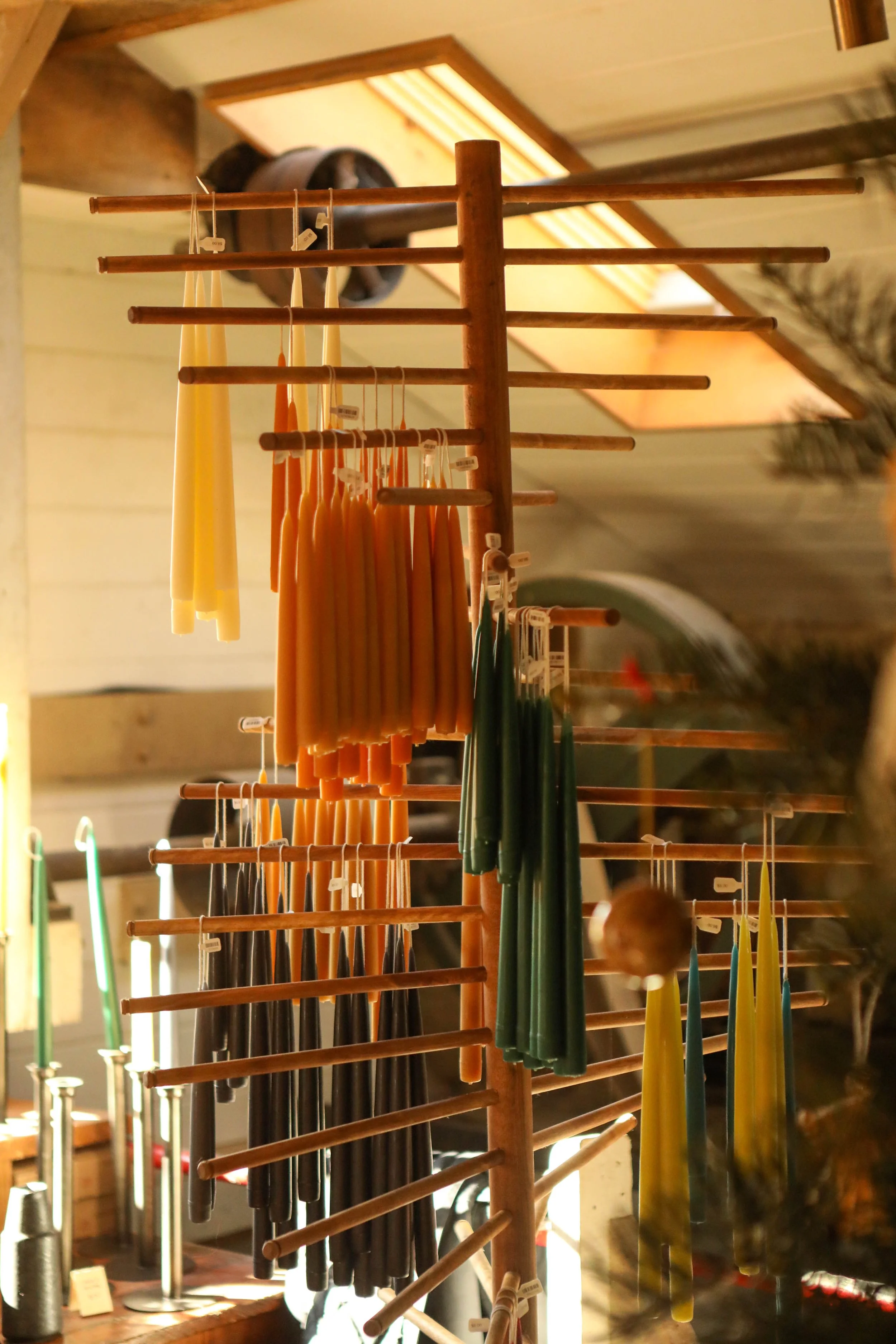
How would you describe the North Branch Cider Mill to someone who’s never been?
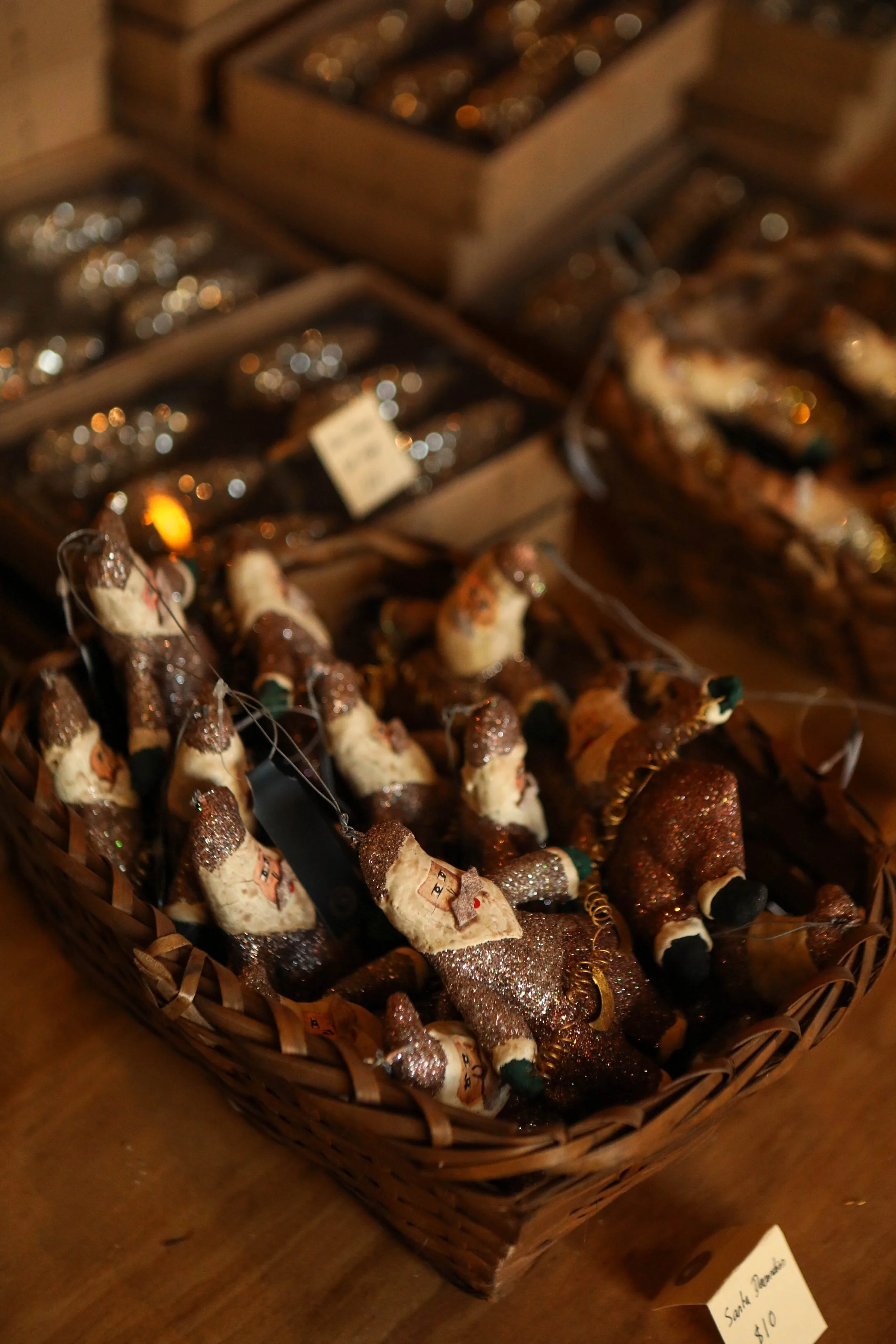
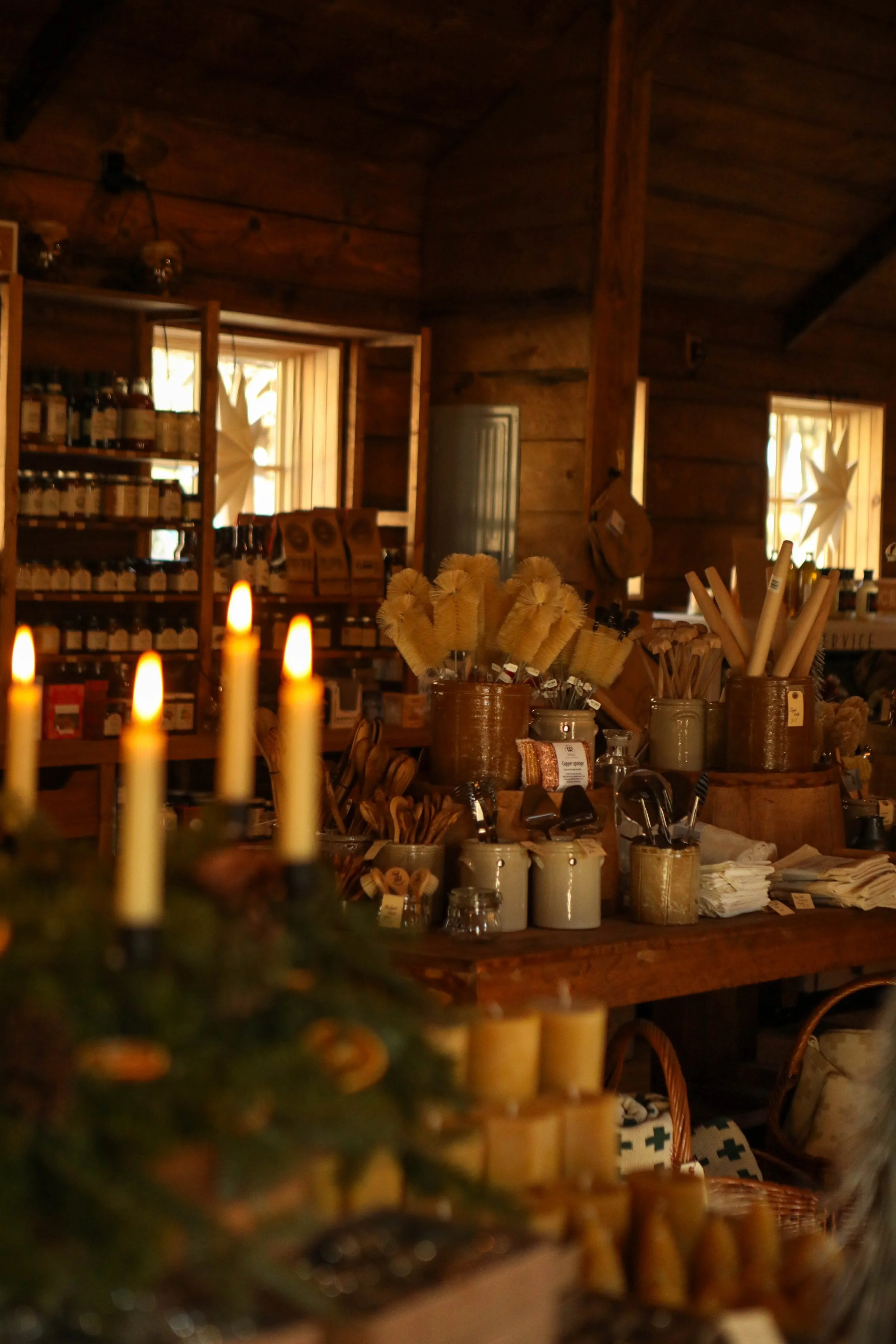
On the surface, North Branch Cider Mill is an old-fashioned country store and working cider press. It’s retail the way it used to be: every item chosen with intention, sold with pride, and carrying a story. It’s a place where everyone who walks in the door is greeted warmly and welcomed into a space that feels like it’s always been there—because it has.
But it’s also more than that. It’s a living thread of local history and a reflection of the community it serves.
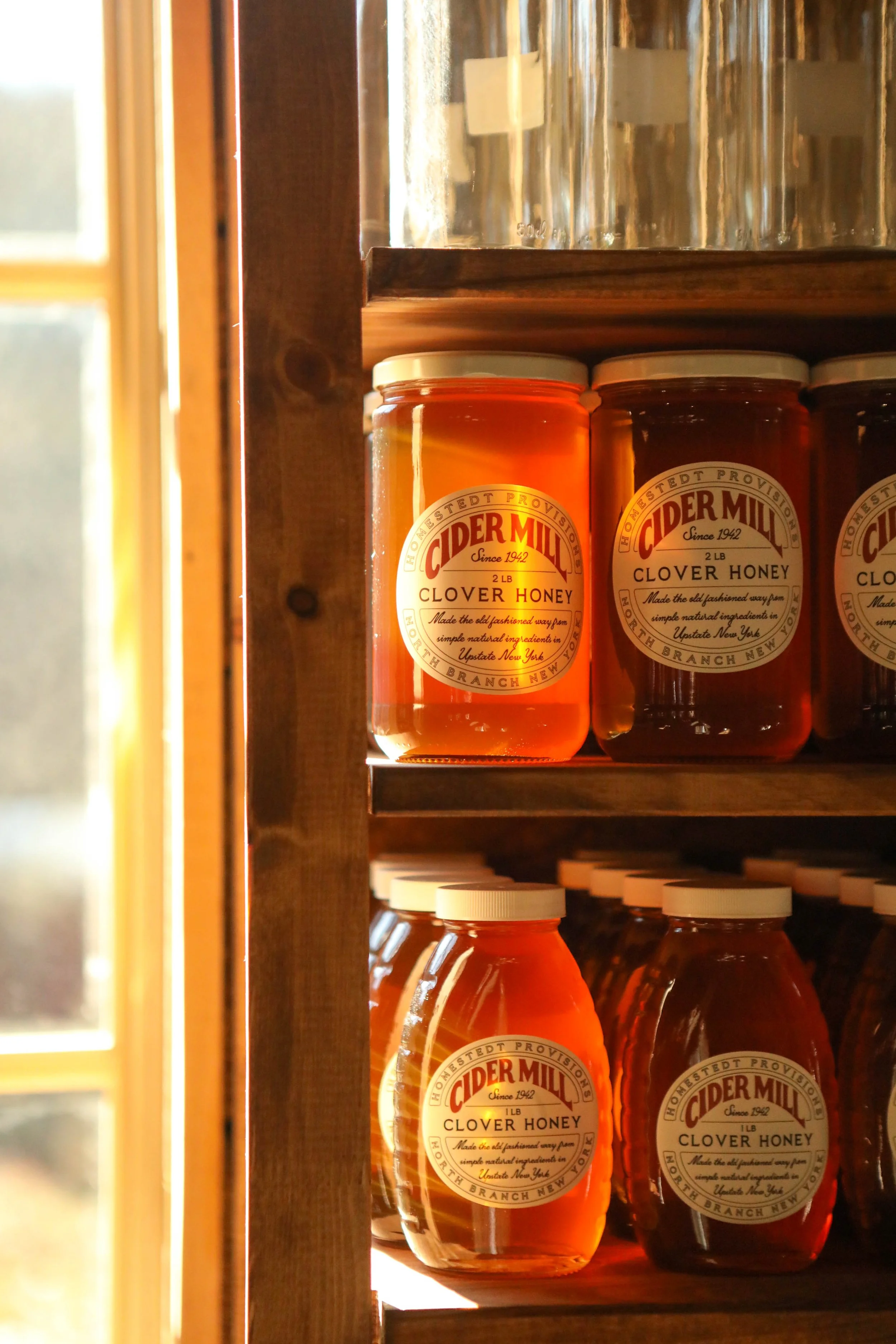
How have the first 1.25 years been? What comes next?
As with any small business—especially one in a place with real winters—the first year has had its share of highs and lows. The support from the community has been extraordinary. People come in and share their memories of the Mill, often going back generations, and seeing their joy as the building comes back to life has been incredibly rewarding.
Winter was tough, and getting a hundred-year-old cider press to meet modern health codes has been even tougher. But this place breeds resilient people, and we intend to persevere.
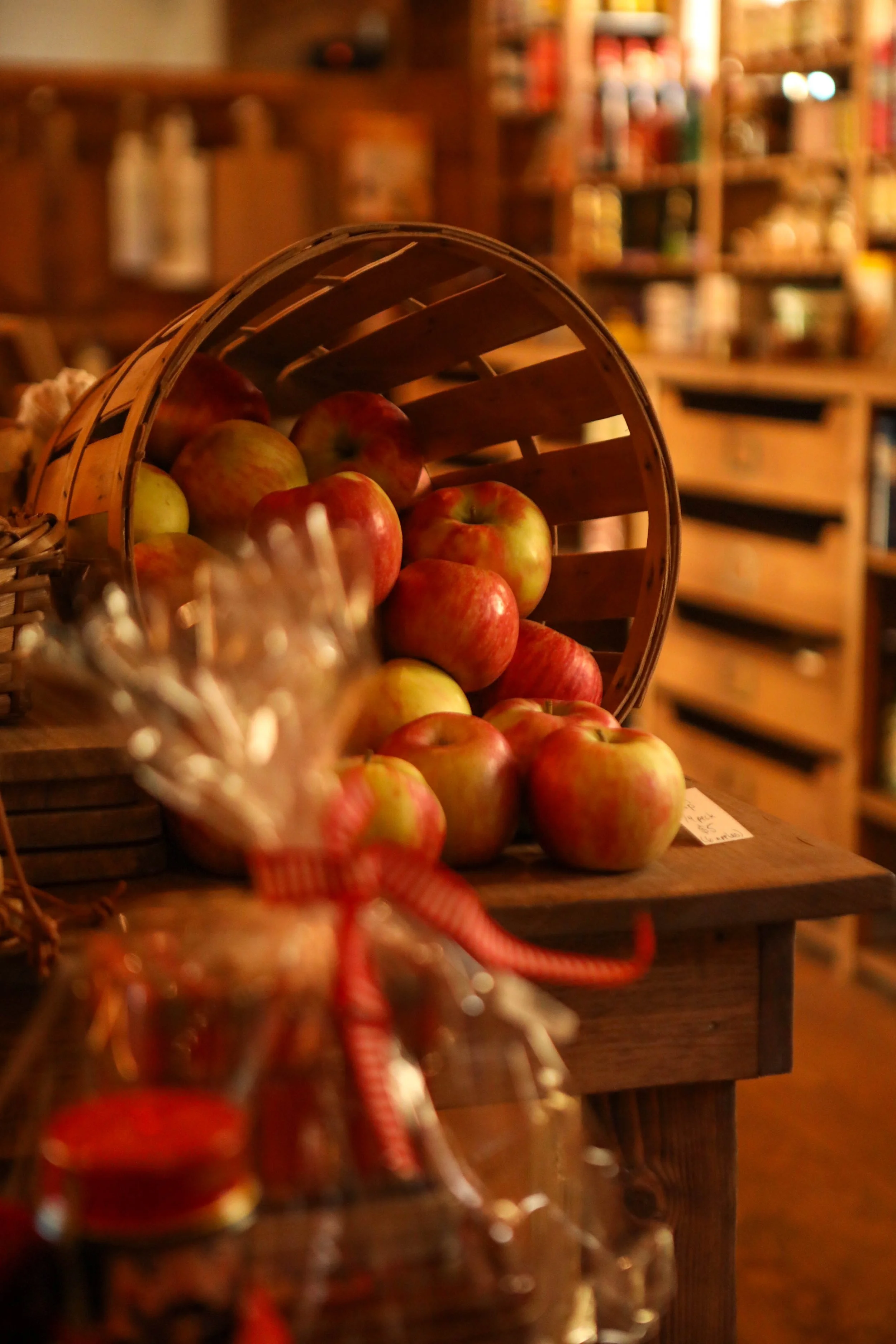
What’s your favorite item you carry—and why?
Choosing a favorite is nearly impossible since we only carry things we genuinely love, so I’ll narrow it down to two.
First: our Cider Mill Pickles. For our Cider Mill range we searched New York State for the most authentic, best-quality flavors we could find. The pickles come from a wonderful maker named Tabor in Saratoga—one of the few pickle producers who grows his own cucumbers on site, makes everything by hand, and uses no artificial preservatives or flavorings. They’re exceptional.
Second: our canvas prints. I’ve always been obsessed with antique books, especially the hand-painted botanical and fauna plates inside. A few years ago we began scanning some of our favorites and working with a UK printer to reproduce them on large-format canvas. They arrive to us in rolls, and we cut, stitch, and batten them in our woodshop. The result is a timeless wall hanging—reminiscent of old roll-down school charts—that you can mount with just a single nail.