Contact Us

Use the form on the right to contact us.

You can edit the text in this area, and change where the contact form on the right submits to, by entering edit mode using the modes on the bottom right. 


123 Street Avenue, City Town, 99999

(123) 555-6789

email@address.com


You can set your address, phone number, email and site description in the settings tab.
Link to read me page with more information.

CONTENT

Fried Biscuits

Ashley Evans

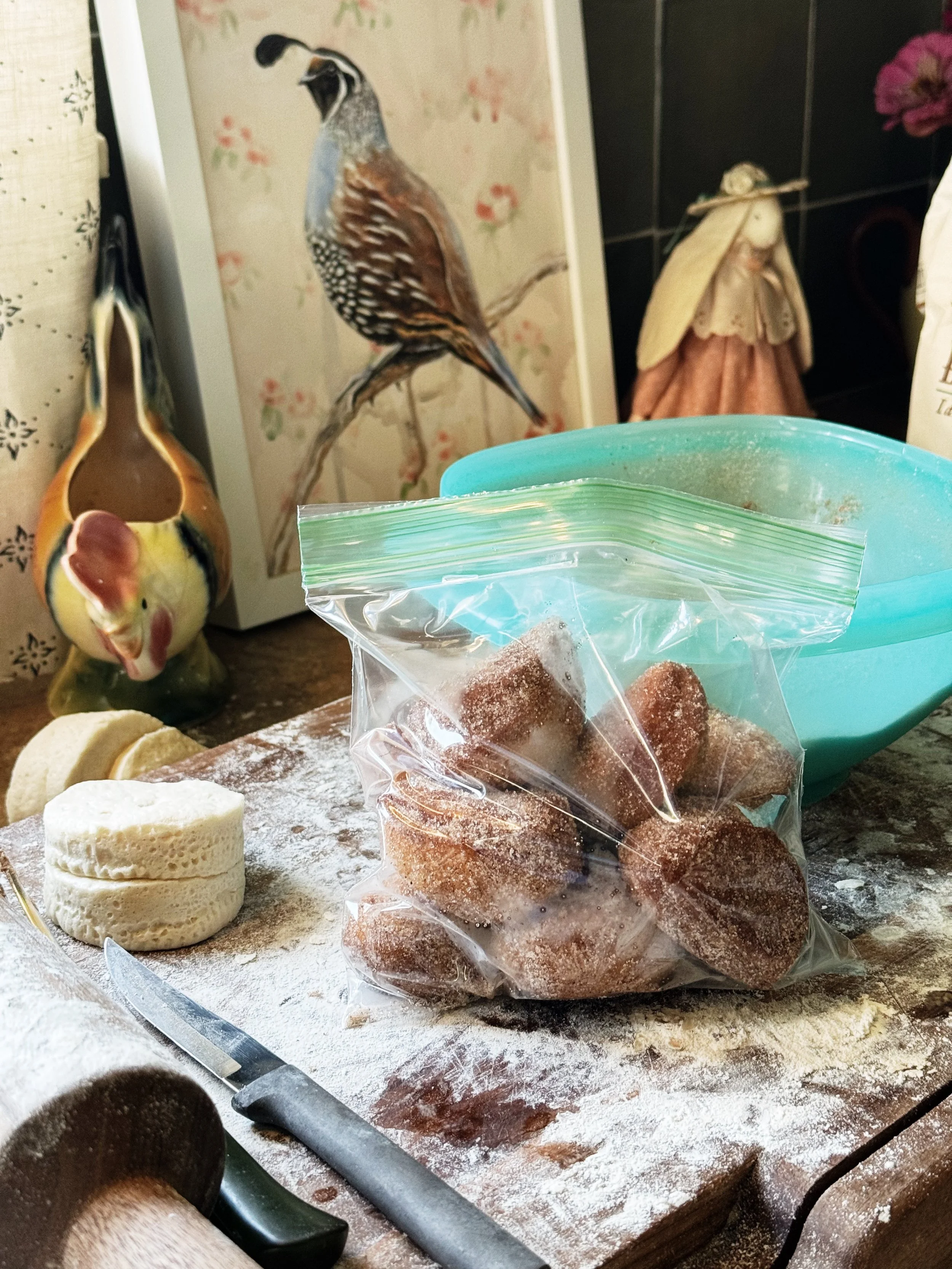
You have to trust me on this recipe. It almost seems too simple, but use the canned biscuits. I have made it with scratch made biscuits and store bought, the store bought biscuit dough simply works better. This is a recipe that can be made in excess for a party, but is best when the donuts are served fresh and warm. These are especially delicious when served with apple butter. 

12 canned biscuits cut in half

1 cup sugar

1/4 cup brown sugar 

1 tablespoon pumpkin pie or apple pie spice

In a deep sided pan heat cooking oil to medium heat. You’ll know it is the appropriate temperature when a pinch of dough begins to sizzle when added to the oil. Slowly add the halved biscuits to the oil. Turn once the bottoms are golden. Allow to fry on both sides. Remove and allow to drain on a paper towel covered pan or plate. Mix together sugars and spices. Roll fried biscuits in mix and serve warm.

SAM MELTON SHOP TOUR

Ashley Evans

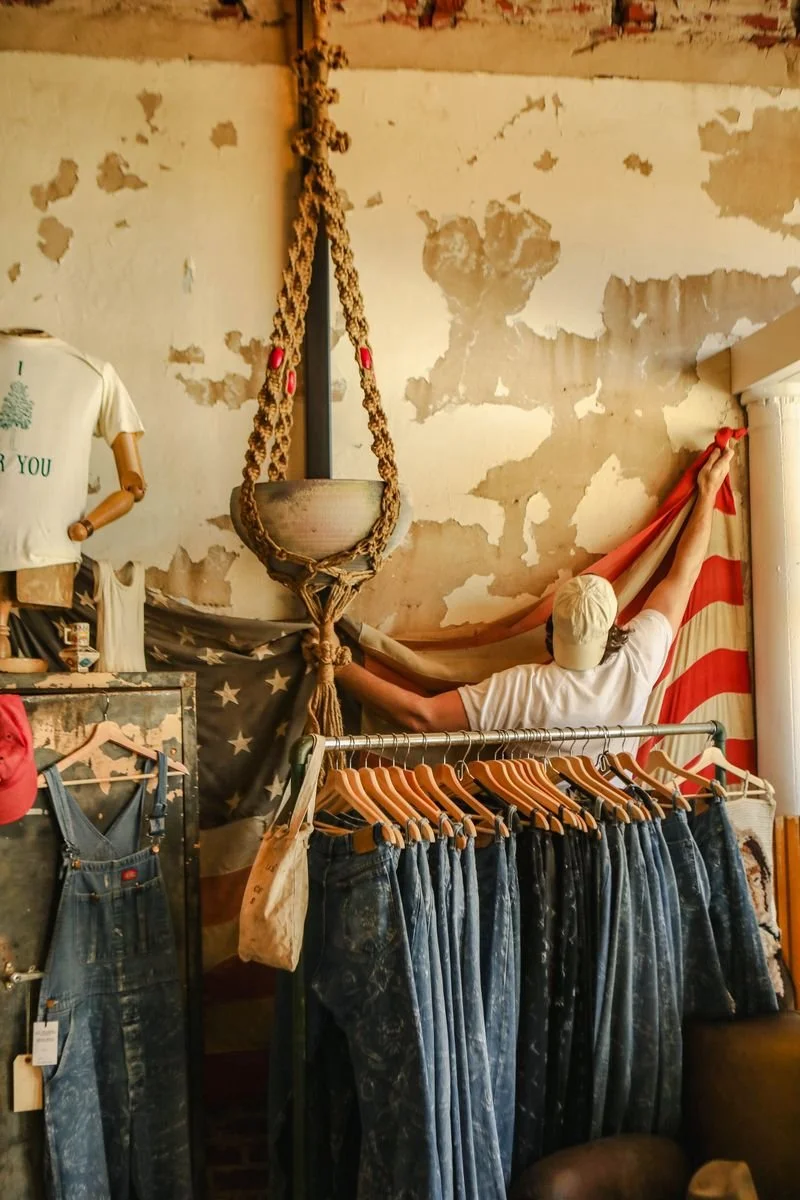
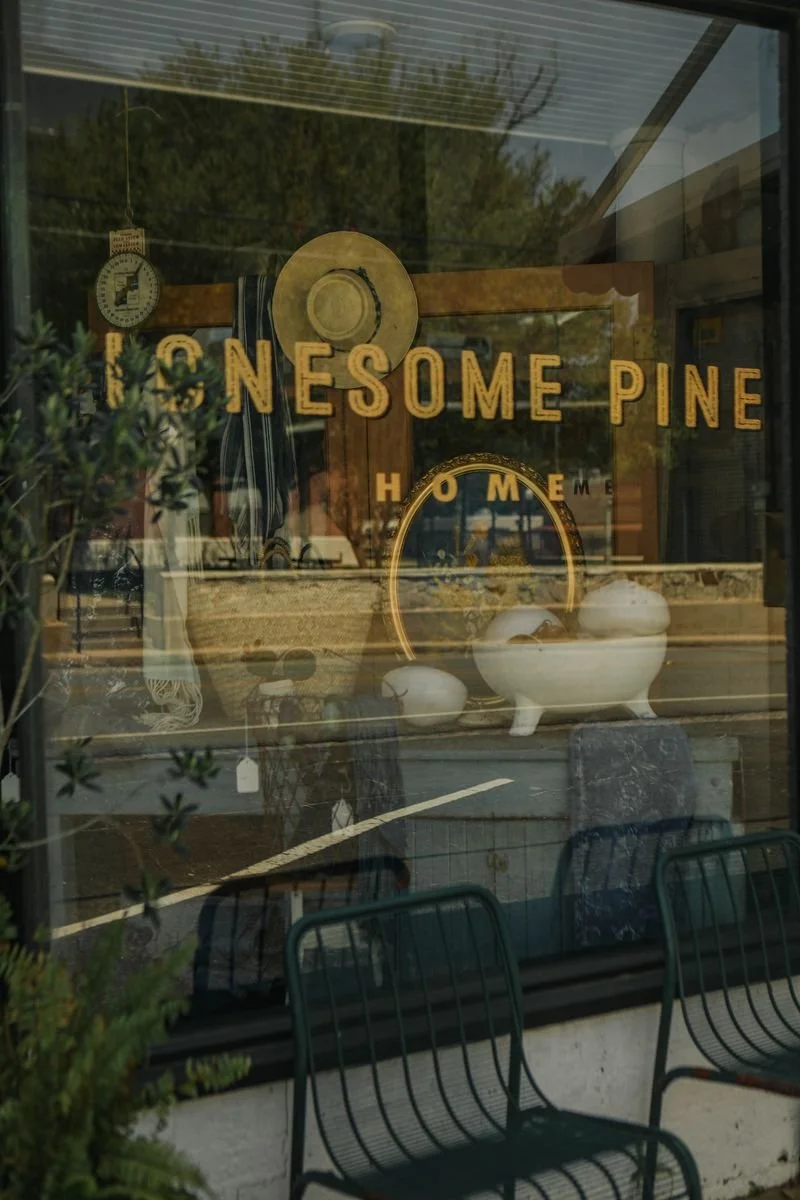
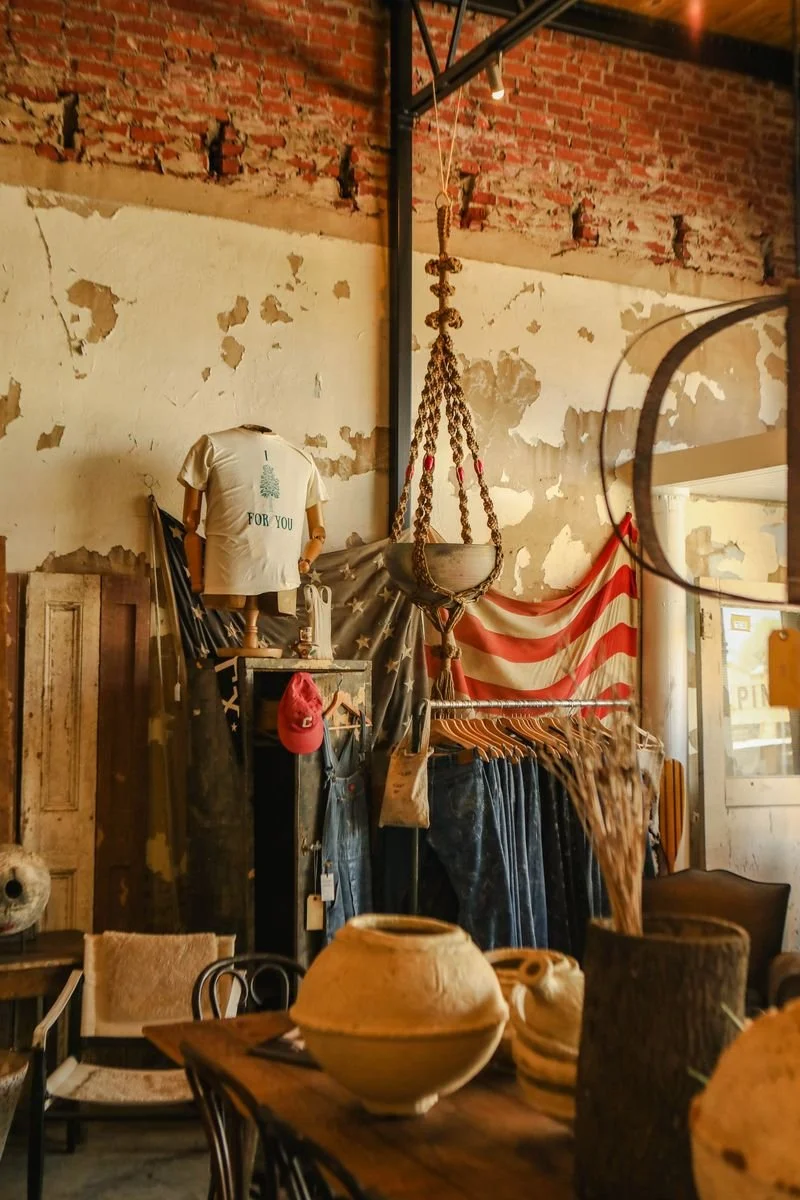
“I have this feeling deep in my bones that my town has the potential to be something great and I want to be a part of that.” Hemphill, Texas native and resident Samuel Melton says of his hometown. In 2017 Samuel bought a dilapidated 1920 men’s clothing store on the square of this small east Texas town. After a few years of allowing the building to sit and plans to be made renovations began as Samuel established his shop, Lonesome Pine Home, to begin life in a space he rented on the opposite of the small town’s square. 


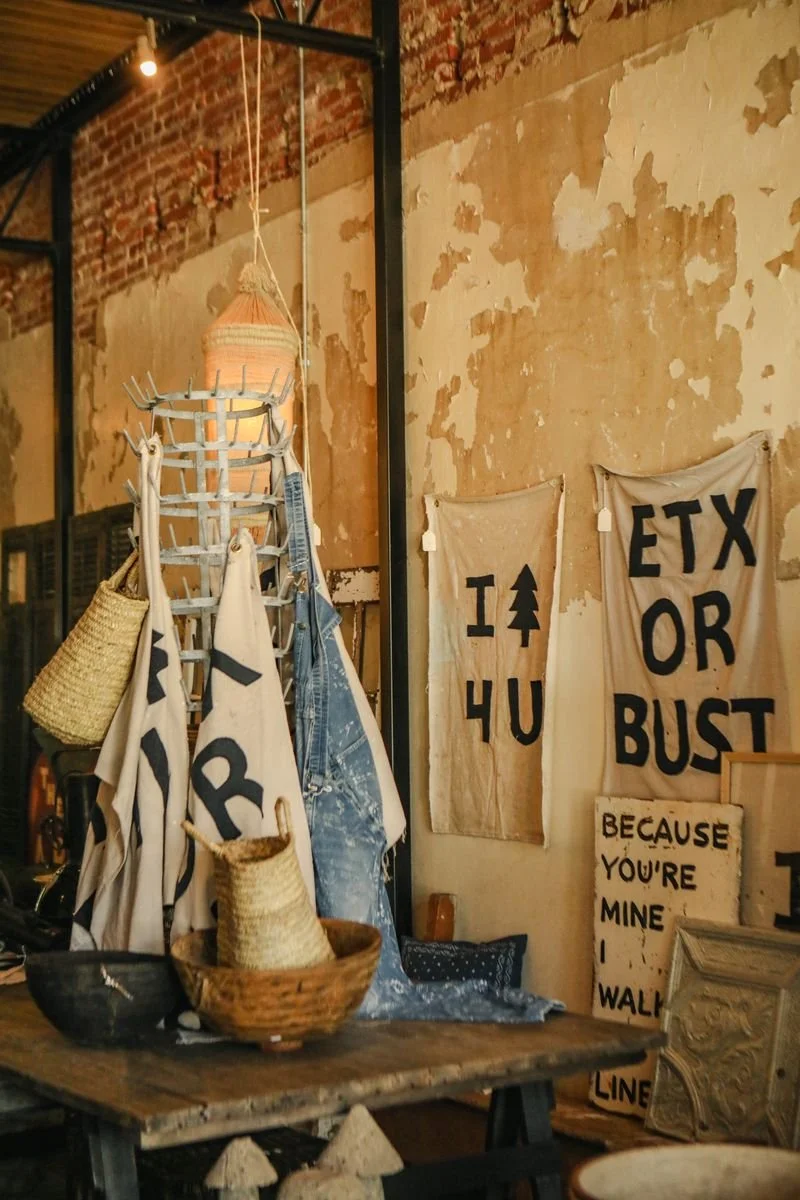
“I moved from the big city (Dallas) with $100 in my account back to my hometown to start a shop that may or may have not worked. I believe firmly in doing the dreams you have before it’s too late,and that’s what I’m doing now.” The shop is Samuel’s vision, with the old meeting the new in this store, leaving plaster walls cracked and exposed as well as the old tin ceiling tiles used to create a large focal wall that greets you as you walk in. All these things present a story or an idea that Samuel want to convey. 


“Vintage finds and restoration, work because I grew up in this life of antiques and vintage, it is in my blood. I watched my parents hunt for those treasures all-round the South as a kid. I grew into finding what I loved, which is furniture and things to be used in a home that have stories.”

Samuel’s largest project in this small town has been remodeling his great grandparents’ little house near the Sabine National Forest. “It has been an act of love to my heritage.” Old paneling has been replaced with large planks of 12 inch wood from his grandfather’s furniture store. The kitchen was taken back to all open shelving with large blonde hickory shelves he had planed from a tree on his land. “I used found lighting mixed it with hand forged Texas made lights to give artisan touches. I also laid local hand made tiles from Thro Cermaics on my entryway floor. The little house is not much, but it’s mine. This something I couldn’t create where I was in the city.”


“We are a town of people looking for a life different from most. I like the term Urban Exodus to mean make your life on your terms in a small town hidden in lush pine forest. We sit on one of the largest lakes in Texas dividing us from Louisiana. With a small town comes small businesses that I love to support. From meat markets, quilt shops, new wineries, hidden swimming holes, and many more places to explore here. I try to tell anyone who walks in the shop about this hidden gem I call home. My town is a underdog story waiting to be told with many flocking here finally finding  old buildings and homes waiting to be restored. We are at a start to that feeling in my bones of “something big is coming”.

James Cregan - Farmhouse Tour

Ashley Evans

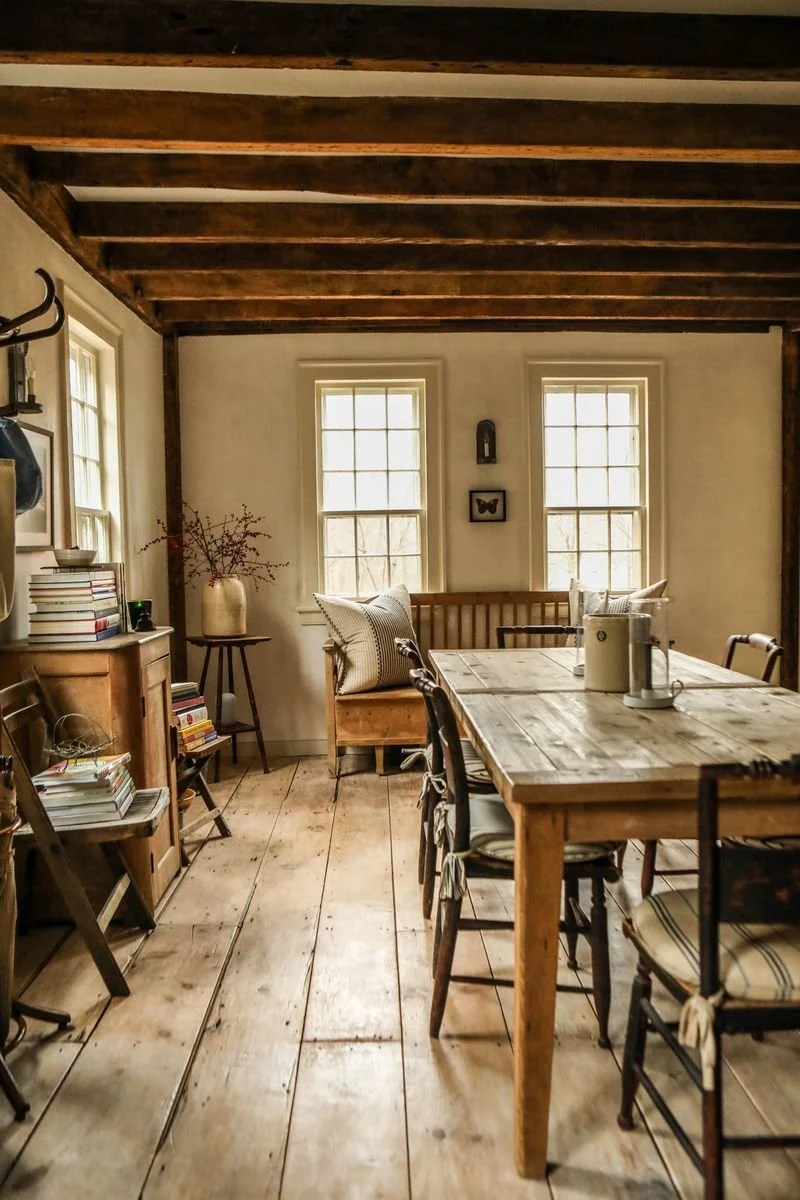
Not far from the hustle and noise of New York City in Weston, Connecticut, is a home that was originally built in 1819. Today James Cregan and Michael Amigron call it home. Over two hundred years ago, when the house was originally built, it was in a town called Valley Forge, Connecticut, but with the building of the Saugatuck Reservoir in the 1930s the house was moved to Weston as the majority of the town was destroyed and flooded for the reservoir. A few fortune homeowners were able to move their homes and this house was moved a mile up to road. The houses location on the hill set back from the road was something the two found uniquely special, as homes of this age are typically within feet of the road to allow for easier horse and carriage access in regions that historically have had heavy snowfall. 

James and Michael say they knew they had to have this house as soon as they saw it. Eager to move from New York City the two were looking for a house that was built before 1900, was within commuting distance of New York City, and still retained the original architectural details like wide floors, original fireplaces, and original beams. 

James says the house felt like the perfect blank slate to do thoughtful renovations throughout their time in the house to bring it back to period appropriate design and feel. The pair especially loves the hilly and rocky nature of the property. The property easily feels like it is deep in the woods, but is just a short distance from nearby Weston. 


Today the home is very much inspired by early American colonial architecture and furniture design but has charming touches of English countryside manors and cottages, with a subtle nod to their love of English gardens. “We are greatly inspired by color. We often see a color that we fall in love with and then design a space around that color.” Says James.  Also naturally inspired by antiquing and special pieces that we find. Great appreciation for quality craftsmanship as well. 

Candle Making - Trish Baden

Ashley Evans

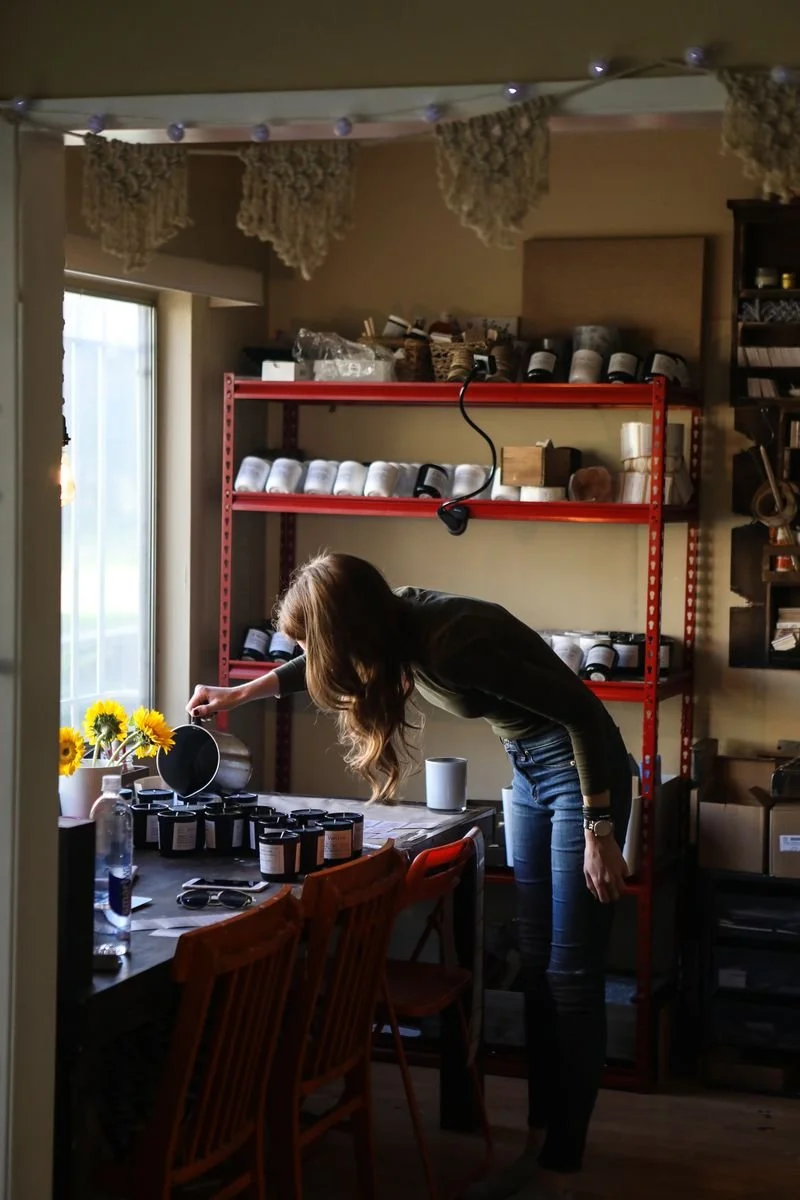
Trish Baden of candle brand Flores Lane may be based in the heart of West Hollywood, but her roots are deeply planted in the rural areas of the midwest. Long before she moved from Ohio to Los Angeles Trish was actively seeking ways to live a slower pace of life and to educate those around her on the importance of whole and clean living. With her candle business Trish has made a commitment to using the most health conscious of ingredients and resources. She shares how to make your own candles at home, wherever home might be. 

Supplies you'll need

Vessel:  Mason jars are safe to experiment with because they can sustain high temperatures.

Wax: Soy wax is natural, burns clean, and for twice as long as paraffin candles. Paraffin wax is a petroleum byproduct created when crude oil is refined into gasoline. Asphalt is extracted before paraffin in the refining process. It's that combustion which causes the black plumes of smoke & ash to collect throughout your house. Beeswax is perfect for when you need to make pillar candles and want to stick to an all natural blend! The only issues with beeswax are: it's costly and it has a natural scent that can interfere with any fragrance you're trying to achieve.

Wicks:  Use wicks made of all natural cotton fiber & beeswax coating with an aluminum metal base. We use glue dots and wick sticks to keep the wicks in place while pouring.

Oils:  Essential oils + a carrier oil (we use grapeseed). You can also buy fragrance oils online, which are pre-blended & ready for candlemaking. Check for the oil's flash point (usually located on the bottle) to see at what temperature the fragrance should be added to the mixture, prior to pouring.

Pitcher: We highly recommend using a pitcher for safety & ease.

Mixing: Grill skewers work well.

Fragrance: Picking a fragrance oil or blend for your candle can be difficult if you have no idea what types of scents you like. If you have a favorite essential oil you like, do not blend directly into candle wax! The real difference between an essential oil and a fragrance oil is that essential oils typically contain ONLY plant oils, whereas fragrance oils have the essential oils blended with a carrier oil (like grapeseed or jojoba) to elongate the burn time of the scent. 

Setting up

Make sure you have a flat, dry area that can be easily covered by kraft paper, plastic wrap, garbage bags, or newspaper. Tape down if needed.

1. Place wax into the metal pitcher. Heat to 160°F-180°F.

2. While the wax is melting, prepare the jars by affixing the wick's aluminum tab to the bottom of the jar. You can use a glue dot or hot glue gun. Pro tip: make sure you space the wicks out evenly if you're using multiples to ensure they can breathe. The more stable the flame, the more even the burn!

3. Stabilize the wick with the stick (metal or wood). Cut off the end of the wick, leaving 1 inch of wick above the stabilizer. 

4. Once wax is melted to liquid, let cool for a few minutes.

5. Add fragrance. Use 1-1.5 oz. of fragrance oil per 1 lb of wax. If you're using essential oils, make sure to dilute it with a carrier oil like grapeseed.

6. Pour the wax into the vessels. Let each cooling candle sit about 2 or more inches away from each other.

7. Now we wait!

After the candles have dried: Sometimes the candle will crack or even get pockets of air that get caught inside, causing them to collapse. If your candle looks like cottage cheese, you've either added too much fragrance or overheated it. You can create a finished look by heat gunning the top or using a hair dryer that has a heated feature. Sometimes I pour a little layer of new wax on top to seal it in if there's space in the jar!

“Storybook Style in the Subdivision - Christie Jones Ray”

Ashley Evans

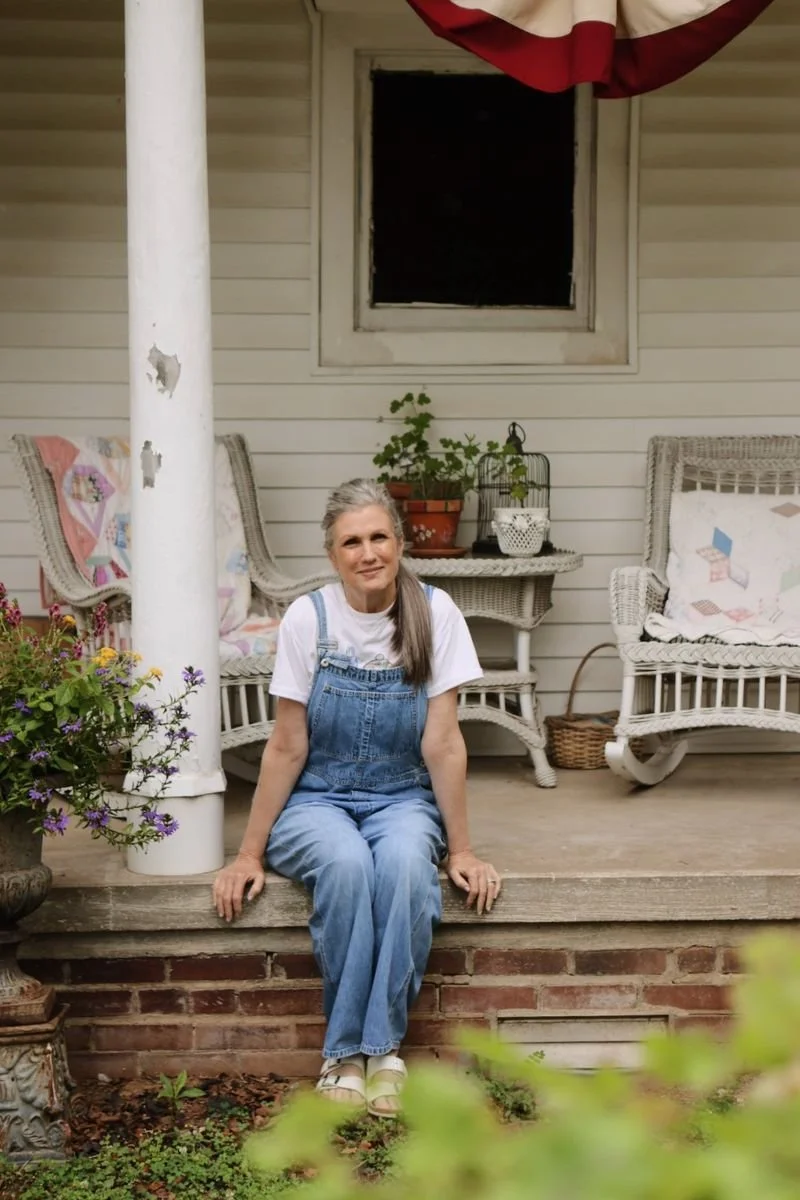
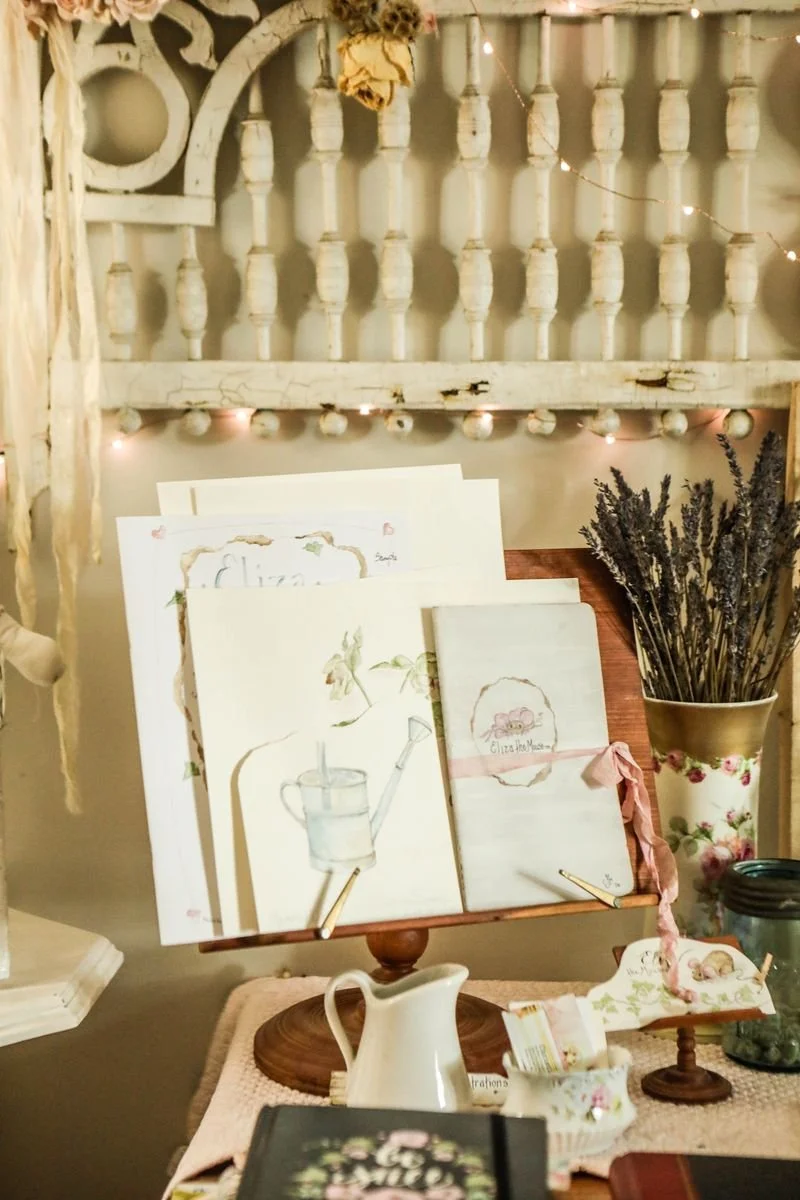
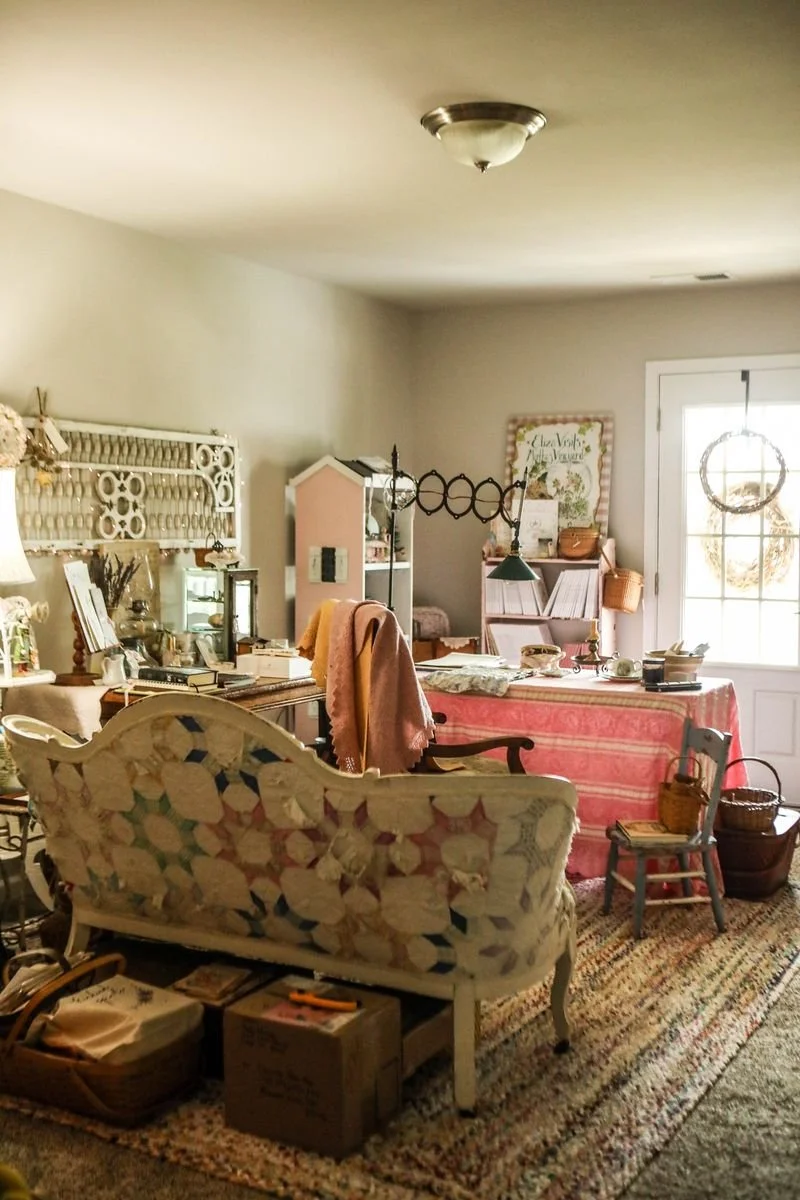
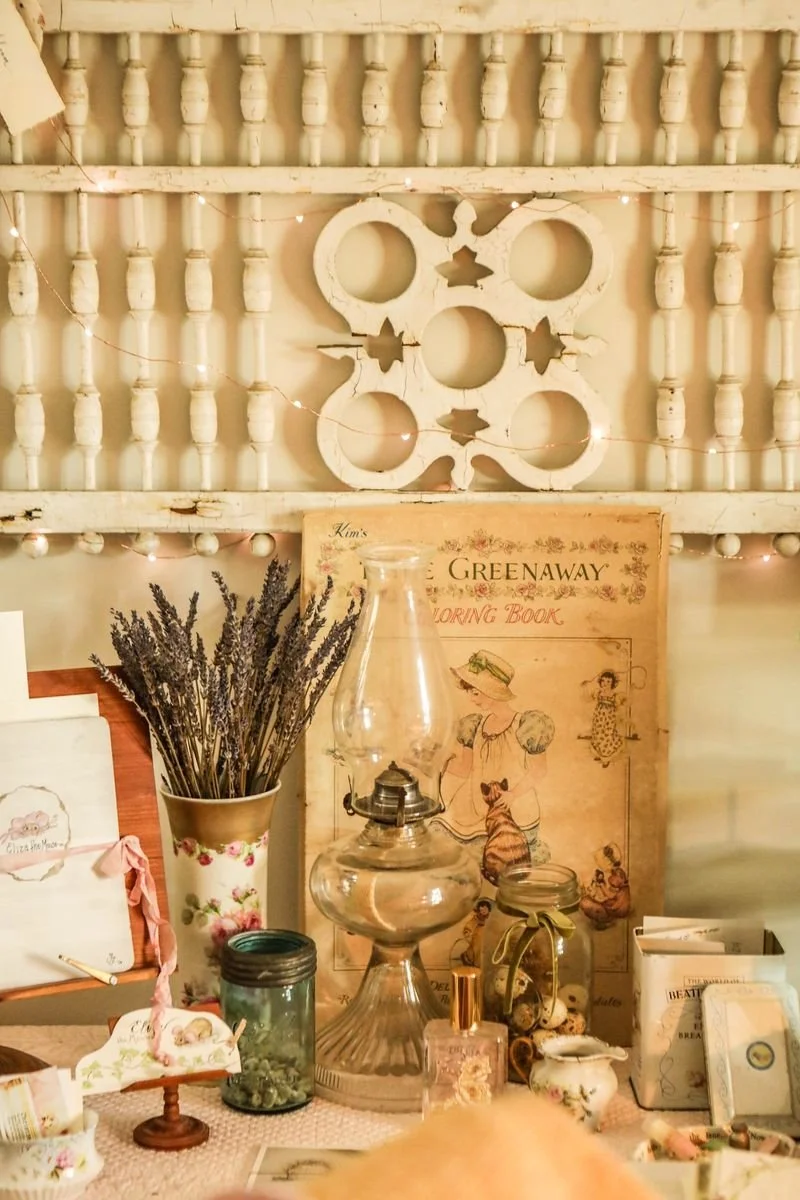
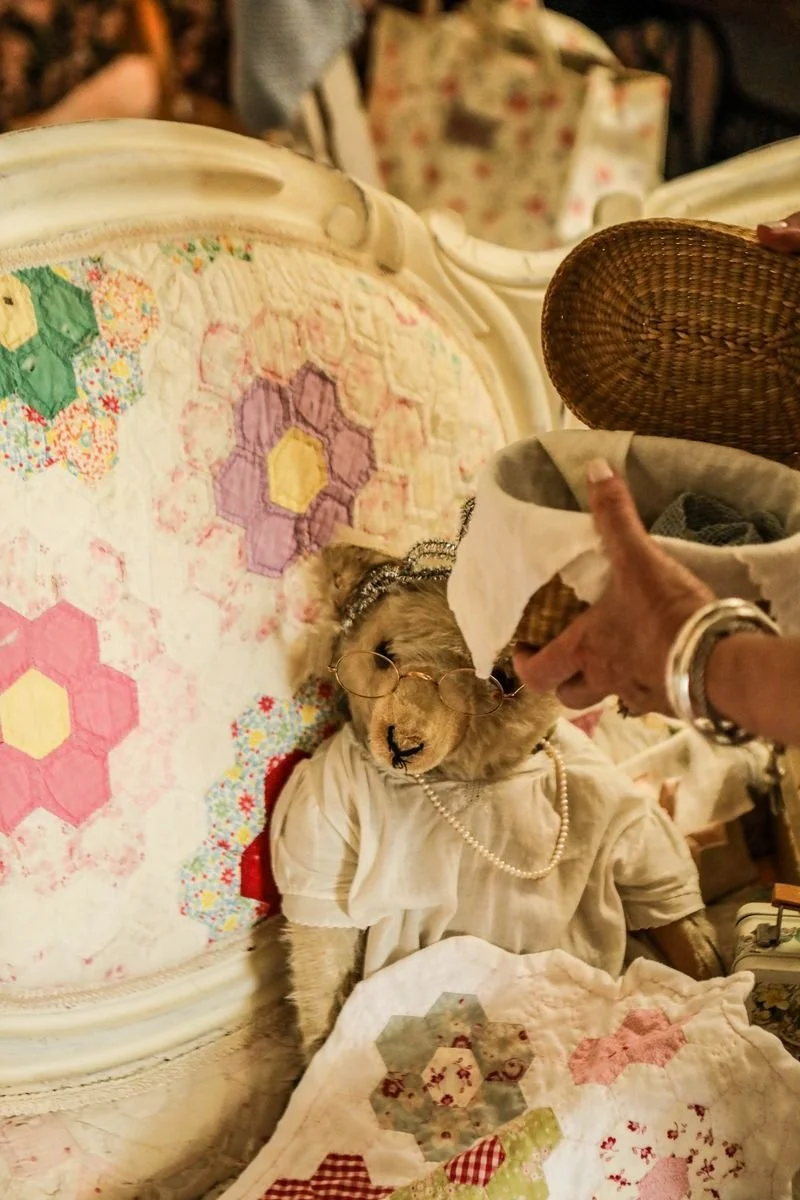
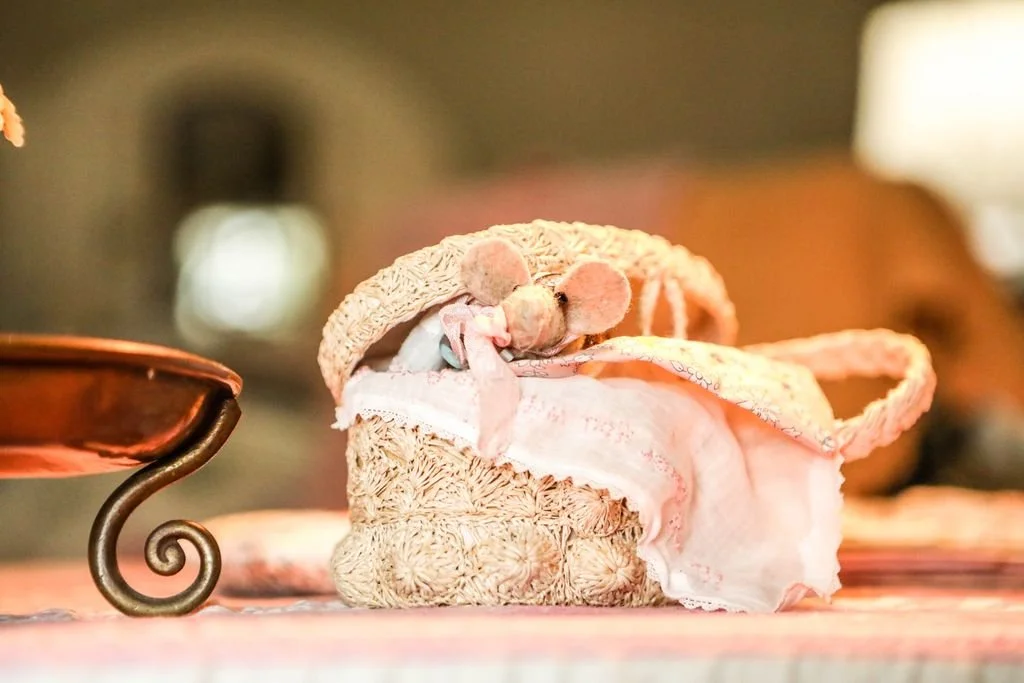
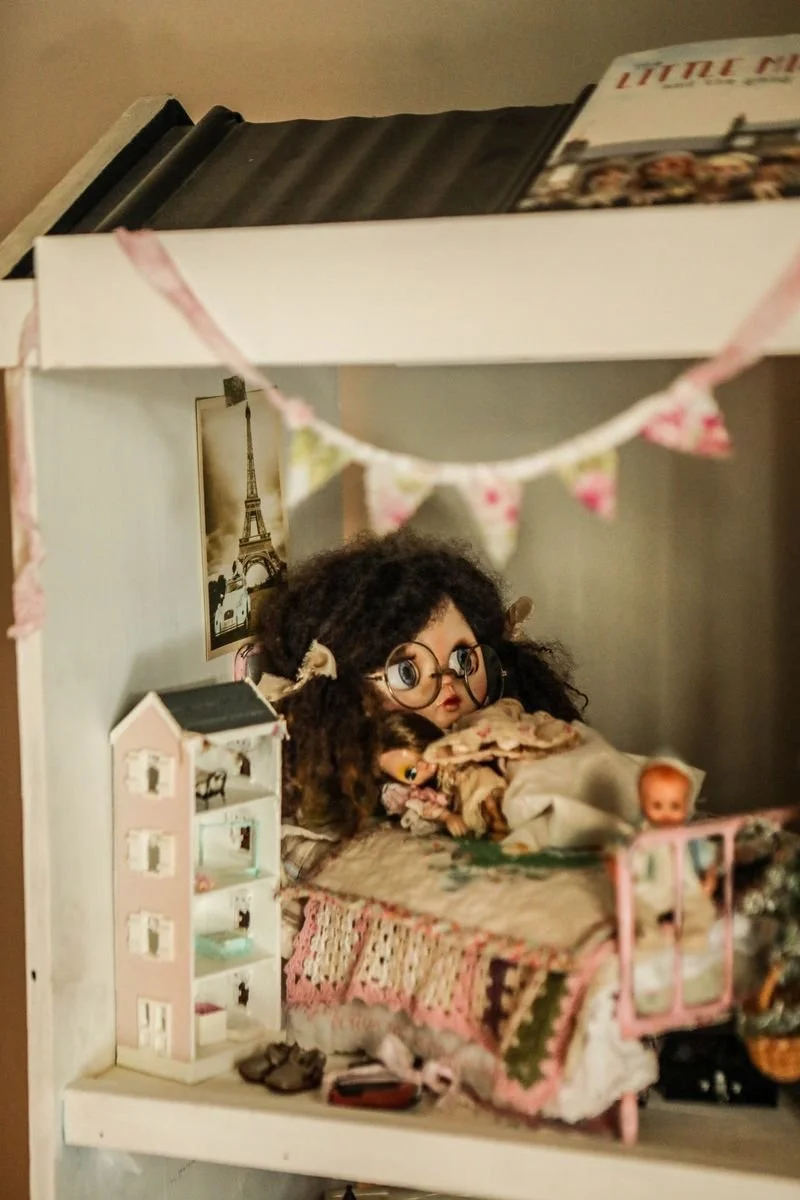
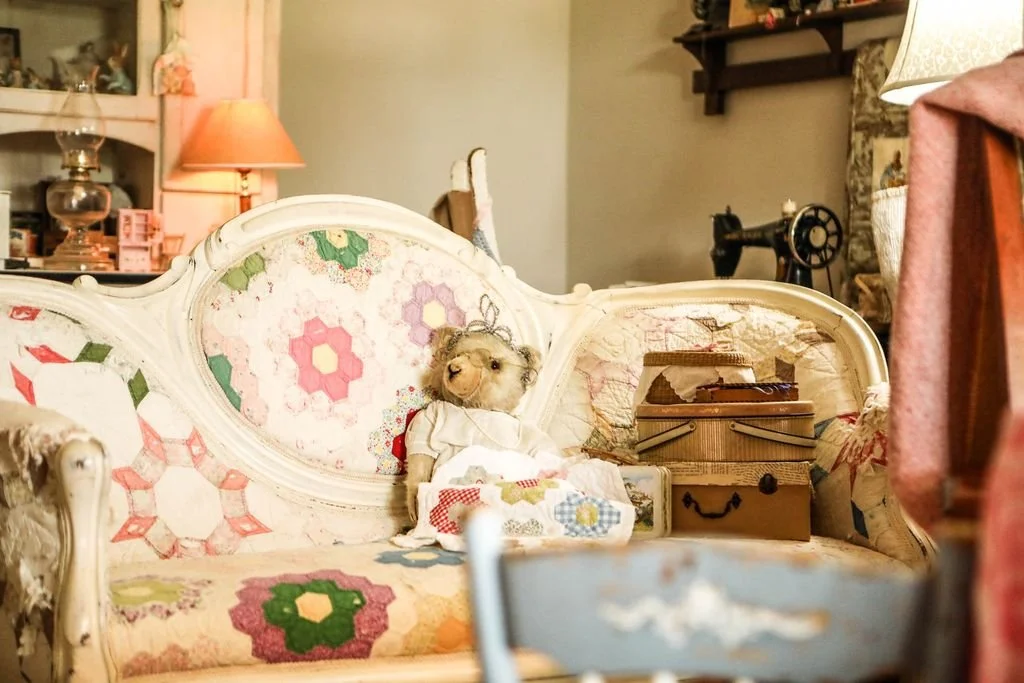
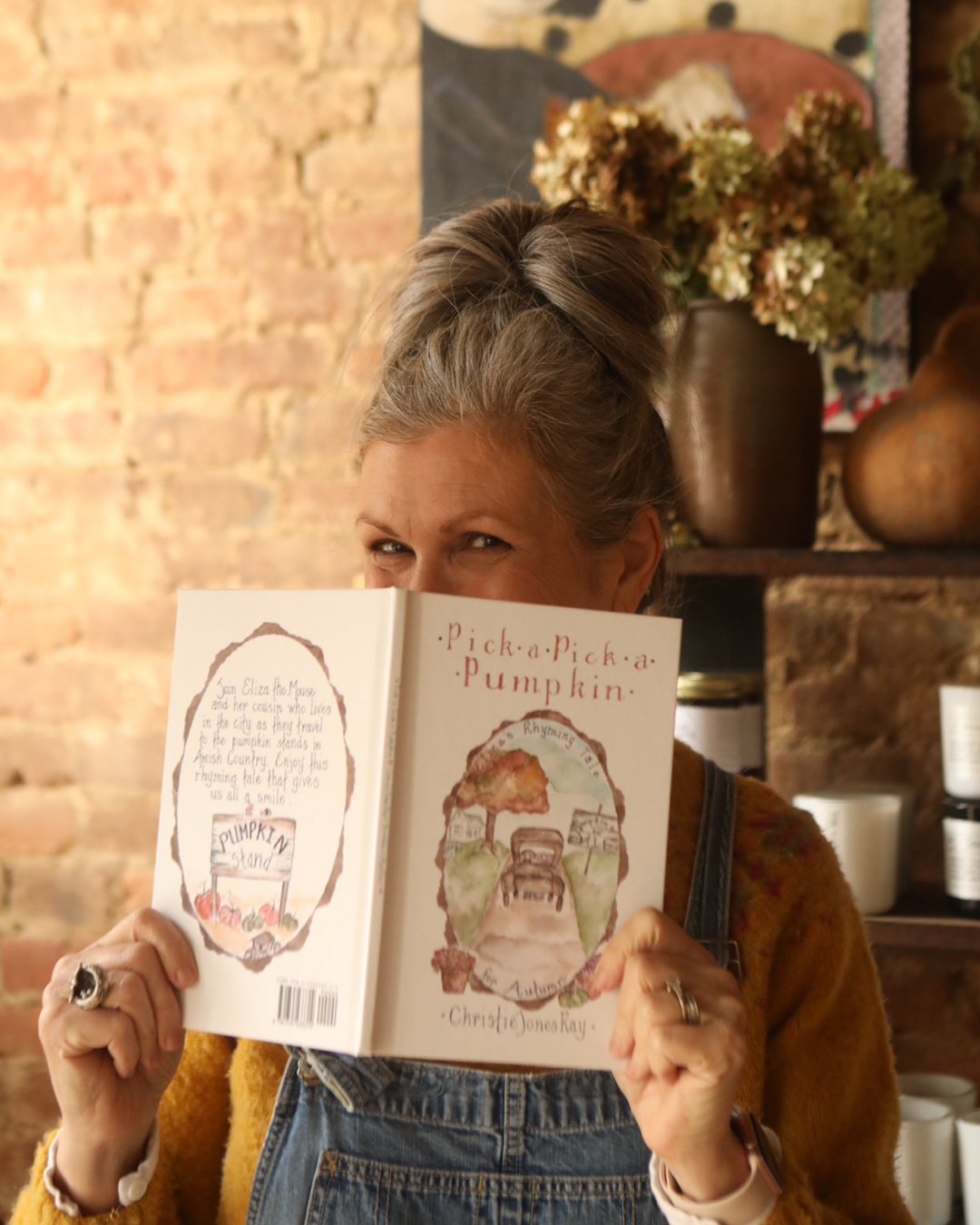
Author and illustration Christie Jones Ray has built a following for her unique pastel cozy cottage style that very much feels reminiscent of Beatrix Potter or Tasha Tudor. Her style feels like a vision straight out of the Cotswolds, but is nestled in a subdivision outside Nashville, Tennessee. Christie, along with husband Tim transformed a turn key house into a space that feels as if it is a storybook style cottage thanks to a shared vision for antiques, vintage finds, and liberally using architectural salvage from centuries old farmhouse and victorian homes to give adornments to what would be a very standard subdivision style home. 

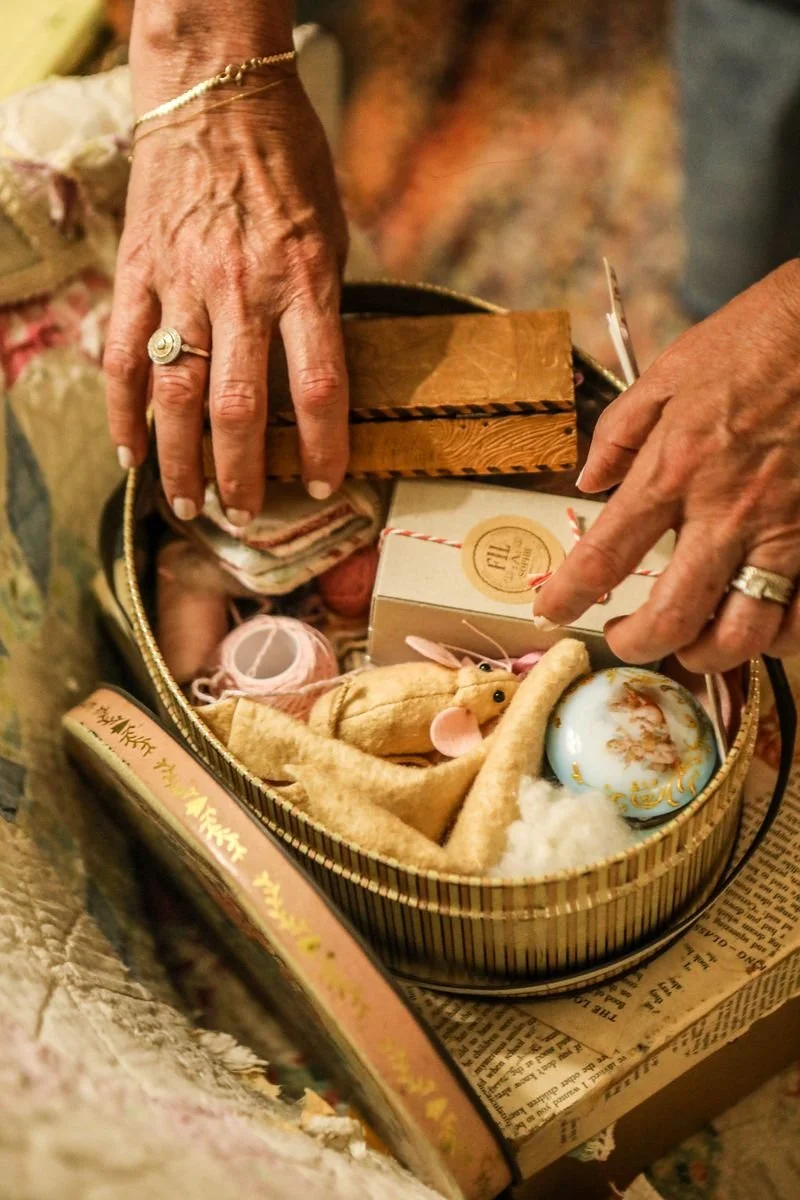
A peek inside Christie’s studio and backyard spaces transport you into the world’s she creates within her books.

Spring in Saratoga Springs

Ashley Evans

When driving up to the upstate New York home owned by former Brooklyn residents Bethany Bower Khan and husband Jamil Khan you start to question if this is a very old home or a very new build. The lines are just a bit too straight and the angles too sharp to be old, but the style instantly feels like a home that could be centuries old. 

Spring arrives a bit later here in Saratoga Springs. The daffodils take their sweet time to bloom, long after the blooms in the southern states are already spent, but that makes the Spring here in upstate New York all the sweeter. 

Fueled by a desire to move from the bustling city and to retreat to a slower pace of life, Bethany and Jamil left Brooklyn in 2020 in hopes of finding a smaller town and quieter life. A desire that inspired a business launched to document and share Bethany’s love of a rural and charming life. Arcadian Revival was born through the renovations to their new home. Jamil, a Brooklyn native, and Bethany, with rural roots in northeast Ohio, were ready to live a more intentional lifestyle closely connected with the outdoors. 


While raising their young children, Bethany left her fast-paced career in real estate and economic development to forge a path of her own. Anchored by values placed on sustainability, family, and community, Bethany launched Arcadian Revival - a sustainable design and lifestyle company that is inspired by her country upbringing, calling to cultivate community, and lead the effort to address the climate crisis. Jamil works in renewable energy. In fact, the two met when working in energy policy for the City of New York. Now, like many others, the Khans adjusted to the luxury of working from home. They are embracing their time together and connecting with the spaces where they spend their time. Mornings outside watering the garden, talking about the wildlife they see on their property: turkeys, owls, foxes, songbirds, and rumblings of the occasional neighborhood bear.

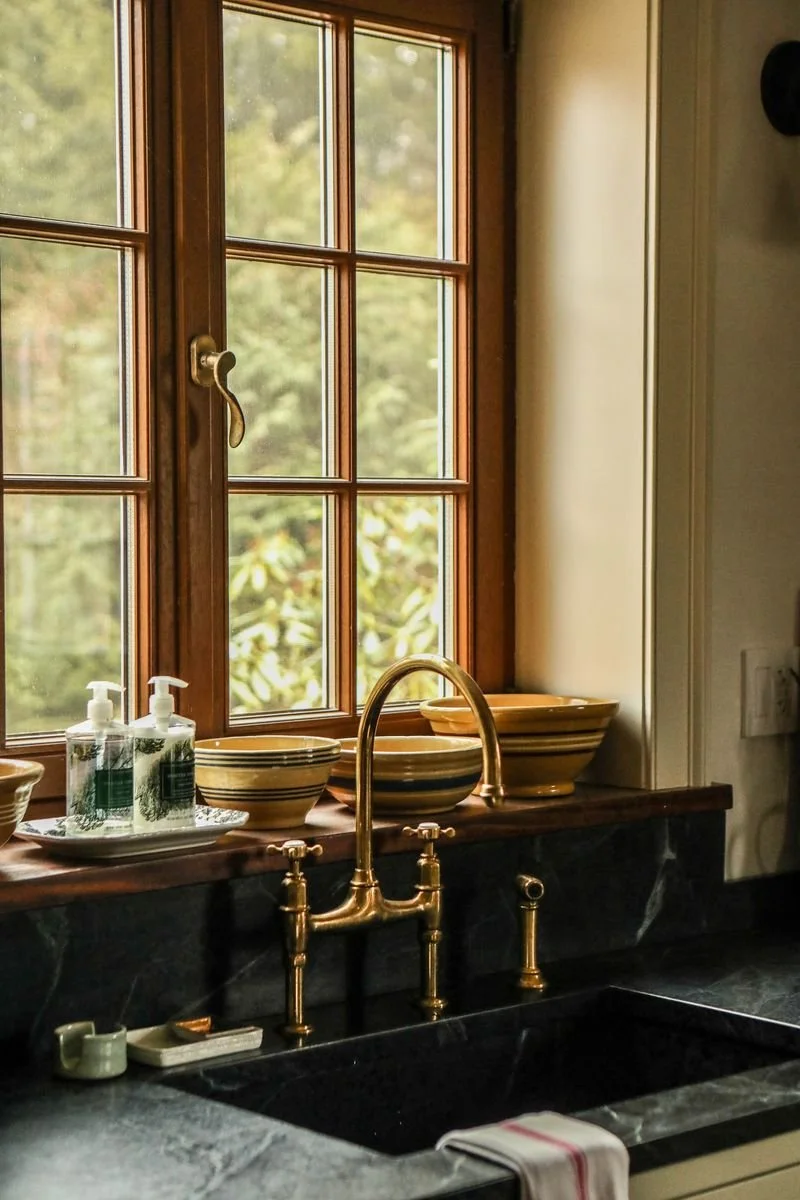
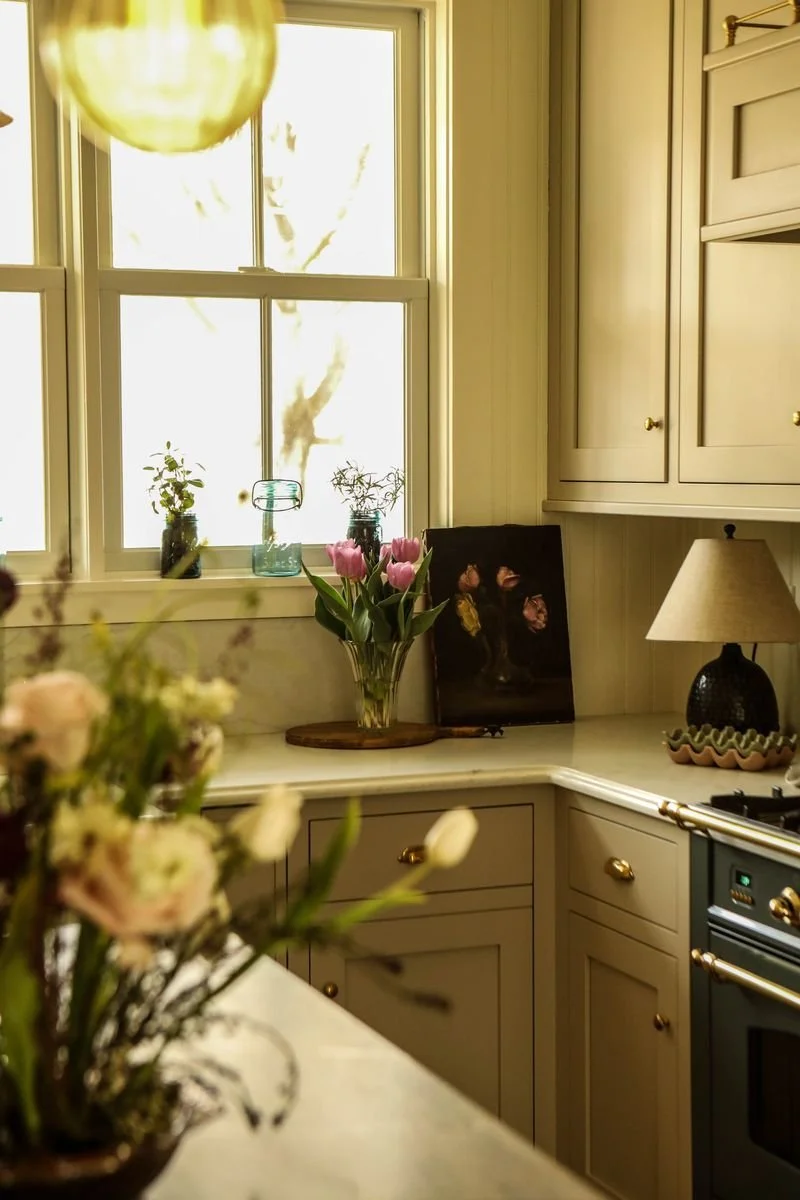
The interior of their home speaks to the attention given to design. A gut renovation of their kitchen was where Bethany began. With a timeless design and natural color palette, their kitchen speaks to the Greek Revival style that their decade-old home was built to embrace. This approach includes beadboard throughout the kitchen, quarter-sawn oak hardwood floors, transom windows, and a different stone countertop on their kitchen island than those on the perimeter counters, an example of the design aesthetic of evolving the space over generations. Molding details harc back to the antique general store counter that Bethany’s parents used as an island in their kitchen growing up, a home that has been in her family for five generations now. Ceramic tiles were hand-placed and selected from local Hudson Valley designer Anothony D’Argenzio of Zio and Sons’ collection from Clé Tile, a nod to embracing the local talent pool of the region.

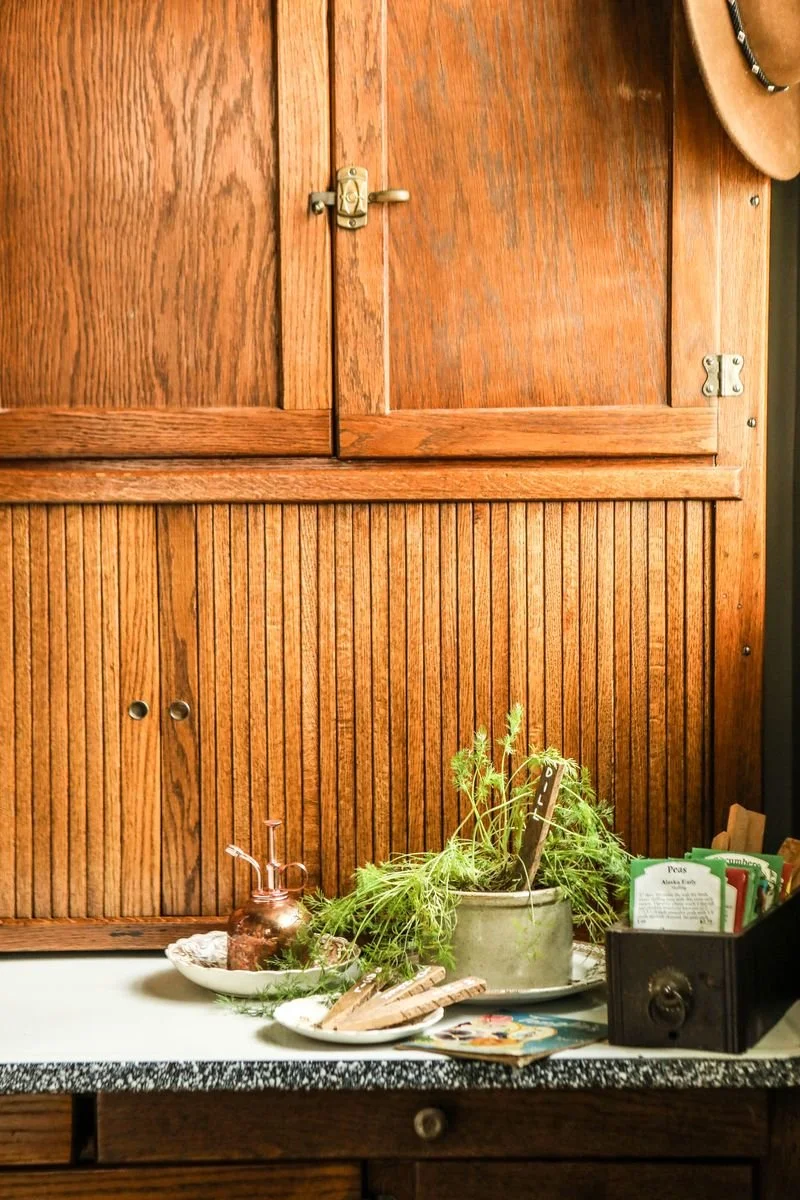
Family heirlooms from Bethany’s family adorn the interiors, with books, artwork, and antiques including a more than one-hundred-year-old hoosier in their butler pantry, all handed down through the generations. Vintage rugs, vases, and other treasures from Jamil’s parents’ trips to Pakistan and India balance an intentional collection of globally-inspired pieces with that of midwestern Americana.

It Takes a Village — Eric McIntyre

Ben Ashby

a visit to the Wiscasset, Maine studio of Eric McIntyre


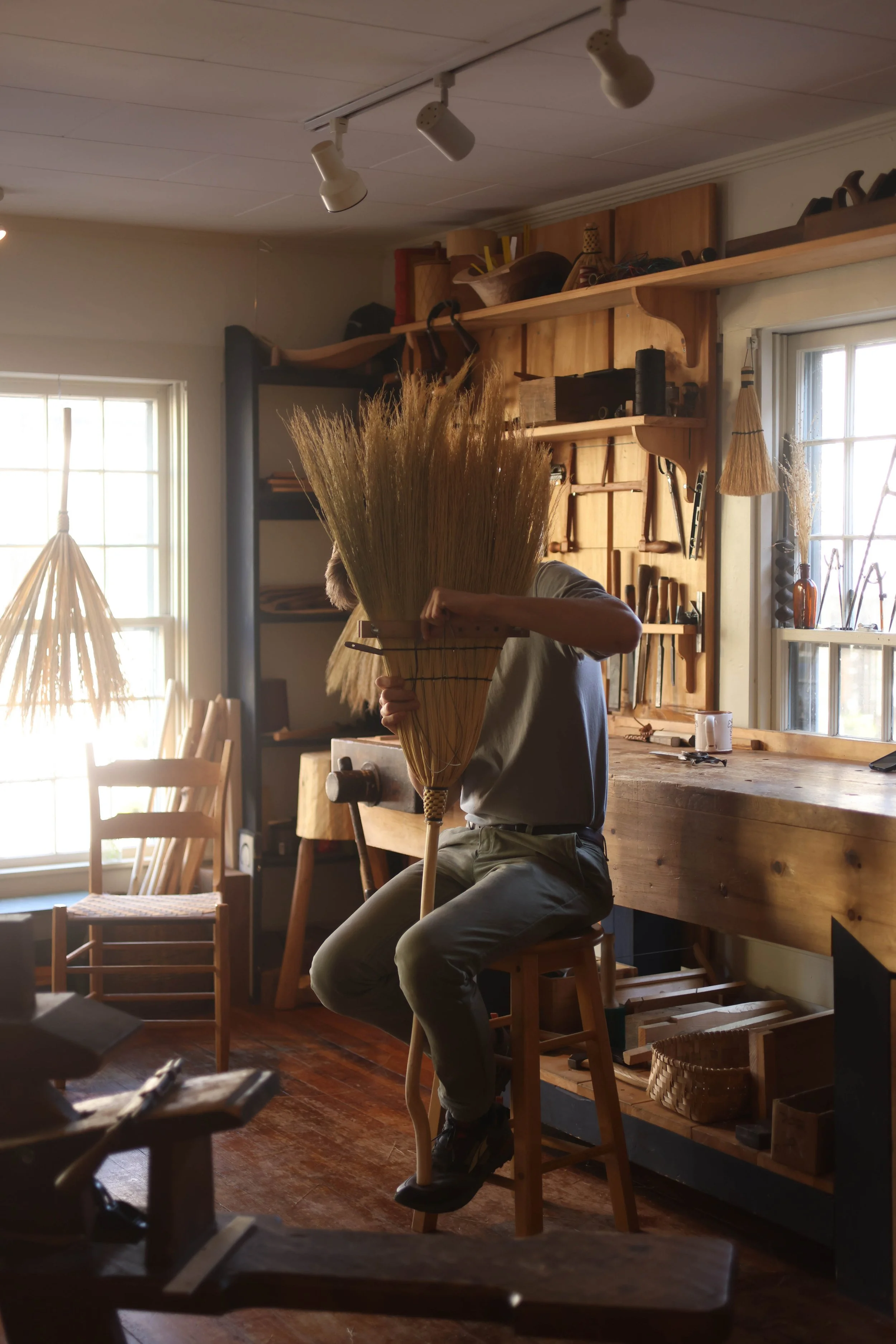
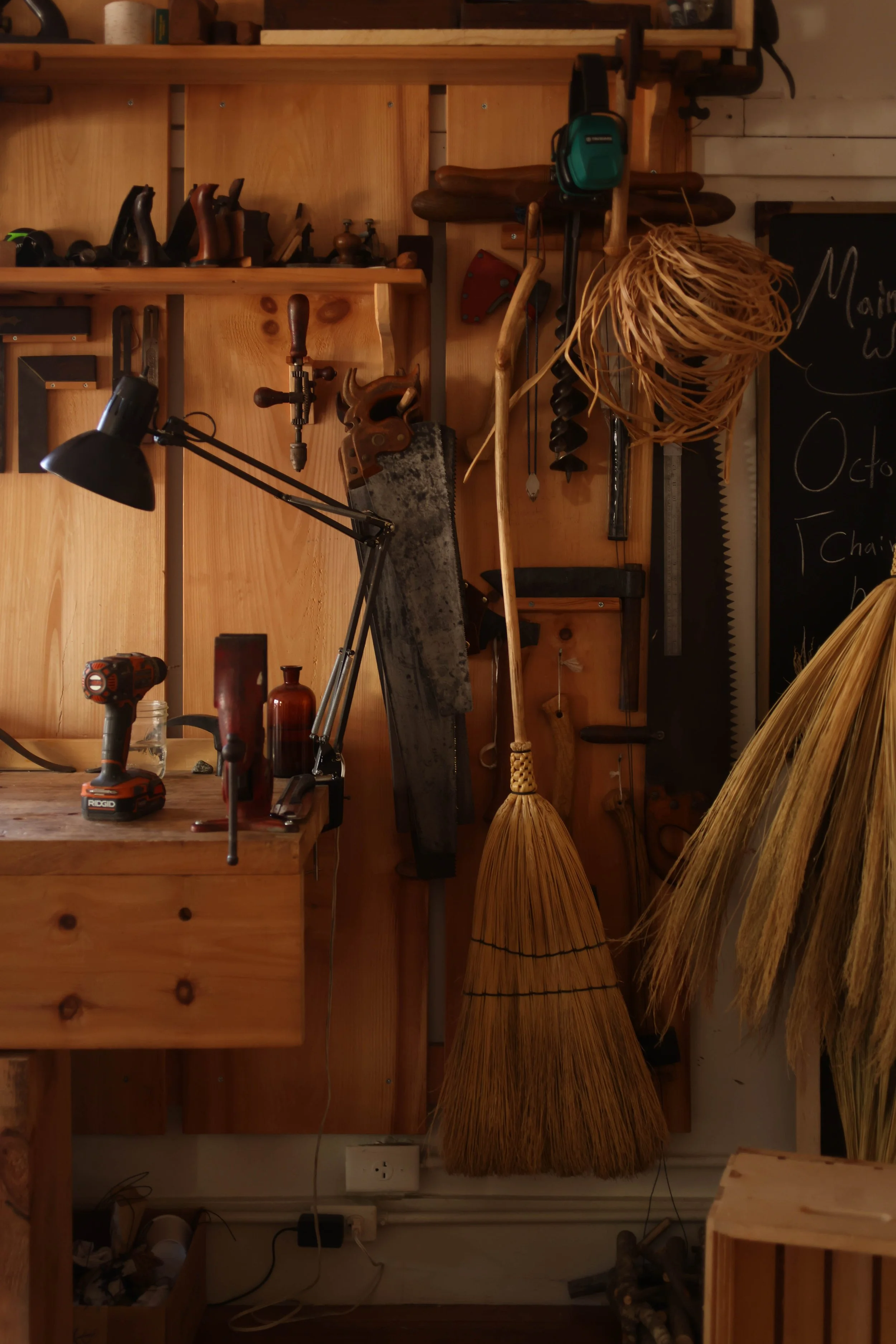
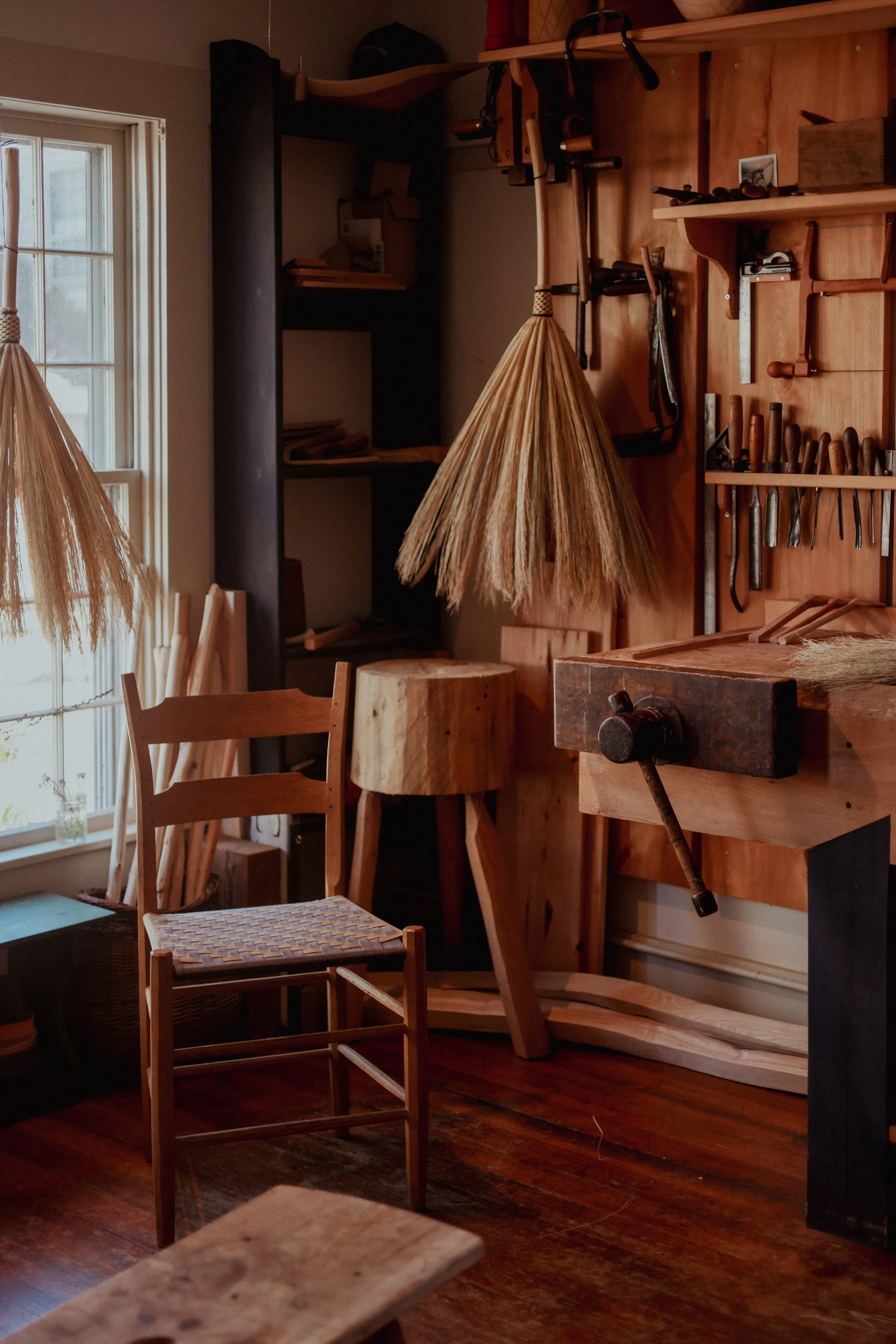
In the small town of Wiscasset, Maine, just off the rugged coastline, you’ll find a storefront that’s part workshop, part classroom, part living room. It hums not with the whir of machines, but with the steady rhythm of hand tools, the scent of wood shavings, and the quiet presence of someone deeply invested in making — and in connecting.


That someone is Eric McIntyre.

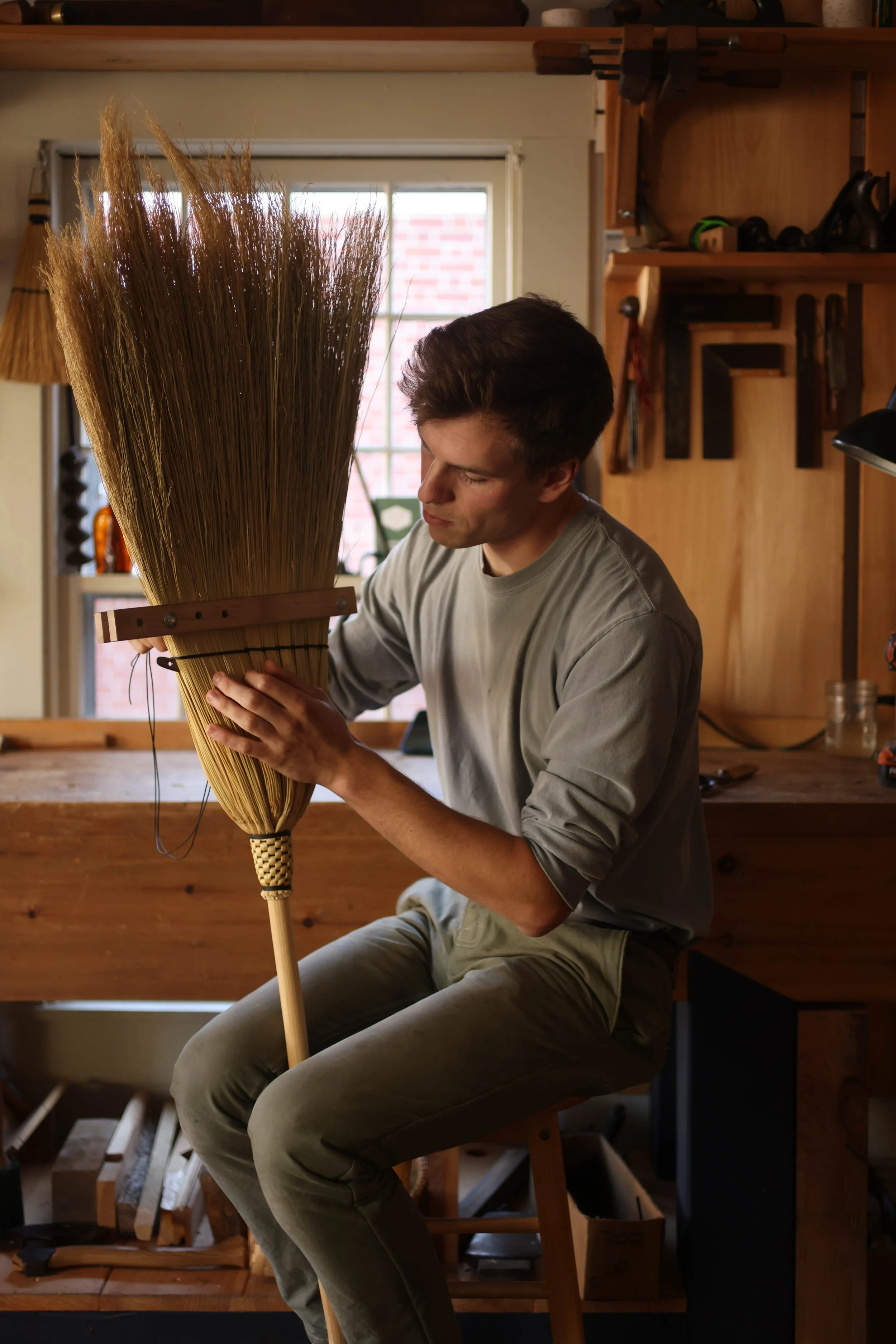
“I’m a curious human who loves handwork, hand tools, nature, a good lake dip, and sharing skills with friends and community members,” he says with a smile. His studio is a space where beauty is carved, bound, and swept into being — often literally. McIntyre shapes natural materials into everyday tools like spoons and brooms, items we often overlook, but in his hands, they become functional art. “I design for joy in daily use,” he explains. “People should want to clean, should want to cook, because the tools they use bring pleasure just in holding them.”


This desire to bring delight to the everyday is not just a creative mission — it’s a personal philosophy.

A MAKER’S PATH, ROOTED IN MESSES

McIntyre’s journey to Maine wasn’t plotted. In 2017, he came to lead a sea kayaking trip and never left. “If I was going to do what I’ve ended up doing, I knew I wanted to be in a small town,” he says. “I just didn’t know it would be this one.” That serendipitous arrival turned into a deeply rooted life in Wiscasset, where a downtown storefront has become both his workshop and a hub of community craftsmanship.


Brooms became a defining part of his practice not by plan but by necessity. “I make brooms because I make messes,” he laughs. After years of woodworking, a handmade broom at the Maine Coast Craft School — where he once interned — lit a spark. “It took another year of mess making and woodworking before I finally dove in to try one. Since then, I’ve made hundreds and hundreds.”


The work is simple, in theory: a bundle of broomcorn bound to a sapling handle. But in Eric’s hands, it’s a meditation on care, intention, and usefulness. “Bound on a sapling handle, there’s really nothing better for cleaning the home or the shop,” he says. “And it turns out just about everybody makes messes.”

HUMANITY IN IMPERFECTION

Being a maker in today’s world, Eric believes, is more important than ever. “We need humanity and imperfection in our daily lives,” he says. “People walk into my shop and I see it — the relief. The delight. The tactile work, the surfaces worked by hand, the messes and the making — it touches something deeper.”

That deep connection to process and place is what gives Eric’s work its soul. He’s not just crafting objects — he’s rebuilding bridges of trust, one handmade broom or spoon at a time.

The trust shows up in how he runs his business, too. “If someone forgets a wallet, I’ll let them take the item and pay later. If I ship something, I invoice after it’s arrived. That trust makes people feel good. It changes the dynamic. It reminds us we’re still capable of believing in each other.”

It’s a lesson passed down from Emmet, a mentor who taught Eric the quiet power of creating systems that build trust in the world. It’s also a philosophy mirrored by other mentors who have shaped Eric’s path — from blacksmithing and woodworking teacher Ted Wesemann, to Kenneth Kortemeier, co-founder of the Maine Coast Craft School. “Kenneth taught me to stay open to possibility,” Eric reflects. “To be willing to stop everything to wonder at something amazing.”

LIVING IN RHYTHM WITH THE SEASONS

Eric’s small-town life is not just a backdrop — it’s integral to his practice. “I didn’t think too hard about where I landed. But over time, I realized this is exactly where I need to be.” His workshop is a place where people don’t just buy — they see the making. “That visibility changes things. It makes the goods they purchase feel more meaningful.”


Being part of a tight-knit community has taught Eric to invest deeply — not just in his own work, but in others. “Talk to people. Build relationships. Help others get more connected. We gain nothing by staying siloed.”

This interconnection flows into every broom, spoon, and piece of furniture he makes. And while Eric’s hands are always busy, his heart is just as present. “I’ve carved so many spoons, and still, every batch teaches me something new. I’m learning to align my pace to the seasons — to live and work in rhythm with the natural world around me.”


WHAT’S NEXT? KEEP GOING. KEEP MAKING.

Looking ahead, Eric isn’t chasing the next big thing — he’s deepening into the life he’s already built. “I want to keep doing what I’m doing. Maybe some furniture. More exploration. A house build in the coming years. But right now, I’m feeling jazzed just to keep going.”


That steady joy, that commitment to human-scale making and quiet trust — it’s what defines Eric’s work, his town, and the humble, beautiful world he’s crafting day by day.


The Six Bells Countryside Inn: A Visit

Ben Ashby

A few days ago I was sitting across from my friend Audrey Gelman on a sleepy day in the tiny upstate New York town of Rosendale. She was two days away from opening her eleven-room hotel, The Six Bells Countryside Inn, and I was enjoying my duck confit and grilling her with questions about what the next few days would bring. I was there to create photos and videos of the hotel’s opening, and I could tell I was in for a scene straight out of Gilmore Girls. 

I was first introduced to The Six Bells brand before I befriended Gelman. I likely saw the home goods brand, with its Brooklyn brick-and-mortar and online shop filled with country goods reminiscent of grandma style meets cottagecore in the pages of Country Living, or in an Instagram post sent to me by a fellow country style loving friend. The Six Bells brand has created an ethos that feels like stepping into your grandmother’s house filled with gingham, Longaberger baskets, and plenty of wood tones. Maintaining a very tight style with all they’ve done in the years since their launch meant the bar was high with this soon-to-open inn. 

With less than 48 hours before the Inn’s opening, Gelman gave me a tour of the hotel, all 11 guest rooms, the restaurant, the retail space, the back patio, and the kitchens. (I later gave myself a tour of the basement, but that isn’t something she needs to know.) I said it to her face, I said it in text to Adam Greco, the New York-based designer Gelman and her team partnered with for the hotel design, and I’ll say it here again…these New York natives nailed country style. This Kentuckian was looking for missteps ˗ with nearly every issue of Country Living on shelves in my house, I know country style ˗ but boy, did they nail it. But more on the design later.

I’m oftentimes the friend my friends will call and say, we’re opening a shop, we’re hosting an event, we’re taking a trip, we want you to join with your camera to document the experience. This was one of those sorts of experiences. I would get to watch The Six Bells team bring the final details of the hotel and the restaurant to life and welcome the first guests. My job was to create photographs and videos that could be shared on social media. In my mind I assigned everyone roles as if we were in a Gilmore Girls episode. In my mind Lorelai and Snooky were opening the Dragonfly Inn. The color palette was even the same. The first guests would be a handful of folks, some from North Carolina, some from Georgia, and some friends of Gelman’s, who would all come together with the team running the inn, to experience the first day and night at the inn, and I would be there in the mix. These photos are from that day.

At dinner, three hours after the guests had arrived, the deviled eggs were served, as was a selection of very well-made bread, and banter ensued. At one point in the evening Gelman (38), our friend Anthony (38), and I (35) introduced a 28-year-old guest at the hotel to the legacy and heritage of the Longaberger basket brand, a fitting conversation to have in The Six Bells world.

This upstate inn is for anyone who has a heart for nostalgia, a love of the country, and wants to escape to a small town for an authentic experience. The inn is far from hokey, even if the driving narrative behind its room names, future murder mystery events, and welcome newspaper all carry the narrative of a made-up town and characters that Gelman and her friends created to populate the fictional world of Barrow’s Green. 

BEN’S FAVORITES:

This is a bit biased, but these are my favorites from my visit to The Six Bells Countryside Inn:

1. If you skipped the deviled eggs, you’re deeply disappointing this Southern boy. They’re the best I’ve ever had.

2. Shop the shop. I am a Six Bells fan and have pieces from the brand in my home. I love the Vermont Country Store meets Brooklyn meets Cotswolds vibe. Skip the candles, go for the spongeware dishes and the coffee.

3. Grab a coffee from the bar; the team knows how to make just about anything you request. The latte is damn good. 

4. Stay at the Inn, but explore the area. My favorite antique store in the US, yes, the whole US, is just a few miles away up in Stone Ridge. Maplelawn 1843 is a must-visit. Kingston is just 15 minutes away from the Inn. Grab a sunset boat tour with Kingston Boat Co., a 1934 passenger boat offering nightly cruises of the Hudson. Stop in at Clove and Creek, y’all know my love of them. Grab a coffee, a drink, and/or a book at Rough Draft and wander the streets of Kingston, one of New York’s oldest towns. Back in Rosendale visit Clubhouse Vintage

5. Study the rooms before you book and pick your favorite. Each room has a story and a unique design. All of the rooms feel cozy and nostalgic, but read up on the inspiration and characters behind each. Envelop yourself in the world of Barrow’s Green.

6. Do not skip the restaurant at the Inn - the Feathers Tavern is not to be missed. Their team has taken country food to the next level. Creating elevated favorites that do not feel pretentious is a thin line to walk and the team nails it. Start with a breadbasket and a salad, do an entree, but do not skip that chocolate cake, just don’t. 


FINAL THOUGHTS:

I’m a country kid, I live in a town of 300, I have a degree in rural development, and I photograph projects almost exclusively in small towns, so I have watched this project come to life with complete and total fascination. I, like many of you, have long followed the NYC “it-girl” story of Gelman—long before she and I became friends, and I was fascinated to see how she would bring The Six Bells brand to a truly small town in the Hudson Valley. I can say after watching the year-long process and the opening week at the Inn that Audrey, with her “Let’s Go Mets” tattoo and all, clearly has small town in her blood regardless of how New York City she might be. In a small town the mentality of “we’re all in this together” is an unavoidable way of life, as is “rising tides rise all ships” and it has been refreshing to see The Six Bells team continually incorporate local talent into the design and into the team, to constantly spotlight the local community, and to eagerly seek to be a part of the local landscape of Ulster County, New York. 

The Six Bells Countryside Inn is real-deal country living at its best. Go for a visit, won’t you?

How to See Without a Camera — Nick Glimenakis

Ben Ashby

I love the process of discovering a photographer through their work moving me. Nick, a Woodstock, New York based photographer plays with natural light in a way that I wish I could. His work inspires me, but also transports me into his images. There is an intimacy that he brings to each image…they feel authentic, like you are inside them. I was eager to learn more….

Introduce yourself, whatever you’d like to share.

My name is Nick Glimenakis and I’m a photographer based in Woodstock, NY. I studied Outdoor Education in Colorado with hopes of becoming a park ranger before really discovering photography and moving to New York City to pursue it. I spent the better part of the last 13 years there working in the interiors and architecture worlds before moving upstate this past winter.


You have such a beautiful eye with your work, how did you craft and shape that eye/aesthetic? How has it evolved over the years?

I really think I’ve always been interested in light. I learned to appreciate that from my dad. I remember as a kid, he’d be working in the yard and cut the lawn mower engine to call me over and point to the way the afternoon sunlight would flicker through the pine trees. I’ve carried that same admiration with me into my work.

In college, I took a photography elective with a teacher who taught me the importance of quiet observation and how to see without a camera. At that time, I was interested in photojournalism and making photographs that felt really human and honest. I think that’s what’s so interesting about photographing interiors: the process can be somewhat invasive having a team rifle through your things and rearrange furniture or add props or flowers that wouldn’t ordinarily live there but the practice of photographing interiors is to provide an inside look into someone’s private life as unobtrusively as possible. It’s such a collaborative effort to ensure we keep the space honest, that it doesn’t feel completely manufactured and maintains that human element.

What camera do you shoot with?

My workhorse is a Canon 5D Mark IV but I’ve been really loving my FujiFilm X100F. It’s such an unfussy little camera and the colors are unmatched.

What draws you to a moment/image? What do you hope to convey in those moments?

Warmth, softness, and a serene sense of place. My photography often reflects seasonal landscapes—both indoors and outdoors—and draws from nostalgia, mood, and the everyday. I’m always aiming to blur the line between my work and my life through a constant practice of observation. Photography is sensory for me and I’m constantly trying to pull in as much atmosphere and feeling as I can.


Tell us about the Catskills. Why the move and how has it been?

I grew up in New Hampshire and was a fairly outdoorsy kid. My siblings and I spent a lot of time hiking, biking, or swimming in lakes and sledding down any hill we could find. When I lived in Colorado, I skied, camped, and rafted down rivers. I’ve been coming upstate for almost a decade to hike, thrift, photograph, or to just poke around and drive country roads. Moving here was a return to nature, in a way, and my inner child is thanking me.


I’ve only been upstate full-time for five months but the most noticeable changes are the pace, tree to person ratio, and how nice it is to drive to a grocery store without worrying about walking an armful of groceries 15 blocks back to my apartment. There are also way more deer.


Woodstock has quite the history of being an artist and creative center point for the region, how have you found that sort of culture in 2025 there?

There are so many people doing so many interesting things here and everyone wants to share that with you. I feel like I have so much to learn.

What has you inspired for 2025?

More time outside: hiking, mowing the lawn, a glass of wine by the fire pit. I’m also really, really looking forward to dunking my head under the waterfall on my property this summer. Having a yard and outside space is a far cry from the fire escape of my last city apartment or fighting for blanket square footage in a park somewhere.

Whats your dream project?

I would love to photograph fire lookout towers around the country making images of the interiors, the people who occupy them, and the surrounding landscape. Being a fire lookout is also a dream job so if you have any leads…

What makes a good interiors photo?

For me, when it makes you feel like you can walk into the space. If you can feel the warmth of the sun or hear what’s happening outside the open window, that's a successful capture. I think the strongest images will always give you a sensorial experience.

I also love perspectives that people breeze by because they’re too familiar or ordinary—something as simple as a corner of a worn sofa cushion in afternoon light can elicit so much feeling to me. Lately, I’ve been gravitating more towards spaces that feel really lived in and trying to move off a tripod and photograph from a more personal and intimate viewpoint. 

Why did you want to shoot interiors?

I fell into interiors kind of by accident desperate for a job in my early 20s. I started as a stylist for a home rentals company that was starting to expand in New York. I worked with photographers to build listings for the company’s website and grew to be really comfortable in strangers’ homes. After about a year, I took on an in-house photography role at the same company and was photographing a myriad of spaces almost daily. In 2018, I stepped out on my own and have been freelancing since.

With roots in photojournalism, I’m so obsessed with story—tell me about the artwork on your walls or the significance of a book on the shelf or where you found that copy of that vinyl. What does the morning light in the bedroom make you feel when you first wake up? What’s playing on the speakers when the afternoon sun is cascading through your space? I think so much is often missed in the in between and more and more, I’m finding myself really living there. 


Your use of light is pure magic…any secrets? Advice?

Photograph as you see it, lean into shadows, and resist the urge to make it perfect.

Favorite place to visit (shop, restaurant, location) to visit/take people in the Catskills/hudson valley.

Too many to list them all but a forever favorite has been a bar meal at Peekamoose in Big Indian. Order dessert! 


A Warm Quilt Wrapped Around — an essay

Ben Ashby

— an essay by Debra J. Elliot from FOLK Best of Story issue

Many years ago, when I was around the age of five, I can remember visiting my grandparents' home. Because my father was in the military, we did not get to spend that much time with his parents, so every visit was a treat. They lived in a meager home on a six-acre farm. My grandfather. Alamander Mullins, made his living working in construction, mostly building houses for the surrounding communities. As a matter of fact, my father helped build the house that my grandparents lived in. Alamander could build the most beautiful houses around, but he chose to live simply. His own house was just put together with plywood and no insulation to speak of-only newspaper or rags in between the slats. I remember the house being very cold in the winter, and the only source of heat was the huge black wood stove in the kitchen and the fireplace in the living room, which was fueled by coal and wood.


When we stayed with them, my sisters and I would stay in a bedroom next to the kitchen. Back then, we were small enough to all sleep in the same bed. All of us would bundle up in that bed with at least three or four heavy homemade quilts, with no sheets at all. I remember long before daylight, my grandfather starting a fire in the wood stove in the kitchen, snow outside and frost on the inside of the kitchen windows and us in the bed, warm as toast. Shortly after that, you could smell the wonderful scent of homemade biscuits and gravy.


Every morning, when we got to the breakfast table, my grandmother, Maudie Mullins, had a table full of food: biscuits, gravy, bacon, sausage, pork chops, and every other breakfast food you could imagine. Even though I was just barely old enough to see over the table, I will never forget my grandmother asking my mother if I could have a cup of coffee. To say the least, as I was five years old, my mother opted to give me a glass of milk instead.


The scents, the warmth, as well as the feeling of being safe, will be forever ingrained in my mind to my grandparents' house. I still have a couple of the quilts my grandmother made, and they always remind me of those cold nights spent under those quilts. So when my granddaughter comes to stay with me, I have a fire going in the fireplace, quilts on top of her, and, when she wakes up, the smell of homemade biscuits.


There is nothing better than the smell of wood burning in the fireplace, biscuits in the oven, a warm quilt wrapped around you-nothing beats the sweet comforts of home!


— Debra J. Elliot

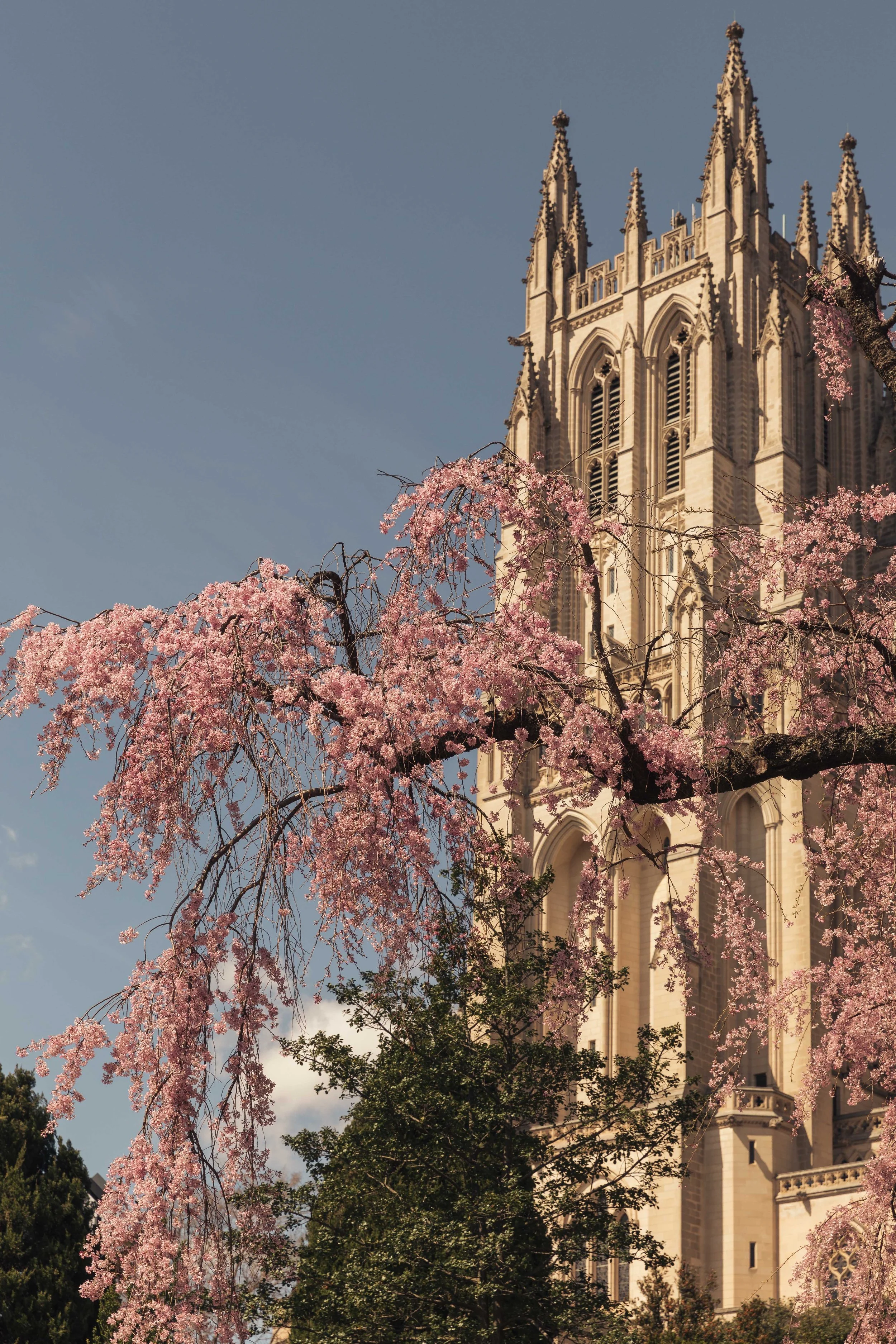
Obviously, the Cherry Blossoms: Spring in DC

Ben Ashby

In my opinion Andrew Yianne (@yiannethegreek) photographs the best spring time images of Washington DC. I asked him for a few tips and a bit of advice for how you too can capture beautiful moments of spring in DC.


Hi! My name is Andrew and I'm an interior, landscape, and architecture photographer based in the Washington, DC area. I moved here in 2016 from Charleston, West Virginia to attend American University and have been here ever since. I've always been interested in photography for as long as I can remember. My parents started by buying 3-pack disposable film cameras for me at Walmart to capture our family vacations. This evolved into me getting my first digital camera just in time for a trip to Disney World. Eventually, I upgraded to a DSLR and began working for the school yearbook in middle and high school. I also worked as a photojournalist for the Charleston Gazette-Mail throughout high school and then joined a photo club on campus at AU. Since then, I've kept photography as a side hobby but am often collaborating with other foundations, artists, designers, and magazines in the DC area.


Why Washington DC? After living here for nearly nine years, I've really come to know DC and its quirks. Not too busy, not too slow, and it's pretty close to other east coast cities like New York, Philadelphia, or Annapolis for a weekend getaway. I'm a fan of history and I'm at a museum almost every weekend. As an architectural fan, I really love DC's collection of buildings from 1700s Federal-style up to 1960s brutalism.


What are your favorite spring moments in DC? Obviously the cherry blossoms! But that's not all - we're spoiled for choice here when it comes to flowering gardens and parks (not to mention the National Mall) so I'm always finding something to do. Dumbarton Oaks—a beautiful, historic estate, museum, and garden in Georgetown—offers incredibly manicured tulip gardens, magnolia trees, yoshino cherry tree groves, wisteria walls, and English gardens - it's always one of my favorite places to visit! The Bishop's Garden at the Washington National Cathedral is a beautiful, quiet respite above DC with a grassy lawn perfect for picnicking and is always on my list to visit once the flowers start blooming. Embassy Row (mainly Massachusetts Ave between Dupont Circle and the National Cathedral) is also perfect for morning spring walks with a coffee! The same goes for Georgetown, one of my favorite neighborhoods, and its endless collection of historic row houses and beautiful gardens!

What are your tips on capturing spring? My biggest tip would be to plan ahead for each "chapter" of spring in DC. As the temps start to rise, different types of trees and flowers start to bloom across the area in stages. Okame cherry trees (the deep red/pink ones) typically bloom first, followed by magnolias, and then the iconic yoshino cherry trees around the Tidal Basin are last. Each of these plants will bloom within about a week of each other so I will look up parks around DC that have each type. Every year, the National Park Service will announce their prediction for the yoshino cherry tree peak bloom and it's typically around the end of March/beginning of April. Once they hit peak bloom, you'll have about 4-5 days (depending on weather) to capture them at their best. My best piece of advice is get to the Tidal Basin early, ideally at least a half-hour before sunrise. The crowds are absolutely insane and can get overwhelming pretty quickly. I will usually head down around 6am and am out of there by 8am on the first official day of peak bloom. Any later than that and you'll quite literally have to fight for breathing space along the Basin's walking paths. 

What camera do you use? I shoot with a Canon 5D MK IV as my primary body and a 24-70 2.8L as my primary lens. I also have a film Canon AE-1 Program that I'll use every now and then.

What’s a must visit coffee shop or spot in DC that doesn’t feel like a tourist thing? This is my favorite question! I'm a huge fan of coffee and since I moved here in 2016, I've visited over 70 coffee shops (and counting!) across the city. My overall favorite is Emissary (located on P St in Dupont Circle) for its coffee, great breakfast options, and tons of seating. They also have a great happy hour and recently expanded their dinner menu. I'll usually stop by here on the weekends to edit photos or catch up on some personal work. Second overall favorite is The Coffee Bar (S St location). It's a neighborhood coffee shop near Logan Circle/14th St in an older building with tons of character, great pastries, and lots of outdoor seating. Third is Grace Street Coffee - newly reopened at the waterfront in Georgetown, this spot is a great third-wave coffee addition to DC and they roast their beans on-site. My honorary mention is Open City at the National Cathedral for its extensive breakfast menu and coffee selection - all inside a former Bishop's study area directly next to the Cathedral.

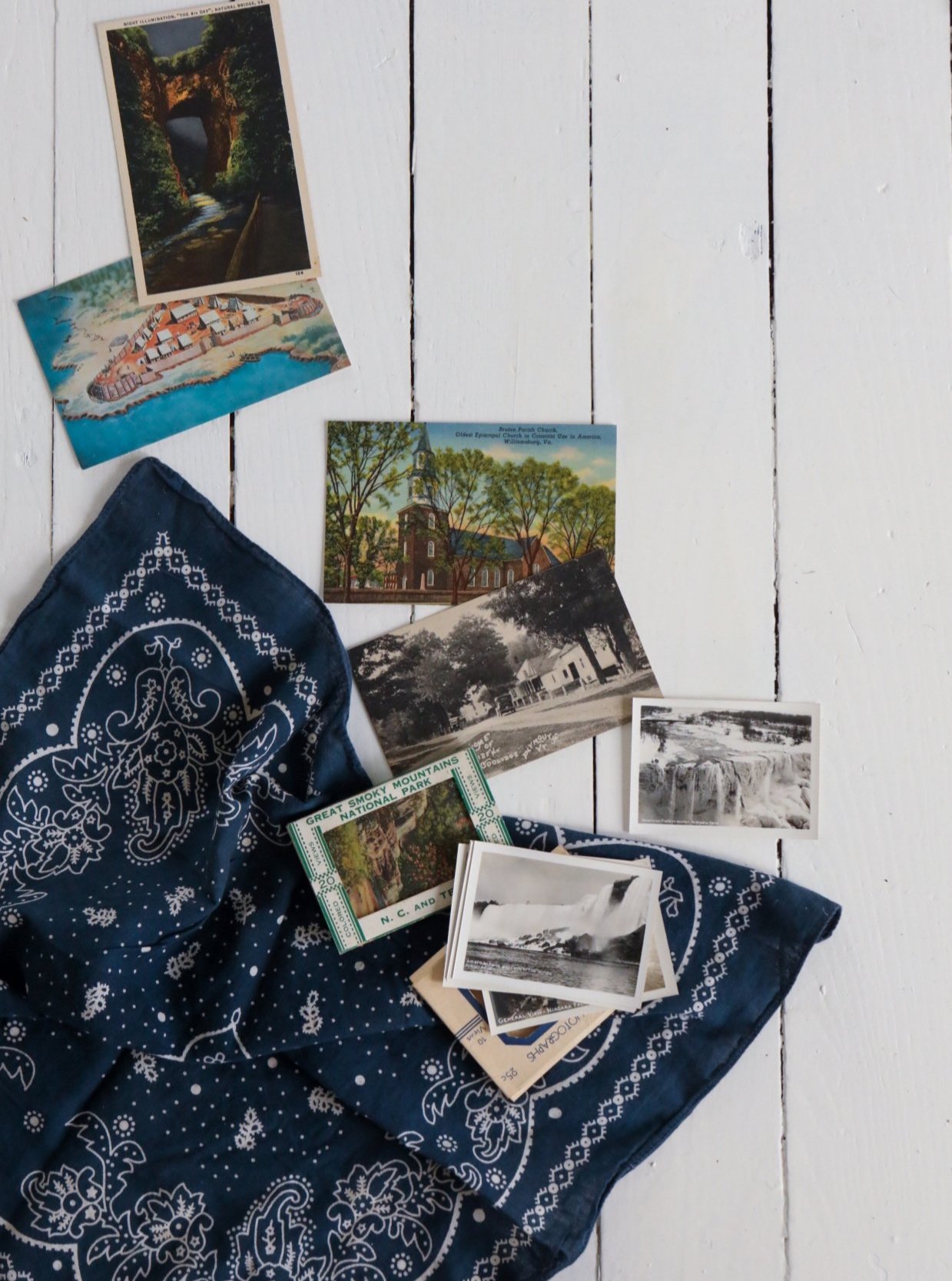
A Note with a View: History of Travel Postcards

Ben Ashby

originally from FOLK’s Revival Issue | ORDER HERE

Jen educates us on the history of the travel postcard

A PEEK AT OLD TRAVEL POSTCARDS MAKES US WONDER WHY SUCH BANAL IMAGES WERE CREATED AND SOLD TO THE MASSES, THEN COLLECTED AND TREASURED FOR DECADES – SO OFTEN, UNUSED. Rarely were the promoted images of such merit that they would be sought-after as captivating photographs, but rather, they were considered a cheap and easy way to keep souvenirs of a place that could trigger a memory, or comprise a visual anthology of adventures and explorations.

Postcards are a wonderful peek back at places and spaces as they were seen and experienced at the time they were marketed to tourists. They can be dated by the fonts used on them to herald their point of interest or celebrated locale, as well as by the automobiles that might appear in the image, or the fashions on the folks caught in the freeze ray of the camera lens. If written and sent, of course the postal cancellation is an indicator of the age, but many travel postcards – especially the folios – were purchased simply as keepsakes and were never used. We are left wondering, why buy a postcard if you never planned to send it?

Today when we wander and adventure, we capture a vista with a quick point-and-shoot. We press that button and harness a moment in full color and with lenses that can actually capture what we see at a distance -- or even in full panorama. Indeed, almost all of us carry a minicomputer in our pocket or purse…our phone is an accessory that makes us master of a tool that can take a glorious image that we can later crop, color, tweak and edit. As casual photographers, we can snatch an image or capture almost endlessly the scope of what we see. A few decades ago, we were so far from this; taking a photo meant something very different. With much less sophisticated tech, and the cost of film and development, being an undiscerning shutterbug could be an expensive hobby. Taking a photo required more thought and planning. In fact, if you know any non-English language speakers, they’ll tell you that the phrase “taking a photo” translates more often into “making a photo.”

There was a making to it…a consideration of light, shutter speed, film speed, and after all that…grave limitations on what could be captured, taken or made into memory.

Add to that the fact that a camera capable of harnessing an image of a sweeping vista or an inspiring landscape was something only a professional photographer would have. Cameras with quality lenses were not only costly, but intricate and demanding of attention during use.

Documenting the landscape for memory and posterity was left to the artists and professionals. The natural match for these images was their presentation on postcards for the tourist trade. The postcard was a vehicle of print media already in expansive use, and letter writing was the means of communication. Sure, we had consumer-grade cameras as early as 1900 with the Kodak Brownie, but what they offered in novelty and affordability compromised the scope of them as tools.

For years consumers could only take a very small square photos…great for a snapshot or posed moment, but in no way could it convey a landscape. Let’s add that most consumer photos were taken in black and white until the 1970s when more advances were made in film technology, and we had early point-and-shoot 110 film and the pioneering of pocket-sized cameras. This “snapshot” camera history makes more sense of the oddly treasured souvenir postcard rage. With printed postcards popular with consumers from the late 1940s through the early 1980s, during that time you could not visit a town of even remote interest or landmark of esoteric note without finding a postcard folio for sale. These folios were rarely mailed but kept as souvenirs with a trophy-like countenance.

Think of them as visual brag books of the arcane places one might visit on a day trip, or an easy-to-bring-home series of captures one could never take themselves, but that could be shown off as a travel achievement or looked at for a personal reminder of a place visited.

Postcards are charming reminders of former travelers’ escapades and explorations that remind us that adventure awaits. How you choose to document your travels is up to you. There’s something in appreciating those moments and vistas that add up to good memories; a postcard just might be the ticket if you miss the capture yourself.

— earthangelsstudios.com

The Gardener’s Creed

Ben Ashby


— by Bailey Van Tassel | from FOLK’s Revival Issue | photos: Caitlin Kraina


I believe that a human’s greatest confidence and pride come from tending the earth, in a give and take that is abundant in giving, more than taking. 

I believe that hard work and attunement to the seasons require patience, restraint and response to nature that build resilience and a kind character.

I believe that gardening nourishes the mind, body and soul, giving to our families what they most need: honest food, quiet harmony with nature, and small challenges to overcome.

I believe that my children are learning lifelong skills and lessons that will indelibly inspire them and shape their future, and those after them.

I believe that the best things in life are indeed simple and free: the scent of orange blossoms covered in dew, the pushing of a seed through its casing, the sight of a bumblebee falling asleep on a sunflower.

I believe that reverence for that which is beyond our control makes us better.

I believe that caring for the tiny species upon whom we are irrevocably dependent, the bugs, the birds and the butterflies, requires us to live greatly and beyond the thought of ourselves.

I believe that planting a tree whose shade I will not sit in will be how I leave my mark.

The Remembrancer: Strawberries

Ben Ashby

One of the most vivid memories I have of my childhood is rooted in the soil between my home and my Nana's. I was lucky enough to grow up around my family, in very close proximity to everyone in my mother's family and not much farther from my father's family. From my house I could see everything in my 'holler'. From the head, the farthest point at the end, to the mouth, where my short gravel road met the larger gravel road to Dorton where I went to school.

Those days were the simplest days of my life, the days before US23 made extinct those well traveled gravel roads of my youth. I am reminded of those days every time I drive down a gravel road. I can remember chasing cars down the paths of my Papaw's garden, not caring that the low greens of the vegetable patches were smacking my legs viciously. The smells of those gardens are always around me. I can remember the musk of tomato plants and the sweet smell of berries ripening on the vines. It was simple childhood bliss growing up in that garden.

The strong summer sun beamed down on the field day-in and day-out and the ripening vegetables and fruits made me more aware of my upcoming birthday. The most exciting part of this garden lay in the row nearest to my porch. Stretching from my porch to the gravel road laid a long row of sweet red berries that fueled my youthful energy during those warm days of summer. The strawberries that grew there were not like the overgrown grocer variety, they were a special entity that I have never found anywhere else. The small rubies clung to their vines delicately and all of the neighborhood kids were allowed to pick what they could carry. The sweet taste of those berries are so unlike any other. The rich flavor and smooth soft berries melted in your mouth and down your face leaving crimson evidence that you were, in fact, in Papaw's strawberries again.

Those strawberries were an important part of my childhood. Every year I got older, a different birthday theme was picked,  and I had a different grade and teacher to look forward to in the fall. The only thing that remained the same each year was the aroma and taste of those berries. The garden has disappeared in the waning years of my youth, but the sight and memory of that garden are revived each time I see the space between my house and my Nana's.

— Heath 2012

Preserve—Our National Parks

Ben Ashby

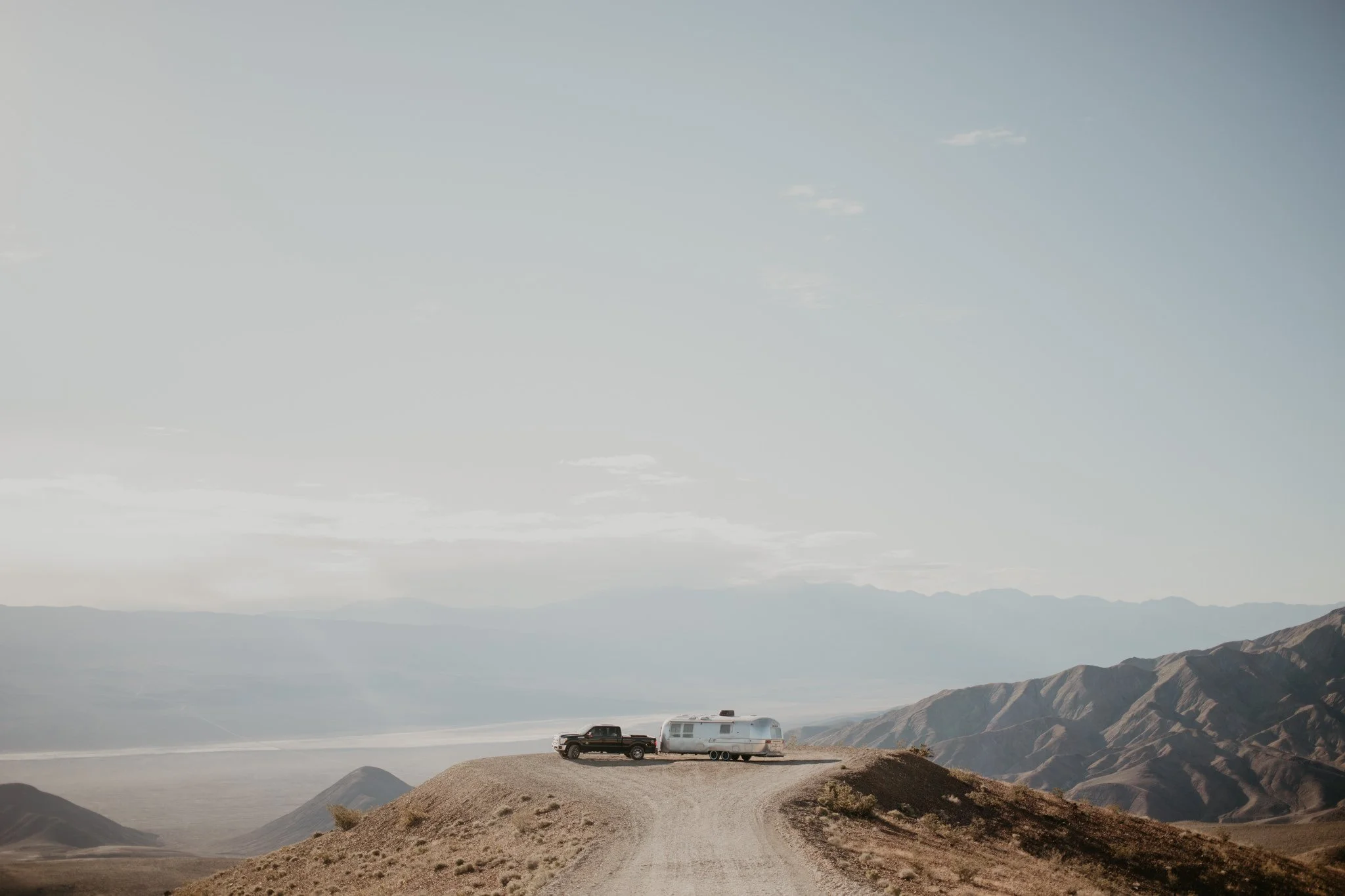
A few years ago I asked my friend Paige to write an essay about the importance of the US National Parks…these words and images are her’s. The photographs were created as she and her husband toured the U.S. in an airstream in 2019.

I was asked to write a quick piece about the National Parks and why they’re important. I spent a long time debating the rich and deep rhetoric I could create about our beautiful lands and how inviting and scared they are. But I couldn’t bring myself to write these words.

At least not seriously, not whole-heartedly. After questioning why writers blocks would strike me on a topic I’m so fixated and passionate about, I realized the shallow facade of a piece I’d be creating if all I did was sugar coat our country and the way we treat our National Parks. So this isn’t a fluffy feel good piece about America, it’s a PSA in honor of our endangered land. A wish that we find the confidence and commitment to take a stand for the protection of our only planet and our beautiful country. Do I need to include a quick explanation of how magnificent our country’s terrain is? Perhaps. As someone who wasn’t afforded the luxury of travel while growing up, I’m still humbled by the smallest of foothills and the biggest of skies. Now as I near 30 years old, I’m happy to say I’ve at least driven from one coast to the other and had the opportunity to see the differing atmospheres and topography. This country is massive, my friends. It is hearty, it is as diverse as the people who live here and it is drop dead gorgeous. And 100 years ago, Woodrow Wilson made the National Park Service a federally managed and funded bureau, allowing them to preserve and honor the magnificent sights and locations that make our country what it is.

Though encouraged for personal and cultural gain, please travel vast corners of the globe as much as this life affords you to. Many of us cannot. But I know you

have a weekend coming up that’s completely free. Maybe some of you have travel points saved up or a car sitting in the drive way that only knows the route to work and a few pokestops along the way. You need to do yourself a favor and make an honest attempt to visit as many of our National Parks as you possibly can.

Now. With nearly 60 national parks, ranging from the deserts of Arizona and the mountain peaks in Alaska to the sands of Hawaii and the caves of Kentucky… they’re out there. They’re begging to be loved, viewed and respected. The lands give way to more than 18,000 miles of trails and is home to multiple endangered species. I can’t stress to you enough the beauty that can be found in our own backyard. It doesn’t have to be a trip to Iceland or Australia, it can just be a road trip with your friends or a long weekend with your significant other. Or maybe just an over night camping trip with the dog and your fishing pole. It’s there. It’s accessible. And no excuse is worth missing these moments.

Now I can sit here all day and type out facts and show pretty photos of Yosemite and Yellowstone, but the unfortunate truths are never as pretty as we hope. Lately the ongoing trend of doing anything daring or risky for a photo, has literally begun the collapse of fragile ecosystems, preserved for centuries within the parks. The lack of respect for our own home land is concerning to say the least. Not only is it becoming more frequent for tourists to carve graffiti into trees and rock faces (and then post it through their social outlets) but visitors proudly take home fauna, debris and even living creatures as a collected prize, leaving the land a little more vacant and resulting in a less fulfilling experience for future generations. And if destruction and theft isn’t enough, the unnecessary death toll continues to rise.

From falling off cliffs, to breaking through acidic springs…The stories are abundant and more come out all the time. I mean, can we talk about the insanity that is dying in a national park from lack of respect for the land? My friends, it’s an old tried-and-true concept.. respect the land and the land will respect you. Before visiting one our truly sacred and gorgeous parks, understand that we are simply guests on mother earth and you will never win an argument with her so don’t even bother, darling.

It has been over 100 years of preserving our land. 100 years of fighting and battling to keep Earth’s legacy alive and today, on the centennial of such a great accomplishment, I ask you to evaluate your relationship with the outdoors.

Maybe you don’t see it enough, maybe you see it too often and take it for granted. Whatever the case may be, today is the day to pay your respects and toast a drink to our diverse, rich and magnificent country that is The United States and thank our stars there are people willing to continuously fight to protect those locations that make us all go “ooh” on Instagram. These places wouldn’t be around anymore if it wasn’t for them and wasn’t for the National Park Service.

This entire country could easily have been fracked for resources and turned into a super mall by now, but for the time being.. we’re lucky enough to have soaring mountain peaks, seemingly infinite canyons and crystal blue waters. Please, never take it for granted. Offer your donations to help continue their efforts, take time to visit and appreciate the parks or just have a conversation with a friend about the importance of protecting the sights and locations our forefathers wrote about, traveled through and discovered.

This ground is the exact same ground history was written on, and it’s our duty to continue the efforts of preservation.

— @goinghome.co

Of the West — Photographer Taylor Dalton

Ben Ashby

These days we all consume a lot of screen time, too much time, but that is the nature of the world we live in. I’ve been on Instagram for well over a decade now and it isn’t often that someone stops me in my tracks with their storytelling and their work. Taylor Dalton (@tdcameraman) stopped me with his work. His visuals and narratives of the American west evoke a more rugged and often times more authentic life. His focus on cowboy culture lured me in as much as his images of the national parks. There is an inescapable quietness to his work that feels void of modernity and embraces a world without markers of the modern frenetic world.

A few days ago I asked Taylor if he’d be up for answering a few questions as we explore his work.


Please introduce yourself: My name is Taylor, but most people know me as TD. I grew up in a little town in Arizona called Prescott Valley. I feel like I grew up outside, always camping, backpacking, or hiking with my family in our free time. I definitely inherited that great love of the outdoors from my parents. 

Why and when did you first pick up a camera? What inspired the love of photography? and who has inspired you? The summer after I graduated from high school, my older brother took me on a ten day trip to Glacier, Yellowstone, the Tetons and ended with a backpacking trip in the Uintas. My older brother had previously been interested in photography so he knew how to edit photos, even just phone photos. He shared a little bit of that knowledge with me and I became obsessed with editing my phone pictures and trying to be more purposeful when taking photos. That’s what initially peaked my interest.

I didn’t make the jump to buying a camera until a few months later when I went camping with a friend of mine. He took a photo of the stars with his GoPro and I thought that was the coolest thing of all time. I didn’t even realize taking a photo of the stars was attainable for the average Joe.

Immediately after that trip I did some research to find out how I could take a photo of the stars. Google told me I needed to use a DSLR camera, so that Black Friday I bought my first camera. The Nikon D3400. I started taking that with me on all the outdoor adventures I was already doing. Mistake after mistake, I slowly taught myself how to use a camera. I never had any formal education on photography or videography, I just learned by doing. I started to love capturing the beauty I get to see with my own eyes and sharing that with the people I care about. Initially I started to follow all these big name instagram photographers. I quickly realized that negatively affected my creative headspace. I was always catching myself comparing myself to these people that had been doing photography for years or even decades. It was then I made a rule to not follow people I didn’t know and wasn’t connected with in some way. Over the years I have loosely followed that. My inspiration and best creativity comes from pushing myself to try and capture iconic locations or genres in a unique way. When I see everyone shooting one shot, it makes me really want to shoot it differently. 

What is your goal with being a photographer/videographer? My goal is to tell stories about people or lifestyles that inspire me and hopefully through me inspire others. 

What has being a photographer taught you about this world and humanity? It’s taught me that chasing something you’re passionate about is the most powerful contribution you can make. I believe when we are doing something we care deeply about, our calling if you will, we are the most authentic version of ourselves. If you aren’t doing that, you are robbing the world of a drop of authenticity.

Where is your favorite place/your favorite subject? It’s probably pretty obvious from my work, but I LOVE capturing western lifestyle in the western US. Something about rustic and raw living in the unbelievable landscapes of the west just really pulls me. 

In many ways you are a story teller…what stories do you aspire to share? I aspire to share the untold stories of those living traditional lives that believe in hard work to provide for themselves and their families. And maybe I just like to capture stories that look damn epic from time to time.

Is photography your full time? Yes it is my full time job, in more ways than one. I am employed by a company called Canvas Cutter. I oversee all and create most of our visuals whether that be short films, YouTube vlogs, lifestyle photos, short format reels or product photography for our website. It’s a small team of us so I get to wear many hats and learn a lot. It’s great to feel integral to the company’s growth and success. On the side, I take on a pretty large load of personal projects and freelance creative jobs that keep me busy as well. 

Where is your favorite place to photograph? I love Wyoming a lot. The Tetons specifically hold a special place in my heart. They are the birthplace of most of the “turning points” in my life. I went on my first ever backpacking trip in the Tetons when I was six years old and that inspired my love of the outdoors. The Tetons are where I really started to like taking photos on that trip with my brother I mentioned previously. It was the place I got my first real photography job, taking photos of whitewater rafting on the Snake River for a summer. Wyoming and the Tetons are the birthplace of everything I am passionate about. In the last couple of years I’ve explored much more of Wyoming and I just love the untamed nature of its landscape and  ruggedness of its people. 

You’ve created a huge volume of work with cowboy culture, why? The most simple reason is because it just looks damn cool and I love awe inspiring imagery. On a deeper level, I think as a kid I always romanticized the idea of being a cowboy. Cowboys are hardworking, self-reliant, good with their hands and humble. Qualities I strive for. I tell those stories because I want to be a part of them, be in them. The biggest thing I’ve learned from documenting that world and immersing myself in it, is that nothing truly good comes easy or free, everything worthwhile is earned. In one way or another. 

What camera do you currently use? I shoot on a Sony a7iv mainly, but also use the Sony a7iii too.

Do you have any advice to offer? As far as a creative career is concerned, the best piece of advice I can give is to join or create a community, get to know people and have something to offer them for their time. Networking is a powerful tool, but it can only get you as far as the effort you put in. 

What is your number one place to visit in Utah? Arizona? Elsewhere? In Utah, I’d say Zion Canyon. More specifically a slot canyon in Zion. The Narrows are amazing, but if you get a guide and do a technical slot canyon…that’s Utah for ya. It’s one of the most incredible experiences fairly unique to this state. In Arizona, I’d recommend Sedona for sure. The West Fork of Oak Creek Canyon in the fall (typically early November) is one of the most fantastic displays of fall foliage you will see in Arizona paired with the red rock canyon walls—an incredible place to witness.

Do you have a personal preference over creating photo or video? I absolutely love both and I think both are very powerful storytelling mediums. For me, photography has always come easiest and I feel that I excel at it. I love telling stories in the form of a photo set. It gives a little imaginative  freedom to the viewer to think about what the experience was like outside of those few frozen moments. 

What is a piece of life advice you’d offer? Be gracious. Gratitude, kindness and humility have a way of coming full circle in my experience. It attracts the right people into your life that will help you elevate yourself and those around you.

— taylordaltonphoto.com

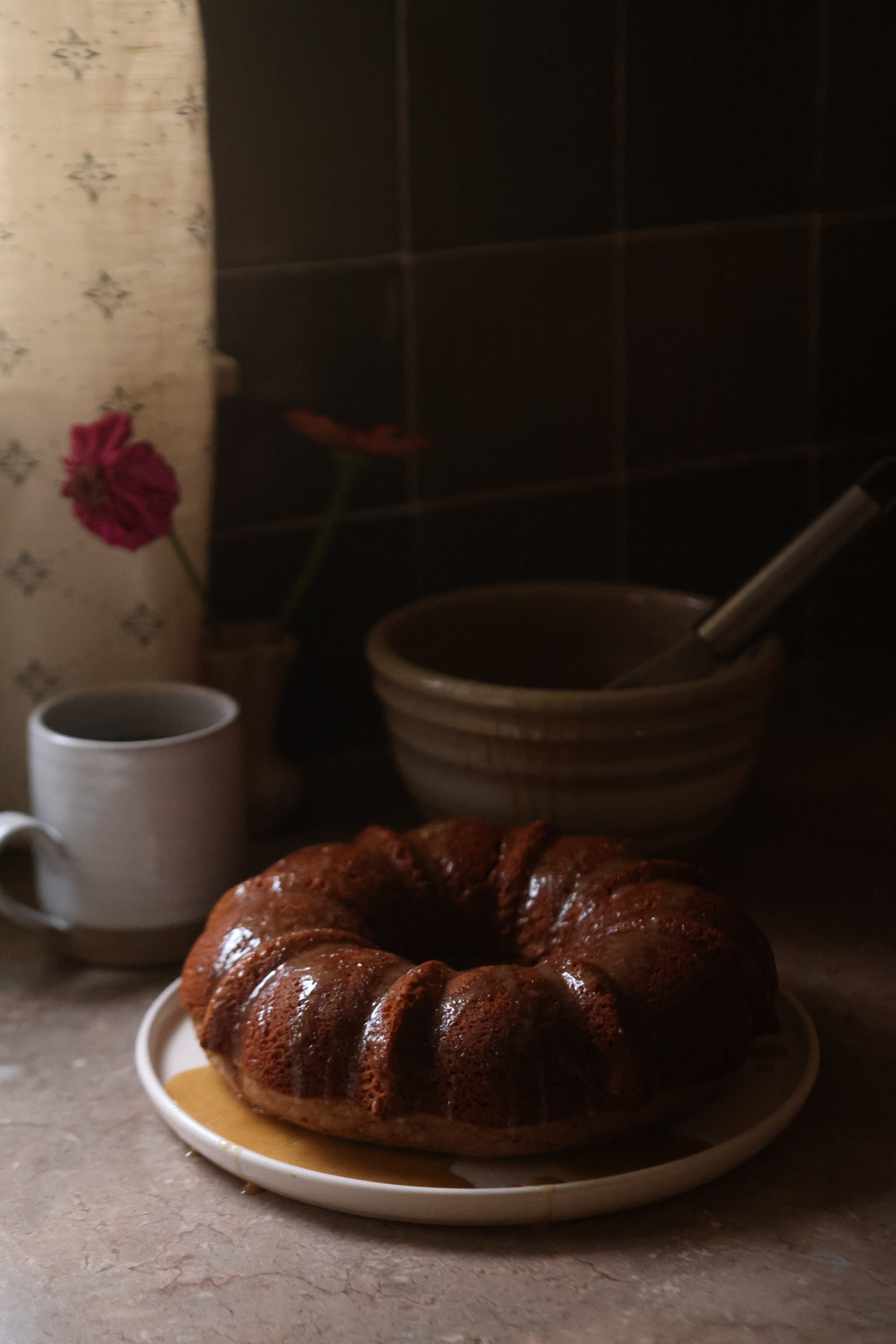
2 Ingredient Pumpkin Cake

Ben Ashby

I was really skeptical about this recipe and I honestly only made it because I didn’t think it would work. I was completely surprised that it worked and that it was really good. It is a recipe I will be making all Autumn!


The recipe really is only two ingredients. One 15 ounce can of pumpkin puree and 1 boxed cake mix. I used carrot for the video, but typically recommend spice cake for the season.

I did cover mine in an icing, but would probably recommend a cream cheese based frosting next time.

This recipe works because of the water content in the canned pumpkin. This would not work with fresh pumpkin, so please do not waste your time.


RECIPE:

Preheat oven to 350. Well grease a Bundt or muffin tins. This cake will not rise as well as a boxed cake typically would.


Mix together 1 15 ounce can of pumpkin puree and 1 boxed cake mix. Add to pan/pans. Bake until tooth pick comes out clean.


Cool and frost, or serve on its own. This cake is incredibly moist because of how dense it is.


FOR MORE AUTUMN RECIPES:

The Cottagecore Baking Book Q&A

Ben Ashby

We first met Kayla of Under a Tin Roof in 2019 with the story we did on her and her homesteading in Iowa. A lot sure has changed since then, but Kayla remains committed to celebrating a homemade and homegrown way of life. in 2024 her second book was released and we asked her a few questions to learn more about THE COTTAGECORE BAKING BOOK

Tell us about the book and what inspired it. What all can we expect in the book.

My cookbook welcomes you to an enchanting escape into the realm of cottagecore baking, where rustic charm meets mouthwatering flavors. The book is inspired after the various different subgenres, or cores, that make up the aesthetic of cottagecore as a whole such as fairycore, hobbitcore, naturecore, goblincore, etc. Each recipe is unique and fun. Many of the recipes are geared towards beginner or amateur bakers, though there are a few more complicated recipes. My hope is that they are written in a way that makes it easy for a baker at any skill level to understand and achieve success. My passion for creating visually captivating recipes that are styled like a fantasy or fairytale are what makes this book different from other baking books, and I think that makes this cookbook something to be enjoyed even if you aren’t absolutely obsessed with baking and cooking like I am!

Who you are?

I am a recipe developer, cookbook author, video and content creator. I started my blog, Under A Tin Roof, in 2015. Then I mostly wrote about herbal folklore, indoor gardening, and baking bread. My content has bumbled and tumbled over the years, but growing and cooking food have always remained consistent topics for me. Now, my blog and video content mainly focus on living a cozy fantasy lifestyle. I love creating whimsical recipes, from savory to sweet, and romanticizing everyday life. My first cookbook (The Prairie Kitchen Cookbook) was released in June 2023, and my second cookbook (The Cottagecore Baking Book) was released in February 2024.

What inspires you?

So many things! I am constantly inspired by film and literature. I love stories set in the English countryside, and I am especially drawn to cozy fantasy stories. I love researching my family history and genealogical roots. As someone who does not have a close relationship with my extended family, I have had to do my own digging to learn more about where I came from. There is so much inspiration in learning more about your heritage, especially when it comes to cooking. Personally, I have roots mainly in Eastern Europe (Poland, Lithuania, Russia), Germany and The Netherlands, Scandinavia (Denmark and Sweden), and the UK (England, Scotland, and Ireland). It’s a big mix, but it leaves me with a lot of places to learn more about domestic traditions that were never passed down to me.

What drives your creativity?

I truly believe my creativity and drive comes from my neurodiversity. I am AuDHD, and I have entirely built my business around my special interests. I love cottagecore style and home decor, I love whimsical and frilly cakes and pastries, and I love learning about domestic history. Because I am so deeply invested by this deep passion for learning more and trying new things, I can’t help but work on it.

What do you want to do/hope to do?

I often have lofty dreams and ambitions, but this year I am trying to focus on narrowing down my work so that I can put more effort into working on quality projects. I miss blogging and feel that it was put on the back burner as social media and short form video content has been on the rise, plus writing two books took a lot of blogging time off of my hands! I think, at the least, I am looking forward to putting more effort into my website again and building an audience on YouTube. As for big dreams… It would be wonderful to be part of a television series. I have been approached a few times, but it never amounts to anything. Perhaps one day a streaming service or television network will think that a cozy, silent cooking show sounds like a good idea!

What aesthetic/lifestyle do you identify with most?

I want to say cottagecore, but I think “Cozy Fantasy” fits me best. I love magical stories and quirky characters. I rather like to think of myself as one.

For the book, what is your favorite recipe in it? What do you hope people take away from reading it/cooking with it?

My favorite recipe in the book is definitely the Pink Lady Cake! It’s absolutely delicious and I love that it is made with real strawberries to flavor the cake and the frosting. I hope that people enjoy the beauty of baking while they create from the book, and that they feel even a small touch of romanticizing the little things. I hope that they feel a warm hug from me in their own cozy cottage kitchens.


MORE FROM FOLK

A Day at Waltons Creek 2024

Ben Ashby

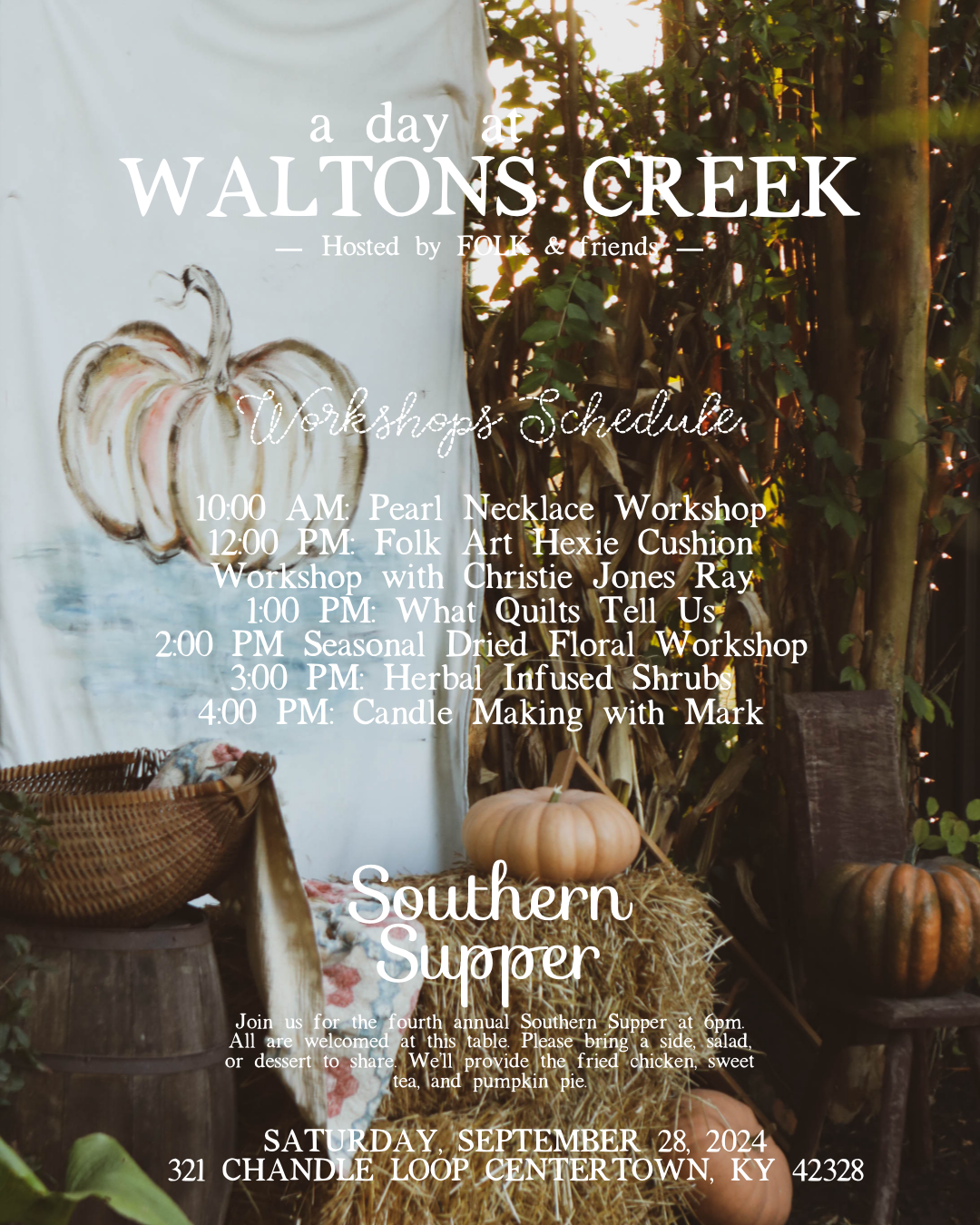
2024 brings the fourth Southern Supper, our annual tradition that invites everyone to bring a side, starter, or dessert and join us around the table for an old fashioned potluck! Each year people come from all over with their very best dish in tow. We provide the sweet tea, lemonade, fried chicken, and plenty of homemade bread. Together the fellowship feels straight out of a small town Hallmark movie! The only rule at this table..no talk of religion or politics. All are welcome here. In today’s world everyone feels divided, and we want to bring everyone together, even it is just for a few hours and a really delicious meal.


Simply bring a covered dish. We will provide all the details. Come as you are and be ready to make new friends.


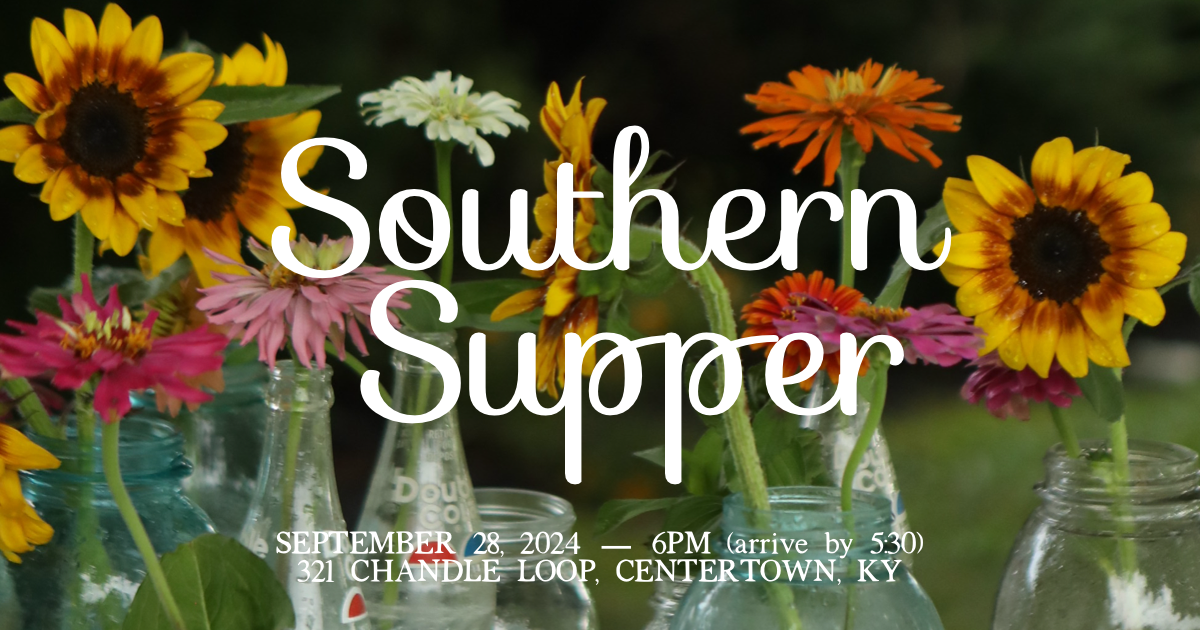
We eat at 6:00 pm on Saturday, September 28, 2024, but we ask everyone to arrive around 5:30 for the welcome.


THE BARN SALE

GENERAL ADMISSION TICKETS HERE

order early bird tickets


NOW AVAILABLE: EARLY BIRD PASSES: Come shop an hour early! Beat the lines and crowds and get first pick at vintage, antique, and handmade finds! Get to the sweet treats before anyone else too! Early Bird Tickets give admission to the Barn Sale from 9 am - the close at 5pm. Limited quantity available.

BARN SALE SCHEDULE:

9AM - 10AM: EARLY BIRD SHOPPING. Shop before the crowds. Early bird attendees will receive a free donut at entry and a BINGO card for BINGO at 4pm. PRICE: $15 PER PERSON

10AM-5PM: GENERAL ADMISSION SHOPPING: Shopping will be open in the Barn Sale area at this time. Food and beverage vendors will have food and drinks available for purchase during these hours. Entry fee includes a cookie at entry and a BINGO card for BINGO at 4pm. PRICE: $5 PER PERSON

1PM-2PM: CARAMEL APPLE BAR! A sweet treat and nostalgic autumn staple, create your own caramel apple with the help of our Caramel Apple Bar Attendant. A crisp apple covered in chocolate, caramel, or both! Sprinkled with festive frills. A tasty good time. $5 PER APPLE

2 PM-3PM: Pumpkin Painting: Create your own masterpiece! We’ll provide all the supplies for you or your child to create your own small festive pumpkin. Let your creativity go wild! 5 per pumpkin. Pie pumpkin sized pumpkin | $5 PER PUMPKIN

3PM-4PM: OLD FASHIONED FRIED BISCUITS AND APPLE BUTTER: Learn the old fashioned way of making fried dough, an autumn carnival favorite! Fresh biscuits cooked in hot oil and smothered in cinnamon and sugar. Served with apple butter for dipping. $5 PER ORDER

4PM: OLD FASHIONED BINGO! Join us for a round of BINGO. Prizes will be silly treats, this is for fun and games and merry good cheer! INCLUDED WITH ADMISSION

New for 2024 we have combined our annual maker/vintage market with our Southern Supper to create a weekend in the country…a beautiful Autumn day in the country.

Our market, one we started in 2020 brings together dozens of vintage, antique, and handmade vendors (plus a few food vendor) together for a beautiful countryside Barn Sale. Come ready to shop. Prices range from thrifting to fine antiques. Stay for lunch, stay for the shopping, or stay simply to enjoy the day.

If you would like to be a vendor at the market please email editor.folk@gmail.com for the details. We have booths and table space available, depending on your needs. All vendors will be juried to ensure a good fit for the overall market.


WORKSHOPS

As with every year we offer a series of workshops, lectures, and demonstrations. The following are our 2024 offerings: TO REGISTER CLICK HERE


10:00 AM: PEARL NECKLACE WORKSHOP

This ain't your mammas pearls! Learn the craft using wire and chain to make these dainty everyday necklaces (or bracelet) with HorseFeather Gifts. || $40 per person REGISTER HERE


12:00 PM: FOLKART HEXIE CUSHION WITH CHRISTIE JONES RAY

An introduction to English Paper Piecing will find you falling down the rabbit hole of this craft. A simple flower hexie pincushion using vintage and hemp fabrics is just the project to get you on your way. All you’ll need are your favorite fabric scissors, and everything else will be provided. |$30 per person REGISTER HERE


1:00 PM: WHAT QUILTS TELL US


The history of quilts is one that is deeply embedded in the fabric of America. Join us for this workshop and discover the vibrant and rich history of The Quilt in the US, from how to identify patterns, fabrics, and wear as a way to date quilts, to learning and discussing proper care and cleaning practices. Please bring a quilt of your own to share with the fellow attendees as we do a bit of show and tell during this interactive workshop. | $8 per person REGISTER HERE


2:00 PM: SEASONAL DRIED FLORAL WORKSHOP


Join us learning to work with dried seasonal florals. We will craft a beautiful small arrangement made with a handmade fabric pumpkin as its base. Learn about the florals, about arranging florals, and ways to allow your own creativity to bloom. You will leave with a piece that can be a part of your autumn decor for many years to come. | $20 per person REGISTER HERE


3:00 PM: HERBAL INFUSED SHRUBS WORKSHOP


The Lost Art of Shrubs: Old world methods for modern cocktails and mocktails. Join us as we learn about creating these vinegar and herb based shrubs...an art that dates back to colonial times. Join us for a garden workshop where we'll be whipping up some seriously tasty fruit and herb shrubs, the ultimate thirst-quenchers and cocktail enhancers! Using fresh organic fruits and home-grown herbs, we will explore the delightful world of shrubs & drinking venegars, combining natural sweetness with the depth of herbal flavors. Throughout the workshop, attendees will: Sample a variety of meticulously prepared shrubs, showcased in a range of drinks and cocktails (participants must be 21+ to consume alcoholic beverages). Learn the step-by-step process of creating shrubs, from fruit and herb selection to maceration and infusion techniques. | $30 per person REGISTER HERE


4:00 PM: CANDLE MAKING WITH MARK

Join us for this fun and fast introduction to the world of candle making with Mark. Craft your own custom scents and learn all the necessary steps to make your very own candles. | $12 per person REGISTER HERE


9-5: FULL DAY OF WORKSHOP

Arrive at 9 am for early bird Barn Sale shopping (included in the price) and begin workshops at 10 am. Workshops conclude at 5pm, with the hope that you'll also join us for Southern Supper at 6 pm. 10 am: Pearl Necklace Workshop 11 am: Lunch (not included in price) 12 am: Folk Art Hexie Cushion with Christie Jones Ray 1 pm: What Quilts Tell Us seminar 2 pm: Dried Floral Workshop 3 pm: Herbal Infused Shrubs Workshop 4: pm: Bespoke Candle Crafting with Mark | $140 per person REGISTER HERE


ADDITIONAL ACTIVITIES & FUN


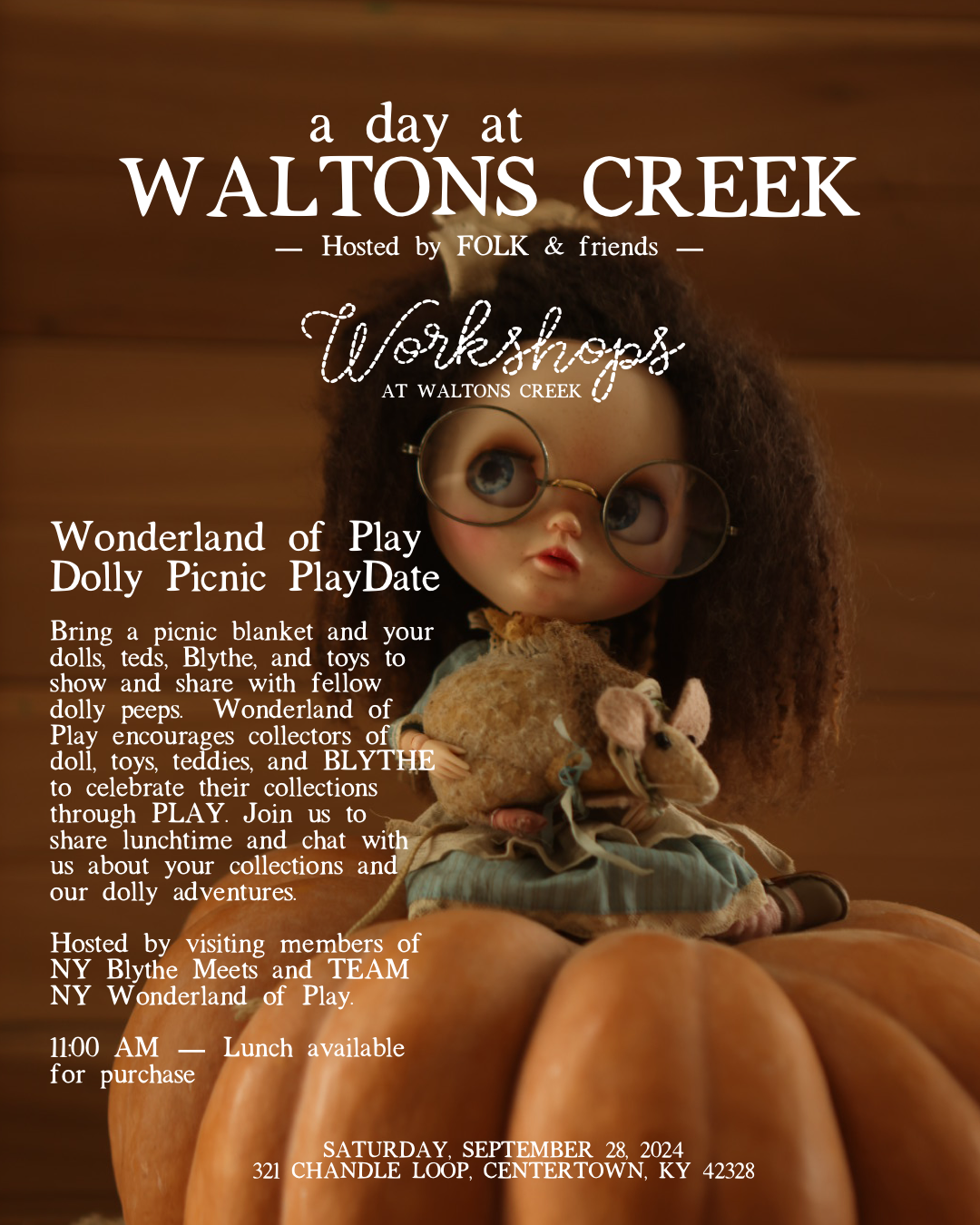
Wonderland of Play Dolly Picnic PlayDate: 11 AM


Bring a picnic blanket and your dolls, teds, Blythe, and toys to show and share with fellow dolly peeps.  Wonderland of Play encourages collectors of doll, toys, teddies, and BLYTHE to celebrate their collections through PLAY. Join us to share lunchtime and chat with us about your collections and our dolly adventures.

Hosted by visiting members of NY Blythe Meets and TEAM NY Wonderland of Play


BINGO & BEARS: 3 PM


Have you met the sassy and oh so social members of the Sugar Plum Corners Bingo & Social Club? Well join them for Bingo and encounter these rag tag, and utterly festive group of vintage toys that have come to life through the imagination of heirloom toymaker and author, Jody Battaglia.  We’ll call Bingo while you cool off in the shade with some tea… time for a little fun and prizes!  We have several copies of Jody’s new book to award the winners! Hosted by Earth Angels Studios.


LIVE! PICKA-PICKA-PUMPKIN READING WITH CHRISTIE JONES RAY: 4 PM

A Story for the Season – LIVE! from the Farm


Be part of a new tradition here at Walton Farm with a live reading of the season’s sweet story Picka Picka Pumpkin by author illustrator, Christie Jones Ray accompanied by her friend Earth Angels Studios’ Jen O’Connor. We are so grateful to gather and we invite all to share this experience with community members far and wide who cannot join us in person. We’ll be doing a reading of this favorite tale LIVE! on Instagram to celebrate how one story can bring so many together.


GENERAL INFORMATION

Lodging: Our county offers a variety of Airbnb, Bed and Breakfast, and hotel options. We also recommend looking at Owensboro and Central City for hotel options.

Airports: We are 1.5 hours from both the Nashville and Louisville International Airports

Additional Things to Do: Western Kentucky offers a wealth of antiquing and thrifting, a perfect area to shop…look out for our guides to shopping in the area. The International Bluegrass Museum is 30 minutes from the farm in Owensboro and the birthplace of bluegrass legend Bill Monroe is 20 minutes away in Rosine. Visit the Rosine Barn on a Friday night for old-fashioned bluegrass music, a New York Times endorsed must see. The Corvette Museum is 45 minutes away in Bowling Green and is close to Mammoth Cave National Park.


VENDOR INFO:


WALTON CREEK BARN SALE

SOUTHERN SUPPER 2024

321 Chandle Loop, Centertown KY 42328

September 28, 2024

Happy summer! We are so excited for your interest in doing the Waltons Creek Barn Sale! We are working on creating an excellent show this summer as we prepare for the Southern Supper, the workshops, and the Waltons Creek Barn Sale. While this certainly isn’t our first vendor market at the farm, it will be by far our largest and thank you for taking part in this event. This year we are growing the Barn Sale to be a cornerstone of our Southern Supper weekend. We are creating an event that will be a hybrid of antique and vintage goods, handmade goods, food vendors, and old fashioned fall themed goods. We will have six workshops, multiple photo booths, live music, a festive day on the farm, and of course the vendors. Below are all the vendor details along with the vendor application. If you are interested in being a vendor please return the bottom of this email completed ASAP. We 

Thank you!

Ben and the team. 

10am - 5pm | September 28, 2024 | 321 Chandle Loop, Centertown, KY 42328

Early Bird Shopping: 9 am - 10 am. 

Vendor Setup Times: 10 am - 8 pm Friday, Sept 27, 2024 and 6:00 am to 8:30 am Saturday, Sept 28, 2024. | Vendor photography: 9/28 8:50 am. 

Event Security: this is a rural farm location with multiple security lights and many people staying on property. There will be no additional security, if you are uncomfortable leaving your booth set up over night please arrive early enough on Saturday to have a completed booth by 8:30 am. 

Vendor Breakdown: 5 pm to 6 pm Sept 28 and 8 am to 1 pm Sept 29. 

VENDOR BOOTH PRICING: 

OPTION A: 10x10 booth space (must have WHITE tent) $40. Vendor must provide tent and tables. No electric or water will be available at booth. 

OPTION B: 4 to 6 foot table space: $30 Fabric covered 4 or 6 foot table provided, with two folding chairs, under a communal white tent. No electric or water will be available at booth. 

OPTION C: Additional vendor booth sizes can be made available upon request and availability. 

VENDOR PARKING: 

Vendor parking will be available in a field behind the market area. 

Vendor garbage: During breakdown please tidy area and move all garbage to designated garbage area. 

Vendor amenities: drinking water will be available to all vendors, along with porta potties. 

FOOD: multiple food vendors will be at the event and will have food available for purchase. 

CELLPHONE SERVICE: This is a rural area, cell service is spotty, but should be good enough for credit card processing. WiFi will not be available 

VENDOR REGISTRATION: Vendors must register and prepay (by credit card or check) by September 1, 2024. No show vendors will not receive vendor fees refunded. This is a rain or shine event. 

Event will only be rescheduled if another tornado hits the farm on or before September 28, 2024. 

VENDOR ACCOMMODATIONS: Within 10-30 minutes of the farm there are a multitude of quality hotels, airbnbs, and bed and breakfast options. We recommend Central City or Owensboro, but Beaver Dam has several options, however they will book quickly as a concert is at the Beaver Dam amphitheater the evening of our barn sale. Camper/RV hookups are available at the Ohio County Fairgrounds.
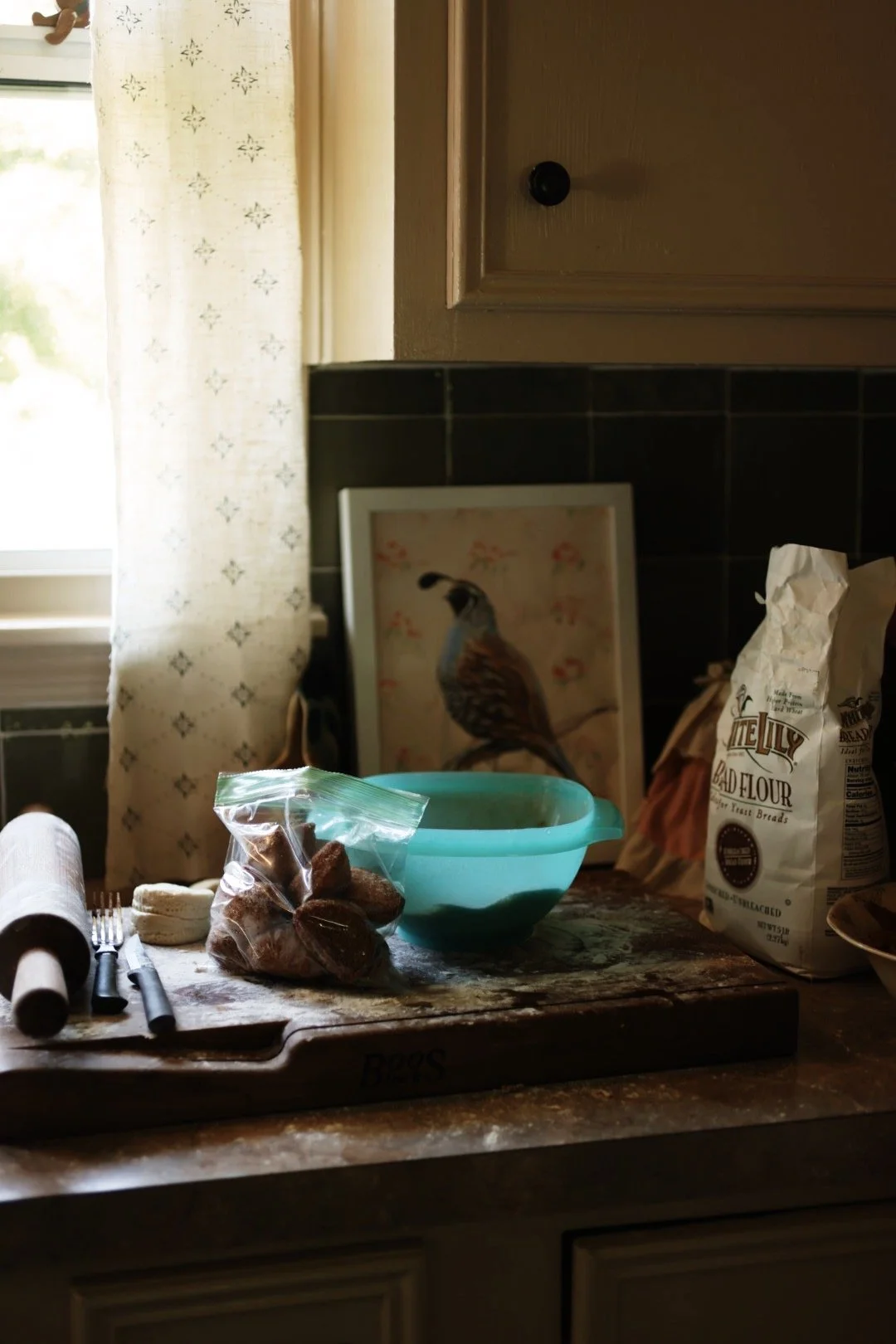
LUCK OF THE POT — Hosting a Potluck

Ben Ashby

TRADITIONALLY A POTLUCK IS A GATHERING OF PEOPLE WHERE EACH PERSON CONTRIBUTES FOOD TO BE SHARED. SOME REFER TO IT AS A COVERED DISH SUPPER, CARRY-IN MEAL, OR DISH-TO-SHARE DINNER. The word pot-luck is thought to have first appeared around the 16th century in England, the term was used to mean food served to unexpected guests.  To the Irish, the term potluck comes from a time when groups of women would gather together and cook dinner, the meal served tasted like what was a matter of luck in the pot.  I think of a potluck as a time that friends or families gather; everyone brings their favorite or most requested dish, a time to try new flavors and to savor old favorites.


Although there is no correct way to host a potluck, some hosts might provide the meat and ask guests to bring side dishes; some potlucks are themed either based upon the time of year or the hosts’ choice.  When planning or hosting a potluck meal of any sort, be sure to remember drinks, plates and utensils (friends that don’t like to cook will usually jump on the chance to provide them).

Where I live in Kentucky, part of the Bible Belt, church potlucks are a regular event.  My favorite church dinners are the ones with no theme; just based on luck.  I love a plate of vegetable casseroles, pasta dishes and deviled eggs.  While this is not a meal combination that I would necessarily serve at home, but one that brings back childhood memories of fun and fellowship.

Another of my favorite potluck dinners is a Progressional  Dinner.  This meal is where a group moves from house to house. At the first house, the host prepares appetizers or salads, the second host prepares the main course and the last host prepares desserts.  After dessert, the host might have a few games for the group to play to end the night.  Potluck meals can be a life saver around the holidays; they give friends and relatives the opportunity to fellowship together in a way that doesn’t overburden any one person or family.

The first potluck that I ever remember attending was on July 4, about 30 years ago.  It was held at my Aunt Naomi’s home in the area fondly know as Bull Creek.  All my dad’s brothers and sisters, their spouses and most of my cousins gathered in for good times and great food.  I remember a farm wagon being covered with more food than could possibly be eaten.  There were family favorites: butter beans, cabbage rolls, fried chicken, deviled eggs, chocolate pies and all sorts of other vegetables, meats and desserts.  My family has hosted a reunion every year since then, it’s now held on Labor Day and at the city park; the food is still wonderful, there is still more than can be eaten.  Though my grandparents are no longer with us; I can look around the room and see my mamaw’s familiar brown–eyed expressions in the eyes of many of my relatives.  And in the “potluck” of families, I consider myself very blessed.

NELLIE’S CABBAGE ROLLS


1 to 2 large head of cabbage

2 c, of uncooked minute rice

3 eggs

1 large onion, diced

4 pounds ground beef

1/2 T salt

1-29 Oz can of tomato sauce

1 lg can of tomato juice

Large covered roaster pan


Preheat oven to 350 degrees


Place the head of cabbage in a large pot over high heat and add water to cover. Boil cabbage for 15 minutes, or until it is pliable and soft; drain and allow to completely cool. Remove the hard outer vein from the leaves. In separate large bowl combine the beef, rice, salt, and eggs.  Mix well with hands.  Place a small amount (about the size of your palm) of meat mixture in the palm of your hand, form a small oblong roll, place into center of a cabbage leaf fold the cabbage over the meat, tucking in the sides of the leaf to keep the meat mixture inside. Place large excess cabbage leaves on bottom of roasting pan.  Pile up the filled leaves in the roaster. Add the tomato juice and tomato sauce, cover put in a 350 oven bake until juice thickens about 1hr. (Note: Check occasionally while, making sure the leaves on bottom of pan do not burn.)

Thanks to my cousin Linda for helping her mom create this recipe. Like many cooks, Nellie Myrl doesn’t use a recipe.


SEVEN CUP SALAD

1 c sour cream

1 c. sugar

1c crushed pineapple

1c mandarin oranges

1 c mini marshmallows

1 c coconut

1c chopped pecans


Mix sugar and sour cream.  Add remaining ingredients.  Chill and serve.
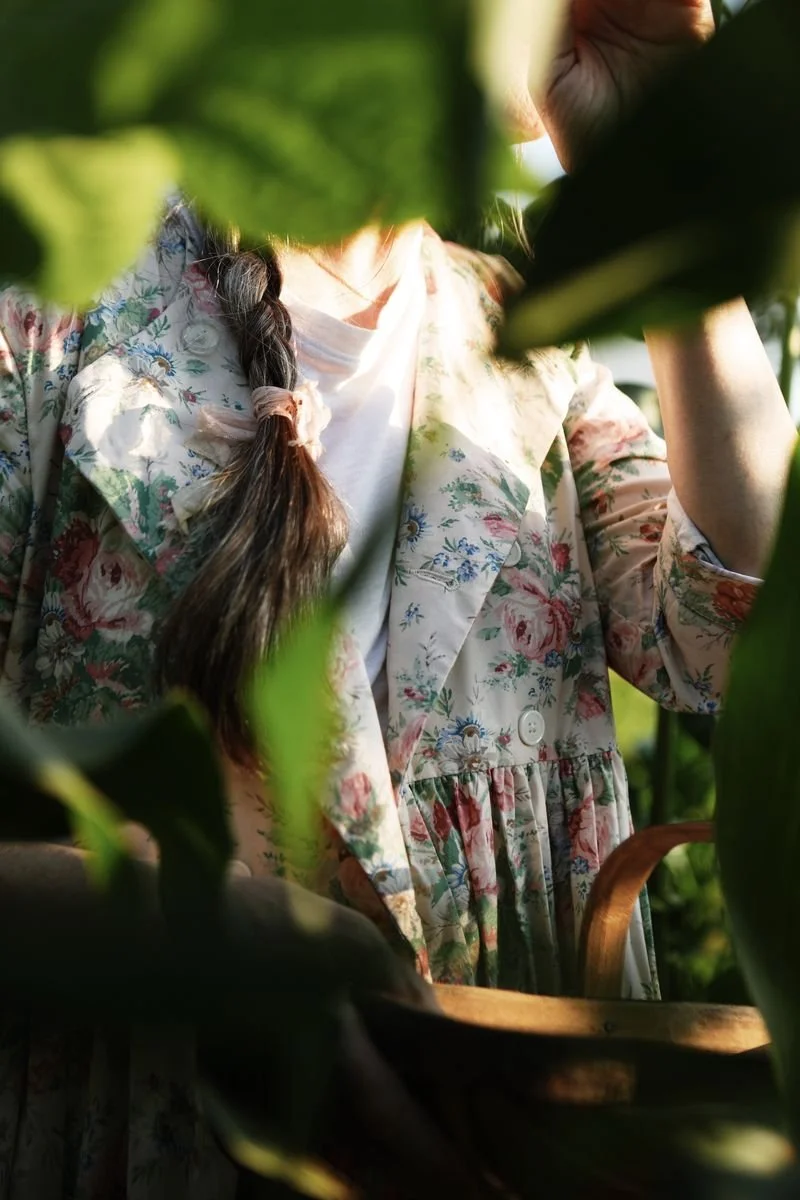

THREE BEAN SALAD


1 (8 1/2 oz.) can lima beans

1 (8 oz.) can cut green beans

1 (8 oz.0 can red kidney beans

1 med. onion, chopped

2/3 c. vinegar

1/2 c. salad oil

1/4 c. sugar

1 tsp. celery seed


Drain the canned beans. In a large bowl combine the lima beans, green beans, kidney beans, and onion. Combine vinegar, salad oil, sugar and celery seed; cover and mix well. Pour vinegar mixture over vegetables and stir lightly. Cover and chill at least 6 hours or overnight, stirring occasionally. Drain excess liquid before serving.
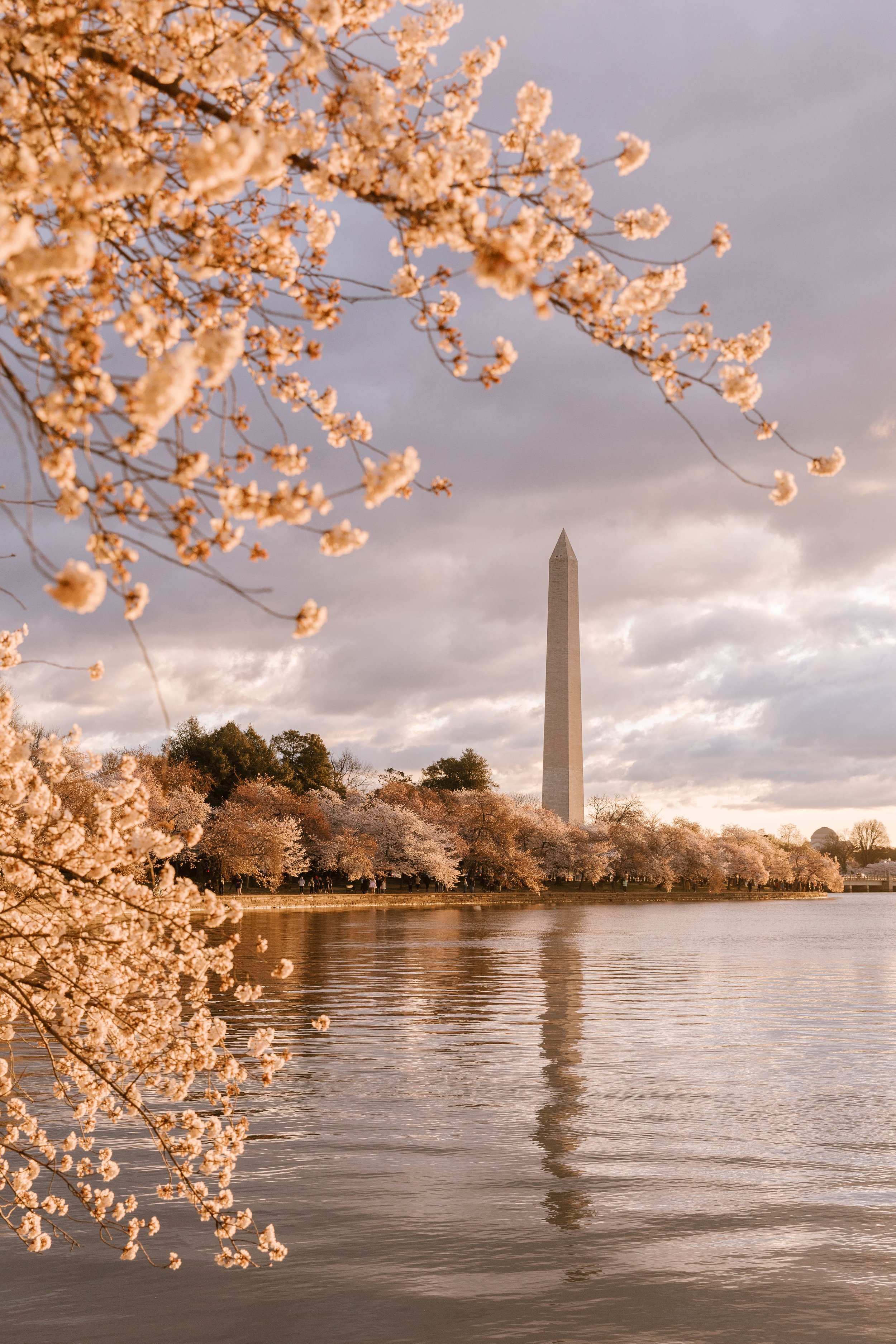

MISSISSIPPI MUD CAKE


1 1/2 c. flour

2 tbsp. cocoa

1 c. butter

2 c. sugar

1 tsp. vanilla

4 eggs

1 1/2 c. chopped pecans

1 (3 1/2 oz.) can flaked coconut

1 (7 oz.) jar marshmallow creme


Grease and flour 9x13 pan and set aside. Mix flour and cocoa together; set aside. Beat butter for 30 seconds to soften. Add sugar and vanilla, beating until fluffy. Add eggs. Beat in flour mixture. Stir in pecans and coconut. Turn mixture into prepared pan. Bake at 350 for 35 minutes. While cake is still hot, spread with marshmallow creme. Cool completely and add icing.


MISSISSIPPI MUD ICING:

1/2 c. butter

4 c. sifted powdered sugar

1/2 c. cocoa

1/2 c. evaporated milk

1 tsp. vanilla


MOMMA’S DEVILED EGGS


12 large eggs

Ice water

6 tablespoons mayonnaise

2 teaspoons mustard

Salt and black pepper

Cayenne pepper or Cajun Seasoning for dusting


In a large pot, arrange the eggs in a single layer and add enough water to cover. Bring to a boil over high heat, then cover and remove from the heat; let stand for 10 minutes. Drain, then cover the eggs with ice water. Let stand until cool to the touch. Peel the eggs, halve lengthwise and scoop the yolks into a medium bowl, reserving the egg whites. Mash the yolks with the mayonnaise, and mustard; season with salt and black pepper. Spoon the yolk mixture into the egg white halves and dust with cayenne pepper or Cajun Seasoning.


ORDER THE ISSUE: FOLK’S VINTAGE ISSUE