Contact Us

Use the form on the right to contact us.

You can edit the text in this area, and change where the contact form on the right submits to, by entering edit mode using the modes on the bottom right. 


123 Street Avenue, City Town, 99999

(123) 555-6789

email@address.com


You can set your address, phone number, email and site description in the settings tab.
Link to read me page with more information.

28701094_10212834190028399_4605117811259477658_o.JPG

BLOG

The daily, and somewhat random, musings from Ben. From the journeys, to the vlogs, to the behind-the-scenes-into-the-world moments.

At Home with Phillip Saul

Ashley Evans
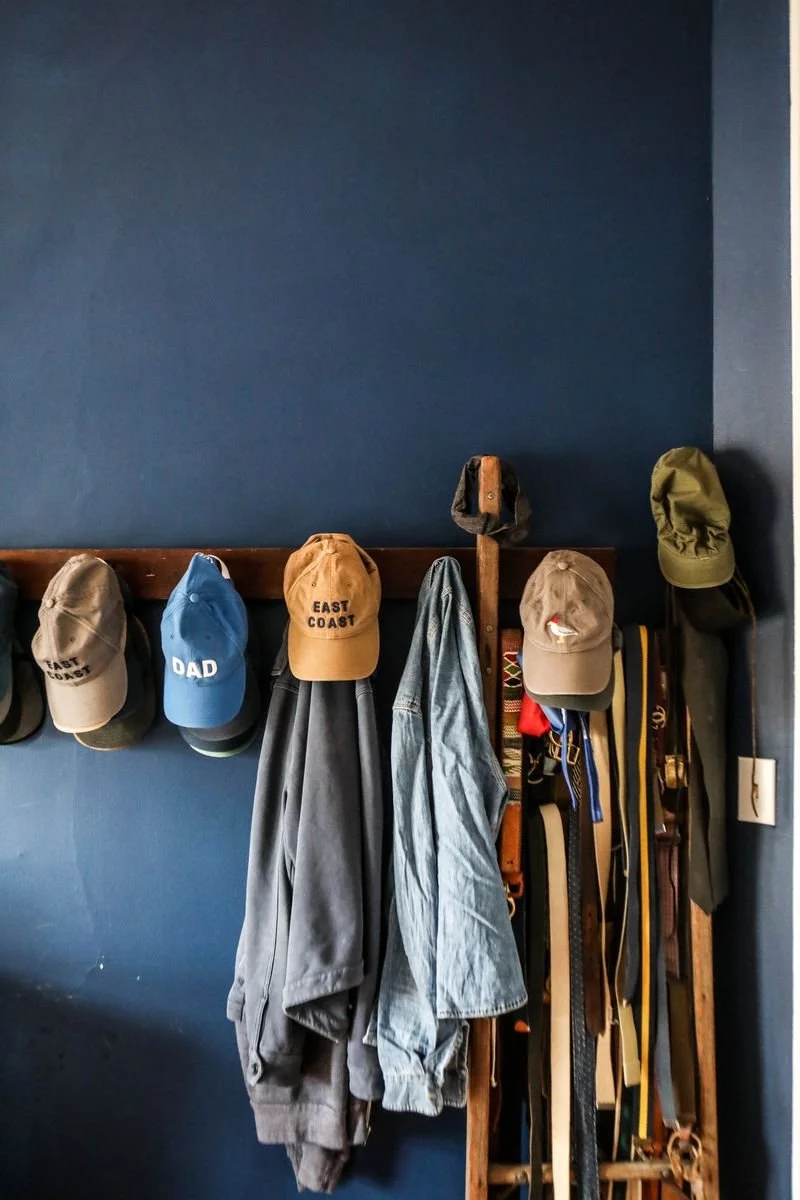
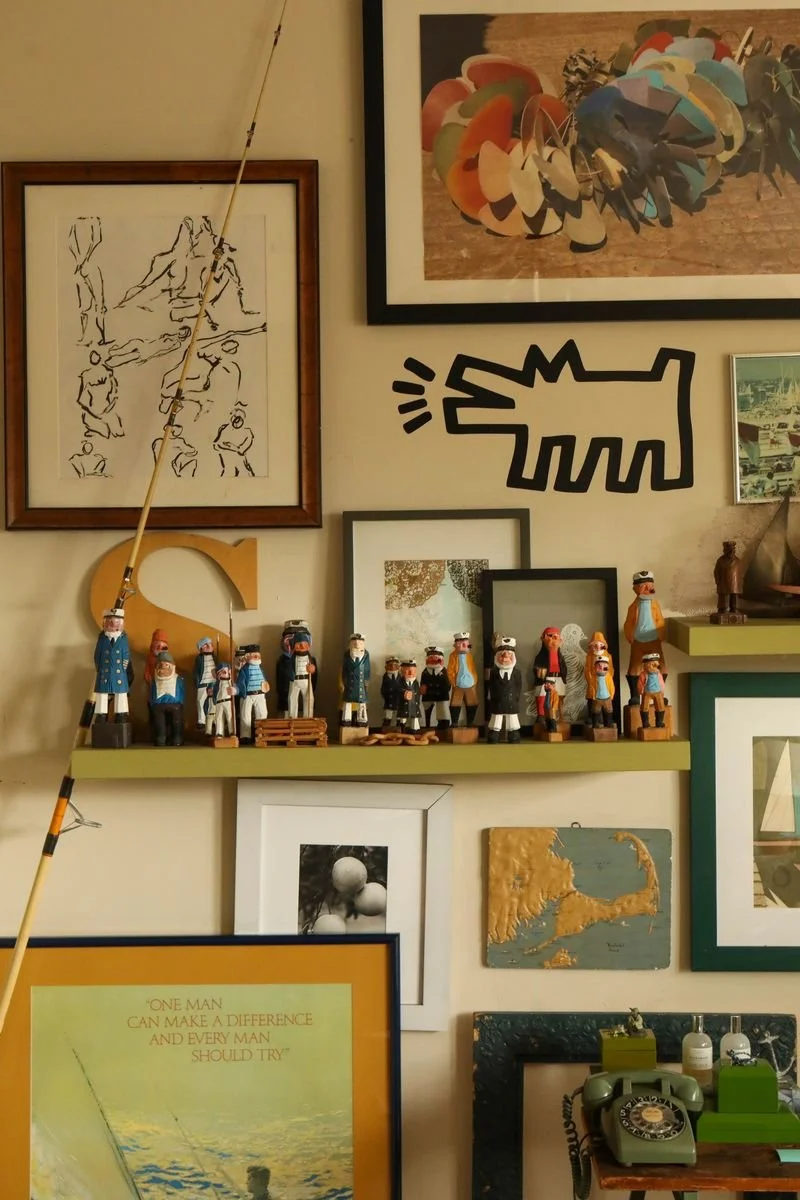
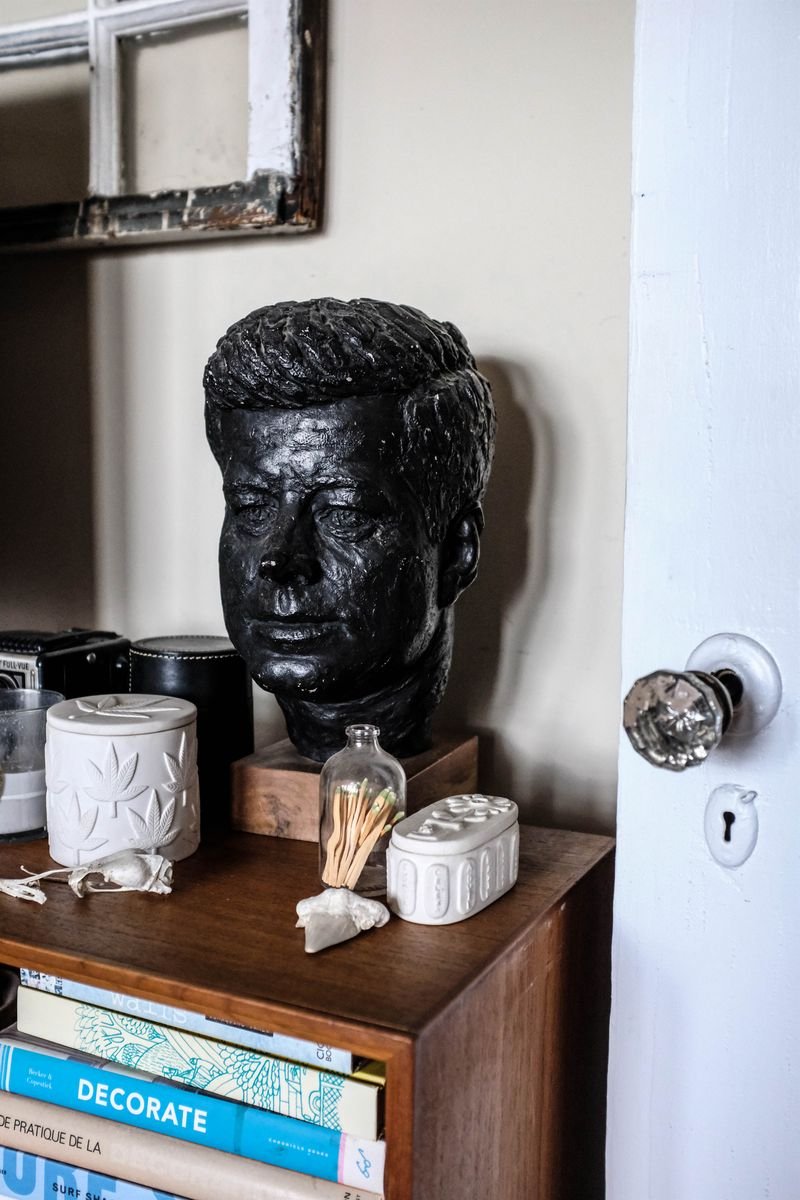
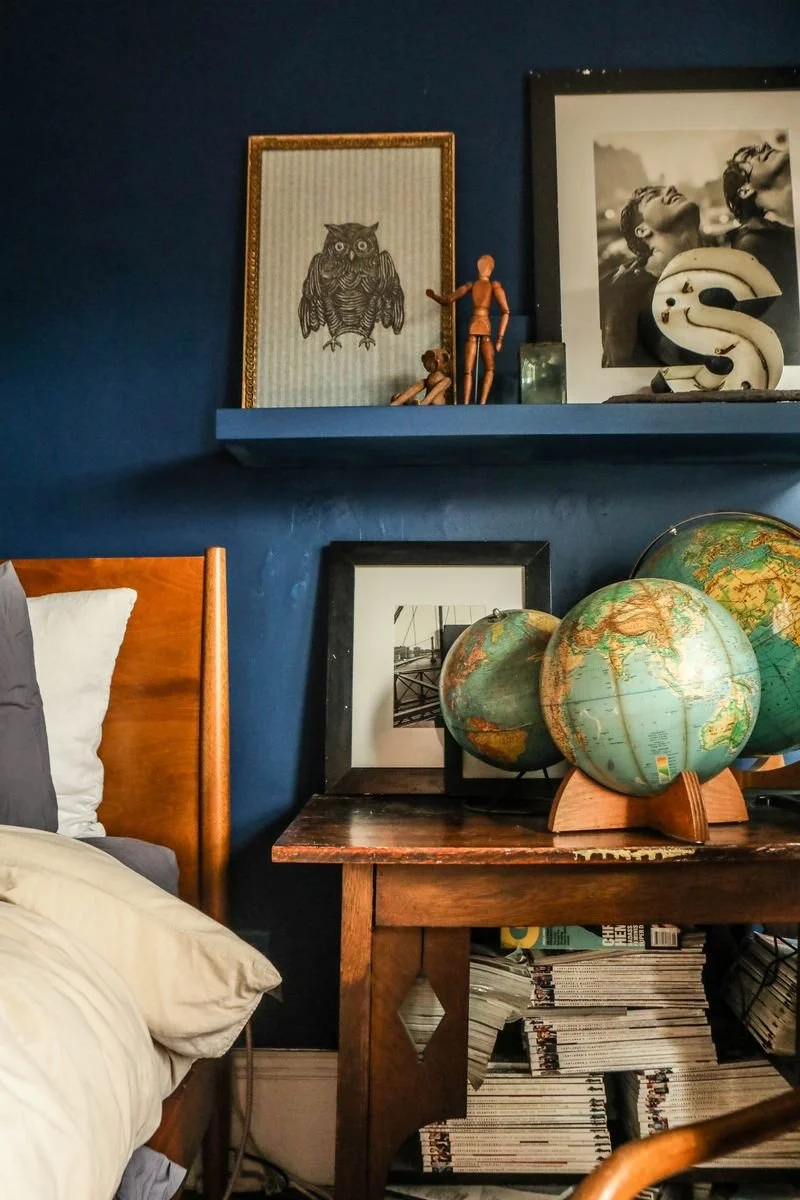
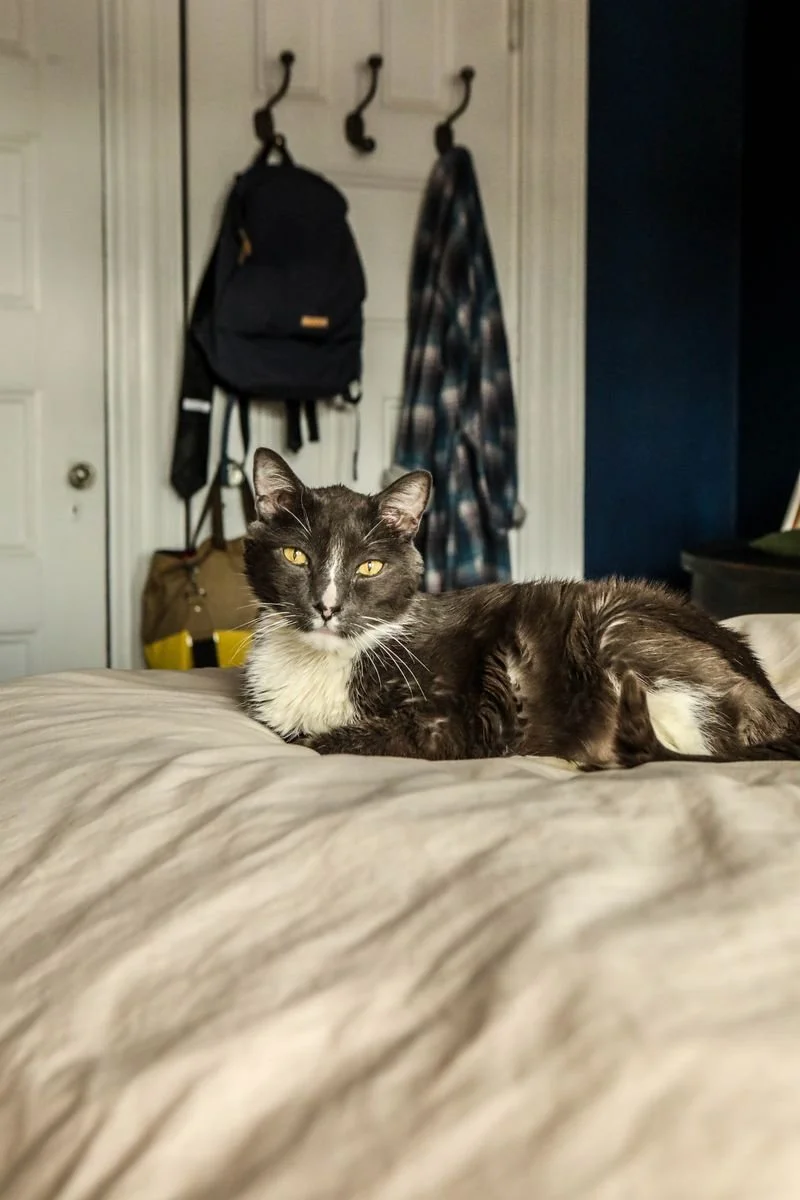
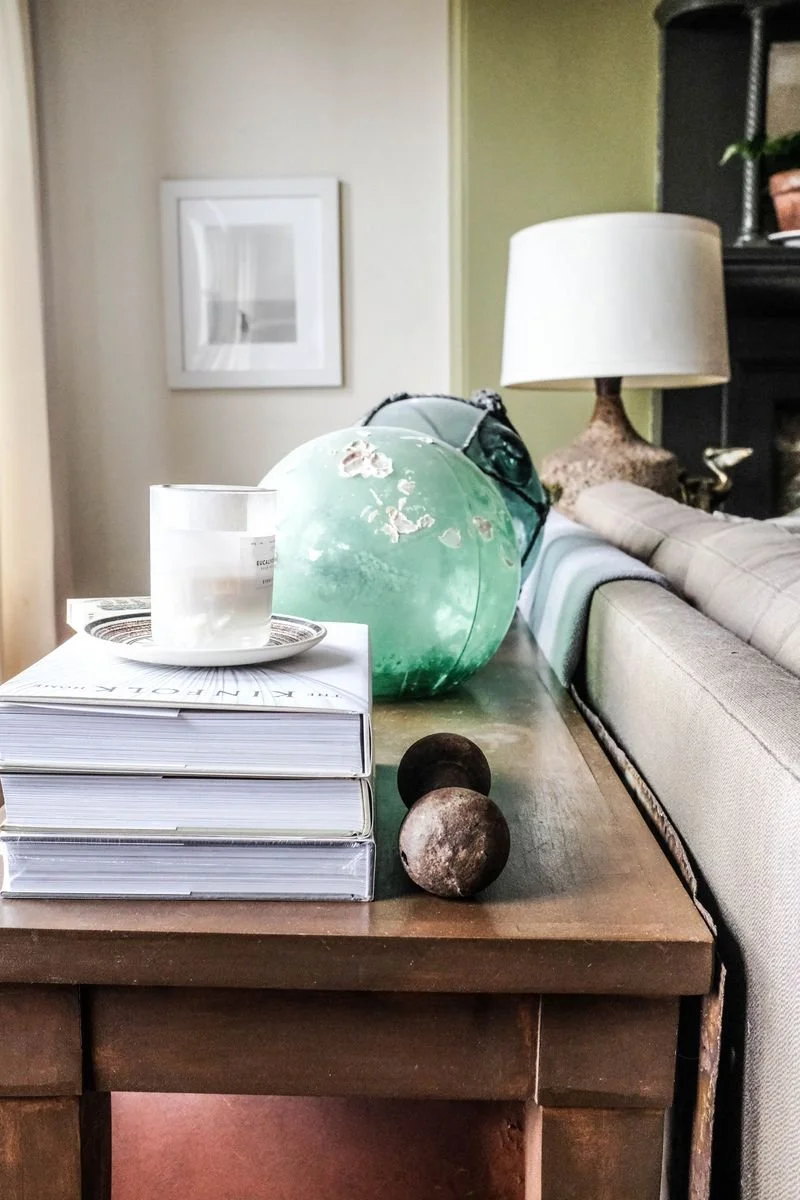
Not everyone can escape the city for a life in the country, obligations like work and relationship tie a person to the urban areas, but that doesn’t mean elements of the bucolic life can’t be brought into the home. Boston resident and shopkeeper Phillip Saul has created a home that feels like an escape the urbane using antique pieces and vintage finds. Phillip, a lover of the New England coast has brought in a variety of nautical elements into his home. Within the apartments limited square footage he he a place that feels cozy but inspired and unique to Phillips lifestyle. Frequent trips to Brimfield for antiquing ensure a continually rotating collection to add varied interests for every visit.
Jennifer and Richard Lanne - Ballston Spa, New York

Ashley Evans

Growing up in upstate New York, Richard Lanne, Jr. dreamed of living off the land. His childhood was full of adventures he recorded in many notebooks, documenting the fleeting knowledge of the land and being able to do for oneself that he learned from the many scoutmasters and old timers that passed through his world. He grew up in a story akin to the Foxfire books of old. He spent much of his youth learning how to forage, trap, hunt, build, and forge his future.

In 2002 Richard and his wife Jennifer, a painter, moved to Ballston Spa, New York to a historic farm property once owned by an exiled Scot named Agnus McDearmid. The home was in fair shape when the two moved, but they were looking for a fixer-upper and the 1779 farmhouse was just what they were looking for. For both Jennifer and Richard, the most important part of finding a home was that it be historic and original. “So many historic homes in the area were gutted somewhere between 1970-1990 and completely remodeled,” says Jennifer, “but this one had the original floors and low ceilings we wanted.”

Today, over two decades later the house and property feels almost like a timepiece to an earlier era. The house, Jennifer’s studio in the equally old barn, and a blacksmith’s forge used by Richard in a former smoke house, feel cozy and eclectic. The spaces have been filled with handmade pieces and early American antiques. Jennifer’s extensive collections fill each of the rooms and cause visitors to slow down and study each room at length. 

Jennifer’s studio, a rambling space spread across two floors of the old barn feels like a mix of the very old, the old, and the new. A disco ball hangs perfectly at home next to salvaged early wood finds, and paintings created by Jennifer. 

The home feels especially cozy during the winter months. Richard lights a fire in the oversized hearth in the front room and the fire can be heard crackling throughout the house. Richard and Jennifer have done much of the work on the property themselves over the past two decades. Jennifer, speaking of Richard’s skills “He can really make anything, and that came in handy when we bought this farm,” say Jen. “Anytime we needed a bracket for a door he was able to forge it, he really does know how to make just about anything. If he doesn’t he teaches himself.”

When asked why they love the old home Jennifer, with a laugh responds “we love the character of the place.”

The house stand as an authentic example of a classic American farmhouse, one that was built for practicality and function, one that has stood for centuries and will continue to live on for many more to come. 

AT home with Jonathan Kent Adams

Ashley Evans

The state of Mississippi has been long known as a very southern state, one that is filled with vast farms, small towns, historic charm, and of course the mighty Mississippi River. Water Valley, the town Jonathan Kent Adams and Blake Summers call home, is a town just south of Oxford that was a major producer of watermelons, but has since become a bit sleepier of a place that fits Jonathan and Blake well. Their home sits a few blocks off the center of town, just a pleasant walk from restaurants, shops, Jonathan’s studio, and the folks that make this town feel like a bit of a liberal refuge in an otherwise staunchly conservative state

“Our style is whatever we like. We are a bit all over the place, so it’s hard for me to say a certain style. Blake is usually drawn to darks, earth tones, ornate, and brass. I am more modern, playful, and bright. What unites our style is our love for the pieces we both pick out. We usually contemplate something and then add it if we both love it.” Jonathan says of the style of their home

The house was built around 1910 and the pair bought the house from the artist, Coulter Fussell a few years ago. “I am hoping a little of her magic is still there for me to tap into.” She moved a street over and still makes work in Water Valley. Since taking ownership they have slowly made subtle changes to the house to make it work for their ever active lifestyle. Each year brings an array of projects to the house and property. 

Most items in their house were found at thrift and antique stores. Shops like The Depot, B’s Antiques, Helping Hands, Sugar Magnolia, and the Mustard Seed in Oxford have been a constant source of new additions to the home. Blake frequently takes trips after work to see what’s new or the pair will take little trips together to shop for new finds. Jonathan advises to check your favorite thrift and antique stores frequently for changing inventory and pieces you may have originally overlooked

“I am not sure a lot about the history of the house, our neighbor used to play in our yard and will tell me places where sheds or old walk ways used to be. I know there was a small addition in the 80s along with the vinyl siding. The addition is actually where our roof still leaks, tackling that will be one of our future projects.” Jonathan says of the house.  He says he thinks their favorite part of the house is how it sits on a hill and the evening golden hour light floods in each evening.

When asked why they decided  to move to small town Mississippi Jonathan says “because queer people usually leave and it’s cheap! We can afford to be creative without having to spend forty plus hours a week stuck in an awful job. We also want other queer people in Mississippi who may not have the access or ability to leave here know that other lgbtq people are here!”

Jonathan, a well-respected artist, has a studio a few blocks from the house. His work has been exhibited and shown in shows and galleries across the U.S.

Biscuits Before the World Woke Up

Ashley Evans

There’s something sacred about biscuit-making.

The kind you do slow, barefoot, before the house wakes up.

No mixer. No measuring cups clanking. Just flour on the counter, cold butter under your fingers, and buttermilk poured by instinct. These biscuits were never meant to be fancy—they were meant to be faithful. Showing up on hard mornings, Sunday dinners, and every table where love needed filling in.

My grandmother used to say you could tell a lot about a person by their biscuits—how gentle they were with the dough, whether they rushed, whether they trusted their hands more than the recipe. These are the kind that rise proud and soft, split open with steam, and carry the quiet comfort of generations.

They don’t ask for much.

Just a hot oven, a patient hand, and someone to share them with.

Because in the South, biscuits aren’t just bread—

they’re how we say you’re home.

Old-Fashioned Southern Biscuits

Ingredients:

  • 2 cups self-rising flour (White Lily if you have it)

  • 1/4 cup cold lard or cold butter (or a mix of both, like the old folks did)

  • 3/4 cup whole buttermilk (cold)

  • A little extra flour for dusting

Instructions:

  1. Preheat your oven to 450°F.

  2. Pour flour into a wide bowl. Cut in the cold lard or butter using your fingers until it looks like coarse crumbs—don’t rush this part.

  3. Make a well in the center and pour in the buttermilk. Gently stir just until the dough comes together. It should be soft and a little shaggy.

  4. Turn dough onto a lightly floured surface. Fold it over itself 3–4 times—no kneading.

  5. Pat dough to about 1 inch thick. Cut biscuits straight down with a floured cutter (no twisting).

  6. Place biscuits close together in a greased cast-iron skillet or pan.

  7. Bake 12–15 minutes, until tall, golden, and smelling like home.

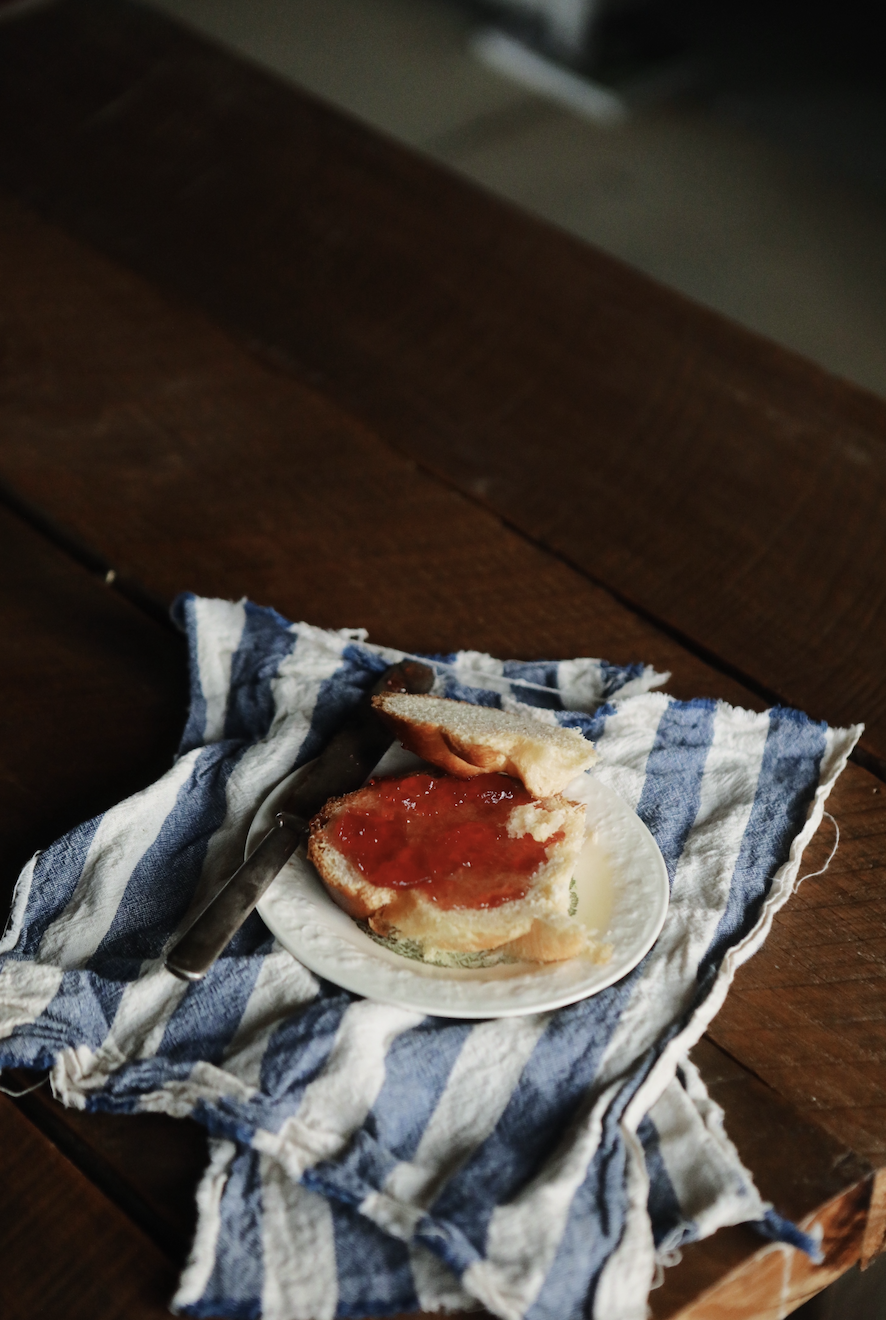
  8. Serve hot with butter, sorghum, or a spoonful of jam.

That Old Southern Chocolate Pie

Ashley Evans

There are some desserts that don’t just get baked — they remember.

This chocolate pie is one of those. The kind that cools on a windowsill while the house hums quietly, the kind where the spoon always sneaks in before it’s fully set. It’s humble and rich, soft-spoken but unforgettable.

This is the pie that showed up at Sunday dinners, funerals, celebrations, and “just because” days. The meringue is piled high like a proud little cloud, the chocolate filling silky and deep, and the crust holds it all together like a well-loved story.

If you listen close, you might hear someone in the kitchen say, “Don’t touch that yet.”

We always did anyway.

Old-Fashioned Chocolate Pie

Ingredients

Pie Filling

  • 1 baked 9-inch pie crust

  • 1 cup sugar

  • ¼ cup cocoa powder

  • ¼ cup cornstarch

  • ¼ teaspoon salt

  • 2½ cups whole milk

  • 3 egg yolks (save the whites for meringue)

  • 2 tablespoons butter

  • 1 teaspoon vanilla extract

Meringue

  • 3 egg whites, room temperature

  • ¼ teaspoon cream of tartar

  • ½ cup sugar

  • ½ teaspoon vanilla extract

How to Make It

1. Make the Chocolate Filling

In a saucepan, whisk together sugar, cocoa powder, cornstarch, and salt. Slowly whisk in the milk until smooth. Cook over medium heat, stirring constantly, until thick and glossy — about 8–10 minutes.

Temper the egg yolks with a little of the hot mixture, then stir them back into the pan. Cook 1–2 minutes more until silky thick. Remove from heat and stir in butter and vanilla.

Pour the warm filling into the baked pie crust.

2. Make the Meringue

Beat egg whites and cream of tartar until soft peaks form. Gradually add sugar, beating until stiff, shiny peaks appear. Beat in vanilla.

Spoon the meringue over the warm filling, spreading all the way to the edges to seal the crust. Swirl the top with the back of a spoon like little clouds caught mid-drift.

3. Bake

Bake at 350°F for 12–15 minutes, until the meringue is lightly golden.

Cool completely before slicing (this part takes patience and strong character).

Q & A with Photographer Flip Twogood

Ashley Evans

When did you first become interested in photography?
I became interested in photography in January 2023 when I bought a camera for my wife and I to use to document our travels. That whole first month I set a goal to take and edit at least 1 photo everyday and post it. After that first month of giving it my all I totally fell in love. 


Were you self-taught or did you learn in school/from a mentor?
I guess like most I am self taught, however I did an internship with Jakob Lilja-Ruiz (portra papi) who is my all time favorite film photographer and he taught me a lot!


How did you develop your style?
I developed my style by shooting and editing almost every single day without fail for over 2 years now. The more you do it the more your own preferences will come to fruition. 


What themes do you explore through your work?

I love to explore the landscapes of the mountains and desert in my home state of utah. These places have been extremely challenging to get to whether it be summiting the highest peaks or or reaching the deepest valleys there is always a fear to overcome and a physical and mental determination to find the most beautiful places on earth. 

How do you find and choose you subjects or locations?

I spend lots of time on onx backcountry looking at 3d maps trying to find what spots look like they'd have insane potential for shots

What themes do you explore through your work?

I love to explore the landscapes of the mountains and desert in my home state of utah. These places have been extremely challenging to get to whether it be summiting the highest peaks or or reaching the deepest valleys there is always a fear to overcome and a physical and mental determination to find the most beautiful places on earth. 

How do you find and choose you subjects or locations?

I spend lots of time on onx backcountry looking at 3d maps trying to find what spots look like they'd have insane potential for shots


How do you compose an image? Do you go into the shoot with a specific shot in mind, or does the inspiration strike when you place your model in the setting?

Its definitely a mixture. Something that I always focus on is symmetry. I want my images to feel balanced and clean. I'm always triple checking to make sure there are no competing/overlapping lines unless they happen to be aesthetic. Organizing what is before you is the most important part of composing a good image and making sure that all the subjects (main subject, horizon line, foreground, supporting subject, ect.) are placed neatly in the frame and compliment each other. 

How do you compose an image? Do you go into the shoot with a specific shot in mind, or does the inspiration strike when you place your model in the setting?

Its definitely a mixture. Something that I always focus on is symmetry. I want my images to feel balanced and clean. I'm always triple checking to make sure there are no competing/overlapping lines unless they happen to be aesthetic. Organizing what is before you is the most important part of composing a good image and making sure that all the subjects (main subject, horizon line, foreground, supporting subject, ect.) are placed neatly in the frame and compliment each other. 

What has been your biggest lesson learned through creating your art?  

That magic happens on this earth every single day!! The more you put yourself in situations to notice it (intentionally making time to go visit beautiful locations and putting yourself outdoors) the more fulfilling life becomes. I cannot believe I lived my first 27 years of life not noticing and oblivious to the wonder of this life! Photography has taught me and given me so much gratitude for life.

What do you hope your art says to people?

I hope my art inspires people to go outside and look for the beauty that is available to us every day. 

Why did you choose your craft(photography)

I just wanted to document my travels better

How hard was it to become profitable at it? 

To be honest it's still pretty hard. Shooting analog film, i spend significantly more money than I make. Each photo usually costs me anywhere from $1-3. I take hundreds of pictures every month and this definitely adds up along with the cost of gas and travel. But that all being said its beyond worth it. The thrill I get of snapping the shutter in locations that are truly otherworldly is all worth it.  

Any suggestions to newcomers to the field

Shoot and edit every single day!! There are no shortcuts to getting good. Its a matter of overall hours put in. In the last 2 and half years I have poured nearly 7,000 hours into learning this new skill. Every night before bed I have edited at least 1 photo without missing a day for the last 700+ days. This has made all the difference. 

If you couldn’t be doing your craft, what would you do instead?
I'm actually a music producer for a living and play guitar for my band acacia ridge! So probably that haha


What would you do differently if you could start from scratch?

I feel fortunate to say nothing so far, I had the advantage of being obsessed with the art on my side so all my freetime has gone into improving my art. 


Biggest pet peeve about the industry?

Photographers who seem to get lazy with their editing and shooting style. Always staying the same and not trying to improve year after year. I understand burn out and that's super valid. But I just love seeing artists continue raising the bar and ever evolving and pushing themselves.

Is flannel really always appropriate?

Not when you are climbing a mountain and sweating to death

Farmstead Flowers - Oxford, MS

Ashley Evans

There is something really joyful about flower farms. Bright bursts of colors filling rows and rows across the land, tall stems stretching towards the sky, waiting to be added to the most beautiful arrangements. A finite season of fleeting beauty, only lasting for a few days, but creating joy to fill entire spaces. Just outside Oxford, Mississippi, in what I think is north of the college town, where the rolling hills start to rise up a flower farm, Farmstead Florals, owned by Katherine Sharp brings seasonal beauty to cities all over The South. 

“I've always loved being outside, sweating, and getting dirty, but that lifestyle became all the more rewarding when I added flowers to the mix! It is hard to believe that I am in my seventh season raising cut flowers for florists and groceries” writes Katherine. “I came by farming naturally as my parents owned a vegetable farm in South Louisiana where I was raised but summer of 2016 I decided to put my own spin on the family business and started growing flowers here in Oxford. The feeling of planting a seed, watering, weeding, pruning, and nourishing it as it grows bushy with blooms coupled with the minor success that I had selling the stems was enough to make me go out on my own and make Farmstead Florals my full time job.  Slow and steady has been the motto as I grew from 3/4 of an acre to 5 acres all open fields, starting with selling just to one of the local florist in town and the Saturday farmers market to now 30+ florist and groceries across three states, 2 farmers markets, and our Self Serve Honor Stand on the Oxford Square.  

“Our meat and potatoes is selling wholesale to florists but most people around town know us for the "on your Oxford honor" self-serve flower stand we keep stocked 24/7 in the middle of downtown. Having not been an Oxford native I was at first a little skeptical of whether an unmanned, glorified lemonade stand with a cash box drilled into the side selling mason jar bouquets would work or not.  But having been rejected with an armful of flowers more than a handful of times I remembered my business mantra for success, "some say yes, some say no, so what, who cares, who's next,"  and decided to go for it!  I was amazed at not only how well the stand did from the sales side but also how quickly the community took to it, did right by it and claimed it and my budding business as a new fixture of our small town. My nickname soon became "the flower girl" and I loved it and was so happy to call Oxford my new home!”

Never before did I think of myself as a creative person until I found flower arranging. I love playing with the different textures and color pallets and watching as the bouquets change each week from May to October as different varieties come and go out of season. In the winter months when there is little to nothing to do but wait for the rain to stop and Spring to come, I found myself itching for a new creative outlet. With the few flowers I had hung to dry as an experiment I made my first dried floral wreath! Pleased with the final product, we strung some lines of twine and turned an old out of use box refrigerator for vegetables into a drying room for flowers! Now in October when the frost comes and kills all of our flowers overnight we put away our mason jars and get to work making wreath rings out of branches around the farm and using floral wire to secure dried and faded blooms to our natural base. 

One of my favorite things about living and working on a farm is there is a never ending to do list and an endless amount of projects you can inspire. I feel so fortunate to have found my passion and been given the opportunities to thrive so early on. 

The Cobbler That Knows It’s Way Home

Ashley Evans

The Peach Cornmeal Cobbler

This is the kind of dessert that doesn’t ask for perfection—just ripe peaches, a warm oven, and a little faith in butter. The kind that bubbles up at the edges and fills the kitchen with that unmistakable something good is happening smell. Best served slightly messy, preferably with bare feet on cool floors and someone hovering nearby asking, “Is it ready yet?”

Cornmeal gives this cobbler a little backbone—old-fashioned and comforting—while the peaches do what peaches do best: soften, sweeten, and turn syrupy as they bake. No stirring once it’s layered. Trust the process. Let the oven work its quiet magic.

Ingredients

• 4 cups sliced peaches (peeling is optional, and encouraged if you like things rustic)

• 1 stick butter

• 1 cup cornmeal

• ½ cup self-rising flour

• 1 cup brown sugar

• 1½ cups white sugar

• 1 tablespoon cornstarch

• Cinnamon, to taste

• ½ teaspoon salt

• 1 cup buttermilk

How to Make It

Preheat the oven to 375°. Place the butter in your baking dish and let it melt in the oven while things warm up.

In a saucepan, combine 1 cup white sugar, ½ cup brown sugar, cornstarch, and peaches. Stir gently and often until it comes to a boil and the peaches begin to soften and shine.

In a mixing bowl, stir together the remaining sugar, flour, cornmeal, and salt. Add the buttermilk and mix just until everything is wet—no need to overthink it.
Pour the batter into the melted butter without stirring. Spoon the peach mixture over the top, again without stirring. Sprinkle generously with cinnamon (and any other cozy spices you love).

Bake until golden, bubbling, and impossible to ignore—about 30 minutes.

Serve warm, ideally with a scoop of vanilla ice cream melting into all those golden pockets. This is summer comfort in a dish—the kind you’ll want to make again before peach season slips away